The Golden Age of Isekai Is Over — Here’s Why It Matters
Kadokawa — the company behind more isekai anime than anyone else on the planet — just issued what amounts to a corporate mea culpa. Their 2025 earnings report didn’t just show declining numbers. It contained an admission that the entire industry saw coming but nobody wanted to say out loud: overreliance on isekai anime hurt their business. The genre that defined a decade of anime is eating itself, and the biggest player just confirmed it publicly.
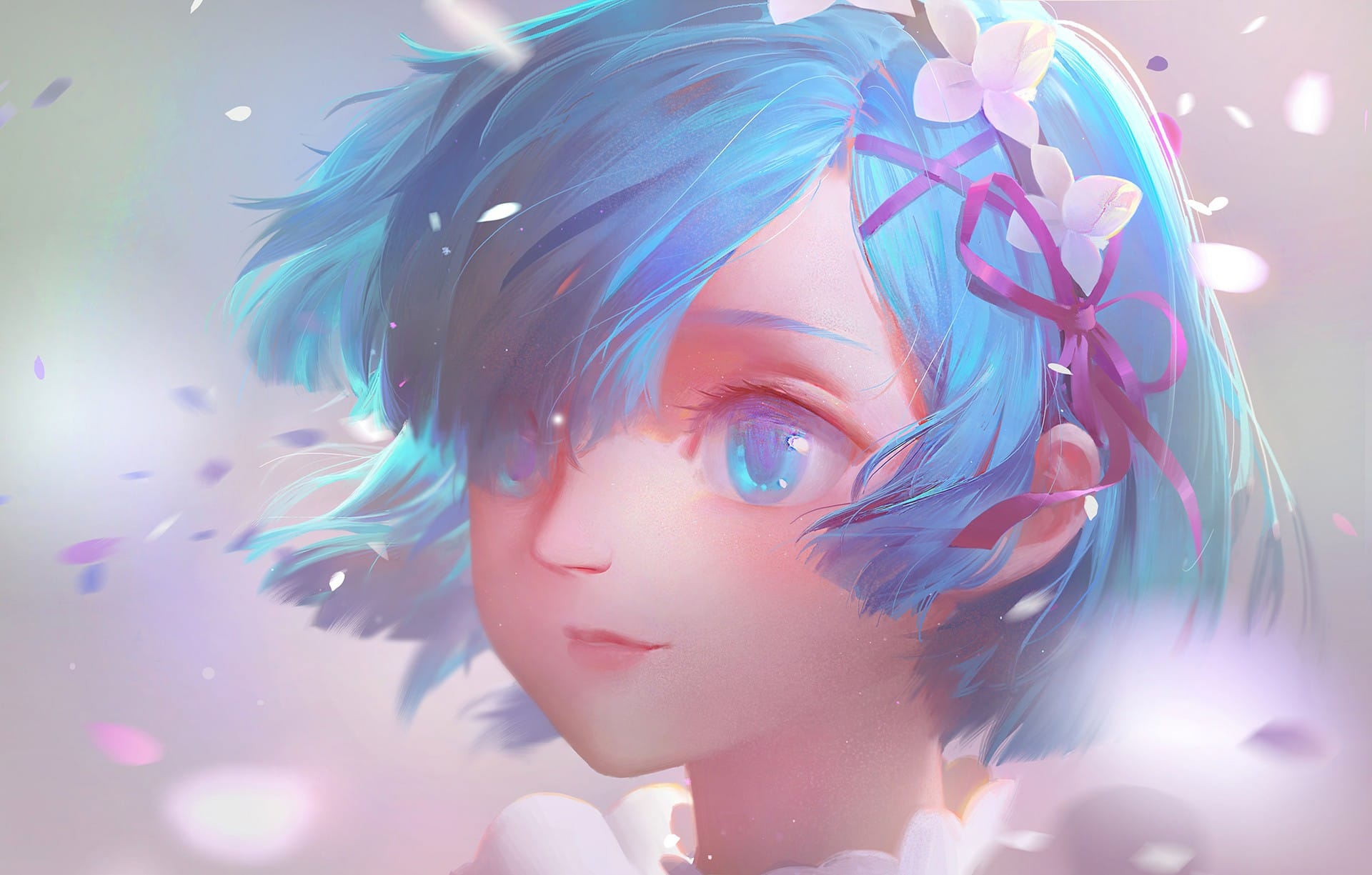
For anyone who’s been watching anime since the early 2010s, this hits different. Isekai anime used to mean something specific and exciting. It meant Sword Art Online reinventing what a modern anime protagonist could be, proving that virtual worlds could carry genuine emotional weight. It meant Re:Zero taking the transported-to-another-world concept and twisting it into psychological horror that left audiences breathless. It meant Mushoku Tensei building a genuinely lived-in fantasy world with real stakes and real consequences for its characters.
But somewhere along the way, “transported to another world” stopped being a premise and started being a template — and that template got copy-pasted until the ink ran dry. The isekai anime pipeline became a conveyor belt, and quality became the first casualty. Now we’re watching the correction happen in real time, and the data backs it up.
And honestly? It’s about time. The genre needed this reckoning.
How Isekai Anime Conquered the World (2020–2025)
To understand why isekai anime is declining, you have to understand how it conquered everything first. The genre didn’t sneak in through the back door — it kicked the front door down and set up permanent residence. Sword Art Online proved that a modern isekai anime could dominate globally, not just in Japan. It showed studios and publishers that the transported-to-another-world formula had legs far beyond traditional otaku circles, pulling in viewers who had never touched a light novel in their lives.
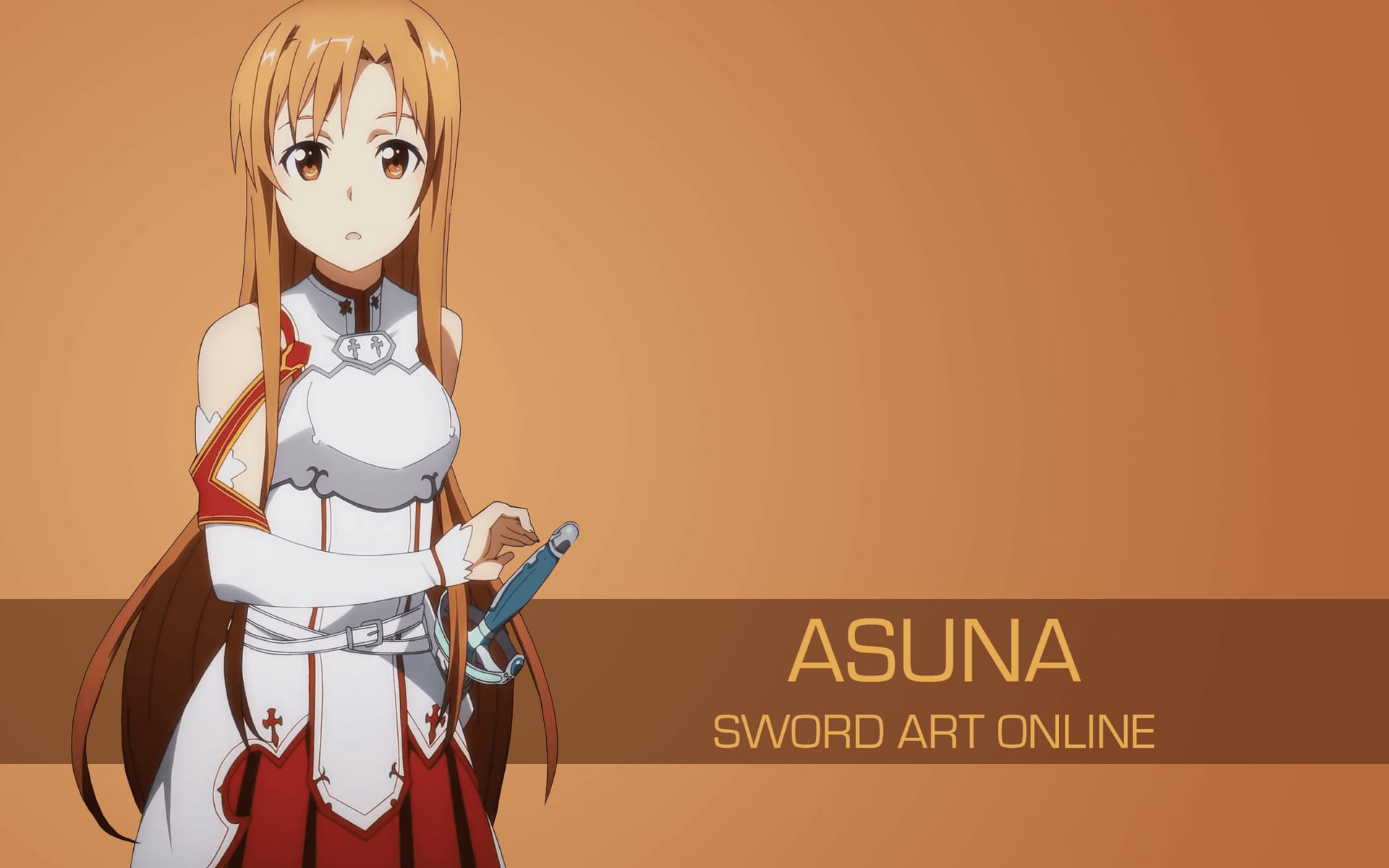
Then came the flood, and what a flood it was. Re:Zero proved that isekai anime could be genuinely harrowing, turning the genre’s comfort mechanics into instruments of torture for its protagonist. The Rising of the Shield Hero showed the controversy-fueled potential of the genre, sparking debates that went way beyond anime circles. Overlord flipped the script entirely by making the protagonist the villain — or at least the ruler of evil, which in isekai terms is close enough. The Eminence in Shadow turned self-aware parody into its own phenomenon, proving that even mocking the genre could become a massive hit.
Each one found an angle that worked. Each one proved there was still gold in the isekai mine. But the real engine behind the explosion wasn’t creativity — it was Kadokawa’s industrial pipeline.
Kadokawa built a machine that turned web novels into light novels into anime adaptations at a pace no other genre could match. Their publishing arm scoured Shōsetsuka ni Narō for any story with “reincarnated” or “another world” in the title, then fast-tracked it through the production process. If a web novel hit the right metrics — page views, reader retention, bookmark ratios — it got the green light. Quality was secondary to marketability. Originality was secondary to formula adherence.
And for a while, it worked spectacularly. At peak saturation between 2022 and 2025, we were getting 30+ isekai anime titles per year. Every single season had at least four or five new ones competing for attention. The genre accounted for a massive share of seasonal anime, and international audiences — especially in North America and Southeast Asia — couldn’t get enough. The isekai protagonist became the defining anime archetype of a generation, for better and worse.
The formula was almost too good: ordinary person gets extraordinary powers, explores a fantasy world, accumulates a loyal following (usually with romantic undertones), wins every fight through sheer determination or a conveniently unique ability. It was power fantasy distilled to its purest form, and it sold incredibly well. Streaming platforms competed for isekai anime licenses. Merchandise flew off shelves. The ecosystem fed itself.
But nothing sells forever without evolving. And isekai anime, as a genre, had stopped evolving while its production had only accelerated.
The Saturation Point: When More Meant Less
Here’s the thing about saturation: it doesn’t happen overnight. It creeps up on you slowly, then all at once. One season you’re excited to see three new isekai anime on the schedule. The next season there are five, and you’re still interested. Then eight, and you’re picking and choosing. Then suddenly you’re watching the seventh show in a row where a nobody gets hit by a truck, wakes up in a fantasy kingdom, discovers they have a unique cheat skill, and proceeds to outclass every native inhabitant of that world without breaking a sweat.
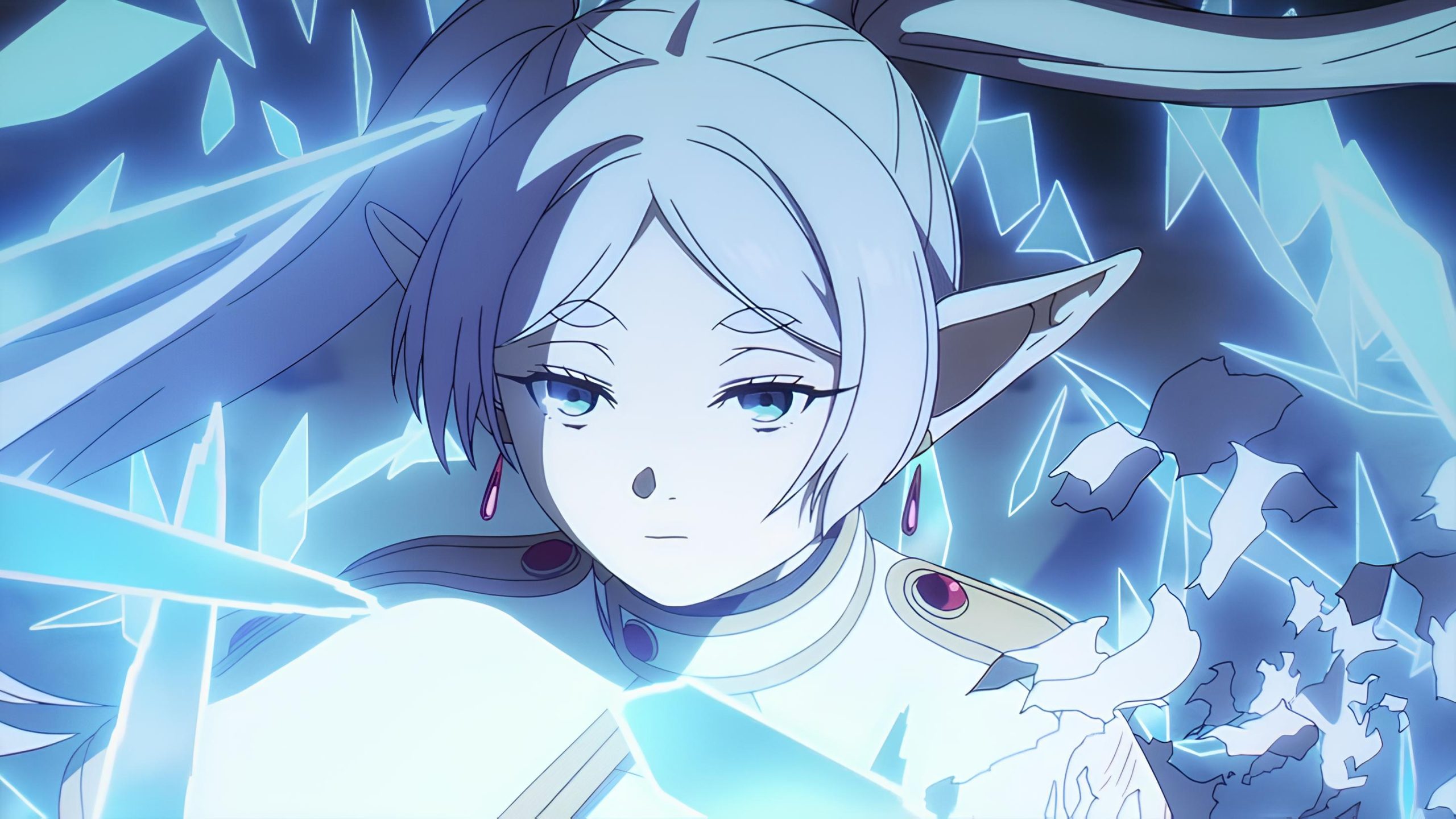
The memeification of isekai anime told the whole story better than any critic could. When your genre becomes its own meme — “oh great, another truck-kun show” — you’ve reached a cultural inflection point that’s hard to reverse. Fans started playing isekai bingo unironically. Every trope got catalogued and mocked with surgical precision. The reincarnation cheat, the stat screen that pops up like a video game HUD, the slave girl companion who’s inexplicably loyal, the kingdom-building arc that turns every isekai into a city management simulator, the cooking scene that somehow turns into a food tourism advertisement. We all knew the beats before the first episode aired.
And that’s the real problem with an overused genre — it becomes predictable, and predictable is the enemy of the emotional investment that makes anime worth watching in the first place. When you can map out an entire season’s plot from the key visual alone, something has gone wrong.
Kadokawa’s own 2025 earnings report confirmed what fans felt in their bones for at least two years. The company stated plainly that their reliance on isekai anime led to “an increase in titles that lack originality or quality” and “a decrease in novel projects and taking on new genres.” That’s not speculation from critics or hot takes from YouTubers. That’s the biggest isekai anime producer in Japan admitting they diluted their own product in pursuit of volume over value.
The overused genre had become exactly that — overused, overproduced, and undercooked. When every show follows the same template, the power fantasy that once felt exhilarating starts to feel empty and mechanical. The transported-to-another-world hook that once promised wonder and adventure started promising… more of the same. Different hair color, different cheat skill, same core story beats hitting at the same timestamps. And audiences absolutely noticed.
Domestic viewers in Japan were the first to tune out, with viewership numbers for new isekai anime dropping noticeably season over season. International viewers followed, as streaming platforms reported declining completion rates for all but the top-tier isekai titles. The genre that was supposed to be a guaranteed hit started producing guaranteed flops — shows that premiered to moderate buzz and faded into complete irrelevance within three episodes.
The isekai anime market had become a victim of its own success. Too many shows chasing too few ideas, all competing for the same audience that was increasingly checking out.
The Data Doesn’t Lie: Kadokawa’s Isekai Problem by the Numbers
Let’s talk hard numbers, because Kadokawa’s 2025 fiscal year report is the most detailed and unambiguous admission we’ve ever gotten from inside the isekai anime machine. Animation net sales dropped 5.6% year over year. That’s a significant decline for a company that had been on an almost uninterrupted upward trajectory for half a decade. Animation operating profit fell too — and in the entertainment business, declining profit during a period of rising costs is a bright red warning sign.

This is the company that dominated global anime distribution taking a direct hit because they bet too hard on one genre. Kadokawa essentially built their entire animation strategy around the isekai anime pipeline, and when that pipeline started producing diminishing returns, the whole structure wobbled.
But here’s where it gets genuinely interesting — and where the story of what comes next starts to take shape. Kadokawa’s Q4 2025 was actually saved by non-isekai content. Not just stabilized. Saved. Oshi no Ko Season 3 didn’t just perform well — it outranked every other title in Kadokawa’s entire animation net sales portfolio. Every. Other. Title. A show about the dark underbelly of the entertainment industry beat every transported-to-another-world power fantasy in their catalog. That’s not a coincidence.
Medalist brought in audiences hungry for something other than fantasy wish-fulfillment — a figure skating drama that connected with viewers on an emotional level that no stat-screen isekai could match. Sentenced to Be a Hero added to the winning pile, proving that even action shows don’t need the isekai template to find an audience.
And the international numbers tell an even starker story about anime trends and global audience preferences. Kadokawa’s international sales tripled in Q4 compared to Q3. Tripled. Not on the back of isekai anime — on diverse, genre-spanning content that appealed to audiences hungry for variety. Viewers worldwide weren’t asking for more transported-to-another-world stories. They were asking for better stories, full stop, and they were willing to spend money to prove it.
Even the isekai anime that did succeed tells you something important about where the genre needs to go. Re:ZERO was Kadokawa’s best-selling franchise in 2025 — but Re:ZERO works precisely because it subverts the isekai formula rather than following it. Subaru doesn’t have a cheat skill that makes him powerful. He has a curse that makes him suffer endlessly, dying over and over with no way to explain his pain to the people around him. The “another world” isn’t a playground — it’s a nightmare. That’s not the isekai anime that flooded the market. That’s something fundamentally better.
As Forbes recently reported, US and global expectations are pushing anime stories to diversify — and Kadokawa’s own data backs this up in black and white. The market has spoken, and what it’s saying is clear: we want more than one genre dominating the schedule.
What’s Replacing Isekai: The New Anime Trends for 2026 and Beyond
So if isekai anime is on the decline — and the numbers say it is — what’s stepping in to fill the void? The answer is more exciting than the question suggests, because the answer isn’t just one genre replacing another. It’s an explosion of creative diversity that’s been pent up behind the isekai dam for years.
Kadokawa’s pivot — and they’re not the only studio making this move, just the most prominent — is pointing toward three major trends that could reshape anime for the next decade.
Original anime IP is back. Goodbye, Lara from Kinema Citrus isn’t based on a manga or light novel — it’s an original story conceived specifically for animation. That’s a big deal in an industry that’s relied on adaptation pipelines for over a decade. Original anime used to be the norm; now they’re the exception. Studios are betting that audiences want stories they can’t predict, stories that don’t come with manga spoilers already circulating on social media before the anime even airs. If Goodbye, Lara succeeds — and early buzz suggests it will — expect more studios to follow Kinema Citrus’s lead.
Vintage manga revivals are the new adaptation goldmine. This is the trend that has me most hyped as a long-time fan. Kadokawa is pulling legendary manga out of the vault — Liar Game and Red River are getting anime adaptations for the first time. These are titles with proven stories, beloved characters, and zero reliance on the isekai template. They’re banking on what Kadokawa calls “reinvigorating accumulated IP,” which is corporate-speak for “we have incredible back-catalog stories that deserve animation and never got it.” These properties have existing fanbases who’ve waited years — sometimes decades — for an anime adaptation. The passion is already there; it just needs a quality production.
Non-fantasy genres are rising hard and finding audiences fast. Akane-banashi proves that a show about traditional Japanese rakugo storytelling can be one of the most gripping and emotionally resonant anime of the entire season. Medalist showed that sports anime still hits different when done with genuine heart and commitment. Psychological thrillers, slice-of-life dramas, historical fiction, cooking competitions — genres that got crowded out by isekai anime’s sheer volume and marketing muscle are finding space and audiences again.
And then there’s the new wave of fantasy that isn’t isekai — and doesn’t want to be. Witch Hat Atelier and Daemons of the Shadow Realm are proving that fantasy anime doesn’t need the transported-to-another-world crutch to build compelling worlds. These shows build rich, original worlds where characters actually belong from the start — no truck-kun required, no cheat skills needed, no stat screens cluttering the frame. The anime trends of 2026 are pointing toward craft over formula, originality over safety.
Kadokawa’s official stance now emphasizes “creating local original IP” alongside “reinvigorating accumulated IP.” Translation for the rest of us: stop copying the same template and start telling different stories. It’s a course correction that should have come two years sooner, but at least it’s happening now rather than never.
The Survivors: Which Isekai Anime Will Outlast the Genre’s Decline
Let’s be crystal clear about something: the end of the isekai anime golden age doesn’t mean isekai dies. It means isekai stops being a default and starts being a choice again. And some choices are absolutely worth making. Some isekai anime will survive this contraction and emerge stronger for it — because they were never just riding the genre wave in the first place.
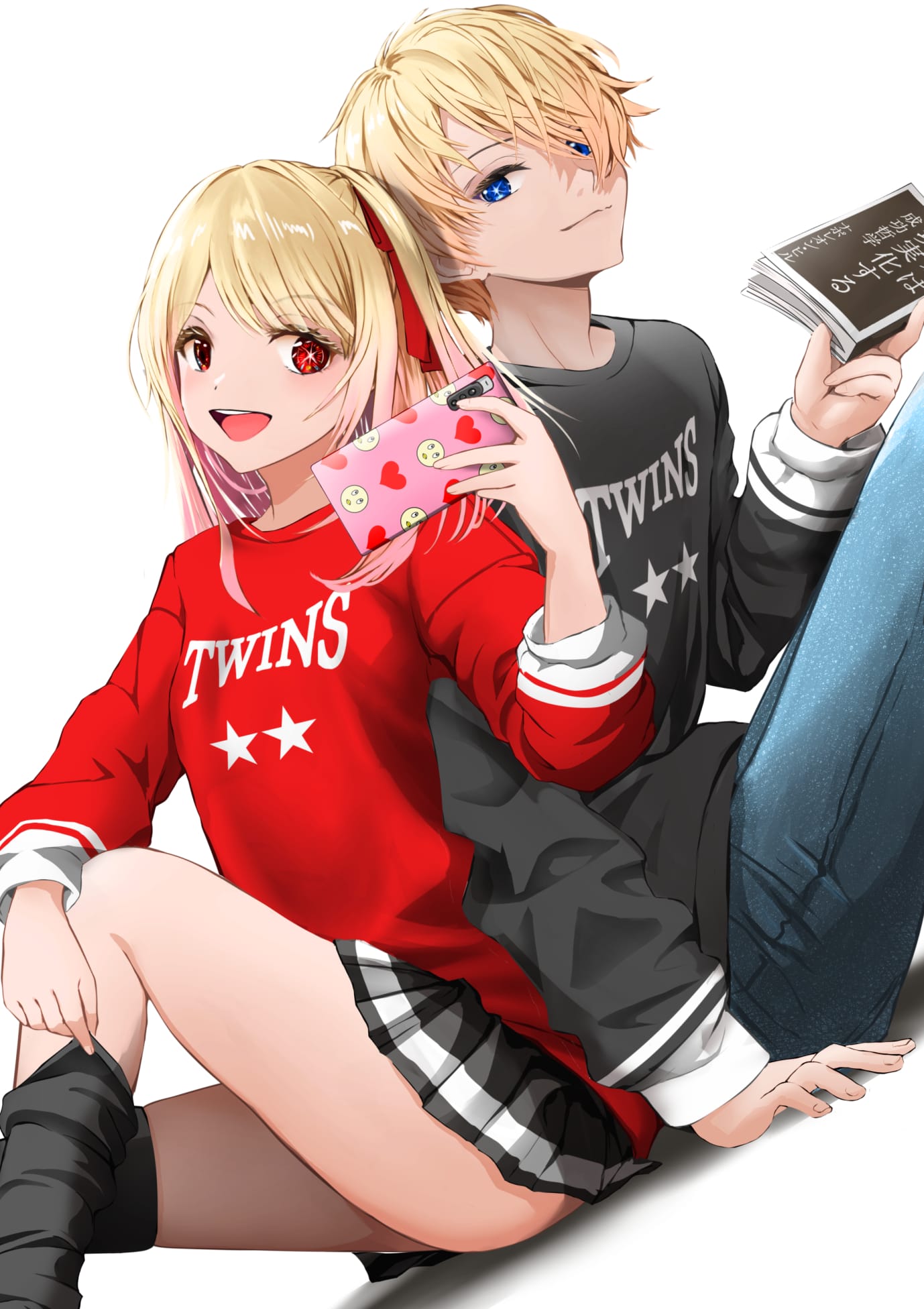
Re:ZERO is the gold standard for surviving isekai anime. It took the transported-to-another-world concept and used it as a vehicle for genuine suffering, character growth, and narrative innovation that redefined what the genre could do. Subaru Natsuki is the anti-isekai protagonist — he’s powerless, he’s traumatized, and he’s forced to earn every single victory through repeated, agonizing failure that would break a lesser character. When a show this good uses the isekai framework, the framework stops being a crutch and starts being a canvas for something extraordinary.
Mushoku Tensei Season 3 earns its place on the survivors list for different but equally important reasons. The world-building is meticulous and thorough — this is a fantasy world that feels like it has history, not just a backdrop for the protagonist’s adventures. The characters age and change in meaningful ways. Consequences are real and permanent. Rudeus Greyrat isn’t just accumulating power; he’s growing as a person, making mistakes, and living with them. It treats its fantasy world as a place with genuine history, culture, and politics — not just a playground for a power fantasy. That’s the fundamental difference between isekai anime that lasts and isekai anime that gets forgotten after one season.
Oshi no Ko is the fascinating edge case in this conversation. It technically qualifies as isekai anime — a doctor gets reincarnated as the child of a famous idol, which is the textbook definition of transported-to-another-world. But Oshi no Ko uses that premise to explore the entertainment industry, not a fantasy world. The reincarnation is the hook that pulls you in, not the point of the story. It’s about celebrity culture, media manipulation, parasocial relationships, and the dark underbelly of fame. That’s why it outranked every other Kadokawa title in 2025. It’s isekai in structure but not in substance, and audiences can tell the difference.
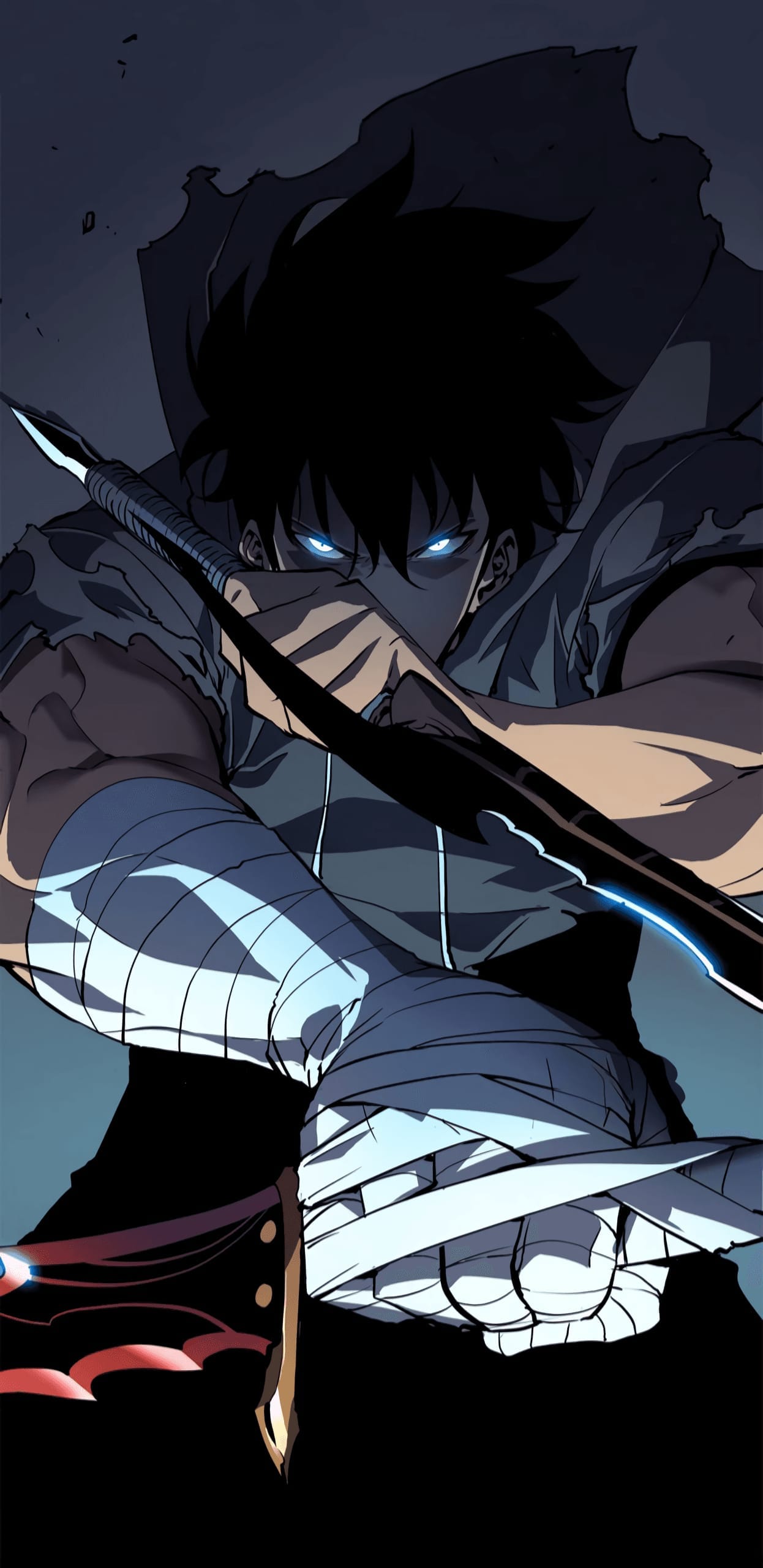
Then there’s Solo Leveling, which represents the new model for power fantasy anime that isn’t isekai. It delivers the same satisfaction — the weak protagonist who becomes overwhelmingly powerful, the escalating challenges, the dopamine hit of watching someone level up — but without the transported-to-another-world framing. Sung Jinwoo doesn’t go to another world; the other world comes to him. Gates and dungeons appear in our world, and humanity has to adapt. The power fantasy is intact and satisfying, but the isekai anime framework is gone. It’s the same core appeal with a fresh delivery system, and audiences are responding to it enthusiastically.
What separates the survivors from the casualties? It’s simple and it’s been true across every genre cycle in anime history: the lasting shows use isekai anime as a starting point, not the whole story. The forgettable ones — and there are dozens of them, shows nobody will remember in five years — are the ones where being transported to another world is the entire story. The lasting ones use it as setup for something deeper: character psychology, world-building, social commentary, genuine emotional stakes. Themes that go beyond “what if I had cool powers and everyone loved me.”
Why This Is Actually Good News for Anime Fans
I know this whole article might sound like a eulogy. It’s not. It’s the opposite of a eulogy — it’s a birth announcement. The decline of isekai anime as the default genre is the best thing that could happen to anime as a medium, and if you love anime, you should be genuinely celebrating this moment.
When one genre dominates the way isekai anime has dominated, everything else gets crowded out — not just in schedules but in budgets, creative energy, and audience attention. Studios allocate their best directors and animators to safe bets. Creators pitch stories that fit the prevailing mold because that’s what gets greenlit. Risk-taking gets punished by a market that only rewards one kind of content. We’ve seen this cycle before — the mecha glut of the 90s, the moe wave of the late 2000s, the battle shonen saturation of the early 2010s. Anime trends cycle through dominance and correction, and each correction opens the door for something incredible.
Look at what’s thriving right now while isekai anime contracts. Frieren Season 2 is arguably the best anime of 2026, and it’s a post-adventure fantasy that’s fundamentally about grief, memory, and the passage of time — not power levels or cheat abilities. Dandadan is genre-chaos personified — aliens, ghosts, comedy, romance, action all smashed together with absolute creative confidence and zero regard for what’s supposed to be marketable. Apothecary Diaries turned historical mystery into appointment viewing, proving that a female-led period drama can compete with any action show for audience engagement.
These shows exist because studios are being forced to take creative risks again. When the isekai anime pipeline slows down — and Kadokawa’s data confirms it is slowing — that budget and those timeslots open up for something else. Something we haven’t seen before. Something that doesn’t start with a truck and end with a harem.
The anime trends we’re tracking for the rest of 2026 and into 2027 point toward genuine creative diversity, not just genre rotation. Original projects from respected studios. Vintage manga getting the adaptation they always deserved. Genre experiments that would have been deemed too risky five years ago when every season needed five isekai shows to fill out the schedule. Even shonen anime is evolving — shorter seasons, tighter storytelling, fewer filler episodes, more respect for the audience’s time. The whole industry is course-correcting, not just isekai.
Kadokawa’s admission isn’t a funeral for isekai anime. It’s a graduation. The genre learned everything it could from its golden age, produced some genuine masterpieces along the way, and now it’s time for anime to go learn something new. The shows that defined the last five years aren’t going away — Mushoku Tensei, Re:ZERO, and Oshi no Ko will continue to deliver for seasons to come. But they’ll share the stage with stories that would never have gotten greenlit when isekai anime ruled the board unquestioned.
That’s not a loss. That’s growth. And if you’ve been waiting for anime to break out of the transported-to-another-world loop, your patience is about to pay off in a big way.
The isekai era as we knew it — the era of 30+ copycat shows per season, the era where every other light novel featured a reincarnated salaryman discovering a cheat ability, the era of endless stat screens and conveniently loyal companions — that era is ending. What replaces it is broader, stranger, more ambitious, and more exciting. Summer 2026’s anime lineup already shows the shift in action. More original shows. More genre diversity. More stories that don’t need a truck to get started.
Isekai anime didn’t fail. It succeeded so spectacularly that it ate itself, which is the fate of every overused genre that refuses to evolve. Now the industry has to find what’s next — and based on what we’re already seeing from the best studios in the business, what’s next is going to be absolutely worth the wait.
You Might Also Enjoy
If this deep dive into isekai anime trends got you thinking, check out these related reads:
→ Re:ZERO Season 4 Is Dominating Spring 2026 — Here’s Why
→ Frieren Season 2 Review: The Best Anime of 2026
→ Witch Hat Atelier: Fantasy Without the Isekai Template
→ Crunchyroll Anime Awards 2026: Winners, Snubs, and What It All Means
→ Best Anime for Adults: A Curated Guide for Grown-Up Tastes