Mushoku Tensei Season 3 Is Finally Coming — Here’s What We Know
Two years. That’s how long we’ve been waiting since the Mushoku Tensei Season 2 finale dropped in July 2024 and left us staring at the screen wondering what comes next. But the wait is over — Mushoku Tensei Season 3 premieres July 5, 2026, and it’s bringing the arcs that light novel readers have been desperate to see animated.
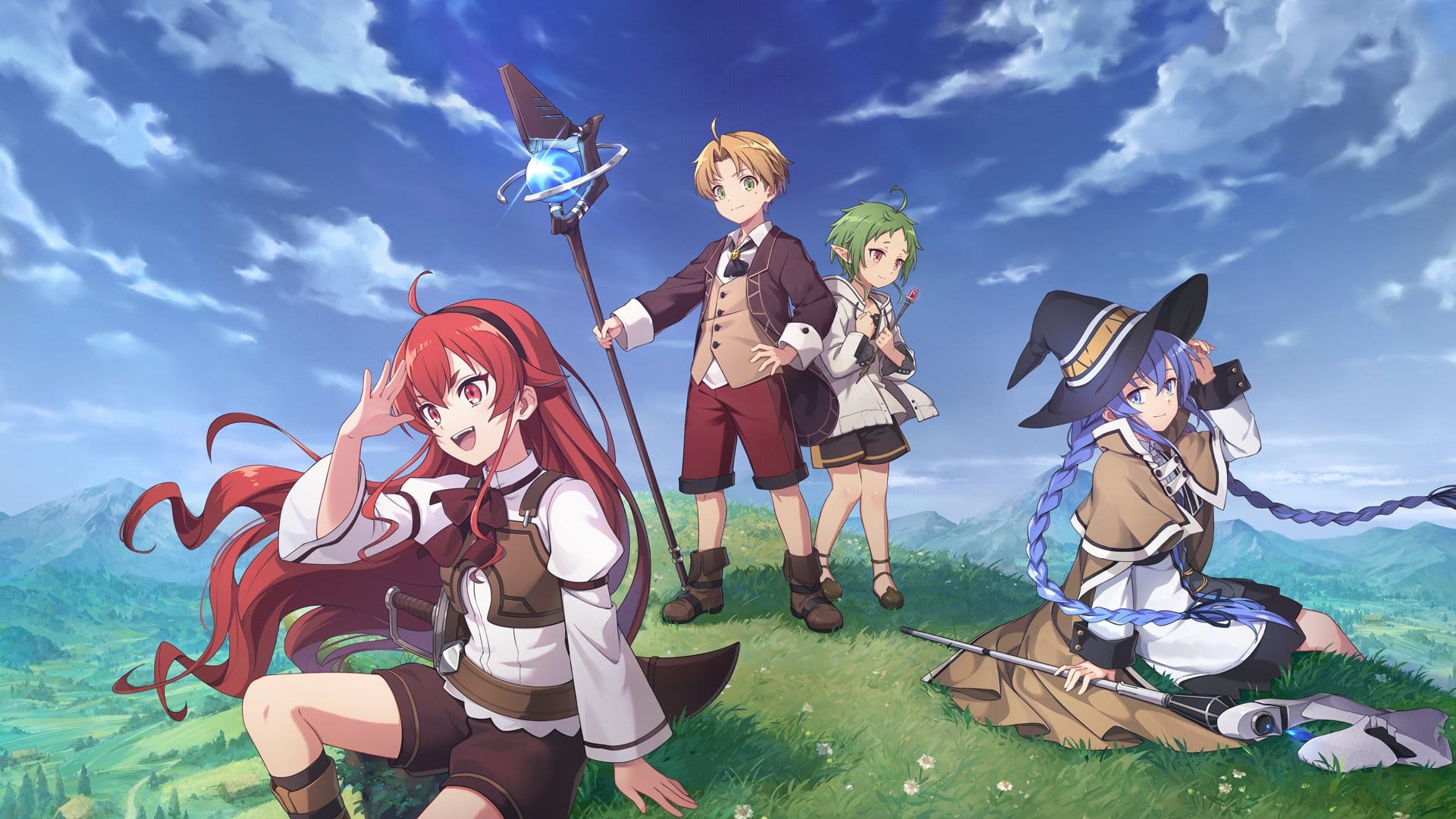
The announcement hit during the 5th anniversary livestream on January 10, 2026, and then Crunchyroll confirmed global simulcast rights shortly after. AnimeJapan 2026 on March 27 gave us the teaser visual that broke the community: Eris Boreas Greyrat standing with a sword, radiating the kind of presence that told us everything had changed. The reactions across Twitter, Reddit, and every anime forum were instant and loud — Mushoku Tensei Season 3 was officially happening, and it was bringing the goods.
If you’ve been keeping up with our Summer 2026 anime preview, you already know this is the season’s crown jewel. But for everyone who needs the full breakdown — what arcs are covered, who’s returning, and why Mushoku Tensei Season 3 might be the most important anime of 2026 — let’s get into it.
From the End of Season 2 to the Young Man Period
Season 2 left Rudeus Greyrat in a complicated place. He’d rebuilt himself from the devastation of Eris leaving, married Sylphiette, and started building something resembling stability. The Mushoku Tensei Jobless Reincarnation story had already taken us through some of the most emotionally punishing content in modern anime — the Teleportation Disaster, the loneliness arc, the letter that broke everyone who read it.

But Season 2’s ending was a transition point, not a conclusion. Rudeus had found his footing again, but the world around him was still in chaos. The consequences of the Teleportation Disaster hadn’t been resolved — they’d just been survived. The geopolitical fallout was still spreading. The Man-God was still whispering. And that’s exactly where Mushoku Tensei Season 3 picks up: in the messy aftermath of survival, where the real consequences are only beginning to surface.
The third season adapts from Light Novel Volume 13 onward, entering what fans call the Young Man Period. This is Rudeus’s era of growth, political entanglement, and reckoning. He’s no longer the lost child or the broken teenager — he’s becoming someone who has to navigate power, consequence, and the people who’ve been manipulating his entire life. The Young Man Period represents a fundamental shift in what the story is about.
For anime-only viewers, this transition is going to hit hard. The Young Man Period doesn’t slow down. It accelerates. Every piece that Season 1 and Season 2 carefully set up — the Man-God’s cryptic advice, Orsted’s mysterious presence, the political instability of the Asura Kingdom — all of it starts converging in ways that redefine what Mushoku Tensei Jobless Reincarnation is even about. This isn’t just another season of adventure. It’s the season where the story reveals its true scope.
Eris Returns as a Sword King — And She’s Not the Same Person
If there’s one image that defined the Mushoku Tensei Season 3 announcement, it’s the teaser visual of Eris Boreas Greyrat. Not the brash, wild girl we met in Season 1. Not the conflicted warrior who left Rudeus with that devastating letter. This Eris stands with the bearing of someone who has earned a title that carries real weight in this world. The community reaction was immediate — every forum, every discussion thread, every social media circle lit up with the same realization: Eris is back, and she’s not the same person who left.
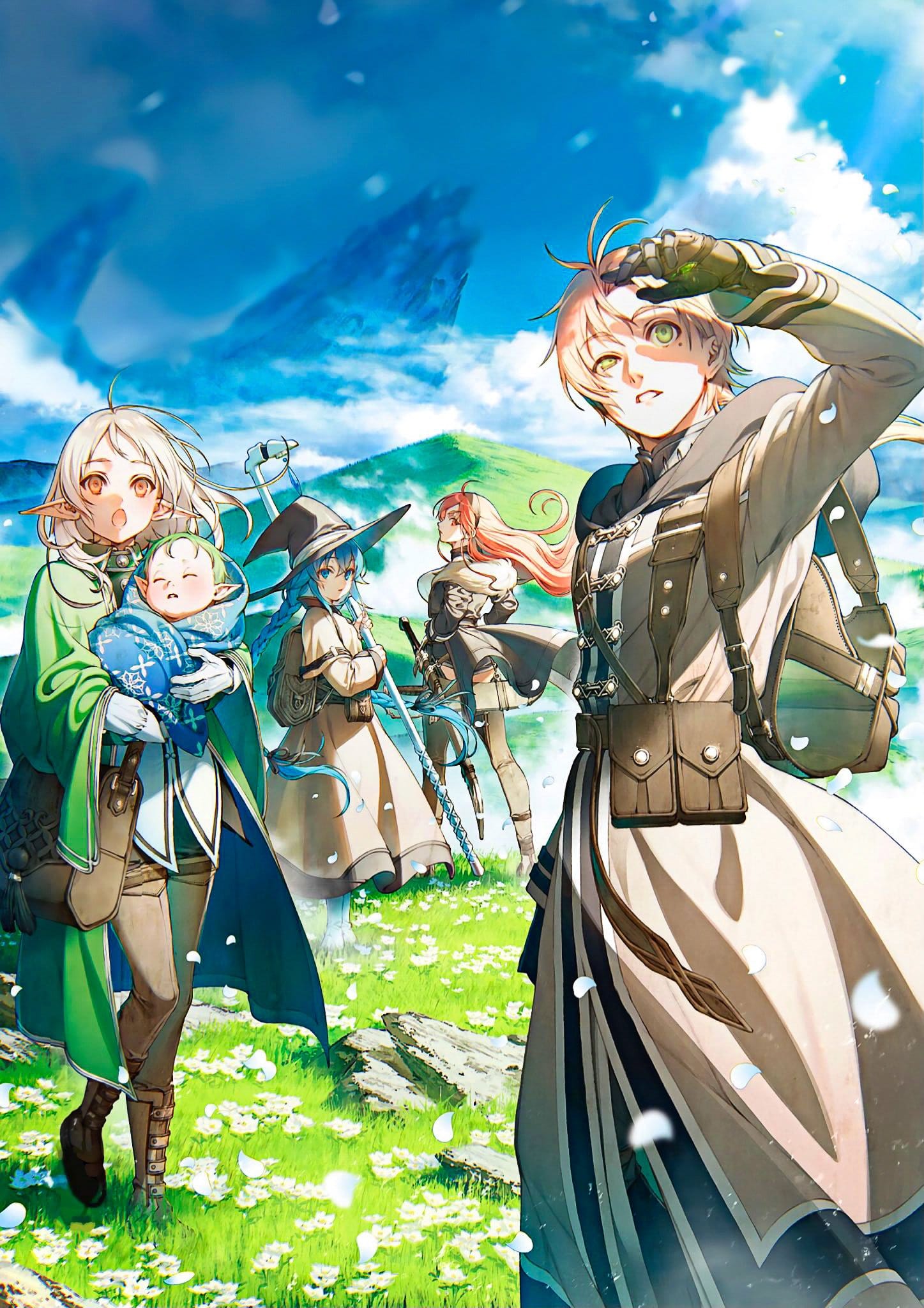
Sword King. That’s not a throwaway title. In the Mushoku Tensei universe, becoming a Sword King means you’ve reached one of the highest combat echelons on the entire continent. We’re talking about a rank that only a handful of warriors ever achieve, and each one of them is essentially a walking force of nature. Eris trained under figures most people only hear about in legends. She pushed past every limit, every weakness, every doubt — and she came back carrying a rank that puts her in rarefied air. When the Mushoku Tensei Season 3 teaser visual dropped showing her with this title, light novel readers immediately knew what it meant for the story’s power dynamics.
For Rudeus Greyrat, Eris’s return is going to be emotional on a level that’s hard to overstate. The last time they were together, it ended in the most painful way imaginable. She left him with a letter he couldn’t even read properly, and the aftermath nearly destroyed him. Now she’s walking back into his life fundamentally transformed — stronger, more composed, and carrying a title that changes the dynamic between them completely. Mushoku Tensei Season 3 is about to make us feel every ounce of that history.
This is one of the reasons Mushoku Tensei Season 3 has the community so hyped. The Eris we’re getting isn’t a redo of Season 1’s Eris. She’s a warrior who forged herself through years of brutal training, and her reunion with Rudeus isn’t going to be a simple happy ending. It’s going to be complicated, messy, and real — which is exactly how this story operates. The emotional weight of two people who’ve both fundamentally changed trying to reconnect is the kind of storytelling that separates Mushoku Tensei Jobless Reincarnation from every other isekai on the market.
The fight choreography potential alone is worth the price of admission. Eris as a Sword King means combat scenes that could rival the best in the business. And with Studio Bind at the helm, we know those fights are going to look incredible.
The Story Arcs That Make Season 3 the Most Anticipated Yet
Mushoku Tensei Season 3 is expected to cover Light Novel Volumes 13 through 18 or 19, encompassing several distinct arcs that each shift the story’s trajectory. These aren’t self-contained episodes — they’re interconnected chapters that build on each other and escalate the stakes with every arc. Let’s break them down.
The Everyday-Life Arc
Before everything explodes, the Young Man Period opens with something deceptively simple: everyday life. Rudeus is navigating his relationship with Sylphiette, his studies at Ranoa Magic Academy, and the mundane realities of being a young man with enormous magical talent and even more enormous emotional baggage. He’s also dealing with the fallout of his marriage to Roxy — a relationship that carries deep meaning in the context of everything he’s been through.
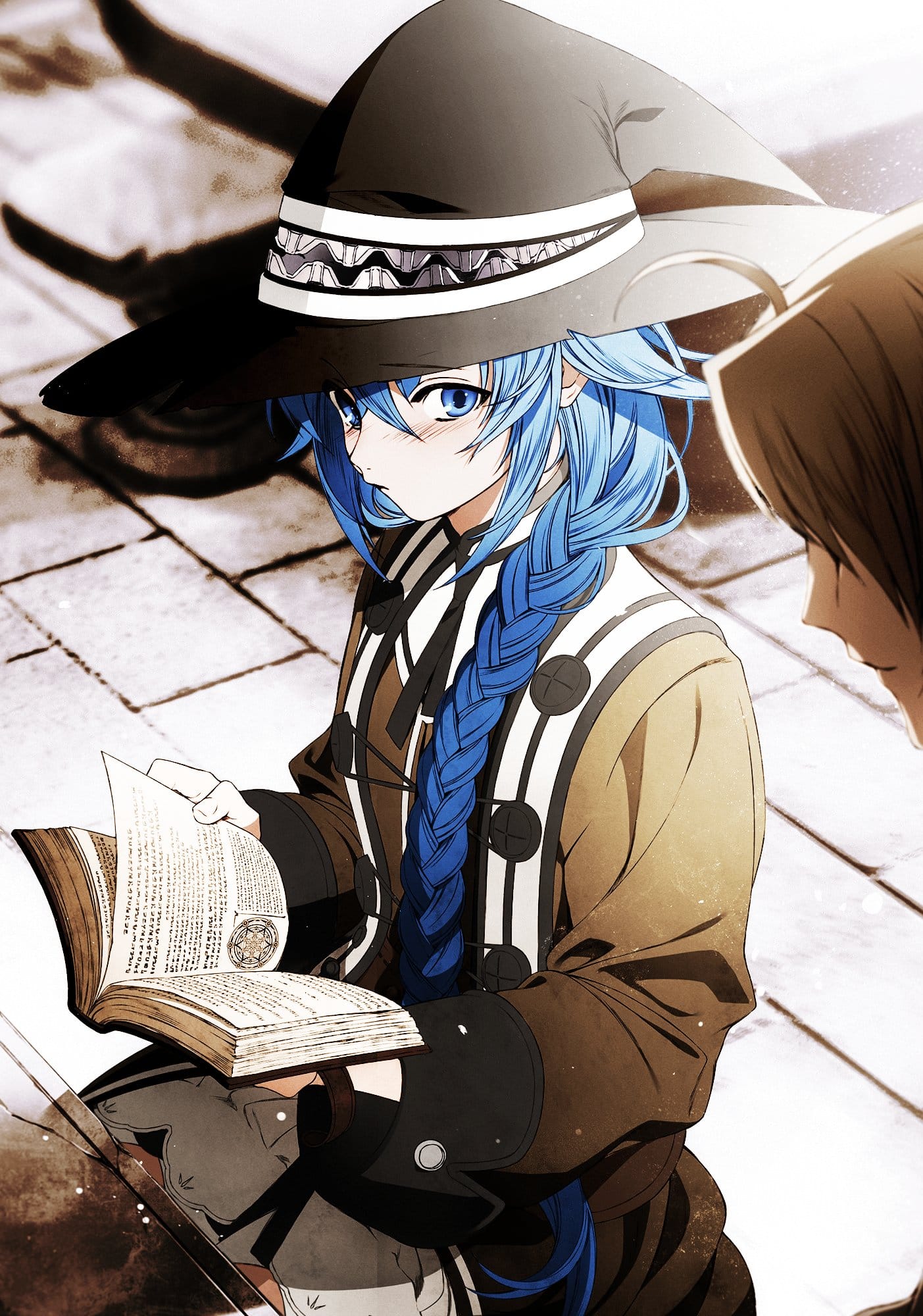
Don’t let “everyday” fool you. This arc is the calm before multiple storms. It establishes Rudeus’s new baseline — married, academically accomplished, building connections — while quietly setting up dominoes that will fall spectacularly later. The slice-of-life moments in Mushoku Tensei have always been more than filler. They’re where the emotional stakes get built, and Mushoku Tensei Season 3 uses these quieter beats to make the coming chaos land even harder.
For viewers coming off the emotional wringer of Season 2, the Everyday-Life Arc gives us room to breathe with Rudeus before the story ramps up again. It also pays off long-running threads — like his graduation from Ranoa Magic Academy, which the light novel handles with the kind of care that makes Season 3 feel like a genuine continuation rather than a reset. Every quiet moment in this arc is a setup for something that will shatter it.
Turning Point 4 and the Human God Arc
Every Mushoku Tensei fan knows the Turning Point entries. They’re the narrative milestones that split the story into before and after. Turning Point 4 is one of the biggest — the kind of story event that recontextualizes everything that came before it. If you thought the earlier turning points were devastating, you’re not ready for this one.
This is where the Man-God — Hitogami — goes from being a cryptic advisor to a confirmed threat. For two entire seasons, Rudeus has followed the Man-God’s guidance, treating his dream-visions as helpful if suspicious directions. Some of that advice genuinely helped. Some of it steered him directly into danger. But Turning Point 4 shatters any remaining ambiguity. The manipulation that Rudeus Greyrat has been subject to since literally his first moments in this world becomes undeniable, and the consequences are immediate and severe. Mushoku Tensei Season 3 doesn’t just reveal the Man-God’s nature — it forces Rudeus to confront what it means that his entire second life has been shaped by someone else’s agenda.
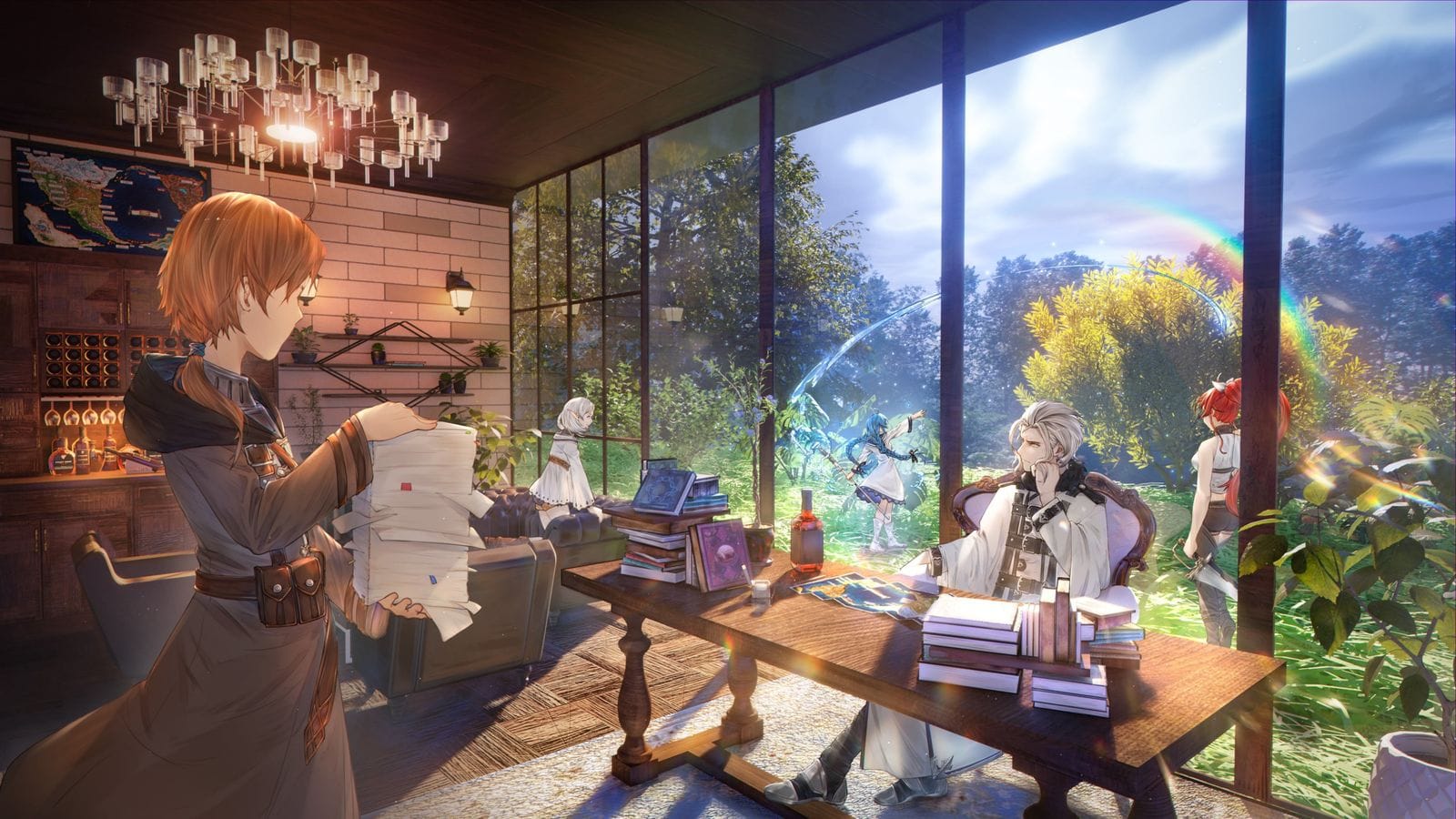
The Human God Arc that follows is where this season transforms from a fantasy adventure into something far more politically and philosophically charged. Rudeus isn’t just fighting monsters or navigating relationships anymore — he’s up against a being who has been steering his life since before he was born. The scale of what’s at stake expands dramatically, and the story asks questions about free will, trust, and whether redemption means anything when your choices were never truly yours to begin with.
This arc also brings Orsted into direct conflict with Rudeus. If you’ve been wondering why the Dragon God has been lurking in the background since early in the series, Mushoku Tensei Season 3 starts paying that off in full. Their confrontation isn’t just a fight — it’s a collision of worldviews that redefines Rudeus’s understanding of the world he’s living in. The fact that Studio Bind has had two years to animate this particular encounter should have every fan’s expectations sky-high.
The Asura Kingdom Arc
After the personal and cosmic stakes of Turning Point 4, the Asura Kingdom Arc pulls Rudeus into the political arena — and it’s every bit as dangerous as fighting Orsted. Maybe more so, because politics doesn’t announce itself with fire and lightning. It whispers.
Princess Ariel’s path to the Asura throne is the kind of political storyline that most isekai wouldn’t even attempt. It requires understanding factions, alliances, betrayals, and the kind of long-game scheming that makes the Man-God’s manipulation feel even more insidious. This isn’t simple good-versus-evil territory — it’s a genuine political thriller wrapped inside a fantasy epic, and Mushoku Tensei Season 3 handles it with the same care it brings to personal drama. Rudeus gets pulled into this conflict not because he wants power, but because his abilities and connections make him a piece on a board he didn’t even know existed.

The Asura Kingdom Arc is where Mushoku Tensei Season 3 proves this story is about more than one man’s redemption. It’s about how that redemption intersects with power structures, historical grievances, and the kind of political maneuvering that determines the fate of nations. Rudeus Greyrat started this story wanting to live his second chance properly. Now he’s discovering that living properly means engaging with a world that doesn’t care about his personal growth — it cares about what he can do for its agendas. The tension between Rudeus’s personal desires and the political machinery pulling him in is some of the most compelling material in the entire light novel, and finally seeing it animated is going to be electric.
This arc also ties back to the evolution of anime storytelling — it’s the kind of layered, long-form narrative that only works when a studio commits to a full adaptation. Which brings us to the people making that happen.
Studio Bind, Staff, and Production Details
Here’s something that should ease every fan’s mind: Studio Bind is back. Not just for Season 3 — the studio was founded specifically to adapt Mushoku Tensei in its entirety. This isn’t a committee picking up a popular property for a quick profit. Studio Bind exists because someone decided this story deserved a dedicated home, and that commitment shows in every frame they produce.
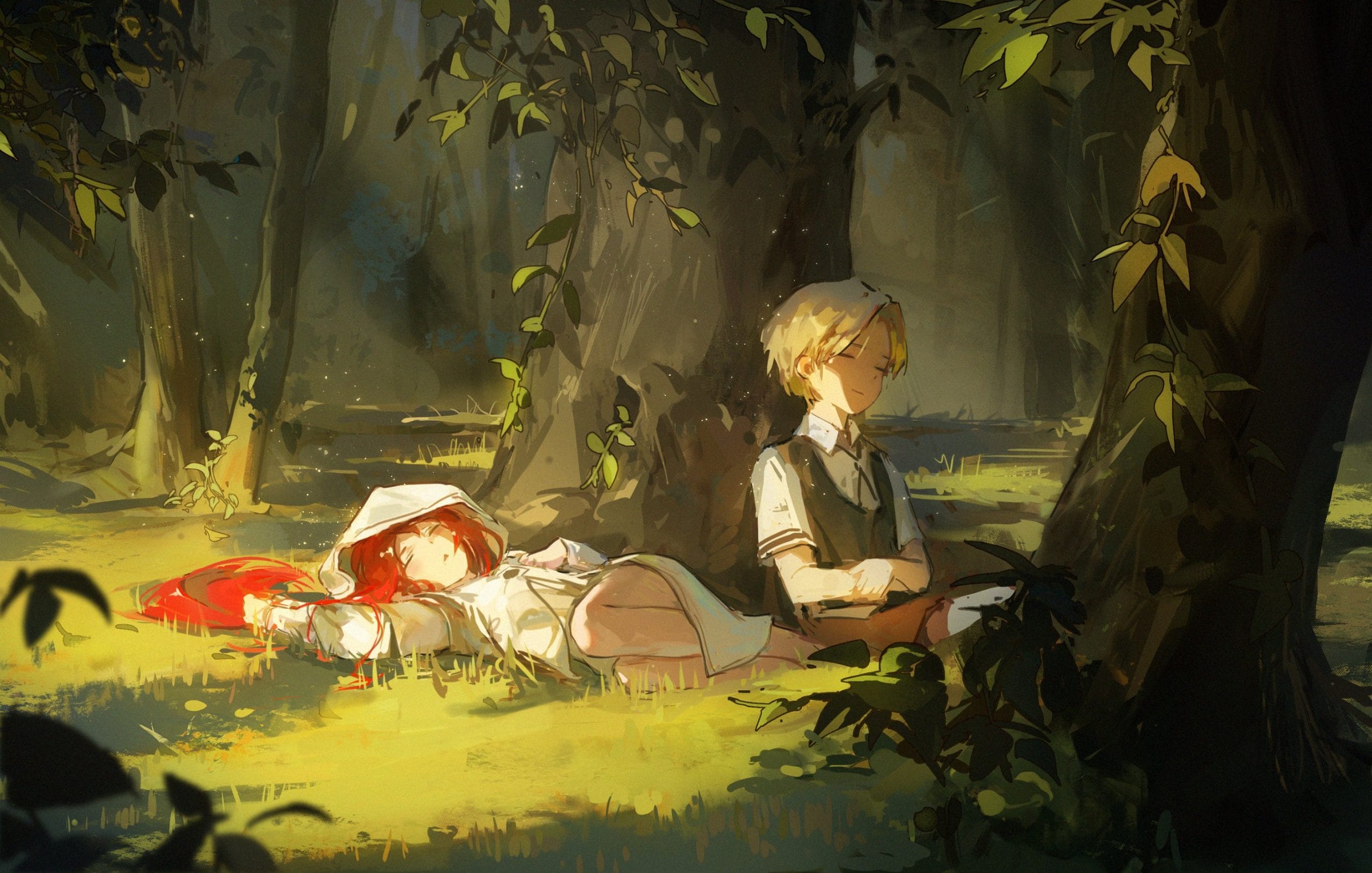
Director Ryosuke Shibuya returns from Season 2, bringing continuity to the creative vision that defined the second season’s best episodes. The production committee includes Egg Firm and Toho Animation, both of whom have been with this project since the beginning. This is the same team that delivered Season 2’s stunning turning points — the same team that made us cry over a letter, that animated Rudeus’s breakdown with the kind of visual storytelling that lives rent-free in your head months later.
The quality expectations for Mushoku Tensei Season 3 are high, and they should be. Studio Bind has consistently delivered some of the best animation in the industry, from fluid combat sequences to the kind of subtle character acting that sells emotional moments without a word of dialogue. The Young Man Period demands both extremes — quiet domestic scenes and world-shaking confrontations — and Studio Bind has earned our trust on both fronts. If they can make a letter feel like a punch to the chest, imagine what they’ll do with Eris returning as a Sword King.
With a two-year gap between Season 2 and Season 3, the studio has had real production time. That’s increasingly rare in anime, and it’s a strong signal that Mushoku Tensei Jobless Reincarnation remains a priority production rather than a rushed cash grab. In an industry where production issues have become the norm rather than the exception, knowing that Studio Bind has been given the runway to do this right matters more than most fans realize.
Where to Watch and What Comes After Season 3
Crunchyroll has confirmed global simulcast rights for Mushoku Tensei Season 3, which means international fans won’t be waiting weeks for episodes. The July 5 premiere puts it right in the heart of the Summer 2026 season, and if you’re looking for the best anime streaming services to catch it, Crunchyroll remains the primary destination. New episodes will drop simulcast-style, so you’ll be watching alongside Japanese audiences.
But the bigger question is: what comes after? The Mushoku Tensei Jobless Reincarnation light novel has 26 volumes plus an epilogue. If Mushoku Tensei Season 3 covers through Volume 18 or 19, that leaves roughly seven to eight volumes for potential future seasons. And here’s the encouraging part — a full adaptation is the stated goal. Studio Bind was built for this. Egg Firm is committed. The production committee isn’t treating this as a limited engagement.
That means Mushoku Tensei Season 3 isn’t just another season — it’s the middle chapter of a complete story. The arcs it covers set up everything that follows, and knowing that the studio intends to see this through to the end makes every moment hit harder. In an industry where anime adaptations are routinely abandoned after one or two seasons, the commitment to Rudeus Greyrat‘s complete story is remarkable. We’re not getting half a story — we’re getting the whole thing, and Season 3 is where it really starts to prove that.
For context on where this sits in the broader anime scene, check out our breakdown of the best isekai anime of 2026. Spoiler: Mushoku Tensei remains the standard-bearer, and Season 3 is only going to widen that gap.
Why Mushoku Tensei Season 3 Matters More Than People Realize
Let’s be real about something. Most anime get one or two good seasons and then fade. The industry doesn’t reward patience. Studios cycle through properties, chasing whatever’s trending, and stories that deserve completions get abandoned mid-sentence. Fans learn to expect disappointment — to love a first season while quietly assuming there won’t be a second.
Mushoku Tensei Season 3 is different, and not just because of its source material. This season represents a structural commitment that’s almost unprecedented in modern anime. Studio Bind exists for this story. The production committee is built around seeing it through. The two-year gap between seasons isn’t a red flag — it’s a studio taking the time to get it right. In an industry where production crunch has become the norm, that patience is worth paying attention to.
But the deeper reason Mushoku Tensei Season 3 matters is narrative. The Young Man Period is where Rudeus Greyrat‘s arc goes from personal redemption to something far more complex. He’s not just trying to live better than his previous life anymore. He’s confronting the reality that forces beyond his understanding have been steering his existence, and that the people he loves — Eris Boreas Greyrat, Sylphiette, Roxy — are all caught in the same web. The Man-God’s influence isn’t just Rudeus’s problem. It’s a structural threat to everyone connected to him, and Season 3 is where that truth becomes impossible to ignore.
The payoff of five years of setup doesn’t come around often in anime. Mushoku Tensei Season 3 is that payoff. Eris returning as a Sword King. The Man-God’s true nature exposed. The Asura Kingdom’s political upheaval. Rudeus standing against Orsted. Every major thread that’s been spinning since Episode 1 starts weaving together, and the result is going to be something worth every day of that two-year wait.
When you look at the full picture — Studio Bind‘s commitment, Eris Boreas Greyrat‘s transformation, the convergence of every plotline since Episode 1, the Young Man Period‘s escalation from personal drama to cosmic stakes — this isn’t just another season of a popular anime. It’s the season where Mushoku Tensei cements its claim as the most ambitious isekai adaptation in the medium’s history.
July 5, 2026. Mark it. This is the season that separates Mushoku Tensei from every other isekai — and maybe from most anime, period.
You Might Also Enjoy
If you’re counting down the days until Mushoku Tensei Season 3, here are more reads to fuel the hype:
- Summer 2026 Anime Preview: The Ultimate Watchlist — Every show competing for your attention this season.
- Best Isekai Anime of 2026 — Where Mushoku Tensei ranks among the year’s top fantasy series.
- Best Anime Streaming Services 2026 — Where to watch Season 3 and everything else this summer.
- How Shorter Seasons Changed Shonen Anime — Why Mushoku Tensei’s full-adaptation approach is increasingly rare.
- Best Anime Fight Choreography — Eris as Sword King is about to join this conversation.