The Death of the Endless Shonen
For over two decades, shonen anime meant one thing: marathon runs that outlasted your childhood. Naruto racked up 720 episodes. Bleach pushed 366. And One Piece? It blew past 1,100 and kept sailing. The shonen genre was built on a simple promise — new episodes every single week, forever. That was just how it worked. Nobody questioned it because nobody could imagine an alternative. Weekly anime was as certain as the sunrise.

That model defined what shonen anime was. You didn’t just watch a show — you committed years of your life to it. You grew up alongside these characters. You waited seven days between episodes like it was a religious practice. But in 2026, the shonen anime shorter seasons revolution has ripped up that playbook entirely. Studios are choosing 10 to 13 episodes over endless runs, and the results speak for themselves.
The shift toward shonen anime shorter seasons didn’t happen overnight. It’s been building since the mid-2010s, when Attack on Titan proved you could dominate the conversation with 25-episode seasonal arcs. My Hero Academia followed the same playbook. Demon Slayer took it even further with 11-episode seasons that became cultural events. But 2026 is the year the old model officially died. And honestly? Good riddance.
Think about what the old model demanded from fans. You had to keep up with 50 weeks of content per year. Miss a month and you’d come back completely lost. The barrier to entry for new fans was enormous — try recommending a 700-episode show to someone and watch their face drop. Shonen anime shorter seasons remove that wall completely. You can jump into Frieren or Jujutsu Kaisen with 12 episodes and be completely caught up by dinner time.
And the old model demanded just as much from the people making these shows. Weekly production meant permanent crunch time for animators. Quality swung wildly from episode to episode because the machine never stopped. Some episodes looked incredible. Others clearly didn’t have enough time or budget. The shonen anime shorter seasons model doesn’t just help fans — it helps the artists and creators too. Better schedules mean better work. Better work means better anime.
Let’s break down exactly how shonen anime shorter seasons killed the 100-episode era — and why every fan should be celebrating this anime revolution.
Why Fans Abandoned Filler
If you lived through the 2000s anime scene, you remember the pain. You’d wait weeks for canon content, only to get a filler arc about Naruto chasing a runaway ostrich. Not making that up. That actually happened. There was an entire filler episode where Naruto tried to find a rare bug. Another where the cast entered a cooking competition. Yet another where they went to a hot spring and literally nothing of consequence happened. These weren’t charming side stories — they were mandatory stalling, and everyone knew it.
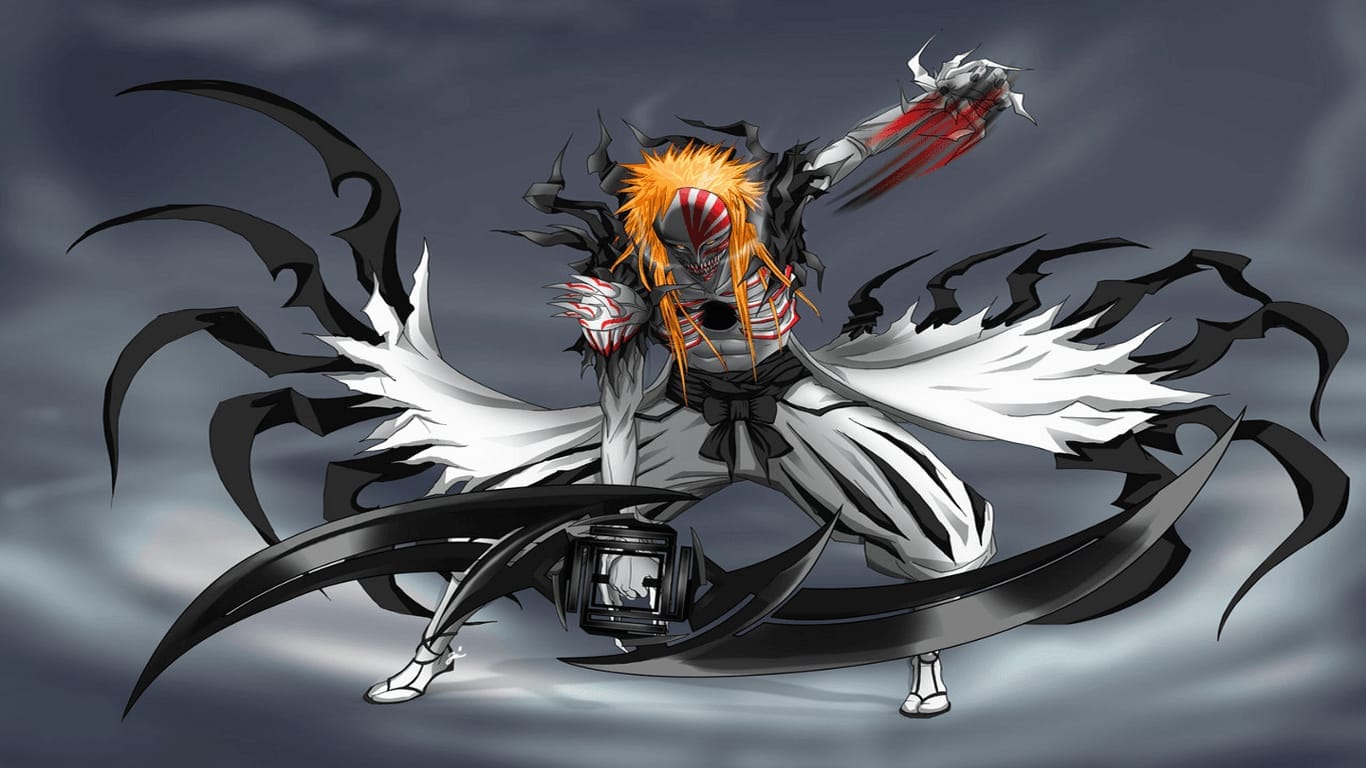
The numbers are brutal. Naruto had 720 total episodes — and 275 of them were filler. That’s 38 percent of the entire series devoted to stories that literally did not matter. Bleach was even worse: 366 episodes with 163 filler episodes, a staggering 45 percent filler rate. Nearly half of Ichigo Kurosaki‘s screen time was wasted on content that had zero impact on the actual story. Let that sink in — you could remove almost half of Bleach and lose nothing.
Filler existed for one reason: the anime was catching up to the manga, and studios needed to buy time. The weekly broadcast machine couldn’t stop, so they padded. And padded. And padded some more. But from a fan perspective, it destroyed anime pacing completely. You’d be in the middle of an intense arc, and suddenly you’re watching a beach episode that nobody asked for. The tonal whiplash was real, and it happened constantly. Every emotional high was undercut by weeks of irrelevant content.
And the worst part? You couldn’t skip it easily. If you watched on TV, filler was in your feed whether you wanted it or not. There were entire websites dedicated to telling fans which episodes were filler so they could avoid wasting their time. Fan communities maintained massive episode guides just to help each other navigate around the garbage. That’s not a healthy viewing experience — that’s homework. You needed a spreadsheet just to enjoy a show.
This is where the shonen anime shorter seasons model completely flips the equation. When a season is only 12 episodes, there’s no room for filler. Every single episode matters. Every frame is intentional. Studios like MAPPA and MADHOUSE design seasonal arcs that move at breakneck speed with zero wasted screen time. The filler episodes that plagued the shonen genre for decades simply cannot exist in a 12-episode format. It’s physically impossible.
The result? Fans who abandoned long-running shows years ago are coming back. The anime revolution we’re witnessing isn’t just about episode count — it’s about respecting the viewer’s time. And shonen anime shorter seasons do exactly that. No filler guides needed. No episode skip lists. You press play and every episode delivers. That’s the new standard, and it’s one we should have had from the beginning.
Frieren Proved Less Is More
If you need proof that shonen anime shorter seasons work, look no further than Frieren: Beyond Journey’s End. Season 2 dropped in Winter 2026 with just 10 episodes — and it’s currently the highest-rated anime of the season on MyAnimeList with a jaw-dropping 8.93 rating.

Ten episodes. That’s it. No filler. No bloat. No 40-episode arcs that drag until you forget why you cared. Just 10 episodes of some of the most emotionally resonant fantasy storytelling anime has ever produced. And Fern from Frieren alone carries more character depth in those 10 episodes than most 100-episode shows manage in their entire runs. That’s not a knock on other shows — it’s a testament to how powerful tight storytelling can be.
Think about what that means. A 10-episode season outperformed every single show that ran longer this season. Not because it had more content — but because it had better content. Every scene in Frieren Season 2 earned its place. Every conversation between characters advanced the story or deepened our understanding of who they are. Nothing was there just to fill a broadcast timeslot. The difference between this and the old model is night and day.
Compare that to the competition. Daemons of the Shadow Realm ran 24 episodes and landed at 8.06 on MAL. Iruma-kun Season 4 also stretched to 24 episodes and scored 8.03. Both are solid shows — entertaining, well-produced, with dedicated fanbases who love them. But neither cracked the heights that Frieren reached with less than half the episode count. The gap isn’t small — it’s nearly a full point on MAL’s 10-point scale. That’s enormous.
The data is impossible to ignore. In the shonen anime shorter seasons era, quality consistently outperforms quantity. MAL ratings for 10-13 episode seasons in 2026 average significantly higher than 24+ episode runs. Fans aren’t imagining it — the shorter season model produces better anime. Period. The numbers back it up, and they’ve been backing it up all year long.
And it’s not just Frieren. Witch Hat Atelier came in at 13 episodes this Spring and earned an 8.74 on MAL — the second-highest rated new show of the season. Himmel the Hero‘s arc in Frieren Season 2 proved that a 10-episode season can deliver more emotional payoff than shows twice its length. These aren’t outliers — they’re the new baseline for shonen anime shorter seasons.
The shonen anime shorter seasons approach works because it forces discipline on creators. When you can’t pad, you have to make every scene count. When you can’t stretch, you have to cut what doesn’t serve the story. Frieren is the proof that less isn’t just more — less is better. And fans are voting with their ratings and their wallets.
One Piece’s Historic Pivot
This is the big one. The moment that cemented the shonen anime shorter seasons revolution as permanent. In early 2026, One Piece announced it will cap at 26 episodes per year starting in April. After 25 years of year-round weekly episodes, the king of long-running shonen is voluntarily stepping off the treadmill.
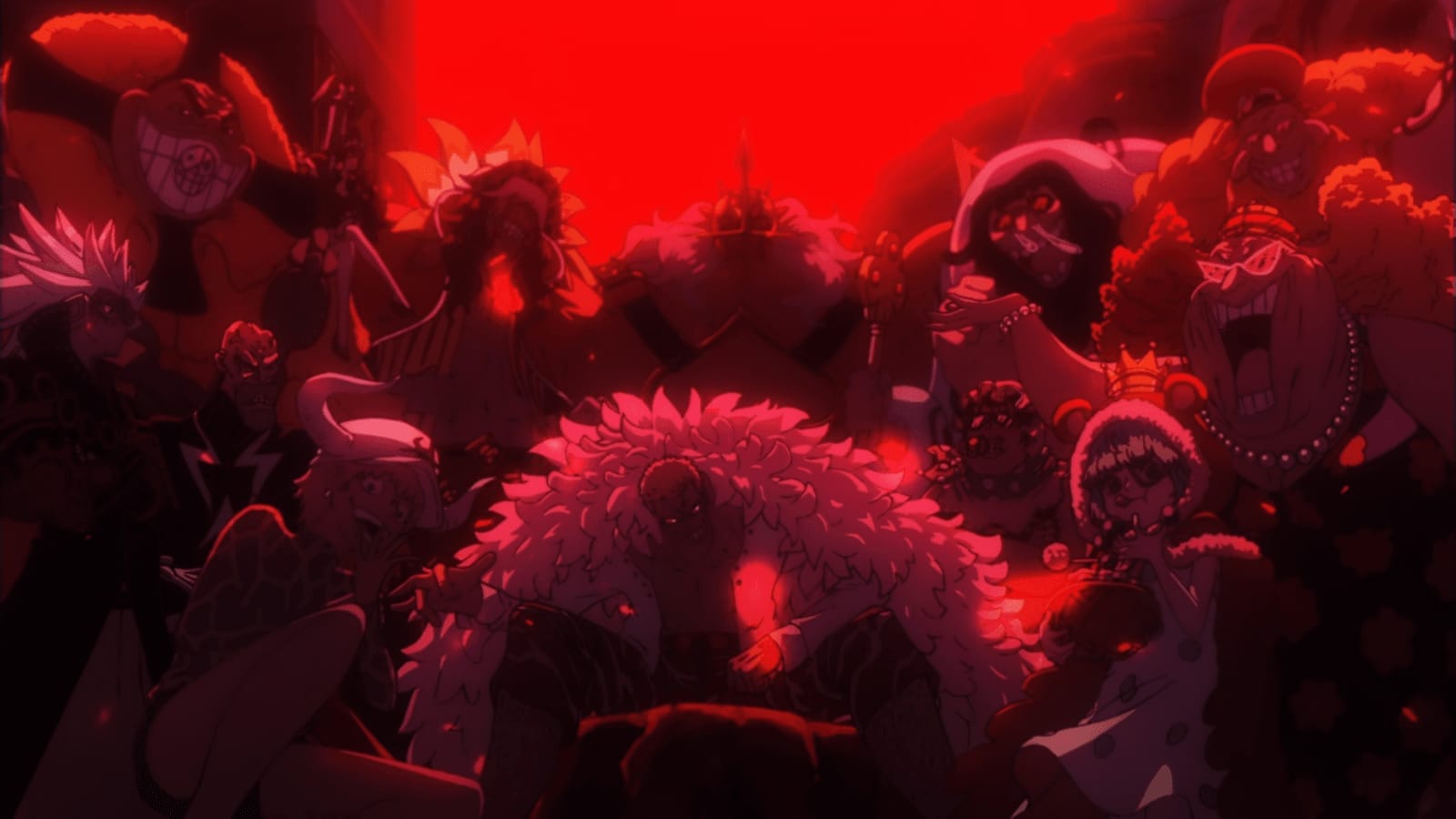
Let that sink in. One Piece — the most relentless weekly anime in history, the show that hasn’t taken a break since 1999 — is choosing to run fewer episodes. The show that made “we’re still going” its entire identity is saying “actually, let’s slow down.” If that doesn’t signal that shonen anime shorter seasons are the future, nothing will. This is the equivalent of a marathon runner deciding to start training for sprints — and winning.
Why did Toei Animation make this call? Because the evidence is overwhelming. The One Piece Gear 5 episodes were incredible — some of the most-watched anime episodes in history. But they also exposed the problem. When every episode has to come out weekly, even a juggernaut like One Piece struggles to maintain consistent quality. The animation quality swung wildly between episodes. Some looked cinematic. Others looked like they were animated on a deadline — because they were.
Capping at 26 episodes per year means better animation, tighter pacing, and no more dragging arcs. It means Toei can actually plan their production schedule instead of running a permanent death march. It means the Wano and Egghead arcs of the future won’t suffer from the quality dips that plagued earlier sagas. Fans have been begging for this change for years, and Toei finally listened. And they listened because the shonen anime shorter seasons model has proven itself.
This isn’t just a production decision. It’s a cultural shift. When One Piece — the last holdout of the old weekly model — embraces shonen anime shorter seasons, it signals that the 100-episode era is officially over. No more will studios assume that more episodes automatically means more success. The medium has evolved, and One Piece is evolving with it. If the show that defined the old model can change, every show can change.
The 26-episode cap is still double what shows like Frieren and Jujutsu Kaisen run. But for One Piece, it’s a seismic shift — a 50% reduction from its weekly pace of roughly 50 episodes per year. And for the industry, it’s confirmation that shonen anime shorter seasons are now the standard, not the exception. When the most successful long-running anime in history voluntarily cuts its episode count, the debate is officially over. The revolution has won.
Jujutsu Kaisen and the New Standard
Jujutsu Kaisen Season 3 aired from January to March 2026, adapting the Culling Game arc in just 12 episodes. Twelve episodes to cover one of the most anticipated arcs in modern shonen — and it worked beautifully.

MAPPA didn’t need 50 episodes. They didn’t need filler about Gojo’s grocery shopping trip or Nanami’s favorite coffee shop. They took the Culling Game, compressed it into 12 tight episodes, and let the animation quality speak for itself. Jujutsu Kaisen’s ending explained discussions dominated anime Twitter for weeks — because 12 episodes gave fans time to actually process and engage with what they’d just watched instead of immediately moving on to the next arc.
This is the new standard for shonen anime shorter seasons. 12 episodes. Maybe 13 if you’re feeling generous. Anything beyond that in a single cour raises eyebrows now. Studios have learned that tighter episode counts create tighter stories, and tighter stories create bigger cultural moments. The conversation around Jujutsu Kaisen Season 3 was louder and more sustained than most 24-episode shows manage in their entire run. People are still talking about it months later.
Look at the pattern across 2026. Sakamoto Days? 12 episodes. Sakamoto Days proved that even action-heavy shonen works better in short bursts — every fight scene had room to breathe because the season wasn’t stretched thin. Dorohedoro Season 2? Another tight seasonal run. Dorohedoro Season 2 kept its chaotic energy precisely because it didn’t overstay its welcome. Shorter seasons are working across every genre of shonen.
The shonen anime shorter seasons model also aligns perfectly with how modern fans actually watch anime. Nobody waits week-to-week anymore. We binge. Crunchyroll drops episodes, and we consume them in a weekend. And 12 episodes is the perfect binge length — one weekend, one complete story, one unforgettable experience. You don’t need a month of free time to catch up. You need a Saturday afternoon and some snacks.
Crunchyroll and Netflix have been quietly pushing for this shift for years. Streaming platforms prefer shorter seasons because they drive subscriptions more efficiently. A 12-episode season gives viewers a reason to subscribe for a month. A 100-episode run? That’s a commitment most casual viewers simply won’t make. The shonen anime shorter seasons model is better for platforms, better for studios, and most importantly, better for fans. Everyone wins.
What This Means for the Future of Shonen
The shonen anime shorter seasons revolution isn’t a trend — it’s a structural reset. This is the biggest change to hit the shonen genre in 25 years, and its effects will ripple for decades. The era of 100+ episode runs is over. The era of seasonal shonen is here to stay.
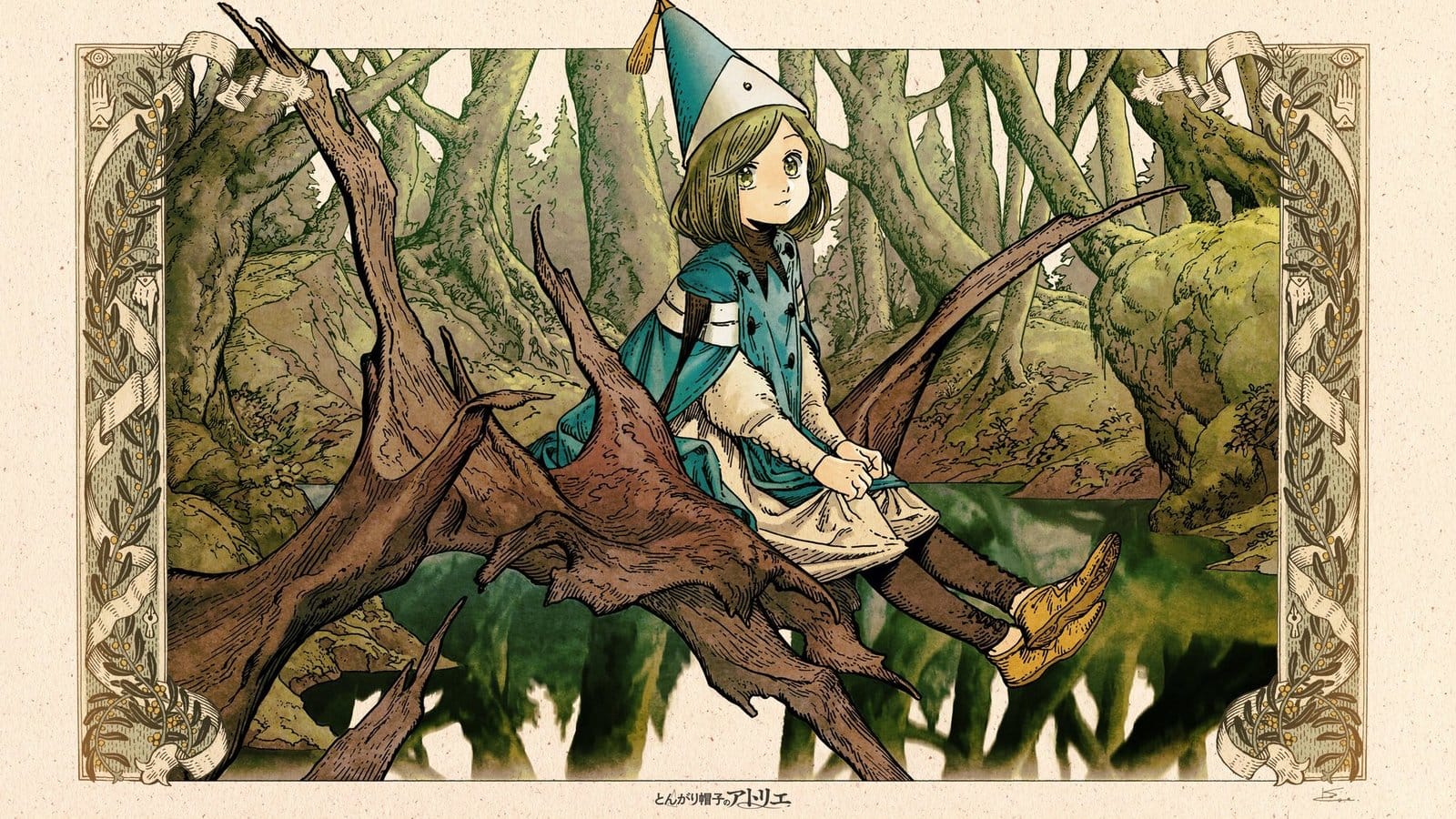
Here’s what the data tells us. In Winter 2026, the top-rated shows on MAL were almost exclusively shorter-season productions. Frieren at 10 episodes scored 8.93. Witch Hat Atelier at 13 episodes scored 8.74. Meanwhile, shows running 24 episodes couldn’t break 8.10. The correlation between episode count and quality isn’t imaginary — it’s measurable, and it’s significant. Shonen anime shorter seasons aren’t just a preference — they’re a proven formula.
For studios, the math is simple. A 12-episode season with premium animation costs less to produce than a 50-episode season with inconsistent quality. The shonen anime shorter seasons model lets studios allocate budget where it matters — key fights, emotional peaks, and cinematic moments — instead of spreading resources thin across dozens of mediocre episodes. MAPPA can make 12 episodes of Jujutsu Kaisen look like a feature film. They could never sustain that quality across 50 episodes. Nobody could.
For fans, the benefits are obvious. Better pacing means no more slogging through 20 episodes of filler to reach the good stuff. Better animation means every fight scene looks like it belongs on the big screen. And shorter seasons mean you can actually keep up with multiple shows without burning out. In 2026, you can follow five shows simultaneously because each one only asks for 12 episodes of your life. That’s a healthier relationship with anime.
So what happens to long-running shows? They adapt or they fade. Oshi no Ko Season 3 is already proving that even complex narratives with multiple timelines and layered themes work beautifully in seasonal formats. Steel Ball Run will likely follow the same pattern — big story, tight episodes, zero filler. The days of a shonen anime running 100+ episodes straight are gone forever. The future is seasonal, and that future is brighter than the past.
The internet changed everything. Short-form content on TikTok and YouTube Shorts has rewired viewer attention spans. When you can get a complete story in 60 seconds, waiting three episodes for a plot to move feels agonizing. Shonen anime shorter seasons meet viewers where they are — fast, focused, and respectful of their time. The anime revolution isn’t just about production methods — it’s about how audiences consume stories in 2026 and beyond.
As ScreenRant noted in their analysis, the shonen genre is experiencing its most significant structural evolution since the shift from OVA to TV broadcast in the 1990s. The shonen anime shorter seasons model isn’t just changing how shows are made — it’s changing what shonen anime is. And it’s changing it for the better.
The old guard had a good run. Naruto and Bleach built the foundation. One Piece carried the torch longer than anyone expected. But the future belongs to shows that can deliver maximum impact in minimum episodes. Shows that respect your time, reward your attention, and never waste a single frame. The shonen anime shorter seasons era is here, and it’s never going back. This is the anime revolution we needed — and it’s only just beginning.
You Might Also Enjoy
If this deep dive into the shonen anime shorter seasons revolution got you fired up, check out these related pieces from AnimeTiger:
- Fern from Frieren — Why Frieren’s apprentice is the emotional core of the highest-rated show of 2026
- Witch Hat Atelier — Another 13-episode masterpiece proving shorter seasons work
- Jujutsu Kaisen’s ending explained — Breaking down the Culling Game in 12 episodes
- One Piece Gear 5 — The peak of weekly shonen animation, and why even it needed a change
- Sakamoto Days — Action comedy done right in a tight seasonal package