Why Sekiro No Defeat Anime Has the Whole Community Watching
If you’ve spent any time in FromSoftware fandom circles lately, you already know the name: Sekiro No Defeat anime. This fully hand-drawn theatrical film isn’t just another video game tie-in hoping to cash in on brand recognition. It’s a statement piece, arriving in Japanese theaters September 4, 2026, and already making waves ahead of its official rollout at the film’s official site.
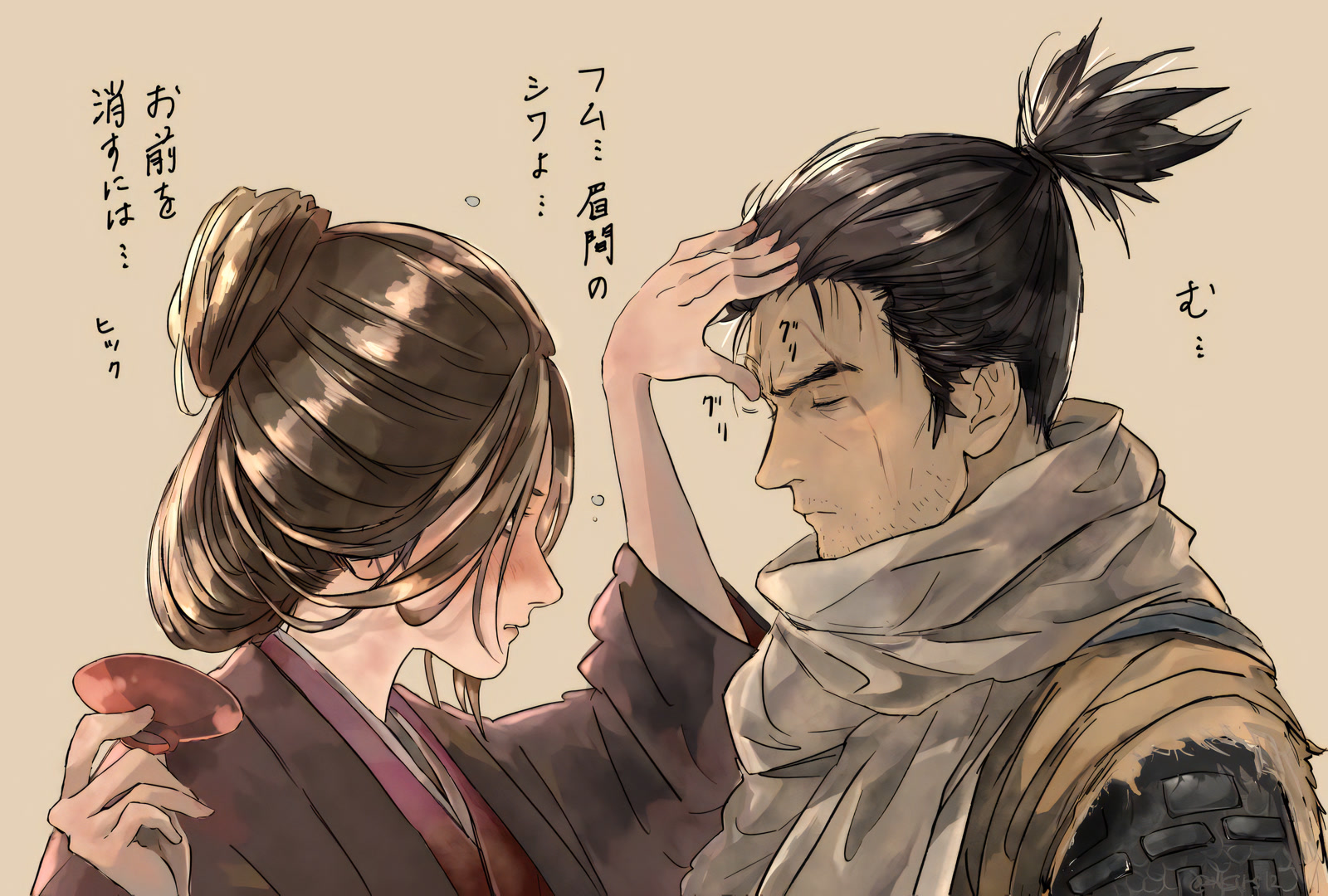
And honestly? The community has every reason to be hyped. Game adaptations have a rough track record — we’ve sat through enough mediocre ones to know the difference between a cash grab and something made with conviction. The film is shaping up to be the real deal, and every new detail that drops makes the case stronger.
This isn’t just about one film, either. It’s about what happens when a studio decides that a game adaptation deserves the same craft and intentionality as any prestige anime production. That’s rare. That’s worth paying attention to.
The Hand-Drawn Commitment That Stunned Everyone
Here’s the detail that stopped everyone in their tracks: the Sekiro No Defeat anime is fully hand-drawn. Not partially. Not “hand-drawn with CG assist.” Fully. Every frame. In 2026. That’s not just unusual — it’s borderline radical.
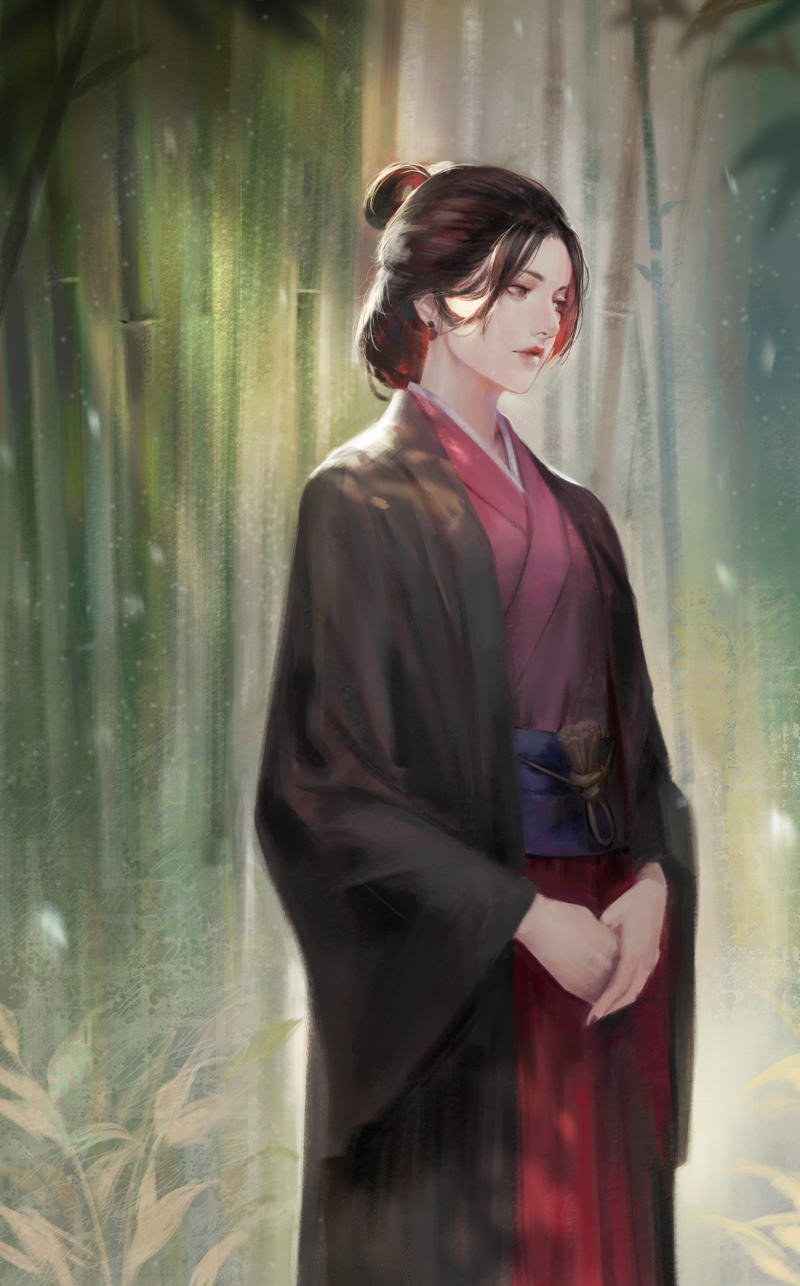
Hand-drawn animation at this scale is vanishingly rare. Most theatrical anime releases lean on CG backgrounds, digital compositing tricks, or hybrid workflows to keep costs and timelines manageable. The production committee went the opposite direction, choosing the hardest possible path for a film that adapts one of the most visually demanding games ever made.
And then came the statement that sealed the deal. After fans raised concerns — because Qzil.la, the studio behind the film, is known for AI technology — the production committee released an official declaration: “No generative AI was used in production.” No ambiguity. No hedging. Just a straight-up commitment that every line on screen was drawn by human hands.
That clarification mattered. When a studio associated with AI tech announces a hand-drawn animation project, skepticism is natural. The anime community has been vocal about AI concerns, and the team behind the Sekiro No Defeat anime understood that trust had to be earned, not assumed. They earned it.
The result? A film that already looks stunning in every trailer and key visual that’s been released. The brushwork, the weight of Wolf’s movements, the way sword strikes carry impact — it all reads as intentional, as something made by people who understand why Sekiro Shadows Die Twice hit different from other action games.
The Creative Team Behind the Film
A production is only as strong as the people making it, and the Sekiro No Defeat anime has assembled a roster that commands instant respect. This isn’t a B-team handed a license to exploit. These are artists with serious pedigrees.
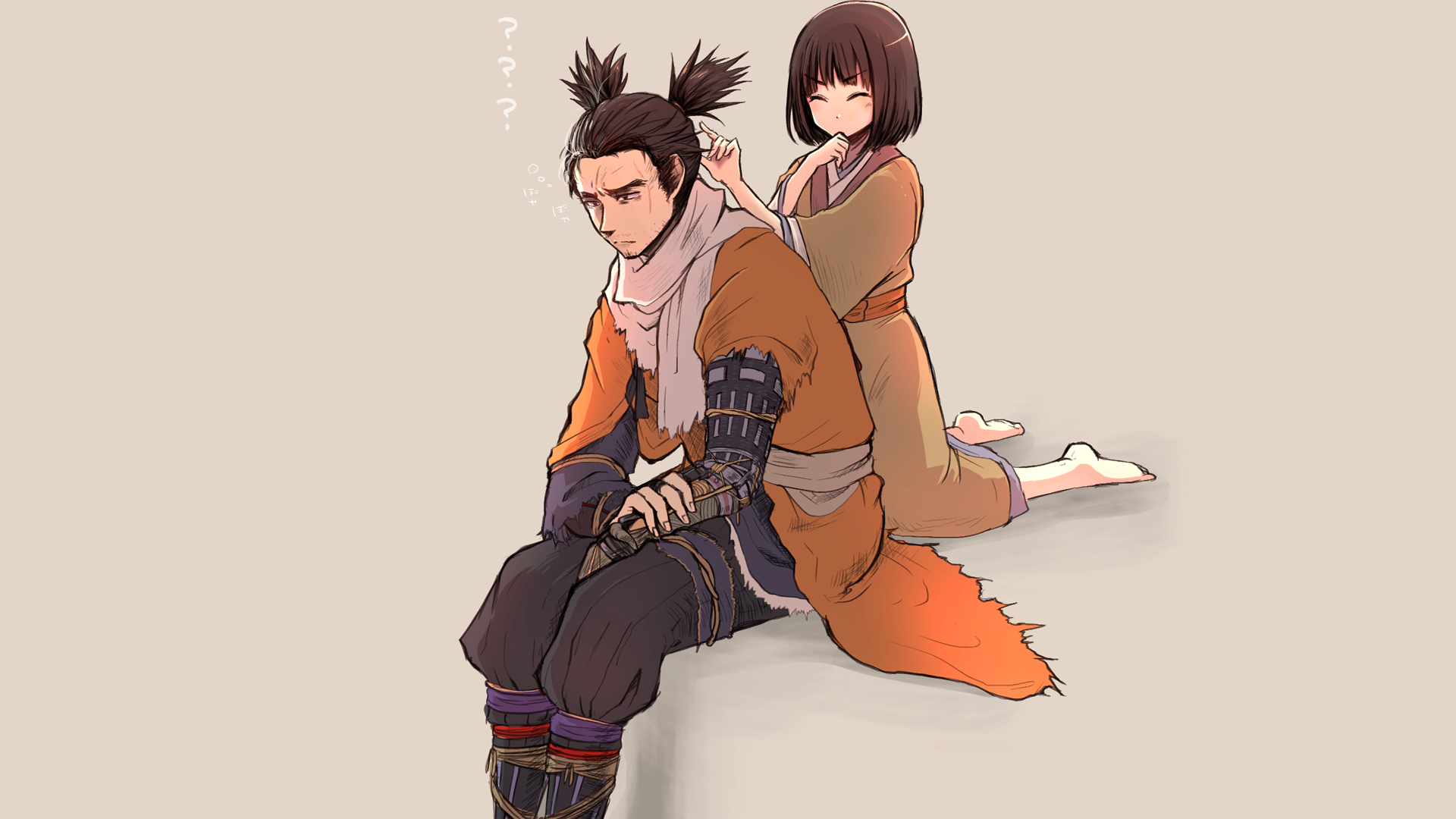
At the helm is Kenichi Kutsuna, directing at Qzil.la. His visual sensibility aligns perfectly with the tone FromSoftware built into Sekiro — quiet, brutal, beautiful, and loaded with dread. The screenplay comes from Takuya Sato, whose writing credits demonstrate a feel for pacing stories that breathe between their action beats. And character design by Takahiro Kishida? That’s the name behind some of the most recognizable character work in modern anime.
Then there’s the cast. Daisuke Namikawa voices Wolf — a casting choice that signals they wanted someone who can carry silence and intensity in equal measure. Wolf isn’t a chatty protagonist; he’s defined by what he doesn’t say, and Namikawa has the range to make restraint compelling. Miyuki Sato takes on Kuro, the Divine Heir, bringing warmth and vulnerability to a character who could easily feel like a plot device in less capable hands. And Kenjiro Tsuda as Genichiro Ashina? Perfect casting. Tsuda’s deep, authoritative voice has become one of the most distinctive sounds in anime, and Genichiro demands exactly that kind of gravitas.
This level of talent doesn’t sign on for a throwaway adaptation. This film clearly attracted people who saw something worth building, not just something worth attaching their names to. That distinction matters more than any single production detail.
The Story: Sengoku Suffering Done Right
Let’s get this straight right away: the Sekiro No Defeat anime is an adaptation of the game, not a sequel. It’s telling the story of Sekiro Shadows Die Twice through a different medium — and that distinction is crucial for anyone walking in expecting new lore or post-game content.
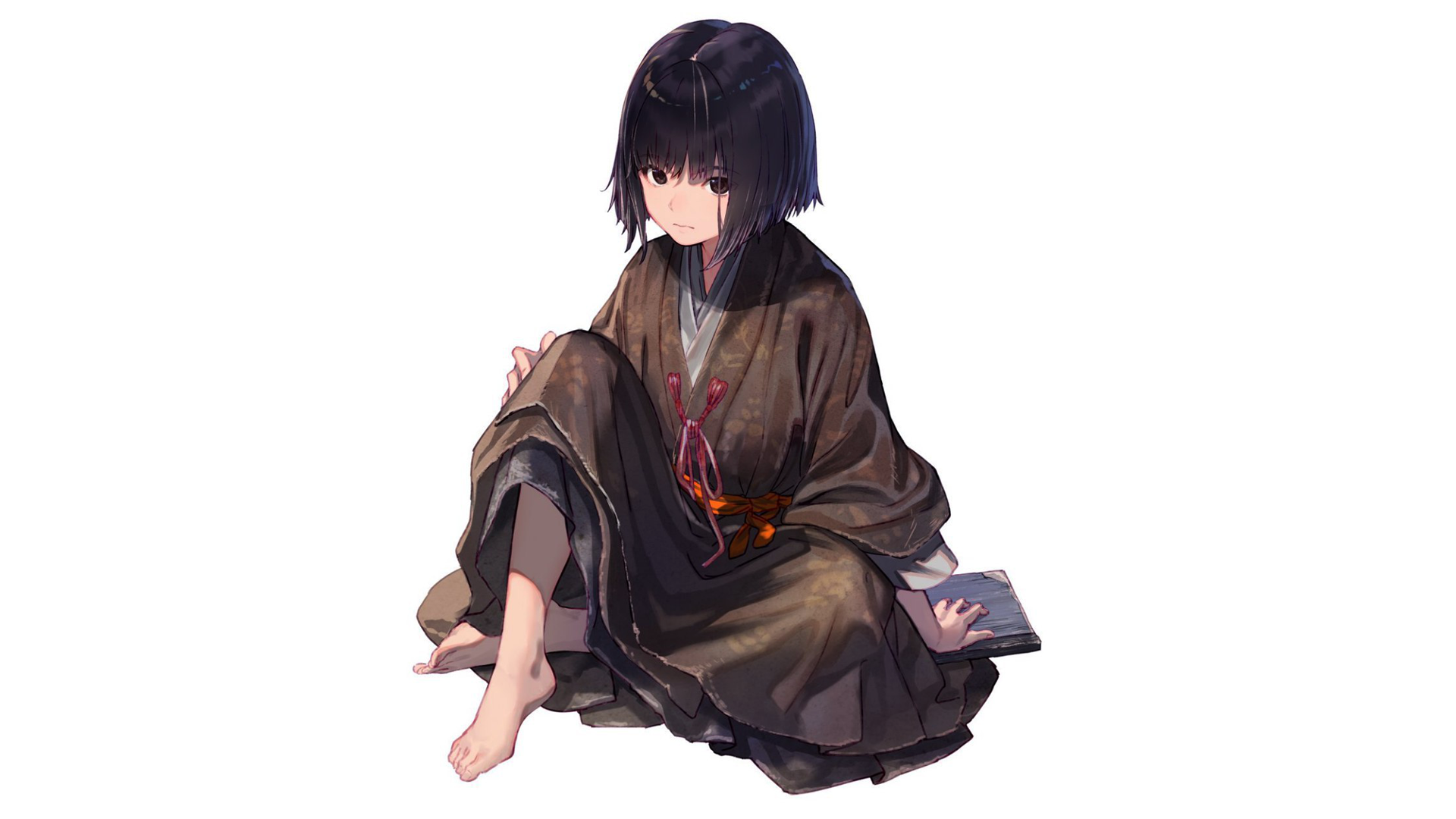
The official description paints the picture with raw clarity: “The time is Sengoku. Japan is fractured into many independent nations entangled in ceaseless war. At the center lies Ashina, a land of sacred earth and ancient mystery. Two decades after Sword Saint Isshin Ashina reclaimed the region in a brutal coup, a new threat emerges from within: The Interior Ministry. Desperate to protect his homeland, Isshin’s grandson Genichiro turns to forbidden powers. The only hope lies in a kidnapped boy — the Divine Heir — and his silent protector: a loyal shinobi known only as Sekiro.”
If you played the game, you recognize every beat. If you haven’t, the story stands on its own — a shinobi bound by duty, a lord carrying an impossible burden, and a nation tearing itself apart from the inside. The Sengoku setting isn’t just window dressing; it’s the engine driving every conflict. Ashina isn’t a fantasy kingdom with a coat of Japanese paint. It is Sengoku Japan — fractured, bloody, and desperate.
What makes this story work for theatrical anime adaptation specifically is its focus. Sekiro’s narrative isn’t sprawling open-world lore. It’s tight. Personal. One shinobi, one lord, one impossible situation. That’s the kind of story that fits a film format without needing to compress entire game storylines into 90 minutes. This adaptation isn’t fighting the medium — it’s built for it.
And for those wondering about tone — the PG12 rating in Japan suggests they’re not shying away from violence and intensity while keeping it accessible. That tracks with the game itself, which was brutal but never gratuitous. The best anime fight choreography always comes from productions that understand this balance, and all signs point to this team getting it right.
Ryuichi Sakamoto’s “Blu” and the Sound of Ashina
Some production details hit differently than others. The Sekiro No Defeat anime featuring Ryuichi Sakamoto’s “Blu” as its theme track is one of those details. Sakamoto, who passed in 2023, left behind a body of work that redefined what film music could be — sparse, emotional, and impossible to confuse with anyone else.
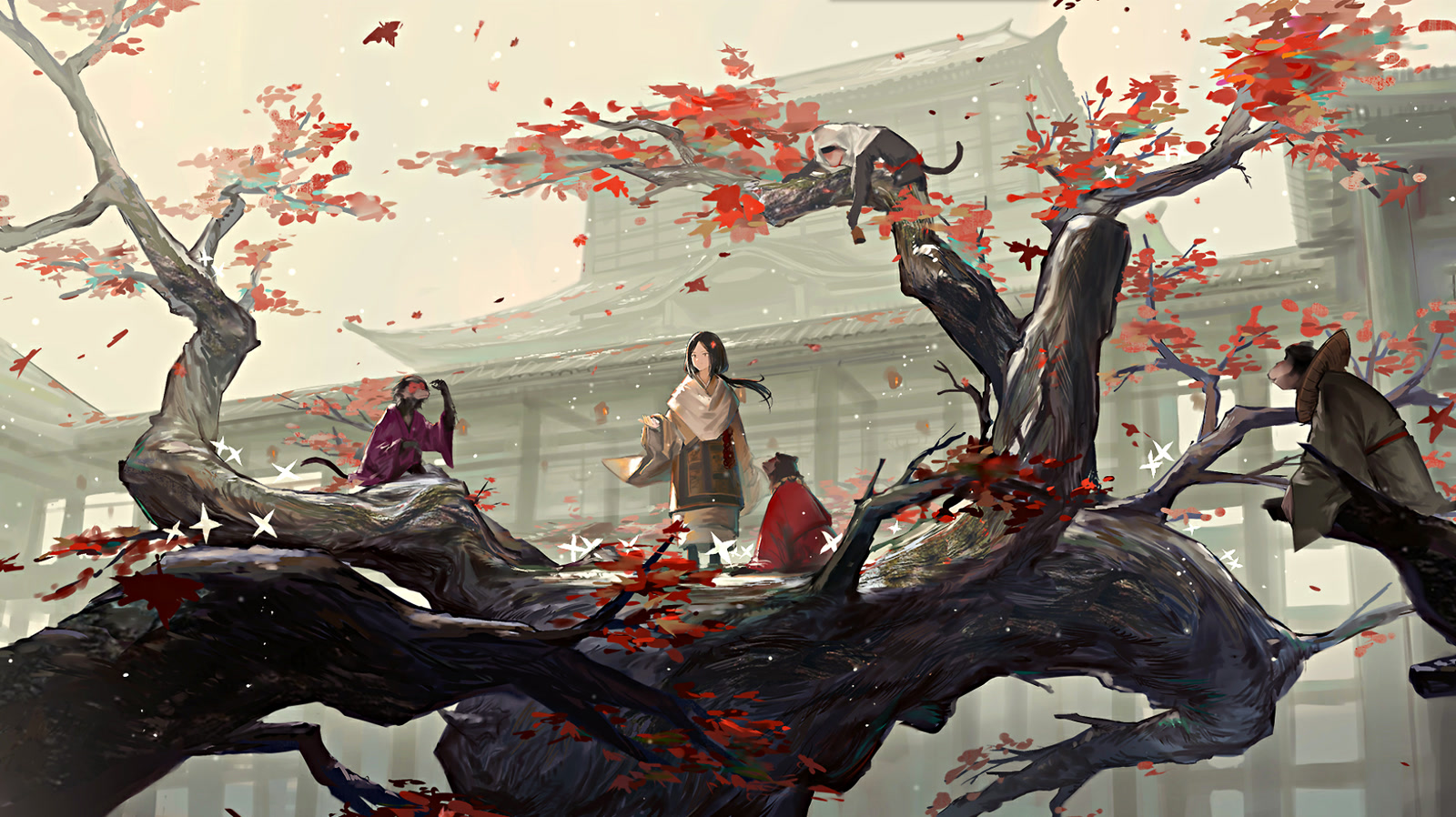
“Blu” isn’t just a licensed track slapped over credits. It carries emotional weight that fits the film perfectly — meditative and aching, the kind of music that makes silence feel heavier. Sekiro’s story is built on loss, loyalty, and impossible choices. Sakamoto’s compositions have always lived in that exact space.
The choice to use his work also signals something about the film’s priorities. They could have gone with a J-pop tie-in or a high-energy rock track to push marketing. Instead, they chose a piece that requires you to sit with it. That’s the same philosophy behind the hand-drawn animation: patience, intention, craft over convenience.
Music in theatrical anime often separates the memorable from the forgettable. Think about how Yoko Kanno’s scores define Cowboy Bebop, or how Joe Hisaishi’s piano makes Ghibli films feel timeless. The team aiming for that level of musical identity — with Sakamoto’s legacy no less — tells you this production understands what makes anime stick with you long after the credits roll.
Annecy Selection: Why This Matters Beyond Anime Circles
The Sekiro No Defeat anime earned a spot in the Annecy 2026 Midnight Specials section, and if you know what Annecy represents, you understand why this is a big deal. It’s the most prestigious international animation festival in the world, and its Midnight Specials section specifically highlights visually intense, boundary-pushing work.
Being selected for Annecy means this film isn’t being treated as niche entertainment for gamers. It’s being recognized as cinema — animation worth engaging with on its own artistic merits, regardless of whether you’ve ever touched a controller. That’s a huge distinction, and it’s one that very few game adaptation projects have achieved.
This positioning matters for the broader conversation about anime and games, too. We’re living through what some have called a golden age of anime, and selections like this reinforce that the medium is producing work that stands alongside any other form of filmmaking. The Sekiro No Defeat anime screening at Annecy is a signal to the industry: if you invest in craft and vision, the recognition follows.
It also sets expectations. When a film screens at Annecy, audiences arrive expecting something worth discussing, debating, and remembering. This production has already been framed as an event — not just a screening, not just a premiere, but a moment for animation as a whole.
2026: The Year Game Adaptations Got Serious
The Sekiro No Defeat anime isn’t arriving in a vacuum. 2026 is shaping up to be a defining year for game adaptation projects in anime, and the competition is real. The Death Stranding anime and Devil May Cry Season 2 are both on the way, each carrying massive fan expectations and significant production resources.
But here’s what separates it from the pack: intentionality. The hand-drawn commitment, the Sakamoto theme, the Annecy selection, the all-star cast — every decision points toward a film that wants to be something, not just exist. Death Stranding and DMC are exciting in their own right, but neither has made the kind of artistic declarations that this production has.
This isn’t to pit these projects against each other — that’s boring fan war stuff. It’s to say that 2026 might be the year the industry proves that game adaptation doesn’t have to mean “acceptable for what it is.” The bar is moving, and this film is one of the ones raising it.
If you’ve been tracking what’s coming, you already saw the most anticipated anime of 2026 lists lighting up with these titles. But Sekiro No Defeat keeps climbing those rankings every time a new detail drops, and for good reason — it keeps making the right promises and backing them up.
Crunchyroll Streaming: Accessibility Meets Prestige
Here’s something that shouldn’t be overlooked: Crunchyroll will exclusively stream the Sekiro No Defeat anime worldwide, excluding Japan, China, Korea, Russia, and Belarus. That means most of the global audience will have day-one access to a film that’s also screening at Annecy and getting a theatrical run in Japan.
This is the kind of distribution strategy that signals confidence. The production committee isn’t treating the international audience as an afterthought. They’re not making you wait six months for a butchered home release. They’re putting the film on the biggest anime streaming platform in the world alongside its theatrical premiere window.
It’s a smart move for a theatrical anime that wants to be an event. The three-week limited theatrical run in Japan creates urgency and prestige — you see it on the big screen or you hear about it from everyone who did. Then the Crunchyroll drop ensures the rest of the world can actually watch it without resorting to, well, the usual alternatives.
For anyone keeping score on how Crunchyroll’s platform strategy has evolved, this is another sign they’re investing in prestige content, not just volume. The Sekiro No Defeat anime landing there as an exclusive says something about both the film’s commercial viability and Crunchyroll’s willingness to bet on ambitious projects.
Why Hand-Drawn Matters for Sekiro Specifically
We’ve covered that the Sekiro No Defeat anime is fully hand-drawn, but let’s talk about why that choice matters specifically for this story. Sekiro Shadows Die Twice isn’t just an action game — it’s a game about precision, rhythm, and the weight of every single movement. Wolf doesn’t swing wildly. Every parry, every deflect, every deathblow is deliberate. That’s the DNA of the game, and it’s exactly what hand-drawn animation captures better than any other approach.
CG animation can look smooth. It can look polished. But it struggles to capture the texture of a blade cutting through air, the slight stagger of an imperfect dodge, the way a character’s posture shifts before committing to a strike. Hand-drawn frames carry the artist’s intent in every line. The Sekiro No Defeat anime chose the medium that matches its source material’s philosophy: every frame matters, every movement counts.
This connects to a broader conversation about animation styles that the community keeps having. The CGI anime debate isn’t going away, and this production just became the most high-profile example of a studio actively choosing the harder, more expensive path because it serves the story better. That’s worth recognizing regardless of where you land on the CG question.
The commitment also pays respect to the game’s artistic direction. FromSoftware built a world that feels painted — fog rolling through Ashina Castle, the muted gold of autumn leaves, the stark contrast of blood on snow. These aren’t the kind of visuals that benefit from CG’s clean geometry. They benefit from the organic imperfection of hand-drawn animation. The Sekiro No Defeat anime understands that adaptation means translating feeling, not just plot.
The No AI Statement: Trust, Transparency, and the Future
Let’s be real about why the “no generative AI” statement from the production committee landed the way it did. The anime community has been vocal — sometimes aggressively so — about AI involvement in creative work. When Qzil.la was announced as the studio, the immediate reaction from many fans was concern. Qzil.la is known for AI technology. The leap from “AI studio” to “they’ll probably use AI in the animation” was fast and loud.
The production committee didn’t wait for speculation to harden into accepted truth. They issued a direct, unambiguous statement: no generative AI was used in production. Not “minimal AI.” Not “AI-assisted in non-creative areas.” None. That level of transparency is rare in this industry, and it deserves credit.
But here’s the bigger point: the Sekiro No Defeat anime made that statement because it knew its audience. Anime fans — especially FromSoftware fans — care deeply about craft. These are people who analyze frame data, who celebrate animation sakuga, who can tell you which key animator worked on which cut. The idea that their most anticipated game adaptation might cut corners on the thing they value most was never going to fly.
The no-AI statement isn’t just about this one film. It’s a data point in a larger conversation about how the anime industry handles AI going forward. This production just demonstrated that studios can build trust by being direct, and that audiences will reward that transparency with loyalty. Every other studio working on a high-profile game adaptation just took notes.
What Sekiro No Defeat Anime Means for Game Adaptations
Zoom out for a second. The Sekiro No Defeat anime isn’t just a film — it’s a proof of concept. For years, the conversation around game adaptation in anime has been: “Will this one finally be good?” We keep hoping, we keep getting burned, and occasionally something surprises us. But the pattern has been clear: most game adaptations are produced on tight budgets with tight timelines by studios who didn’t choose the project out of passion.
This production represents a different model entirely. A major game IP paired with a studio willing to commit to the most labor-intensive animation approach possible. A director whose visual style matches the source material’s tone. A cast stacked with top-tier talent. A theme song by one of the most respected composers in film history. An Annecy selection before the film even premieres. Every piece of this production says: this matters.
If it succeeds — and every indication suggests it will — the Sekiro No Defeat anime could establish a new baseline for what a game adaptation can be. Not “good for a game anime.” Not “surprisingly decent.” Actually good. Actually worth watching even if you’ve never played the game. Actually worth discussing as cinema.
The ripple effects could be significant. When a theatrical anime adaptation of a game gets this level of investment and returns on it, other studios and publishers take notice. The next FromSoftware adaptation won’t be produced like an afterthought. The next big game adaptation will have Sekiro No Defeat as a reference point for what ambition looks like.
And for fans who have been waiting for the industry to take game-based anime seriously? The Sekiro No Defeat anime is validation. We’ve been saying these stories deserve real craft, real budgets, and real creative vision. For once, a production agrees.
Final Verdict: Mark Your Calendar for September
The Sekiro No Defeat anime has all the markers of a defining release. Fully hand-drawn animation in an era when almost nobody takes that risk. A creative team with genuine artistic vision. A story that fits the theatrical format instead of fighting it. Sakamoto’s “Blu” as emotional bedrock. An Annecy selection that places it among the year’s most notable animation worldwide. A no-AI commitment that respects the audience. And Crunchyroll distribution ensuring global access.
September 4, 2026. Japanese theaters. Three-week limited run. The film is being positioned as an event, and based on everything we know, it’s going to deliver on that promise. This is the game adaptation that could redefine what the industry thinks is possible when you stop treating source material as brand collateral and start treating it as a story worth telling with everything you’ve got.
If you’ve been watching the summer 2026 anime season and wondering what comes next, this is it. The Sekiro No Defeat anime isn’t just the next big game adaptation — it’s the one that could change the conversation entirely. Don’t sleep on it.
You Might Also Enjoy
If the Sekiro No Defeat anime has you hyped for what’s coming, these reads will keep the momentum going:
- Most Anticipated Anime of 2026 — The full breakdown of what’s worth your time this year
- Best Anime Fight Choreography — The fights that set the bar, and what Sekiro No Defeat has to live up to
- The CGI Anime Debate Explained — Why the hand-drawn vs. CG conversation matters more than ever
- Devil May Cry Season 2: Vergil Changes Everything — The other big game adaptation making waves in 2026
- We’re Living in a Golden Age of Anime — Here’s Why — The bigger picture on why anime keeps hitting new heights