Oshi no Ko Season 3 Delivers the Franchise’s Most Emotionally Devastating Arc Yet
Oshi no Ko has never been afraid to go dark. Since the pilot episode gutted us with Ai’s murder, this series has built its identity on exposing the rot beneath the idol industry’s glittering surface. But Oshi no Ko Season 3 does something different — it stops pointing the camera at the industry and turns it inward, straight at the characters we love. And it hurts in a way the previous seasons didn’t quite manage.
When Season 2 wrapped with the Private Arc and B-Komachi’s rise, I assumed the show would keep escalating outward — bigger scandals, higher stakes, more industry takedowns. Instead, Oshi no Ko Season 3 pulls the scope tighter. The Scandal Arc isn’t about exposing some grand conspiracy. It’s about what happens when the machinery of celebrity destruction targets someone you’ve watched grow for two seasons. It’s personal. It’s brutal. And it might be the best thing this franchise has ever done.
What makes Oshi no Ko Season 3 stand out in a crowded spring 2026 season is its refusal to coast on spectacle. Where Season 2 gave us the Tokyo Blade stage play — an entire production-within-a-production that served as a structural anchor — Season 3 strips that scaffolding away. We’re left with raw character work, uncomfortable truths, and emotional moments that hit like a freight train because the show earned every single one of them across two prior seasons.
If you’ve been sleeping on Oshi no Ko Season 3, wake up. This is the anime conversation of spring 2026, and it deserves every bit of hype it’s generating. Let me break down why.
The Scandal Arc: Kana Arima at the Breaking Point
Kana Arima has been the emotional anchor of Oshi no Ko since Season 1. The former child actress who clawed her way back into relevance through B-Komachi, the girl whose sharp tongue hides oceans of insecurity, the one who always seemed one bad day away from shattering. Well, Oshi no Ko Season 3 finally gives her that bad day — and then keeps punching.
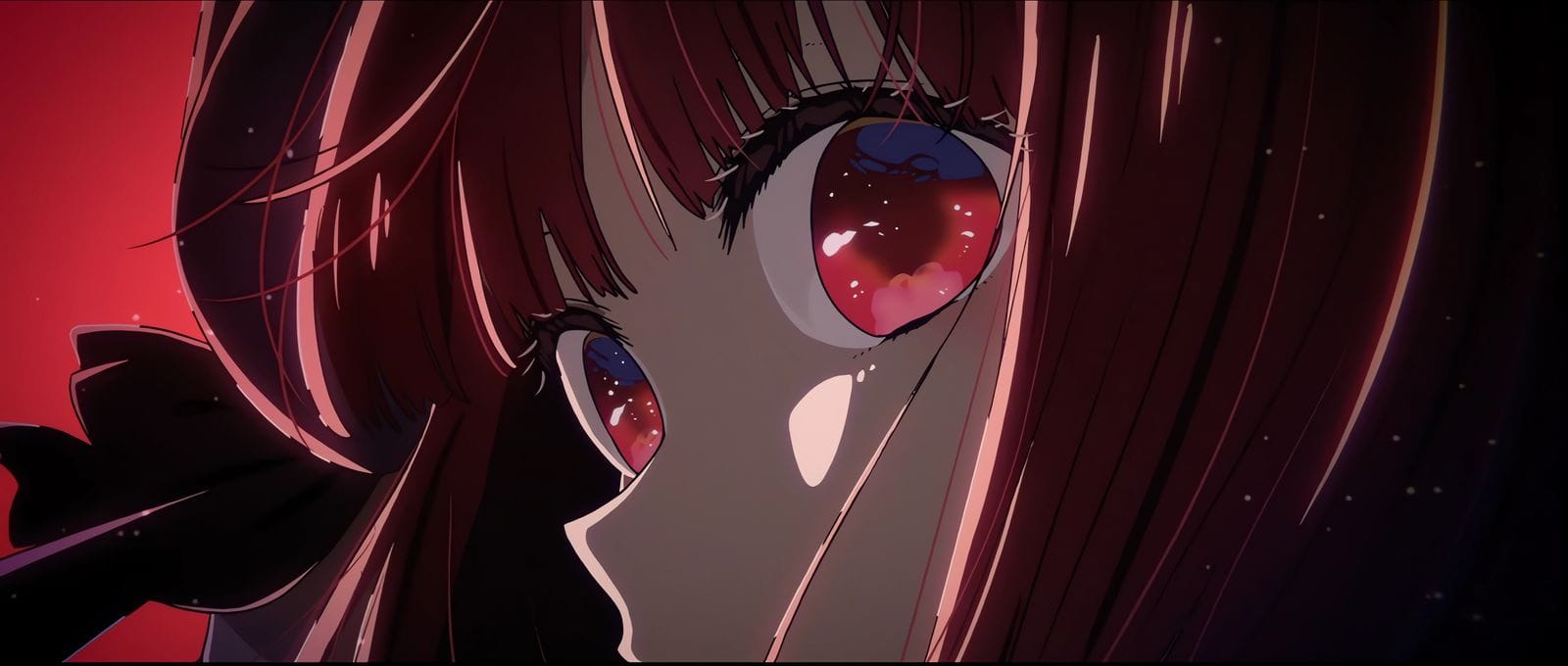
The paparazzi scandal at the center of the Scandal Arc is brutally simple: Kana is photographed in a compromising situation with a married film director, and the media machine goes into overdrive. Tabloids, social media pile-ons, industry whispers — the whole apparatus of destruction that Oshi no Ko has been documenting since episode one now turns its full weight on the character who felt most like one of us. The Scandal Arc doesn’t invent a new kind of cruelty. It takes the same machinery that destroyed Ai and points it at someone who’s still alive to feel every cut.
What makes this arc devastating isn’t just the scandal itself. It’s watching Kana — someone who has fought so hard to rebuild herself — face a choice between protecting her public image and protecting the truth of who she is. The show doesn’t pretend this is an easy moral call. In the idol industry, image is survival. When Kana Arima weighs her options, she’s not being vain. She’s calculating how many more days she gets to exist in this world before the industry discards her.
Doga Kobo’s direction during the media pressure scenes is masterful. The camera angles tighten. The color palette drains. The background chatter of gossip shows and Twitter threads becomes an oppressive drone. I’ve seen plenty of anime tackle celebrity culture, but Oshi no Ko Season 3 makes you feel the walls closing in. There’s a sequence around episode six where Kana sits alone in her apartment, phone face-down, and the silence is louder than any soundtrack could be.
This is Kana’s arc, and it’s the show at its most human. The Scandal Arc works because it doesn’t need a villain with a grand plan. The villain is a system — and Kana Arima is caught in its gears like everyone else who came before her.
Ruby Hoshino’s Darkest Evolution
While the Scandal Arc centers on Kana, the season’s most surprising transformation belongs to Ruby Hoshino. Since the beginning, Ruby has been the sunny counterpoint to Aqua’s brooding — the idol who genuinely loves performing, the sister who carries hope like a torch. Oshi no Ko Season 3 torches that version of Ruby and builds something far more compelling from the ashes.
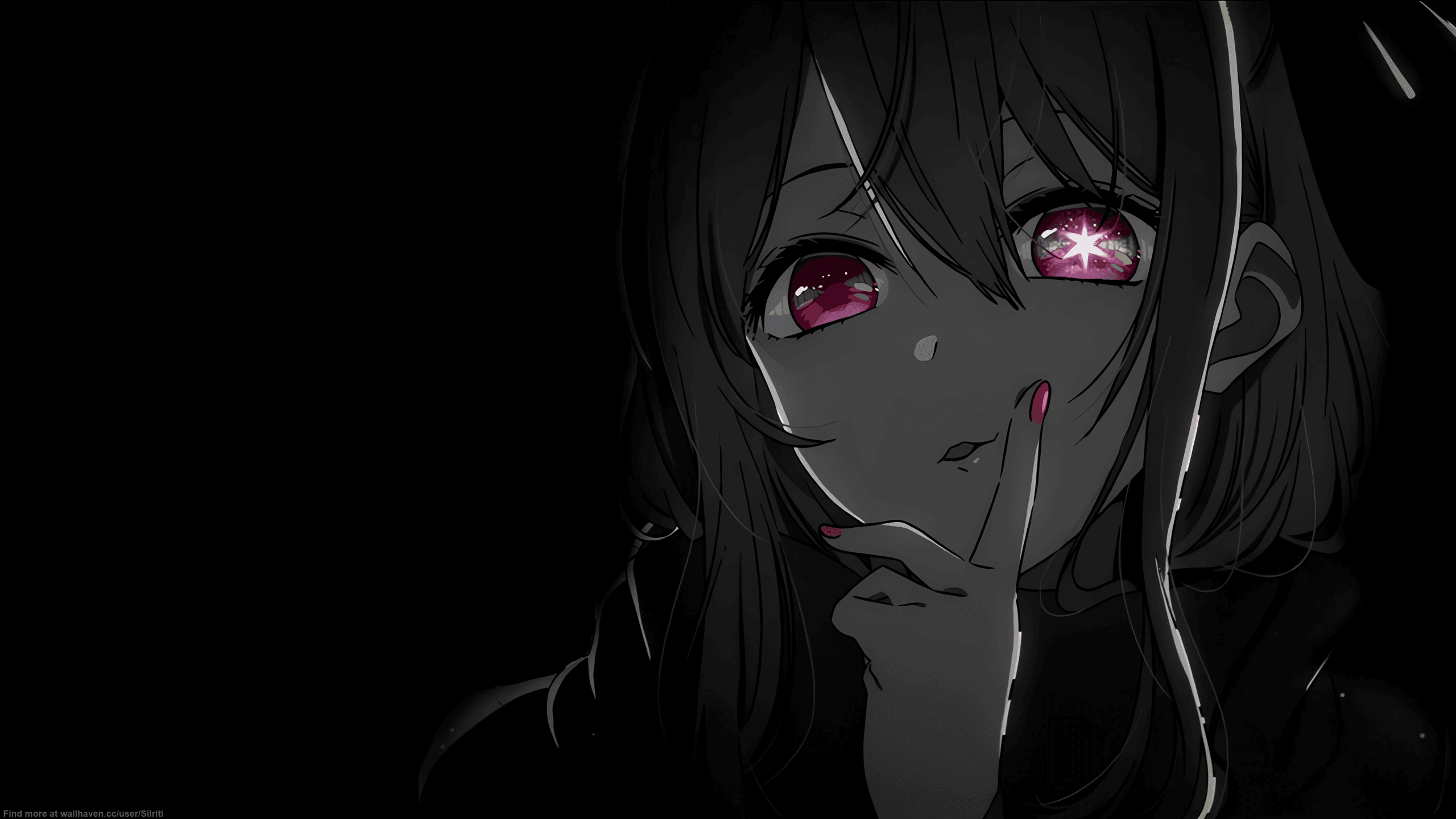
Ruby’s arc in Season 3 is built on the weight of her reincarnation secret. She knows the truth about her previous life, about Ai, about what really happened — and that knowledge is no longer something she carries quietly. Oshi no Ko Season 3 shows Ruby learning to wield information as a weapon, manipulating the people around her with a precision that would make her mother’s manager proud.
The shift in the sibling dynamic is one of the season’s richest threads. Aqua spent two seasons consumed by revenge, only to step back from the edge. Ruby watched him do that and went the opposite direction. She didn’t learn from his mistakes — she learned from his techniques. The show draws this parallel without heavy-handed exposition. You just watch Ruby make choices that echo Aqua’s worst moments and feel your stomach drop.
This is the best use of the reincarnation premise in the entire series. For a long time, the reincarnation angle felt like an elaborate hook — a clever way to give Aqua insider knowledge and emotional baggage. But Ruby’s turn in Oshi no Ko Season 3 makes the reincarnation mechanic feel essential. Her previous life as Sarina isn’t just backstory anymore. It’s fuel for a revenge arc that feels earned, disturbing, and impossible to look away from.
And here’s what makes it truly compelling: Ruby isn’t wrong. The people who hurt Ai deserve consequences. But the show is smart enough to show that righteous revenge and toxic manipulation can coexist in the same person. That’s not a contradiction — that’s a character.
Akane and Aqua: The Most Fascinating Toxic Relationship in Anime
Oshi no Ko Season 3 forces us to confront something the show has been building since Akane Kurokawa first transformed herself into Ai’s doppelganger: the relationship between Akane and Aqua is not healthy. It’s never been healthy. And this season might be the first time the show fully admits it.

Akane has always been defined by her ability to become what others need. In Season 1, she literally reshaped her face to become Ai. In Season 2, she played the supportive ally while harboring her own motives. In Oshi no Ko Season 3, she takes matters into her own hands with a decisiveness that’s both thrilling and terrifying. Akane decides that protecting Aqua means doing things he would never approve of — and she does them without asking permission.
Their dynamic this season is equal parts romantic and disturbing. There are moments where you root for them, where the chemistry is so electric that you forget these are two deeply damaged people using each other. And then the show pulls the rug. Akane Kurokawa isn’t protecting Aqua out of pure love — she’s protecting him because her entire identity has become entangled with being the person he needs. If Aqua heals, who is Akane? That question hangs over every scene they share.
What I appreciate is that Oshi no Ko Season 3 doesn’t judge them. It presents the toxicity and lets viewers sit with it. There’s no moralizing monologue about healthy relationships. No character stepping in to say “this is wrong.” Instead, you watch two people who genuinely care about each other while also being genuinely bad for each other. It’s the kind of relationship anime rarely has the courage to depict without resolution — and it puts Oshi no Ko Season 3 in rare company alongside shows like Chainsaw Man’s exploration of Denji and Makima’s destructive bond.
Akane might actually be the real protagonist of Season 3. While Kana’s scandal provides the external conflict and Ruby’s evolution drives the revenge arc, Akane is the one making moves. She’s the one shaping events behind the scenes. She’s the one with agency when everyone else is reacting. Whether you love her or find her terrifying, you can’t look away.
Doga Kobo’s Animation Reaches New Heights
Oshi no Ko is not an action anime. There are no sakuga spectacles, no fluid combat sequences, no explosive set pieces. And yet, Doga Kobo’s animation work in Oshi no Ko Season 3 is some of the most impressive of the year. Here’s why.

Emotional animation is harder than action animation. Anyone can make a punch look cool. Making a character’s face flicker through five micro-expressions in two seconds — relief, doubt, resolve, fear, determination — and having each one land? That’s the real flex. And Doga Kobo flexes hard this season.
Ruby’s facial expressions carry entire scenes this season. There’s a moment in episode nine where she receives information that changes everything, and her face cycles through shock, calculation, grief, and something cold and determined — all without a single line of dialogue. I rewound it three times. The animation tells you exactly who Ruby is becoming before the script does.
The color work deserves special attention. Oshi no Ko Season 3 uses palette shifts the way a cinematographer uses lighting — warm ambers for nostalgic B-Komachi moments, sickly greens for paparazzi sequences, and cold blues for Ruby’s calculating scenes. These aren’t subtle background choices. They’re narrative tools that tell you what emotional register each scene operates in.
And the OP and ED? Among the season’s best, hands down. The opening captures the duality of the season — beauty and destruction coexisting — with editing that actually reflects the episode structure. Every visual callback to Ai, every shot of the B-Komachi members positioned like they’re both united and isolated, it all builds a thesis statement before a single line of dialogue lands. The ending theme is a slow burn that hits harder after each episode. I never skipped either. In a season stacked with strong OPs from Frieren Season 2 and others, Oshi no Ko Season 3 holds its own.
The animation also sells moments the manga could only suggest. Manga panels can hint at a micro-expression. Doga Kobo can show you the exact moment Kana’s resolve cracks. The voice acting, the music cues, the timing — they add dimensions that ink on paper can’t. If you’re a manga-only reader wondering whether the anime is worth your time, this season answers that question with a resounding yes.
What Doesn’t Work: The Connective Tissue Problem
I’ve been raving about Oshi no Ko Season 3, and I mean every word. But this review wouldn’t be honest if I didn’t address the season’s biggest weakness: the connective tissue between arcs.
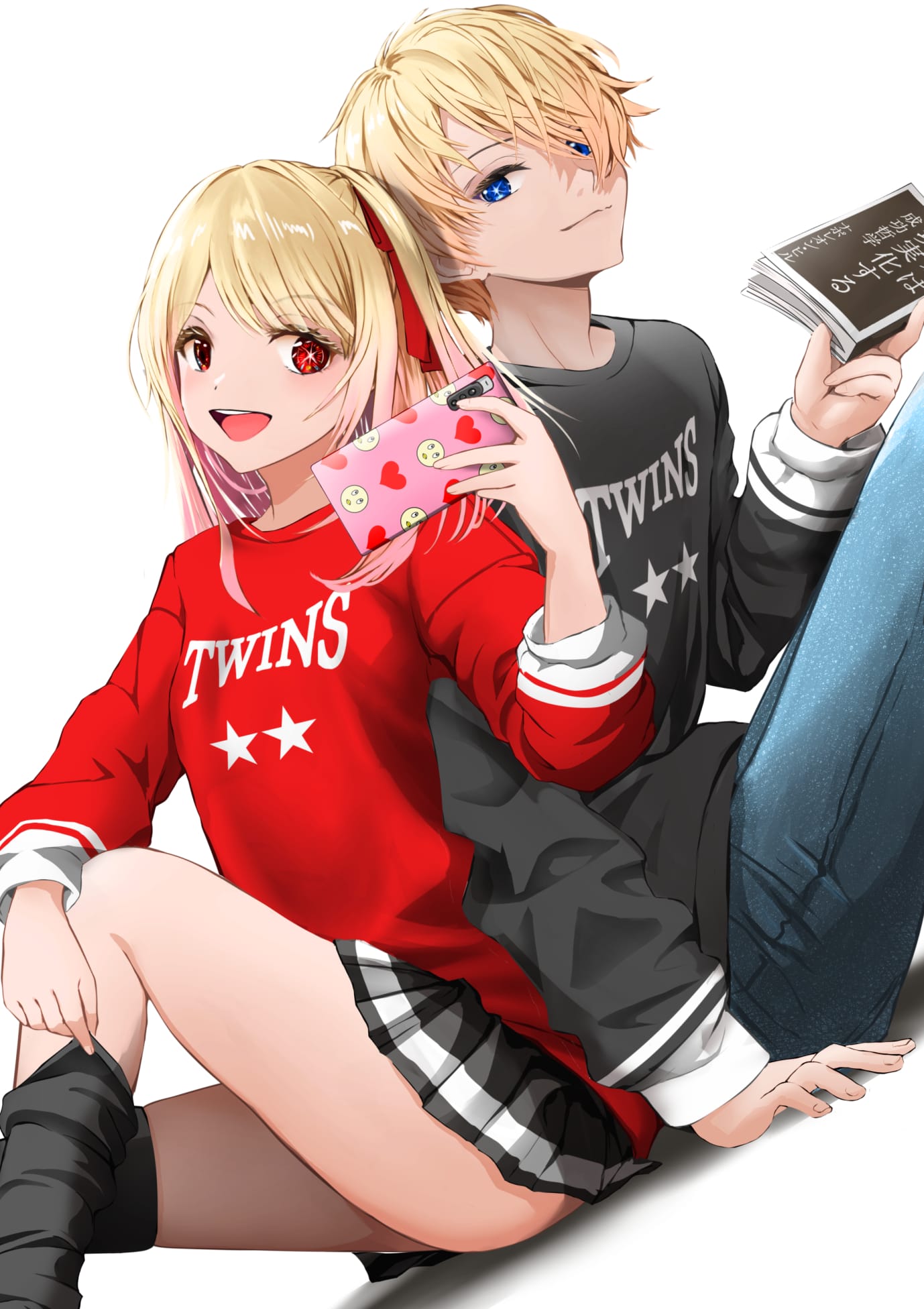
Season 2 had the Tokyo Blade stage play as a structural anchor. Every character and subplot orbited around that production. It gave the season a natural rhythm — build, rehearse, perform, resolve. Oshi no Ko Season 3 doesn’t have that. The Scandal Arc and the Ruby/Akane threads are individually strong, but the season struggles to weave them into a unified whole until the final few episodes.
The revenge plot, which felt like the show’s central engine for two seasons, goes on pause for much of the middle. Aqua’s investigation into Ai’s murderer takes a back seat while the Scandal Arc plays out, and the result is a stretch of episodes that feel excellent in isolation but disconnected in sequence. You can feel the show marking time between major beats.
Some manga readers have noted that the Scandal Arc reads better in print, where you can control the pacing and feel the momentum of Kana’s crisis in one sustained reading session. The weekly release format in anime stretches some of those beats thin. I don’t fully agree — the voice acting and animation add enough to compensate — but I see the argument.
The good news is that the season’s final arc pulls everything together with impressive precision. Those last few episodes make the earlier meandering feel intentional, like the show was deliberately slowing your heart rate before the sprint. But “feels intentional in retrospect” isn’t the same as “works in the moment,” and I suspect this will be the season’s most debated aspect among fans.
Manga vs Anime: How Season 3 Compares to the Source Material
Oshi no Ko Season 3 adapts a significant chunk of the manga — both the Scandal Arc and the Mainstay Arc. That’s a lot of ground to cover, and it raises the obvious question for source material readers: did they pull it off?
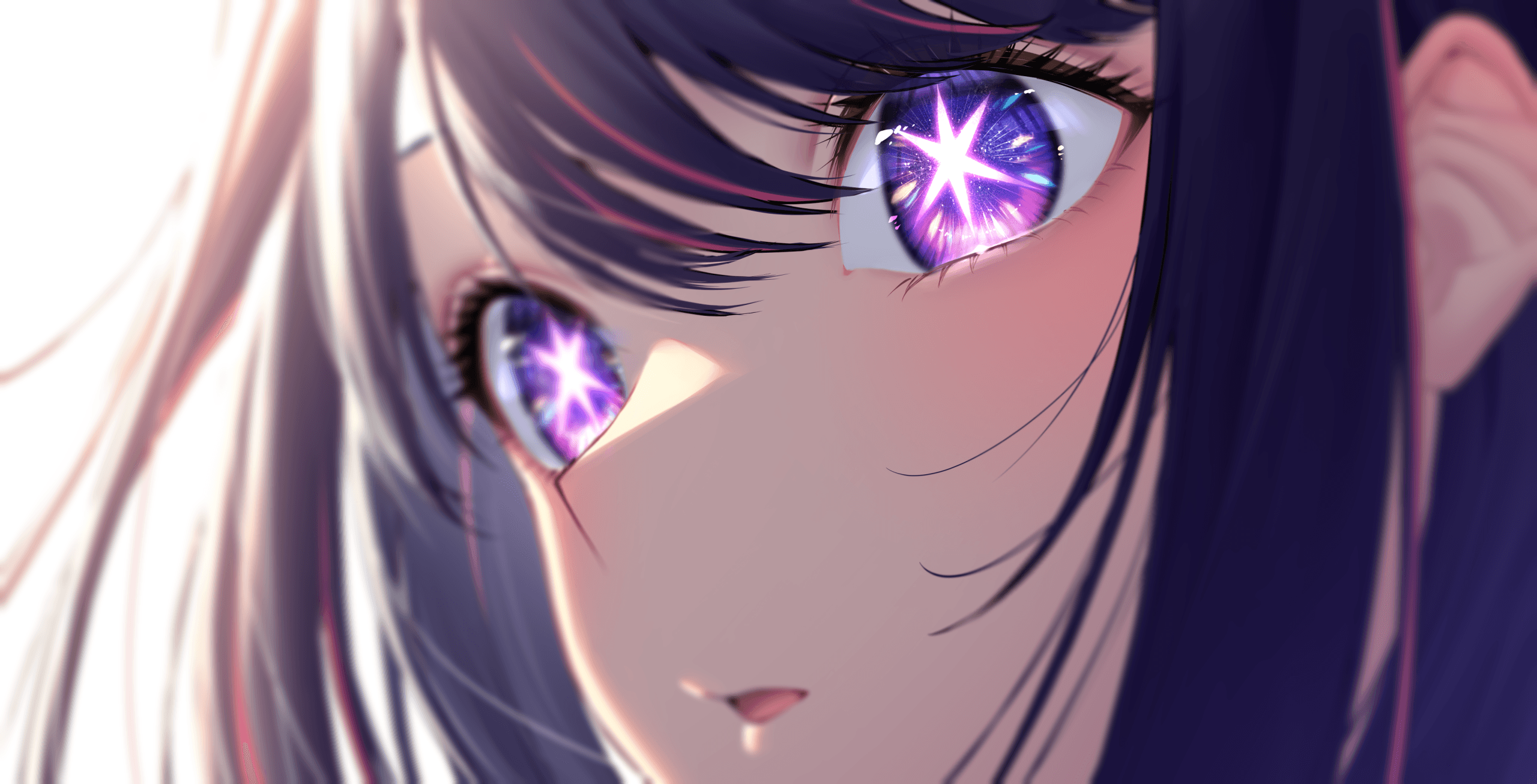
The short answer is yes, mostly. The adaptation is generally faithful, with minor dialogue adjustments that streamline some of the manga’s denser passages. No major cuts, no controversial reordering, no anime-original filler. If you’ve read the manga, you’ll recognize everything here — and some of it will hit harder than you remember.
The longer answer is that animation and voice acting fundamentally change how certain moments land. Kana’s breakdown in front of the cameras is affecting on the page but devastating on screen. The voice actress — seriously, someone give her an award — captures a specific kind of public humiliation that text alone can’t convey. When her voice catches on that one word, you feel it in your chest.
Ruby’s transformation also benefits enormously from the audiovisual treatment. The manga shows you her cold expressions, but the anime gives you the sound design — the way background music cuts out when she makes a calculating move, replaced by a silence that’s more ominous than any score. These are additions that respect the source while enhancing it.
For manga readers wondering about the big moments: they’re intact. The key confrontations, the revelations, the emotional payoffs — Doga Kobo understood what mattered and protected those scenes. This isn’t a rewrite. It’s a translation, and a surprisingly careful one for a season format that had to compress two arcs.
Final Verdict: Oshi no Ko Season 3 Is Essential Viewing
Oshi no Ko Season 3 isn’t the most consistent season of the show. It’s not the most tightly plotted. And the middle stretch will test your patience if you’re here primarily for the revenge arc. But here’s the thing: it might be the most emotionally resonant season of anime I’ve watched this year. And in a medium that often prioritizes spectacle over substance, that counts for a lot.
When this show leans into its characters — when it stops trying to juggle every plot thread and just lets Kana break, lets Ruby scheme, lets Akane make unforgivable choices in the name of love — it operates on a level that few anime reach. The Scandal Arc is the best sustained character work this franchise has done. Ruby’s evolution is the most compelling character turn of 2026. And Doga Kobo’s animation elevates material that was already great into something transcendent.
In a year stacked with heavy hitters — from Frieren Season 2 continuing its masterpiece run to Dorohedoro Season 2 delivering on years of hype — Oshi no Ko Season 3 holds its own by doing what it does best: making you care about deeply flawed people in an unforgiving idol anime industry. It’s not the flashiest anime of spring 2026. It’s the one that’ll stay with you longest.
As for what comes next: the season finale sets up a potential Season 4 with the kind of cliffhanger that makes you want to throw your remote at the wall. The revenge arc isn’t over. Ruby’s trajectory is pointing somewhere dark. And Akane Kurokawa is sitting on secrets that could detonate everything. If you thought Oshi no Ko Season 3 was intense, the next chapter is going to burn the house down. The Hoshino siblings are on a collision course, and when it finally lands, it’s going to make everything we’ve seen so far look like a warm-up.
Score: 8.5/10 — Not the franchise’s most polished season, but its most emotionally devastating. Essential viewing for anyone who’s been with Oshi no Ko since the beginning. Watch it on Crunchyroll.
Oshi no Ko Season 3 proves that this franchise still has teeth. The Scandal Arc rips into the characters we love, the animation from Doga Kobo is stunning, and the character work — especially Kana Arima, Ruby Hoshino, and Akane Kurokawa — is some of the best in modern anime. If you dropped off after Season 2, come back. If you’ve never started, this is the kind of adult anime worth your time. Oshi no Ko Season 3 isn’t just good — it’s necessary.