Solo Leveling Season 3: Why the Jeju Island Arc Changes Everything
solo leveling season 3 has the kind of pressure that can either turn a hit into a classic or expose its limits fast. Up to this point, the series has thrived on Sung Jin-Woo’s insane rise, stylish clears, and that addictive power fantasy rush. But the Jeju Island Arc changes the conversation. This is where solo leveling season 3 stops feeling like one hunter climbing above everyone else and starts feeling like a war story that drags an entire world into the blast zone.
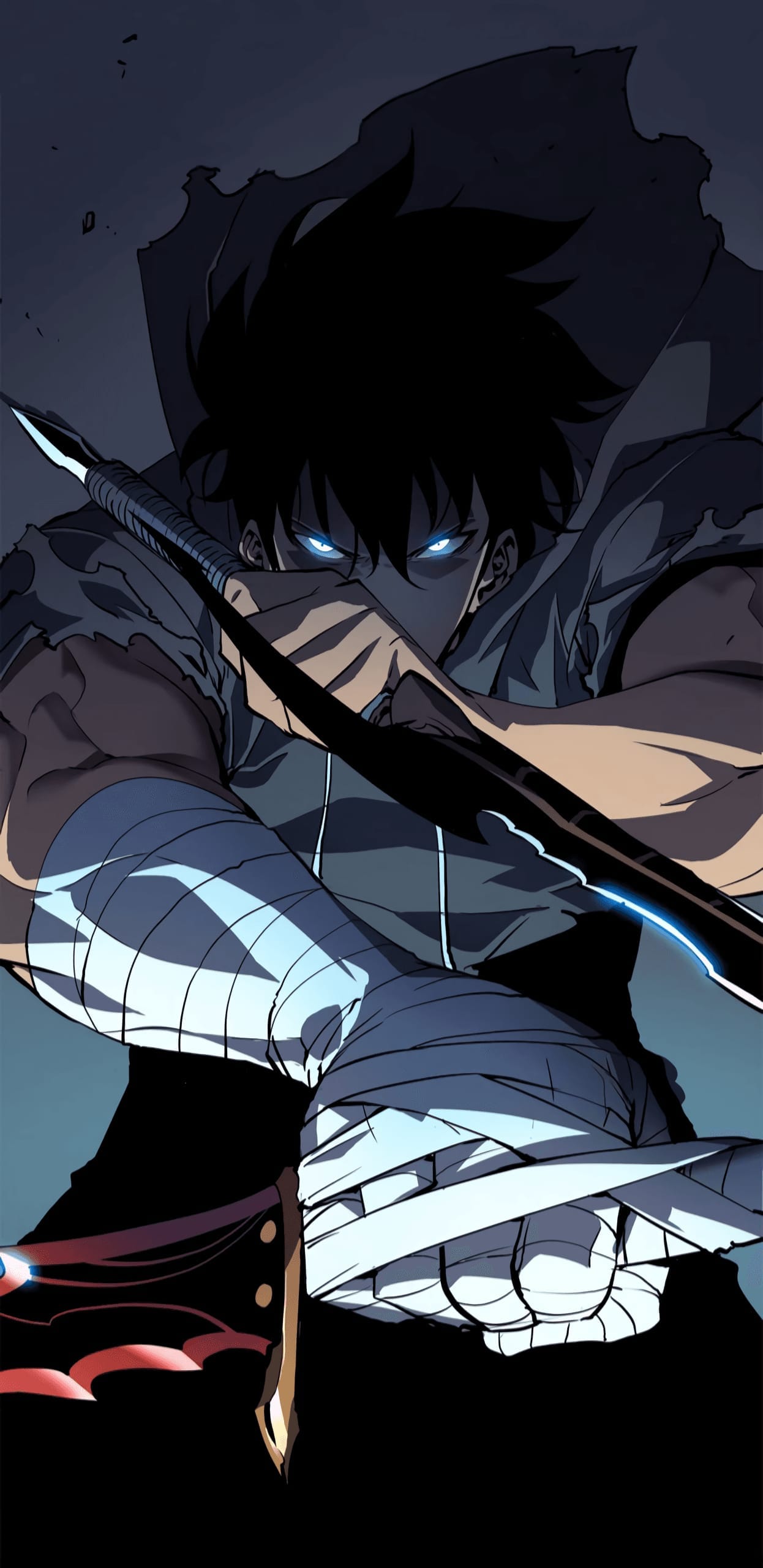
That shift matters more than any flashy level-up. The Jeju Island Arc is the first time the franchise truly asks whether its supporting cast, political structure, and threat design can stand beside Jin-Woo’s hype. If the anime adaptation gets this right, solo leveling season 3 will not just deliver bigger fights. It will prove the series can carry fear, sacrifice, national stakes, and team conflict without losing the raw swagger that made people obsessed in the first place.
For anime-only viewers, this is the setup you should care about. The island has already been framed as a disaster zone, a scar on the hunter world, and a problem powerful people failed to solve cleanly. In solo leveling season 3, that unresolved wound becomes the perfect stage for S-Rank hunters, fragile alliances, and a monster threat that does not exist just to make Jin-Woo look cool. It exists to crush a system that thought rank and reputation were enough.
That is why so many manhwa readers talk about this stretch with almost religious intensity. They remember the dread, the speed, and the feeling that the series suddenly grew teeth. If you enjoyed the escalation in our Kaiju No. 8 Season 2 guide or the spectacle talk in our best anime fight choreography feature, then solo leveling season 3 is sitting right in that sweet spot where scale and execution have to meet.
Jeju Island Is the First Arc That Tests the Entire Cast
The biggest reason solo leveling season 3 feels different is simple. Jeju Island is not built as another clean runway for Sung Jin-Woo’s growth. It is built as a multi-layered crisis where everyone matters, even when they are outmatched. The arc forces the anime to care about group dynamics, battlefield roles, command pressure, and how different hunters respond when overwhelming force starts ripping through the plan.
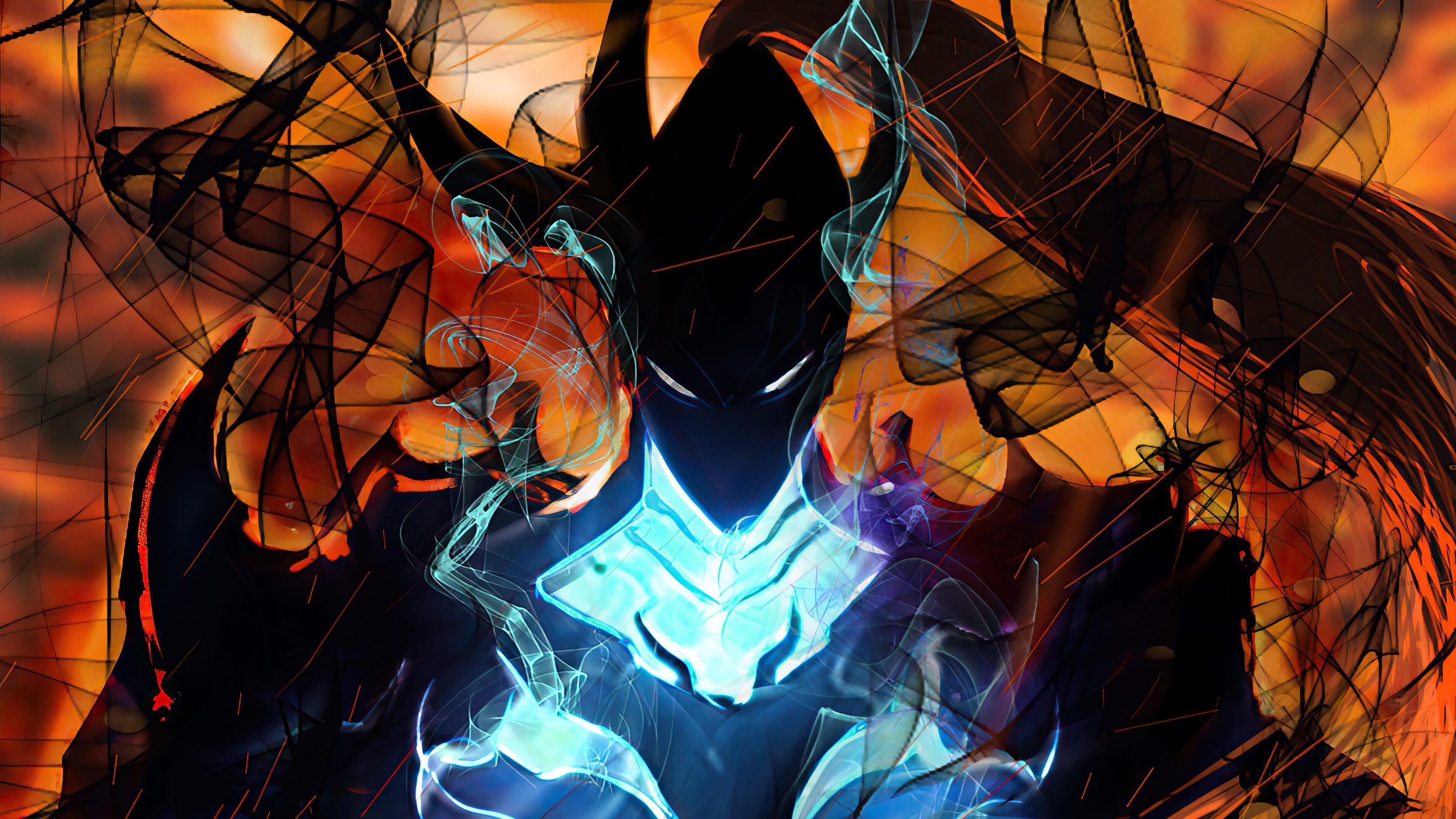
Earlier arcs often work because the audience wants to see Jin-Woo step into a dungeon and break the ceiling again. That formula is still satisfying, but solo leveling season 3 has a harder job. It has to make viewers care about hunters who cannot simply brute-force the situation. That means giving weight to personalities, rivalries, and the tension between confidence and terror. The Jeju Island Arc only lands if the side characters stop feeling like background witnesses and start feeling like combatants with skin in the game.
This is where the S-Rank hunters become crucial. In theory, they represent the best humanity has to offer. In practice, Jeju exposes how messy that title becomes when a mission turns chaotic. solo leveling season 3 has the chance to show elite fighters not as untouchable legends, but as people trapped between duty, pride, and the very real possibility that strength will not be enough. That emotional framing is what separates a cool raid from a defining war arc.
It also creates a better contrast for Jin-Woo. He is still the magnetic center, but solo leveling season 3 becomes stronger when the audience sees the battlefield through multiple levels of power and fear. The shadow army may carry overwhelming presence, yet the arc works because the tension is shared across the whole operation. When a cast has to survive together, every clash matters more.
If you like shonen arcs where supporting players stop being decoration and start carrying thematic weight, this is the same energy fans are hoping for from Jujutsu Kaisen Season 4. The difference is that solo leveling season 3 arrives with a much cleaner battlefield premise, which gives the anime adaptation room to make every hunter’s role feel sharp and immediate.
Why Team Combat Changes the Feel of the Series
One underrated strength of the Jeju Island Arc is that it pushes the story away from isolated victories and into coordinated violence. That instantly changes the flavor of solo leveling season 3. Team combat means positioning, rescue moments, misreads, and panic spreading across a formation. A fight can swing because one person hesitates, because another overcommits, or because a monster species adapts faster than expected.
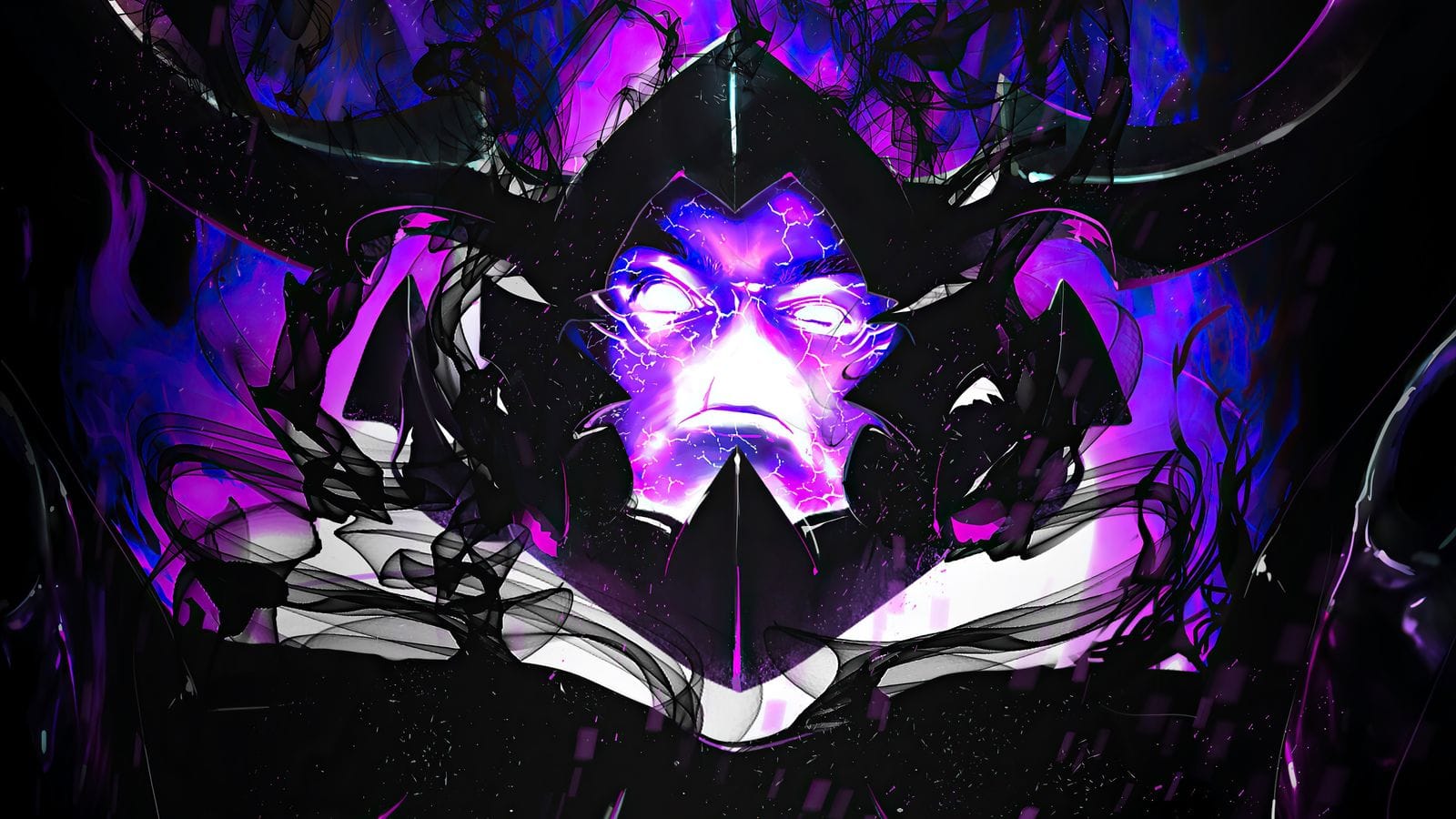
That structure creates more suspense than another simple stomp. Even fans who mainly show up for Jin-Woo’s dominance benefit from it, because solo leveling season 3 gets to build pressure before unleashing payoff. The anime can let silence, confusion, and fractured communication do some of the work. Once the action choreography detonates, it lands harder because the field already feels unstable.
This is also why the arc could become a benchmark for anime adaptation craft. Good war arcs are not just louder. They are clearer. They help you track where everyone is, why the plan is failing, and what each tactical shift costs. If the production team can nail that clarity, solo leveling season 3 could earn the same kind of scene-by-scene rewatch value people look for in top battle anime.
The Scale Jumps From Dungeon Fantasy to National Crisis
Until now, one of the series’ smartest tricks has been making personal advancement feel massive. A stronger summon, a harder dungeon, a cleaner flex, and suddenly the world seems bigger. But solo leveling season 3 cannot rely on that trick alone. Jeju Island demands a different kind of escalation. The danger is no longer contained inside a cool scenario. It becomes public, historical, and politically embarrassing.
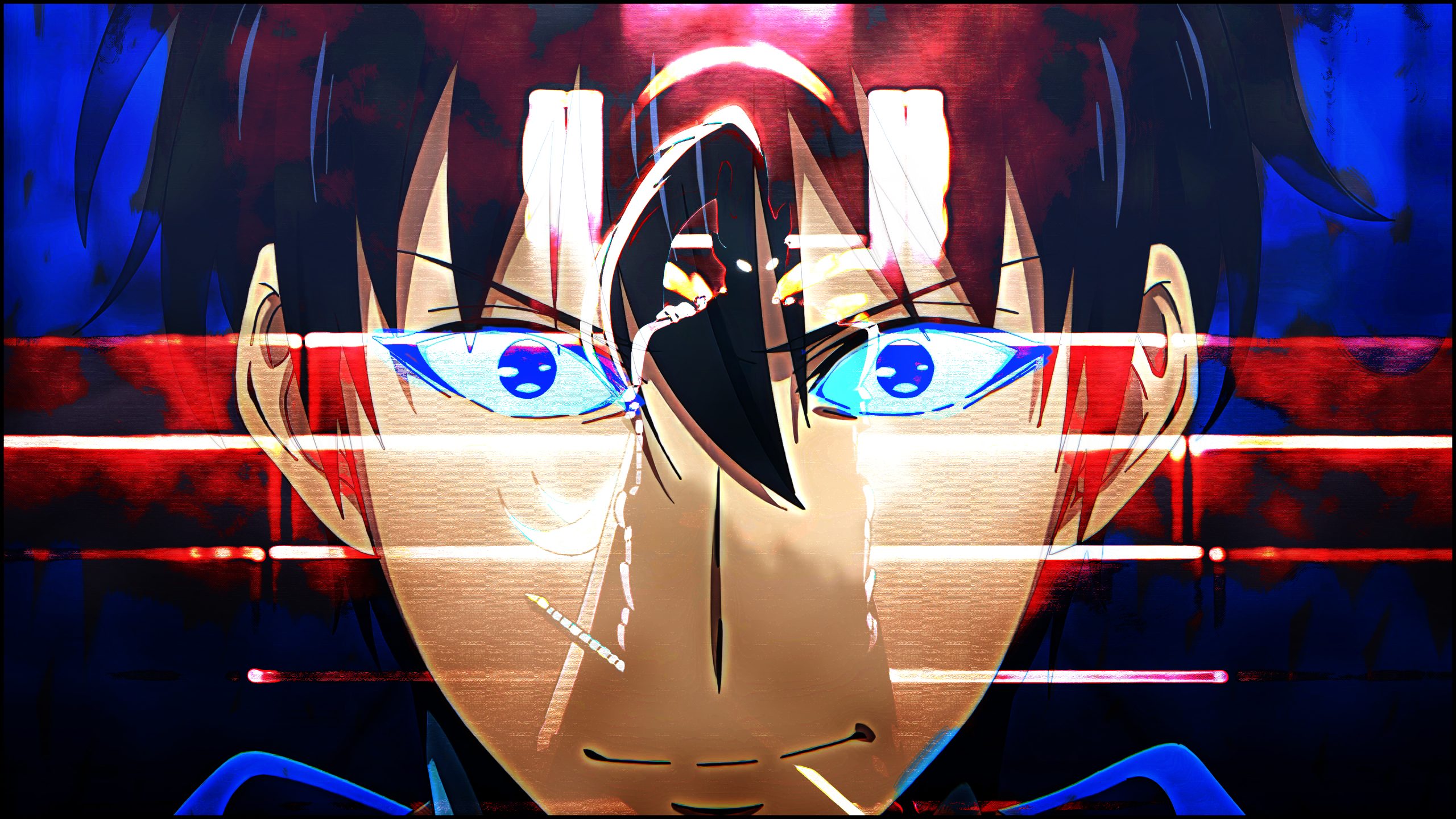
That is the real jump in stakes. The Jeju Island Arc represents a failure point for institutions, not just individuals. Governments, guild structures, public trust, and the myth of hunter control all come under pressure. solo leveling season 3 finally has a chance to show what it means when the hunter system is asked to protect a nation and cannot guarantee that outcome. That kind of scale gives the story a heavier pulse.
It also reframes the monsters. In earlier parts of the series, enemies are often obstacles on Jin-Woo’s road upward. In solo leveling season 3, the threat on Jeju feels more like an invading force with momentum and consequence. That changes how viewers process every encounter. It is not just about whether Jin-Woo can win. It is about what damage gets done before order returns, and whether the world can still pretend these disasters are manageable.
This is where comparisons to other modern action anime become useful. Like the appeal we discussed in our One-Punch Man Season 3 guide, spectacle matters. But spectacle without civic weight fades fast. solo leveling season 3 can rise above that by making Jeju feel like a turning point the entire world will remember, not just another arena for beautiful destruction.
Why National Stakes Make Jin-Woo More Interesting
A funny thing happens when a protagonist becomes overwhelmingly strong. The bigger he gets, the easier it is for tension to thin out around him. solo leveling season 3 solves that problem by widening the field. National stakes mean Jin-Woo is no longer measured only by whether he can overpower an enemy. He is measured by timing, responsibility, and the brutal question of whether one monster among humans can save everyone else from another.
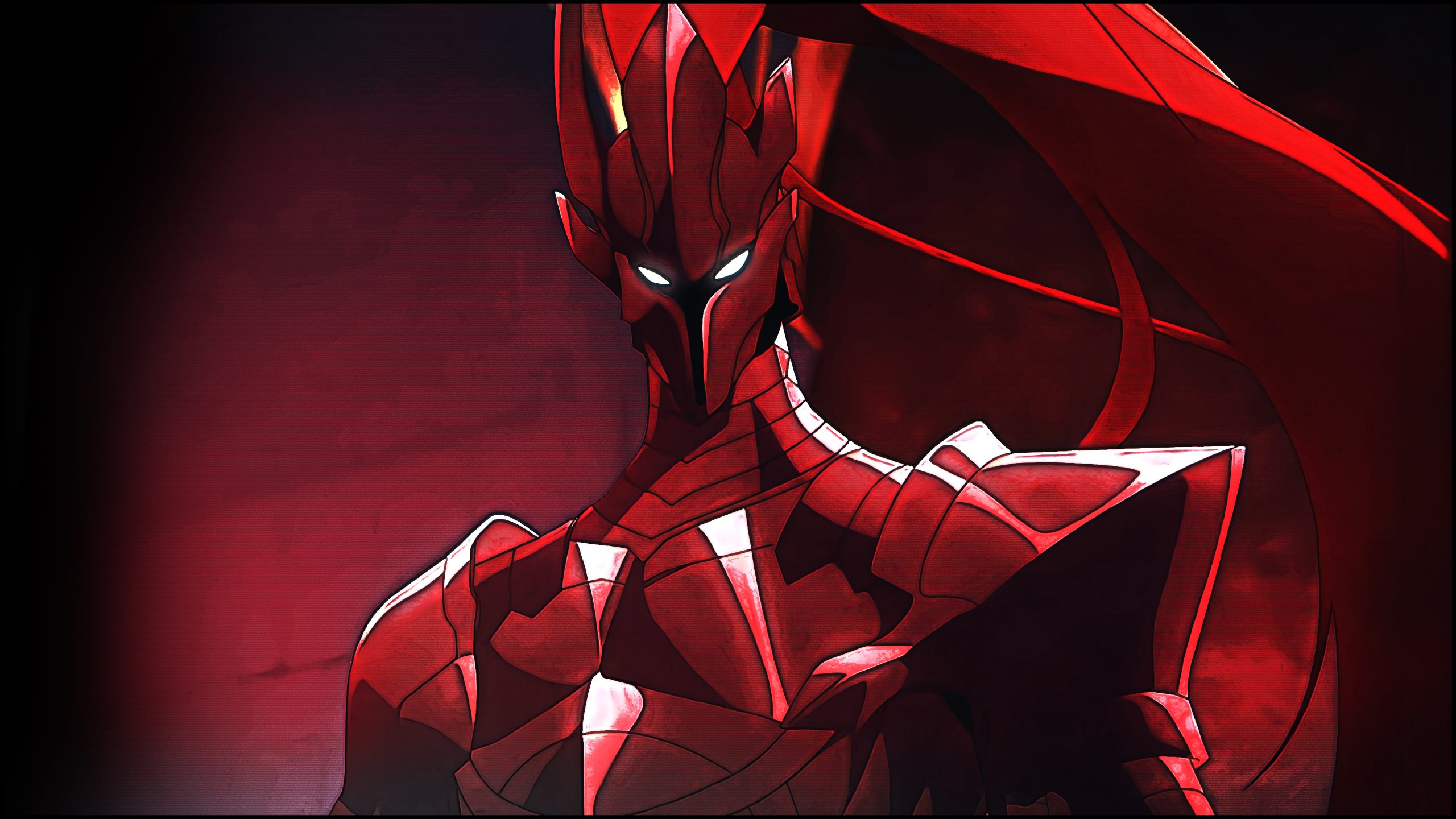
That makes his presence feel heavier. The shadow army becomes more than a flex. It becomes an answer to chaos, fear, and collapsing lines. In solo leveling season 3, every display of force can carry a second emotion under the hype: relief. That emotional mix is what gives war arcs staying power. Power alone impresses. Power used at the edge of catastrophe sticks in memory.
For viewers tracking the wider season, this also raises the bar for pacing and direction. If Jeju is presented like a headline event from the start, then solo leveling season 3 will feel urgent before the biggest hits even arrive. That kind of narrative acceleration is one reason fans keep revisiting high-stakes ensemble arcs in long-running shonen.
Anime-Only Viewers Should Expect Tension, Not Just More Hype
There is a temptation to sell solo leveling season 3 as bigger monsters, better sakuga, and more Sung Jin-Woo aura. Those things matter, and nobody should pretend otherwise. But anime-only viewers will get the best experience if they expect tension first. Jeju works because it carries a mood of dread that sits under every promise of catharsis.
The setup alone is enough to create that mood without spoiling anything major. Jeju Island is infamous for a reason. Attempts to solve the problem have already gone badly, and the latest push is shaped by reputation, pressure, and desperation. In solo leveling season 3, the raid is not exciting because success is guaranteed. It is exciting because failure feels believable.
That matters for adaptation. The best version of solo leveling season 3 will not sprint past buildup just to get to impact frames. It will let meetings breathe, let hunter egos clash, and let the atmosphere around the mission feel dangerous before the first major collision. Manhwa readers remember that the Jeju Island Arc had force, but they also remember how hard the anxiety hit once things started moving.
If you are anime-only, avoid expecting a pure victory parade. Expect the series to ask more from its cast, its pacing, and its emotional range. That is exactly why solo leveling season 3 has a real shot at breaking out of the very-good category and entering the top-tier conversation. A war story needs fear as much as firepower.
It is the same reason seasonal anticipation pieces like our Spring 2026 anime streaming guide keep circling back to tone as much as plot. Audiences remember when a series controls mood, not just when it posts a clean clip on social media.
The Jeju Island Arc Needs Clean Spoiler Discipline
One challenge around solo leveling season 3 is that manhwa readers are almost too excited to stay quiet. The Jeju Island Arc inspires a lot of posting, ranking, and victory-lap behavior. That is fun for longtime fans, but part of what makes the arc land is uncertainty. Anime-only viewers deserve to feel that uncertainty without every major beat being flattened into a reaction image ahead of time.
That is why the setup should be the focus. Talk about the scale, the assembled S-Rank hunters, and the sense that the anime adaptation is walking into its hardest test yet. Leave the rest to the season. solo leveling season 3 will hit harder if people get to experience the breakdown of plans, the surge of panic, and the sheer violence of the battlefield in real time.
Even outside spoiler culture, that approach helps frame expectations correctly. This is not just another step in the power ladder. solo leveling season 3 is the point where the series has to prove it can control suspense, ensemble movement, and emotional damage at the same time.
This Arc Could Decide Solo Leveling’s Place in Shonen History
Every hugely popular action series reaches a point where people stop asking if it is fun and start asking if it is actually one of the greats. That conversation is waiting for solo leveling season 3. The first two seasons built enormous momentum through style, momentum, and the intoxicating certainty that Sung Jin-Woo would keep rising. Jeju is where that momentum has to mature into something larger.
To join the all-time top shonen conversation, a series needs more than a beloved protagonist and viral moments. It needs an arc people point to when they explain why the show mattered. solo leveling season 3 has that opportunity because the Jeju Island Arc blends fear, payoff, ensemble stakes, and action choreography into one concentrated test. If the anime nails the rhythm, this becomes the arc fans use as evidence, not just preference.
That is especially important because Solo Leveling already carries a strange reputation split. Some viewers see it as pure rule-of-cool perfection. Others see it as a stylish series that still needs deeper dramatic proof. solo leveling season 3 can answer both sides at once. It can keep the swagger while showing that the story also knows how to hurt, organize chaos, and make a whole battlefield feel alive.
There is also the adaptation factor. Great source material does not automatically become great TV. Framing, pacing, sound design, and visual readability all matter. If you want a sense of how much pressure sits on major follow-up seasons, look at the expectation storms around pieces like our Dandadan watch order and Season 2 guide. Fandom energy is a gift, but it also raises the standard. solo leveling season 3 has enough heat behind it that anything less than sharp execution will be obvious immediately.
Action Choreography Will Make or Break the Legacy Push
We cannot talk about solo leveling season 3 without talking about action choreography. Jeju Island is not the kind of arc that survives on still frames and reputation alone. It needs motion with intent. The viewer has to understand the battlefield, feel the speed of the enemy, and recognize when the balance tilts from controlled assault to full panic.
This is where the anime can create legend status. When action choreography is clean, the shadow army feels overwhelming in the best way, S-Rank hunters feel distinct, and each arrival or counterattack gains identity. In solo leveling season 3, those details are not just polish. They are the emotional engine of the arc.
That is also why many fans keep pairing this conversation with our best anime fight choreography roundup. Jeju has the ingredients to earn that kind of mention later, but only if the anime adaptation respects spacing, timing, and impact. If it does, solo leveling season 3 could generate the kind of fight discourse that keeps a season alive for years.
Why Jeju Island Hits Different for Manhwa Readers
Manhwa readers are not attached to the Jeju Island Arc just because it is loud. They are attached because it marks the point where the series’ identity sharpens. Before this, Solo Leveling is already thrilling, but solo leveling season 3 is where many readers felt the world finally met Jin-Woo’s momentum with an equal sense of consequence.
The arc validates a lot of things at once. It rewards patience, pays off threat buildup, and proves the setting can support a true war atmosphere. For manhwa readers, solo leveling season 3 is also where the fandom’s confidence in the series stopped sounding defensive. Instead of saying the show was stylish fun, people started saying it had a defining arc coming.
That emotional memory is why expectations are so intense now. Readers want anime-only fans to feel the same stomach-drop sensation, the same surge when the battlefield shifts, and the same satisfaction when the shadow army enters the conversation with full authority. solo leveling season 3 carries that burden every time a veteran fan says, just wait for Jeju.
There is another layer too. The arc creates a cleaner bridge between pure power fantasy and broader shonen prestige. A lot of series can make a protagonist feel cool. Fewer can make an entire conflict feel mythic without becoming messy. solo leveling season 3 has a chance to do that if it keeps the focus on consequence as much as spectacle.
For character-first fans, that is why companion reads like our Sung Jin-Woo character analysis matter here. Understanding why Jin-Woo resonates makes Jeju even stronger, because the arc does not erase his appeal. It puts that appeal under real pressure and lets it answer something larger than a dungeon clear.
Final Verdict: Solo Leveling Season 3 Has to Swing Big
solo leveling season 3 could be the season that changes Solo Leveling from a massively popular action series into a true modern war-arc standard. The Jeju Island Arc gives the anime everything it needs: S-Rank hunters under pressure, a battlefield with national consequences, a stronger role for the supporting cast, and the perfect stage for Sung Jin-Woo and his shadow army to matter in a bigger way than ever before.
If the anime adaptation keeps the dread, respects the ensemble, and delivers elite action choreography, then solo leveling season 3 will absolutely deserve its hype. If it rushes the buildup or treats Jeju like just another flex reel, it will miss the very reason this arc means so much. The good news is that the material is built for impact.
My recommendation is clear: if you are even remotely invested in battle anime, keep solo leveling season 3 at the top of your watchlist and go in expecting a war story, not just a victory showcase. That mindset will let you appreciate why Jeju Island could become the moment Solo Leveling stops being a fan favorite and starts being part of the all-time argument. For official updates, keep an eye on Crunchyroll’s Solo Leveling page.
You Might Also Enjoy
If solo leveling season 3 has you in full battle-anime mode, these AnimeTiger reads are the perfect next stop.
Sung Jin-Woo: The Shadow Monarch’s Rise, A Complete Character Analysis
Jujutsu Kaisen Season 4: Culling Game Part 2, Everything We Know