Spring 2026 Is Loaded — But Witch Hat Atelier Anime Owns the Conversation
Spring 2026 might be the most competitive anime season in years. Frieren Season 2. Daemons of the Shadow Realm. Akane-banashi. Every week brings something worth talking about. Yet five episodes in, the Witch Hat Atelier anime isn’t just part of the conversation — it’s leading it.
With an 8.76 MAL score after just five episodes, Bug Films’ adaptation has done something rare: it’s taken a manga beloved for its art and made the anime feel just as hand-crafted. That shouldn’t be possible. And yet here we are.
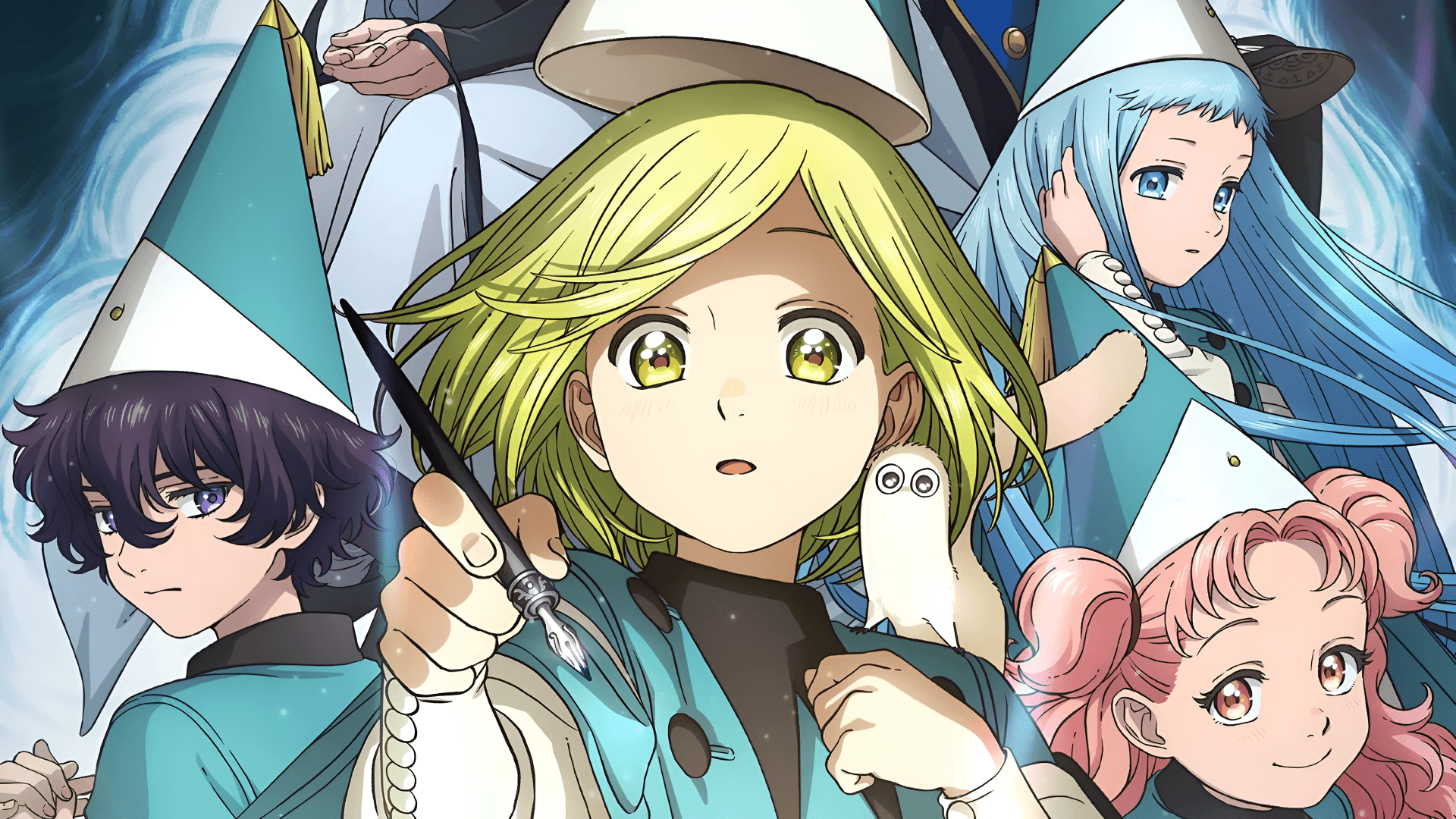
If you’ve been sleeping on this show, our breakdown of why Witch Hat Atelier is a must-watch this season covers the basics. But if you’ve already been watching — if you’ve been pausing frames and rewinding sequences like the rest of us — this is the deep dive into why this adaptation works so well.
The Witch Hat Atelier anime isn’t just a good show. It’s a masterclass in how to adapt a manga whose entire identity is built on the quality of its art. And five episodes in, it’s already setting the standard every other studio should be measuring against.
Here’s the thing that keeps hitting me: most manga adaptations try to replicate the source material. Bug Films tried to honor it. The difference shows in every frame, every texture choice, every held beat that a lesser production would’ve cut for pacing. This isn’t an anime that happens to be based on a great manga — it’s an anime that understands the manga at a fundamental level.
How Bug Films Brought Shirahama’s Art to Life
Kamome Shirahama’s manga isn’t just well-drawn. It’s beautiful in a way that feels almost anti-manga. Flowing ink lines. Watercolor-style shading. Panel compositions that look like they belong in a gallery. When the Witch Hat Atelier anime was announced, every fan had the same question: how do you animate this without losing what makes it special?
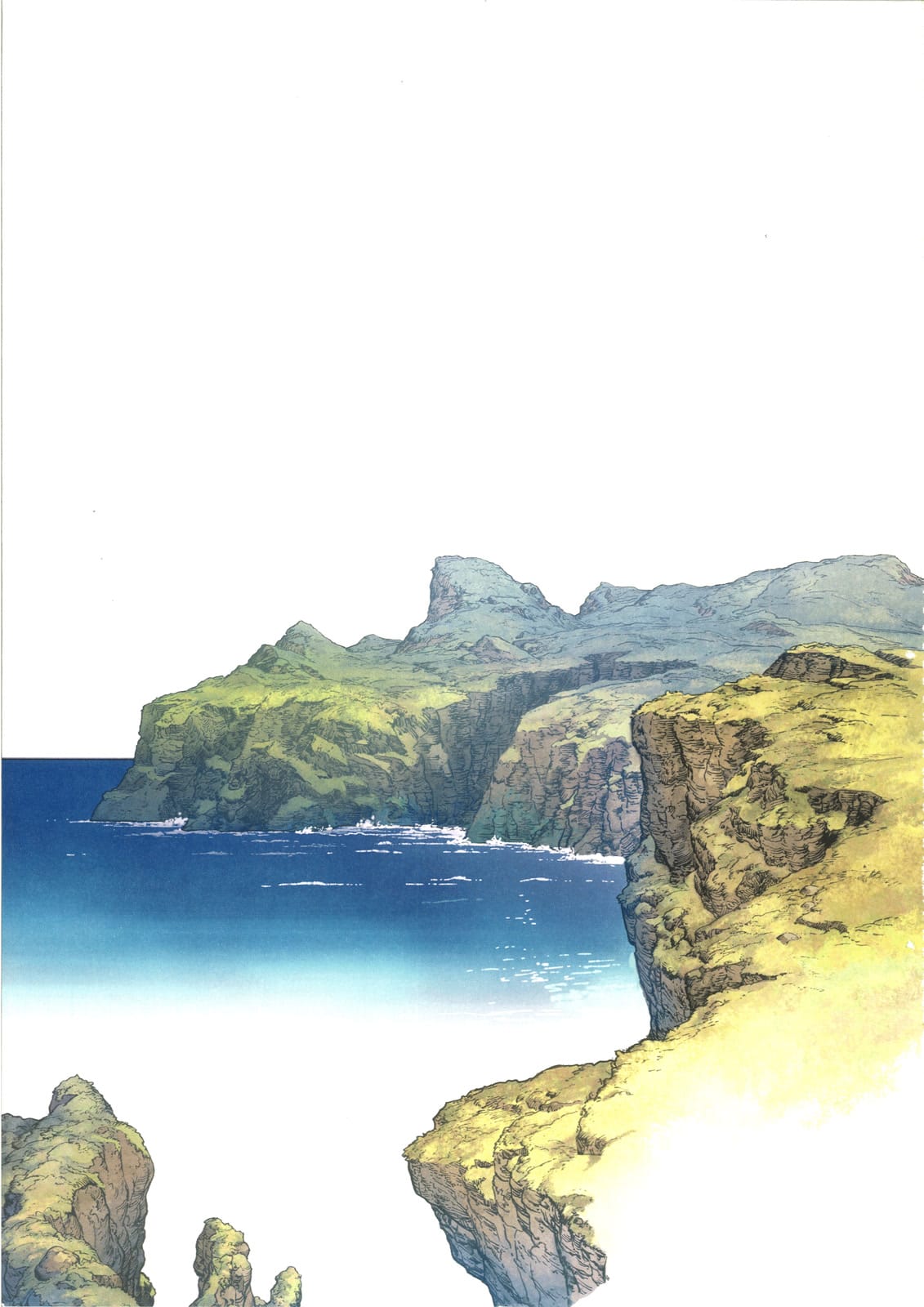
Bug Films answered that question by not trying to make the manga look like anime. Instead, they made anime look like the manga. The backgrounds use a watercolor texture that shifts and breathes with each scene. Stone walls have visible brush strokes. Forest canopies look painted rather than rendered. It’s the kind of artistic choice that costs time and money and patience — and Bug Films spent all three.
The character designs stick remarkably close to Shirahama’s original linework. Coco’s wide eyes and wild hair. Qifrey’s sharp features softened by his easy smile. The Brimmed Caps’ imposing silhouettes. None of it got flattened into generic anime proportions. That fidelity matters because Coco’s expressiveness is core to the story — lose that, and you lose the heart.
What makes this visual approach so effective is the texture layer. Bug Films overlays a subtle paper-grain effect across scenes that mimics the feel of reading Shirahama’s printed pages. It’s not heavy-handed. You barely notice it consciously. But it gives every frame a warmth and tactility that digital-clean animation simply lacks.
The color work deserves its own shoutout. Shirahama’s manga uses minimal color — usually just spot accents on covers and special pages. Bug Films had to build a full palette from those hints, and they chose warmth. Amber tones for the atelier. Cool blues for magical effects. Rich earth tones for village scenes. The palette feels like a natural extension of the source material rather than an imposition on it.
Lighting is another area where the Witch Hat Atelier anime exceeds expectations. The way candlelight flickers across Coco’s face during nighttime atelier scenes. The dappled sunlight through forest canopies in the training sequences. Bug Films treats light as a storytelling tool, not just a technical requirement. It’s the kind of detail that separates competent animation from exceptional animation.
The Magic System on Screen — Rune Magic Made Visual
The genius of Kamome Shirahama’s rune magic system is that it’s drawing-based. Witches cast spells by sketching specific glyphs. The manga makes this work on the page because, well, you’re already looking at drawings. But in motion? That could’ve been a disaster.
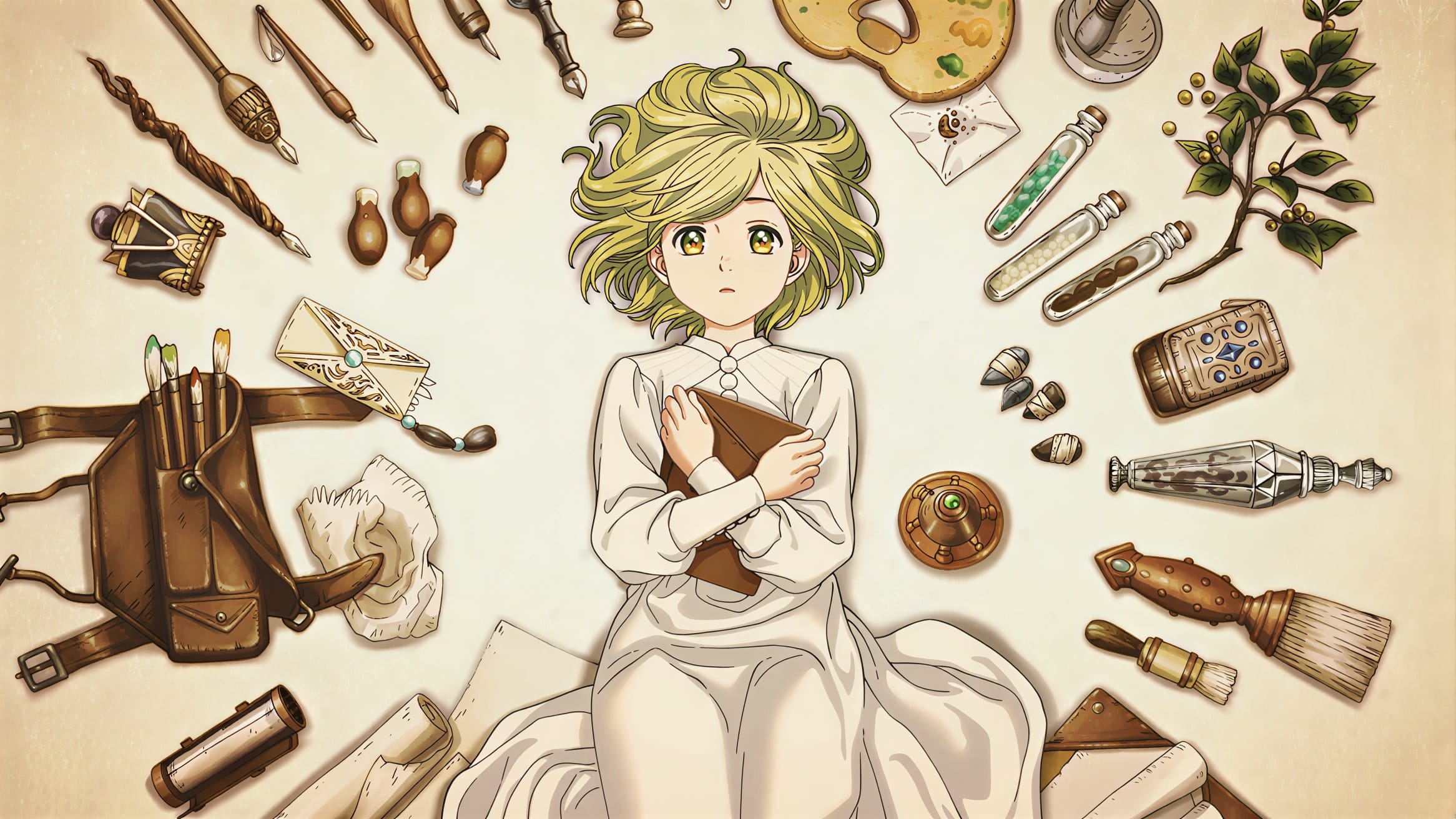
Instead, Bug Films turned it into the Witch Hat Atelier anime’s signature visual language. When a character draws a rune, the camera follows the ink as it flows from pen to surface. The line shimmers. It catches light. And when the spell activates, the glyph doesn’t just glow — it unfolds, like origami made of light and shadow. It’s genuinely mesmerizing every single time.
Episode 1’s Qifrey rescue scene is the moment that sold everyone. When Qifrey draws the sylph shoes rune to save Coco from falling, the sequence holds on his hand movement for a full three seconds. You watch the pen touch stone. You see the ink spread. The rune completes, and wind wraps around Coco’s feet like a promise. No quick cuts. No cheat frames. Just the magic being made, in real time.
This commitment to showing the craft of rune magic gives every spell weight. These aren’t instant power-ups — they’re work. And watching that work happen makes every successful cast feel earned. It’s a philosophy that sets the show apart from flashier magic systems where spells happen at the push of a button.
Bug Films also uses the rune drawing sequences to build character. Watch how Qifrey draws — precise, economical, a master who’s done this ten thousand times. Then watch Coco’s early attempts — hesitant, messy, the lines wobbling with nervous energy. The animation tells you everything about their skill gap without a single line of exposition. For more on how animation techniques serve storytelling, check our piece on the best anime fight choreography.
Ayumu Watanabe’s Vision — The Right Director for the Right Material
Ayumu Watanabe isn’t the obvious pick for a fantasy manga about witches. His resume tilts toward grounded, character-driven work — Space Brothers, Children of the Sea. But that’s exactly why he was the right choice for the Witch Hat Atelier anime.
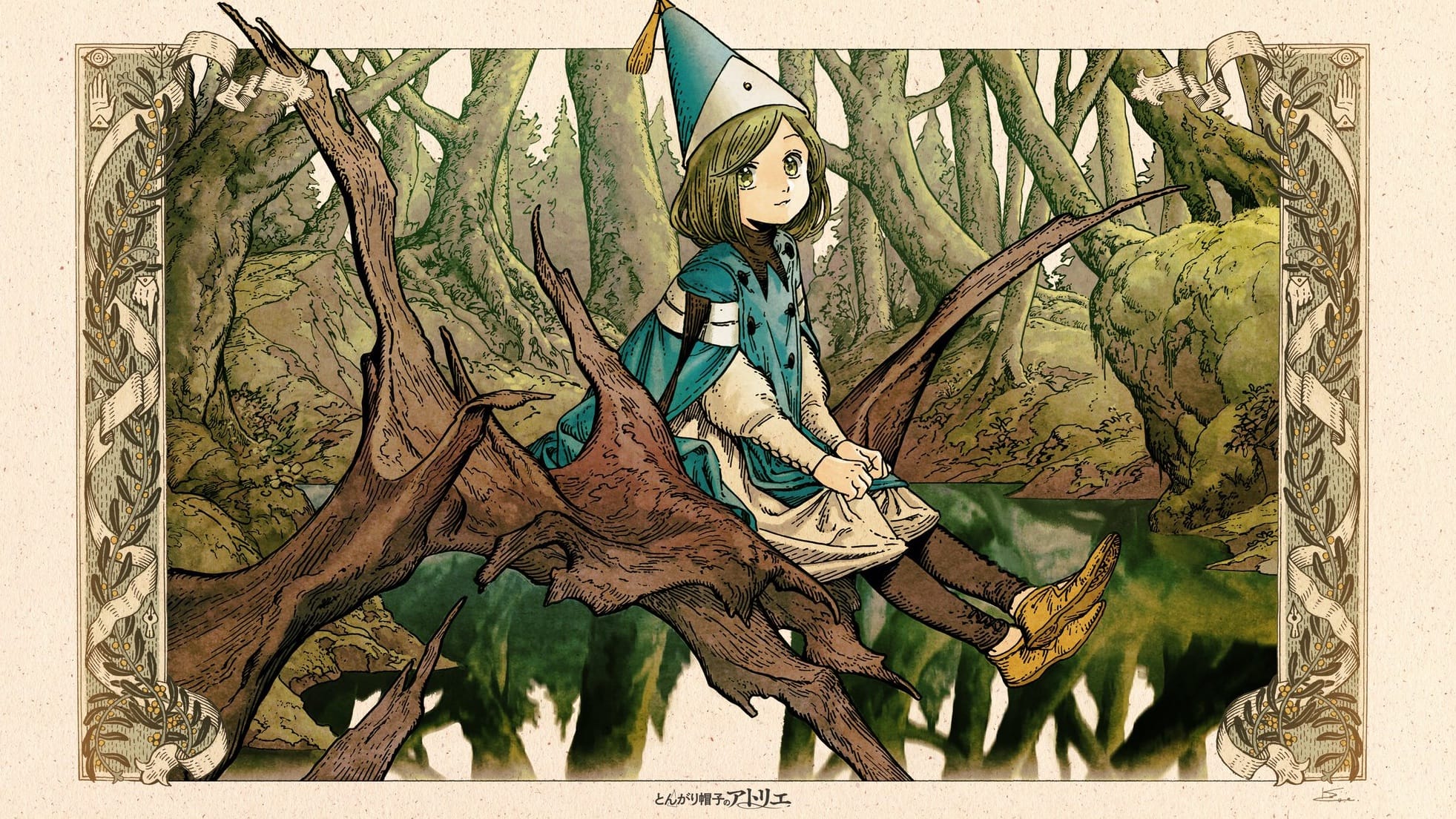
Watanabe understands that Shirahama’s story works because of its emotional core, not its spectacle. Coco’s wonder at discovering magic. Qifrey’s careful mentorship hiding darker intentions. The quiet moments between characters that make you care before the stakes hit. Watanabe preserves all of it. He never rushes the small scenes to get to the big ones.
His approach to pacing in the Witch Hat Atelier anime is deliberate and confident. Episode 1 takes its time establishing Coco’s world — her village, her fascination with magic, her accidental casting that changes everything. A less patient director would’ve trimmed that setup to reach the action faster. Watanabe lets it breathe, and the payoff is enormous when everything shifts.
With Hiroshi Seko handling series composition and scripts, the adaptation has the writing backbone to match Watanabe’s visual patience. Seko’s work on Attack on Titan and Mob Psycho 100 proved he can balance complex worldbuilding with character-forward storytelling. Here, he trims Shirahama’s manga intelligently — keeping the essential beats while finding anime-specific rhythms that feel natural rather than compressed.
The directing also shines in how the Witch Hat Atelier anime handles silence. Watanabe isn’t afraid to let a scene sit. When Coco first sees the atelier, there’s a beat — maybe two seconds — where nothing happens. No dialogue. No music swell. Just her face taking it in. That pause does more emotional work than any monologue could. It’s the kind of choice that defines a director’s voice.
The question of whether to watch or read first is always subjective, but our anime vs manga guide can help you decide your own entry point.
Standout Animation Moments — Five Episodes In and Already Iconic
Five episodes of the Witch Hat Atelier anime have aired, and Bug Films has already delivered more jaw-dropping sequences than most shows manage in a full cour. Let’s run through the highlights.
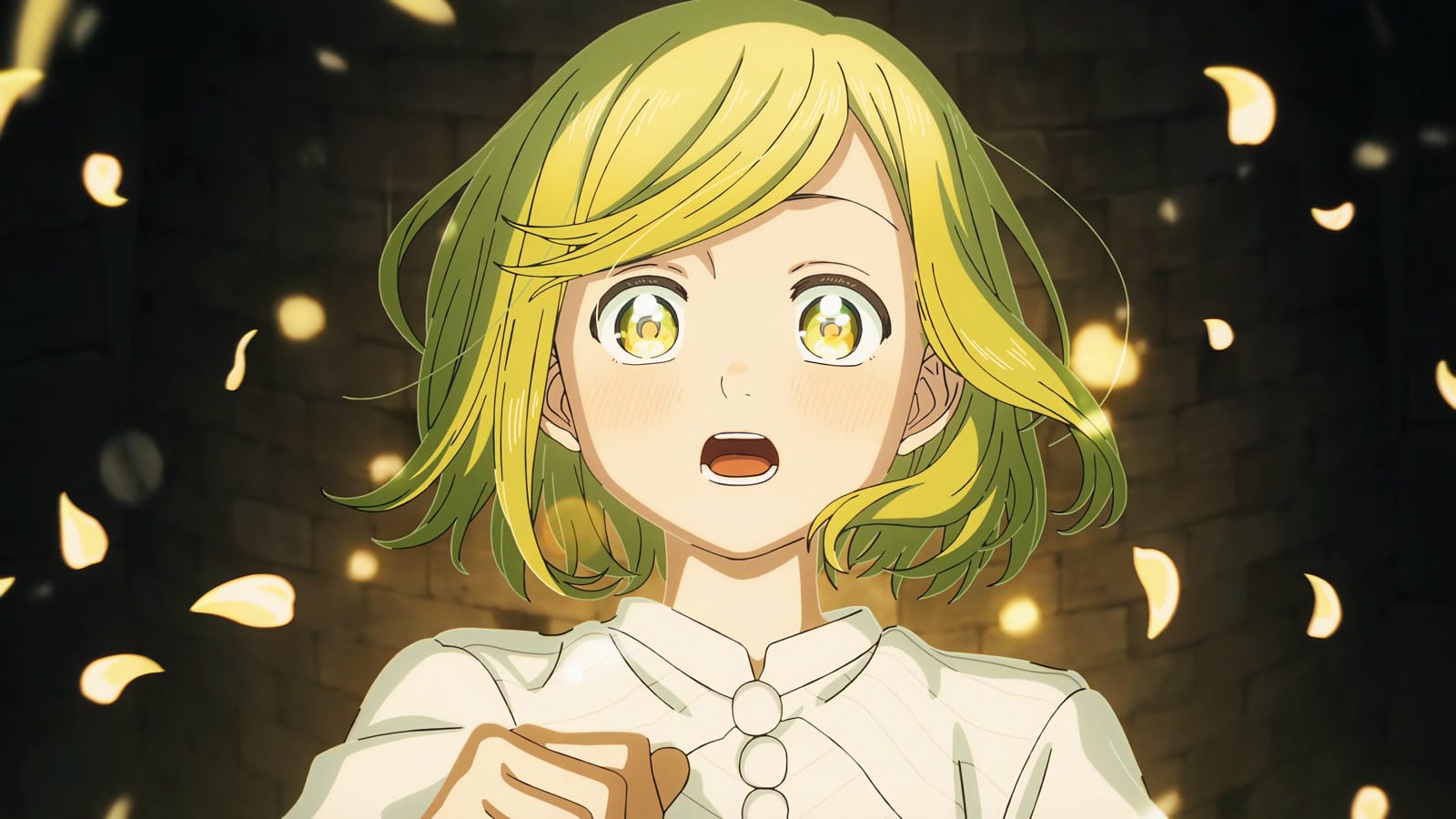
Episode 1 — Qifrey’s Sylph Shoes: We already covered this above, but it deserves another mention. The way the rune drawing intercuts with Coco’s fall creates genuine tension. You believe she might not be saved in time. That’s animation serving story, not just showing off budget.
Episode 2 — The Atelier Interior: Not a flashy moment, but an important one. The camera slowly reveals Qifrey’s atelier — books stacked to impossible heights, floating lanterns, ink stains on every surface. Bug Films treats this space like a character, and the detail is staggering. You could pause on any frame and find new things in the background.
Episodes 3-4 — The Dragon Sequence: This is the one everyone’s been posting clips of. When the Brimmed Cap’s dragon construct attacks, the animation shifts into a more fluid, almost chaotic style that matches the creature’s destructive energy. The contrast with the show’s usual controlled elegance is intentional and effective. Fire and ink and motion — it’s the kind of sequence that makes you grateful for the pause button.
Episode 5 — The Maze Episode: The most recent episode might be the Witch Hat Atelier anime’s best so far. The magical maze’s shifting architecture is animated with an Escher-like playfulness that’s pure Shirahama. Walls rotate. Paths fold into themselves. The whole sequence is a visual puzzle box, and Bug Films animates it without ever losing spatial clarity — you always understand where characters are, even as the environment warps around them.
What ties all these moments together is consistency. The Witch Hat Atelier anime doesn’t have “sakuga episodes” and “budget episodes.” Every frame carries the same level of craft and intention. That’s rare. That’s Bug Films earning the trust Shirahama’s fans placed in them.
It’s worth noting that this consistency comes from smart production management. Bug Films hasn’t tried to animate everything in-house — they’ve used select key animators for critical sequences while maintaining visual standards through strong supervision. The result is a show that never dips below its own bar. In an era of overworked studios and visibly rushed episodes, that discipline stands out.
The Sound Design and Music — Yuka Kitamura’s Enchanted Score
The Witch Hat Atelier anime’s visuals get most of the attention, but its sound design deserves equal praise. Yuka Kitamura’s score brings the same textural richness that defined her work on Elden Ring — layered strings, ambient drones, and melodic fragments that feel ancient and alive at once.
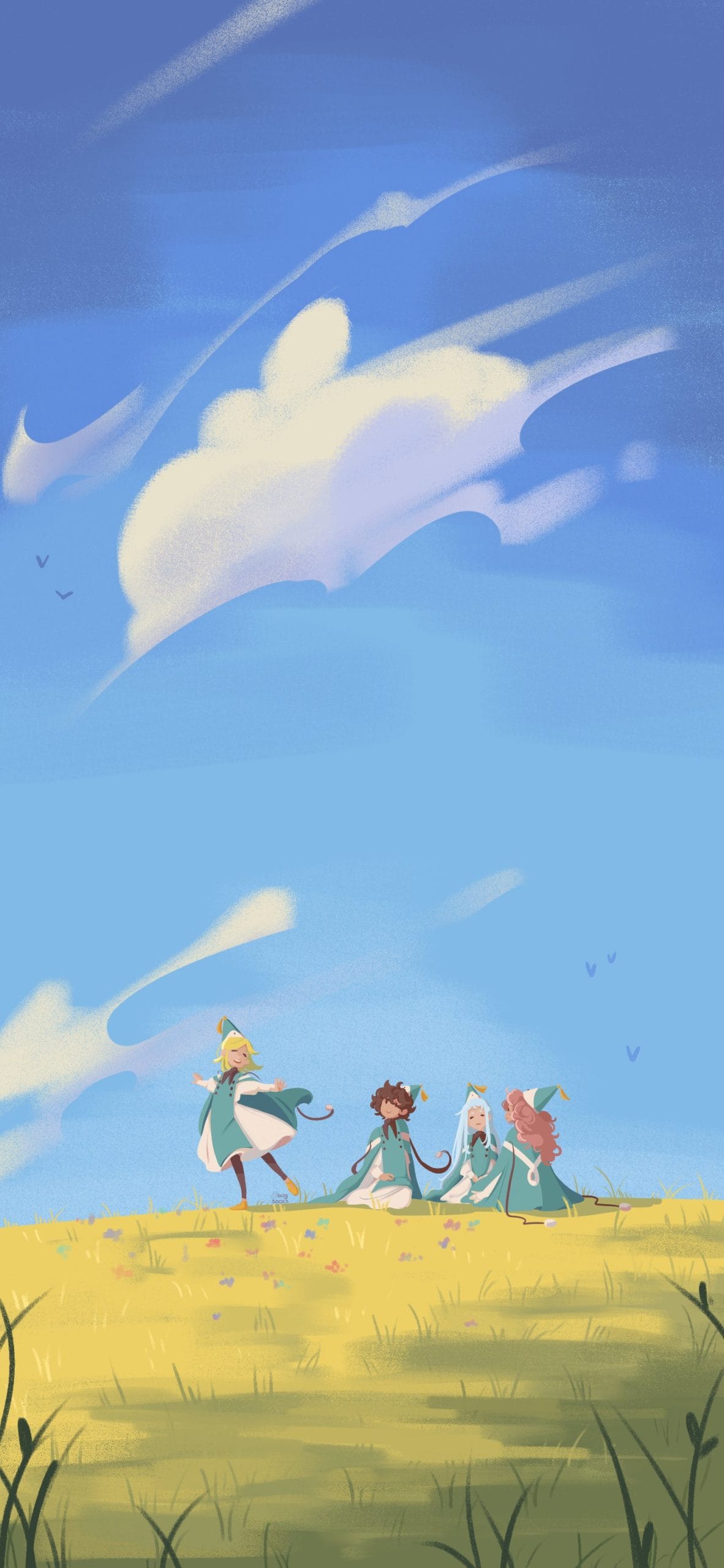
Kitamura’s approach to the Witch Hat Atelier anime is rooted in restraint. Magic scenes aren’t bombastic — they’re intimate. When Coco draws her first spell, the music is barely there: a soft pulse, a rising tone, silence right before activation. It mirrors the concentration of the act itself. You feel the held breath before the spell takes hold.
The sound design for rune magic is especially clever. Each spell category has its own audio signature — a whoosh for wind magic, a crystalline chime for light spells, a deep resonant hum for earth manipulation. After a few episodes, you can identify what kind of magic is being cast before you see it. That’s audio worldbuilding at its finest.
The opening theme, “Kaze no Anthem” by Eve featuring Suis from Yorushika, is one of those rare anime OPs that feels like it was written for the show rather than licensed for it. The folk-rock energy matches Coco’s restless curiosity. The animation that accompanies it — rune glyphs assembling in midair, ink trails weaving between characters — works as a thesis statement for the entire series.
Nakamura Hak’s ending theme, “Tada Utsukushii Noroi,” is the emotional counterweight. Slow, aching, beautiful. It plays over a simplified animation style that resembles Shirahama’s sketch work — rough lines, minimal color, raw feeling. The contrast with the main show’s polish is striking and effective. It reminds you that beneath all the visual craft, this is a story about a girl who was told she couldn’t be a witch, and refused to accept it.
How It Compares to Other Spring 2026 Anime
Spring 2026 is stacked with gorgeous shows. So where does the Witch Hat Atelier anime actually rank in terms of pure animation quality? Let’s be honest about the competition.
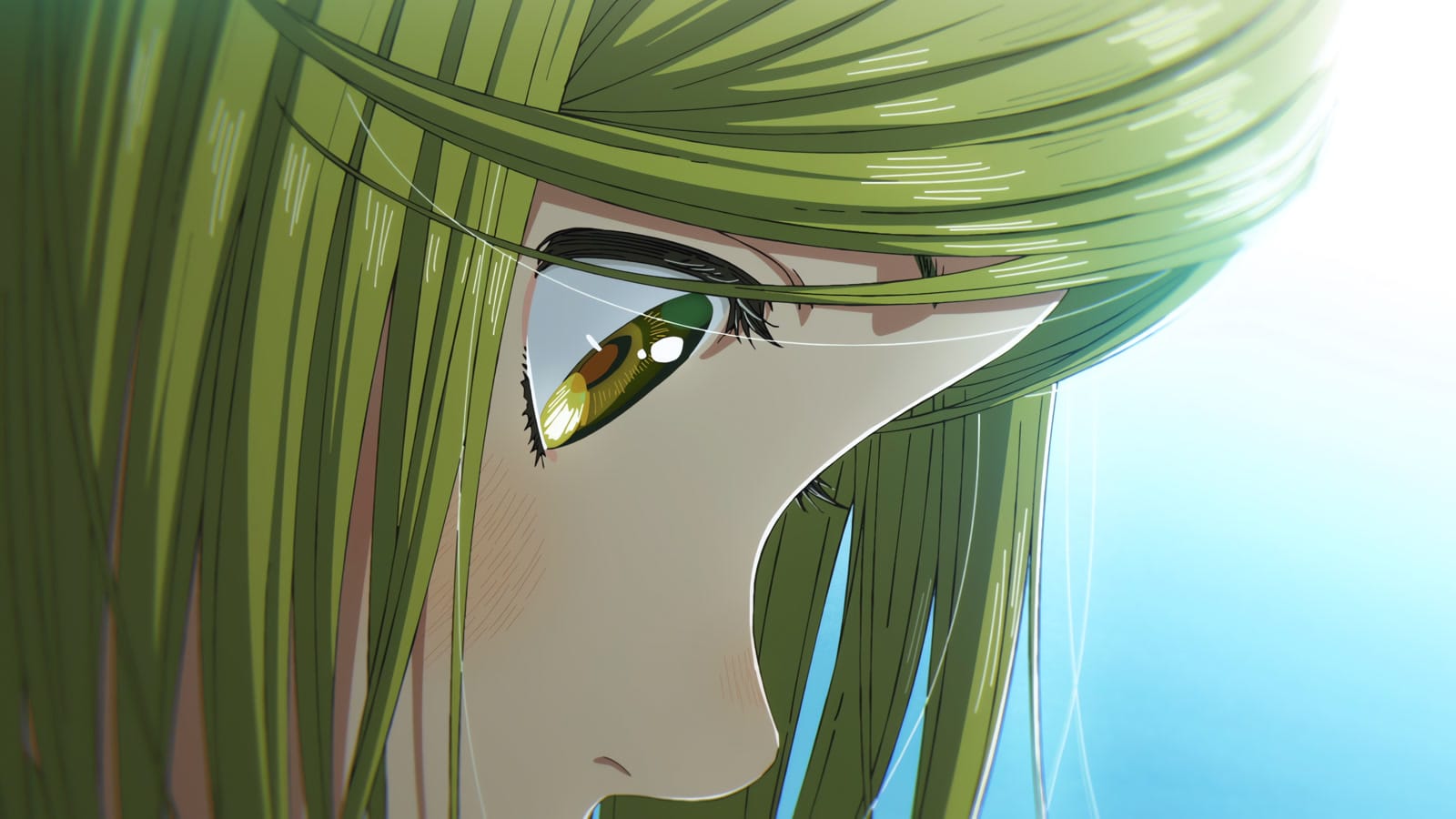
Daemons of the Shadow Realm brings Arakawa’s gritty world to life with impressive action choreography and a muted, earthy palette. It’s technically strong but stylistically safe — the animation serves the story without taking creative risks. Daemons is great, but it doesn’t push visual boundaries the way this show does.
Akane-banashi is a different beast entirely. Its animation shines in performance sequences — the rakugo delivery scenes are animated with theatrical precision and emotional intensity. But outside those moments, it’s more conventional. Akane-banashi peaks higher in its best moments but doesn’t sustain the same level of visual ambition across every scene.
Frieren Season 2 benefits from Madhouse’s proven team and a massive budget. It looks fantastic — consistently, reliably fantastic. But “consistent and reliable” isn’t the same as “boundary-pushing.” Frieren S2 executes a known formula beautifully; the Witch Hat Atelier anime invents a new one.
That’s the difference. Bug Films isn’t just animating a manga — they’re building a visual language that didn’t exist before this show. That’s why it has Spring 2026’s best animation. Not because it’s the most technically polished, but because it’s the most inventive.
For help picking where to stream all of these, check our Spring 2026 streaming guide and our rankings of the best anime streaming services.
Why This Matters for the Anime Industry
Bug Films is not a legacy studio. They don’t have MAPPA’s budget or Ufotable’s reputation or Madhouse’s decades of goodwill. They’re a relative newcomer, and the Witch Hat Atelier anime is their highest-profile project to date. That context makes what they’ve accomplished even more significant.
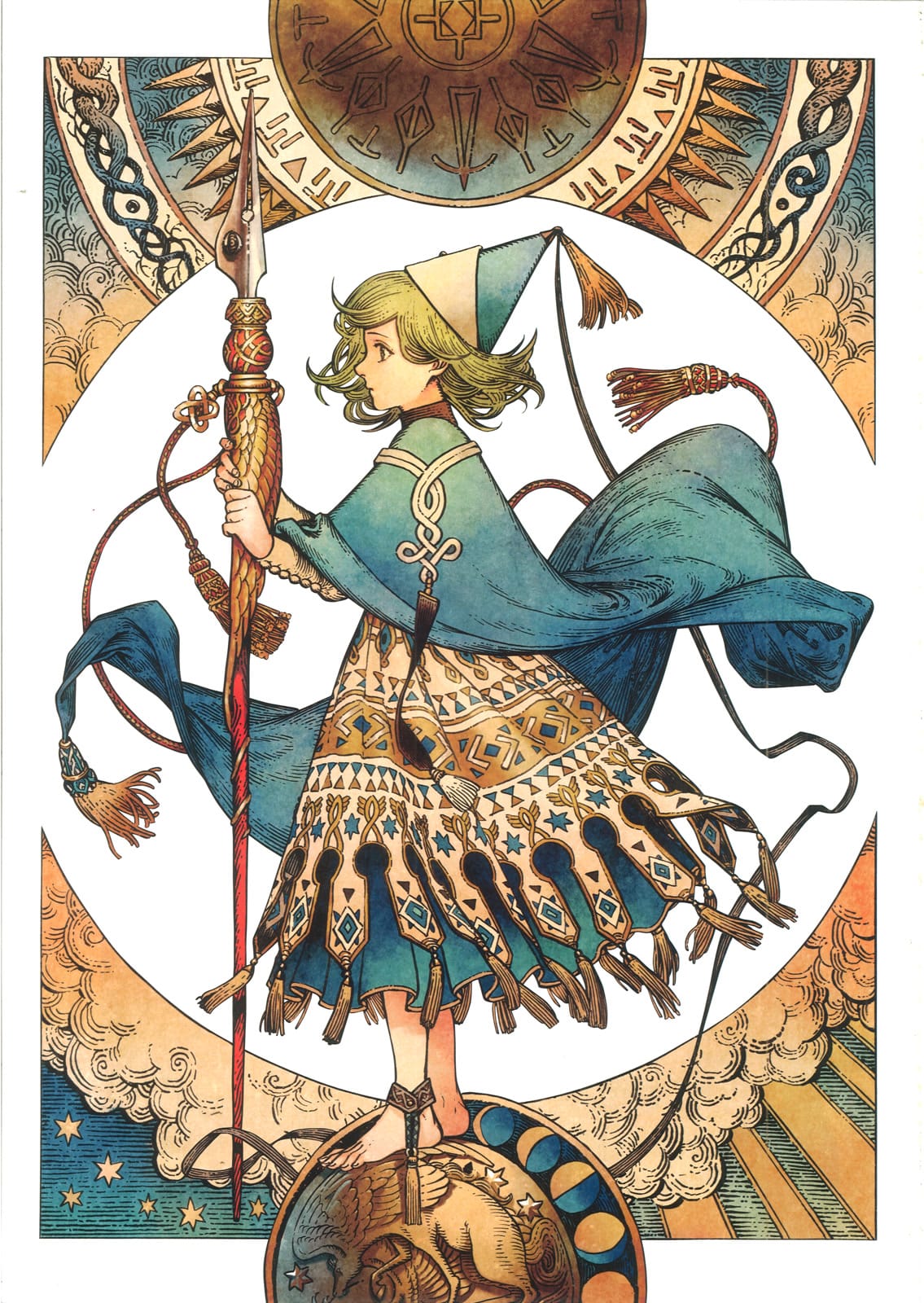
When a newer studio delivers an adaptation this good, it shifts expectations. It tells the industry that you don’t need to be a legacy name to produce prestige animation. It tells publishers that their most artistically ambitious manga can find animation partners who will honor the source material’s visual identity rather than flattening it into standard aesthetics.
The Witch Hat Atelier anime also proves something about non-battle-shonen adaptations. Shirahama’s manga doesn’t have power-scaling arcs or tournament brackets. It’s about craft, mentorship, wonder, and slowly darkening mysteries. Studios have historically been hesitant to invest heavily in manga that doesn’t fit the action template. Bug Films’ success — both critically and in viewer engagement — demonstrates that audiences will show up for beautifully animated stories about magic that isn’t primarily about fighting.
For the manga industry, the quality creates a virtuous cycle. Kamome Shirahama’s series already had 7.5 million copies in circulation before the anime aired, backed by a Harvey Award (2020, 2025) and an Eisner Award. A strong adaptation pushes those numbers higher, which attracts more investment in similar adaptations, which raises the bar for everyone. When Crunchyroll streams the show worldwide, that reach multiplies the effect globally.
And for viewers, it raises a question worth asking: if Bug Films can do this, what else are we missing from studios we haven’t heard of yet? The Witch Hat Atelier anime might be the show that makes audiences look beyond the familiar studio names when choosing what to watch. And that’s good for everyone who loves this medium. Character-driven stories deserve this level of craft, and now there’s proof they can get it.
The industry impact extends to how manga gets adapted going forward. For years, the default approach has been to clean up distinctive art into standard anime styling. Bug Films chose the harder path — preserving the idiosyncrasies that made Shirahama’s work special in the first place. If that approach pays off commercially, and all signs suggest it is, more studios will follow suit. This could be the project that shifts how the industry thinks about visual fidelity in adaptation.
Final Verdict — The Standard Has Been Set
Five episodes into the Witch Hat Atelier anime, Bug Films has already delivered one of 2026’s most visually distinctive shows. The art adaptation is faithful without being slavish. The rune magic system translates to animation better than anyone predicted. Ayumu Watanabe and Hiroshi Seko have found the story’s emotional pulse and kept it beating. Yuka Kitamura’s score and Eve’s opening theme complete an audio-visual experience that feels cohesive from frame one.
The competition in Spring 2026 anime is fierce, but this show earns its top spot by doing something no other series this season attempts: building a new visual grammar for how magic looks on screen. Not flashy. Not loud. Crafted. Intentional. Beautiful in the way that Shirahama’s manga is beautiful — which is to say, in a way that makes you slow down and really look.
With eight episodes still to come and Shirahama’s story only getting darker and more complex from here, the Witch Hat Atelier anime has room to grow even further. If Bug Films maintains this level through the finale, we might be looking at one of the decade’s defining adaptations.
Don’t wait. Catch up now on Crunchyroll. This is the one you’ll be referencing years from now when people ask what great anime adaptation looks like.
You Might Also Enjoy
If the Witch Hat Atelier anime has you hooked, these reads will keep you going:
• Why Witch Hat Atelier Is a Must-Watch This Spring — our season preview that called it early
• Coco Character Analysis — what makes Shirahama’s protagonist so special
• Daemons of the Shadow Realm — the other big Spring 2026 adaptation you should be watching
• Frieren Season 2 Review — how the other prestige anime this season compares
• Spring 2026 Anime Streaming Guide — where to watch everything this season