Why the Needy Girl Overdose Anime Feels So Uncomfortably Current
The Needy Girl Overdose anime does not feel like a normal seasonal curiosity. It feels like a show that looked at streamer burnout, parasocial obsession, doomscrolling, performative intimacy, and the pressure to stay online forever, then wrapped all of it in glittery pastel colors and handed it back to us like a dare. In a season full of big fantasy names and polished crowd-pleasers, this series has carved out its own lane by being messy, stylish, mean, sad, funny, and painfully aware of how internet fame chews people up.
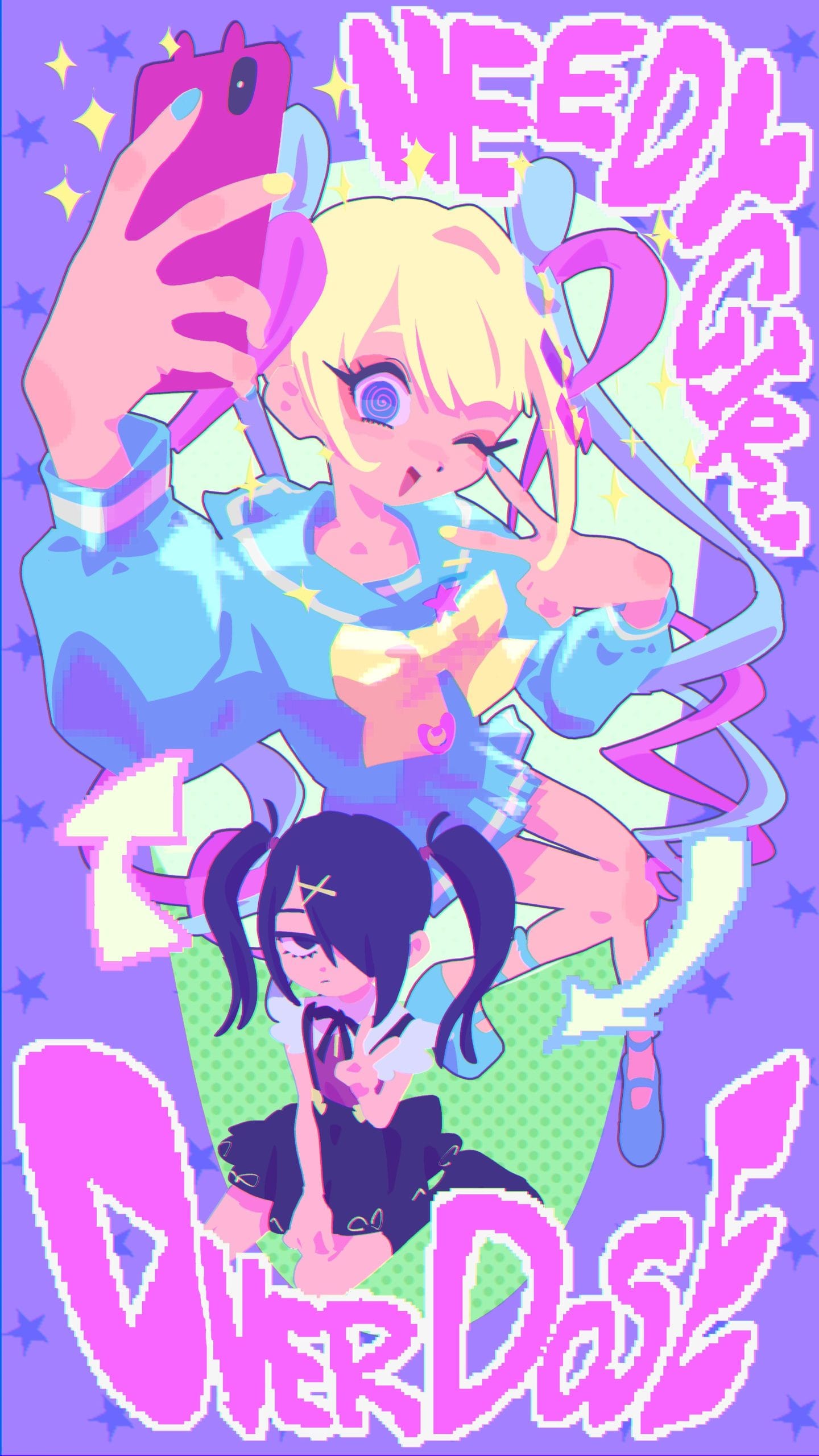
That is why the Needy Girl Overdose anime has been building so much word of mouth. It is not just weird for the sake of being weird. It understands the performance of being watched. It understands what happens when your entire identity starts bending around numbers, reactions, screenshots, and validation from strangers who do not know you at all.
If you have been following Spring 2026 anime, you already know this season is stacked. But the Needy Girl Overdose anime stands out because it hits a nerve that other series are not even trying to touch. It is not chasing comfort. It is not trying to be everybody’s favorite. It is trying to show you what happens when the line between persona and person gets shredded in public.
From Needy Streamer Overload to Anime Adaptation
Part of the appeal here is that the Needy Girl Overdose anime already had a cult foundation before episode one ever aired. The original game, better known internationally as Needy Streamer Overload, built its reputation by mixing visual novel structure, management sim choices, menhera aesthetics, and some genuinely nasty emotional turns. It was cute on the surface and ugly underneath, which is exactly why people got hooked.
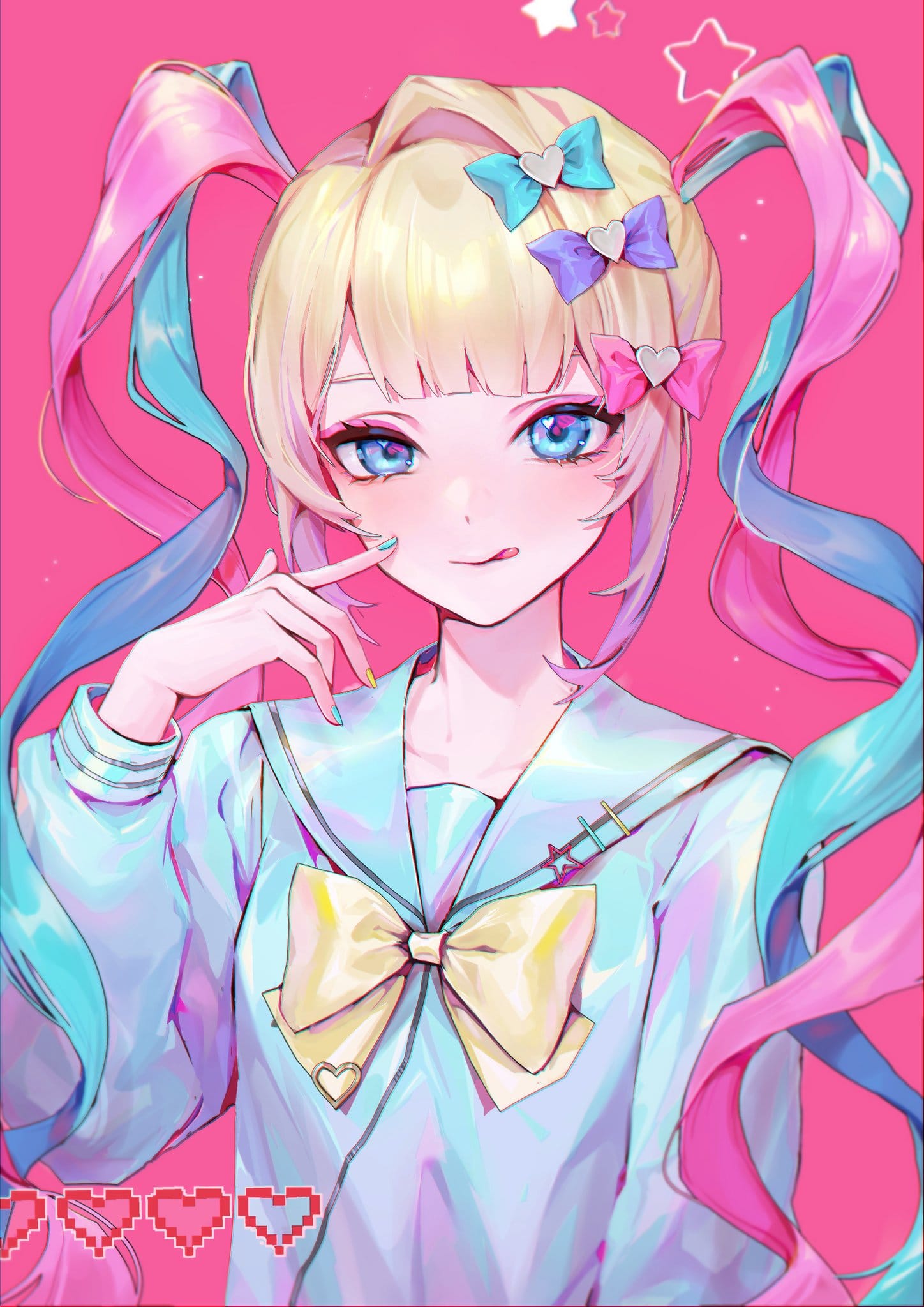
That game put players in the orbit of Ame-chan, the unstable girl behind the streamer persona OMGkawaiiAngel, also known as KAngel. Success in that world never felt clean. Every gain came with stress, fragility, and the sense that attention itself was poison. The game’s many endings made that point again and again.
The smart move from Yostar Pictures was not trying to flatten all of that into a basic adaptation. Instead, the Needy Girl Overdose anime works more like a broad-strokes sequel. KAngel is already huge. She already has the followers. She already has the attention. So the question is not, “Can she make it?” The question is, “What does making it actually do to a person like this?”
That shift gives the anime its own identity. Rather than spending its whole run reenacting the game beat for beat, it pushes into a world where fame is already the status quo. That makes the cracks more visible. It also makes the show much more interesting as a streaming culture anime, because we are not watching a rise. We are watching the cost of arrival.
There is also something fitting about this story landing in 2026. The original game already felt sharp when it released, but the Needy Girl Overdose anime arrives in a media environment where creator exhaustion, online dependency, and parasocial overinvestment feel even more normalized. That timing matters.
What the Story Is Actually Doing in Episodes 1 Through 5
If you only know the premise in broad terms, the Needy Girl Overdose anime follows OMGkawaiiAngel at the height of her visibility. To her audience, she is radiant, chaotic, adorable, and impossible to ignore. Behind that performance is Ame-chan, who is still carrying all the instability, loneliness, and emotional volatility that made the original story hit so hard in the first place.
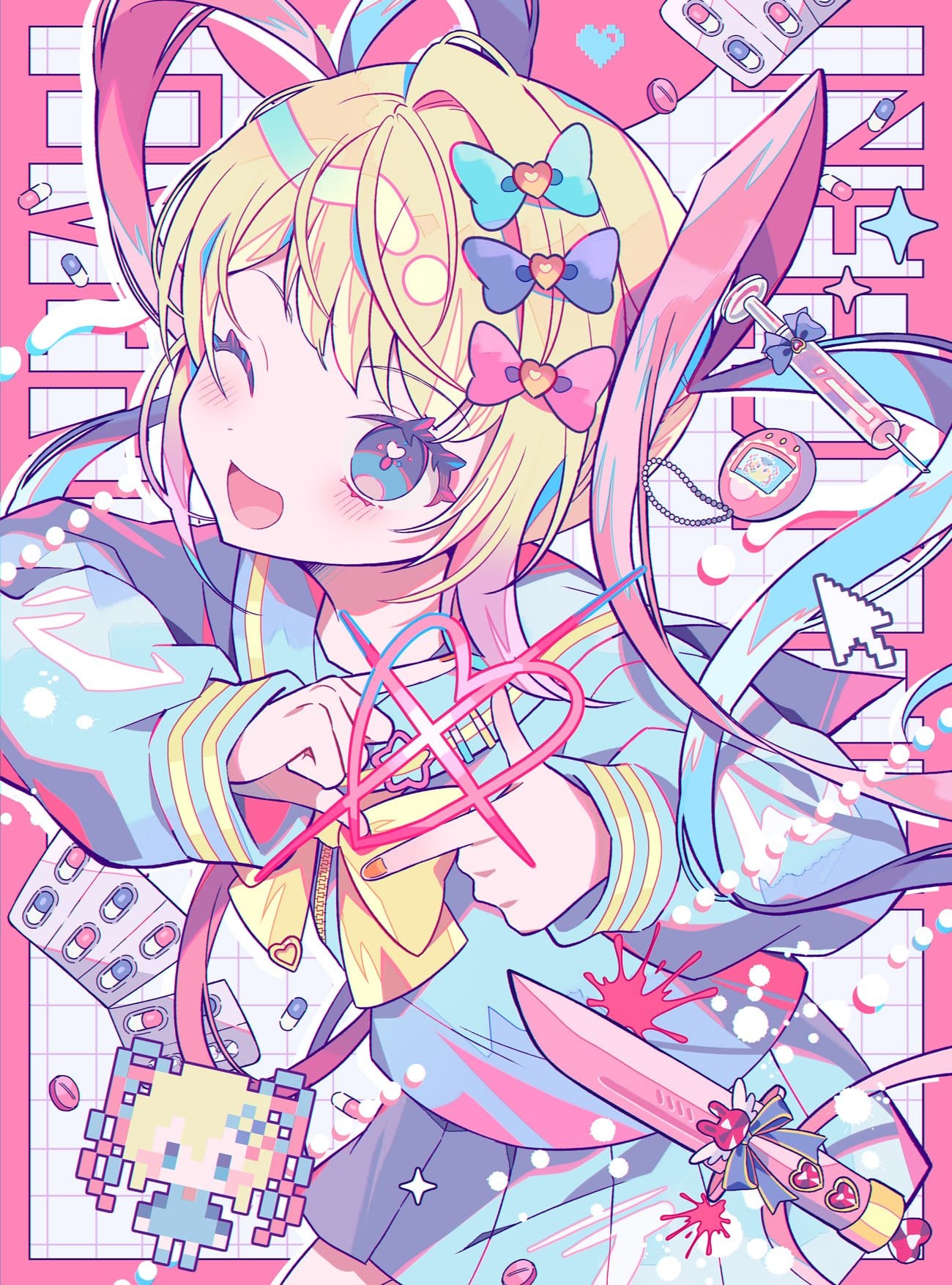
The anime widens the perspective with characters like Karamazov, a trio of streamer girls trying to catch up to KAngel, and Kache, an ordinary fan who exists outside that influencer bubble but still gets pulled into its gravity. That structure gives the Needy Girl Overdose anime more angles to work with. It is not just about one unstable idol. It is about the whole ecosystem around her.
Episode 1, “She’s a Killer Queen,” does a great job establishing the contradiction at the center of the show. KAngel is magnetic. The aesthetic is intoxicating. The screens, overlays, neon text, reaction culture, and fake intimacy all feel exciting. But even early on, the anime keeps hinting that the glamour is rotten. There is always a sense that the performance can collapse at any second.
By the time the first five episodes settle in, the Needy Girl Overdose anime has made its priorities clear. It cares about what internet celebrity looks like from inside the machine. Karamazov brings in ambition, envy, imitation, and competition. Kache brings in the perspective of someone who consumes this stuff while dealing with a bleak real life of her own. That contrast matters, because the series keeps asking why people reach toward online figures in the first place.
It also helps that the show does not treat KAngel like a simple villain or a simple victim. She is both performer and product. She knows how to weaponize affection. She also desperately needs it. That push and pull gives the Needy Girl Overdose anime much more bite than a safer version of this story would have had.
And once episodes 4 and 5 start leaning harder into the emotional fragmentation, the season really finds its rhythm. The mixed-media breakdown energy people have been talking about is not just flashy directing. It feels like the format itself is coming apart under the pressure of KAngel’s psyche.
KAngel, Ame-chan, and the Horror of Being Performed Into Existence
The reason the Needy Girl Overdose anime sticks in your head is that it understands a nasty truth about online life. Personas are not masks you put on and remove whenever you want. If enough people reward the mask, eventually the mask starts rewriting the person underneath it. That is the horror here.
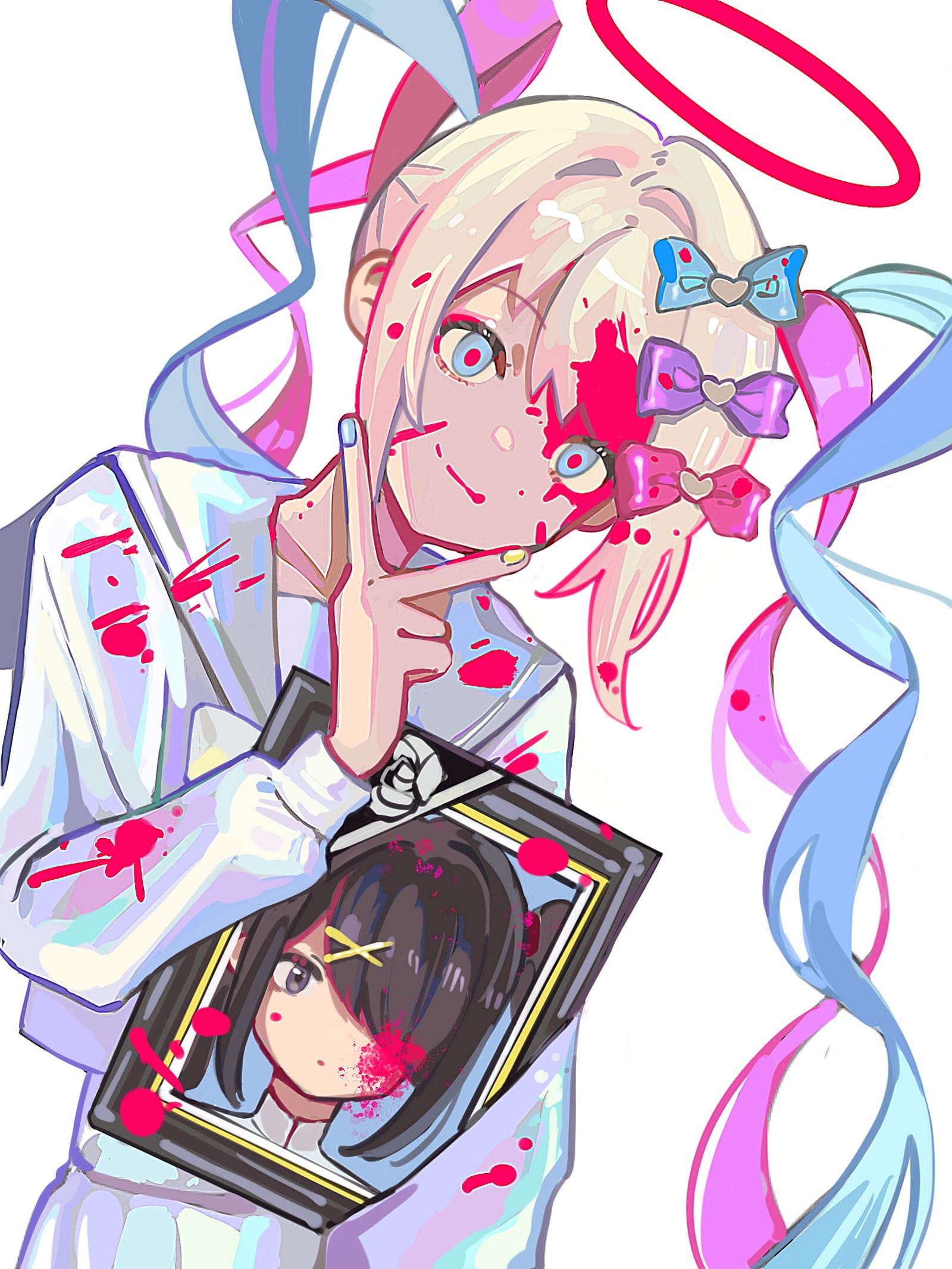
KAngel is what the audience wants, what the algorithm rewards, and what the market can package. Ame-chan is the unstable, needy, hurting self that never gets solved by attention. The distance between those two identities drives the emotional core of the Needy Girl Overdose anime. It is less about a secret identity and more about identity erosion.
That is where the series earns its reputation as a mental health anime with teeth. It is not using psychological pain as a cool accessory. It shows how instability gets aestheticized, monetized, romanticized, and consumed. The pastel styling makes that point even harsher. Everything looks cute enough to merch. Everything feels bad enough to ruin a life.
There is a reason so many viewers are comparing the emotional unease here to the best entries on our list of best psychological anime. The Needy Girl Overdose anime is not trying to be a conventional thriller. It is using digital intimacy itself as the threat. Followers, comments, streams, collabs, and fandom attachment all become part of the pressure system.
The parasocial element is especially sharp. Fans want access. They want sincerity. They want vulnerability. They want to feel chosen. But the whole point is that mass intimacy is fake by design. The Needy Girl Overdose anime keeps returning to the ugly consequences of that contradiction. People want the “real” KAngel while helping create the conditions that destroy anything real in the first place.
There is also an ugly little mirror effect in the way the show handles spectatorship. Kache is not just there for plot variety. She reminds us that fandom can come from pain, boredom, aspiration, or desperation. People do not just watch streamers for entertainment. They watch because they want escape, contact, fantasy, proof that somebody out there sees them. That makes the whole system sadder, not sweeter.
This is where the Needy Girl Overdose anime separates itself from glossier social commentary. It is not wagging its finger at the internet from a safe distance. It knows the internet is where people find community, performance, fantasy, and self-destruction all at once. That mess is the point.
Yostar Pictures Nails the Pastel Panic Aesthetic
Visually, the Needy Girl Overdose anime is one of the boldest shows of the season. Yostar Pictures does not treat the source material’s look as a garnish. The anime commits to the clash of sugary idol brightness, desktop clutter, streamer overlays, retro UI language, and sudden emotional rot. It feels loud in exactly the right way.
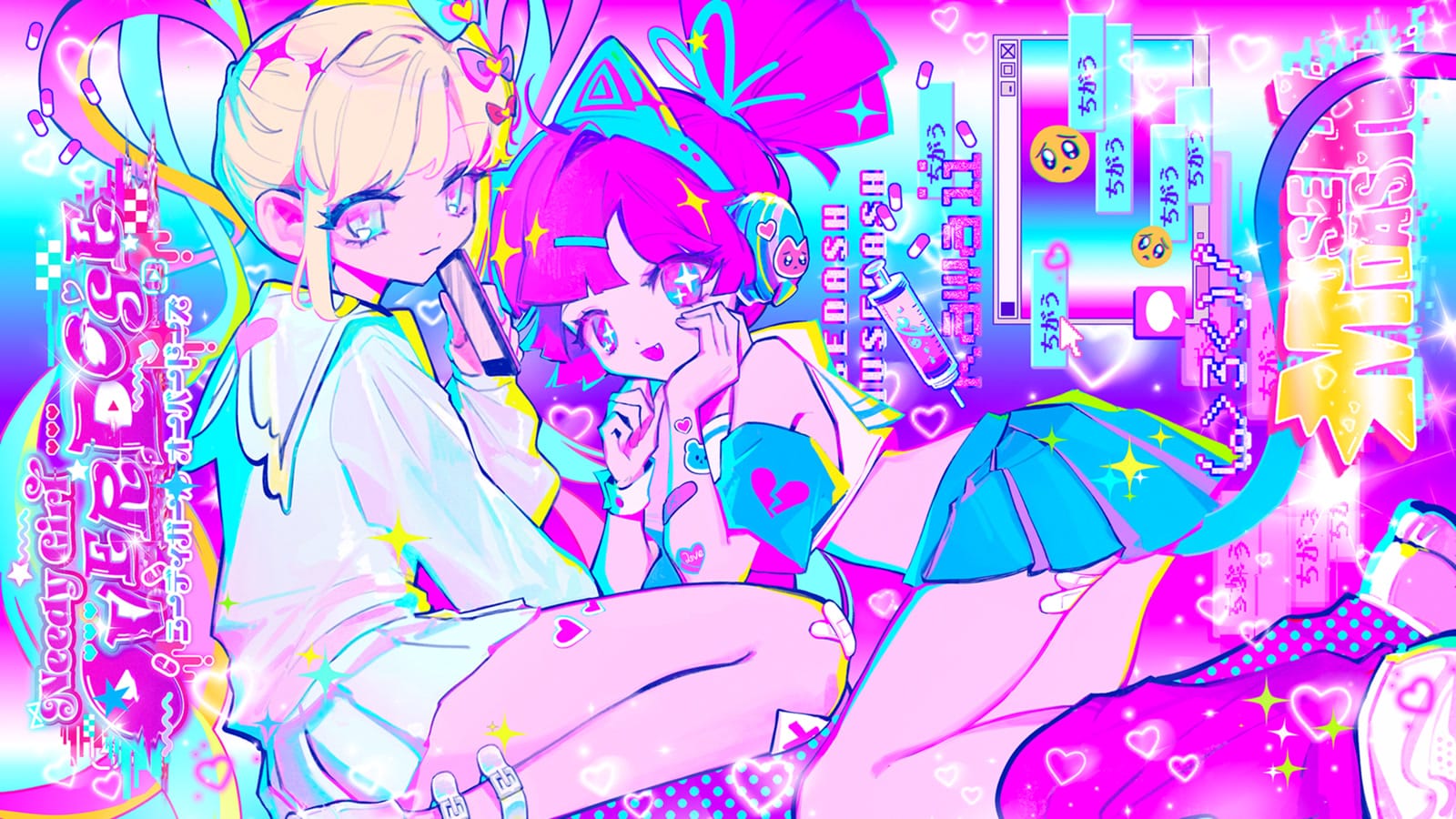
That is why the series has become such a conversation piece even among people who are not fully sold on the story yet. You can feel the studio trying to make every scene unstable. Screens interrupt. Colors oversaturate. Cute compositions curdle into something sour. The Needy Girl Overdose anime wants you to experience the seduction and the sickness together.
The art direction is also doing important narrative work. KAngel’s visual identity is addictively marketable. The bows, the hair, the color palette, the iconography, the digital clutter, all of it screams internet angel branding. But every time the show pushes that aesthetic a little too hard, it starts exposing the stress underneath it. That contrast gives the anime its best visual punch.
Episodes 4 and 5 are where this really clicks. The “crashout” energy people keep highlighting is effective because the medium itself feels contaminated by KAngel’s breakdown. Rather than cleanly separating reality from fantasy, the Needy Girl Overdose anime lets them bleed into each other. It is showy, yes, but it is also emotionally coherent.
That puts it in a very different conversation from visually beautiful seasonal standouts like Witch Hat Atelier. That show impresses through elegance and craft. The Needy Girl Overdose anime impresses through disorientation. It wants the image to feel unstable because the people inside it are unstable.
There are moments when the style risks overwhelming the actual character work, but even that excess feels part of the point. Online life is too much. Branding is too much. Being always visible is too much. The anime understands that pressure and turns it into texture.
How It Fits Into the Spring 2026 Anime Season
Spring 2026 has not been lacking for quality. You have prestige fantasy, major sequel energy, polished romance, and a bunch of crowd-friendly shows that are easier to recommend. That is probably part of why the Needy Girl Overdose anime opened lower in weekly rankings than its loudest supporters expected. This was never going to be broad-audience comfort food.
But the interesting part is that it has been climbing. That makes sense. A show like this lives on delayed buy-in. Some viewers bounce off the first impression. Others hear the conversation, catch clips, see the episode-to-episode escalation, and decide to jump in. The Needy Girl Overdose anime is building momentum because people keep realizing it has more going on than a gimmick title and a striking poster.
It also helps that this season has set up useful comparisons. If you want a clean prestige frontrunner, you are probably still pointing toward something like Frieren Season 2 or maybe the breakout force of Daemons of the Shadow. If you want industry commentary through entertainment-world trauma, you can also put it beside Oshi no Ko Season 3. But the Needy Girl Overdose anime feels nastier, stranger, and less interested in smoothing out its ugliness.
That is exactly why it matters. A season should not just be measured by its safest hits. It should also be measured by which shows are willing to get abrasive. The Needy Girl Overdose anime brings that abrasive energy. It is willing to be off-putting if that is what honesty requires.
And honestly, that gives AnimeTiger something valuable to track. Not every good seasonal article has to be about the obvious frontrunner. Sometimes the most interesting Spring 2026 anime is the one people are still arguing over.
Should You Watch Needy Girl Overdose?
Yes, but with a very specific recommendation. The Needy Girl Overdose anime is absolutely worth watching if you like psychologically messy character work, stylized direction, and stories that understand internet culture from the inside instead of treating it like boomer panic. If you loved the emotional ugliness of Needy Streamer Overload, this adaptation has enough bite and visual confidence to justify itself.
It is also a strong pick if you want a show that feels different from the rest of the season. The Needy Girl Overdose anime is not trying to be universally lovable. It is trying to be memorable. So far, it is succeeding.
You should probably skip it if you are looking for comfort viewing, clean moral framing, or a simple rise-and-fall influencer drama. This series deals in emotional mess, unstable perspective, and heavy themes around mental health, dependency, and public performance. It can be funny, but it is not light.
For me, that is the appeal. The Needy Girl Overdose anime feels like one of those seasonal shows that people will keep coming back to because it captures something ugly and true about being online right now. KAngel, OMGkawaiiAngel, Ame-chan, whatever name you want to use, she is not just another chaotic anime girl. She is an avatar for a whole culture that keeps confusing attention with love.
If the second half of the season keeps pushing as hard as episodes 4 and 5 did, the Needy Girl Overdose anime could end up as one of Spring 2026’s most unforgettable discussion pieces, even if it never becomes its safest mainstream hit.
You Might Also Enjoy
If the Needy Girl Overdose anime is hitting the exact kind of nerve you like, these AnimeTiger reads should be next in your queue.
- Best Psychological Anime: 15 Mind-Bending Series
- Oshi no Ko Season 3 Review
- Frieren Season 2 Review
- Daemons of the Shadow
- Why Witch Hat Atelier Has Spring 2026’s Best Animation
For official series details, you can also check the MyAnimeList entry for Needy Girl Overdose.