The King of Spring 2026 Has a Crown Already
Three weeks into Spring 2026 and the verdict is already in: Re:Zero Season 4 isn’t just leading the season — it’s embarrassing the competition. Anime Corner, Anime Trending, and r/anime’s karma rankings all tell the same story. This show has sat at #1 for three straight weeks since the Loss Arc premiered on April 8, and nobody’s even close to catching up.
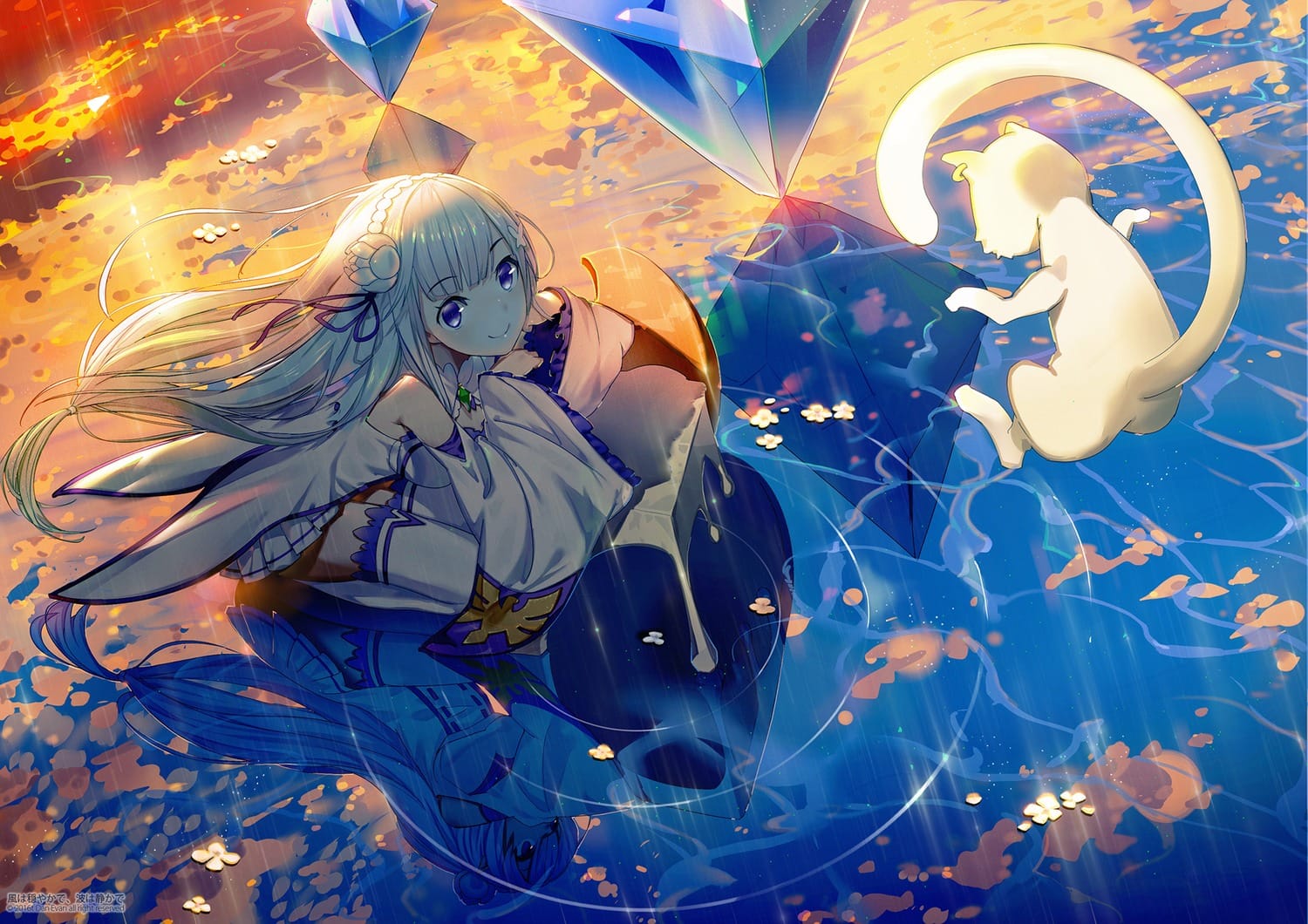
We knew this season was going to hit hard. Our pre-season preview laid out the stakes months ago, and the show has somehow exceeded every single expectation we had. This isn’t a slow burn climbing the charts — Re:Zero Season 4 grabbed the throne on day one and hasn’t let go since.
And the competition is no joke this season. Daemons of the Shadow Realm and Witch Hat Atelier are both putting up massive numbers. Ramparts of Ice came out of nowhere as a surprise hit. But Re:Zero Season 4 sits in a category of its own, and the gap between it and everything else is widening with each passing week. That kind of sustained dominance in a stacked season speaks volumes about the quality on display.
So what’s driving this dominance? It’s not just hype or nostalgia — it’s the show itself. The Re:Zero Loss Arc is doing things that even longtime light novel readers didn’t expect to see animated this faithfully. Let’s break down exactly why Re:Zero Season 4 is the anime everyone can’t stop watching.
What Makes the Loss Arc So Devastating
The Re:Zero Loss Arc — Sōshitsu-hen — isn’t pulling any punches. It picks up directly from the aftermath of the Priestella incident, and if you thought Season 3 was heavy, Season 4 opens with the wound still bleeding. Rem remains in suspended animation, her existence essentially erased from the world’s memory. Crusch Karsten had her memories devoured by the Authority of Gluttony. Julius’s very name was eaten — not his body, not his life, just the concept of who he is.
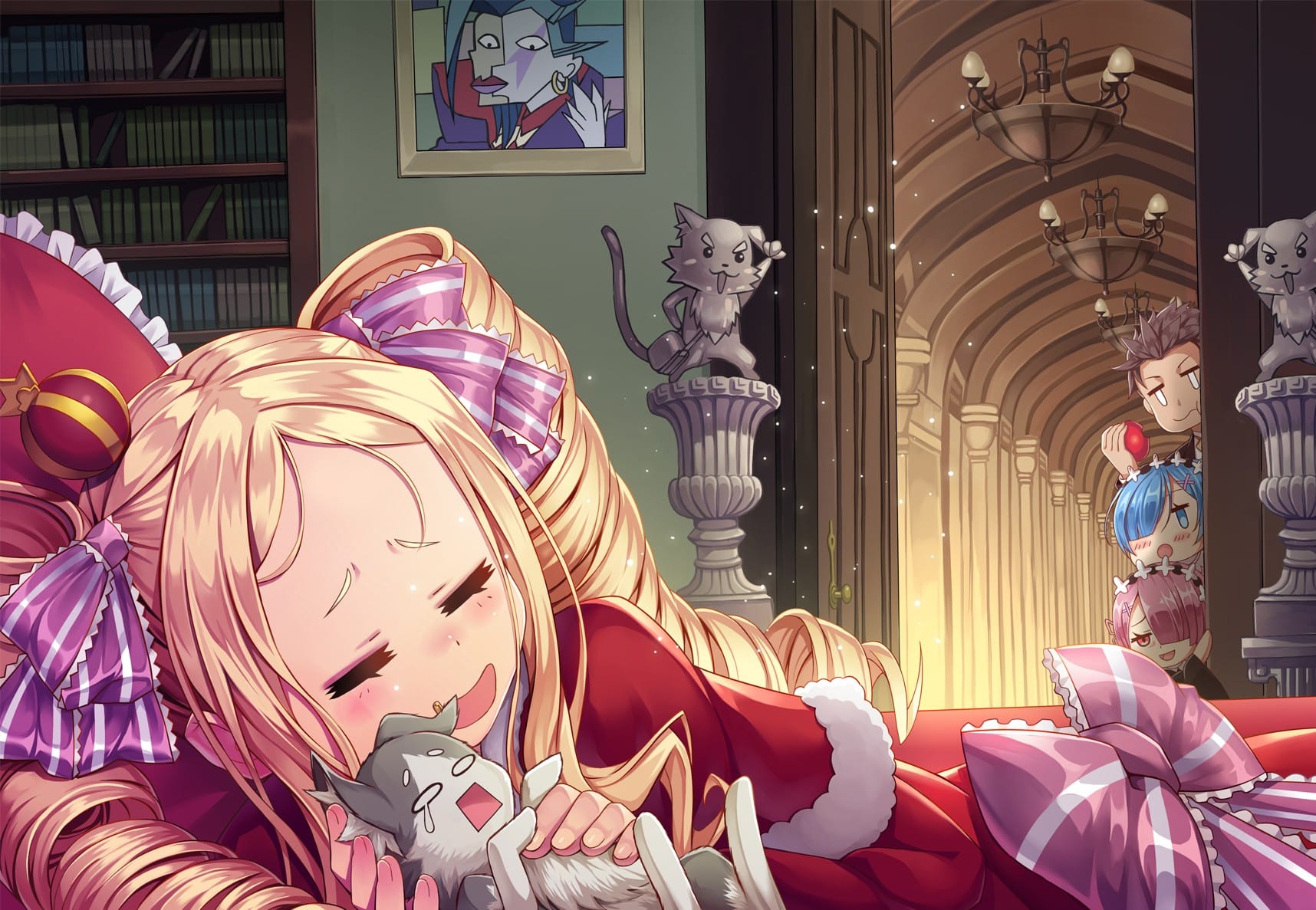
These aren’t footnotes or background details. Re:Zero Season 4 makes you sit with every single one of these losses. The opening episodes don’t rush to the next plot beat or the next action set piece — they force you to feel the weight of what the Sin Archbishops have already taken. That’s what makes this adaptation so effective and so brutal: it understands that the horror of this series isn’t just the violence, it’s the erasure.
The Witch Cult and its Sin Archbishops remain the central antagonists, and the show has never let you forget it for a second. Every conversation in Re:Zero Season 4 carries the shadow of what these creatures can do — and what they have already done. The threat isn’t abstract or distant. It’s personal, it’s present, and it has already cost Subaru everything he cares about.
What makes the Loss Arc especially effective is how it treats these consequences as structural, not temporary. In most anime, losses like these would be setup for a dramatic reversal — the hero finds a way, the spell is broken, everyone gets restored. Re:Zero Season 4 doesn’t promise you any of that. It forces you to live in the aftermath, and that discomfort is the entire point of the Re:Zero Loss Arc.
For anyone who needs a refresher on how we got to this point, the complete watch order guide will get you caught up. But honestly? If you’ve been sleeping on Re:Zero, the Loss Arc is going to hit you like a truck regardless of how much preparation you think you have.
Subaru’s Darkest Return by Death Yet
Let’s talk about Return by Death — the ability that defines Subaru Natsuki as a protagonist and makes Re:Zero one of the best psychological anime ever made. Re:Zero Season 4 pushes this mechanic into genuinely uncomfortable, uncharted territory.
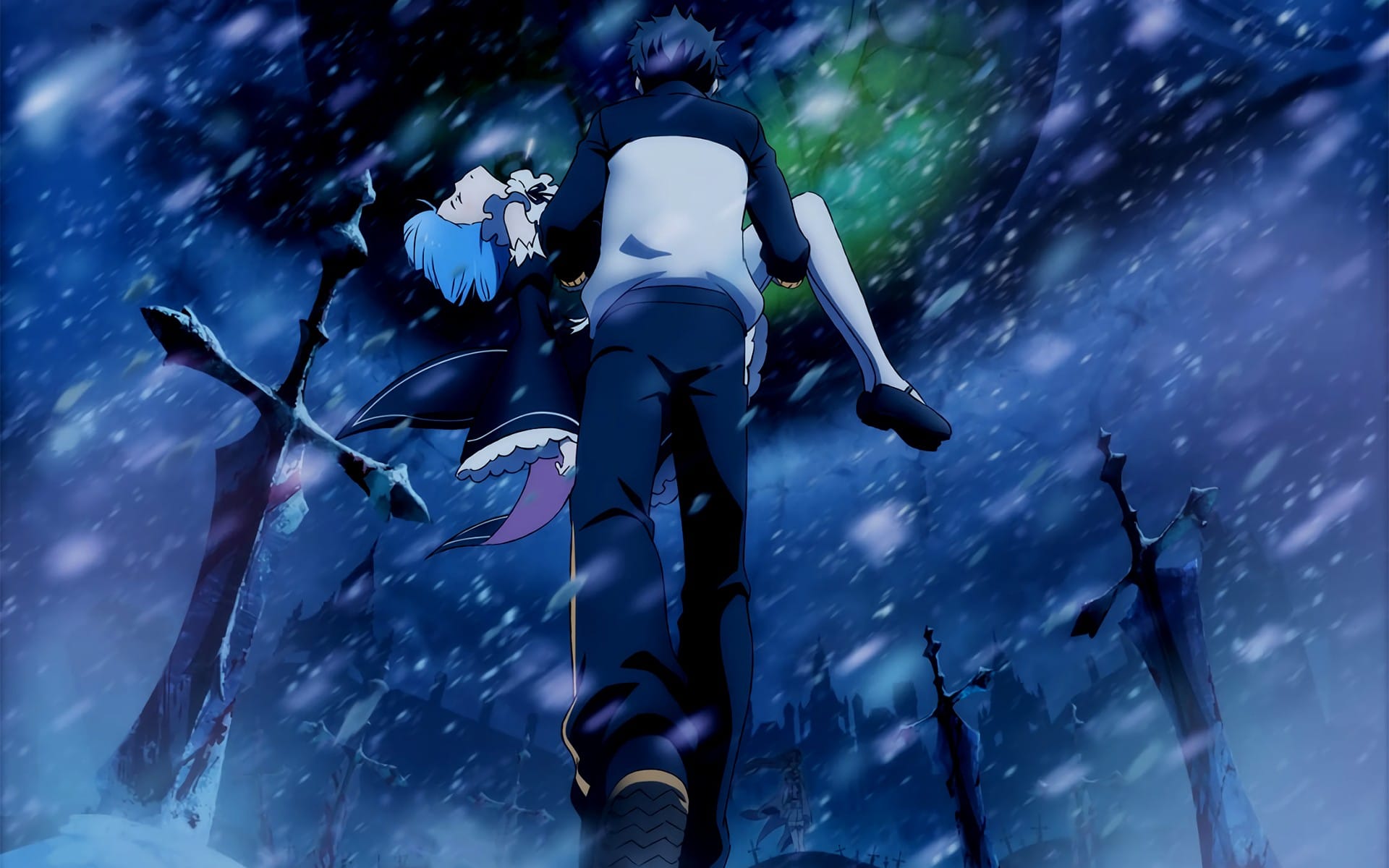
Previous seasons treated Return by Death as a painful reset button — die, suffer, come back, try again. The cycle was agonizing, but there was always the implicit promise that enough deaths would eventually lead to a solution. But the Loss Arc changes the entire equation. What good is resetting time when the people you’re trying to save have already been erased from the world’s memory? Subaru can die and return as many times as his mind can withstand, but he can’t undo what Gluttony has consumed.
This is where Re:Zero Season 4 separates itself from every other isekai on the market — and let’s be real, isekai has a problem right now with repetitive power fantasies. The show’s central mechanic — the one thing that makes Subaru special — is suddenly, terrifyingly insufficient. You can’t fix erasure by dying and starting over. Watching Subaru grapple with that reality is some of the most raw, uncomfortable character work this franchise has ever attempted.
And the show doesn’t flinch from any of it. Subaru’s mental state across the first four episodes is a steady, brutal descent into something that looks less like determination and more like desperation. He’s not cracking jokes between loops. He’s not finding resolve through friendship speeches or inspirational moments. He’s surviving, barely, and every death takes a visible, accumulating toll that the animators at White Fox refuse to let you ignore or gloss over. The fatigue is cumulative — both for Subaru and for the viewer.
The horror-like atmosphere that’s dominated recent episodes — particularly episode 3, which Anime Corner explicitly described as “horror-like” — comes directly from how the show frames Subaru’s loops now. These aren’t action sequences with dramatic resets anymore. They’re nightmares. The tension isn’t in whether Subaru will survive — it’s in what surviving costs him. And this show wants you to feel every agonizing second of that cost.
There’s a scene in episode 3 where the silence after a loop hits harder than any musical cue could. That restraint — the choice to let nothing happen for a beat too long — is what separates good direction from great direction. Re:Zero Season 4 keeps making choices like that, and each one lands.
The New Faces Shaking Things Up
Episode 4 dropped a bomb that the community is still processing: Shaula has entered the picture. Without spoiling too much for anime-only viewers, Shaula is a new key character whose arrival completely shifts the dynamic of the Re:Zero Loss Arc. Her design, her presence, the way she interacts with Subaru — everything about her introduction was pitch-perfect and instantly memorable.
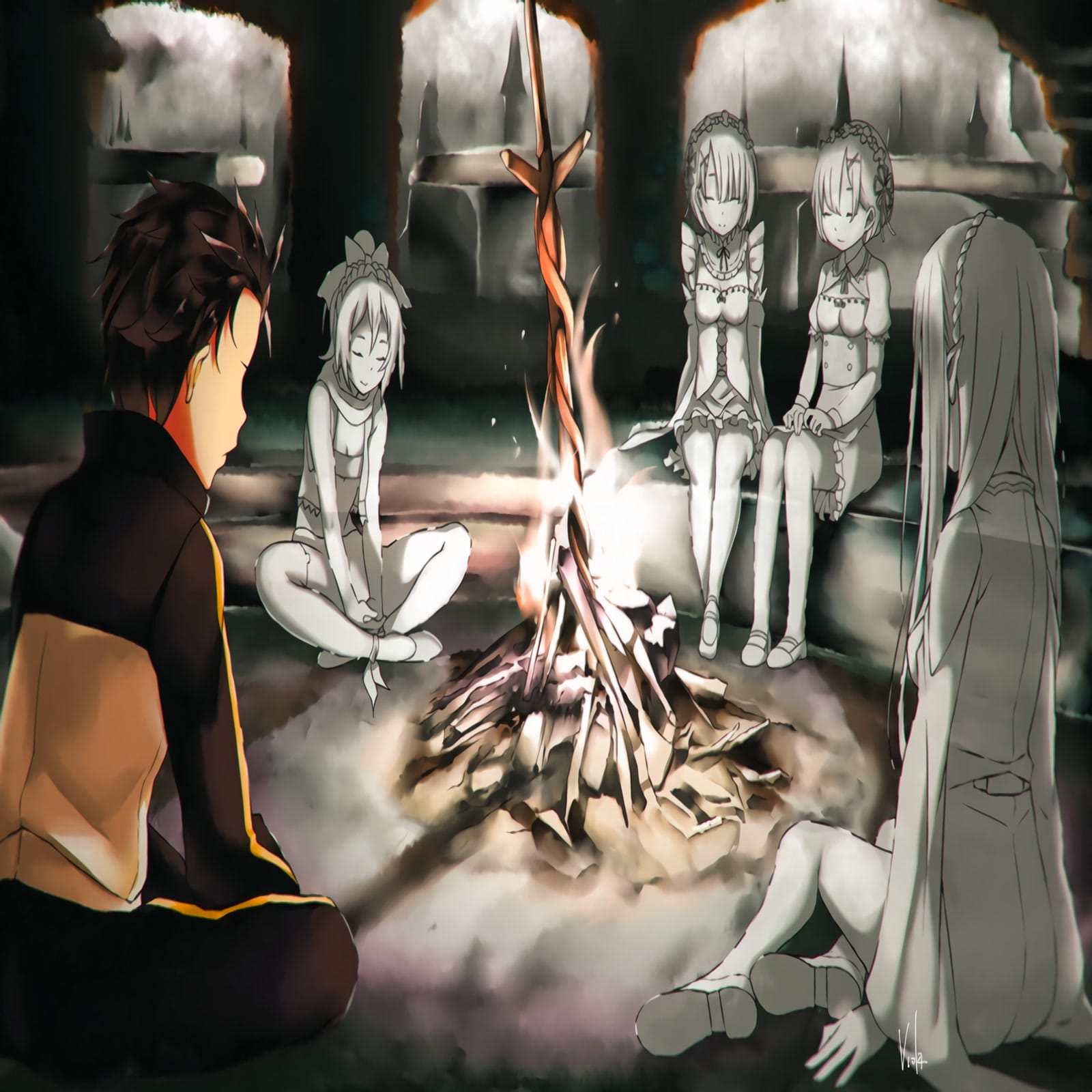
Shaula isn’t just new blood for the sake of shaking up the cast. In a season where so many established characters have been gutted by the Sin Archbishops’ attacks, her presence gives the story a fresh axis to spin on. She’s unpredictable in a show that thrives on unpredictability, and the fan reaction to her debut was immediate, loud, and divided in exactly the way that makes for great weekly discussion.
Beyond Shaula, the season has been expanding its cast in smaller ways that add texture to the world. The supporting players around the Priestella aftermath — the survivors, the fractured alliances, the people left picking up pieces — all feel like real people dealing with real catastrophe. Re:Zero Season 4 doesn’t just focus on its mains and forget everyone else.
The music this season deserves its own spotlight too. The opening theme “Recollect” by Konomi Suzuki and Ashnikko is an absolute banger — Suzuki’s signature emotional vocal style layered with Ashnikko’s raw, confrontational energy creates something that feels both faithful to Re:Zero’s musical identity and genuinely, thrillingly fresh. It’s been stuck in my head since episode one, and I’m not mad about it.
And the ending theme? “Ender Ember” by Myth & Roid and TK from Ling Tosite Sigure is the perfect emotional counterweight. TK’s contribution brings that fractured, haunting quality that Ling Tosite Sigure fans know well, and combined with Myth & Roid’s atmospheric production, it captures the desolation of the Re:Zero Loss Arc perfectly. Re:Zero Season 4’s soundtrack alone is worth the price of admission.
Both songs do exactly what great anime OPs and EDs should do — they don’t just sound good, they feel like the show. “Recollect” drives forward with the energy of someone refusing to stop, and “Ender Ember” sits in the quiet devastation that follows. Together, they bookend each episode with an emotional precision that elevates the viewing experience.
White Fox Keeps Raising the Bar
Let’s give White Fox anime the flowers they absolutely deserve. This studio has been carrying Re:Zero since 2016, and Re:Zero Season 4 might be their best work on the franchise yet. Directed by Masahiro Shinohara with character designs by Haruka Sagawa, the visual identity of this season feels both familiar and evolved in ways that reward close attention.

Compare this to Season 3, which was already a visual step up from Season 2’s more restrained aesthetic. Season 4 goes further — significantly further. The facial acting is more nuanced and expressive. The action choreography is tighter and more impactful. But most importantly, the atmospheric work is on another level entirely from anything this show has attempted before.
That horror-like quality everyone’s talking about? That’s not just the writing doing heavy lifting — that’s direction and animation working in lockstep to create a mood. The lighting choices in episode 3 alone are masterclass-level work. Shadows fall differently in this season than they did in previous ones. Colors desaturate at precisely the right moments to sell Subaru’s deteriorating mental state. The camera lingers on expressions just long enough to make you uncomfortable before cutting away.
Shinohara’s direction brings a restraint that serves the material perfectly. He knows when to go big and explosive, and he knows when to go quiet and still — and Re:Zero Season 4 benefits enormously from that discipline. This isn’t a director trying to prove himself with flashy choices — it’s a director who knows exactly what this story needs at every moment and delivers it with surgical precision.
Sagawa’s character designs deserve special credit too. The way she handles the subtle physical toll on Subaru — the deepening exhaustion, the hollowing out of someone who’s died too many times in too short a span — adds a layer of visual storytelling that elevates every scene he’s in. You can see the weight he’s carrying, and that visual dimension makes the written dimension land so much harder. White Fox anime productions have always been strong, but this season is something genuinely special.
Why Fans Can’t Stop Talking About It
The community reaction to the Loss Arc has been explosive, and not just in the usual “new episode drops, fans discuss for a day” way. This season has people genuinely shaken, processing what they’ve watched for days after each episode airs. The r/anime discussion threads for episodes 3 and 4 were among the most active of the entire Spring 2026 anime season.

That “horror-like” description from Anime Corner for episode 3? It became the entire conversation. People weren’t just discussing the plot points — they were processing the experience of watching it. Frame-by-frame analysis threads popped up within hours of airing. The tension in Subaru’s loops was dissected, debated, and compared to the most harrowing moments from earlier seasons. Some viewers reported needing to pause mid-episode just to breathe.
And the memes. Oh, the memes. This season has produced some of the most unhinged, grief-fueled meme content this community has seen in years — maybe ever. When a show inspires both deep analytical essays about narrative structure and shitposts about emotional devastation in equal measure, you know it’s connecting with its audience on every possible level.
Three straight weeks at #1 across Anime Corner, Anime Trending, and r/anime karma isn’t a fluke or a first-episode bump. That’s a consensus building week after week. In a Spring 2026 season loaded with heavy hitters and strong debuts, this show is the one everyone keeps coming back to. Every Wednesday, the community reconvenes to pick up the pieces. That weekly ritual is something only a handful of shows can create.
The discussion around Shaula’s introduction in episode 4 was especially intense and divided. Theories, speculation, heated arguments about what her presence means for the rest of the arc — it dominated anime discussion spaces for days after the episode aired. When a single character debut can hijack an entire week of anime discourse across multiple platforms, you’re watching something that has transcended its genre and become a cultural event.
It’s worth noting that this level of sustained engagement is rare even for popular shows. Most anime see discussion spike after big episodes and settle into a baseline between them. This season has maintained a consistently elevated level of conversation across all three weeks — that’s not normal, and it speaks to how each episode is delivering something worth talking about.
What’s Still to Come in the Recapture Arc
Here’s the thing that should terrify and excite you in equal measure: we’re only in the first cours. The Re:Zero Loss Arc runs 11 episodes and covers the remainder of Arc 5 from Tappei Nagatsuki’s light novels — specifically the Priestella aftermath that Season 3 began setting up. But the second cours — the Recapture Arc (Dakkan-hen) — premieres August 12, 2026, with 8 episodes adapting Arc 6 in full.

Arc 6 is where things get truly unhinged in the source material. Without spoiling specifics for anime-only viewers, the Recapture Arc is named that way for a very clear reason — it’s about taking back what was stolen. Given everything the Sin Archbishops have already taken — Rem’s existence from the world’s memory, Crusch’s memories, Julius’s name — the title alone should tell you this arc is going to be intense on a level that might make the Loss Arc look like a warmup.
19 total episodes split across two cours gives Re:Zero Season 4 the breathing room it needs to do justice to Nagatsuki’s writing. The pacing so far has been meticulous, refusing to rush through the emotional beats that make this story matter. If the Loss Arc is this devastating at episode 4, imagine where we’ll be by episode 11 — and then the Recapture Arc pushes even further beyond that.
The split cours format also means the August premiere of the Recapture Arc will dominate the conversation all over again right when Summer 2026 is hitting its stride. Re:Zero Season 4 isn’t just a Spring phenomenon — it’s a two-season event that’s going to keep the anime community locked in through the end of summer.
For context on where Re:Zero Season 4 fits in the broader isekai conversation, check out our breakdowns of the best isekai anime of 2026 ranked and the isekai problem analysis we published earlier this season. Re:Zero Season 4 stands as the clearest, most compelling argument that isekai can be something far more than power fantasy comfort food — it can be genuinely great art that challenges its audience instead of coddling them.
Final Thoughts
This season isn’t just dominating Spring 2026 anime because it’s popular or because it has an established fanbase. It’s dominating because it’s doing something almost no other anime is willing to do: it’s making suffering meaningful. Every death, every erased memory, every loop that doesn’t fix anything — it all builds toward something that matters. The pain isn’t gratuitous. It’s the point.
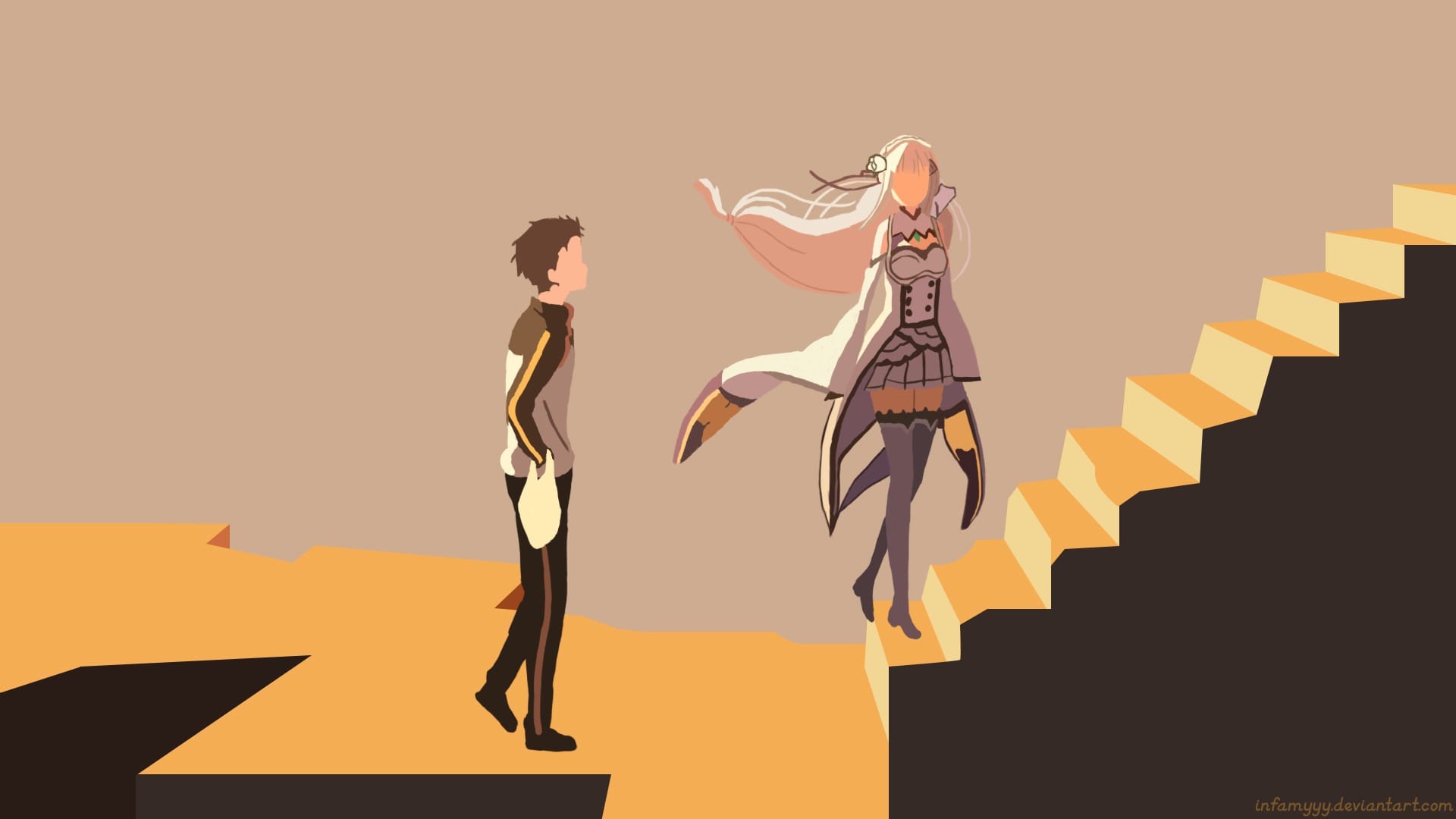
The show has always walked this line between suffering and meaning, but this fourth season walks it with a confidence and severity we haven’t seen before in this franchise. The Loss Arc doesn’t just raise the stakes — it makes you question whether stakes can even be won against opponents who can erase people from existence. And somehow, impossibly, that makes the fight more compelling, not less. It makes every small victory feel earned in a way that no power fantasy ever could.
White Fox, Shinohara, Sagawa, and the entire production team have delivered an adaptation that honors Tappei Nagatsuki’s source material while pushing the medium of anime forward. This isn’t just a competent adaptation — it’s a statement about what anime can accomplish when the source material is treated with genuine respect and creative ambition. The horror-adjacent direction choices, the devastating character work on Subaru, the introduction of Shaula, the dual emotional anchors of “Recollect” and “Ender Ember” — every element is clicking at a level that most anime productions never reach, let alone sustain across multiple episodes.
If you’re not watching this season yet, you’re missing the anime that defined 2026. Three weeks at #1 across every major ranking system isn’t an accident or an anomaly — it’s the result of a show firing on every cylinder and refusing to coast on its already impressive reputation. Other shows this season are good. Some are great. This one is operating on a different level entirely. This is what it looks like when a great franchise decides to get even better.
The Recapture Arc drops in August. The Loss Arc is airing right now. Catch up, get caught in the loop, and join the conversation — because this train isn’t slowing down, and you really don’t want to be the last one on board.
Further reading: For official news, episode details, and production information, check the Re:Zero Wikipedia page and Anime News Network’s encyclopedia entry.
You Might Also Enjoy
- Re:Zero Season 4: Everything You Need to Know — Our full pre-season breakdown of characters, arcs, and what to expect before you start watching
- Subaru Natsuki: A Complete Character Analysis — Why Subaru remains one of anime’s most complex and compelling protagonists
- Best Psychological Anime Worth Watching — If Re:Zero’s darkness has you hooked, these shows will wreck you in the best way
- Witch Hat Atelier: A Must-Watch Spring 2026 Anime — Another Spring 2026 standout that’s earning major critical buzz
- Daemons of the Shadow Realm: Why Arakawa’s New Anime Is Spring 2026’s #1 Show — The other heavy hitter competing with Re:Zero for Spring 2026’s top spot