Why Senku Ishigami Is Unlike Any Shonen Protagonist Before Him
Most shonen protagonists solve problems with their fists. Naruto throws rasengans. Luffy stretches and punches. Goku keeps climbing to the next impossible power level. But Senku Ishigami does something far weirder, and honestly far more refreshing. He wakes up in a dead world, picks up a rock, studies it, and starts rebuilding civilization from zero. That is what makes any real Senku Ishigami character analysis worth writing. He is not just a smart anime lead. He is a total rewrite of what a battle shonen hero can look like.
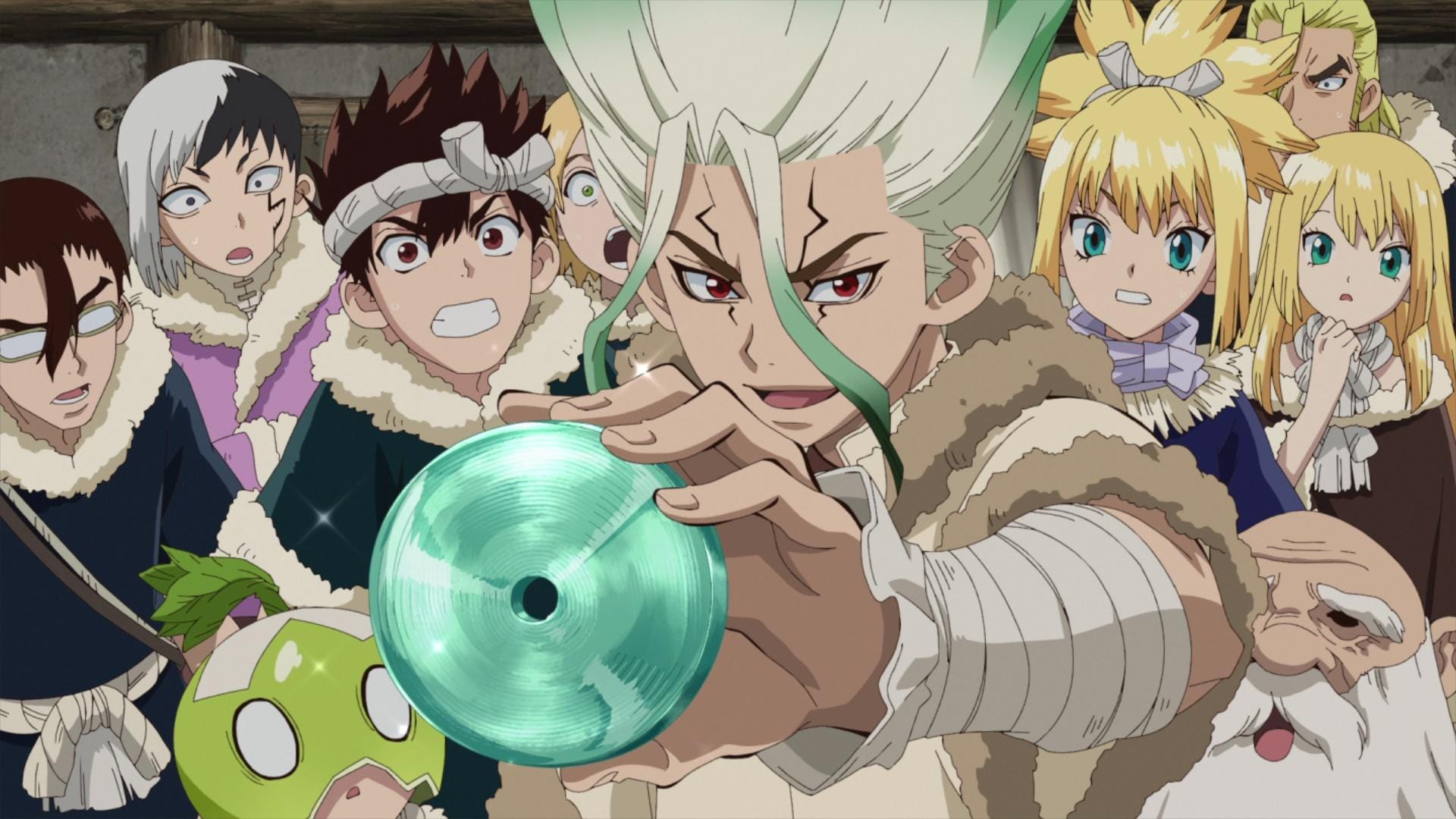
This matters because Senku Ishigami is strong in a way anime does not reward often enough. He is not physically overwhelming. He does not have some sacred bloodline carrying him. He does not wait for destiny to explain why he deserves to win. He wins because he observes carefully, reasons clearly, and works harder than anybody else at turning knowledge into action.
That is the core of Senku Ishigami character analysis. In a genre full of heroes who are defined by rage, trauma, instinct, or hidden power, Senku Ishigami is defined by method. He is the kind of protagonist who can make soap feel as hype as a final boss fight. He can turn a light bulb, a pulley, or a radio tower into a plot climax. That is not a gimmick. That is writing discipline, and it is why Dr Stone’s legacy as a science anime hits so hard.
What really separates Senku from other genius characters is that his intelligence never feels ornamental. It is not there so he can look superior in a room full of idiots. It is there because the world of Dr Stone literally cannot move forward without it. Senku Ishigami knows chemistry, engineering, physics, medicine, and logistics, but more importantly, he knows how to turn those things into hope. That is why he lands so differently from other anime masterminds.
He also has a rare kind of charisma. Not the loud, punch-the-sky charisma of a typical shonen lead, but the charisma of certainty. When Senku says something is possible, people believe him because he can explain how. When he promises progress, he can put a machine, a medicine bottle, or a communications device in your hands as proof. That grounded confidence is a huge part of why Senku Ishigami works.
And honestly, there is something deeply satisfying about watching a hero whose main weapon is understanding. The guy does not need a transformation sequence. He needs materials, time, and a plan. In a medium that often mistakes escalation for depth, Senku Ishigami proves that intellect can carry a story just as hard as violence can.
From Stone World to Moon Mission, Senku’s Complete Arc
Senku Ishigami’s arc is one of the most ambitious in modern anime because it does not just track one person’s growth. It tracks the rebirth of human civilization itself. A proper Senku Ishigami character analysis has to start there, because his story is not about getting a little stronger every season. It is about dragging humanity back from absolute zero and refusing to stop at survival.
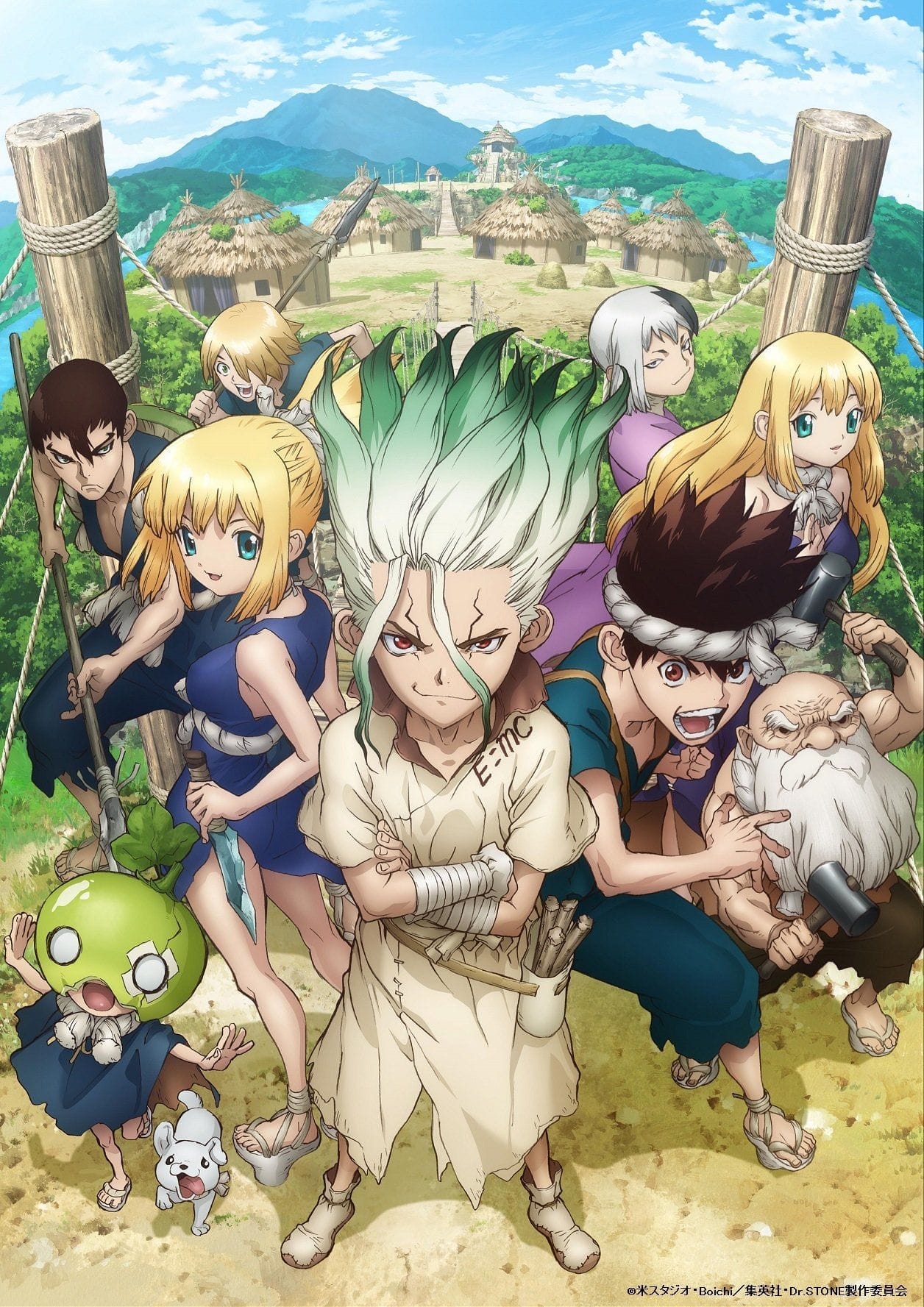
When Senku wakes up after 3,700 years of petrification, he is alone in a world that has erased everything familiar. Cities are gone. Technology is gone. Institutions are gone. Most protagonists would spend several episodes breaking down under that kind of loss. Senku counts the seconds he stayed conscious and immediately starts planning. That tells you almost everything you need to know about him. He processes disaster by looking for the next solvable problem.
The early Stone World phase is all about essentials. Fire. Food. Shelter. Clothing. Basic chemistry. The revival fluid. Senku Ishigami is forced to rebuild the foundations of life step by step, and that is why those opening arcs feel so weighty. Every invention matters because every invention keeps the fragile return of humanity alive one more day. Progress in Dr Stone is never abstract. It is survival made visible.
Taiju’s arrival matters because it establishes the first great truth of Senku’s journey: he is not building the future for himself alone. Even from the beginning, Senku Ishigami is trying to bring people back, not stand above them. That is a major distinction. He is not a lonely supermind dreaming of ruling the new world. He wants a world full of people, noise, mess, disagreement, and collective effort. He wants civilization back in full.
Then Tsukasa enters the story and sharpens Senku’s entire worldview. Tsukasa is not just a powerful opponent. He is an ideological counterargument. Where Senku wants to revive everyone and recover all of humanity’s achievements, Tsukasa wants a cleaner, more selective world with fewer corrupting systems. Their conflict gives Senku Ishigami’s mission moral shape. It is not enough for science to be useful. Senku has to argue that science should belong to everyone.
The Kingdom of Science becomes the answer to that challenge. It is more than a faction name. It is a declaration of values. Senku starts gathering allies, training minds, sharing methods, and proving again and again that knowledge scales. The more people understand the world, the stronger everyone becomes. That is why the Kingdom of Science feels so different from the usual anime team-up. It is not just a party. It is a model for rebuilding society.
As the series grows, Senku’s arc grows with it. Primitive tools become metallurgy. Metallurgy becomes medicine. Medicine becomes communications. Communications become transportation. Transportation becomes global travel. By the time Science Future arrives, Senku Ishigami is working toward a moon mission, and somehow it feels completely earned because the series never skipped the steps in between. We watched him climb the entire technology tree.
That is what makes Senku’s complete arc so satisfying. It is escalation through accumulation. Every breakthrough rests on previous breakthroughs. Every leap has groundwork beneath it. The moon mission is not dramatic because space is cool, though it absolutely is. It is dramatic because we know exactly how much labor, trust, and knowledge had to pile up before Senku Ishigami could even imagine it.
So when people talk about Senku as just the science guy, they are underselling him badly. He is a protagonist whose personal journey is inseparable from humanity’s shared journey. His character arc is not about becoming special. It is about proving that human progress can start again, even after the end of the world.
The Mind of a Scientist, How Senku Solves Problems
What makes a Senku Ishigami character analysis genuinely interesting is not just that he is smart. Anime has plenty of smart characters. The real question is what kind of intelligence he represents. Senku’s mind is not built around manipulation, dominance, or detached superiority. It is built around sequence, experimentation, and relentless practicality.
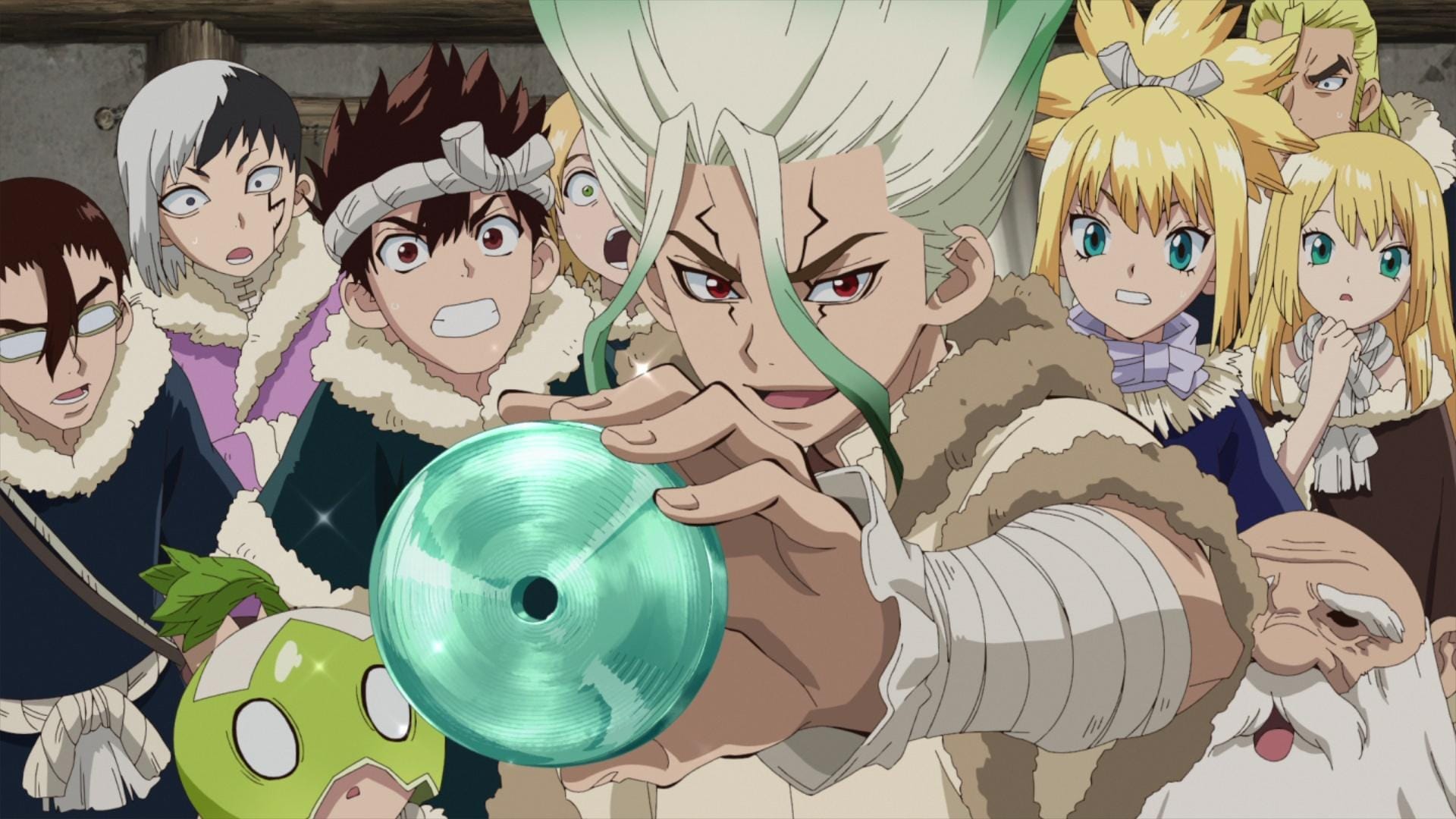
Every major Senku breakthrough follows the same pattern. First, define the goal. Second, identify what technologies are missing. Third, trace the chain backward to the simplest materials available. Fourth, build everything in order. That is why watching Senku Ishigami is so satisfying. The show lets you see his reasoning. It is not just genius as spectacle. It is genius as process.
The revival fluid is the perfect example. Senku did not magically know the answer and move on. He spent months experimenting, observing chemical effects, and working through the conditions needed to reverse petrification. The cell phone arc works the same way. The glass-making, the metalwork, the antibiotics, the engines, the navigation systems, the rocket science, it all feels convincing because Senku Ishigami respects sequence.
This is where Senku differs from characters like Light Yagami or Lelouch. Those masterminds play chess against people. They manipulate systems, weaponize secrecy, and trap opponents inside psychological games. Senku Ishigami plays chess against material reality. His enemy is distance, weather, scarcity, disease, time, and ignorance. Even when there is a human rival in front of him, the deeper challenge is always how to make reality bend through understanding rather than force.
That changes the emotional feel of the story. Watching Light or Lelouch creates tension because you are waiting for the next deception. Watching Senku creates excitement because you are waiting for the next breakthrough. The suspense is not who gets outplayed. It is how the impossible becomes possible with limited tools and shared effort. That difference is a huge reason Senku Ishigami stands out among anime intellectuals.
He is also unusually honest about failure. Experiments break. Resources run out. Timelines slip. Plans collapse. Senku does not romanticize any of that. He adjusts. He tests again. He treats failure as information, not humiliation. That is such a good detail, and it gives Senku Ishigami character analysis real substance. His intelligence is not perfection. It is disciplined persistence.
That is also why his confidence works. When Senku says he is ten billion percent sure, it feels earned because his certainty is usually attached to math, observation, and reproducible logic. He is not bluffing for aura. He is expressing a scientist’s confidence after checking the variables. That attitude spreads through the Kingdom of Science. People believe in Senku Ishigami because he makes progress feel concrete.
Another underrated part of Senku’s mind is that he thinks in systems, not just inventions. A lesser series would make him the lone genius who creates miracle devices while everyone else cheers. Dr Stone is smarter than that. Senku Ishigami builds production chains, communication networks, training systems, supply routes, and collaborative teams. He does not just solve single problems. He builds structures that keep solving problems after he steps away.
The spaceship in Science Future is the most extreme version of that mindset. No one person can build a moon mission alone, no matter how smart they are. Senku knows that. So he does what he always does. He breaks the impossible into smaller possible pieces, gives people roles, shares the knowledge, and moves the whole system forward. That is why Senku Ishigami feels like a believable scientific hero instead of a cartoon genius.
In other words, Senku’s brain matters not because it is flashy, but because it is useful. It creates shelter, healing, communication, mobility, and hope. He is the rare anime protagonist whose thought process is every bit as thrilling as somebody else’s finishing move.
Senku’s Key Relationships, The Bonds That Drive Him
A character analysis of Senku Ishigami that ignores his relationships would miss half of who he is. For someone who initially reads like a lone genius, Senku is actually defined by collaboration. He needs people. He trusts people. He teaches people. And different relationships bring out different sides of him.

Chrome might be the single most important bond in the whole series. Chrome is not just a sidekick who admires Senku. He is proof of Senku’s larger philosophy. Here is a kid with curiosity, instinct, and zero formal scientific training, and under the right conditions he becomes a genuine inventor. That is huge. It means science is not a sacred talent reserved for chosen geniuses. Senku Ishigami is not hoarding intelligence. He is multiplying it.
Chrome also gives Senku something he rarely gets from adults or rivals: pure wonder. Chrome sees science for the first time the way a lot of the audience does. Not as dry information, but as possibility. That response validates Senku’s mission on an emotional level. The Kingdom of Science is not just efficient. It is joyful.
Taiju is the oldest and simplest bond, but it matters enormously. Taiju is loyal, physically powerful, emotionally transparent, and never threatened by Senku’s brilliance. There is no ego battle between them. Taiju does not need to outshine Senku, and Senku does not look down on Taiju for not being cerebral. That is refreshing. In a shonen setting where rivalry and insecurity often drive friendships, Senku Ishigami gets to have a bond built on total trust.
Taiju also anchors Senku emotionally. Senku can get lost in goals, materials, formulas, and production steps. Taiju is a reminder that all of this effort is for actual people. Friendship in Dr Stone is not abstract. It is labor on behalf of someone you care about. That makes Senku’s vision of progress feel human rather than clinical.
Gen Asagiri is one of the smartest additions to the cast because he exposes how incomplete pure logic would be on its own. Gen understands people. He understands persuasion, performance, morale, and timing. Senku wins him over not with force or moral preaching but by proving that science works. That says a lot about Senku Ishigami. He does not need perfect people. He needs useful people who can help move the future forward.
Gen’s presence also reveals Senku’s pragmatism. Senku is idealistic about science, but he is not naive about human behavior. He knows facts alone are not always enough to motivate a crowd. Sometimes you need theater. Sometimes you need a narrative. Sometimes you need Gen. That willingness to combine reason with human psychology makes Senku Ishigami a much better leader than he initially appears.
Kohaku brings out a different side of Senku. She is strong without science, brave without speeches, and committed without needing constant validation. Her respect for Senku does not come from being dazzled by his brain. She reads his intent. She sees that he wants to save people, not rule them. That matters because it confirms that Senku’s moral core is visible even to people who do not share his scientific obsession.
Tsukasa is the great mirror in the first half of the story. He is what happens when strength is paired with total distrust in the old world. Tsukasa believes civilization reproduced too much cruelty, greed, and hierarchy to deserve restoration. Senku Ishigami answers that argument not with denial, but with faith that progress is still worth reclaiming. Their rivalry is not just a plot engine. It is a debate over whether humanity deserves a second chance.
And then there is Dr. Xeno, who might be the most revealing foil of all. Xeno is brilliant, visionary, and scientifically gifted, but he leans toward control and hierarchy. He feels like a version of Senku Ishigami who lost faith in shared progress and replaced it with elite management. That contrast helps define Senku more clearly. Senku believes science should spread outward, not stay concentrated in the hands of a few.
Finally, there is Byakuya. This bond is the emotional center of Dr Stone, even when the show is busy with inventions and expeditions. Byakuya is the father figure whose faith in Senku stretches across millennia. He gives Senku more than materials or information. He gives him inheritance in the deepest sense, the belief that the future is worth preparing for even if you will never live to see it.
That is why Byakuya’s role hits so hard. He explains why Senku never feels cold, no matter how sarcastic or hyper-focused he gets. Underneath the formulas is a son carrying forward another person’s trust. Senku Ishigami is not just rebuilding the world because he can. He is rebuilding it because someone believed he would.
Science Future Part 3, Senku’s Final Challenge
The current Science Future material is where Senku Ishigami’s whole philosophy gets pushed to its limit. A lot of anime save the world in their final act, but Dr Stone does it in the most Dr Stone way possible. The climax is not about discovering hidden strength. It is about applying everything learned so far to the biggest problem imaginable.
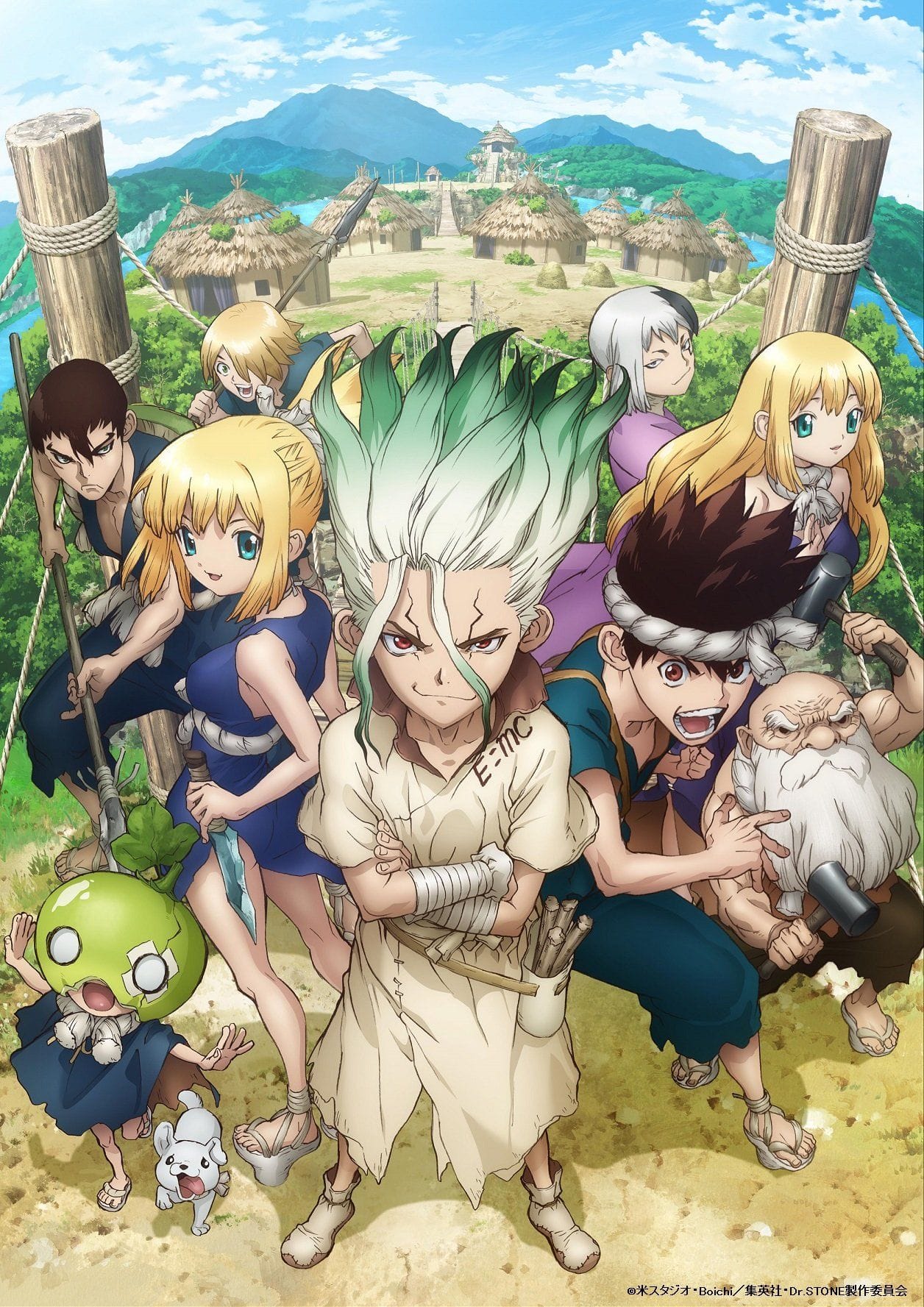
Why-Man changes the scale of the story because the threat is no longer just social collapse or rival factions. It is existential. Humanity was petrified once. It can happen again. The Medusa device and the mystery behind petrification force Senku Ishigami to confront a problem that cannot be solved with local fixes. He has to understand the mechanism at its source.
That is what makes the moon mission such a perfect final objective. It is not random spectacle. It is the ultimate extension of Senku’s identity. Of course the science protagonist’s endgame is a space project. Of course the boy who rebuilt civilization from rocks and chemicals ends up aiming at the moon. It feels enormous, but it also feels completely natural for Senku Ishigami.
The current Science Future arc also raises the emotional stakes in a subtle way. Earlier in the series, failure usually meant delay, injury, or tactical disadvantage. Now failure means the entire promise of the Kingdom of Science could collapse. If Senku cannot solve this, then all the hope he has built remains vulnerable to total erasure. That pressure makes this final challenge more than just a big set piece. It makes it a referendum on his worldview.
The Amazon expedition, the race with enemy scientists, the analysis of the Medusa, the global resource gathering, and the long preparation for space all reveal the same thing. Senku Ishigami has grown from an individual genius into a civilizational leader. He is no longer just the person with the answer in his head. He is the person responsible for organizing thousands of people’s labor, trust, and sacrifice into one coherent push forward.
That evolution is easy to overlook because Senku’s personality stays so consistent. He is still cocky, still funny, still laser-focused on results. But the scale of responsibility on his shoulders is completely different now. Early Senku needed to keep a tiny spark alive. Science Future Senku has to carry the hopes of the restored world itself.
The best part is that Dr Stone never cheats to get him there. The rocket, the calculations, the manufacturing chains, the suits, the fuel, the communications, all of it feels like a culmination rather than a shortcut. Senku Ishigami earns his final stage through accumulation. That is why the climax works. We have seen the entire path that led here.
This is also the point where Senku becomes a stronger thematic figure than ever. The final battle is not just man against mystery. It is cooperation against annihilation. Shared knowledge against extinction. Human effort against the void. That sounds grand, but Dr Stone has earned that grandeur. And Senku Ishigami is the exact protagonist needed to carry it.
Why Senku Represents Hope in Anime
This is the part of any Senku Ishigami character analysis that stays with you after the details of the plot fade. Beneath the chemistry, the engineering, and the jokes, Senku represents one of the most direct statements of hope anime has produced in years.
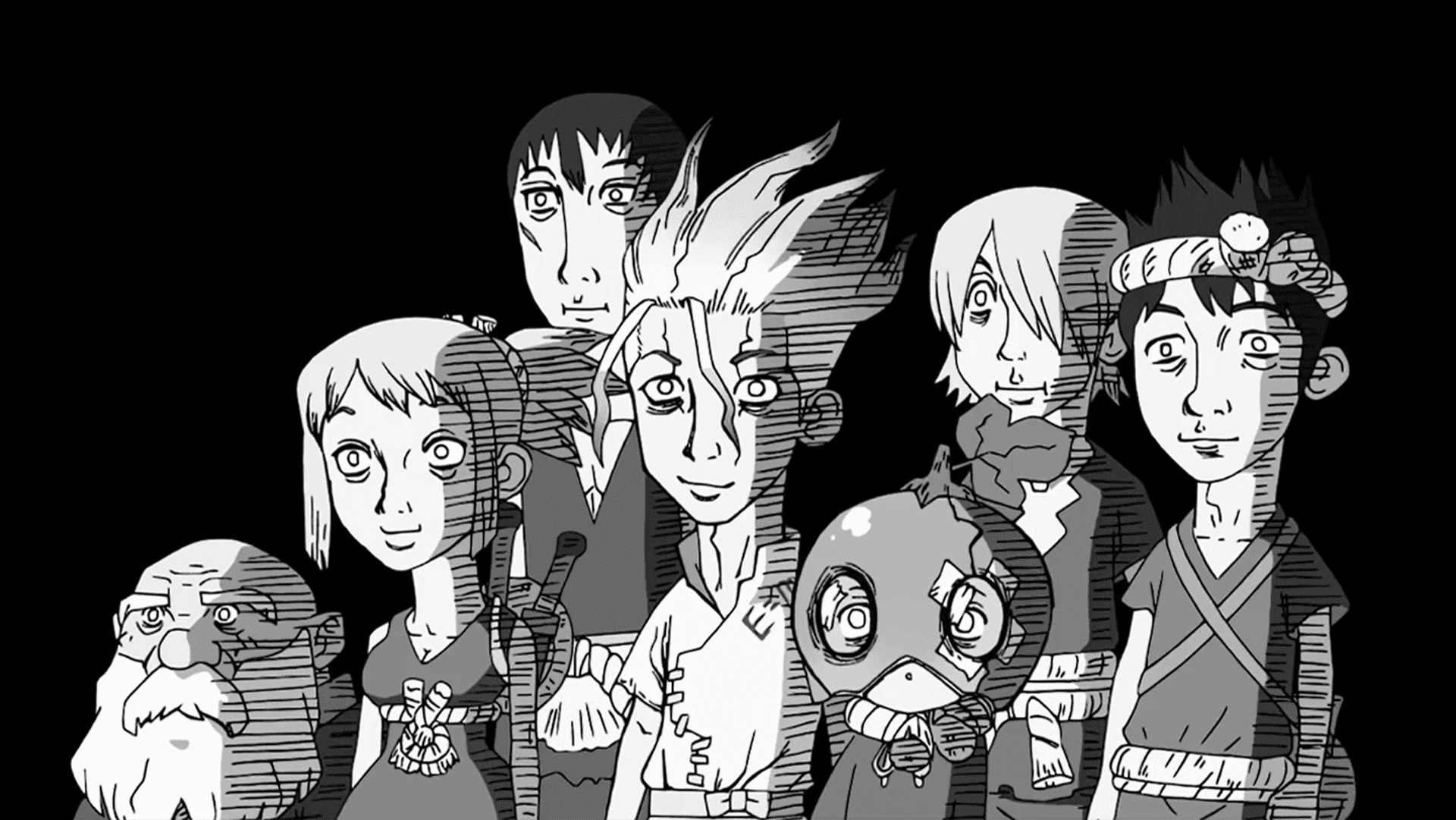
The statement is simple. Human progress is real. It is fragile, it can be interrupted, it can be abused, but it is still worth fighting for. Senku Ishigami refuses to give up on that idea. He does not look at the failures of the old world and decide civilization was a mistake. He looks at those failures and decides humanity has to rebuild smarter.
That is a radical stance in a medium full of broken worlds, cynical anti-heroes, moral gray zones, and protagonists whose defining trait is trauma. Senku has trauma too. He lost the world. He lost time. He lost the ordinary human future he should have had. But he refuses to organize his identity around despair. That is why he feels so powerful.
He is not optimistic because life has been easy on him. He is optimistic because optimism is functional. It keeps people moving. It keeps experimentation alive. It keeps the next breakthrough possible. Senku Ishigami treats hope like a working principle rather than a vague emotion, and that is such a smart angle for Dr Stone to take.
It also helps that his hope is not mystical. He does not ask anyone to believe blindly. He gives them evidence. Here is the medicine. Here is the battery. Here is the radio. Here is the engine. Here is the path to the moon. Senku Ishigami makes hope measurable. That is one reason he feels so grounded even when the scale of the story becomes absurdly huge.
Compare him to darker modern anime protagonists. Characters like Eren Yeager or Guts channel pain into destruction, rage, or grim endurance. Characters like Okabe Rintaro get crushed by what knowledge costs them. Senku walks through loss and comes out believing even more strongly that understanding is worth pursuing. That gives him a very different energy than most current leads.
There is also something deeply generous about Senku’s worldview. He does not want science as a private advantage. He wants it distributed. Shared. Taught. Reproduced. The Kingdom of Science is not just a cool name. It is a social vision. Knowledge belongs to everyone, and civilization works best when progress is communal rather than hoarded.
That idea makes Senku Ishigami feel surprisingly relevant. We live in a moment where cynicism is easy, institutions feel shaky, and people constantly ask whether progress was real in the first place. Senku’s answer is basically this: yes, progress is real, and if it breaks, you rebuild it. That is the most rational response to disaster. Not surrender. Not nostalgia. Rebuilding.
So why does this Senku Ishigami character analysis matter? Because Senku is more than a fun protagonist with funny catchphrases and wild inventions. He is an argument that intellect can be heroic, that cooperation can be thrilling, and that hope backed by work is stronger than despair backed by force.
That is his legacy. In a genre obsessed with hidden power, Senku Ishigami insists that real power comes from understanding the world and refusing to stop improving it. And honestly, anime needed that reminder.
You Might Also Enjoy
If you liked this Senku Ishigami character analysis, here are a few more AnimeTiger reads worth checking out: