Why Everyone’s Talking About the Second Prettiest Girl in My Class Anime
Every season throws a dozen rom-coms at us, but once in a while one just hits different. The Second Prettiest Girl in My Class anime—known to Japanese fans as Kuranika—has quietly become the show everyone’s texting their group chat about. Four episodes in, and it’s already ranked #5 in the Spring 2026 Anime Corner weekly poll with 3.08% of votes. That’s not hype noise. That’s real momentum.

What makes this show stand out in a season packed with heavy hitters? It’s not the flashiest production. It’s not based on a mega-franchise. The Second Prettiest Girl in My Class anime works because it understands something most rom-coms get wrong: loneliness isn’t a personality flaw to fix. It’s a lived experience to respect. And the way Maki Maehara and Umi Asanagi find each other? That’s the kind of storytelling that sticks.
Let’s break down why Kuranika is shaping up to be Spring 2026’s most relatable rom-com anime—and why you should be watching it right now.
The Premise: More Than Just Another High School Rom-Com
On paper, the premise sounds almost too simple. Maki Maehara is a self-described loner—the kind of guy who eats lunch alone, watches anime after school, and avoids social interaction like it’s a boss fight he hasn’t leveled up for yet. Then, through a quiet series of events, he becomes friends with Umi Asanagi, the girl everyone in class calls the “second prettiest.”
That label—”second prettiest”—is where the Second Prettiest Girl in My Class anime finds its emotional core. Umi isn’t the most beautiful girl in class. That title belongs to Yū, her best friend. And Umi carries that “second place” designation like a splinter she’s learned to stop noticing but never quite pulls out.
The genius of the setup is that Maki doesn’t care about the ranking. He’s a loner who’s spent so long outside the social hierarchy that he doesn’t even register it. When he and Umi start bonding over shared hobbies—anime, games, films—it’s authentic. He sees her, not the label. And that’s exactly what makes this rom-com anime feel so fresh in Spring 2026.
This isn’t a story about a loser who gets the hot girl. It’s about two people who are both stuck in roles they didn’t choose, finding something real. That distinction matters, and it’s why Kuranika is resonating so hard with viewers.
Meet the Characters: Why Maki and Umi Feel Like Real People
The soul of any rom-com anime lives and dies with its leads, and Second Prettiest Girl in My Class delivers two of the most believable characters this season. Let’s talk about why.

Maki Maehara — The Loner Who Isn’t Bitter
Maki (voiced by Haruki Ishiya) could have been written as the typical self-pitying protagonist. You know the type—the guy who monologues about how unfair the world is while refusing to engage with it. Instead, Maki is just… quietly content with his own company. He loves anime. He loves games. He’s not waiting to be rescued.
That’s what makes his growing friendship with Umi so compelling. He’s not desperate. He’s not performing. When he opens up to Umi about his hobbies, it’s genuine enthusiasm—not an attempt to impress. Ishiya’s performance captures that low-key energy perfectly, giving Maki a warmth that never feels forced.
And here’s the thing: Maki’s loneliness isn’t played for laughs or melodrama. The Second Prettiest Girl in My Class anime treats his isolation with the same respect it gives Umi’s insecurity. These are two people who’ve built walls around themselves, and watching those walls crack is genuinely moving.
Umi Asanagi — The Second Prettiest with a Secret
Umi (voiced by Manaka Iwami) is where this show becomes something special. On the surface, she’s got it all—popularity, looks, social grace. But the Second Prettiest Girl in My Class anime doesn’t let you settle for the surface.
Umi’s inferiority complex toward Yū is the emotional engine of the series. She’s been living in someone else’s shadow for so long that she’s internalized “second” as her identity. She hides it behind composure—she’s the girl who smiles, agrees, and makes everyone comfortable—but around Maki, that mask starts slipping.

Iwami’s voice work is phenomenal here. There’s a scene in episode 3 where Umi’s smile falters for just a second when Yū is mentioned, and the way Iwami lets that micro-expression breathe through her voice alone? Chef’s kiss. This is the kind of layered performance that elevates good writing into great anime.
What makes Umi different from the typical “popular girl with a secret sadness” trope is that her struggle isn’t abstract. It’s specific. She’s not generically unhappy—she’s someone who’s been quantified and ranked by her peers and found wanting, even from the “winning” position of second place. The Second Prettiest Girl in My Class anime understands that “almost” can hurt more than “never.”
The “Second Place” Complex: Why This Theme Hits Hard
Here’s what separates Kuranika from the pack: it takes the “second place” concept and makes it about identity, not just jealousy. Umi isn’t scheming against Yū. She loves Yū! Yū is her best friend! And that’s what makes it worse.
The Second Prettiest Girl in My Class anime nails a very specific emotional register: the pain of loving someone you can’t help but compare yourself to. Every anime fan has felt some version of this. You love your talented friend. You support them. And somewhere deep down, you wonder why it couldn’t be you. That’s not envy—it’s something more complicated and more human.
Spring 2026 anime has no shortage of romance, but Kuranika is the only one brave enough to say: sometimes the thing that hurts most isn’t losing. It’s almost winning.
And the show doesn’t just apply this to Umi. Maki has his own version of “second place” energy—he’s not the loneliest person in class, not the most socially awkward, not the most anything. He just… exists in the margins. Quiet. Unranked. Unnoticed. When Umi starts seeing him, it’s not just romance—it’s recognition. And for both of them, that recognition is revolutionary.
This thematic depth is exactly why the Second Prettiest Girl in My Class anime keeps climbing the polls. It’s not just cute. It’s true.
Studio Connect Delivers: Animation and Production Breakdown
Studio Connect isn’t a household name like MAPPA or Bones, but they’ve been quietly building a solid reputation, and their work on the Second Prettiest Girl in My Class anime proves they can hang with the big players in the rom-com space.
Director Hideki Tachibana (known for DanMachi) brings a confident, understated visual style to Kuranika. The animation isn’t showy—there are no sakuga explosions or gravity-defying action sequences. Instead, the production team focuses on what matters: character acting. Small gestures. The way Umi tucks her hair behind her ear when she’s nervous. The way Maki avoids eye contact when he’s caught off guard. These micro-animations sell the emotional beats better than any flashy set piece ever could.
The background art deserves a shoutout too. The school environments feel lived-in and warm, not the sterile placeholder backgrounds you see in lower-budget adaptations. There’s a softness to the color palette—lots of warm amber tones during after-school scenes, cool blues during the more introspective moments—that mirrors the show’s emotional shifts without being obvious about it.
And can we talk about the music? Composed by Ruka Kawada, Yayoi Sekimukai, and Shūhei Mutsuki, the score for Second Prettiest Girl in My Class does exactly what a rom-com soundtrack should: enhance the mood without stealing the spotlight. The piano motifs during Umi’s vulnerable moments are particularly effective—simple, a little melancholy, and deeply affecting.
Series composer Keiichirō Ōchi (whose resume includes The Quintessential Quintuplets) clearly understands how to pace a romance that unfolds naturally. Four episodes in, the relationship between Maki and Umi has progressed at exactly the right speed—fast enough to keep you hooked, slow enough to feel earned. That’s not easy to pull off in a 12-episode cour, and it speaks to both Ōchi’s experience and the strength of the source material.
From Light Novel to Anime: The Source Material Story
The Second Prettiest Girl in My Class anime is adapted from a light novel series written by Takata, with illustrations by Tom Osabe (volume 1) and Azuri Hyūga (volumes 2+). The series has grown to 9 volumes plus a side story—significant depth for the anime to draw from.

What’s notable is how the light novels balance comedy and emotional weight. The early volumes establish Maki and Umi’s dynamic with genuine laugh-out-loud moments—Maki’s deadpan otaku observations are comedy gold—while slowly peeling back Umi’s layers. The anime adaptation captures this tonal balance well, though the novels obviously go deeper.
If you’re the type who reads ahead (and honestly, you should), the Kuranika light novels are worth picking up even alongside the anime. There are entire subplots and inner monologues that the anime necessarily compresses, and Umi’s character development in particular gains so much more texture on the page. You can check the full details on the MyAnimeList page for Kuranika.
The manga adaptation, illustrated by Rin Ono and serialized in Comic Alive+, is also excellent. Seven volumes in and still going strong, with Yen Press handling the English licensing. Ono’s art style adds a slightly more comedic edge compared to the novels, which makes it a fun companion read rather than a redundant one. The manga also includes some original short chapters that aren’t in the light novels—bonus content for dedicated fans.
Having multiple entry points—light novel, manga, and now anime—is a big part of why Second Prettiest Girl in My Class is building such passionate word-of-mouth. New fans discover it through the anime, then dive into the manga and novels for more. It’s a feedback loop that’s working.
Spring 2026 Anime Poll Results: Kuranika’s Rise to #5
Let’s talk numbers. In the Spring 2026 Week 3 Anime Corner poll, Kuranika claimed the #5 spot with 3.08% of votes. That might not sound earth-shattering at first glance, but context matters. Spring 2026 is stacked. We’re talking about a season with marquee sequels, hyped original productions, and established franchises all competing for attention.

For a relatively under-the-radar rom-com anime to crack the top five in its third week? That’s the kind of organic growth that signals genuine audience connection, not just marketing muscle. And the trajectory is even more telling—Kuranika was outside the top 10 in Week 1, climbed to #8 in Week 2, and now sits at #5. That’s consistent upward movement from a show that people are discovering and then passionately recommending.
The community response has been equally telling. Twitter (X) threads analyzing Umi’s micro-expressions. Reddit posts debating whether Maki’s feelings are already romantic or still forming. Fan art exploding after every episode. The Second Prettiest Girl in My Class anime has sparked the kind of engaged, analytical fandom that usually only forms around shows with genuine depth.
Compared to other Spring 2026 romance anime, Kuranika is carving out a specific niche: it’s the one for viewers who want emotional intelligence with their romance. Not just will-they-won’t-they tension, but actual insight into why people connect. If you’re looking for more Spring 2026 recommendations, check out our complete Spring 2026 romance anime guide and our Spring 2026 anime power rankings.
Where to Watch: Streaming and Broadcast Details
The Second Prettiest Girl in My Class anime premiered on April 7, 2026, and four episodes are currently available. Here’s where you can watch:
Crunchyroll is the primary streaming home, offering both subbed and dubbed versions. Yes, the dub is already running—and it’s surprisingly good. If you’ve been sleeping on dubs, Manaka Iwami’s Japanese performance is a tough act to follow, but the English cast holds their own, especially in the quieter character moments where dub quality really shows.
For Japanese broadcast, Kuranika airs on Tokyo MX, Kansai TV, BS Asahi, and AT-X. AT-X is worth noting for fans who want the uncensored version—though in Kuranika’s case, the “uncensored” content is more about extended scenes than anything racy. This is a character-driven romance, not a fanservice vehicle.
New episodes drop weekly, and if the production schedule holds steady, we’re looking at a 12-episode first season. With 9+ volumes of light novel material available, there’s plenty of runway for future seasons if the Second Prettiest Girl in My Class anime continues its current momentum.
For viewers just jumping into Spring 2026 anime, Kuranika is one of the easiest shows to pick up. No prior franchise knowledge needed, no complicated lore, just honest storytelling. Our Spring 2026 beginner’s guide has a full breakdown of every show worth your time this season.
Why Second Prettiest Girl in My Class Is the Rom-Com You Need This Season
Let’s get real for a second. The rom-com anime genre is crowded. Every season brings a new batch of adaptations, and most of them blend together after a while. Same setups, same misunderstandings, same dramatic finale confessions. It takes something special to break through the noise.
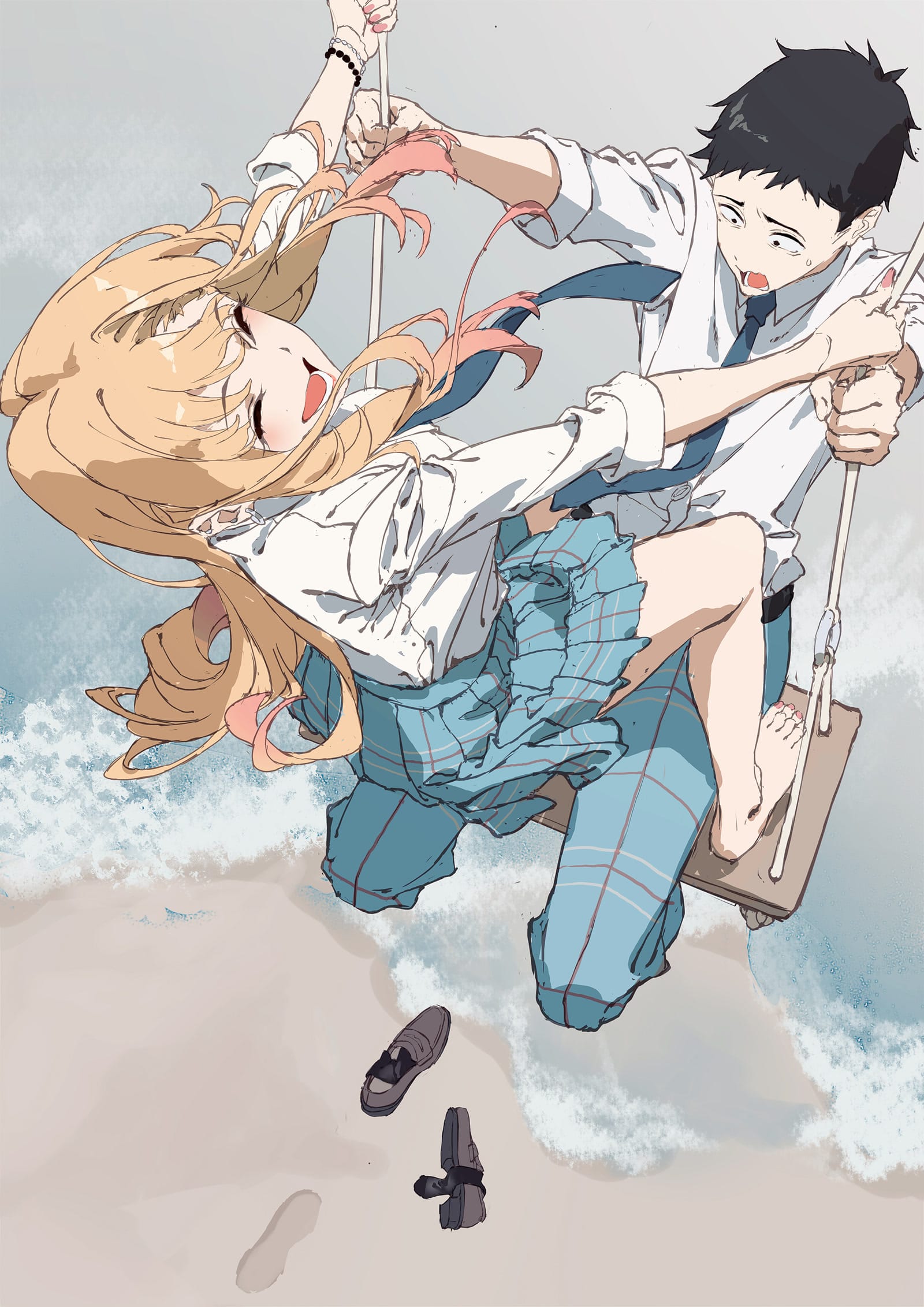
The Second Prettiest Girl in My Class anime does it by being honest. Not gritty or edgy—just honest about feelings that most people have experienced but rarely see on screen. The “second place” anxiety. The weird relief of befriending someone who doesn’t see you through the lens of social hierarchy. The terrifying vulnerability of letting someone see the hobbies you’ve hidden from everyone else.
Maki and Umi’s connection works because it’s built on shared passion, not just proximity or convenience. When they geek out about anime together, it’s not a plot device—it’s the foundation of their relationship. And for otaku viewers, watching two characters bond over the same media we love? That’s not escapism. That’s representation.
The show also deserves credit for how it handles the supporting cast. Yū isn’t a villain—she’s Umi’s best friend who happens to be stunning, and the complexity of loving someone you’re also measuring yourself against is handled with real care. Nicchan (Ikumi Hasegawa) adds warmth and humor without becoming the obligatory comic relief sidekick. Every character feels like they exist beyond their narrative function.
If you’re still not convinced, consider this: Kuranika is the kind of anime that makes you text someone after an episode. Not because of a cliffhanger, but because a moment resonated so deeply you need to share it. That’s rare. That’s worth your time. And that’s why Second Prettiest Girl in My Class deserves its spot in the Spring 2026 conversation alongside heavier hitters. For another underrated gem this season, don’t miss our take on Marriage Toxic—Spring 2026’s most underrated hit.
Final Verdict: Should You Watch Second Prettiest Girl in My Class?
Absolutely. Full stop.

The Second Prettiest Girl in My Class anime is the real deal. Four episodes in, it’s delivering the kind of character-driven romance that doesn’t come around every season. Studio Connect’s production is solid, the voice performances are outstanding (Manaka Iwami as Umi is an early contender for best VA performance of Spring 2026), and Keiichirō Ōchi’s script balances humor and heart with real skill.
If you love rom-com anime that respects your intelligence—shows that understand loneliness isn’t quirky and insecurity isn’t cute—Kuranika is mandatory viewing. Maki Maehara and Umi Asanagi are characters worth investing in, and their story is only getting started.
Start watching on Crunchyroll now while the season’s still rolling. You’ll be caught up in a single afternoon, and you’ll immediately understand why this show keeps climbing the polls. The Second Prettiest Girl in My Class anime isn’t just good—it’s the kind of good that reminds you why you fell in love with anime romance in the first place.
And if you need more Spring 2026 recommendations after you’re hooked, The Angel Next Door season 2 guide has everything you need for another dose of top-tier romance anime.
You Might Also Enjoy
- Spring 2026 Romance Anime Guide — Every Rom-Com Ranked and Reviewed
- Spring 2026 Anime Ranked — The Hype, the Hits, and the Hidden Gems
- Marriage Toxic: Why Bones Films’ Assassin Romance Is Spring 2026’s Most Underrated Hit
- The Angel Next Door Season 2 — Complete Guide to What’s New
- Spring 2026 Anime Beginner’s Guide — Where to Start This Season