The Shibuya Incident Arc changed Jujutsu Kaisen forever. What began as urban fantasy action became full-scale war with permanent consequences. Characters died, characters changed sides, and the status quo shattered completely. This arc represents JJK at its most intense and consequential.
The Setup
The Trap
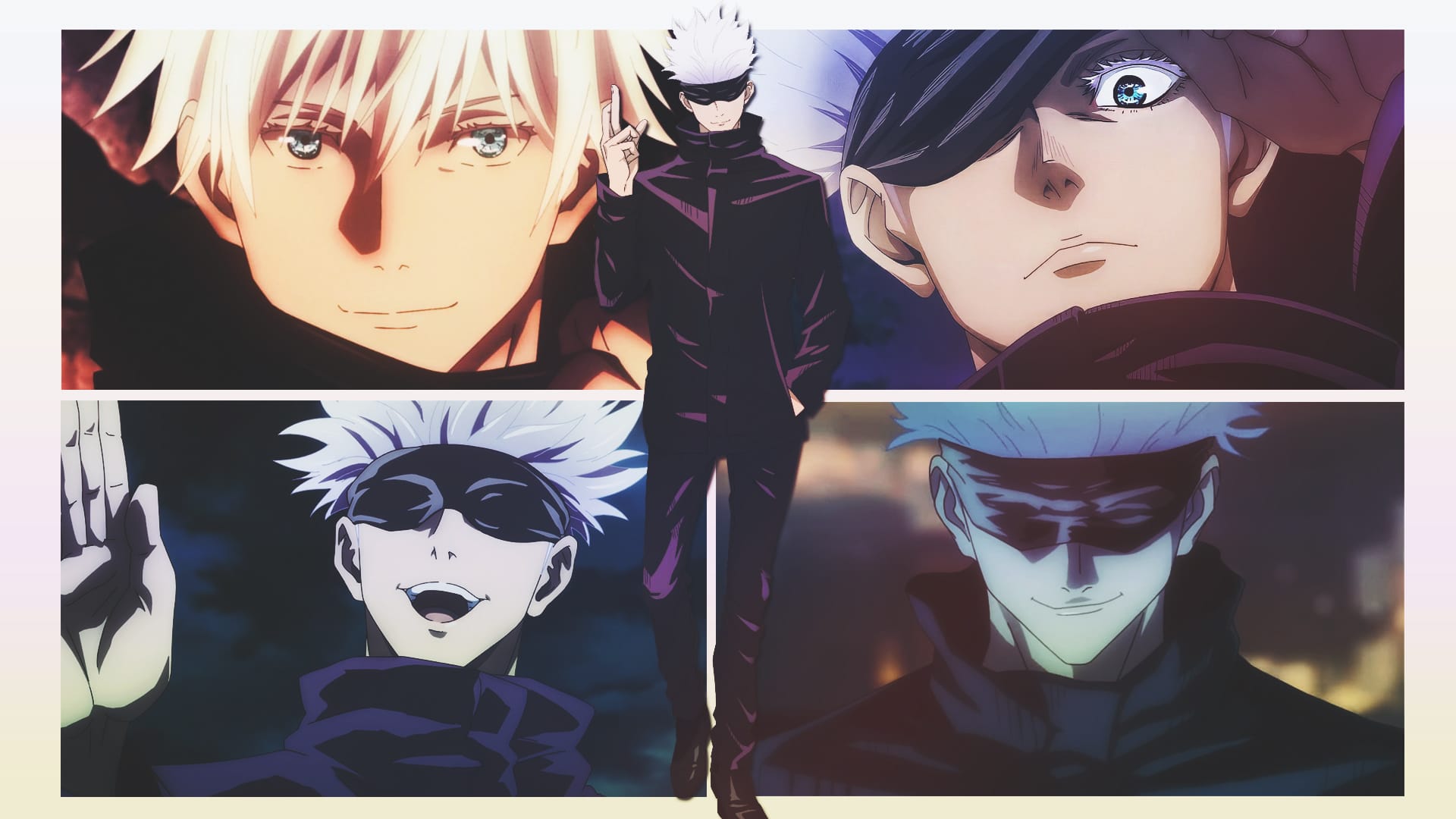
Geto’s faction lures Gojo Satoru into Shibuya on Halloween night. The plan is simple: seal the strongest sorcerer. Everything else—the chaos, the deaths, the destruction—is either means to that end or bonus damage.
The operation’s scope reveals how seriously the villains take Gojo. He is not just opponent; he is barrier to all their plans. Removing him requires this elaborate, resource-intensive operation.
Multiple Fronts
Jujutsu High responds to reported curtains across Shibuya. Teams split up, each facing their own threats. This structure enables multiple concurrent battles while building toward central confrontation.
The chaos is intentional—keeping sorcerers scattered prevents them from concentrating against the main threat until it is too late.
Gojo’s Sealing
The Prison Realm
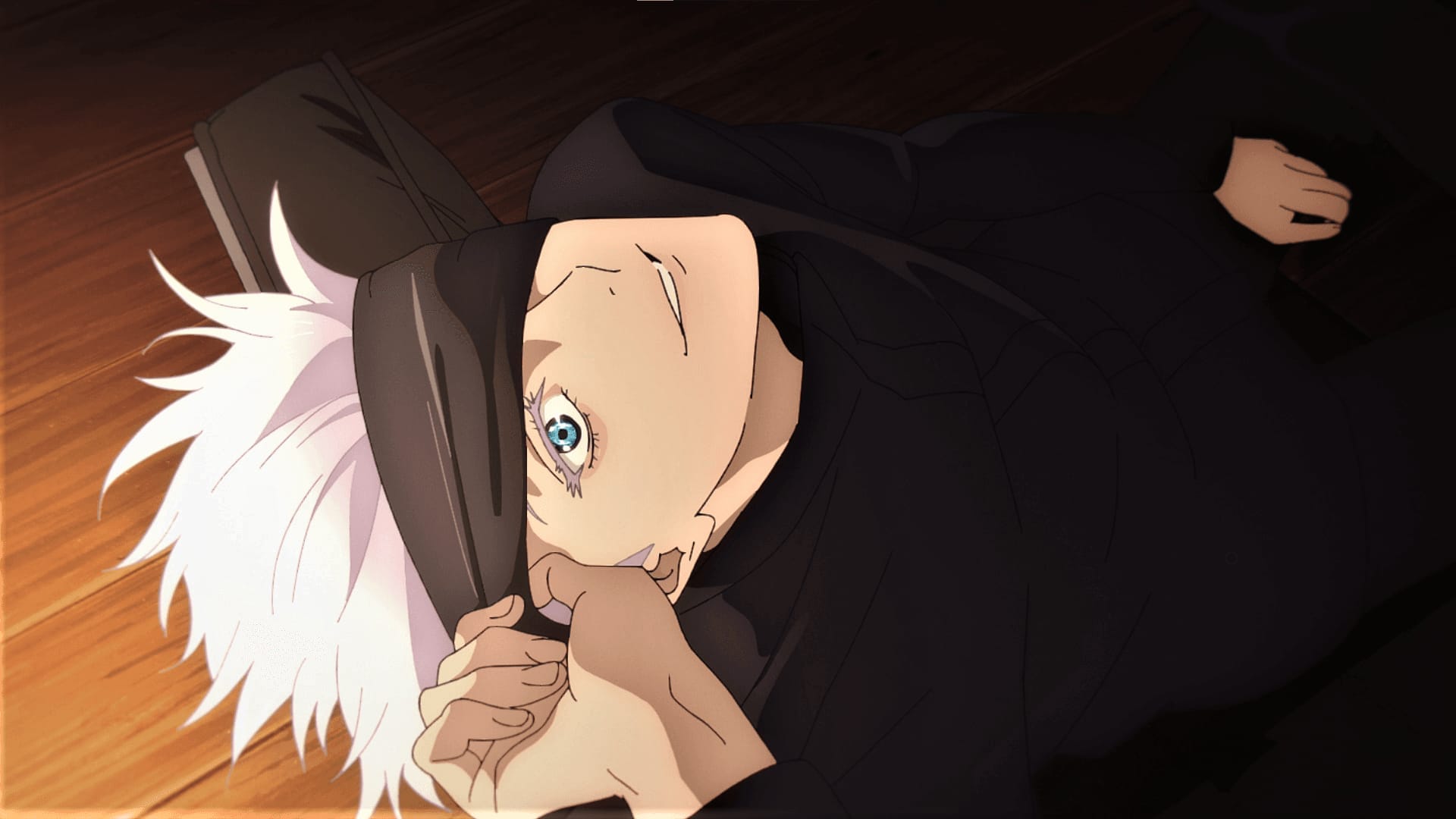
The Prison Realm—a cube that seals anyone within a certain radius—requires the target to remain within range for one minute. Against Gojo, this seems impossible.
The solution: the brain possessing Geto’s body. Gojo recognizes his friend’s face; his brain processes the impossibility. That moment of hesitation provides the necessary time. His greatest strength—his connection to Geto—becomes his vulnerability.
Consequences
Gojo’s sealing removes JJK’s strongest character. This is not fake-out; he remains sealed for significant story time. The power balance shifts completely. Threats previously manageable become existential.
The emotional impact compounds the practical one. Gojo—invincible, confident, protective—is gone. His students must function without him.
The Casualties
Nanami
Nanami Kento’s death against Mahito devastates. The pragmatic sorcerer who just wanted to do his job, who mentored Itadori, who represented competent adulthood—killed while barely able to fight.
His final words to Itadori place impossible burden on the protagonist. This death is not heroic sacrifice; it is exhausted defeat.
Nobara
Nobara faces Mahito and takes damage seemingly fatal. Her status remains ambiguous—possibly dead, possibly horribly injured. This uncertainty is itself traumatic for characters and readers.
The bright, confident character who balanced the trio’s dynamics is removed either permanently or temporarily. Either outcome changes the dynamic fundamentally.
Mechamaru
Kokichi Muta’s death—killed by Mahito before he could rejoin his friends—represents hope crushed. He sacrificed so much to have a normal body; he died before enjoying it.
His betrayal was understandable; his death ensures he cannot make amends. This is JJK’s approach to consequences: no redemption arcs, just endings.
Itadori’s Trauma
The Massacre
Sukuna takes control of Itadori’s body and massacres civilians. Itadori is conscious but helpless. When he regains control, he is surrounded by bodies he killed.
This is not indirect responsibility; these people died by his hands while he watched. The psychological damage is irreparable.
Losing Everyone
Within a single night, Itadori loses: his mentor figure (Nanami), possibly his friend (Nobara), his teacher (Gojo sealed), and his innocence (the massacre). The accumulated trauma would break anyone.
His subsequent characterization reflects this damage. The optimistic protagonist becomes desperate, damaged, barely holding together.
Sukuna vs Mahoraga
Spectacle Peak
Megumi summons Mahoraga in desperation against Shigemo. Sukuna—interested in Megumi’s potential—takes over Itadori to fight it. The resulting battle is JJK’s visual peak.
Sukuna’s domain, his flames, his sheer power—all displayed against threat even he takes seriously. The destruction levels blocks of Shibuya.
Sukuna’s Interest
Sukuna’s protection of Megumi throughout the arc hints at future plans. His interest is not benevolent; Megumi’s potential serves Sukuna’s purposes. This setup pays off later in devastating ways.
Animation Excellence
MAPPA’s Peak
The Shibuya Incident arc pushed MAPPA to their limits. Key battles—Gojo vs. disaster curses, Sukuna vs. Mahoraga, various curse fights—received exceptional animation treatment.
The production strain showed in some episodes, but the important moments delivered. This arc will be remembered for its visual excellence.
Atmosphere
The Halloween setting, the urban destruction, the chaos—the atmosphere of civilized society collapsing is palpable. Shibuya becomes nightmare through direction and design.
Status Quo Destruction
What Changed
After Shibuya: Gojo is sealed, Nanami is dead, Nobara is removed, Itadori is traumatized, Tokyo is destroyed in parts, and jujutsu society is in crisis.
This is not temporary setback—these changes are permanent. JJK after Shibuya is fundamentally different series than JJK before.
Culling Game Setup
The arc’s conclusion sets up the Culling Game—Kenjaku’s next phase. Shibuya was not climax but midpoint. The story continues with stakes and circumstances completely altered.
The Verdict
The Shibuya Incident Arc represents modern shonen at its most ambitious. Consequences are real, characters die, and nothing returns to normal. The willingness to change everything—to break the toy box—distinguishes JJK from safer series.
This arc is why Jujutsu Kaisen matters. Not because it is dark, but because it takes its own stakes seriously. The chaos unleashed in Shibuya defines everything that follows.
You Might Also Like
- Gojo vs Sukuna: Battle of the Strongest – Jujutsu Kaisen
- How Strong is Gojo? Inside the Strongest Sorcerer’s Powers
- Where is Nanami Kento From and Other Interesting Facts