The Hitman Returns — And He’s Not Messing Around
If you thought Taro Sakamoto’s retirement days were over after Season 1, Sakamoto Days Season 2 comes crashing through the door like Nagumo on a bad day. The Assassination Arc is here, and it’s rewriting every rule about what a shonen sequel can be. This isn’t just more of the same — it’s a complete escalation that demands your attention.
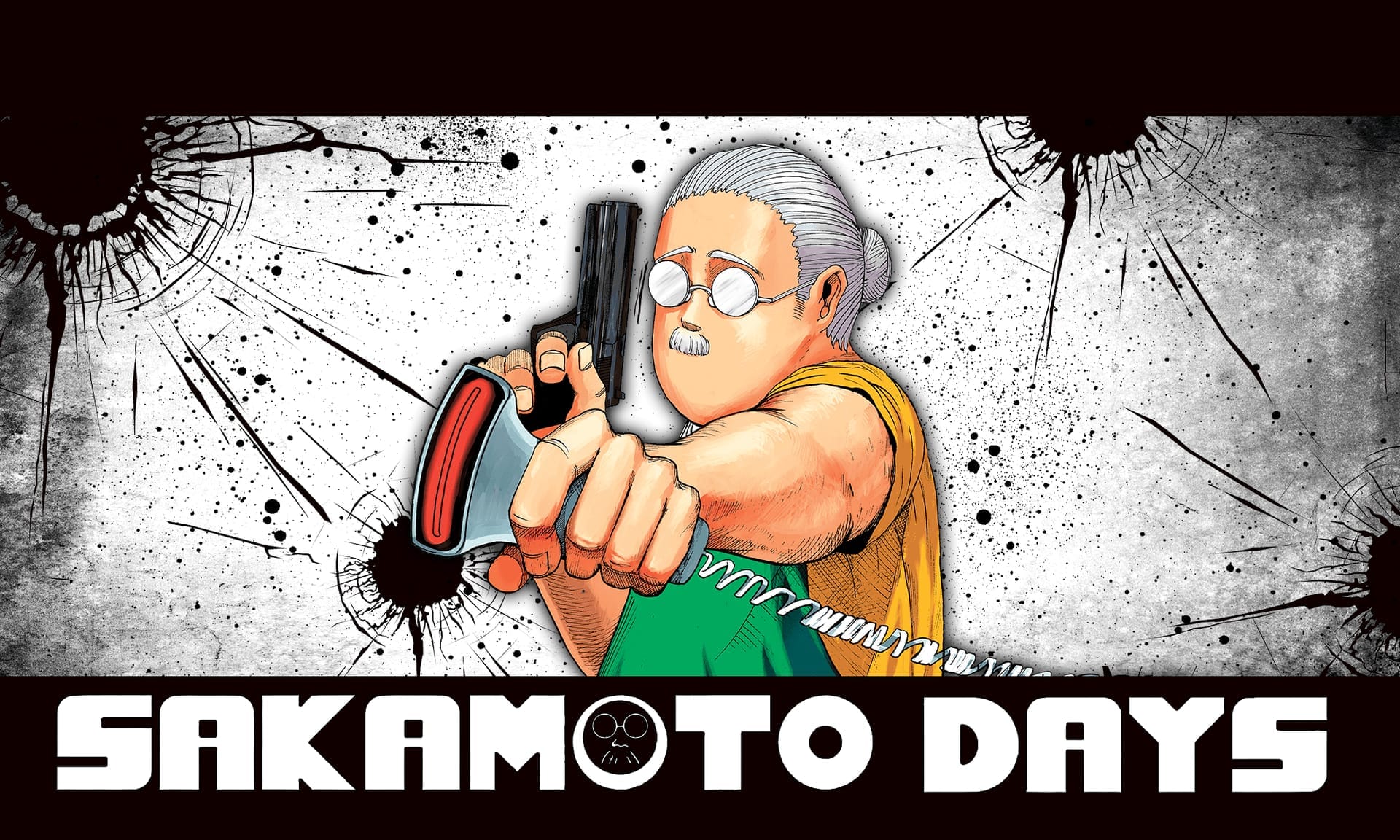
The first season of the Sakamoto Days anime gave us the warmup. It introduced us to a retired hitman turned convenience store owner who still had the instincts of a killer and the heart of a dad. It was fun, funny, and surprisingly emotional. But Sakamoto Days Season 2? This is where the show stops playing nice and starts playing for keeps.
We’re talking higher stakes, harder hits, and an assassin organization that makes the Order look like a neighborhood watch. If you’re sleeping on this show, wake up — because the assassination arc is the real deal, and it’s making this the most essential action anime 2026 has produced. This isn’t hyperbole. This isn’t recency bias. This is what happens when a studio nails the source material at exactly the right moment.
From Convenience Store to War Zone — How Season 2 Raises the Stakes
Season 1 was about Sakamoto finding his new normal. Running a store, raising his daughter, occasionally beating down punks who threatened his peace. It was charming, and the action was solid — but it was personal scale. Neighborhood threats. Local problems. Taro Sakamoto was protecting his corner of the world, and that was enough to hook us.
Sakamoto Days Season 2 blows that wide open. The Assassination Arc drags Sakamoto back into the world he tried to leave behind, and it’s not a gentle homecoming. The man who just wanted to sell discounted bentos and watch his daughter grow up is now staring down the barrel of his entire past. Every connection he severed, every killer he outranked, every secret he buried — it’s all coming back, and none of it is happy to see him.
The Taro Sakamoto we meet this season is still the same lovable goofball who’ll stop mid-fight to catch a sale at the supermarket. That hasn’t changed, and thank god for it. But the threats he’s facing now could end everything he’s built. His family, his friends, his peaceful little life — all of it hangs in the balance throughout the assassination arc, and the show never lets you forget what’s on the line.
What makes this work so well is how the show never forgets who Sakamoto is at his core. He’s not fighting because he wants to — he’s fighting because someone threatened his family, and that’s the one thing this man will never tolerate. Every punch carries the weight of a father protecting his world. That emotional core is what transforms good action scenes into ones you’ll remember for years.
Every episode peels back another layer of the assassin underworld. We’re not just seeing random killers anymore; we’re seeing a structured organization with ranks, rivalries, and real motivations. The worldbuilding jump from Season 1 to Season 2 is massive, and it gives every fight actual weight and context. You understand why these people are fighting, what they stand to lose, and what winning actually costs them.
The Assassination Arc — Why This Story Hits Different
Let’s talk about why the assassination arc specifically makes Sakamoto Days Season 2 stand out in a crowded field. Most shonen sequels coast on what worked before. Bigger villains, louder fights, same formula. Bigger power levels, more dramatic transformations, the usual escalation playbook. This arc? It fundamentally changes what the show is about and what it’s capable of.
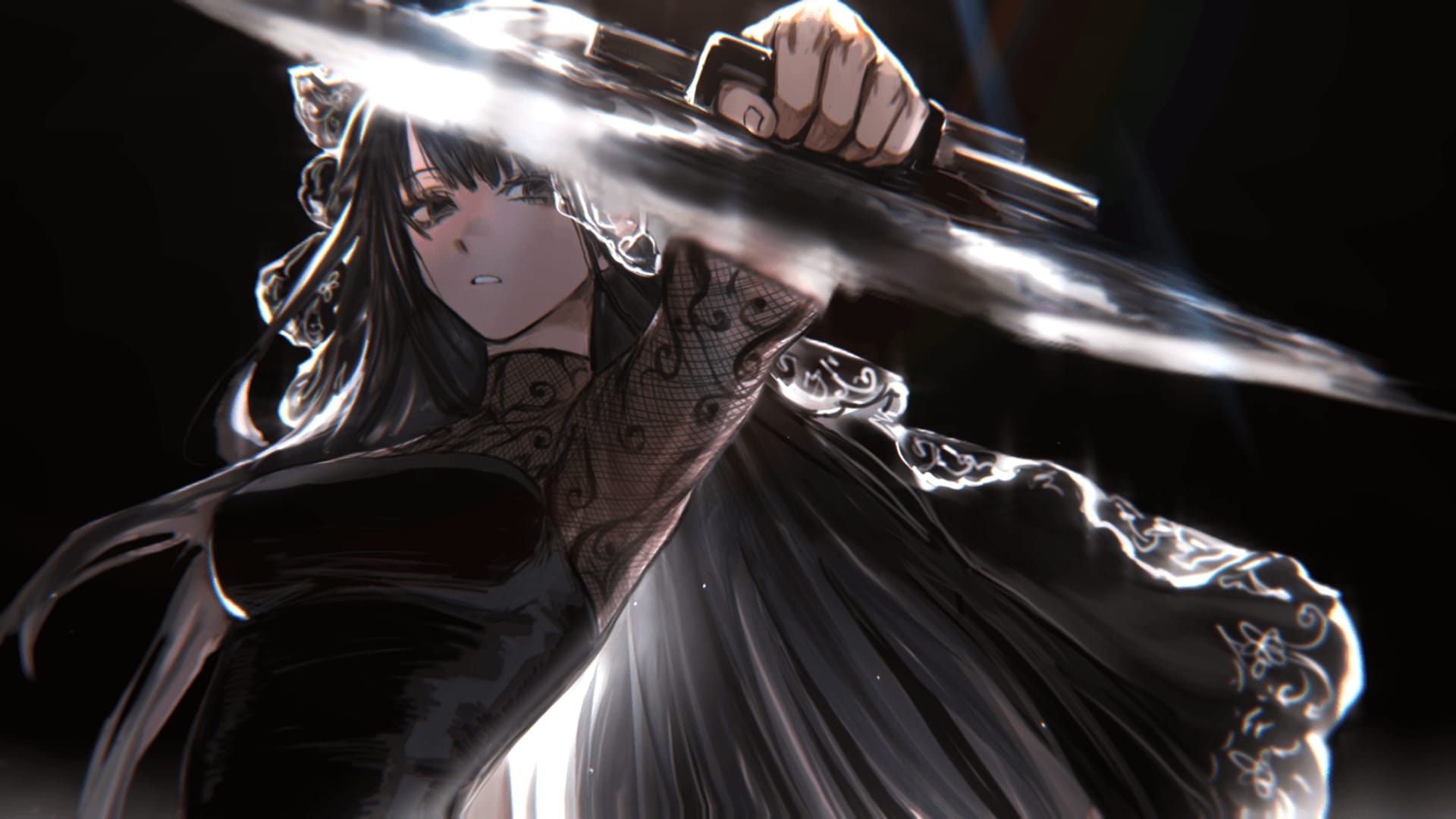
The arc introduces us to threats that aren’t just stronger — they’re smarter. The assassins coming after Sakamoto and his crew have real fighting philosophies, real grudges, and real presence on screen. Every confrontation feels like it matters because the antagonists aren’t throwaway obstacles. They’re people with histories that connect directly to Sakamoto’s past life in the organization. The personal stakes are woven into every single fight.
For manga readers, this arc was always the one that elevated Sakamoto Days from “really good action comedy” to “legitimately great shonen.” The assassination arc is where the manga stopped being a fun diversion and became something you couldn’t put down. Sakamoto Days Season 2 adapts it with precision. The pacing is tighter than Season 1, the emotional beats land harder because we’ve spent a season earning these relationships, and the action sequences? We’ll get to those. But first, let’s talk about the characters carrying this arc.
The storytelling in this arc also deserves praise for how it handles exposition. Instead of dumping information about the assassin organization in long dialogue scenes, Sakamoto Days Season 2 reveals its world organically through fights, character interactions, and small moments that add up to a complete picture. You learn about the hierarchy by watching how different assassins react to each other. You understand the history through how they treat Sakamoto. It’s show-don’t-tell done right, and it keeps the pacing tight.
The New Blood — Heisuke and Nagumo Steal the Show
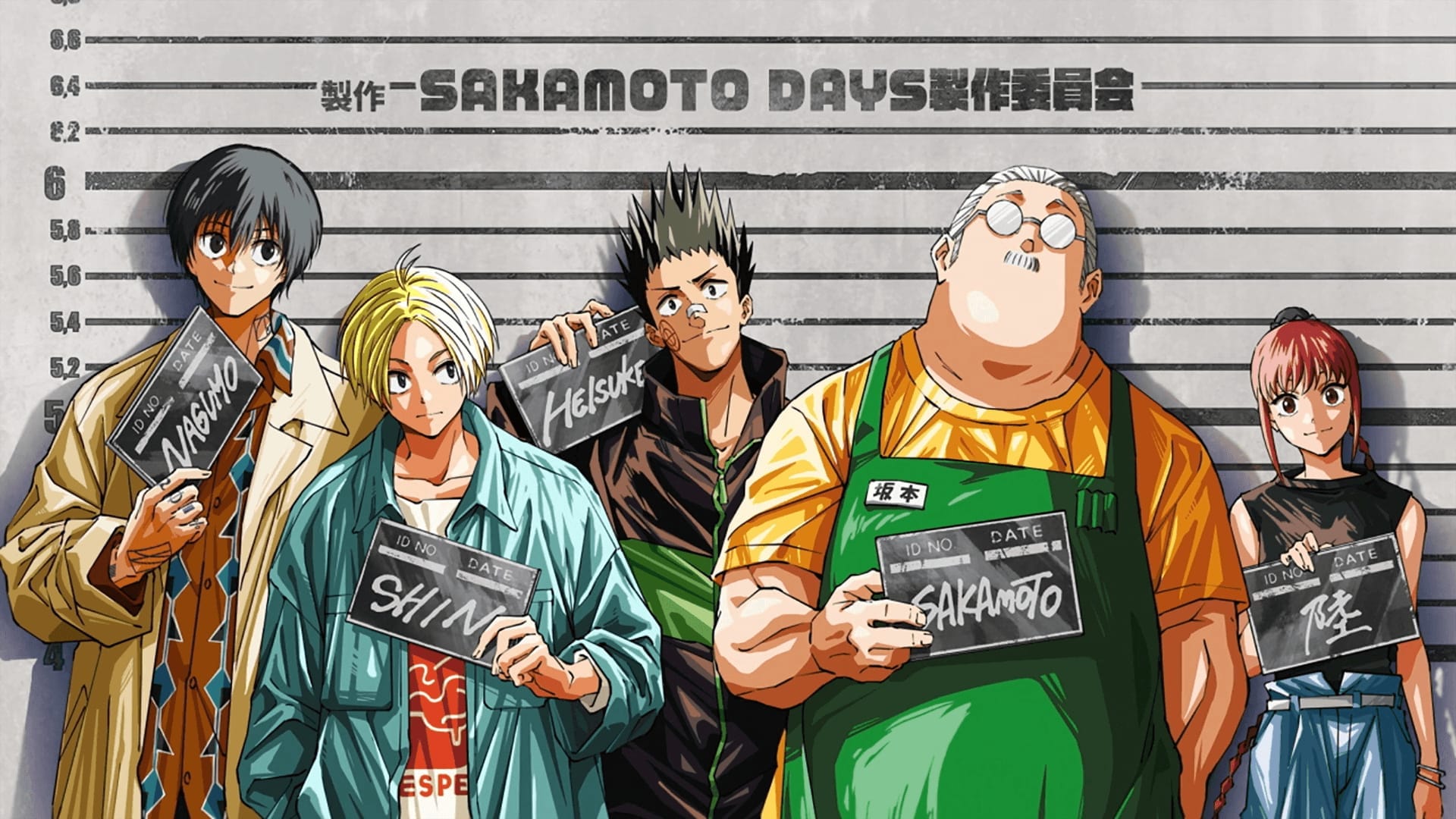
Sakamoto Days Season 2 introduces two characters who immediately become fan favorites: Heisuke and Nagumo. These aren’t just new faces — they’re new dynamics that transform how the entire group operates, and their addition is one of the smartest things this shonen sequel does.
Heisuke brings a wild card energy that the show needed — a sniper with the personality of a stray cat who somehow adopted a family of assassins. His deadpan reactions to absurd situations and his absolute refusal to take anything seriously create a comedic rhythm that balances perfectly with Sakamoto’s dad energy and Shin’s straight-man act. Every scene he’s in gets funnier, and every fight he’s in gets more interesting.
Then there’s Nagumo. If you thought Sakamoto was cool, wait until you see this guy fight. Nagumo operates on a level that shows just how deep the assassin world goes, and his clashes with Sakamoto’s team create some of the most electric moments in the entire Sakamoto Days anime. He’s not just a strong fighter — he’s a mirror showing what Sakamoto could have become if he’d never left the life. That parallel gives every one of their interactions a tension that goes beyond choreography.
The supporting cast from Season 1 gets more to do too. Shin’s mind-reading abilities become genuinely strategic in the assassination arc, used for real tactical advantage rather than just comedic payoff. Lu Shaotang gets fight moments that had me literally cheering at my screen. Season 1 planted seeds; Sakamoto Days Season 2 harvests every single one of them, and the yield is incredible.
Fight Choreography That Puts Everything Else to Shame
Okay, let’s get into the real reason this show claims the title of best action anime 2026 has delivered: the fights. TMS Entertainment went absolutely feral with the animation budget this season, and it shows in every single frame. This isn’t incremental improvement over Season 1 — it’s a generational leap.
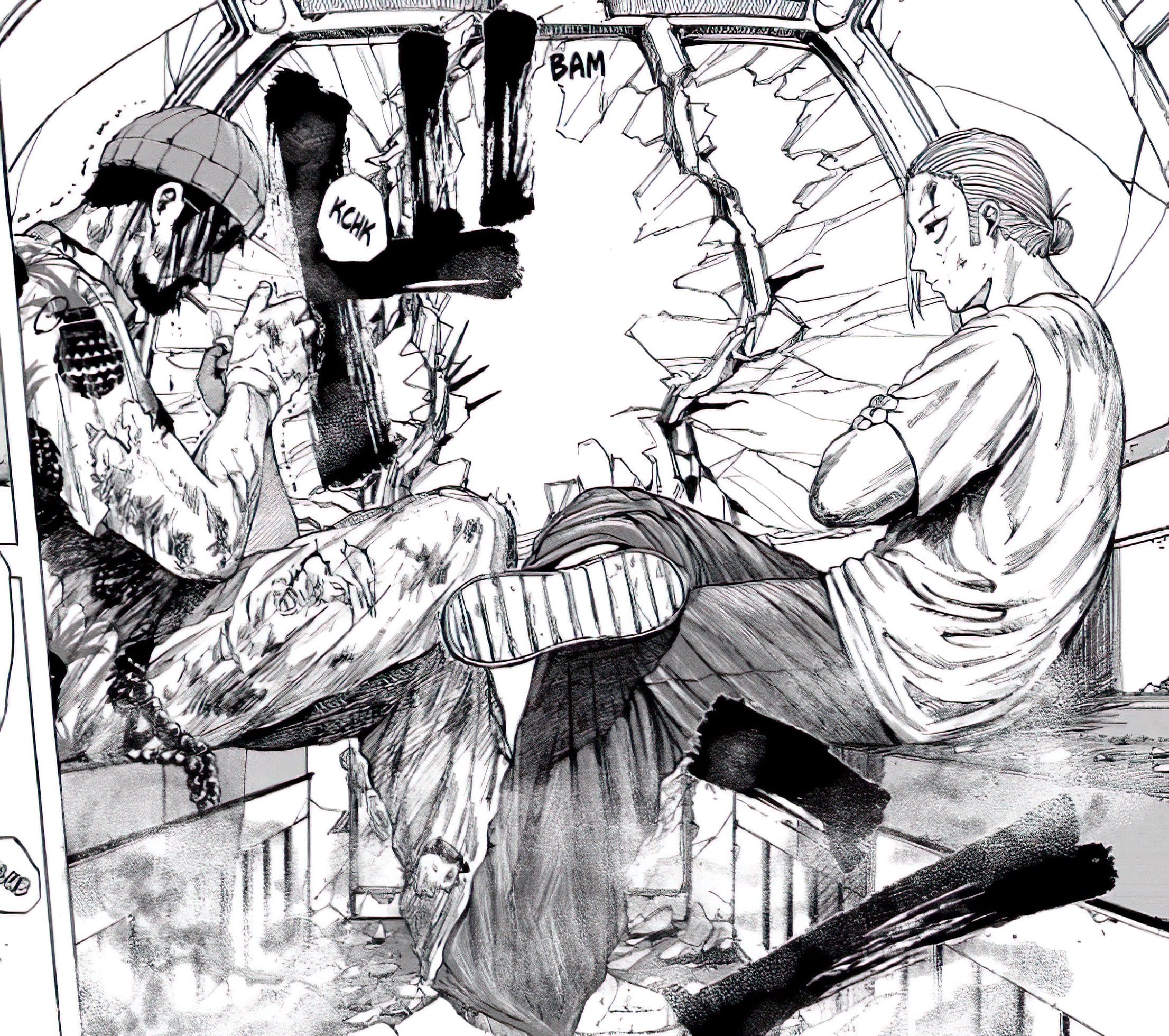
Season 1 had good action. Season 2 has great action. The difference isn’t just frames or budget — it’s creative choreography that uses Sakamoto’s unique fighting style in ways the first season only hinted at. This is a man who turns everyday objects into weapons, who uses his supposed limitations as advantages, and who fights with a kind of improvisational genius that no other shonen sequel comes close to matching.
The way Sakamoto Days Season 2 stages its fights is a masterclass in action direction. Each major encounter has its own identity. There’s no generic trading of blows here — every fight tells you something about who these characters are. One might be a game of chess played at bullet speed. Another could be a pure chaotic brawl where improvisation beats planning. The variety keeps you hooked across every episode.
The animation quality during fight sequences is consistently impressive. We’re talking fluid movement, creative camera angles, and impact frames that actually feel impactful. When Sakamoto hits someone in Sakamoto Days Season 2, you feel it through the screen. The sound design deserves a shoutout too — every punch, kick, and environmental destruction has weight and texture that makes the fights feel physical in a way most anime can’t match.
What really sets the fights apart is how they’re rooted in character. Every major brawl tells a story about who these people are and what they care about. Nagumo fights like water — flowing, impossible to pin down, reflecting whatever comes at him. Heisuke’s sniper precision contrasts with his chaotic personality in ways that are both funny and terrifying. And Taro Sakamoto? He fights like a man who doesn’t want to fight at all, which somehow makes every hit more devastating. It’s the contradiction that makes him compelling.
Compare this to Chainsaw Man Season 2’s International Assassins Arc, which is also delivering strong action this year. Both shows go hard on visceral combat, but Sakamoto Days Season 2 layers its fights with a comedic timing and character-driven creativity that makes each sequence feel fresh in a way pure brutality can’t match. They’re both great — but Sakamoto has more tricks up its sleeve.
Comedy Meets Carnage — The Signature Blend That Works
Here’s what makes Sakamoto Days Season 2 special in a way no other show in 2026 can replicate: it’s genuinely funny while being genuinely intense. Most anime pick a lane. Either you’re a comedy with some fights, or you’re an action show with occasional gags. Sakamoto Days refuses to choose, and that refusal is its greatest strength.
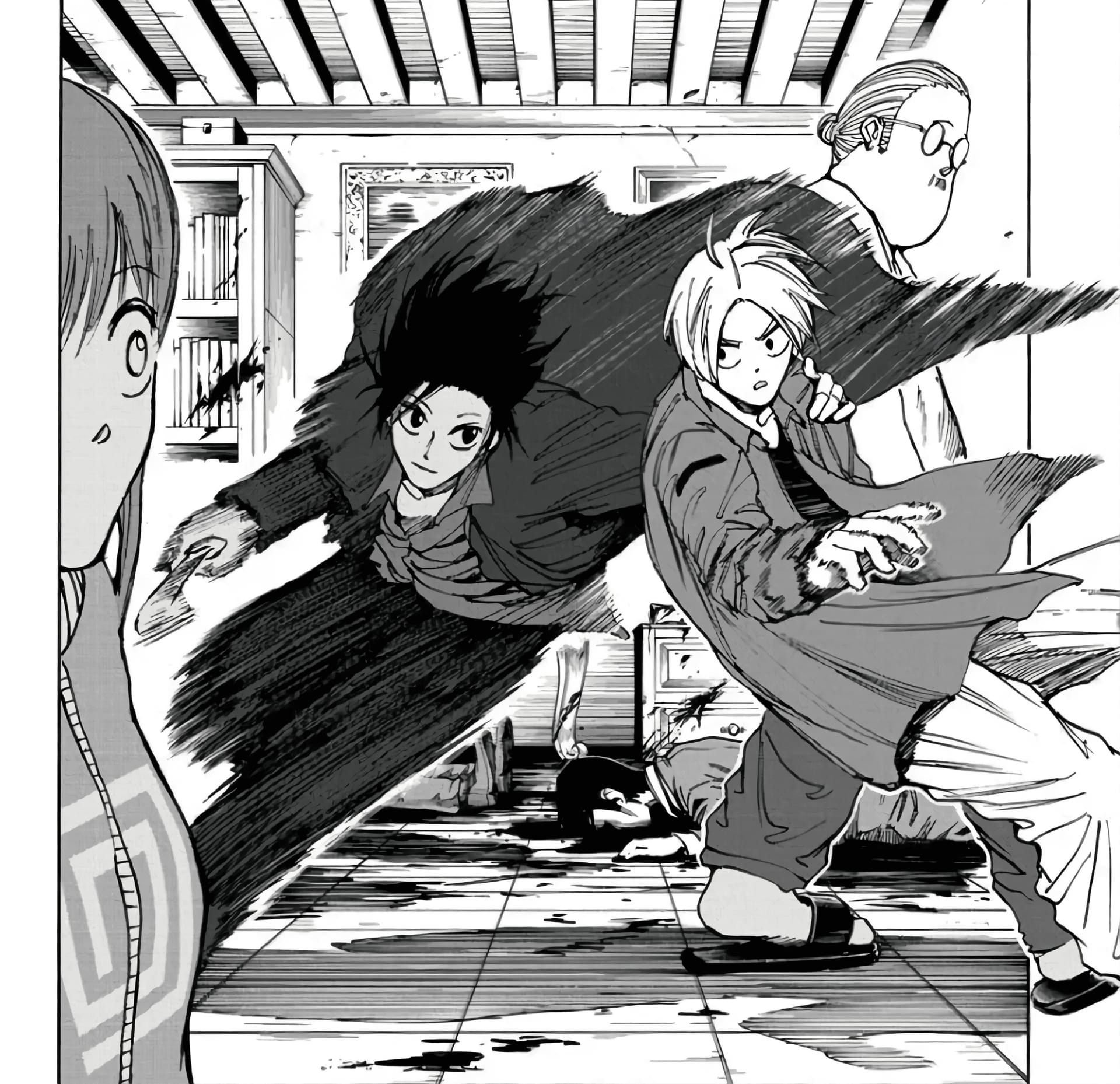
The humor in Season 2 isn’t just relief between serious moments. It’s woven into the DNA of every fight and every character interaction. Sakamoto pausing mid-assassination attempt to catch a supermarket special? That’s not a break from the tension — it is the tension. It tells you everything about who this man is and what he’s fighting for, while also making you laugh out loud. The joke and the character development are the same moment.
This blend works because the show never undermines its own stakes for a joke. The threats in the assassination arc are real. People can get hurt. When Sakamoto jokes around during a fight, it doesn’t deflate the danger — it amplifies his character. You believe this guy could end anyone in the room, and you also believe he’d rather be buying discounted bento boxes. That contrast is the soul of Sakamoto Days Season 2, and no other show this year is doing anything like it.
Even the side characters get moments that balance comedy and action perfectly. Shin’s deadpan reactions to absurd situations, Lu’s chaotic fighting style that’s somehow effective despite looking like a disaster, Heisuke’s complete inability to read a room — every gag serves the story and deepens our understanding of who these people are. Compare this to Blue Lock Season 2, which plays its intensity dead straight. Both approaches work, but Sakamoto’s tonal flexibility gives it an edge in replayability and pure entertainment value that’s hard to beat.
Manga vs Anime — Does the Adaptation Do Justice?
Let me address the manga readers in the room, because I know you’re out there and I know you’re nervous. If you’ve been following the source material, you already know the assassination arc is peak Sakamoto Days. The question is whether the anime captures what makes these chapters special on the page — and whether it adds anything worth your time.
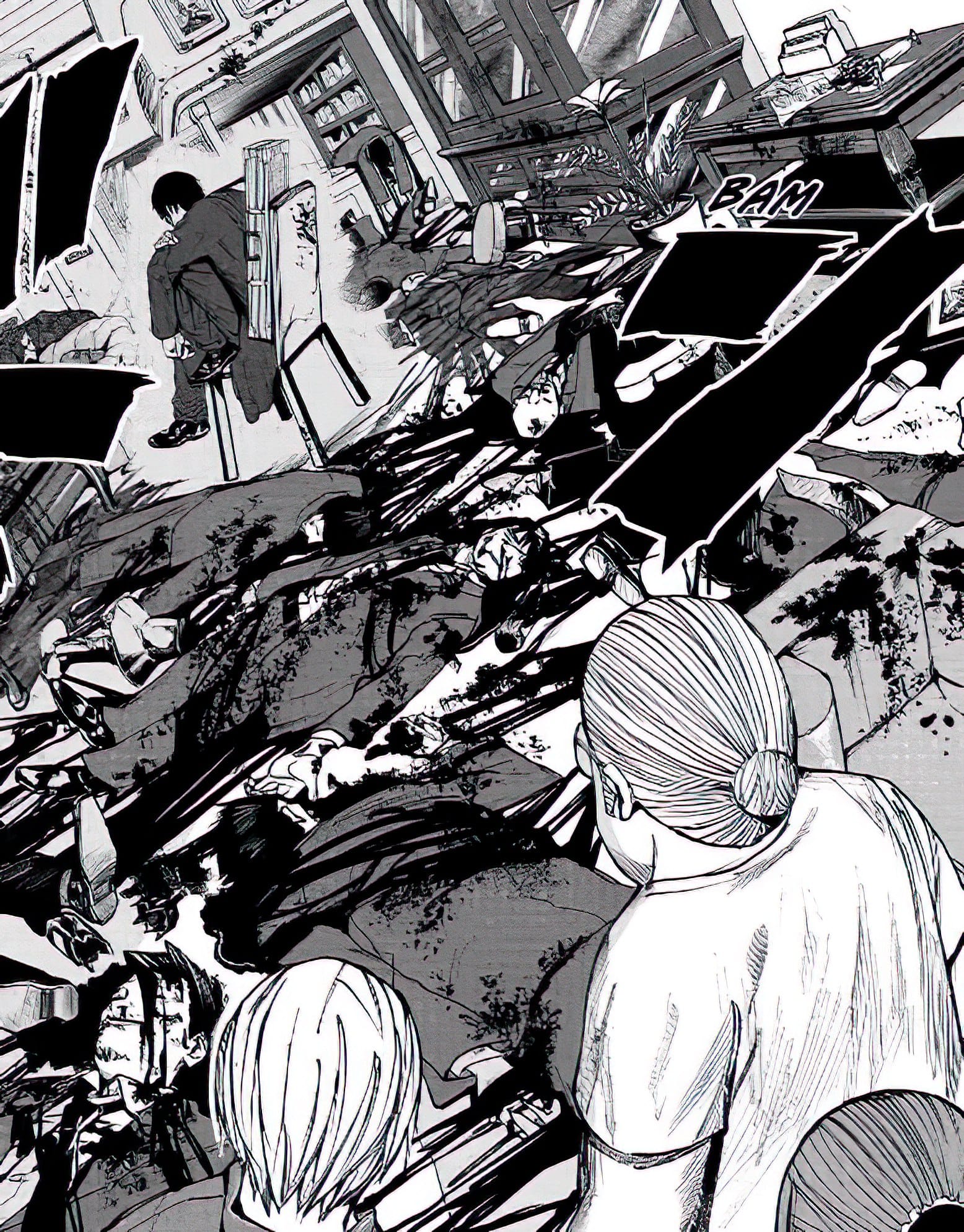
Short answer: yes, and then some. TMS Entertainment clearly understands the assignment. The fight choreography adds dimensions that static manga panels can’t — the fluid movement, the timing of comedic beats, the way sound design sells every gag and every hit. Sakamoto Days Season 2 isn’t just a faithful adaptation; it’s an enhancement that makes you experience familiar moments in new ways.
The voice acting deserves special mention here. The cast brings so much personality to these characters that reading the manga feels different after you’ve heard them speak. Sakamoto’s gruff-but-gentle delivery, Shin’s deadpan line readings, Lu’s chaotic energy — they’re all pitch-perfect. Sakamoto Days Season 2 clearly cast people who love these characters, and it shows in every scene.
That said, there are always going to be purist complaints. Some minor gags got trimmed for pacing. A few establishing shots from the manga didn’t make the cut. But these are quibbles, not dealbreakers. The core of what makes the assassination arc work — the character dynamics, the escalating stakes, the perfect blend of humor and action — all translate beautifully to the screen.
For anime-only viewers, you’re in for an absolute treat. Sakamoto Days Season 2 doesn’t require manga knowledge to hit hard. The show does a great job of establishing context for returning elements and making new characters immediately compelling. If anything, going in blind might be better — the reveals in this arc hit differently when you don’t see them coming. Check out the series on Crunchyroll if you haven’t started yet.
And if you want more on why Taro Sakamoto works so well as a protagonist, our deep dive into what makes him such a refreshing shonen lead covers the foundation that Season 2 builds on so effectively.
The Assassin Organization — Worldbuilding That Actually Matters
One of the biggest leaps between Season 1 and Sakamoto Days Season 2 is the worldbuilding. The first season hinted at a larger assassin ecosystem — other killers, an organization, a world beyond Sakamoto’s neighborhood. Season 2 delivers on every single promise and then some, expanding the scope in ways that feel earned rather than forced.

The assassin organization in the assassination arc isn’t just a vague shadow council pulling strings from the darkness. It has structure, culture, and internal politics that feel lived-in and real. Different ranks mean different fighting styles and different levels of authority. Regional affiliations create alliances and rivalries that shape how conflicts unfold. Even the way assassins communicate has its own logic and rules that the show respects consistently.
This matters because it transforms every fight from a random encounter into a statement about the world. When Taro Sakamoto faces off against a ranked assassin, we understand what that rank means. We know the threat level. We can feel the weight of Sakamoto’s own history within this system. Every fight carries narrative information, not just cool choreography.
It’s the kind of worldbuilding that Kaiju No. 8 Season 2 also attempts with its Defense Force hierarchy, but Sakamoto Days Season 2 executes it with more confidence and less exposition. Where other shows would stop the action to explain how their organizations work, Sakamoto Days reveals its world through behavior. You learn by watching, not by being told, and that makes every detail feel earned rather than dumped on you.
The organization also creates natural story hooks for future arcs. Rivals within the ranks. Former colleagues of Sakamoto who remember him differently. Power vacuums waiting to be filled. Every new assassin introduced in Sakamoto Days Season 2 isn’t just a fight of the week — they’re a door to future stories and future conflicts. This is how you build a shonen sequel that expands the universe without losing what made the original work in the first place.
How Season 2 Stacks Up Against 2026’s Heavy Hitters
Let’s be real — 2026 is stacked for action anime. Chainsaw Man Season 2 is bringing the International Assassins Arc with all its chaotic energy. Blue Lock Season 2 is going full psychological warfare in the Neo Egoist League. Kaiju No. 8 Season 2 is delivering on the Gen Narumi front that fans have been waiting for. It’s a war zone out there, and every show is bringing its A-game.
But Sakamoto Days Season 2 earns the top spot among these heavy hitters for one simple reason: range. Chainsaw Man does brutality incredibly well. Blue Lock owns psychological intensity. Kaiju No. 8 nails underdog determination. Each of these shows excels at one thing and commits to it fully. But Sakamoto Days Season 2 does all of these things while also being genuinely, consistently funny. It’s the most versatile action anime 2026 has seen, and that versatility makes it the most rewatchable show on this list.
The fight choreography alone would put Sakamoto Days Season 2 in the conversation. Add in the character work that makes you care about every person on screen, the humor that never gets old even on repeat viewings, the worldbuilding that expands without overwhelming, and the genuine emotional stakes that make every victory feel earned — and you’ve got a show that doesn’t just compete with its peers. It sets a new standard for what a shonen sequel can accomplish when the creative team is firing on all cylinders.
There’s also something to be said for the show’s pacing. As we’ve discussed regarding the shift toward shorter, tighter anime seasons, the industry is learning that less filler means better stories. Sakamoto Days Season 2 benefits from this trend enormously — every episode matters, every fight advances something, and there’s zero padding. When you only have so many episodes, you make each one count, and that discipline shows in the final product.
Why You Need to Be Watching This Right Now
Look, I’ll keep it simple because I’ve been saying this in different ways for the whole article and I mean every word. Sakamoto Days Season 2 is the kind of anime that reminds you why you started watching anime in the first place. It’s fun. It’s intense. It has characters you actually care about fighting battles that actually matter. And it does all of this while making you laugh out loud at least twice per episode. That’s a rare combination.
The assassination arc is the moment this show goes from “really good” to “essential viewing.” It’s the arc that justifies every bit of hype the Sakamoto Days anime has generated since Season 1 premiered. It takes everything Season 1 established — the lovable characters, the sharp comedy, the surprisingly deep action — and cranks every dial past eleven. The result is a show that doesn’t just meet expectations but demolishes them entirely.
Whether you’re a manga reader who’s been waiting to see these fights animated with the budget they deserve or an anime-only viewer experiencing the assassination arc for the first time, Sakamoto Days Season 2 delivers. This isn’t just the best action anime 2026 has produced — it’s the one that’ll stick with you long after the year ends. The characters, the fights, the laughs, the moments that make you pump your fist — they’re all here, and they’re all firing at the highest level.
Don’t wait. Go watch it. Then come back and tell me I’m right. I’ll be here, probably rewatching the Nagumo fights for the twentieth time.
You Might Also Enjoy
If Sakamoto Days Season 2 has you hooked on great action anime, check these out:
- Why Taro Sakamoto Is the Most Refreshing Protagonist in Shonen — The character foundation that makes Season 2 hit so hard
- Chainsaw Man Season 2: International Assassins Arc Analysis — The other assassin anime dominating 2026
- Blue Lock Season 2: Neo Egoist League Analysis — Psychological intensity meets sports anime perfection
- Kaiju No. 8 Season 2: Gen Narumi and the Defense Force — Another 2026 sequel raising the bar
- The Shonen Anime Revolution: Why Shorter Seasons Win — How tighter pacing is changing the genre for the better