Why Blue Lock Season 2 Hits Different
If you thought the original Blue Lock project was ruthless, Blue Lock Season 2 cranks the dial until the knob snaps off. The Neo Egoist League isn’t just another tournament arc — it’s a complete reinvention of what a sports anime can do with stakes, philosophy, and character conflict. Every match carries real consequences. Every goal rewrites the hierarchy. And Isagi Yoichi isn’t just surviving anymore; he’s building something terrifying. This second season doesn’t just continue the story — it detonates the framework and rebuilds something sharper.
Season 1 gave us the blueprint — 300 strikers fighting for survival in a closed facility. But the second season takes that blueprint and sets it on fire. The Neo Egoist League strips away the safety nets and throws these players into professional football with real clubs, real reputations, and real relegation on the line. This is the arc that makes Blue Lock Season 2 impossible to ignore, even if you’ve never cared about soccer anime before.
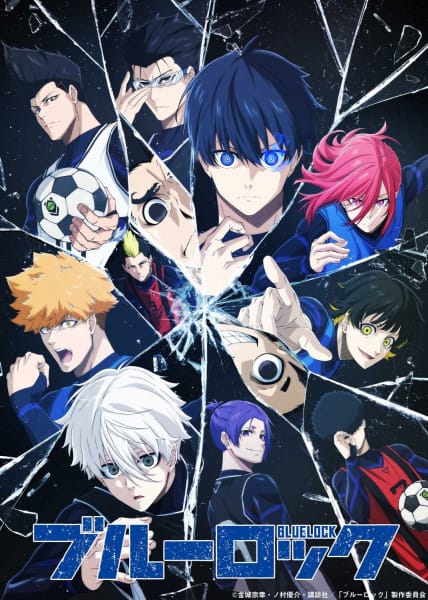
Let’s break down exactly why the NEL arc is the most intense stretch of sports anime in recent memory — and why it deserves a permanent spot in your watchlist.
What Is the Neo Egoist League?
The Neo Egoist League is the next phase of Jinpachi Ego’s twisted experiment — and it’s way bigger than anything Blue Lock attempted before. Instead of isolated matches inside a training facility, the remaining strikers get drafted into five professional football clubs across Europe. We’re talking real-world-style leagues, with points tables, promotions, and relegations that actually mean something.
Five teams. Five different philosophies. Five different styles of football. The NEL structure forces every player to adapt or die. You can’t just be fast or just be technical — you have to evolve week after week against opponents who are doing the same thing.
Here’s what makes the NEL structure so compelling: each club represents a different football philosophy. Bastard München plays possession-based German efficiency. Paris X Gen embodies French flair and individual brilliance. Manshine City channels English physicality. FC Barcha runs Spanish tiki-taka. And Ubers brings Italian defensive mastery. These aren’t just palette swaps — each team demands a completely different approach from the strikers placed there. The variety keeps the NEL fresh match after match.
The relegation system is what seals it. Bottom performers don’t just lose — they get cut from the program entirely. There’s no bench to ride, no second-string consolation prize. Every match carries the weight of a career ending or beginning. That pressure bleeds through the screen in every episode.
And the ripple effects matter beyond individual matches. A striker who dominates in Week 1 can be fighting for survival by Week 4. The table shifts, the stakes compound, and Blue Lock Season 2 never lets you forget that the ground beneath these characters’ feet is always shifting. The NEL isn’t a single moment of glory — it’s a grinding test of consistency under pressure.
Isagi Yoichi: From Survivor to Architect
If Season 1 was Isagi learning to see the field, Blue Lock Season 2 is Isagi learning to reshape it. The Neo Egoist League forces him into a new role — not just a striker who reacts, but one who dictates. His “spatial awareness” evolves from passive observation into active manipulation. He doesn’t just find space anymore; he creates it, baits it, and weaponizes it. This is where Isagi Yoichi stops being a protagonist who wins through determination and starts being one who wins through genuine tactical intelligence.
Watching Isagi at Bastard München is a masterclass in character escalation. He arrives as the underdog again, surrounded by strikers who are faster, stronger, and more technically gifted. But his football IQ — that ability to read the game three moves ahead — becomes his most dangerous weapon. Isagi stops being reactive and starts being the player who pulls strings.
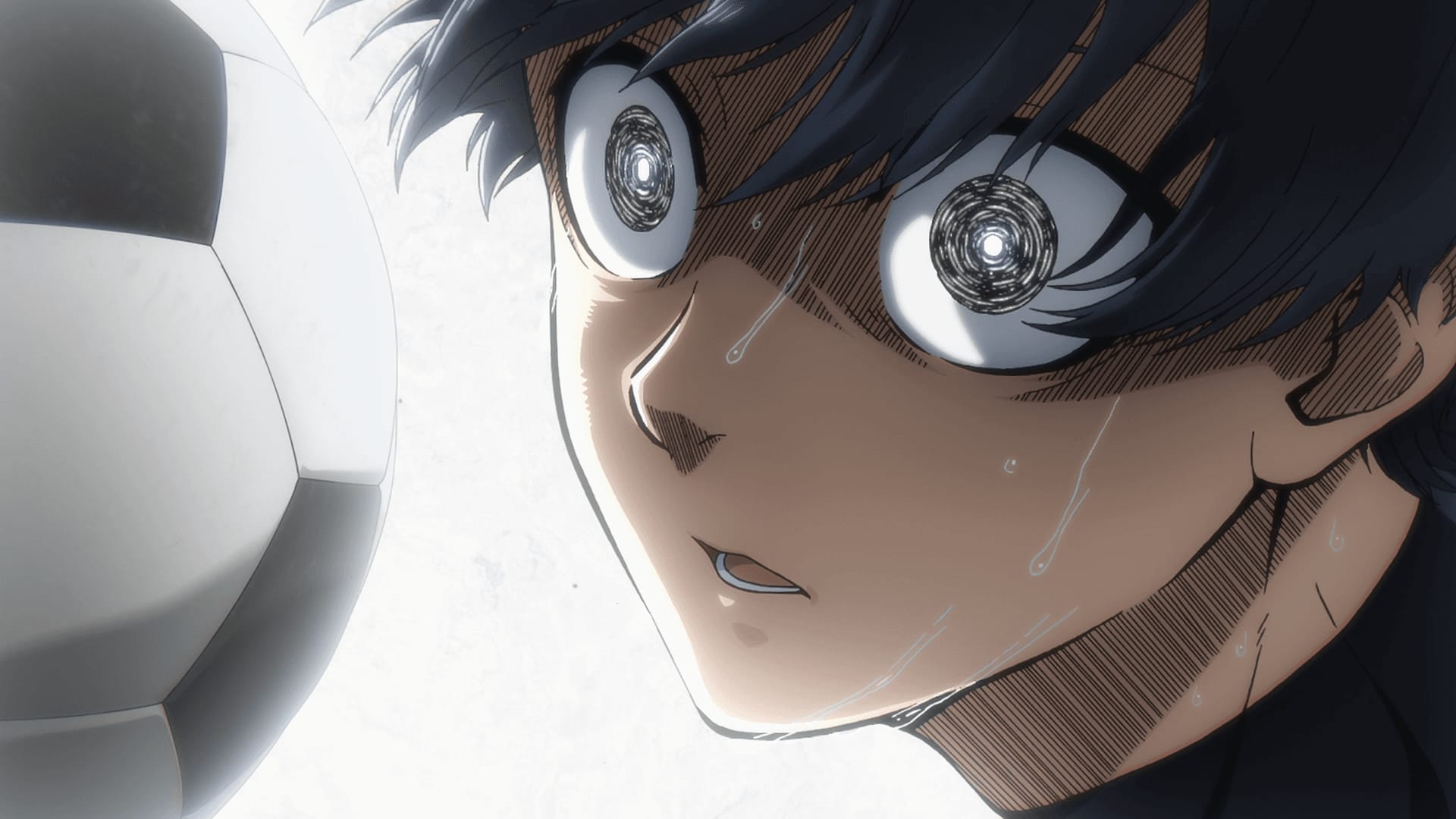
The beautiful tension in Isagi’s arc is that his growth keeps pulling him toward the same question: how far will you go to be the best? Every time he levels up, the cost becomes clearer. He’s not just outplaying opponents — he’s outthinking them, and that distance between his body and his mind creates real drama. The Blue Lock anime refuses to let Isagi coast. Every breakthrough comes with a new wall to smash through.
And then there’s the leadership angle. Placed in a professional squad with genuine teammates, Isagi has to figure out how to lead without a whistle around his neck. He can’t just be the smartest player on the pitch — he has to make others better while still feeding his own ego. That duality is what makes his NEL arc so satisfying to watch unfold. Blue Lock Season 2 understands that the most compelling character development happens in contradiction.
Isagi’s partnerships within Bastard München also reveal new facets of his personality. He’s not just adapting to opponents — he’s adapting to allies who don’t automatically trust his reads. Earning that trust, building those on-pitch connections, and still staying true to his ego-first philosophy? That’s the tightrope Blue Lock Season 2 makes him walk, and watching him find his balance is some of the most satisfying character work in the series.
The Rivalries That Define the NEL
A sports anime lives and dies on its rivalries, and the NEL arc delivers some of the most electric ones in the genre. The Neo Egoist League isn’t just about winning matches — it’s about personal grudges playing out on the biggest stage these characters have ever seen.
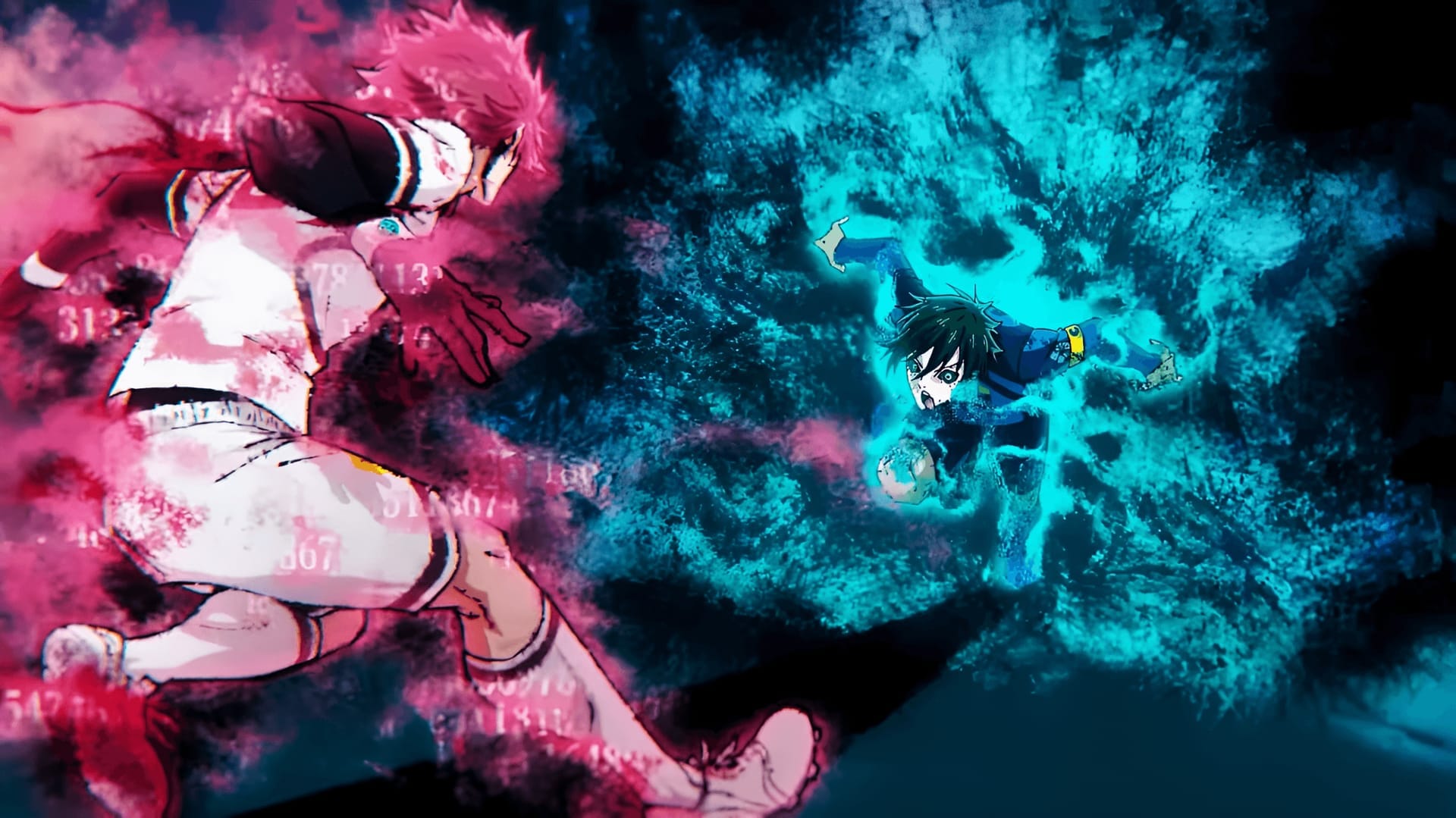
Rin Itoshi remains the measuring stick. His move to Paris X Gen isn’t just a team assignment — it’s a declaration. Rin doesn’t want to survive the NEL; he wants to dominate it so thoroughly that no one can question his supremacy. Every time Rin and Isagi’s paths cross, the screen crackles with tension. The best rivalries aren’t about hating each other — they’re about making each other impossible to ignore.
But the NEL isn’t just a two-man show. Barou Shouei at Manshine City is on a warpath, transforming from a selfish striker into something more terrifying — a player whose ego has evolved into genuine physical dominance. Nagi Seishiro at FC Barcha continues to be the most unpredictable wild card in the series, pulling off moments of genius that shouldn’t be possible for someone who looks like he’d rather be asleep. These supporting arcs give the NEL depth beyond the Isagi-Rin rivalry.
And the new faces matter too. The professional players on each NEL squad aren’t cannon fodder — they’re benchmarks. Every established pro Isagi faces shows him how far he still has to climb. The matches this season expand the world beyond the facility, reminding us that the real football universe doesn’t care about Ego’s experiment. You earn everything or you get nothing.
The rivalries in the NEL also benefit from the longer format. In a single-elimination tournament, you get one shot at someone. In a league, you get rematches, grudge matches, and the slow burn of watching two players track each other across weeks of competition. Blue Lock Season 2 uses that structure to build tension that compounds rather than peaks and drops. By the time Isagi and Rin face off again, the weight of everything that came before makes the confrontation feel inevitable and earned.
Animation and Direction: Studio 8bit Levels Up
Let’s talk about the production, because the second season makes some serious visual leaps. Studio 8bit took the feedback from Season 1’s rougher episodes and came back swinging. The character animation is more consistent, the match choreography flows better, and the signature “vision” sequences — those moments where Isagi’s spatial awareness kicks in — have been refined into something genuinely striking. The visual upgrade isn’t just cosmetic; it changes how the matches feel moment to moment.
The NEL matches benefit enormously from the new setting. Instead of the same indoor courts and training grounds, the second season gives us proper stadiums with atmosphere, crowds, and weather. Rain-soaked pitches. Stadium lights cutting through evening air. These environmental details might seem small, but they add a layer of legitimacy that the facility matches never had. The production team clearly understood that this needed to feel like professional football, not a training exercise.
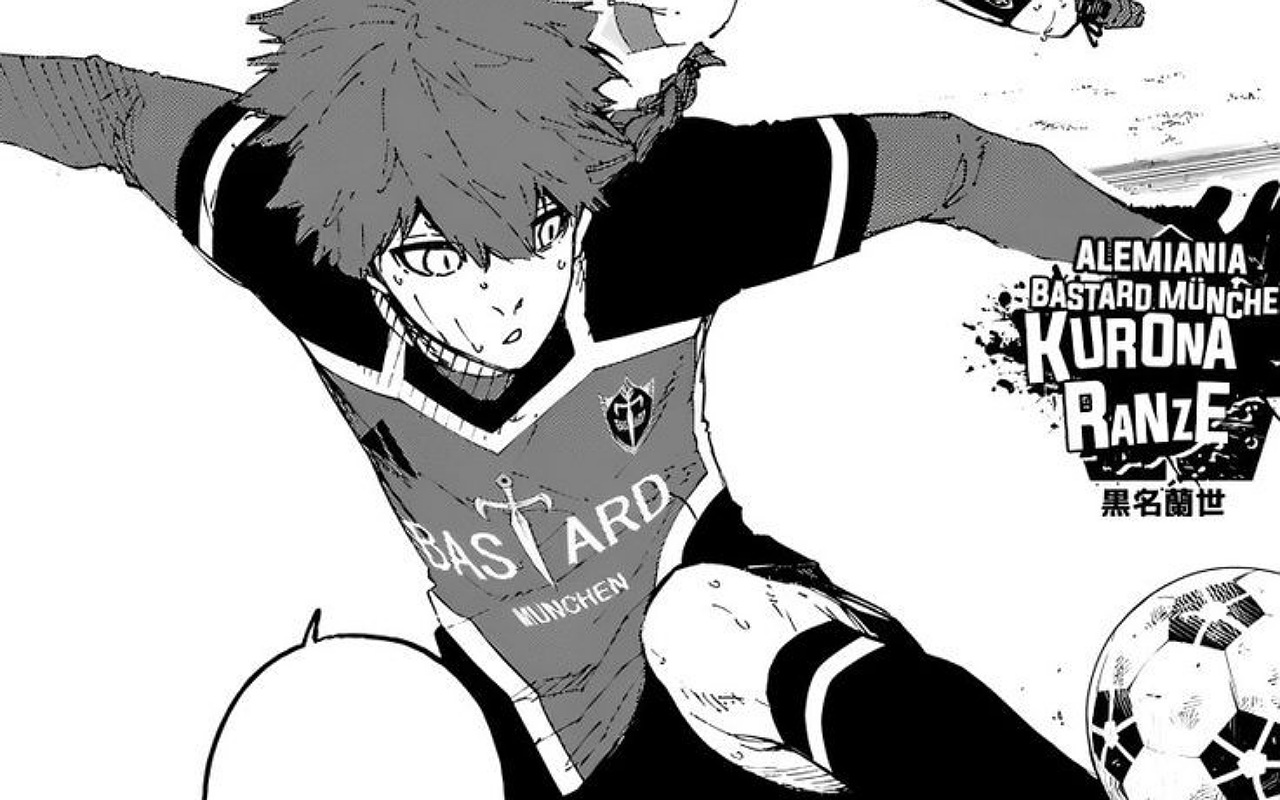
The motion during key plays has improved noticeably. When a character pulls off a signature move — Isagi’s direct shot, Rin’s curved run, Barou’s chop dribble — the camera work and timing sell it. The show isn’t afraid to slow down for impact or quick-cut to sell speed. The editing in the matches feels more intentional than Season 1, which sometimes leaned too hard on still frames during fast sequences.
Is it perfect? No. Some episodes still dip in quality during transition scenes, and a few background characters look like they wandered in from a different show. But the important moments — the goals, the confrontations, the emotional beats — are rendered with real care. And for a soccer anime, that’s exactly where the budget should go. According to MyAnimeList, fan ratings reflect that improvement, with the NEL arc scoring consistently high among viewers who stuck around after Season 1.
The sound design deserves a shout too. Stadium ambience, the thud of boots on grass, the crowd reactions that swell at exactly the right moments — these aren’t groundbreaking techniques, but they’re executed with enough consistency that the matches in Blue Lock Season 2 feel like events, not just animated sequences. When a goal goes in, the audio-visual payoff is genuinely satisfying, which is the bare minimum for a soccer anime and still something plenty of shows in the genre get wrong.
How the NEL Compares to Other Sports Anime Arcs
Here’s the bold claim: the Neo Egoist League is the most intense arc in modern sports anime. And yeah, I know that’s a heavy statement when Haikyuu’s Nationals and Kuroko’s Winter Cup exist. So let’s actually compare them — because Blue Lock Season 2 earns this distinction, and the reasoning matters.
Haikyuu’s Nationals arc is beautiful because of the emotional investment. You’ve spent seasons with Karasuno. Every point matters because you know these characters. But the stakes are fundamentally school-level. Lose, and you go home. Cry. Train harder. Try again next year. The best anime fight choreography lives in these moments, but the consequences are contained.
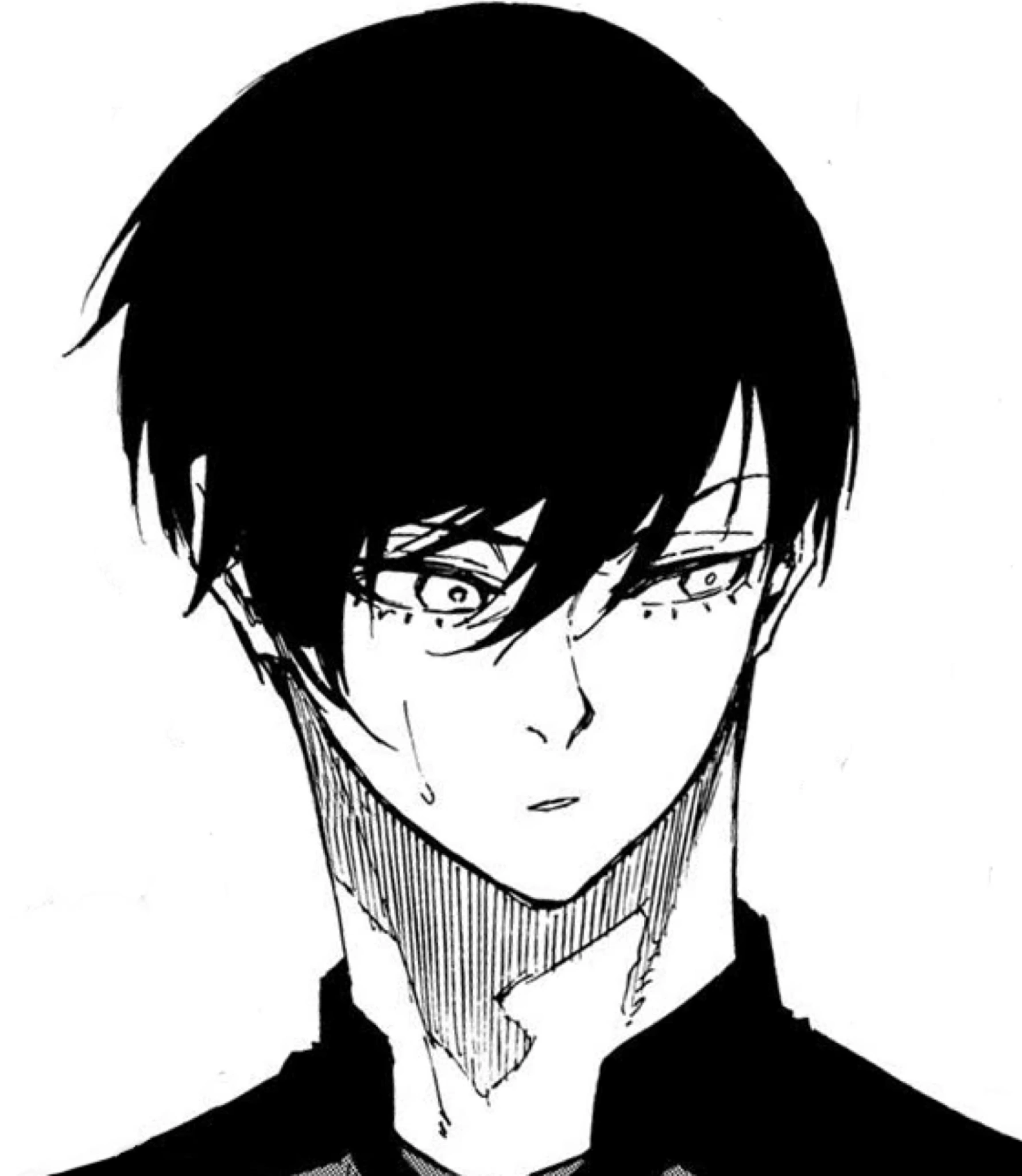
Kuroko’s Winter Cup raises the bar with mid-game power escalations and increasingly absurd special moves. It’s thrilling, no question. But the absurdity is also its ceiling — once you’ve seen someone shoot a three-pointer from half court with their eyes closed, where do you go? The Winter Cup peaks hard but doesn’t leave much room for grounded tension.
The Neo Egoist League operates on a different axis entirely. The stakes aren’t just “will we win this game?” They’re layered: professional relevance, career survival, philosophical identity. Every player in the NEL is fighting for their future, not just their season. That compression of consequence makes every episode feel loaded in a way that school tournaments simply can’t match. The show understood this from the jump — the NEL wasn’t designed to be comfortable.
And then there’s the structural innovation. The NEL doesn’t follow a single bracket — it follows a league. That means characters can lose and still have storylines. Teams can rise and fall across multiple episodes. The format allows for sustained tension rather than isolated peaks, which is why the NEL feels like it’s constantly escalating rather than building toward a single climax. For more on how anime formats are evolving, check out our breakdown of the shonen anime revolution and shorter seasons.
This isn’t to knock Haikyuu or Kuroko — those arcs are legendary for good reason. But Blue Lock Season 2 is doing something structurally different, and that difference is what puts the NEL in a conversation of its own. The league format means there’s no reset button. No “next year.” Every match builds on the last, and the consequences stack. That’s rare in sports anime, and it’s worth recognizing.
The Philosophy: Egoism, Teamwork, and the Space Between
This is where the Blue Lock anime separates itself from every other soccer anime — and most sports anime, period. The show isn’t just asking “who’s the best striker?” It’s asking a much more uncomfortable question: can you truly grow as an individual while being part of a team? Blue Lock Season 2 doesn’t flinch from the answer.
The original Blue Lock project was built on a simple premise: Japanese football fails because players prioritize harmony over ambition. Ego’s whole experiment strips away the collective and forces individual brilliance. But the Neo Egoist League complicates that thesis immediately. You can’t win professional matches alone. You can’t survive relegation by being the most selfish player on the pitch. The moment the NEL introduces real teams with real consequences, the original experiment’s logic starts to crack — and Blue Lock Season 2 is smart enough to lean into that tension rather than patch it over.
The second season lives in that tension. Isagi has to learn when to trust teammates and when to override them. Rin has to figure out whether his isolation makes him stronger or just alone. Barou discovers that his “king” mentality might actually be a ceiling, not a foundation. The NEL forces every character to confront the gap between what Ego preached and what actually works on a real football pitch.
This philosophical layering is what makes the NEL arc so rewatchable. On the surface, it’s thrilling football action — fast breaks, last-minute goals, heated confrontations. But underneath, Blue Lock Season 2 is running a continuous argument about the nature of ambition itself. Is ego a tool or a trap? Can you build something lasting from pure self-interest? The show doesn’t hand you easy answers, and that’s exactly why it resonates with viewers long after the credits roll.
The anime also draws from real football philosophy in ways that reward knowledgeable viewers. The possession style at Bastard München echoes Pep Guardiola’s positional play. The defensive structure at Ubers mirrors classic Catenaccio principles. The series isn’t just name-dropping tactics — it’s integrating genuine football theory into character arcs and match outcomes. That authenticity matters, especially for a soccer anime that wants to be taken seriously by football fans. The show respects the sport enough to get the details right while still delivering explosive entertainment.
Key Matches That Define the Arc
The Neo Egoist League isn’t a single match — it’s a marathon. But certain games stand out as turning points that reshape the entire arc. These are the matches that define the NEL arc and justify every minute of buildup.
Bastard München vs. Paris X Gen is the obvious headliner. Isagi vs. Rin, two philosophies colliding on a professional pitch, with their entire history feeding into every touch. This match is where the season proves it can deliver on the promise of the NEL structure — professional stakes with personal fire. The tactical cat-and-mouse between Isagi’s adaptability and Rin’s relentless precision is some of the best match writing in the series.
Manshine City vs. Bastard München forces Isagi to face Barou’s evolution. This isn’t the same Barou from the facility — he’s refined his physical dominance into something almost surgical. The contrast between Isagi’s mental approach and Barou’s raw power creates a match that’s as much about ideology as it is about goals. It’s a clash that proves physical and intellectual evolution aren’t mutually exclusive — they’re both valid paths to dominance.
And don’t sleep on the early NEL matches where the Blue Lock anime strikers are still finding their footing in professional squads. Those episodes establish the power gap between the facility and the real world. Watching formerly dominant players struggle against pros who’ve been doing this for years adds stakes that carry through the entire arc. Every win feels earned because the show takes the time to show you what losing looks like.
The individual goal sequences in these key matches deserve their own praise. Blue Lock Season 2 doesn’t just show you a ball hitting the net — it walks you through the decision-making, the spatial read, the fraction of a second where instinct and calculation collide. When Isagi scores, you understand why he scored. That clarity of thought behind the action is what separates this Blue Lock Season 2 arc from competitors that lean on flashy animation without substance behind it.
Where to Watch Blue Lock Season 2 and What’s Next
If you’re not watching the second season yet, you’re missing the best sports anime arc running right now. The Neo Egoist League arc is available for streaming, and it’s worth every minute of your time — whether you’re a football fanatic or just someone who appreciates anime that respects its audience’s intelligence. Don’t let the soccer anime label fool you — this show is about ambition, identity, and the price of greatness.
Blue Lock Season 2 streams on Crunchyroll, where you can catch both subbed and dubbed episodes. If you’re coming in fresh, Season 1 is also available there, and honestly, the payoff of going through the whole journey makes the NEL hit that much harder. For a full breakdown of streaming options, see our guide to the best anime streaming services.
As for what comes next — the manga is well beyond the NEL, and the trajectory suggests this is just the beginning of an even larger story. The Neo Egoist League is the proving ground, not the finish line. Whatever comes after will build on the foundations this arc lays down, and that’s an exciting place to be as a fan.
So here’s my verdict: Blue Lock Season 2 and the Neo Egoist League represent sports anime at its most ambitious. The stakes are real, the philosophy is provocative, the matches are electric, and the character development hits harder than anything in the genre right now. Watch it. Then rewatch it. Then argue about Isagi vs. Rin on every forum you can find. That’s what this show deserves. And if you need more convincing, just remember — the most iconic anime villains are the ones who force the hero to become something new. Rin Itoshi does exactly that for Isagi Yoichi.
You Might Also Enjoy
If Blue Lock Season 2 has you fired up about anime intensity, here are more reads from AnimeTiger that hit similar notes:
- Best Anime Fight Choreography — The artistry behind anime’s most kinetic moments
- The Shonen Anime Revolution — How shorter seasons are changing the game
- Most Iconic Anime Villains — Antagonists who defined their series, just like Rin defines Blue Lock
- Kaiju No. 8 Season 2 — Another second season raising the bar
- Best Anime Streaming Services — Where to watch Blue Lock Season 2 and everything else