The Protagonist Problem in Modern Shonen
If you’ve watched enough shonen anime, you can practically write the protagonist yourself. Young kid with a dream? Check. Boundless ambition that borders on obsession? Check. A power system to climb, rivals to crush, and a world to conquer? Triple check. From Goku to Naruto to Luffy to Deku, the template is carved into the genre’s DNA — and honestly, it’s getting stale.
Most shonen leads are defined by what they want. They want to be Hokage. They want to be the Pirate King. They want to surpass their rivals and prove themselves to the world. It’s always forward momentum, always chasing the next power-up, always about becoming more than they are right now. And look, that formula works — it’s given us some of the most beloved characters in all of anime. But after decades of the same basic archetype, the genre was desperate for someone who runs in the opposite direction entirely.
Think about it. When was the last time a shonen protagonist’s story started at the end of their arc? When did we meet a character who had already achieved peak power, already earned the respect of an entire industry, and then simply… chose to stop? The Sakamoto Days anime doesn’t just introduce a new lead character — it introduces a fundamentally different approach to what a shonen story can be about.
Enter the Sakamoto Days anime, which throws a grenade into the shonen formula and walks away without looking back. Instead of a teenager striving for greatness, we get a man who already was the greatest — and walked away from it voluntarily. That single inversion changes everything about how the story works, how the action feels, and why you genuinely can’t stop watching once you start.
The Sakamoto Days anime doesn’t just offer a new protagonist; it offers a new kind of protagonist. One whose journey isn’t about gaining power but about protecting what he’s already built. And in a genre drowning in power fantasies where the hero always needs to get stronger, that feels like a breath of fresh air. This is a character who already climbed the mountain, planted his flag at the summit, and then decided the view was better from his own backyard.
Who Is Taro Sakamoto? The Assassin Who Retired for Love
Before we knew him as the cheerful, round-faced convenience store owner, Taro Sakamoto was the most feared assassin in the entire underworld. The kind of name that made veteran killers break into a cold sweat. The type of operative who could eliminate an entire crime syndicate before breakfast and still make it home in time for dinner. He was untouchable, legendary, and at the absolute peak of his profession — the kind of figure that other assassins told stories about in hushed, terrified whispers.
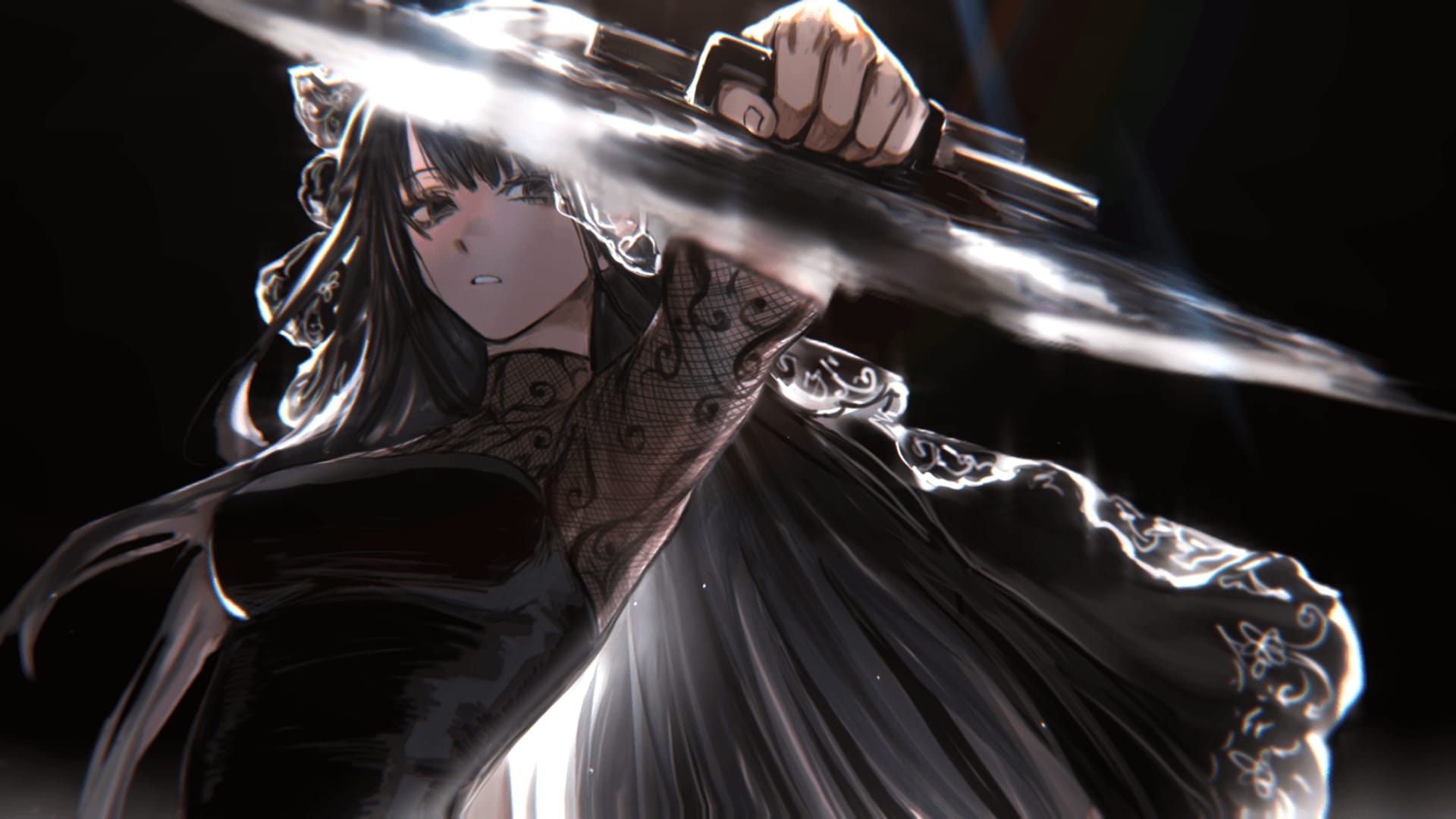
Then he met Aoi. And everything changed.
This isn’t some slow-burn redemption arc where the hardened killer gradually discovers his humanity over hundreds of chapters. The Sakamoto Days anime makes Sakamoto’s choice immediate and absolute. He saw Aoi, fell in love, and walked away from the most dangerous life imaginable without a second thought. No internal monologue about his past sins. No tortured soul-searching. Just a man who found something better and went for it.
And just like that, the deadliest man alive put down his guns, walked away from the life, and let himself go — literally. The Sakamoto Days anime makes this transformation both visual and thematic. Sakamoto didn’t just quit his job; he transformed his entire body and identity. The razor-sharp hitman became the pot-bellied dad, and somehow, that weight gain is one of the most powerful character statements in modern manga.
Because here’s what the Sakamoto Days anime understands that so many stories miss entirely: choosing a quiet life isn’t weakness. It’s not a compromise. It’s not “settling.” Sakamoto didn’t retire because he couldn’t hack it anymore. He didn’t age out or get injured or lose his edge. He retired because he found something worth more than every contract kill, every bounty, every ounce of reputation in the assassin world. He found love, built a family, and decided that folding laundry and minding the store was better than anything the underworld could ever offer him.
That’s what makes Taro Sakamoto such a jarring, wonderful anomaly in the assassin anime space. Every other story about hired killers — from Assassination Classroom to Hitman — treats the profession as something to escape into. Characters discover their calling through violence. They become more themselves when they embrace the bloodshed. Sakamoto discovered his true calling through leaving violence behind. The Sakamoto Days anime flips the entire premise on its head, and that’s precisely why it hits so hard with fans who are tired of the same old story beats.
The brilliance of this setup is that Sakamoto’s past refuses to let him go. The underworld keeps pulling him back in — not because he wants to return, but because the people he cares about keep ending up in the crossfire. Every single fight in the Sakamoto Days anime is defensive. He’s not attacking; he’s protecting. He’s not seeking glory; he’s shielding his family. And that fundamentally changes the emotional weight of every action sequence in the show.
Why Sakamoto’s Duality Makes Him Fascinating
The genius of the Sakamoto Days anime lives in the gap between who Sakamoto was and who he is now. One minute he’s haggling with a vendor over the price of cabbage. The next, he’s dismantling a squad of professional killers using nothing but a shopping cart and a bag of rice. And the show plays both sides with absolute sincerity — no winking at the audience, no ironic distance. Both lives are real, and that’s what makes it work.
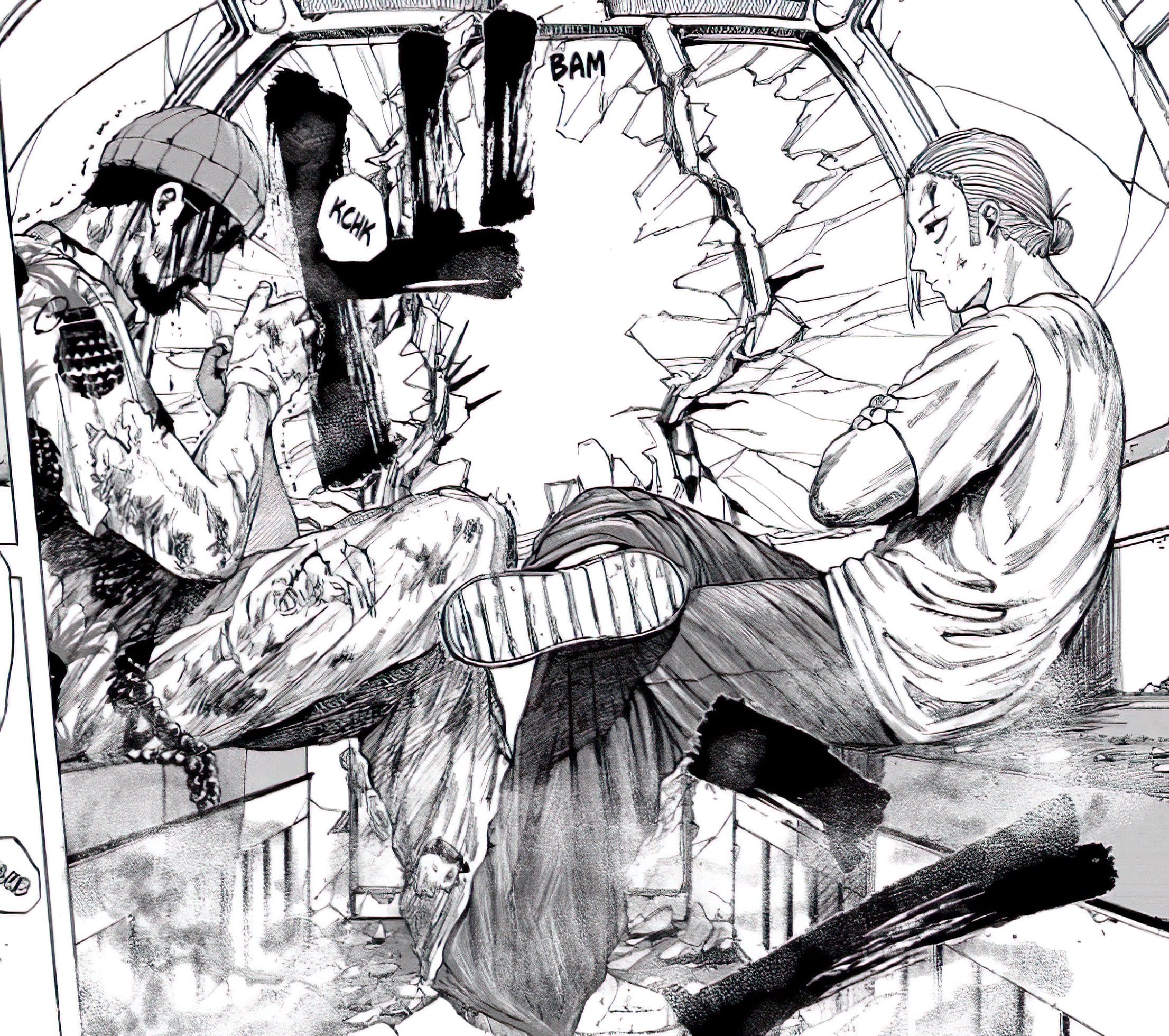
This isn’t played as a simple joke — or rather, it’s played as a joke that has genuine teeth underneath it. When Sakamoto casually obliterates an attacker with a broom, the comedy lands because the choreography is real. The Sakamoto Days anime treats its action scenes with the same respect and precision as any top-tier battle shonen. The fights are creative, the animation is crisp, and the stakes feel genuine — even when the weapon of choice is a convenience store hot dog on a stick.
But beneath the gags and the incredible fight sequences, there’s a real tension humming through every episode. Sakamoto’s old world and new world keep colliding, and every collision forces him to confront a difficult question: can you truly leave the past behind? The Sakamoto Days anime never lets you forget that this goofy, lovable dad was once the most dangerous person in Japan. That duality — the mundane and the deadly coexisting in one person — is what gives the series its emotional heartbeat and keeps you invested beyond the action.
Think about other dual-identity characters in anime. Killua Zoldyck’s character analysis shows us a trained killer struggling to find his humanity outside his family’s dark legacy. Light Yagami uses his double life as a vehicle for god-complex domination. Even Saitama’s duality in One Punch Man is fundamentally about the absence of challenge — his power creates a void, not a contrast.
But Sakamoto? He’s the only character who mastered the assassin life, reached the absolute pinnacle, and then genuinely chose to become ordinary. Not as a cover identity. Not as a temporary disguise. Not because he lost his abilities. As his real, actual, chosen life. The Sakamoto Days anime makes this choice feel heroic in a way that no amount of power-ups ever could.
And the show keeps finding new, inventive ways to mine that contrast for both comedy and drama. A quiet family dinner interrupted by a hit squad. A school play where Sakamoto has to pretend he’s not casually tracking every exit and evaluating every adult as a potential threat. A trip to the park that transforms into a tactical operation mid-swing set. The Sakamoto Days anime makes you feel both the warmth of domestic life and the thrill of elite combat — often within the exact same scene, sometimes within the same breath.
The Sakamoto Days Characters Who Elevate the Story
Sakamoto doesn’t carry the show alone — and that’s part of what makes the Sakamoto Days anime so consistently excellent. The Sakamoto Days characters are what turn a great concept into an addiction-level series that you binge in a single weekend. Each supporting character adds a distinct flavor while deepening the central themes of loyalty, found family, and the impossibility of truly leaving your past behind.
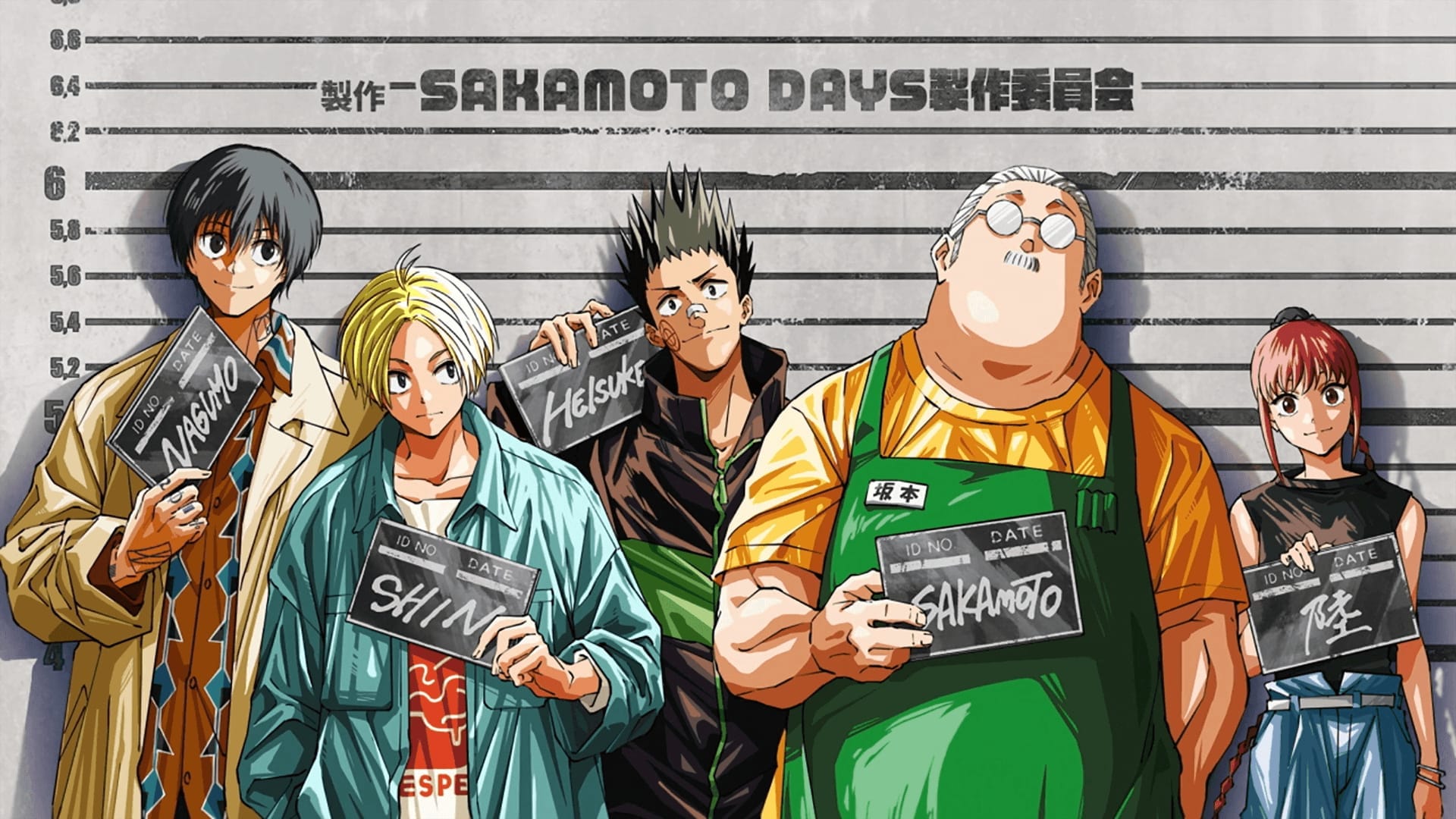
Shin Asakura is the telepath who can read minds — and somehow, that’s the least interesting thing about him. What makes Shin work is his unwavering loyalty to Sakamoto and his genuine emotional journey from a drifting assassin to someone who believes in something. He saw the legend in action and chose to follow him into a life of bargain shopping and store management. The Sakamoto Days anime uses Shin brilliantly as our entry point: he’s the audience’s wide-eyed perspective on what makes Sakamoto so extraordinary, and his telepathy creates some of the funniest moments in the entire series.
Lu Shaotang crashes into the story as an unexpected ally — the daughter of a mafia boss who finds herself drawn into Sakamoto’s orbit against all odds. She brings chaos, comedy, and genuine heart to every single scene she’s in. In a series about leaving violence behind, Lu represents someone trying to escape her own legacy of crime and family expectation, mirroring Sakamoto’s journey from a completely different angle. Her arc proves that the Sakamoto Days anime isn’t just about one man’s redemption — it’s about whether anyone can truly choose a different path when their past is written in blood.
Heisuke Mashimo might be the most lovable sniper in anime history, and I will fight anyone who disagrees. His deadpan delivery and absolute commitment to his ridiculous role make every appearance a highlight. The Sakamoto Days anime understands that comedy characters need genuine competence to be funny — and Heisuke delivers on both counts. He’s absurd and effective in equal measure, which is basically the show’s entire philosophy in character form.
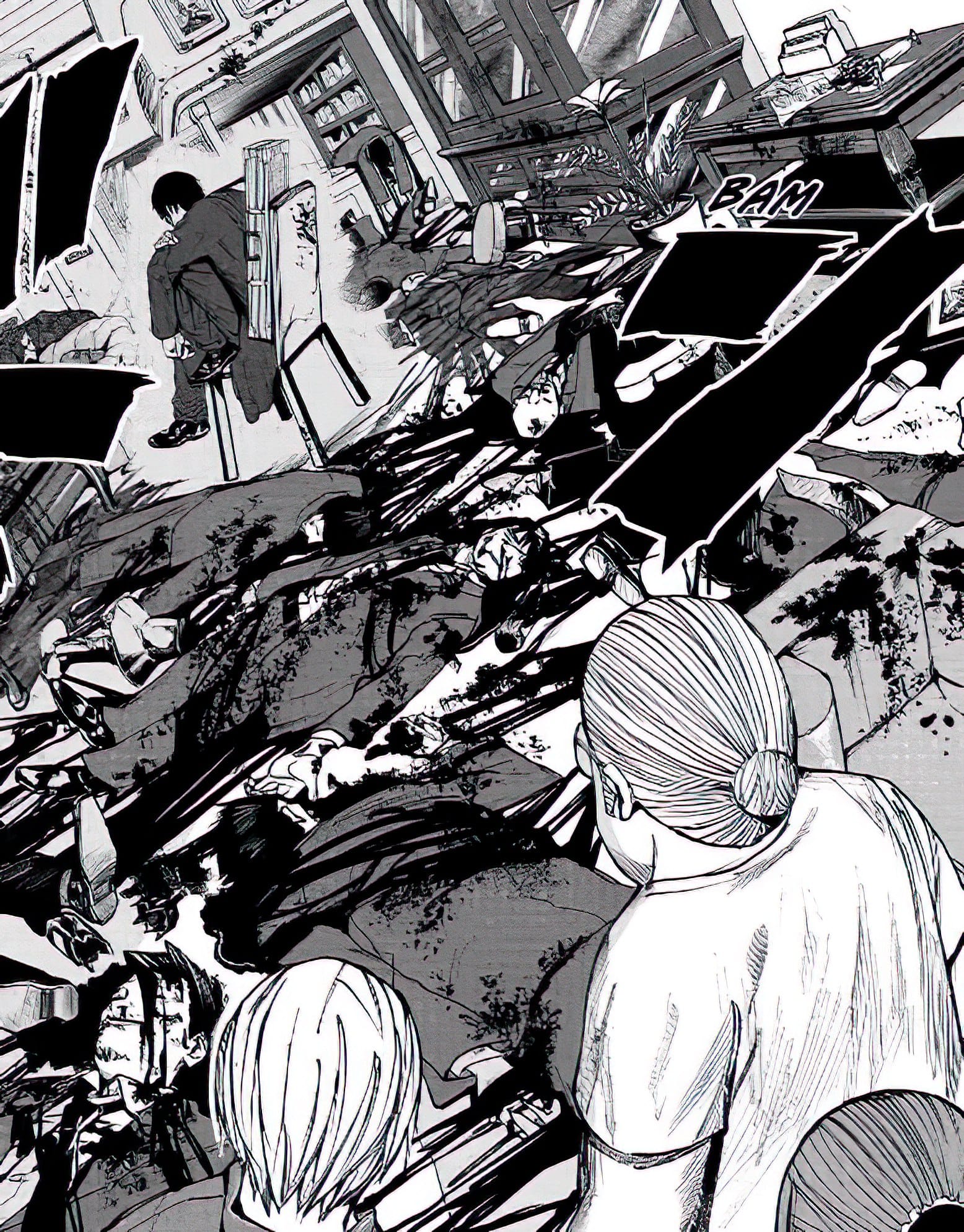
What makes this ensemble work so well is that none of the Sakamoto Days characters exist just to react to the protagonist or play a supporting role in his story. Each one has their own arc, their own reasons for sticking around, and their own complicated relationship with the violence that defines their world. Together, they create the kind of found family that makes the Sakamoto Days anime feel like something more than just an action comedy — it’s a genuine story about people choosing each other when they could choose anything else. And that’s a rare thing in any genre, let alone shonen.
Sakamoto Days Season 2 and What Comes Next
The first season of the Sakamoto Days anime proved the concept works on screen — and works well. The animation by TMS Entertainment captured Yuto Suzuki’s kinetic action with style, energy, and genuine visual flair. The comedy hit. The fights landed with impact. And most importantly, the heart of the story came through intact. This wasn’t just a competent adaptation phoning it in — it was proof that the Sakamoto Days anime could stand alongside the best action series on the air, period.
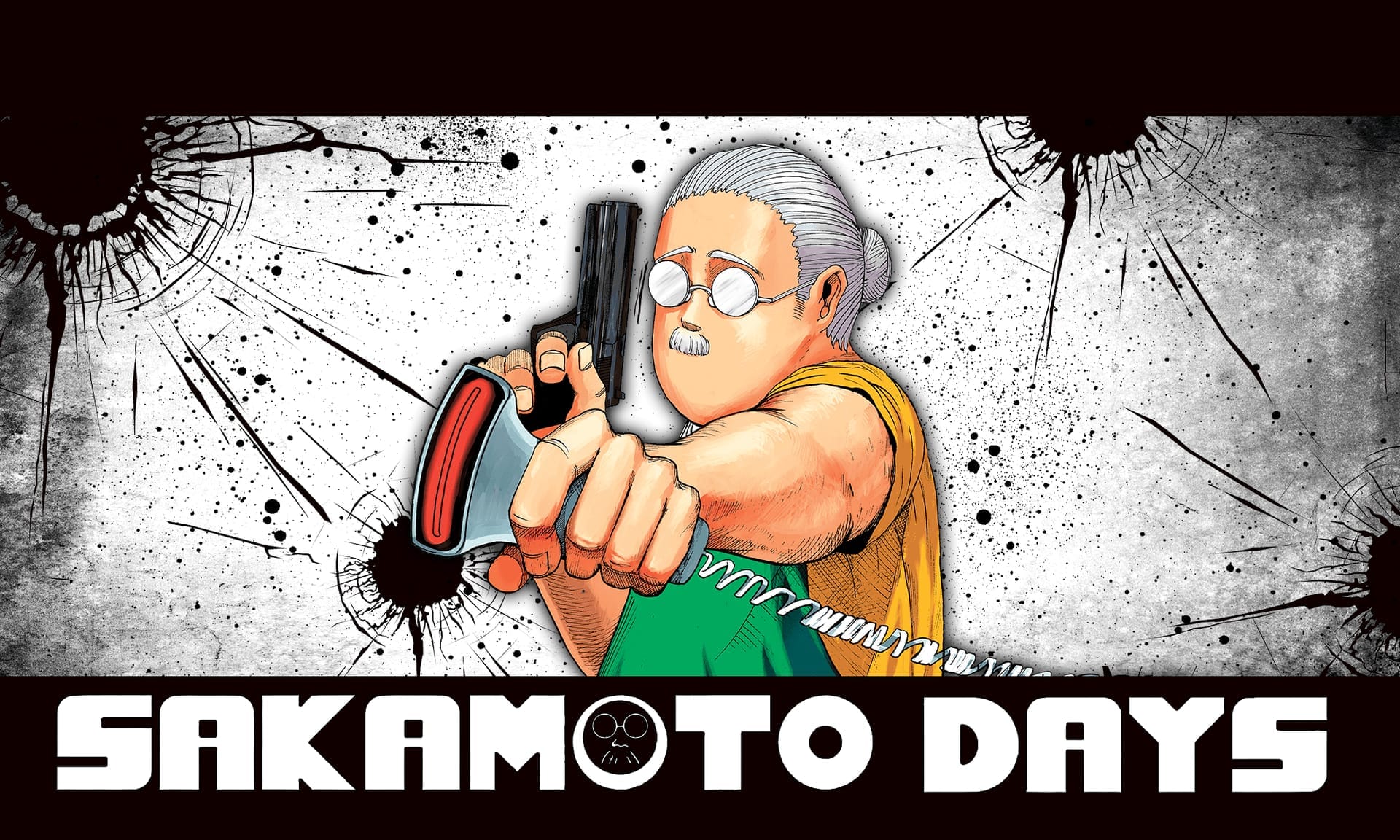
Now, with Sakamoto Days Season 2 on the horizon, the stakes are even higher. The manga by Yuto Suzuki has built toward some absolutely incredible arcs — the kind of story beats that could elevate the Sakamoto Days anime from “really good” to “all-time great” in the span of a single cour. The Slur arc alone has the potential to be one of the most memorable antagonist introductions in recent anime history. We’re talking about the kind of villain who makes you genuinely worried for characters you’ve come to love.
What the Sakamoto Days anime needs to cover in its next chapter isn’t just more fights and gags strung together. The Sakamoto Days manga evolves from a fun action comedy into something with genuine emotional weight — exploring what happens when Sakamoto’s past decisions have consequences he can’t simply punch his way out of. The stakes get personal. The villains get more dangerous. And the question of whether a retired killer can truly protect his peaceful life becomes more urgent with every chapter.
If Sakamoto Days Season 2 captures that evolution faithfully, we’re looking at a series that could rank among the most anticipated Summer 2026 anime releases and potentially define the season. The source material is there. The animation studio proved they can deliver. The fanbase is growing with every episode. All the pieces are in place for something special.
For manga readers, the excitement is seeing these arcs animated for the first time with full voice acting, dynamic camera work, and a soundtrack that elevates every moment. For anime-only fans, you’re in for a genuine treat — the story only gets better from here. The Sakamoto Days manga has consistently raised its game with each arc, piling on higher stakes, deeper character moments, and fight sequences that somehow keep getting more inventive. If the anime adaptation keeps pace — and everything about Season 1 suggests it will — we could be witnessing the birth of a modern classic. This is the rare series where both why Sakamoto Days deserves the hype and what comes next feel equally compelling and worth celebrating.
And let’s talk about the Sakamoto Days anime‘s competitive position for a moment. In a crowded field of action series competing for viewer attention, Sakamoto Days stands apart because it doesn’t need to out-edgy or out-violence its rivals. It out-hearts them. Every fight means something. Every joke has a point. And every moment of domestic warmth makes the action sequences hit harder by contrast. That’s not a small thing in a genre that often mistakes intensity for emotional depth.
Why Taro Sakamoto Redefines What a Shonen Lead Can Be
Here’s the bottom line, and I’ll say it plainly: Taro Sakamoto is the most important shonen protagonist in years precisely because he rejects everything the genre told us a lead character should be. He’s not young. He’s not ambitious. He’s not chasing power, recognition, or the respect of his peers. He’s a retired dad who runs a convenience store and just wants his family to be safe and happy. And somehow, that makes him more compelling than every power-scaling tournament arc combined.
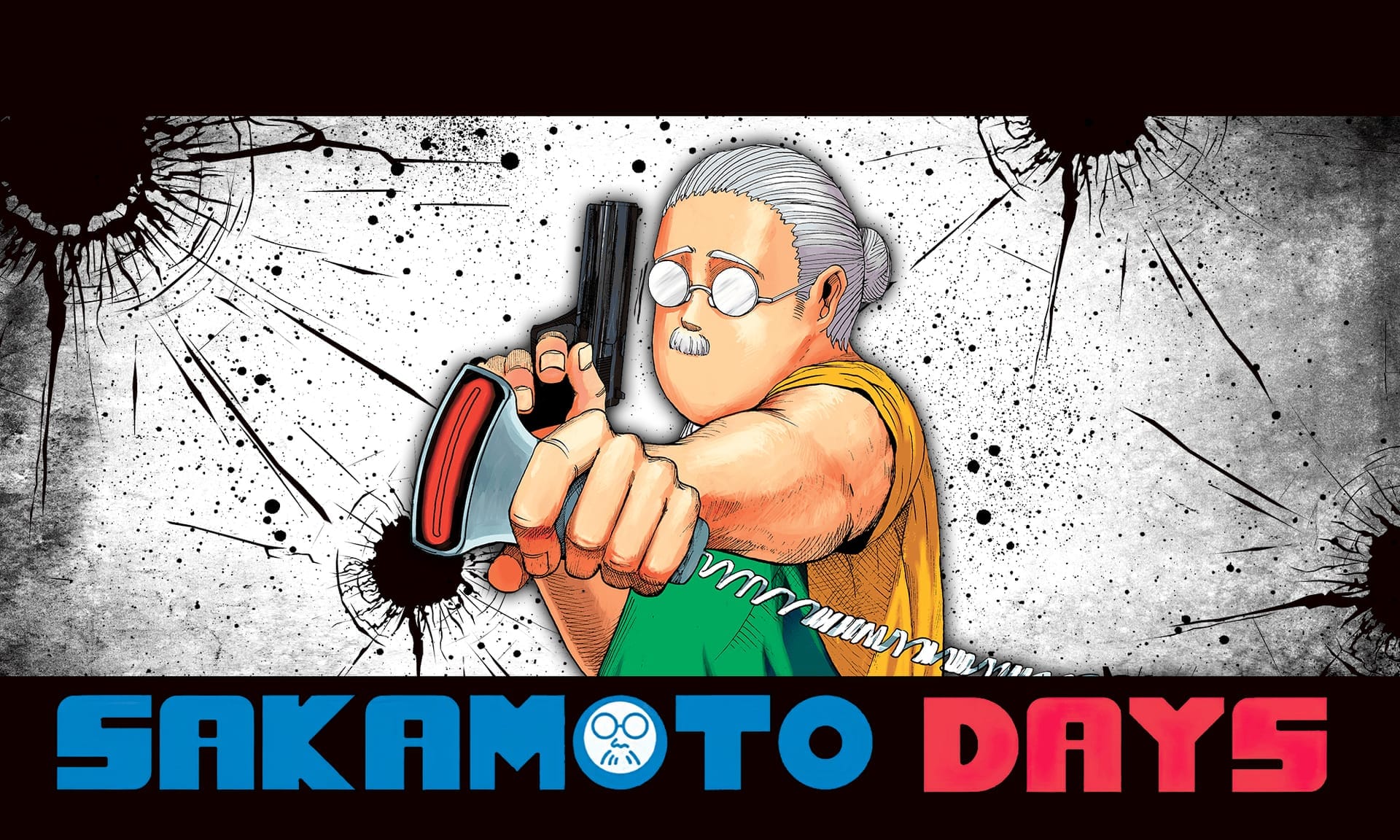
The Sakamoto Days anime works because its central thesis is radical for the genre: the strongest thing you can do is choose love over violence. Not because you’re forced to. Not because you’ve been defeated or broken. But because you’ve seen the absolute top of the mountain — you’ve stood at the summit — and you decided that home is better. Yuto Suzuki built that thesis into every panel of the Sakamoto Days manga, and the anime carries it forward with skill, sincerity, and a surprising amount of emotional depth.
This is what separates Sakamoto from every other retired-badass character in fiction. Most of those stories are about the character being pulled back in “for one last job” or “one final mission.” They’re stories about inability to escape the past. The Sakamoto Days anime is about a man who refuses to go back — who fights only to protect what he has, never to reclaim what he was. That’s not a subtle distinction. That’s the entire emotional architecture of the series, and it’s what makes Sakamoto such a profoundly different kind of hero.
Compare Sakamoto to the most iconic anime villains and you’ll notice something striking: the villains in this series are defined by their obsession with power, reputation, and control — the very things Sakamoto abandoned. Every fight becomes a living argument for his philosophy. The antagonists are mirrors reflecting what Sakamoto chose to leave behind, and every victory he achieves is proof that the people you love matter more than the legend you could build.
The Sakamoto Days anime also benefits from some of the best character development in anime, period. Sakamoto’s growth isn’t about getting stronger — he’s already the strongest. It’s about getting wiser. Learning when to fight and when to talk. Understanding that protecting your family sometimes means accepting help from others. Realizing that vulnerability isn’t the opposite of strength — it’s the proof of it. These are the kinds of lessons that most shonen protagonists never get to learn, because they’re too busy powering up for the next confrontation.
The manga by Yuto Suzuki doesn’t just subvert shonen tropes — it understands why those tropes exist in the first place, and then shows you what happens when you approach the same themes from a completely different angle. The desire to protect. The weight of responsibility. The tension between who you were and who you want to be. The Sakamoto Days anime covers all of this ground, but it does so through the lens of a character who has already completed the traditional hero’s journey and chose a different ending for himself.
If you haven’t started the Sakamoto Days anime yet, you’re missing out on the most refreshing shonen protagonist since Saitama decided he was too strong for his own good — and I’d argue that Sakamoto is the more emotionally resonant character. Where Saitama’s premise is essentially a joke about overwhelming power, Sakamoto’s is a genuine statement about human values. The Sakamoto Days anime isn’t just great entertainment. It’s a thesis on what stories are worth telling and why the characters we love matter beyond their combat abilities.
Read the Sakamoto Days manga on the official MANGA Plus site, catch the anime streaming on Crunchyroll, and join the rest of us who’ve realized that the best action hero of the decade is a dad who sells rice balls and would really, genuinely prefer not to fight you — but absolutely will if you threaten his family.