The Kagurabachi World Tour Changes Everything
On June 27, 2026, the anime industry felt a shockwave — the Kagurabachi anime announced a world tour before a single episode has aired. That’s not normal. That’s not how this usually goes. Studios don’t take a brand-new adaptation on a global victory lap eight months before premiere. Unless they know something we don’t. Unless they’ve seen the footage and thought, “Yeah, this is going to explode.”
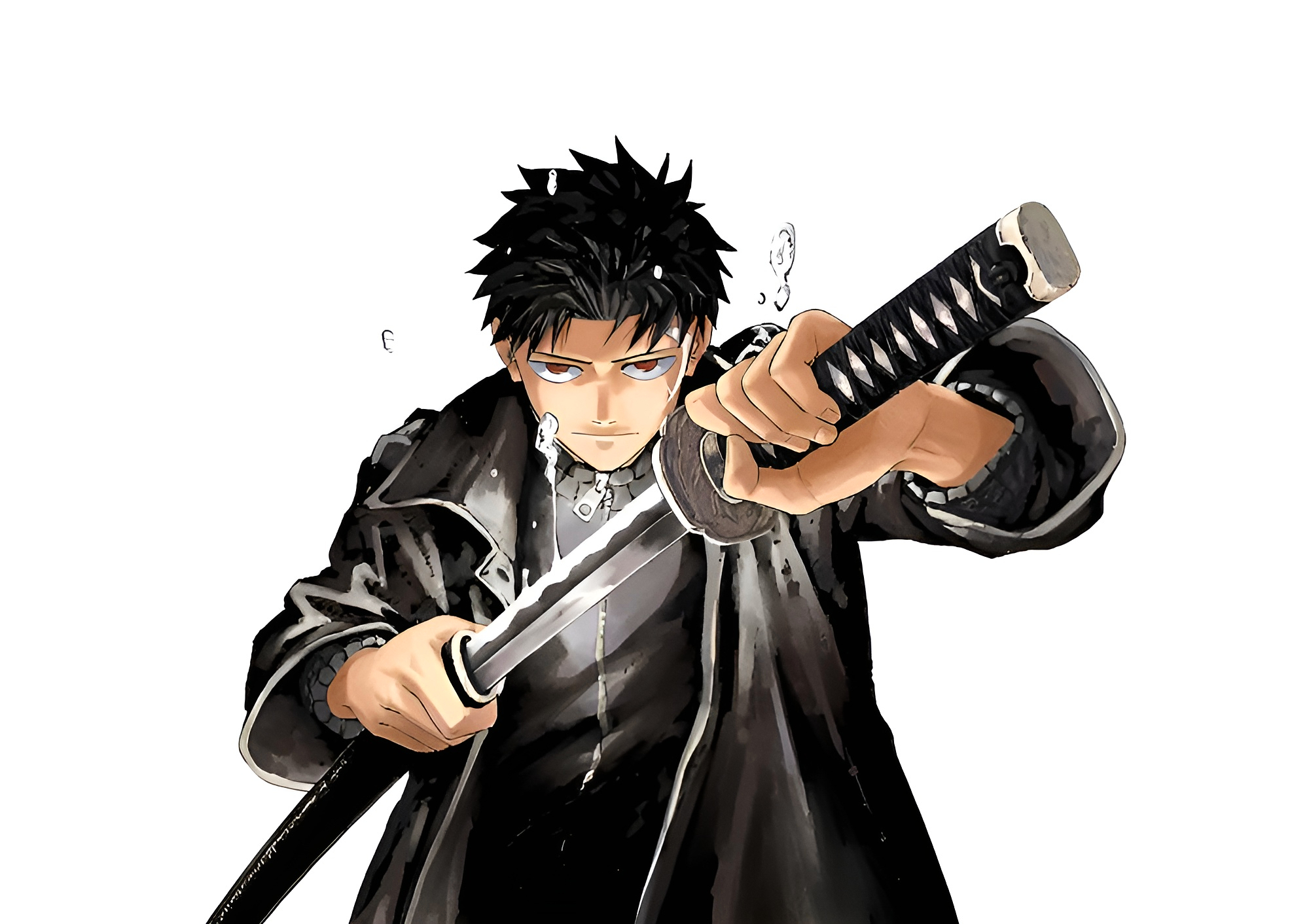
The world tour announcement came with confirmed stops including Otakon, and the message was crystal clear: this isn’t just another seasonal show getting a quiet premiere. Shueisha and Cypic studio are treating Kagurabachi like a franchise-launching event, the kind of rollout we saw for Chainsaw Man or Solo Leveling — series that redefined their seasons.
Think about what a world tour this early actually means. Studios don’t invest in international promotional tours for shows they’re uncertain about. The fact that Kagurabachi is getting this treatment before April 2027 tells us the production values are high, the footage is impressive, and someone with real decision-making power looked at the final product and said, “We need to show this to the world.” This is a statement of confidence.
For fans who’ve been reading the Kagurabachi manga since Takeru Hokazono debuted it in Weekly Shōnen Jump back in September 2023, this world tour feels like vindication — and the Kagurabachi anime is about to bring that vindication to screens worldwide. We knew this story was special from chapter one. We watched it go from an internet meme to a Next Manga Award winner. Now the industry is catching up, and they’re doing it with the kind of spectacle usually reserved for established giants. The Kagurabachi anime isn’t sneaking onto screens — it’s arriving with trumpets.
And honestly? That approach makes perfect sense when you look at the numbers. Four million copies in circulation across 11 volumes in under three years. A Next Manga Award. Consistently ranking in the top five of Shōnen Jump reader surveys. This isn’t a gamble — it’s an investment in a property that’s already proven itself multiple times over. The world tour is just the industry acknowledging what readers already knew.
What Makes Kagurabachi Different From Every Other Shonen
Let’s be real — the shonen space is crowded. Every season brings another battle manga adaptation promising to be “the next big thing.” Most of them blend together. Kid with a dream, power of friendship, tournament arc, power escalation that spirals into absurdity. We’ve seen it. We love it, but we’ve seen it. The Kagurabachi anime is different, and it starts with tone.
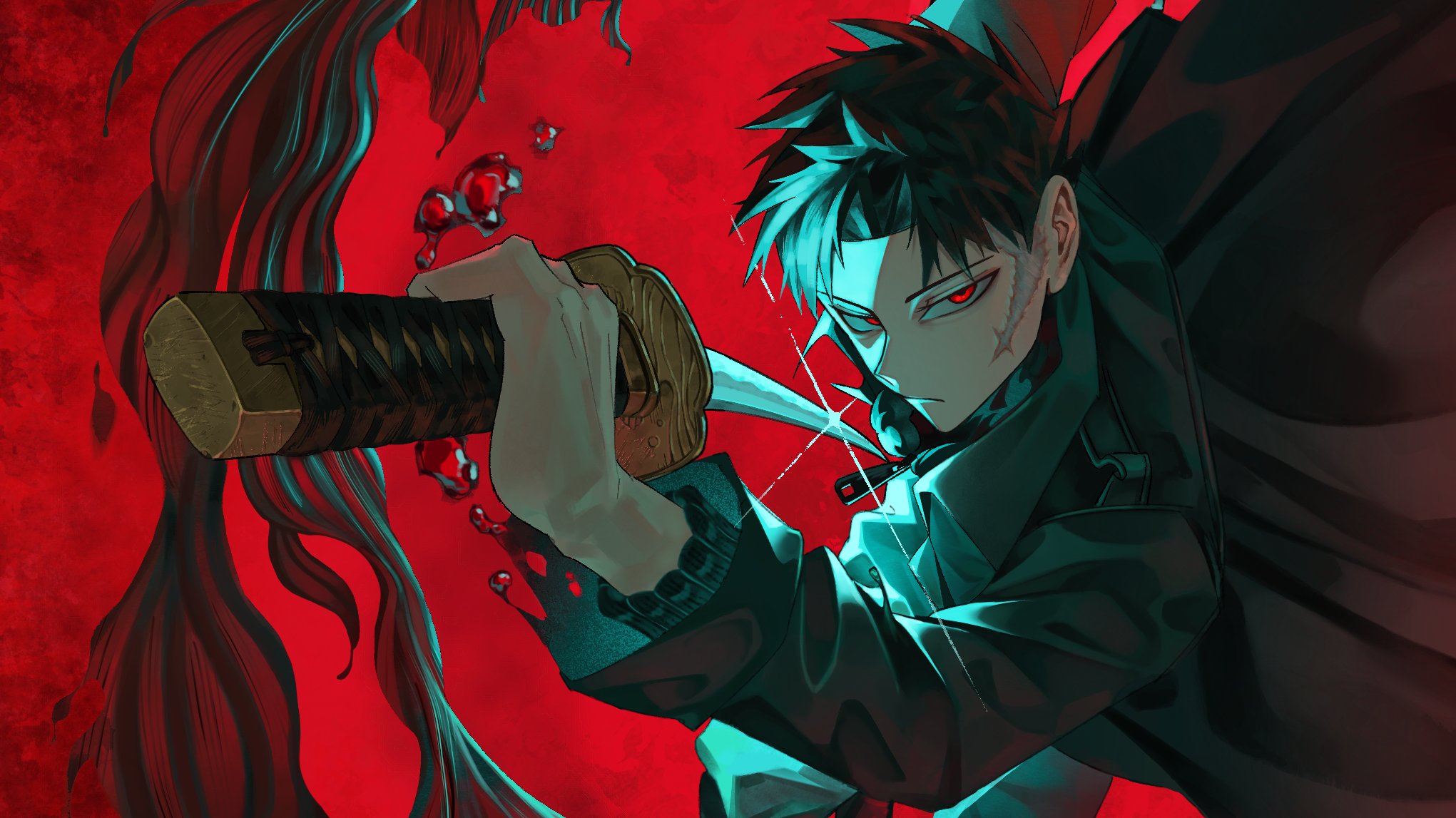
This is dark fantasy with teeth. The Kagurabachi manga doesn’t soft-sell its world. People die. Consequences stick. The violence isn’t stylized into meaninglessness — it’s brutal, personal, and rooted in genuine loss. When Chihiro draws his blade, it’s not because a tournament bracket demands it. It’s because someone murdered his father and stole everything that mattered. That’s a story engine that doesn’t need escalating power levels to stay compelling.
The weapon system sets the Kagurabachi anime apart too. Unlike the quirk-of-the-week model that dominates modern shonen, the Enchanted Blades are finite, named, historically significant artifacts. There are only seven in the entire world. Each one carries weight — not just combat power, but political and emotional weight. They were forged for a war that scarred an entire nation. Owning one makes you a target. Wielding one means something.
Then there’s the pacing. Takeru Hokazono writes with a sharpness that respects your time. Arcs don’t sprawl into oblivion — which is exactly why the Kagurabachi anime has such strong source material to adapt. Fights don’t stretch across twelve chapters of screaming and powering up. The Kagurabachi manga moves with purpose, and that bodes incredibly well for the anime adaptation. Tight source material means tight episodes, which means viewers stay hooked. In a medium where filler arcs and pacing problems have killed more promising adaptations than we can count, having a manga that knows when to accelerate and when to breathe is a genuine advantage.
The setting matters too. Modern Japan, eighteen years after the Seitei War — this isn’t a fantasy kingdom with magic academies. It’s a world that looks like ours, with convenience stores and train stations, but scarred by a conflict that most people want to forget. That grounded backdrop makes the supernatural elements hit harder, and the Kagurabachi anime can exploit that contrast brilliantly. When an Enchanted Blade does something impossible on a normal street corner, the contrast is visceral. The Kagurabachi anime can play with that visual contrast in ways the manga only suggested.
Chihiro Rokuhira: The Vengeance-Driven Protagonist Shonen Needed
Chihiro Rokuhira isn’t your typical shonen protagonist, and that’s exactly why the Kagurabachi anime has people so hyped. He’s 18 years old, carrying a dead father’s legacy and a burning need for revenge. No dream of becoming the strongest — the Kagurabachi anime doesn’t need that kind of motivation. No cheerful declaration that he’ll be king of anything. Just a young man with an Enten blade and a list of people who need to answer for what they took from him.
That’s a refreshing shift. Shonen protagonists usually operate on hope — hope they’ll get stronger, hope they’ll protect their friends, hope they’ll achieve their dream. Chihiro operates on cold, focused anger. He’s not angsty about it. He’s not monologuing into the void. He’s methodical, disciplined, and genuinely dangerous in a way that makes every fight feel consequential.
His relationship with his father, Kunishige Rokuhira, is the emotional core of Kagurabachi, and the Kagurabachi anime will make that bond hit even harder. Kunishige wasn’t just a dad — he was the legendary swordsmith who forged six Enchanted Blades during the Seitei War. He created weapons that reshaped an entire nation, then spent the rest of his life living quietly, trying to leave that violence behind. The Hishaku took him anyway. They stole the blades and murdered the man who made them. That act of cruelty doesn’t just drive Chihiro — it defines the entire story’s moral framework.
What makes Chihiro compelling is the tension between who his father wanted him to be and who he’s become. Kunishige chose peace. Chihiro chose war. But he’s not reckless about it — he’s carrying his father’s final creation, the seventh Enchanted Blade called Enten, and every swing of that sword is both an act of vengeance and a connection to the father he lost. That’s the kind of character writing that elevates a fight manga into something memorable, and it’s what makes the Kagurabachi anime so promising.
And here’s what the Kagurabachi anime can do with this character that the manga struggles with on the page: stillness. In the manga, every panel has to convey action or information. But animation can let a moment breathe. Imagine a scene of Chihiro sitting in his father’s workshop, the silence heavy, just him and the Enten blade. The manga hints at that weight. The anime can make you feel it in your chest. That’s the potential here — not just flashier fights, but deeper emotional resonance through timing and atmosphere.
The Enchanted Blades and the Seitei War: Kagurabachi’s Power System Explained
The power system in Kagurabachi is one of its most underrated strengths, and the Kagurabachi anime is going to make it shine in ways the manga only hinted at. Here’s the setup: during the Seitei War, swordsmith Kunishige Rokuhira forged six Enchanted Blades — weapons of such devastating power that they ended the conflict and scarred the nation’s psyche permanently. Eighteen years later, Japan is still reckoning with what those blades did.
Each Enchanted Blade is unique. They’re not interchangeable power-ups — they’re characters in their own right, with specific abilities that reflect both their creation and their wielder. This is where the Kagurabachi manga gets clever: by limiting the number of Blades to seven (the original six plus Chihiro’s Enten), Takeru Hokazono guarantees that every single fight has stakes. There’s no endless parade of stronger opponents. The battlefield is defined by who holds which blade and what they’re willing to do with it.
Compare this to systems where power scaling eventually breaks narrative tension. In Kagurabachi, the ceiling is known. Seven blades. Seven wielders at most. Every clash between Enchanted Blades in the Kagurabachi anime is a confrontation between characters with established histories and personal grievances, not random power-level encounters. When these fights hit the screen, each one will carry the weight of the entire story behind it. That’s a structural advantage most shonen never get.
The Seitei War itself is masterful worldbuilding. It’s not just backstory — it’s a living, breathing shadow over the entire narrative. Characters who fought in it still carry the trauma. Political structures shifted because of it. The Enchanted Blades aren’t just weapons; they’re symbols of a conflict that reshaped everything. When the Hishaku stole the six Blades, they didn’t just take powerful tools — they weaponized a nation’s trauma.
Then there’s Enten, the seventh Blade. The one Kunishige forged after the war, the one he never intended for combat. Chihiro’s Enten blade is different from the others because it was born from a different intention — not for war, but for protection. That distinction matters for the Kagurabachi anime‘s emotional core. It means Chihiro’s power is fundamentally tied to his father’s love, not his father’s war. The Kagurabachi anime has the potential to visualize this in ways that will hit incredibly hard — watching Enten’s abilities unfold on screen, knowing their origin, is going to wreck people emotionally.
From Viral Meme to Next Manga Award Winner: Kagurabachi’s Meteoric Rise
If you were online in late 2023, you remember the memes. Kagurabachi went viral before anyone had actually read it. The internet saw the first chapter’s key visuals — a scarred swordsman, a black blade, blood-soaked panels — and the “Kagurabachi meme” was born. People who’d never touched Weekly Shōnen Jump were sharing panels and declaring it the second coming of every legendary manga at once. It was ironic. It was over-the-top. And then it became completely sincere.
Because here’s the thing: the memes brought eyes, but the story kept them. The Kagurabachi anime benefits from this built-in fanbase. When people actually sat down and read the Kagurabachi manga, they discovered Takeru Hokazono wasn’t just drawing cool fight scenes — he was writing a genuinely compelling dark fantasy with sharp pacing and real emotional depth. The memes were a joke; the manga was the punchline that turned out to be true.
The 10th Next Manga Award in 2024 confirmed what readers already knew. Winning the print category isn’t a participation trophy — it’s readers voting with their wallets and their attention. It put Kagurabachi in the same conversation as past winners who went on to define their eras. Four million copies in circulation across 11 volumes by May 2026 (as documented on Wikipedia) isn’t accidental. That’s sustained, growing momentum from a series that could have easily been written off as an internet curiosity.
What’s remarkable about this trajectory is how each phase fed the next. The memes created awareness. The awareness drove people to actually read the Kagurabachi manga. The quality of the manga converted casual readers into dedicated fans. Those fans voted in the Next Manga Award. The award attracted the attention of anime production committees. And now the Kagurabachi anime is getting a world tour. Every step was earned. Nothing was handed. That’s the trajectory of a series that has genuine cultural weight behind it, not just algorithmic luck.
The journey from meme to manga award winner to Kagurabachi anime world tour is a trajectory we rarely see. Most viral manga either fizzle out or settle into modest success. Kill Blue had its moment. Black Torch never got its due. But Kagurabachi turned internet energy into genuine readership, and genuine readership into industry recognition, and industry recognition into a world-tour-level anime production. That’s the full cycle, and it happened in under three years.
Cypic Studio and the Anime Adaptation: What We Know So Far
The Kagurabachi anime is in the hands of Cypic studio, with Tetsuya Takeuchi directing, and honestly, that pairing makes me more confident than anything else about this production. Cypic has been building a reputation for visual excellence, and the Kagurabachi anime is their chance to prove it, and handing them a series built around sword combat and supernatural blade effects is like giving a chef their favorite ingredient.
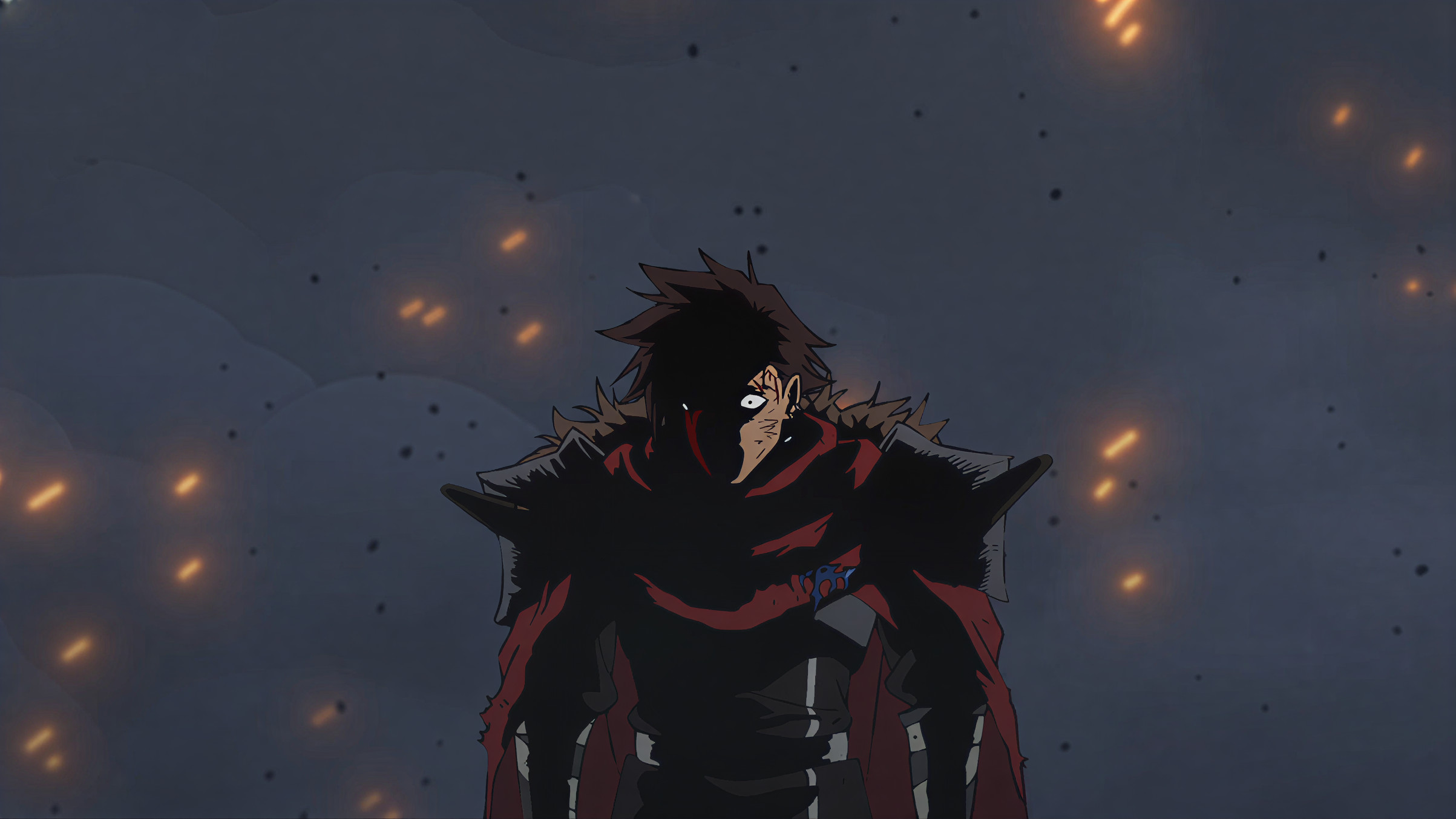
Takeuchi’s direction style fits the Kagurabachi aesthetic perfectly. The manga’s fight scenes are cinematic on the page — tight compositions, explosive impact frames, clean silhouettes that read instantly. A director who understands how to translate that kinetic energy into animation without losing the clarity is exactly what this adaptation needs. Based on what we’ve seen from the early promotional materials, Cypic seems to get it.
The casting is interesting too. Taihi Kimura takes on Chihiro for the anime, replacing Shoya Ishige who voiced him in the vomic (voice comic). This kind of recasting between promotional material and full production isn’t unusual, and Kimura’s voice work so far suggests a more nuanced take on Chihiro’s quiet intensity. The adaptation needs someone who can convey rage without screaming, and early signs suggest they’ve found that.
With an April 2027 premiere date, Cypic has a substantial production window — which is exactly what you want for a Kagurabachi anime series with this much visual ambition. Rushed sword fights are the death of any battle anime. The fact that they’re building toward a world tour eight months out means they’re not scrambling. They’re polishing. And for a Kagurabachi anime that needs to deliver on the promise of those Enchanted Blade battles, that production breathing room could be the difference between good and all-time great.
Let’s also talk about what Cypic studio’s involvement signals about the broader strategy. You don’t hand a series with four million copies in circulation to an unproven studio. Shueisha chose Cypic deliberately, and the world tour announcement confirms they’re backing this adaptation with real resources. This isn’t a low-risk test — it’s a flagship production designed to convert the manga’s momentum into a multimedia franchise. Music releases, merchandise, potential theatrical screenings down the line — this is the full package, and Cypic is the studio trusted to deliver the animation quality that makes it all work.
Why the Kagurabachi Anime Could Dominate 2027
Let’s talk about the competitive picture. Spring 2027 is going to be crowded, but the Kagurabachi anime has structural advantages that most of its competitors don’t. First: Jujutsu Kaisen is wrapping up. The Execution movie marks the beginning of the end for one of the defining shonen of the 2020s. That leaves a massive vacuum — millions of viewers who’ve spent years invested in a dark, high-stakes battle series and are now looking for their next obsession.
Second: the timing of the Kagurabachi anime relative to the manga. At 11 volumes, there’s enough source material for a meaty first season without needing to stretch or invent filler. But there’s also room for the story to grow — the manga is still ongoing, still building, still revealing new layers of the Hishaku conspiracy and the Enchanted Blades’ true nature. This isn’t a finished story being adapted after the hype faded. This is a living series riding peak momentum.
Third: the Kagurabachi manga has already done the hardest part — building a dedicated fanbase. Four million copies don’t lie. The Next Manga Award doesn’t lie. The world tour announcement proves the production committee believes in this property enough to invest serious promotional resources before episode one. That’s not faith — that’s data-driven confidence. Compare that to most new adaptations that start from zero awareness and spend their entire first season just trying to get people to remember the title.
And fourth, the most underrated factor: Kagurabachi fills a specific niche that’s currently underserved. After the isekai wave peaked and battle shonen got either too comedic or too convoluted, there’s a real hunger for a dark, serious, sword-focused action series with genuine emotional stakes. The Kagurabachi anime isn’t trying to be everything. It’s trying to be one thing extremely well — and that focus is exactly what makes it dangerous in a competitive season.
The shonen field in 2027 is going to be a battleground, but Kagurabachi enters it with something most new shows can’t manufacture: genuine cultural momentum combined with a story that actually delivers on its premise. The memes got people looking. The manga kept them reading. The world tour is telling them to get ready. The Kagurabachi anime has all the pieces in place. April 2027 can’t come fast enough.
What the Kagurabachi World Tour Means for Fans
So what does a Kagurabachi anime world tour actually look like for fans? Based on what similar tours have done for series like Demon Slayer and Chainsaw Man, we can expect exclusive footage screenings — probably the first one to three episodes, maybe with key scenes fully animated — alongside cast and staff appearances, limited merchandise, and those unforgettable live-reaction moments that only happen when you experience a great fight scene with a room full of people who’ve been waiting for it.
Otakon being confirmed as a stop is a big deal for the North American fanbase. It means the production committee sees the U.S. market as a priority, which usually translates to same-day or near-simulcast streaming, proper localization investment, and potentially theatrical screenings for major arcs down the line. The Kagurabachi anime isn’t getting dumped on a streaming platform to sink or swim — it’s being positioned as a global event from day one.
If you’re attending one of these tour stops, here’s what to watch for. The screening footage will tell you everything about Cypic studio’s approach. Are they using modern fluid animation techniques for the blade clashes, or going for heavy impact frames with detailed stills? How does Kimura’s voice feel in context? Does the Enten blade look as devastating as it reads? These early impressions matter because they set fan expectations for the full season.
For fans who can’t attend in person, the world tour will almost certainly generate a wave of social media content — reaction videos, frame-by-frame analysis, heated debates about animation quality. The Kagurabachi anime conversation is about to get very loud, and that noise will carry straight through to April 2027. We’ve seen this pattern before — the shows that build their communities early are the ones that sustain momentum through long seasons.
The bottom line: the Kagurabachi anime world tour isn’t just marketing. It’s a declaration. Shueisha and Cypic are telling the industry that this series is a priority, that they believe in the product, and that fans should buckle up. For a manga that started as a viral meme and evolved into a Next Manga Award winner with four million copies sold, this world tour is the next logical step in a story that keeps defying expectations. April 2027. Mark it.
You Might Also Enjoy
If you’re counting down the days until the Kagurabachi anime premieres, here are some reads to hold you over:
- Gachiakuta: The Next Big Shonen Anime of 2026 — Another dark fantasy newcomer with serious edge
- Chainsaw Man Season 2: International Assassins Arc Analysis — The gold standard for dark shonen adaptations
- Why Isekai Anime Is Declining — and What Comes Next — The genre vacuum Kagurabachi is stepping into
- Most Anticipated Summer 2026 Anime Ranked — What’s heating up before the 2027 storm
- Hero Killer Anime Adaptation Officially Announced — Another action series making the jump to screen