The Day Gojo Satoru Changed Anime Forever
There are characters who arrive in a story, and then there are characters who redefine it. Gojo Satoru didn’t just walk into Jujutsu Kaisen — he kicked the door off its hinges with that blindfold, that grin, and an aura of absolute confidence that made every single viewer sit up and pay attention. From the moment he appeared in Episode 1 of the anime, it was obvious this wasn’t going to be your typical mentor figure.
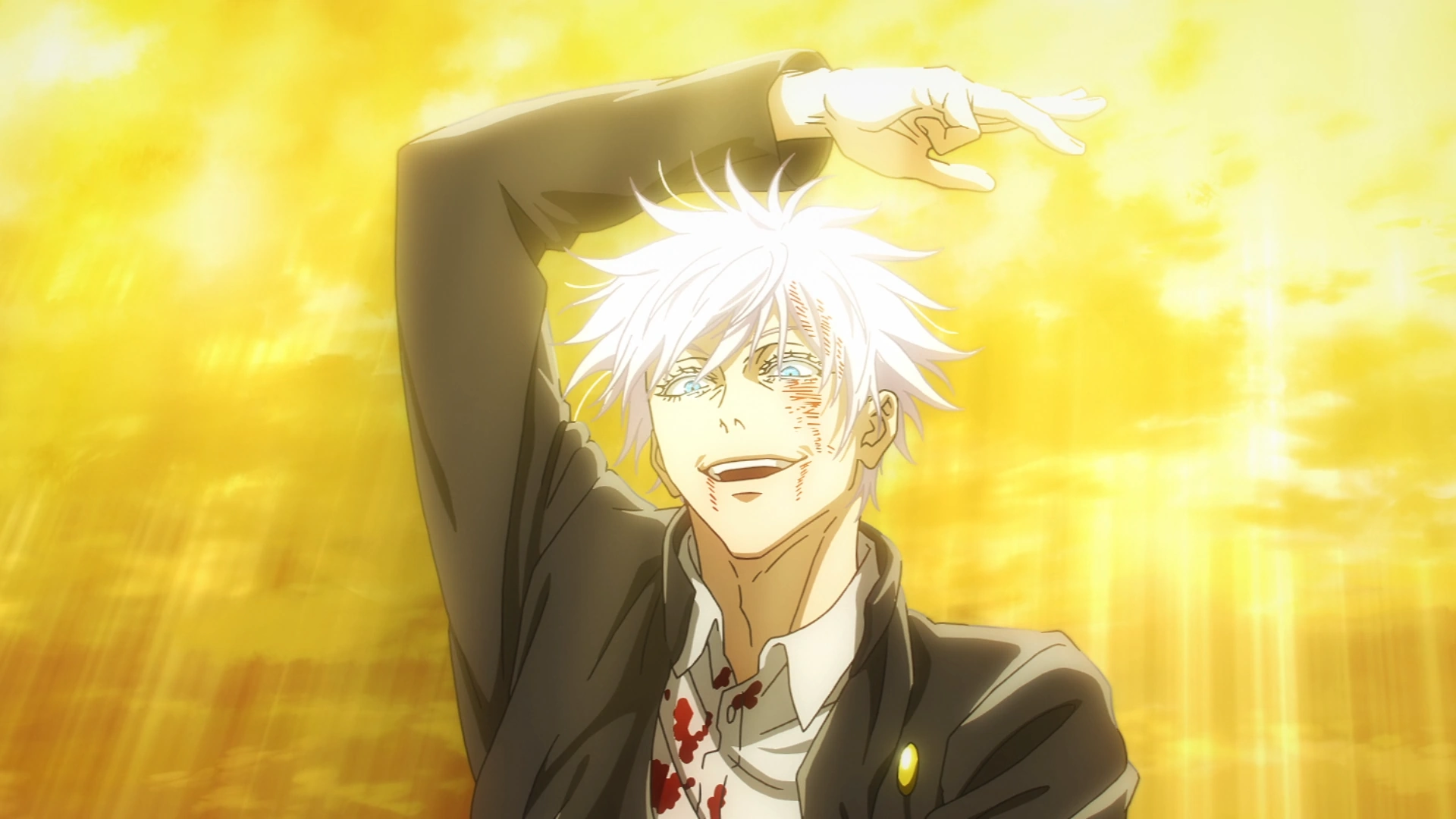
What makes Gojo Satoru so compelling isn’t just that he’s ridiculously overpowered — it’s that being the strongest is his tragedy. Every fight he wins, every curse he obliterates with a flick of his wrist, reinforces the wall between him and everyone else. He’s the guy who can do anything except connect with another person without the weight of his power warping the relationship. And that? That’s what turns a cool character into an unforgettable one.
I’ve been debating power levels, re-reading manga chapters, and rewatching Jujutsu Kaisen fights since the series debuted, and I can say with zero hesitation: Gojo Satoru is the most fascinating character in modern anime. Not because he wins — but because of what it costs him.
Six Eyes and Limitless: The Anatomy of Overwhelming Power
Let’s talk about what makes Gojo Satoru the strongest sorcerer alive, because understanding his abilities is essential to understanding the character. The Six Eyes and Limitless aren’t just cool superpowers — they’re the foundation of his isolation and the source of everything that makes him both awe-inspiring and heartbreaking.
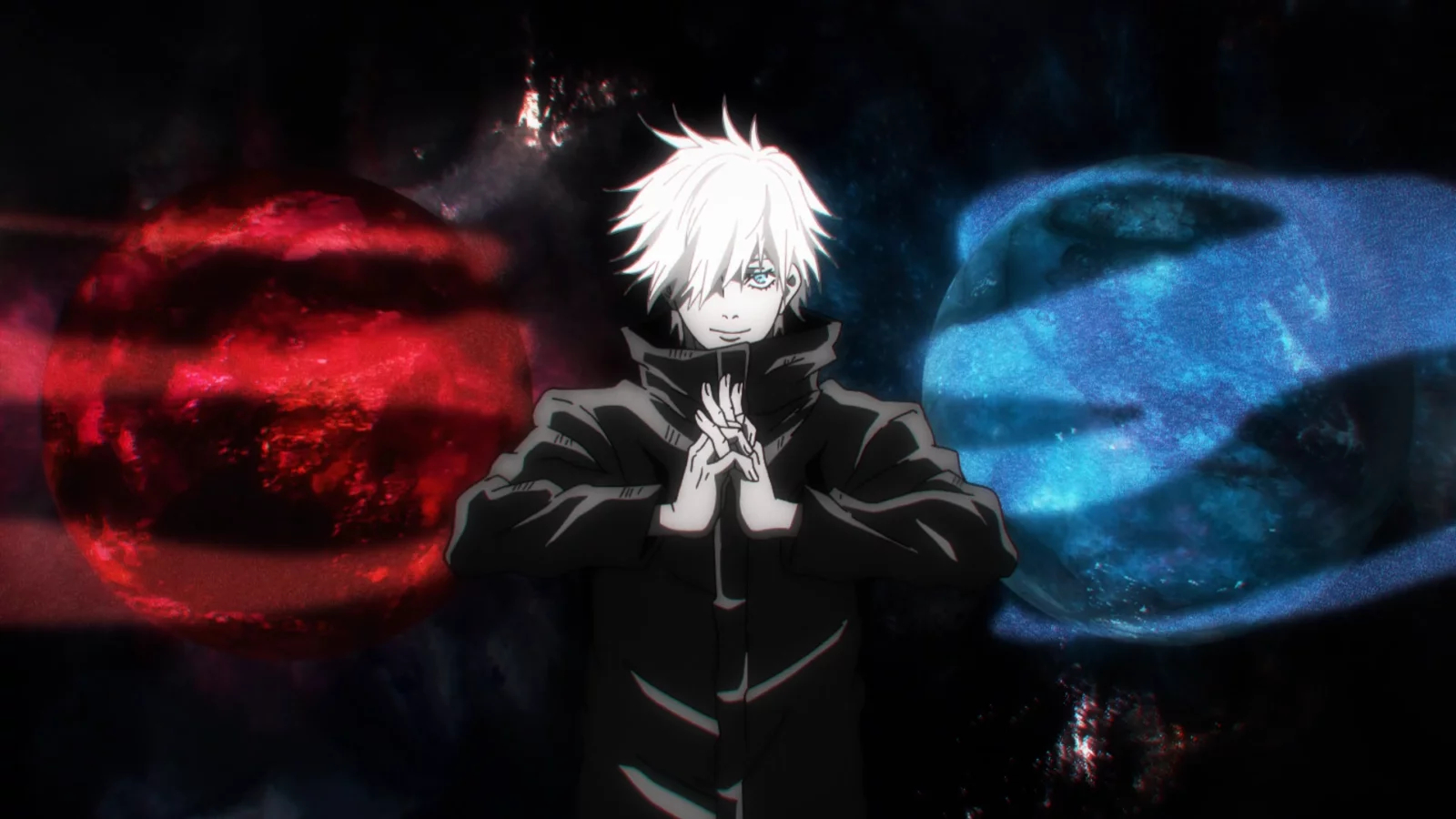
The Six Eyes give Gojo extraordinary perception. We’re talking about the ability to see cursed energy in such fine detail that he can distinguish between individual cursed techniques, read the flow of energy around him, and process information at a speed that makes other sorcerers look like they’re standing still. It’s not just enhanced vision — it’s a complete rewriting of how he experiences reality. When Gojo Satoru takes off that blindfold, he doesn’t just see more. He sees everything.
Then there’s Limitless, the inherited technique of the Gojo clan. At its core, Limitless manipulates space at an atomic level. The technique operates through three stages: Infinity, which slows anything approaching him to a crawl; Blue, which pulls matter toward a point with devastating gravitational force; and Red, which repels matter with equal destructive power. Combined, Blue and Red create Purple — an attack that erases matter from existence entirely.
This is why the Gojo vs Sukuna fight was inevitable. You have two characters operating on a plane that no one else can even comprehend, and the collision between them had to happen. But we’ll get to that.
What’s often overlooked in power-scaling discussions is the cost of these abilities. The Six Eyes process so much information that Gojo’s brain is constantly running at maximum capacity. His Domain Expansion, Unlimited Void, floods the target with infinite information, paralyzing them — but the fact that Gojo can perceive and process that same infinity means his mind operates on a fundamentally different level than anyone else’s. He literally cannot turn it off.
Why Infinity Is Both His Shield and His Prison
Gojo’s Infinity technique — the automatic defense that makes him functionally untouchable — is a perfect metaphor for his entire existence. Everything slows down before it reaches him. Everything is kept at a distance. He exists in a space where nothing can truly touch him, and that includes the people he cares about.
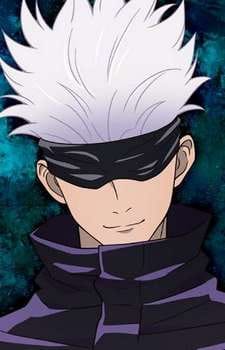
Think about it. The most protective ability in Jujutsu Kaisen is also the most isolating. When Geto — his one real friend — turns against humanity, Gojo can’t stop it with his power. When his students are in danger, his strength can protect them physically but can’t give them the emotional support they need. His Limitless keeps him safe and keeps him alone.
This duality is what elevates Gojo Satoru above every other “overpowered” character in anime. Saitama is strong and bored. Madara is strong and arrogant. Gojo is strong and lonely. That’s a difference that matters.
The Blindfold Comes Off: Gojo as Teacher
Here’s what a lot of people miss when they’re busy hyping up Gojo Satoru’s combat feats: his most important role in Jujutsu Kaisen isn’t fighter. It’s teacher. And not in the “wise sensei who dispenses cryptic advice” way — Gojo is messy, impulsive, and openly rebellious as an educator. He’s the teacher who shows up late, skips the boring parts of the curriculum, and genuinely believes his students can surpass him.
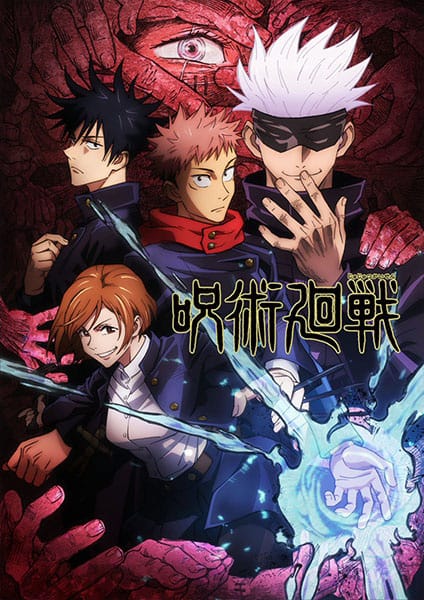
Gojo’s teaching philosophy is a direct rejection of Jujutsu society’s conservatism. The elders want to maintain the status quo. They want strong sorcerers who fall in line, who respect tradition, who don’t ask uncomfortable questions. Gojo wants the opposite. He recruits Yuji Itadori — a kid with no cursed technique and a death sentence hanging over his head — because he sees potential. He takes on Megumi Fushiguro — a descendant of the Zenin clan’s shadow technique — and encourages him to grow beyond what the clan expects. He fights for Nobara Kugisaki when the establishment would rather dismiss her.
In Episode 22 of the anime, when Gojo confronts the higher-ups about Yuji’s execution, we see the real fight he’s been waging all along. It’s not against curses or Special Grade threats — it’s against a system that treats talented young sorcerers as disposable. His line about wanting to “reset” Jujutsu society isn’t just bravado. It’s his actual mission, and his students are the instruments of that change.
The manga makes this even clearer. In the early chapters and the Jujutsu Kaisen 0 movie, we see Gojo’s relationship with Yuta Okkotsu — another student he championed against the establishment’s wishes. The pattern is consistent: Gojo Satoru finds talented outcasts, gives them a chance, and shields them from a system designed to use them up. That’s not the behavior of someone who only cares about being the strongest. That’s someone who understands exactly how broken the system is because he’s been crushed by it himself.
Gojo vs Sukuna: The Fight That Shook Anime
If you’ve been anywhere near the anime community in the last couple of years, you already know. The Gojo vs Sukuna fight in the manga (Chapters 221–236) wasn’t just a battle — it was an event. It broke the internet multiple times. It spawned thousands of thinkpieces, power-scaling essays, and heated debates that are still raging. And for good reason.
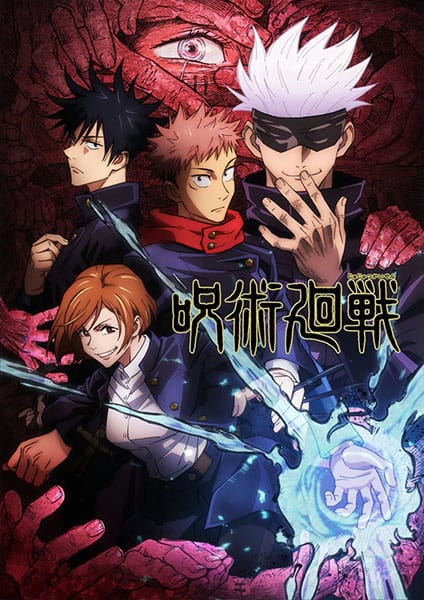
Here’s why this fight matters beyond just spectacle. Ryomen Sukuna, the King of Curses, represents the absolute ceiling of cursed power — a being so strong that the entire sorcerer society was built around the fear of his return. And Gojo Satoru, the strongest sorcerer of the modern era, is the only person who can stand against him. Two forces of nature colliding, each representing a different era and philosophy of power.
The fight itself is a masterclass in battle manga storytelling. Every panel in the Gojo vs Sukuna clash is dense with technique, strategy, and history. Sukuna adapts to Unlimited Void by using Megumi’s body and the Ten Shadows technique. Gojo pushes Purple to its absolute limit. The Domain Expansion clashes — Unlimited Void against Malevolent Shrine — are some of the most visually stunning and narratively loaded sequences Gege Akutami has ever drawn.
But here’s the thing that makes Gojo vs Sukuna truly special: it had to end the way it did. Gojo’s loss wasn’t a plot contrivance or a shock-value death. It was the natural conclusion to everything the story had been building. Gojo Satoru, the man who believed his strength could protect everyone, meets someone who can outlast him. Not because Gojo is weak — but because Sukuna has had a thousand years to refine his cruelty.
The community’s reaction was volcanic. Twitter (X) trended worldwide. People were genuinely grieving. The outpouring of emotion wasn’t just about losing a favorite character — it was about losing a symbol. Jujutsu Kaisen without Gojo Satoru felt like a different series entirely, and that’s exactly why the story needed it.
The Loneliest Sorcerer: Why Strength Is Gojo’s Tragedy
This is where the Gojo character analysis gets real. Strip away the flashy techniques, the blindfold, the cocky grin — what’s left? A man who has never been challenged, never been pushed to his limit in a meaningful way, and never been truly understood by anyone around him. The loneliness of Gojo Satoru isn’t subtext. It’s the text.
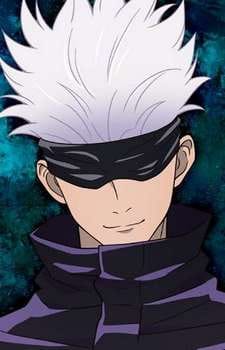
In the Hidden Inventory arc (Episodes 25–28 of the anime, corresponding to the manga’s Volume 0 flashback), we see Gojo before he became the untouchable god of Jujutsu. He’s still absurdly powerful, but he’s different. He jokes more. He’s less guarded. And most importantly, he has Suguru Geto — the one person who sees him as a peer rather than a weapon.
When Geto falls — when his best friend becomes the very thing Gojo swore to fight against — something breaks inside Gojo Satoru that no amount of Reverse Cursed Technique can heal. The scene in Episode 34, where Gojo confronts Geto one final time, isn’t just a fight between two sorcerers. It’s two fundamentally incompatible worldviews colliding, and the person Gojo trusts most choosing a path he can’t follow.
After that, every relationship Gojo has is filtered through his power. People either fear him, want to use him, or are protected by him. There’s no one left who can stand beside him as an equal. Even his colleagues at Jujutsu High treat him with a mixture of respect and wariness. He’s the nuclear option — too dangerous to ignore, too valuable to lose, too powerful to trust.
This is why Gojo’s interactions with his students hit so differently. Yuji, Megumi, Nobara, Yuta — these are the first people in years who see Gojo Satoru and don’t flinch. They argue with him. They annoy him. They challenge him in ways that have nothing to do with combat. For a man who’s been treated as a living weapon since childhood, that kind of normalcy is everything.
The Death That Broke the Fandom
I still remember exactly where I was when Chapter 236 dropped. The spoilers hit Twitter on a Wednesday, and within hours, the entire anime community was in freefall. Gojo Satoru — the strongest, the symbol of hope, the man who promised to change Jujutsu society — was dead. Cut in half by Sukuna. And the fandom absolutely lost it.
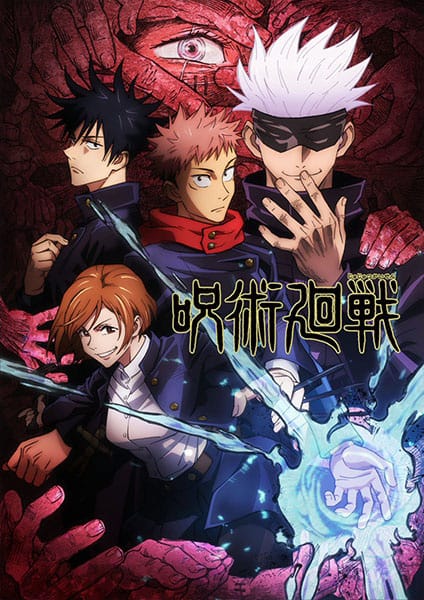
What made Gojo’s death so devastating wasn’t just that it happened. It was how it happened. The chapter gives us Gojo’s inner monologue as he fades — and instead of rage or defiance, he thinks about his students. He thinks about whether he did enough. He wonders, in his final moments, if the people he loved will be okay without him. It’s not the death of an invincible warrior. It’s the death of a teacher who worried about his kids until the very last second.
The community’s grief was palpable and multifaceted. There was anger at Gege Akutami for killing off the most popular character. There were conspiracy theories — Gojo’s return was “confirmed” by fans who couldn’t accept it, who pointed to Reverse Cursed Technique, to unanswered plot threads, to anything that might bring him back. There was genuine mourning, the kind you don’t usually see for fictional characters.
But here’s what I think the people who were purely angry missed: Gojo Satoru’s death is what completes his character arc. He lived as the strongest — and he died as the strongest. His loss to Sukuna wasn’t because he was weak. It was because the narrative had always been building toward the truth that strength alone can’t save you. His students had to grow beyond him. Jujutsu society had to face its problems without a walking nuclear deterrent. Gojo’s death isn’t a failure — it’s a graduation.
The parallels to Geto’s fall are impossible to ignore. Just as Geto’s descent forced Gojo to confront the limits of his own philosophy, Gojo’s death forces his students to become what he always believed they could be. The torch doesn’t pass because the old guard steps aside. It passes because the old guard falls — and the new generation rises to meet the moment. That’s the thematic engine of Jujutsu Kaisen, and Gojo Satoru is its fuel.
The Next Gojo: Legacy and the Modulo Sequel Hints
Even in death, Gojo Satoru’s shadow looms over Jujutsu Kaisen. The manga’s final arc and the hints scattered throughout the Modulo sequel discussions make one thing clear: the question isn’t whether Gojo is gone, it’s whether someone can become what he represented — a force powerful enough and principled enough to reshape Jujutsu society from the ground up.
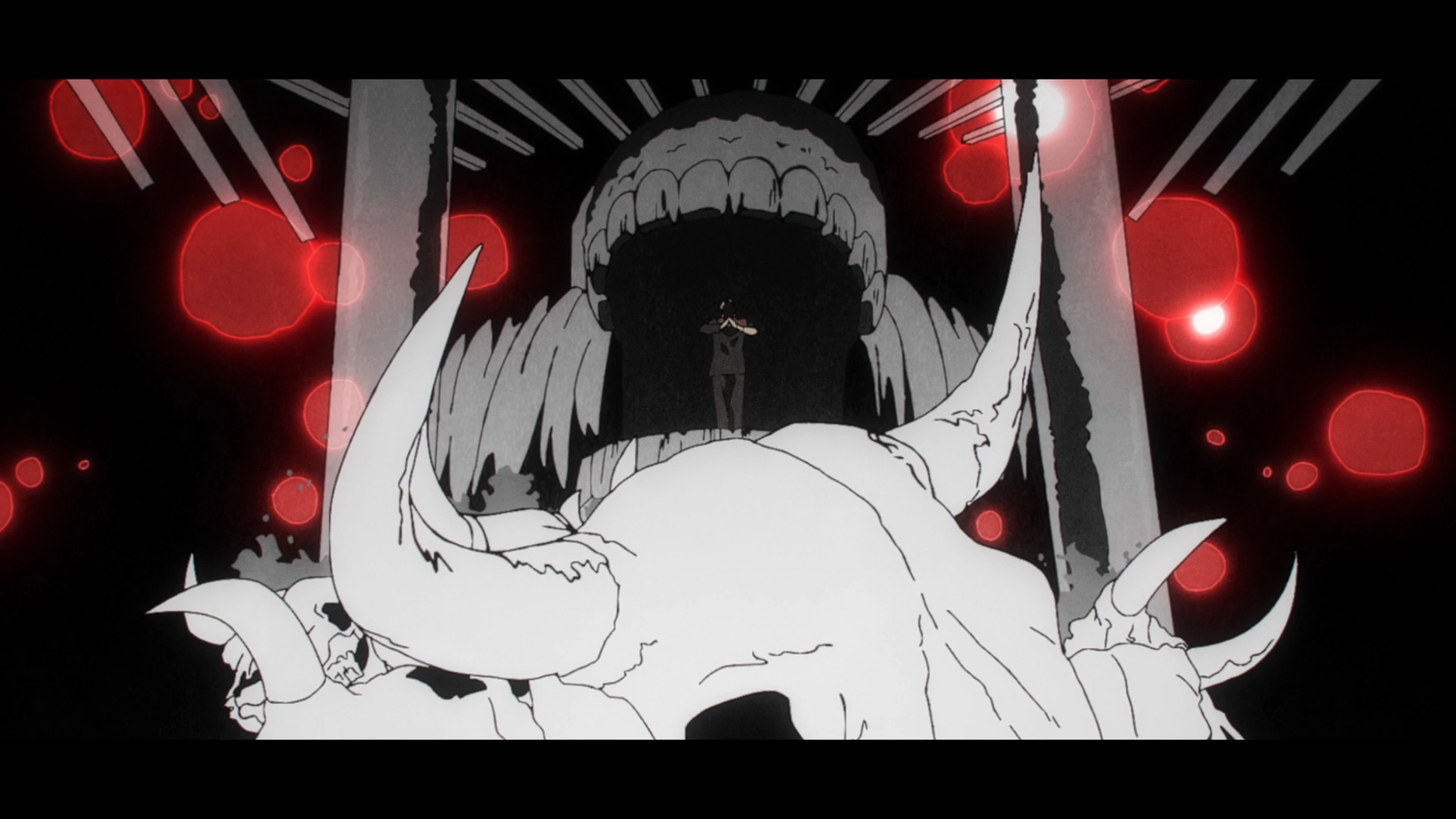
The candidates are fascinating. Yuji Itadori has absorbed Sukuna’s power and proven he can withstand impossible pressure. Megumi Fushiguro carries the Ten Shadows technique that Sukuna himself exploited during the Gojo vs Sukuna fight. Yuta Okkotsu, the Special Grade prodigy from Jujutsu Kaisen 0, has already been positioned as someone who could fill the void. Each of them represents a different aspect of Gojo’s legacy: Yuji carries his defiance, Megumi carries his revolutionary vision, and Yuta carries his raw potential.
But here’s the critical distinction: “the next Gojo Satoru” shouldn’t mean someone who’s just as strong. It should mean someone who completes what Gojo started — the restructuring of a corrupt, stagnant system. Gojo himself said he wanted to create sorcerers who would surpass him. His death makes that mission more urgent, not less. The “next Gojo” isn’t about power levels. It’s about continuing the fight he couldn’t finish alone.
The Modulo sequel material and the manga’s final chapters reinforce this by showing how Gojo’s influence persists. His students operate with the confidence he instilled in them. The changes he pushed for — better treatment of sorcerers, rejection of the conservative establishment, a new way of thinking about cursed energy — didn’t die with him. They became the foundation that the next generation builds on. That’s a legacy worth more than any Domain Expansion.
More Than Overpowered: The Case for Gojo as Anime’s Best
Let’s bring this home. Gojo Satoru is often dismissed in casual conversation as “just another overpowered anime character.” And sure, on the surface, he fits the mold — absurdly strong, always confident, seemingly invincible. But reducing him to that is like reducing Makima to “just another villain” or reducing Jujutsu Kaisen’s ending to “just another shounen conclusion.” You miss everything that matters.
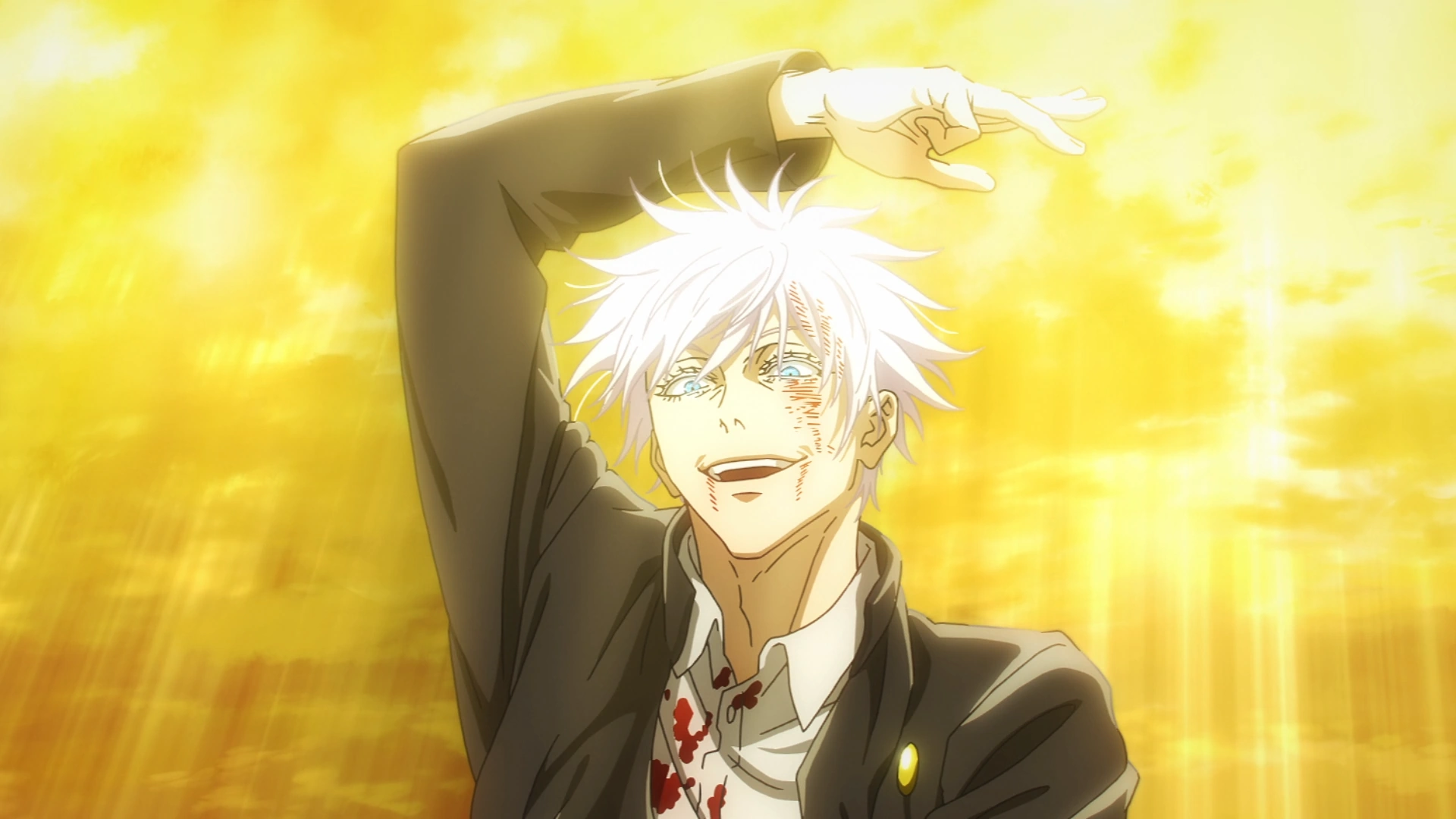
Gojo Satoru works because his power is his curse in the most literal sense. The Six Eyes that make him unbeatable also make him fundamentally different from everyone else. The Limitless that protects him also keeps people at arm’s length. The Unlimited Void that dominates his enemies is a reflection of his own internal experience — overwhelmed by infinite information, unable to find peace. Every single thing that makes him “overpowered” is also the thing that isolates him, hurts him, and ultimately defines his tragedy.
Compare him to other “OP” characters across anime. Saitama’s strength makes him bored — it’s played for comedy. Madara’s strength makes him arrogant — it’s played for villainy. Escanor’s strength comes with a ticking clock — it’s played for pathos. Gojo Satoru’s strength makes him lonely, and that loneliness drives every meaningful choice he makes. It’s why he becomes a teacher. It’s why he fights the establishment. It’s why he cares so deeply about students who will never truly understand what it’s like to be him.
The Jujutsu Kaisen anime’s adaptation of Gojo elevates this even further. Voice actor Yuichi Nakamura brings a specific energy to Gojo Satoru — that playful, almost flippant tone that cracks just enough in key moments to let you see the exhaustion underneath. The animation of his fights, particularly the Domain Expansion sequences, doesn’t just look incredible; it communicates the overwhelming scope of his power in a way that makes you feel both awe and unease.
And that’s the final piece of the puzzle. Gojo Satoru is fascinating because we can see both sides simultaneously. We see the confident sorcerer who jokes in the face of death, and we see the man who lies awake at night wondering if he’s doing enough. We see the fighter who can dismantle any opponent, and we see the teacher who just wants his kids to survive in a world that’s designed to consume them. He’s not just the strongest — he’s the most human character in Jujutsu Kaisen, and that’s what makes him the most fascinating character in anime.
You Might Also Enjoy
If you loved this deep dive into Gojo Satoru, you’ll want to check these out:
Jujutsu Kaisen Execution Movie — How the movie reframes key relationships and sets up the larger conflict.
Jujutsu Kaisen Season 4 — Everything we know about the next arc and what it means for the surviving cast.
Jujutsu Kaisen’s Ending Explained — Breaking down the conclusion and what it means for Gojo’s legacy.
Makima Explained — Another fascinating antagonist analysis — what makes Chainsaw Man’s villain tick.
Best Character Development in Anime — Where Gojo ranks among the greatest character arcs in anime history.
For more on the technical details of Gojo’s abilities and the full Jujutsu Kaisen lore, the Jujutsu Kaisen Fandom Wiki is an excellent deep resource.