Why Shangri-La Frontier Season 2 Is the Gaming Anime Everyone’s Been Waiting For
If you slept on the first season of Shangri-La Frontier, I get it — the isekai fatigue is real, and another VRMMORPG anime sounds like the last thing anyone needs. But here’s the thing: Shangri-La Frontier Season 2 isn’t just another entry in a crowded genre. It’s the one that proves gaming anime can still feel fresh, urgent, and wildly entertaining. And with Season 2 arriving on Netflix on June 1, 2026, the timing couldn’t be better to jump in.
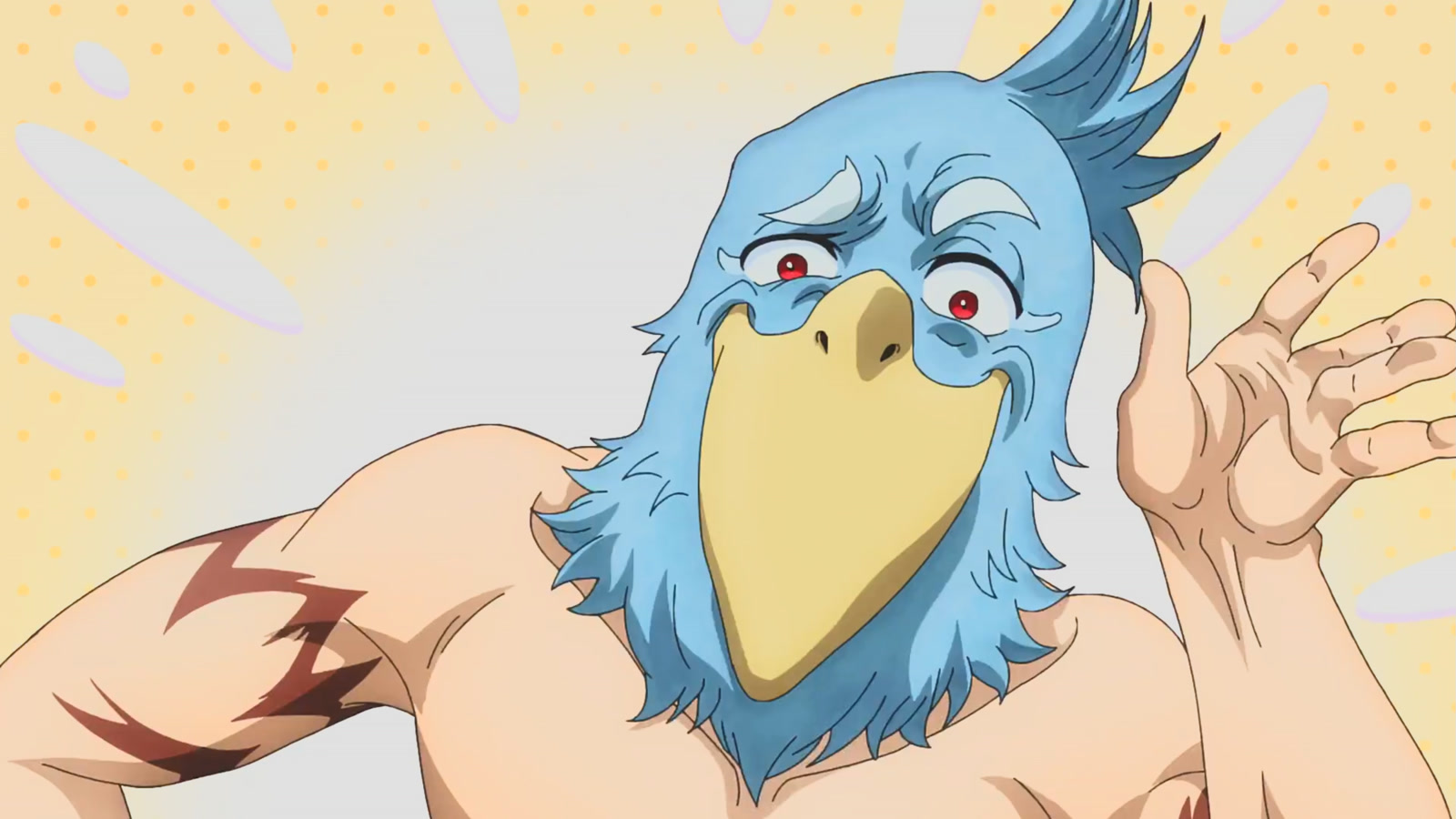
The first season already turned heads with its infectious energy and a protagonist who actually plays games like a real gamer — min-maxing, exploiting mechanics, and diving headfirst into broken systems for the thrill of it. But Season 2 takes everything that worked and cranks the dial past eleven. New story arcs, higher stakes, jaw-dropping fights, and a deeper look at the world of SLF that makes it feel like a real MMO you wish you could play.
So let’s break down exactly why Shangri-La Frontier Season 2 deserves a top spot on your watchlist — and why June 2026 might be the month that cements this series as the definitive gaming anime of the decade.
Sunraku: The Protagonist Gaming Anime Needed
Most VR anime leads fall into two camps: the overpowered chosen one who stumbles into greatness, or the everyman who gets isekaied against their will. Rakurou Hizutome — better known by his in-game handle Sunraku — is neither. He’s a trash game hunter. A guy who deliberately seeks out broken, unbalanced, buggy games and beats them anyway, not despite their flaws, but because of them.
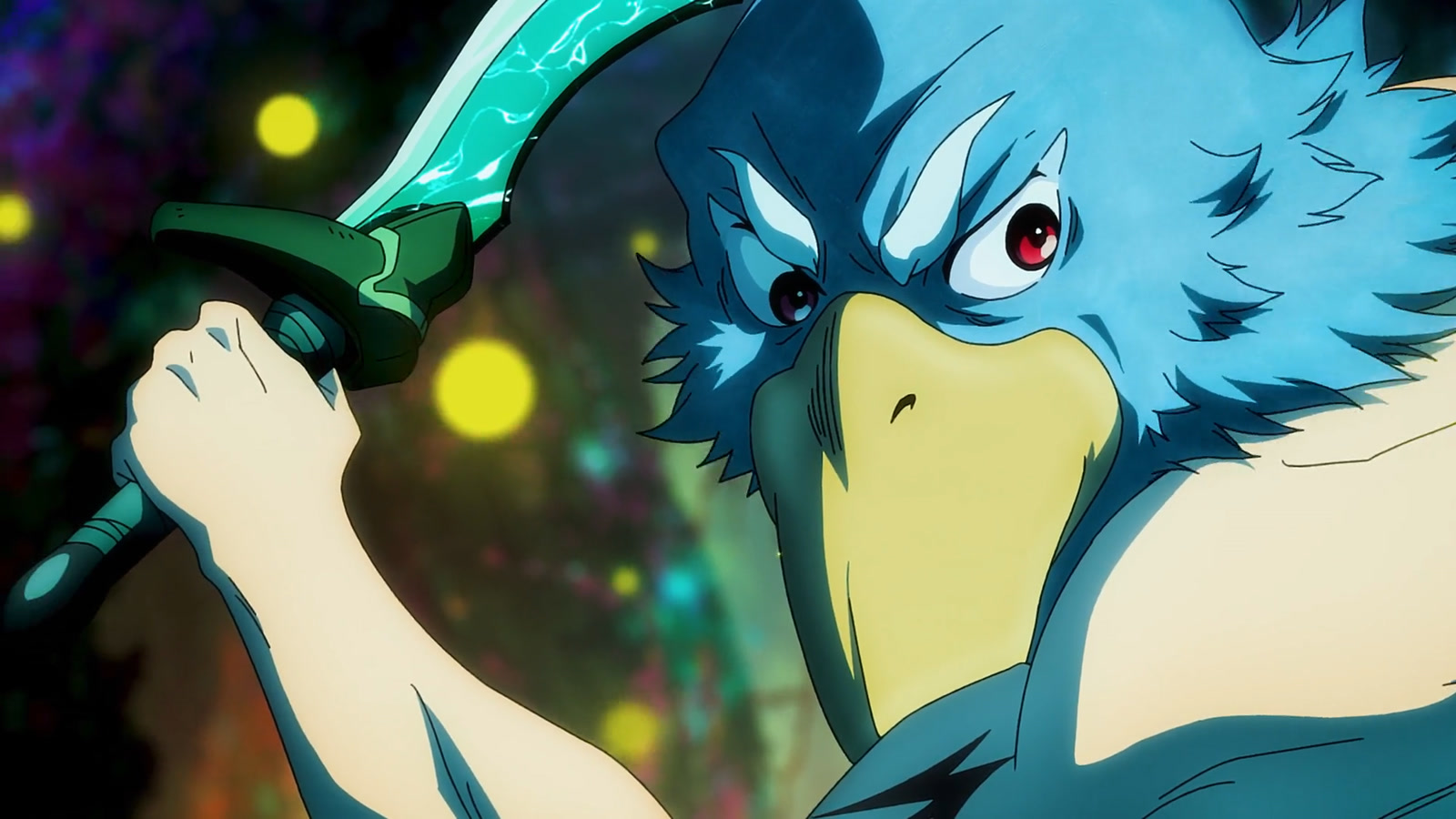
This is what makes Sunraku fundamentally different from Kirito, Maple, or any other gaming anime protagonist you want to name. He doesn’t start Shangri-La Frontier because it’s the only option. He starts playing because he heard it was a masterpiece — a “kamige” — and he wanted to experience the polar opposite of the trash games he usually conquers. His approach is tactical, obsessive, and deeply personal. He treats game mechanics like puzzles to solve, not power fantasies to indulge.
In Season 2, this characterization deepens significantly. After defeating Wethermon in Season 1, Sunraku isn’t resting on his laurels. He’s immediately chasing the next challenge, and his relationship with the game world evolves from curiosity to genuine emotional investment. When the Abyss City arc kicks off and the hunt for Ctarnidd of the Abyss begins, you see a player who’s no longer just testing the boundaries — he’s living inside them.
And that’s what makes this season resonate with actual gamers. Sunraku doesn’t feel like a fantasy character who happens to play games. He feels like someone you’d meet in a raid Discord — opinionated, knowledgeable, slightly unhinged, and absolutely committed to the grind. The writing understands that the most interesting thing about gamers isn’t what they achieve, it’s how they think.
The Story Arcs That Raise the Stakes
Season 1 ended with Sunraku’s victory over Wethermon the Tombguard, one of the seven Colossi — world bosses so powerful that most players consider them unbeatable. But in classic Sunraku fashion, that wasn’t enough. The aftermath of that fight sets the stage for everything Shangri-La Frontier Season 2 delivers, and the escalation is real.
The Crystal Scabbard arc picks up the pieces. Sunraku has earned legendary gear from the Wethermon fight, but there’s a catch — the equipment is so powerful relative to the areas he’s exploring that using it feels almost like cheating. The anime handles this brilliantly, showing how OP gear creates its own set of problems. Sunraku can’t rely on it indefinitely because if it breaks, it’s gone. This mechanical tension — the kind that only makes sense in a real MMO economy — gives the season’s narrative a grounded weight that most gaming anime never achieve.
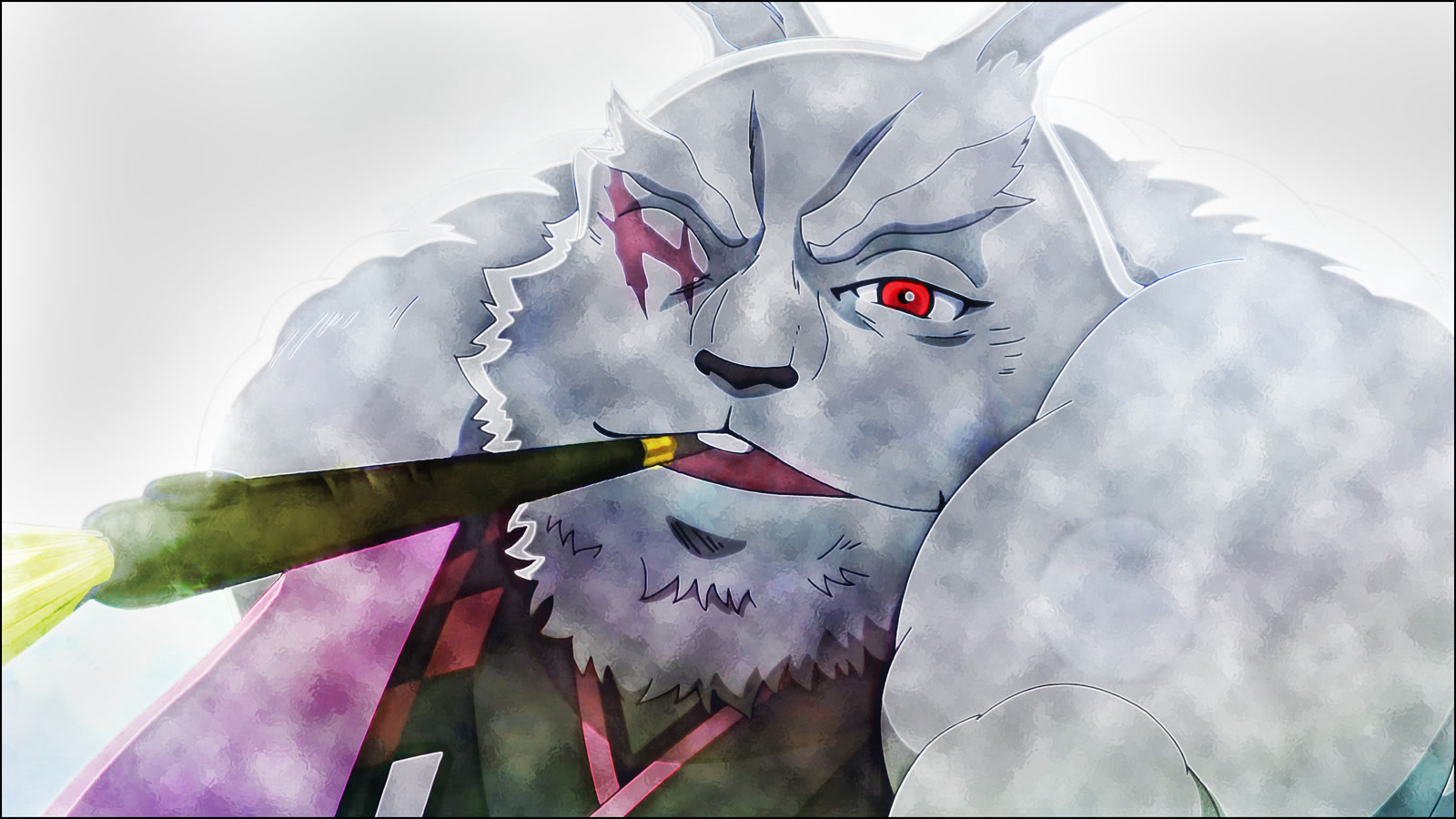
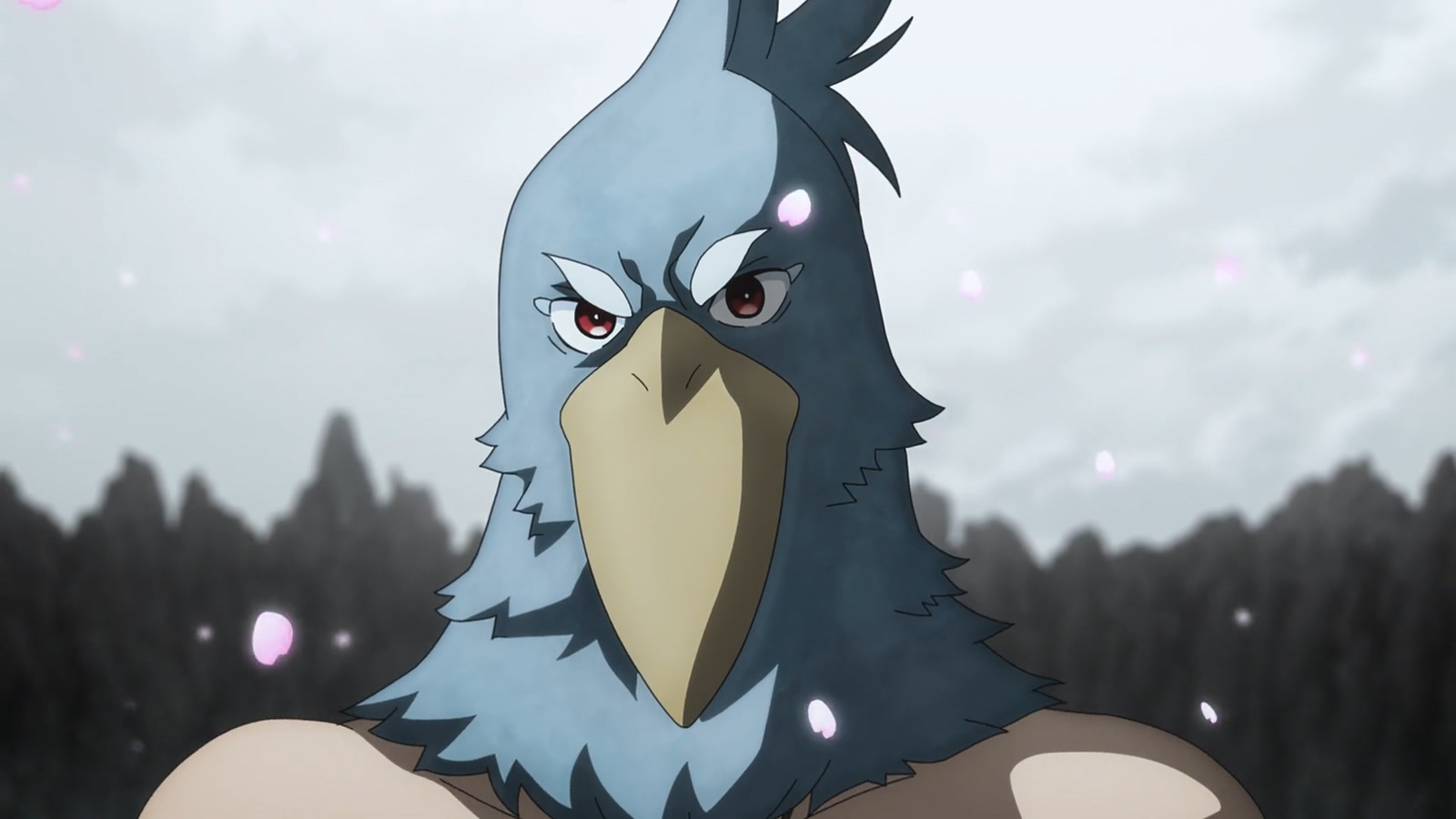
Then comes the Lycagon rematch, and this is where things get personal. Lycagon of the Night is one of the seven Colossi, a wolf-type encounter that roams the map as a random spawn — no quest trigger, no guaranteed meeting. The fact that Lycagon is out there, somewhere, hunting and being hunted, gives the entire season an undercurrent of danger. When Sunraku faces Lycagon again, it’s not just a boss fight. It’s a statement about persistence, adaptation, and the kind of stubborn refusal to quit that defines every great gamer.
But the crown jewel of Shangri-La Frontier Season 2 is the Abyss City arc. This is where the season shifts from “really good” to “all-time great.” Ctarnidd of the Abyss — a monstrous squid-like entity lurking in the ocean depths — becomes the ultimate target, and the journey to even find the quest that leads to Ctarnidd feels like its own adventure. The anime builds the mystery organically, with NPCs dropping hints, books in royal libraries holding fragmentary lore, and the player community slowly piecing together information about a boss that most players have never even seen.
This structure — where the game world genuinely feels like it has secrets that the community hasn’t solved yet — is something the show nails better than any competing anime this year. It captures the magic of playing an MMO at launch, when the wiki is empty and every discovery is yours alone.
How Shangri-La Frontier Season 2 Stands Apart From Other Gaming Anime
Let’s address the elephant in the room: we’ve seen a lot of gaming anime over the past decade. Sword Art Online kicked off the modern wave. Log Horizon offered the systems-heavy political angle. Bofuri went full meme-lord with an overpowered defense build. Solo Leveling brought the power fantasy with jaw-dropping animation. So what makes Shangri-La Frontier Season 2 different?
The answer is authenticity. Most gaming anime treat the game world as a backdrop for action and drama. The game mechanics are window dressing — they exist to justify cool fight scenes, not because the creators actually care about how MMOs work. This show is different. It loves game mechanics. It revels in build optimization, exploit discovery, and the joy of understanding a system well enough to bend it to your will.
When Sunraku figures out that he can use the Crystal Scabbard gear conditionally — risking its destruction for brief bursts of power — that’s not just a cool anime moment. That’s a genuine MMO decision. Anyone who’s played an online game knows the feeling: “Do I use my best item now and risk losing it, or save it for later?” The show builds entire episodes around these kinds of decisions.
Compare that to Sword Art Online, where Kirito’s dual-wielding is basically a plot coupon handed to him by the narrative. Or Bofuri, where Maple’s defense stacking is played for laughs rather than tension. Sunraku’s approach in Season 2 sits in a sweet spot — it’s funny, it’s smart, and it has real consequences. The show takes its own rules seriously, which means the audience can invest in the outcomes.
Then there’s the world-building. SLF doesn’t just tell you “this is a big game.” It shows you. The Colossi have different encounter conditions — some are tied to quests, some are random spawns, some are so hidden that only NPCs know they exist. This variety gives the season a sense of discovery that makes every new episode feel like logging into an expansion for the first time. It’s not Steins;Gate-level narrative complexity, but it doesn’t need to be. The complexity is in the systems, and the show trusts its audience to keep up.
C2C Studio and the Animation That Elevates Everything
You can have the best writing in the world, but if a gaming anime looks like PowerPoint, nobody’s sticking around. Thankfully, Shangri-La Frontier Season 2 is animated by Studio C2C — and they are cooking.
C2C isn’t a household name like MAPPA or Ufotable. Before Shangri-La Frontier, their most notable work was the visually inventive Wandering Witch: The Journey of Elaina. But with SLF, they’ve found their calling card. The studio clearly understands video games on a visual level. UI elements appear organically. Skill effects have the kind of screen-filling spectacle you’d expect from an actual MMO. Boss attacks telegraph with the kind of deliberate design that tells you the animators play these games themselves.
In Season 2, the animation quality steps up considerably. The Wethermon aftermath sequences carry real weight. The Lycagon rematch features some of the most kinetic, dynamic choreography in any recent anime — not just gaming anime, any anime. And the Abyss City arc introduces environments that feel genuinely vast and unsettling, a far cry from the generic fantasy forests that plague lesser shows in this genre.
What sets C2C apart isn’t just technical skill — it’s restraint. They know when to go all-out with sakuga and when to let a conversation breathe. The show never feels like it’s performing for you; it feels like it’s playing with you. That’s a subtle but crucial distinction, and it’s why Shangri-La Frontier Season 2 has earned praise from fans who normally wouldn’t touch a seasonal anime with this kind of premise.
At a time when studios are overworking animators and shipping unfinished episodes, C2C has delivered two consecutive seasons of consistent, high-quality animation. That’s not just impressive — it’s rare. And it’s a big reason why the season holds an 8.27 score on MyAnimeList, putting it in the top tier of gaming anime on the platform.
The Manga’s Explosive Growth and Why the Adaptation Matters
Here’s a number that should make you pay attention: 16 million copies in circulation as of March 2026. That’s up from 10 million in September 2024, which was up from 8 million just five months earlier. The Shangri-La Frontier manga by Katarina and Ryosuke Fuji isn’t just growing — it’s accelerating.
This kind of explosive growth doesn’t happen in a vacuum. It’s driven by word of mouth from anime viewers who went straight to the manga because they couldn’t wait for Season 2, and by manga readers who’ve been evangelizing the series since long before the anime existed. The web novel origins — Katarina started this story on Shōsetsuka ni Narō — give the source material a raw, community-driven energy that translates perfectly to the screen.
The anime adaptation matters because it validates what manga fans have been saying for years: this isn’t just another VRMMORPG story. The anime brings in viewers who’d never pick up a manga about gaming, and then those viewers start telling their friends, and the flywheel spins faster. It’s the same kind of cultural momentum that propelled Dandadan past 14 million copies or made Gachiakuta one of the most anticipated new anime.
And here’s the thing — Shangri-La Frontier Season 2 is still early in the story. The manga is ongoing with no end in sight, and the anime hasn’t even caught up to the most ambitious arcs yet. If you start watching now, you’re getting in at the ground floor of what could be a 3-to-4 season run. The kind of long-form investment that made shows like My Hero Academia cultural touchstones.
Ryosuke Fuji’s artwork in the manga is spectacular — detailed, dynamic, and clearly informed by actual game design. The anime captures that energy while adding motion, sound, and pacing that make fights land even harder. When you see the Colossi battles animated, you understand why this property earned an anime adaptation in the first place. The C2C team clearly respects the source material, and it shows in every frame.
Where to Watch Shangri-La Frontier Season 2
Alright, you’re sold. So where do you actually watch this thing? Here’s the breakdown.
Netflix: Starting June 1, 2026, Shangri-La Frontier Season 2 will be available on Netflix in the United States, Canada, Europe, Latin America, Australia, New Zealand, and South Africa. Season 1 hit Netflix on May 1, so you can binge both seasons back-to-back if you’re starting from scratch. In East Asia and Southeast Asia, Season 2 is already available on Netflix — lucky those viewers.
Crunchyroll: If you’ve been watching on Crunchyroll, both seasons are available there as well. The platform has been the primary streaming home since the season aired in Fall 2024, so this is your go-to if you want to support the official release through the anime-specific platform.
Both services offer the subbed version. Crunchyroll has the advantage of community features and simulcast infrastructure, while Netflix gives you the convenience of watching alongside your other subscriptions. Either way, the show is easy to access legally — no sketchy sites required.
If you’re a completionist, the manga is available in English through Kodansha’s digital platforms, and the web novel (in Japanese) is on Shōsetsuka ni Narō. But honestly? Start with the anime. Shangri-La Frontier Season 2 is the kind of show that moves — the animation, the sound design, the fight choreography — these are things you can’t fully appreciate on the page.
Why June 2026 Is the Perfect Time to Start
Timing matters in anime fandom. Watch something too early and you’re stuck waiting years for a sequel. Watch it too late and everyone’s already moved on. Shangri-La Frontier Season 2 hitting Netflix in June 2026 puts you in the sweet spot.
Here’s why: the anime has completed two full seasons, so you have 50+ episodes of content to binge. The manga is still ongoing with no end announced, meaning there’s plenty of source material for Season 3 and beyond. The community is active and growing — the 2026 anime awards season has only increased visibility. And critically, the story is at a point where the world has been established, the characters are developing, and the big arcs are just getting started.
If you start watching now, by the time you catch up, you’ll be perfectly positioned for whatever comes next. No years-long hiatus. No ambiguous ending. Just a growing franchise with momentum and a studio that clearly has the passion to keep delivering.
The spring 2026 anime season has been strong, and Ghost in the Shell’s return is drawing attention, but Shangri-La Frontier Season 2 represents something different — a show that’s building its legacy one arc at a time, without relying on nostalgia or brand recognition. It’s earning every fan through quality alone.
The Verdict: Shangri-La Frontier Season 2 Is Essential Viewing
Let me be direct: Shangri-La Frontier Season 2 is the best gaming anime since Log Horizon’s first season, and in some ways, it’s better. It has a protagonist who actually thinks like a gamer. It has animation that respects the source material. It has story arcs that escalate with genuine tension and payoff. And it has the rare quality of making you want to play something after every episode, not just watch more anime.
The Netflix drop on June 1, 2026 removes every excuse not to watch. You don’t need to hunt for it. You don’t need three subscriptions. You don’t need to read the manga first. You just need to press play and let Sunraku’s chaotic, brilliant, deeply relatable approach to gaming wash over you.
Whether you’re a hardcore MMO player, a casual anime fan looking for something fresh, or someone who abandoned gaming anime after Sword Art Online left a bad taste — Shangri-La Frontier Season 2 is worth your time. It’s the show that proves this genre still has stories worth telling, and it tells them with the kind of energy and craft that makes you believe in it.
Don’t sleep on this one. The Colossi are waiting.
You Might Also Enjoy
If Shangri-La Frontier Season 2 has you hyped for more great anime, check these out:
Most Anticipated Summer 2026 Anime Ranked — The full lineup of what’s worth your time this summer, including where SLF2 fits in.
Why Isekai Anime Is Declining — and What Comes Next — The genre shift that explains why Shangri-La Frontier’s gaming focus feels so refreshing.
Solo Leveling Season 3: Jeju Island Arc — Another power-fantasy gaming anime, but with a very different approach to what makes gaming stories compelling.
Gachiakuta: The Next Big Shonen Anime of 2026 — If you love underdog stories with wild fight choreography, this one’s for you.
Dandadan’s 14 Million Manga Milestone — Another manga-turned-anime success story that shows the power of great adaptations.