Why Gachiakuta Already Feels Like 2026’s Next Big Shonen
Gachiakuta has not even made its full anime debut yet, and it already has the kind of momentum that usually shows up right before a breakout hit. The manga built a loyal following on raw attitude alone, but the real reason fans are circling this adaptation is simpler: Gachiakuta looks built for anime. The trash-pit setting is instantly memorable, the action style has personality, and Rudo walks into the story with the kind of anger that makes a battle shonen move fast from page one. If the adaptation lands, Gachiakuta could be the series that dominates anime conversation the same way other rough-edged newcomers did when they first exploded.
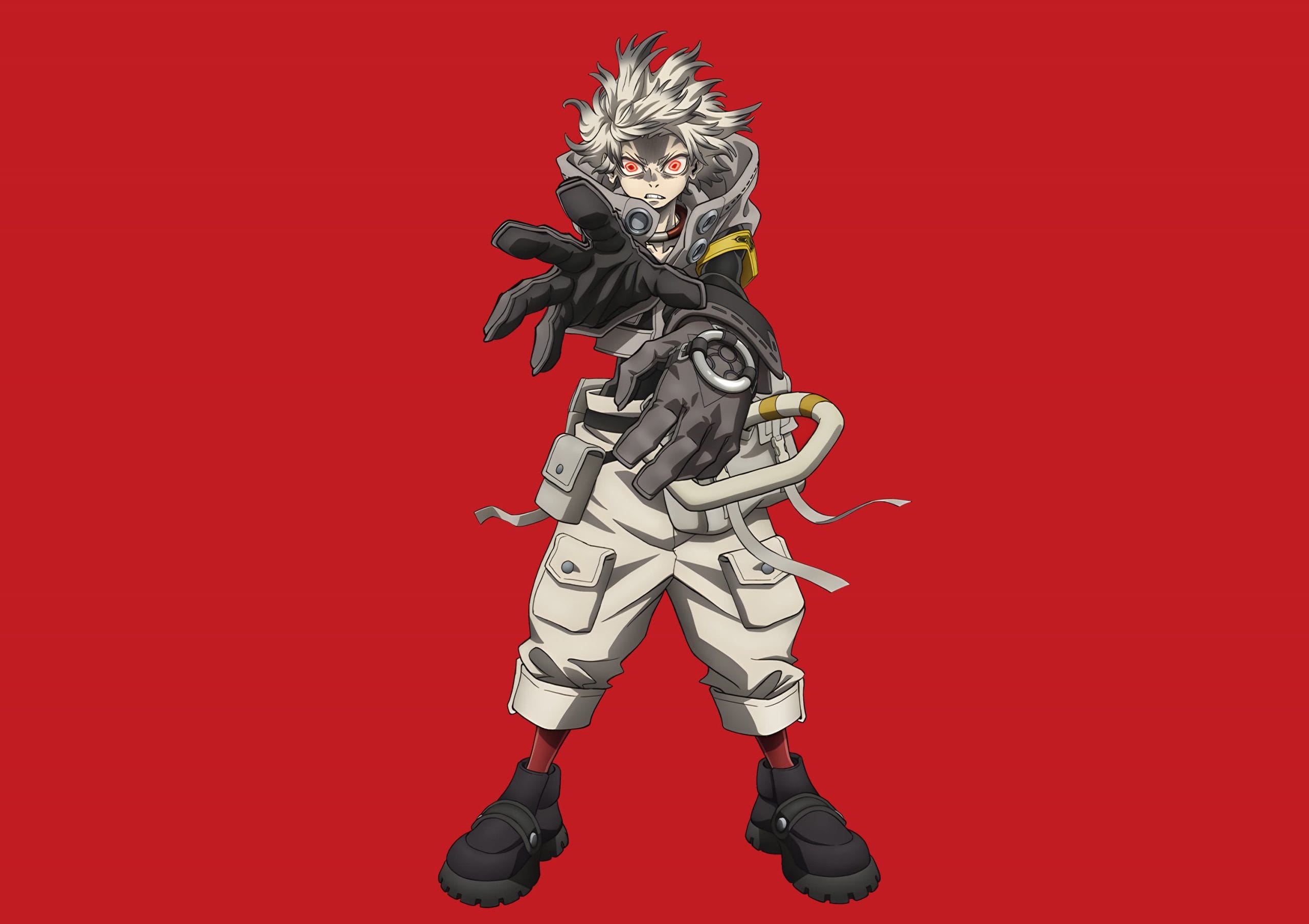
What makes the hype interesting is that it is not coming from one lane. Manga readers are excited because they know how nasty and creative the fights can get. New anime fans are interested because the visual identity is different from the cleaner digital polish that dominates a lot of seasonal shows. And the broader anime crowd is always waiting for the next series that feels loud, stylish, and a little dangerous. Gachiakuta checks all three boxes.
That does not automatically make it a classic. Plenty of manga with strong art and energy lose their edge in adaptation. But Gachiakuta has several advantages working in its favor, especially in a moment when fans are hungry for shonen that feel more textured and less manufactured. That is why Gachiakuta matters now, even before it has fully proved itself on screen.
Its Setting Does More Than Look Cool
The first thing most people notice about Gachiakuta is the aesthetic. The world is covered in waste, scraps, and broken things, but the series does not treat that as background decoration. Trash is part of the social structure, part of the violence, and part of the identity of the people forced to survive around it. That gives Gachiakuta a grime-heavy atmosphere that separates it from more standard academy arcs, demon hunts, and fantasy kingdoms.
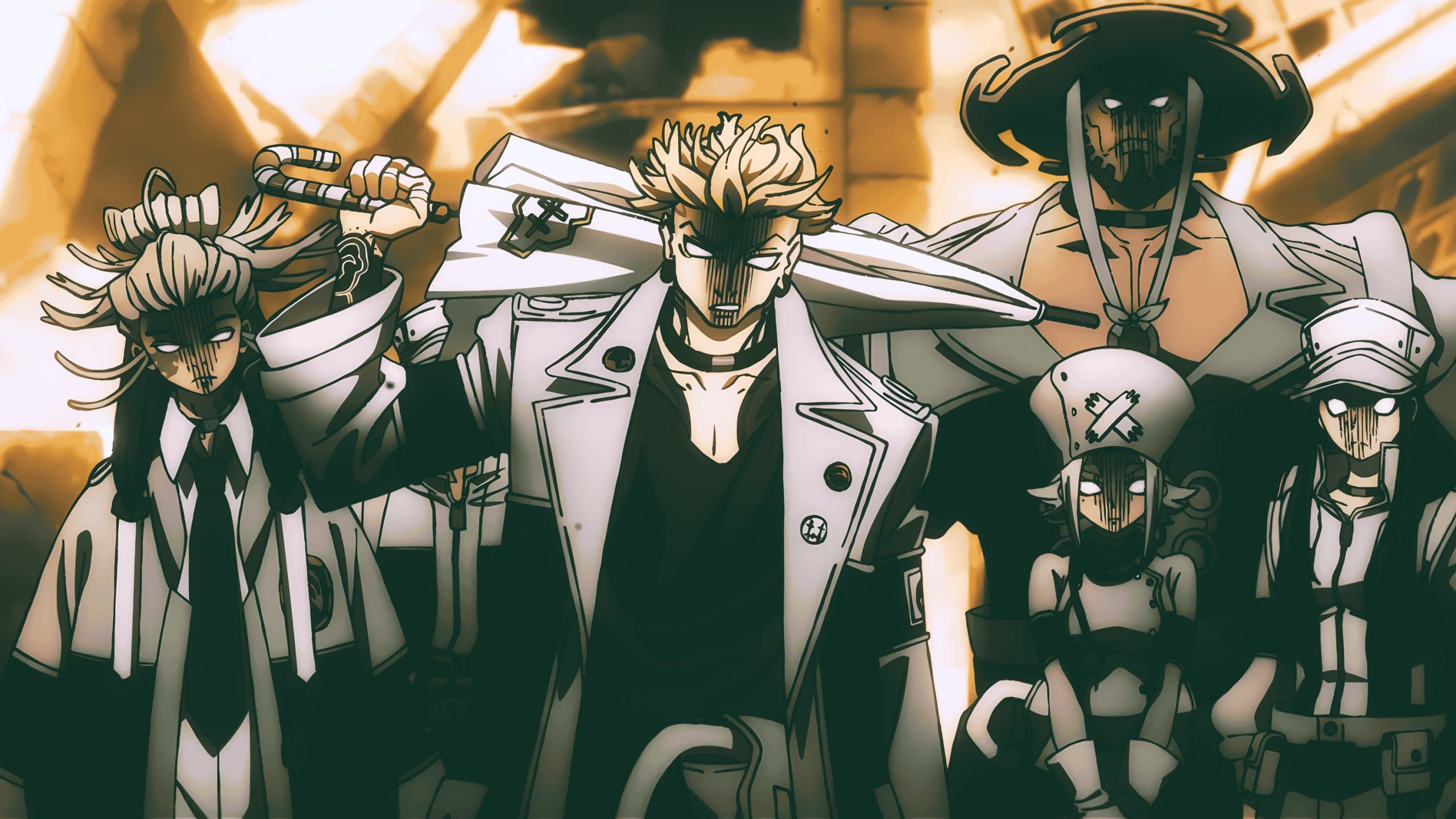
That matters because anime seasons are crowded. A series needs something viewers can recognize instantly when clips start hitting timelines. In Gachiakuta, one screenshot can do the job. The jagged linework, layered debris, and rough urban decay make the story look hostile in a way that fits the emotional tone. This is not a polished power fantasy. It is a series about people treated like disposable objects, fighting back in a world that literally throws them away.
There is also a thematic hook here that gives the adaptation more depth than a simple revenge story. Gachiakuta keeps returning to questions of worth. Who gets discarded. Who decides what is filthy. Who is allowed to belong. Those ideas are woven into the setting itself, which is one reason manga readers talk about the series with more passion than you usually get from a new action title. If the anime preserves that tension, Gachiakuta will have more to offer than good fights and cool character designs.
That is especially important in modern shonen, where audiences are quicker than ever to separate surface-level cool from stories that actually have something to say. A gritty world can attract attention for a week, but it does not keep people theorizing between episodes unless the setting reflects the story’s deeper pressure points. In Gachiakuta, the junkyard imagery is not random set dressing. It reinforces the humiliation, class cruelty, and survival instinct driving the characters. Fans can feel when a series has that level of internal logic.
AnimeTiger has already covered how new seasonal hits stand out by committing to a strong identity, whether it is the stagecraft of Akane-banashi or the political ambition of Nippon Sangoku. Gachiakuta comes from the opposite end of the spectrum, but the rule is the same. Distinct worlds get remembered.
Rudo Has the Kind of Lead Energy Shonen Fans Instantly Recognize
A breakout battle series usually needs a protagonist who can grab viewers before the power system fully opens up. Gachiakuta has that in Rudo. He does not come in as a blank self-insert or a too-perfect chosen one. He is angry, impulsive, judged from the start, and easy to root for because the world has already decided what he is worth. That gives his early scenes bite.
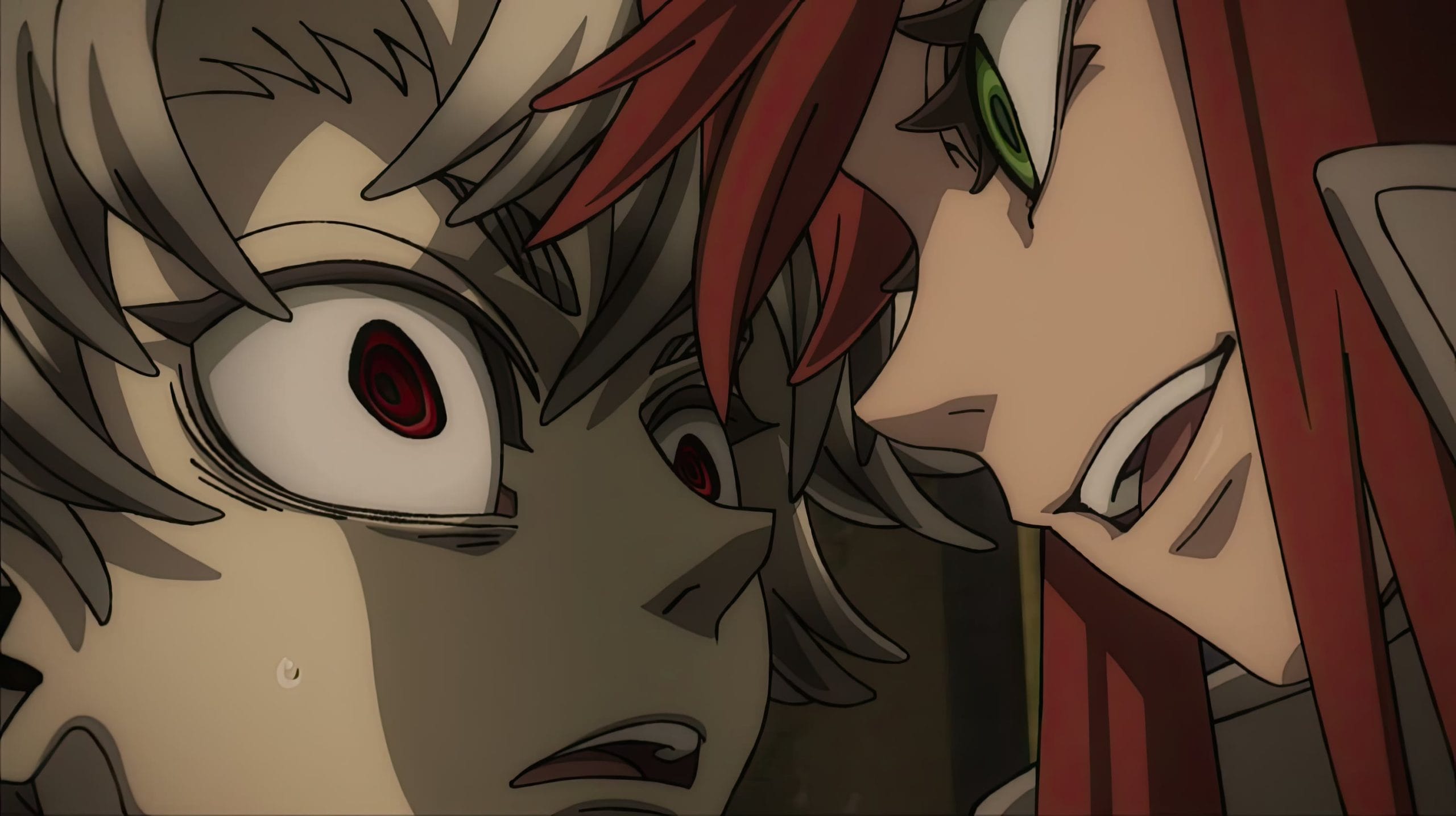
What makes Rudo work is not just attitude. It is the combination of emotional directness and environment. He feels like someone produced by this world rather than dropped into it. His rage has context. His stubbornness has weight. Even before the story expands, viewers can understand the emotional logic pushing him forward. In anime, that kind of clarity matters. It creates immediate investment and gives the first episodes a pulse.
Shonen fans respond hard to protagonists who feel rough around the edges but still carry a clear inner code. That is part of why characters like Sung Jin-Woo and Itachi remain obsession-level topics in analysis pieces, even when their stories are doing very different things. AnimeTiger has seen that firsthand with articles like Sung Jin-Woo’s rise and Itachi Uchiha’s moral complexity. Rudo is not either of those characters, but he taps into the same fandom instinct. People want leads who feel like they are carrying scars, not just plot armor.
He also fits a very online anime culture. Fans love clipped moments of defiance, emotional outbursts, and speeches that hit with pure conviction. If Rudo gets even two or three standout scenes in the first cour, edits will spread fast. That is not a small detail anymore. Character popularity is built in real time now, one episode reaction and one short-form edit at a time. Gachiakuta does not need everyone to love Rudo immediately. It just needs enough viewers to say, this guy goes hard.
That is one reason Gachiakuta could catch on fast. Once fans emotionally lock into a lead, the rest of the show gets more room to grow. Even imperfect pacing or uneven exposition can be forgiven for a while if the central character feels alive. Rudo has that chance.
The Anime Could Turn Its Art Style Into a Real Event
The biggest swing in any Gachiakuta adaptation is visual translation. The manga has a roughness that fans love. If the anime smooths that out too much, it risks losing the exact thing that makes the series feel different. But if the staff lean into the grime, motion, and texture, Gachiakuta could become one of those shows people clip nonstop for weeks.
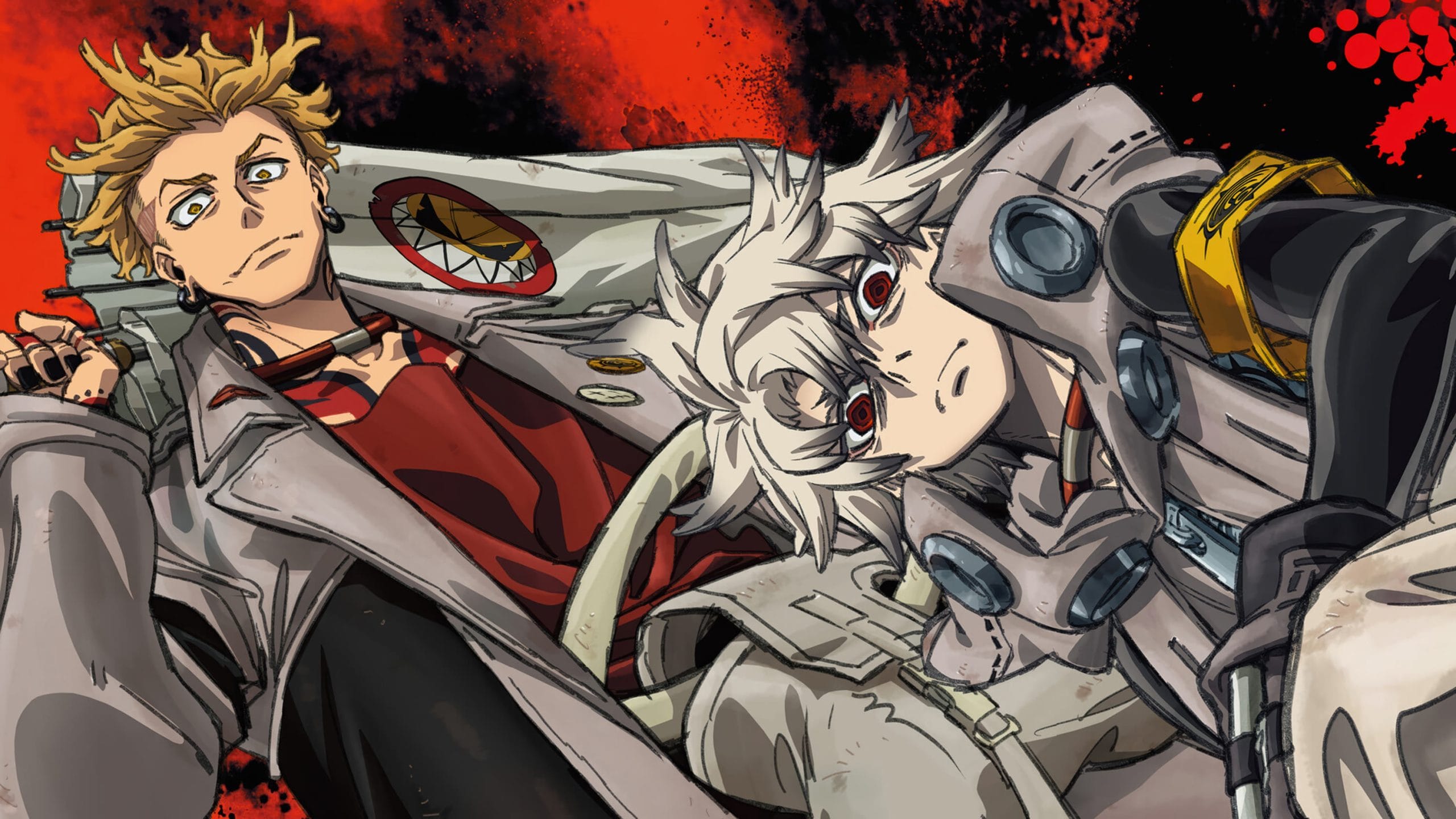
This is where the adaptation ceiling gets exciting. Gachiakuta is the kind of property where smart direction can multiply what already works on the page. Hard camera movement, aggressive compositing, strong sound design, and a willingness to keep the world visually dirty could push the action from good to unforgettable. Fans are always chasing that feeling of seeing a manga panel transformed into something even more alive. Gachiakuta has that potential.
There is a broader trend here too. The current anime audience rewards shows that look unmistakable in motion. Being technically polished is no longer enough on its own. Series need identity. That is part of why viewers keep rallying around titles with bold visual convictions, from stylized fantasy to edgy urban action. AnimeTiger touched on that in our look at how modern shonen changed with shorter seasons. If you only have one cour to seize attention, your adaptation needs an instantly shareable look. Gachiakuta might be better positioned for that than most newcomers.
Sound design could be a huge part of that impact too. Metallic clashes, scraping debris, chains, impacts, and environmental noise can make a world like this feel tactile in ways manga cannot. When anime adaptations really click, viewers do not just remember the art direction. They remember how the show felt in motion and how every hit seemed to carry weight. Gachiakuta has a rare opportunity to turn trash, rust, and wreckage into something almost musical during fights.
The risk, of course, is inconsistency. Dirty visual design is harder to maintain than flat clean surfaces. If the production buckles, the show could look messy in the wrong way. But if the team pulls it off, Gachiakuta will not just join the seasonal conversation. It will hijack it.
Why Gachiakuta Fits This Exact Moment in Anime
Timing matters more than fans like to admit. A series can be good and still miss its moment. Gachiakuta, though, feels like it is arriving when the audience is ready for it. After years of polished fantasy, prestige sequels, and very self-aware genre mashups, there is room again for a show that feels raw, physical, and openly angry. Gachiakuta is not trying to be cozy or elegant. It wants to scrape the screen.
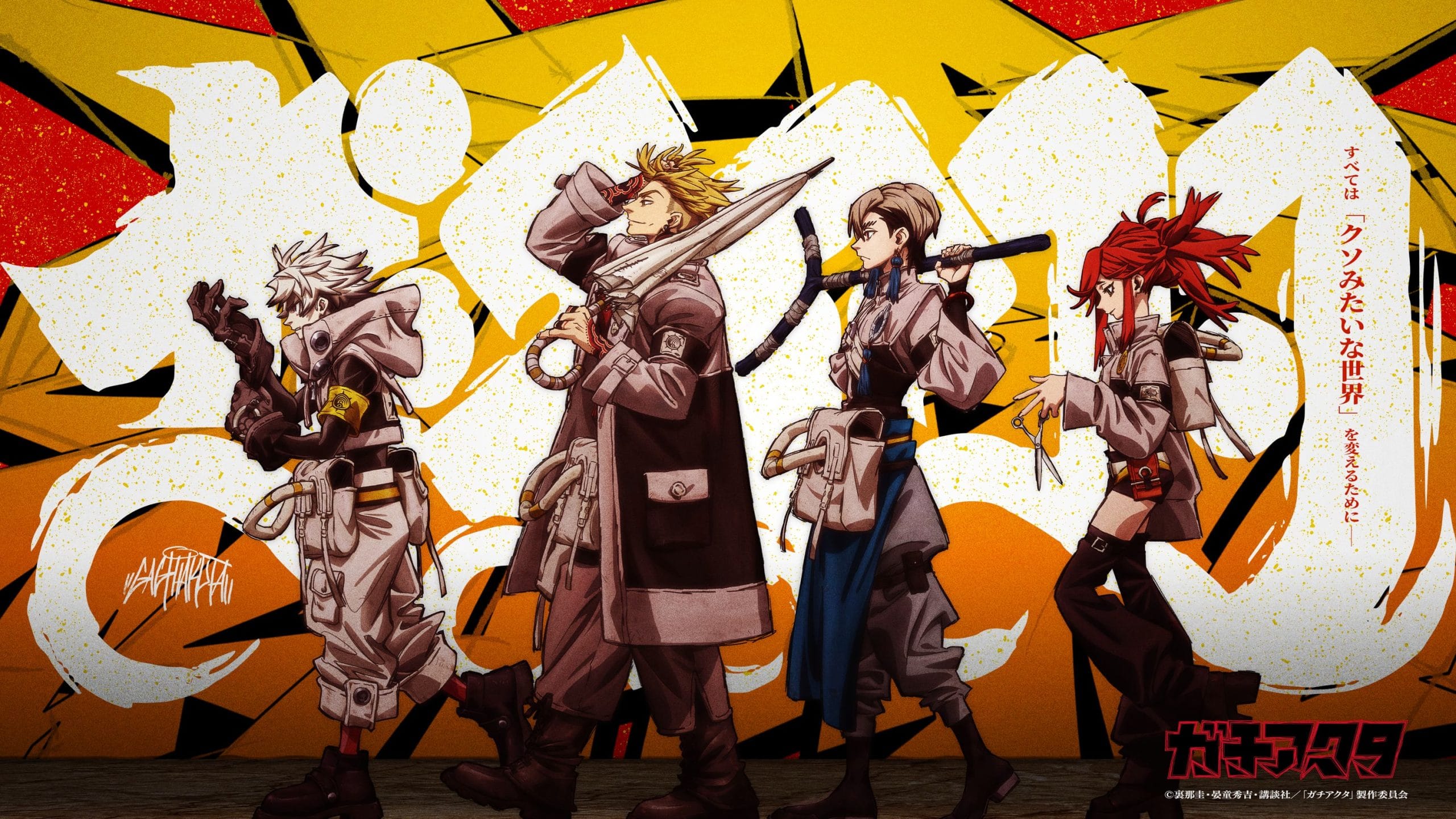
That mood gives it crossover potential. Battle shonen fans can lock into the fights and power growth. Manga readers can appreciate the social anger under the surface. Seasonal watchers can show up just because the clips look sick. Those are the ingredients that usually create a real breakout, not just a respectable fan favorite.
There is also a practical advantage. Because Gachiakuta is still new enough to many anime-only viewers, it can generate discovery energy. People love feeling like they found the next thing before everyone else did. Once the first strong episode lands, that effect can snowball fast through TikTok edits, reaction channels, and week-to-week theories. We have seen similar momentum build around rising titles before, including shows featured in AnimeTiger’s spring coverage like Daemons of the Shadow Realm and The Ramparts of Ice. Gachiakuta would enter from a grittier angle, but the viral mechanics are the same.
It also helps that Gachiakuta does not feel interchangeable with the other names fighting for attention. In a crowded slate, originality does not have to mean total reinvention. Sometimes it just means your tone, art, and premise create a different flavor from everything sitting next to you on the seasonal chart. Gachiakuta has that advantage. Even people who end up not loving it will probably remember it, and that is a big first step toward becoming one of the season’s defining conversations.
Maybe the smartest way to frame the hype is this: Gachiakuta does not need to become the next genre-defining titan to succeed. It just needs to arrive with conviction. If it does that, fans will do the rest.
Final Verdict: Why Fans Should Keep Gachiakuta on Their Radar
Gachiakuta already has three things that usually matter most before an anime explodes: a lead with bite, a world people can recognize instantly, and an art style that can become a full-blown talking point if adapted well. That does not guarantee greatness, but it absolutely explains why so many manga readers and seasonal anime fans are watching it closely.
If you like your shonen polished and predictable, Gachiakuta may not be your thing. But if you want a series with grime, emotion, visual swagger, and an underdog core that can hit hard fast, this is one to watch. Right now, calling Gachiakuta 2026’s next big shonen does not feel premature. It feels like the kind of prediction anime fandom loves making right before everyone else catches up.
The only real question is whether the anime can preserve the edge that made the manga stand out. If the answer is yes, Gachiakuta is going to be everywhere.
You Might Also Enjoy
Akane-banashi: How a Rakugo Anime Became Spring 2026’s Most Unique Shonen Hit
The Shonen Anime Revolution: How Shorter Seasons Changed the Genre Forever
Daemons of the Shadow Realm: Why Arakawa’s New Anime Is Spring 2026’s #1 Show
The Ramparts of Ice Anime: Spring 2026’s Surprise Hit
Nippon Sangoku: Why Spring 2026’s Political Drama Is the Anime Everyone’s Talking About