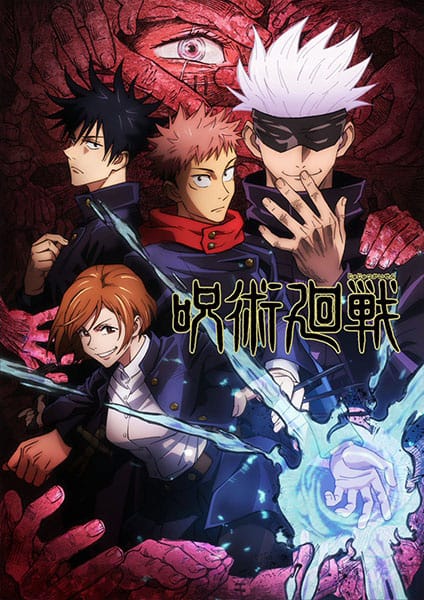
Jujutsu Kaisen Season 2 had to deliver on promises Season 1 made: expand the world, raise stakes, and justify the hype surrounding Gege Akutami’s dark sorcery saga. It delivered—and then shattered expectations by decimating its own cast in the Shibuya Incident.
The Hidden Inventory Arc
Season 2 opens with backstory: young Gojo and Geto protecting a girl destined for sacrifice. This prequel arc establishes everything important about the jujutsu world’s history and Gojo’s character while introducing Toji Fushiguro—the arc’s true star.
Toji’s Impact
Megumi’s father dominates his screen time through sheer presence. His fight against young Gojo—and Gojo’s subsequent awakening—stands among the season’s best sequences. MAPPA delivered combat animation that rivals theatrical releases.
The Tragedy of Geto
Watching Geto fall from idealism to genocide provides necessary context for his villain role. The arc earns its tragedy through showing his genuine goodness before circumstances broke him. This isn’t villain apologia—it’s understanding how villains form.
The Shibuya Incident
The season’s centerpiece arc adapts one of modern manga’s most devastating storylines. Shibuya isn’t just a fight—it’s a massacre that permanently changes the series’ status quo.
Scale and Chaos
MAPPA rendered Shibuya as a warzone. Multiple battles happen simultaneously, characters appear and fall constantly, and the chaos feels genuine rather than manufactured. The animation quality dips occasionally under this strain but recovers for key moments.
Emotional Devastation
Nanami’s death. Nobara’s apparent death. Gojo’s sealing. Shibuya strips away everything readers expected to be safe. The anime handles these moments with appropriate weight—letting silence and reaction shots convey grief.
Sukuna Unleashed
Sukuna’s massacre through Yuji’s body is horror anime. Watching Yuji helplessly observe his own hands killing innocents captures psychological terror perfectly. The animation during Sukuna’s Domain Expansion—Malevolent Shrine—became instantly iconic.
Animation Controversy
MAPPA’s production faced criticism regarding animator working conditions. While the final product is stunning, it came at human cost. This context doesn’t diminish artistic achievement but should be acknowledged.
Quality Consistency
Some episodes show strain—simpler scenes receive less polish to preserve budget for fights. This tradeoff is acceptable given results but noticeable on rewatch. The highs are extremely high; the baseline is merely good.
Voice Acting Excellence
The Japanese cast delivers career performances. Yuji’s breakdown, Gojo’s calm menace, Toji’s cold efficiency—every key moment lands through vocal performance. The dub maintains quality for English viewers.
Emotional Range
Season 2 requires more emotional range than Season 1. The cast pivots from comedy to horror to tragedy within episodes. These transitions feel natural rather than jarring—testament to directorial control and actor skill.
Music and Sound
The OST expands on Season 1’s foundation. Shibuya’s battle themes pulse with urgency while emotional scenes receive subtle, piano-driven accompaniment. New opening and ending themes maintain JJK’s tradition of excellent music choices.
Narrative Pacing
Hidden Inventory moves efficiently through necessary backstory without feeling rushed. Shibuya’s length (majority of the season) reflects the arc’s scope without padding. Pacing decisions respect both source material and anime audience expectations.
Cliffhanger Ending
The season ends mid-arc, with Shibuya’s aftermath unresolved. This feels appropriate given manga structure but may frustrate viewers expecting closure. Think of it as Part 1 of a larger story—because that’s what JJK is.
Character Development
Yuji’s Trauma
Yuji enters Season 2 as determined shonen protagonist and exits as genuinely traumatized. His development isn’t growth in the traditional sense—it’s damage. Watching idealism die is painful but necessary for the story being told.
Megumi’s Growth
Megumi demonstrates tactical evolution throughout Shibuya, culminating in nearly summoning Mahoraga. His potential becomes visible through desperation—showing what he might become if he survives.
Gojo’s Absence
Sealing Gojo removes the safety net. Every subsequent fight gains tension because he can’t save everyone. This strategic choice by Akutami (and the adaptation) transforms the series’ tension dynamics entirely.
Thematic Depth
Season 2 examines how systems create the villains who destroy them. Geto became evil partly because jujutsu society offered no alternative. The sorcerers fighting in Shibuya inherited a broken world from elders who broke it.
Violence and Consequence
Unlike shounen where death feels temporary, JJK’s deaths feel permanent. Shibuya’s toll isn’t reversed or softened. Characters stay dead. Trauma persists. The series commits to consequences.
Verdict
9/10 – Jujutsu Kaisen Season 2 represents dark shounen anime at its peak. The animation, while strained, achieves spectacular heights. The storytelling earns its devastating moments through careful setup. The character work makes losses meaningful.
If you can handle genuine darkness and permanent consequences in your anime, Season 2 is essential. If you need hope and happy endings, Shibuya will hurt. Either way, it’s remarkable achievement in adaptation and will be remembered as a landmark anime season.
You Might Also Like
- What Did Gojo Say to Geto? A Heartbreaking Farewell
- Jujutsu Kaisen Season 3: Everything We Know (February 2026)
- Gojo vs Sukuna: Battle of the Strongest – Jujutsu Kaisen