The Comeback No One Saw Coming
Here’s the thing about Wistoria Wand and Sword Season 2 — nobody expected it to dominate Spring 2026 this hard. When the first season wrapped, the conversation was polite but cautious. Good show, solid foundation, but would it stick the landing? Four episodes into Season 2 and the answer is a resounding yes. Wistoria Wand and Sword Season 2 currently sits at #2 in Anime Corner’s Spring 2026 weekly rankings with 8.24% of the vote, trailing only Witch Hat Atelier. That’s not just good — that’s “this show is for real” territory.
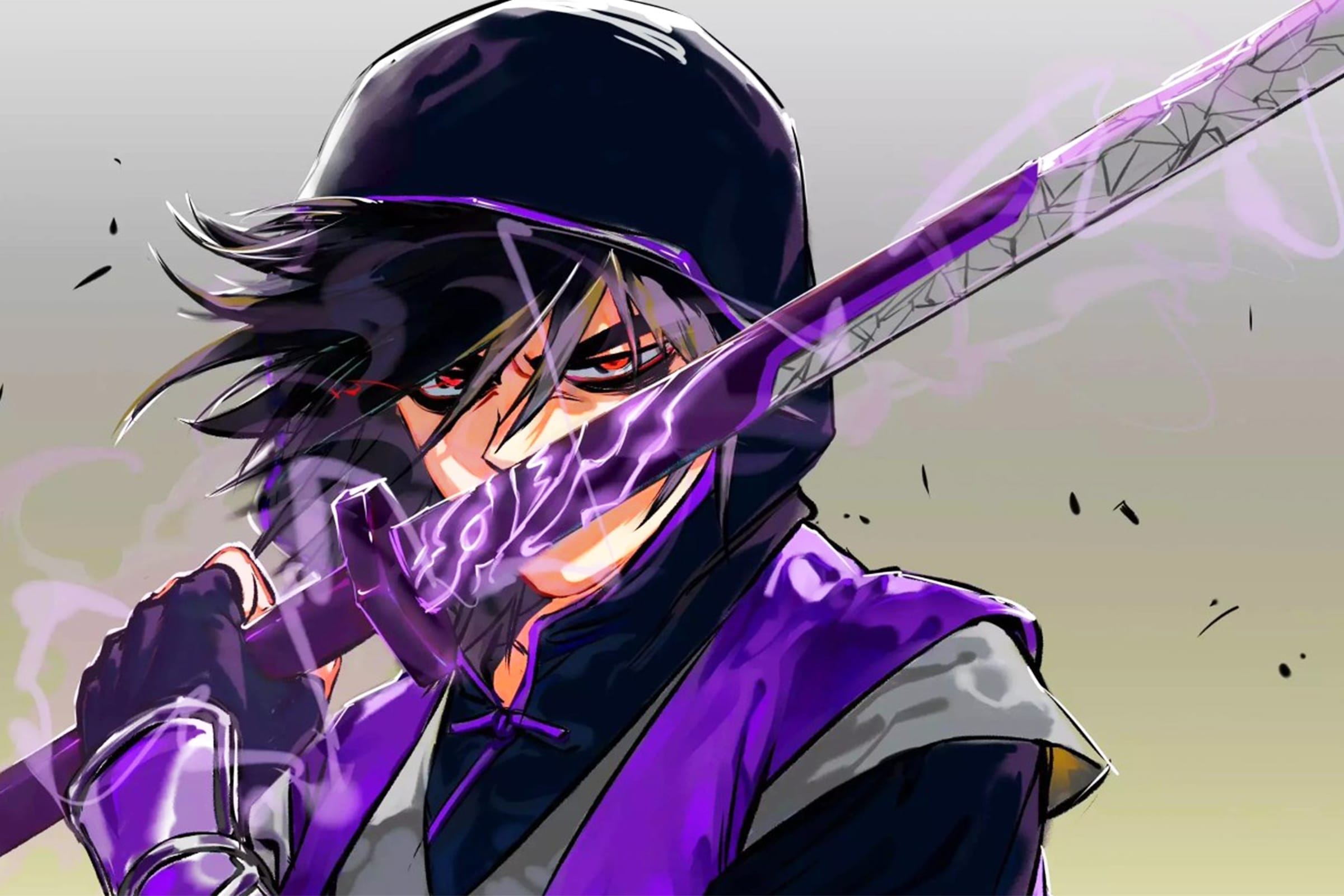
And honestly? It makes complete sense. The DNA was always there. Fujino Omori, the creator behind DanMachi, knows how to build worlds where underdog stories hit with maximum emotional force. Wistoria Wand and Sword Season 2 just needed the stage, and Spring 2026 gave it one hell of a stage.
But a #2 ranking in a season this stacked? That’s not just good execution — that’s a show that found its voice and refuses to be ignored. The gap between this season and the shows below it is widening every week. Viewers who dropped off after Season 1 are coming back. New viewers are starting from the beginning. The momentum is real, and it’s building toward something special.
Let’s break down exactly why this season is the comeback story of the year — and why you should be watching if you’re not already.
Will Serfort: The Sword Fighter Who Refused to Quit
Every great shonen needs a protagonist you root for, and Will Serfort is that guy and then some. In a magic academy anime where everyone casts spells and wields arcane power, Will can’t use magic. At all. Zero. Zilch. He’s the guy standing in a classroom full of sorcerers holding… a sword.
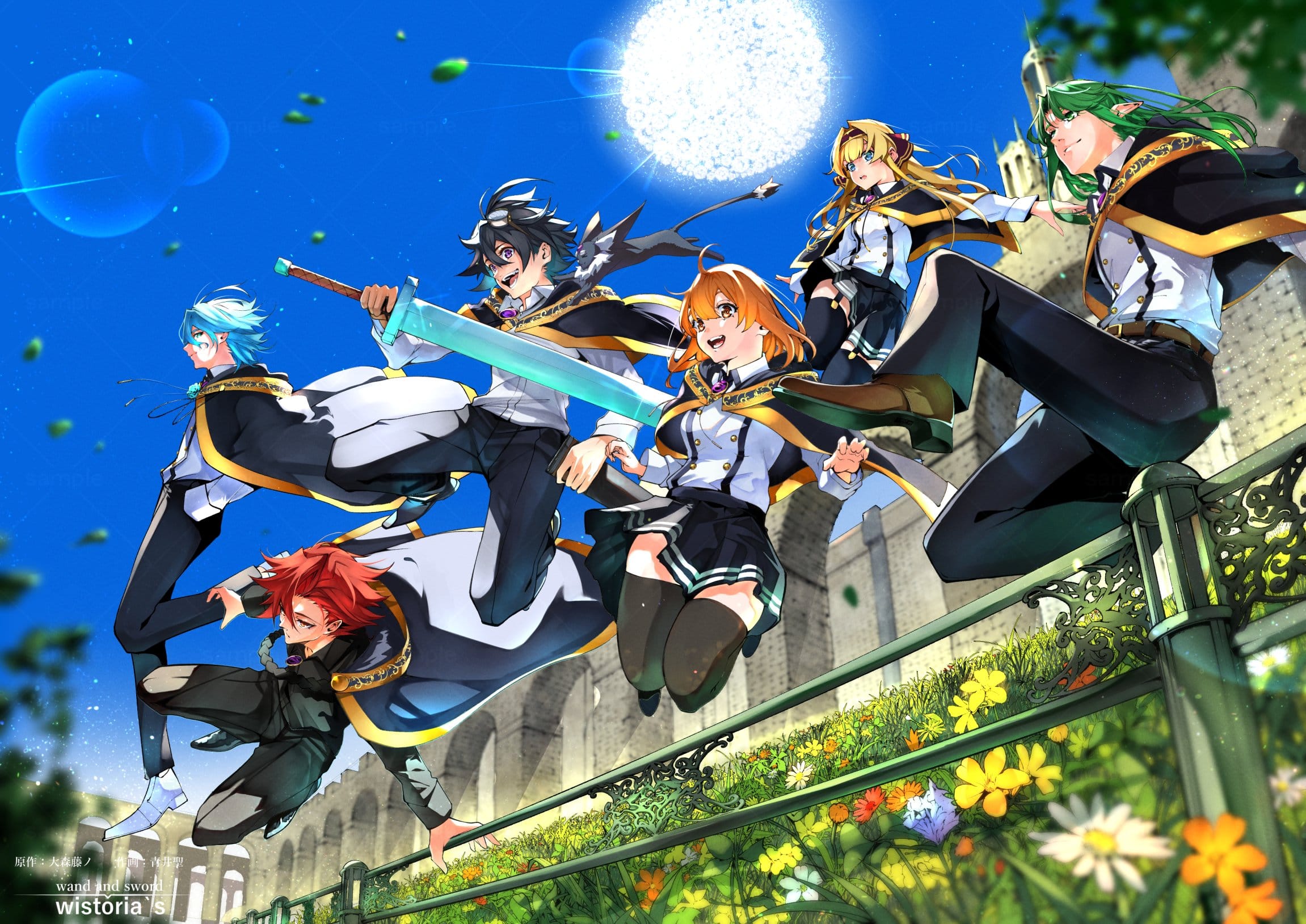
But here’s what makes Wistoria Wand and Sword Season 2 so compelling compared to the typical sword fighter anime formula: Will isn’t some chosen one with a hidden power waiting to awaken. He works. He trains. He gets his ass kicked and comes back swinging. Voiced by Kohei Amasaki with a raw determination that makes every fight feel personal, Will Serfort earns every single moment of triumph he gets on screen.
Season 2 pushes Will harder than Season 1 ever did. The prologue’s grand finale demands more from him — not just physically, but emotionally. The stakes aren’t abstract anymore. People he cares about are in the crossfire, and his sword is the only thing standing between them and catastrophe.
This is where Fujino Omori’s writing chops really shine. The man wrote Is It Wrong to Try to Pick Up Girls in a Dungeon? — he knows how to make an underdog feel earned rather than handed. Wistoria Wand and Sword Season 2 proves that Omori wasn’t a one-hit wonder. He’s building something with genuine staying power.
What makes Will different from other non-magic protagonists isn’t just his determination — it’s his vulnerability. In a magic academy anime space where power fantasies dominate, Will’s struggles feel refreshingly honest. He doesn’t suddenly discover a hidden ability that makes everything easy. He doesn’t have a cheat code. When he wins, it’s because he outworked everyone, outthought everyone, and refused to stay down. That’s a message that resonates far beyond the anime community, and it’s why Wistoria Wand and Sword Season 2 has captured so many viewers who normally wouldn’t touch a magic school show.
Production Powerhouse: Bandai Namco Pictures and Actas Deliver
Let’s talk about who’s making this thing, because the production team behind Wistoria Wand and Sword Season 2 deserves serious credit. Bandai Namco Pictures returns alongside Actas, and they’ve brought some heavy hitters to the director’s chair.
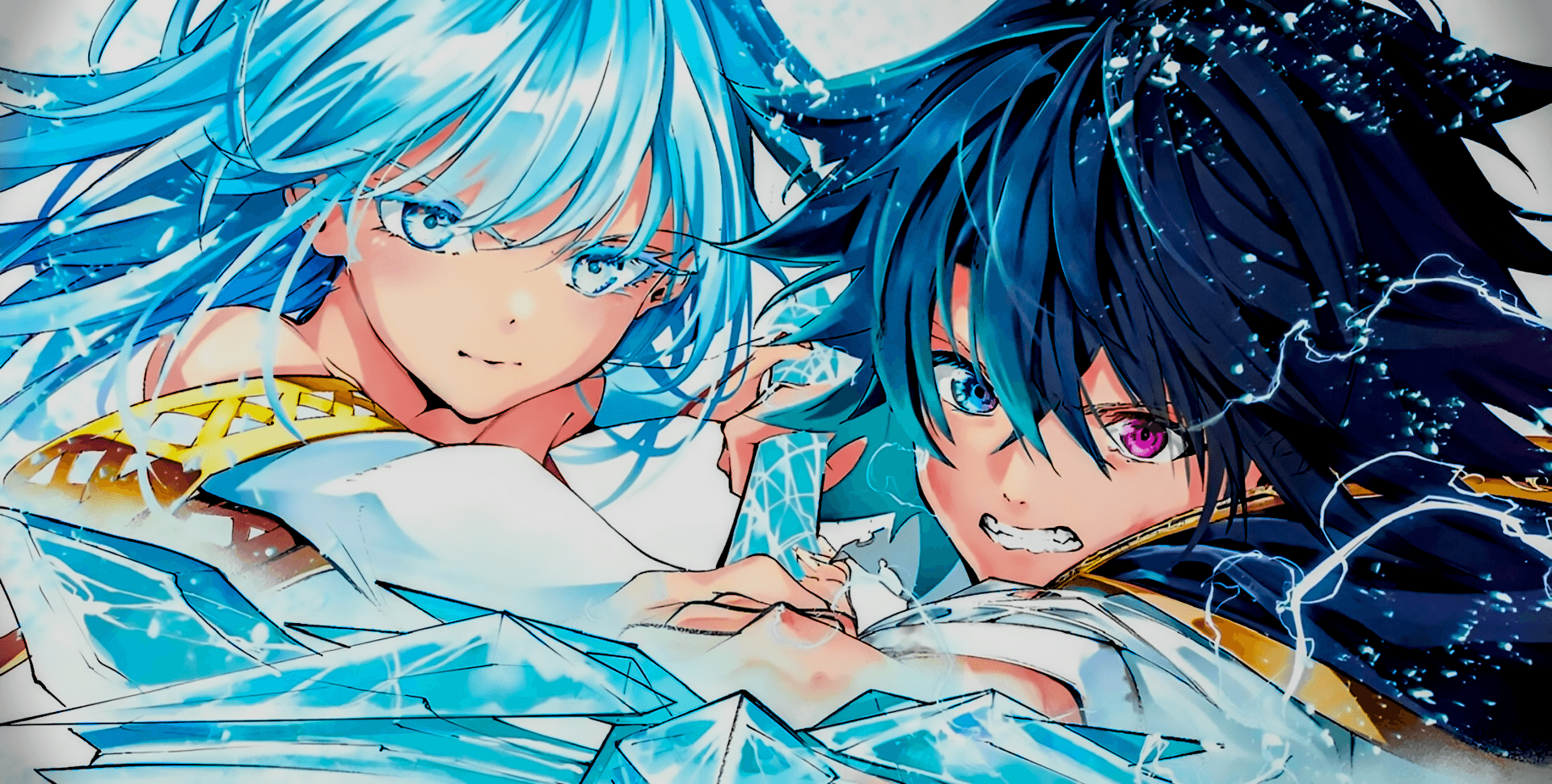
Chief Director Tatsuya Yoshihara — yes, the same guy directing the Chainsaw Man: Reze Arc movie — is steering this ship. If you’ve seen his work, you know Yoshihara understands how to stage action that hits emotionally, not just visually. Director Hideaki Nakano handles the day-to-day, and the partnership is paying off.
Then there’s the music. Yuki Hayashi returns from Season 1, and his score is doing exactly what a great anime soundtrack should — making you feel things before you even realize why. The opening theme “BELIEVERS” by ASH DA HERO is an absolute banger that perfectly captures Will’s relentless spirit, while the ending theme “Reachlight” by Shiyui gives you that contemplative breath after each episode’s intensity.
Season 2 premiered April 2026, airing Sundays on BS Nippon Television and AT-X, and streaming worldwide on Crunchyroll. If you’re not catching it weekly, you’re missing out on one of the best Spring 2026 anime discussions happening right now. The simultaneous worldwide release on Crunchyroll means international fans aren’t just watching — they’re participating in the conversation as it happens, and that’s elevated the discourse around Wistoria Wand and Sword Season 2 in ways that delayed releases simply can’t match.
The Animation Debate: Is Season 2 Matching Season 1’s Peaks?
Okay, let’s address the elephant in the room because the community is definitely talking about it. After Episode 4 aired, the animation quality debate for the show got loud.
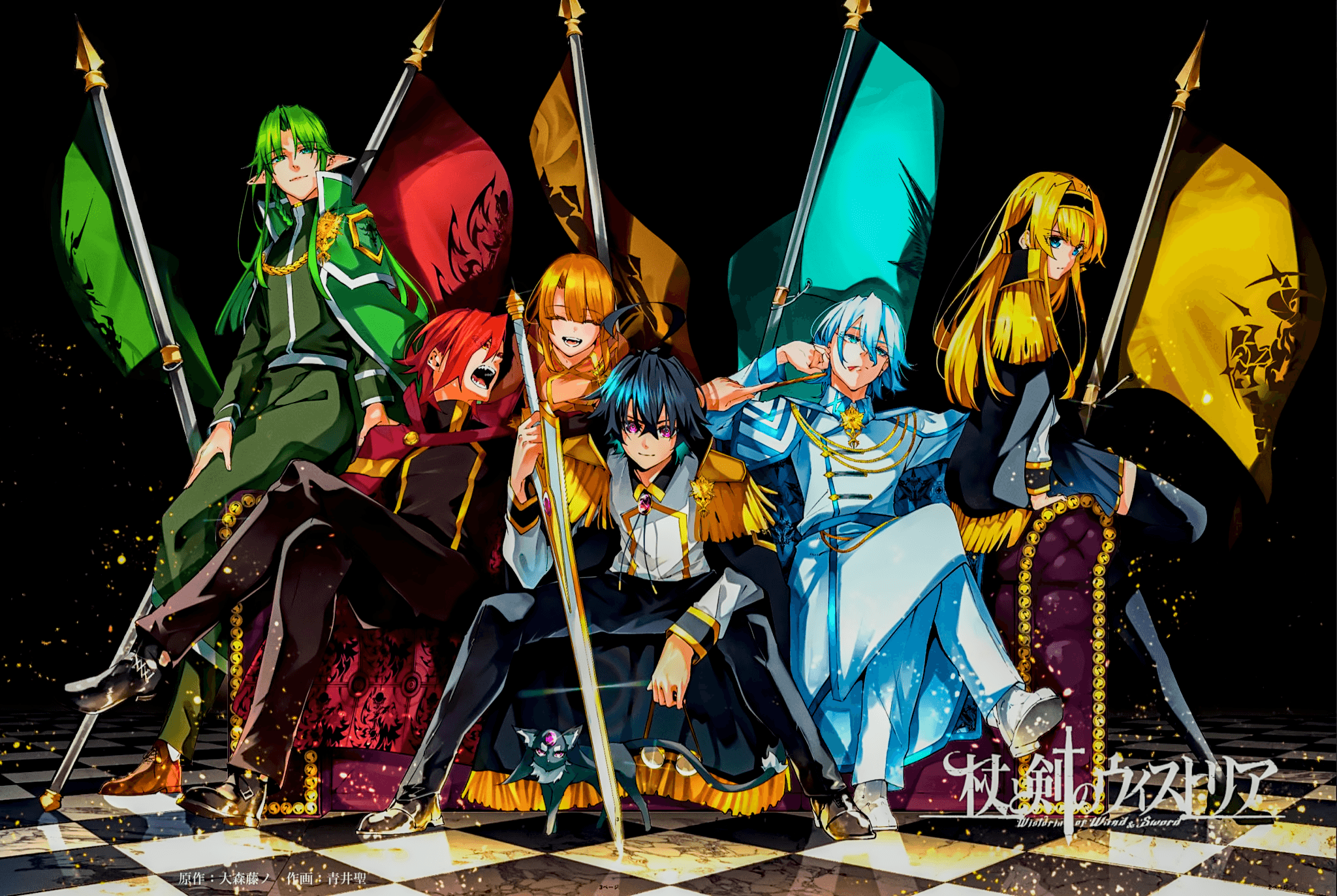
Anime News Network‘s review of Episode 4 noted some animation shortcuts — and yeah, they’re there if you’re looking. Some cuts rely more on still frames and dynamic camera angles than full fluid animation. The sakuga crowd has opinions, and some of those opinions are pointed.
But here’s where I push back: Season 2 knows exactly what it’s prioritizing. When Will draws that sword, the animation delivers. The sword fights are where the budget lives, and every single clash hits with weight and impact. The ANN review itself praised Will’s sword moments specifically because when it matters, the animation rises to meet the moment.
Reddit threads have been surprisingly level-headed about this — and that’s saying something for anime Reddit. The consensus forming around Season 2 is that it does storytelling exceptionally well versus chasing pure spectacle. And honestly? I’d rather watch a show that invests in making me care about the characters and then nails the key fight moments than one that looks gorgeous for 22 minutes but leaves me cold emotionally.
If you want to see what peak fight choreography looks like regardless of overall animation budget, check out our breakdown of the best anime fight choreography — Wistoria’s best moments absolutely belong in that conversation.
And let’s be real about what’s happening with the animation discussion. When you have Witch Hat Atelier in the same season pushing the absolute ceiling of what TV anime can look like, anything short of that is going to catch criticism. But this show isn’t trying to be Witch Hat Atelier. It’s trying to be the best version of itself, and on those terms, it’s succeeding.
Wistoria vs Mashle: Two Paths for the Non-Magic Fighter
You can’t talk about Wistoria Wand and Sword Season 2 without someone bringing up Mashle. Both shows share the same high-concept pitch: magic world, non-magic fighter. But that’s where the similarities end, and understanding why they’re different tells you a lot about what makes Wistoria special.
Mash Burnedead starts overpowered. He’s a comedy protagonist who flexes his way through a magical world with sheer muscle and deadpan absurdity. The joke works brilliantly — Mashle is hilarious and knows exactly what it is. But Mash doesn’t really grow stronger in the traditional shonen sense. He’s already there. The entertainment comes from watching everyone else react to him.
Will Serfort is the opposite. He starts at the bottom of a magic academy anime hierarchy and claws his way up. Every upgrade in his abilities feels earned because we watched him bleed for it. Wistoria Wand and Sword Season 2 doubles down on this — Will’s progression isn’t about discovering a hidden power, it’s about pushing past limits that should have broken him.
This is why the show resonates differently than Mashle ever did. Mashle makes you laugh. Wistoria makes you feel. Both are valid, both are great, but they scratch completely different itches.
The shonen anime revolution toward shorter seasons has actually helped both shows. Tighter episode counts mean tighter storytelling, and neither series wastes time on filler. But Wistoria’s emotional depth benefits more from this format — every episode matters because every struggle matters.
There’s also something to be said about the way Wistoria Wand and Sword Season 2 handles its fight choreography compared to Mashle. Mashle’s fights are punchlines — they’re funny, they’re explosive, and they end with Mash flexing while everyone watches in disbelief. Will’s fights in Wistoria Wand and Sword Season 2 are stories within stories. Each clash reveals character. Each near-defeat teaches us something about who Will is and who he’s becoming. They’re not just entertaining — they’re meaningful, and that’s a distinction that matters when you’re watching weekly and investing emotionally in a show’s trajectory.
Why Spring 2026 Is the Perfect Season for Wistoria
Look at the competition. Daemons of the Shadow Realm is Arakawa’s return. Witch Hat Atelier is pushing animation boundaries. Re:Zero Season 4 is dominating as only Re:Zero can. Spring 2026 is absolutely stacked.
And this season is right there in the thick of it, holding its own and then some. That #2 ranking at Anime Corner isn’t a fluke — it’s the result of a show that found its identity in Season 1 and is now executing on it with confidence.
Season 2 covers the prologue’s grand finale and pushes into new arc territory, and that transition is crucial. A lot of anime stumble when they move past their initial hook. Wistoria Season 2 doesn’t just survive the transition — it thrives. The new arc introduces complications that test Will in ways the prologue never could, and the show is better for it.
The Sunday timeslot on BS Nippon Television and AT-X gives it premium placement in the Japanese broadcast schedule. Crunchyroll’s worldwide streaming ensures the global community is watching simultaneously, which means the weekly discourse stays hot. This isn’t a show you binge after the season ends — it’s one you watch live because the conversation is part of the experience.
And can we appreciate how rare that is? In an era where streaming has fragmented viewing habits and killed watercooler conversations for so many shows, Wistoria Season 2 is one of those rare anime that genuinely benefits from the weekly release model. Each episode ends with stakes that make you desperate for the next one. Each discussion thread has genuine disagreement and analysis, not just reaction emojis. The Crunchyroll simulcast model, combined with the quality of the show itself, has created a viewing experience that feels communal in the best possible way.
The Fujino Omori Factor: Worldbuilding That Sticks
We need to talk about Fujino Omori more, because his influence on Wistoria Wand and Sword Season 2 is impossible to overstate. This is the man who built the world of DanMachi — a series that’s been running for over a decade and still feels fresh. That’s not an accident.
Omori’s superpower is making you believe in the rules of his worlds. In DanMachi, the dungeon feels real because it operates on consistent logic. In Wistoria, the magic academy system feels lived-in and layered because Omori builds it from the foundation up. Every spell, every rank, every institutional barrier Will faces has weight because the world convinces you it matters.
Wistoria Season 2 benefits enormously from this approach. The prologue established the world, and now Season 2 gets to play in it. The new arc territory isn’t just more of the same — it expands the worldbuilding in ways that reframe what came before. That’s master-class storytelling, and it’s why Wistoria feels like it has genuine longevity as a franchise.
The sword fighter anime subgenre is crowded, but Omori’s writing gives Wistoria an edge most competitors lack: structural depth. Will’s journey isn’t a series of escalating fights — it’s a narrative about what it means to be systematically disadvantaged and refuse to accept it. That’s a story with real emotional teeth, and it’s why the show keeps climbing in the rankings.
Think about what makes DanMachi still relevant after all these years. It’s not just the dungeon crawling or the action sequences — it’s Bell Cranel’s genuine growth as a person. Omori brings that same philosophy to Wistoria Wand and Sword Season 2, but with even sharper focus. Will’s struggles aren’t just physical. They’re institutional. He’s fighting against a system that’s designed to exclude him, and every victory he earns chips away at that system in a way that feels earned and satisfying. That’s not easy to write, and it’s even harder to sustain across multiple seasons.
What Makes Wistoria’s Fights Hit Different
I keep coming back to the fights because they’re the heart of what makes Wistoria Wand and Sword Season 2 special. Not because they’re the flashiest — we’ve established they’re not always going blow-for-blow with Witch Hat Atelier on pure sakuga. But because every fight in this show means something.
When Will draws his sword, you feel the weight of every moment that led to it. The training, the failures, the doubt, the refusal to quit — it all crystallizes in the swing of a blade. Yuki Hayashi’s score amplifies this to perfection, building tension and releasing it at exactly the right moments. “BELIEVERS” isn’t just a catchy OP — it’s Will’s anthem, and you hear it in every fight scene even when it’s not playing.
Compare this to shows where fights happen because it’s episode 7 and the formula demands a battle. Wistoria Wand and Sword Season 2 earns its combat beats narratively. Every clash advances character, plot, or both. That’s rare, and it’s why the animation debate misses the forest for the trees.
Even with the acknowledged shortcuts, when Wistoria decides a moment needs to land, it lands. Chief Director Tatsuya Yoshihara knows when to pour resources into a cut and when to let the story carry the weight. That’s not compromise — that’s smart production, and it’s why Wistoria Wand and Sword Season 2 can compete with shows that have bigger animation budgets.
The sword choreography deserves special mention here. In a season full of flashy magic battles, Will’s physical combat stands out precisely because it’s grounded. Every swing, every dodge, every desperate parry reads clearly because Yoshihara understands that fight scenes only work when you can follow the geography of the action. There’s no visual noise masquerading as intensity — just clean, readable, emotionally charged combat that puts Will’s determination front and center.
The Community Can’t Stop Talking About It
The discourse around Wistoria Wand and Sword Season 2 is genuinely fascinating. Reddit threads, Twitter discussions, Anime Corner polls — everywhere you look, people are engaging with this show on a level beyond “was this episode good or not.”
The animation debate we covered earlier is just one thread. There’s also deep discussion about Will’s character growth, theories about where the new arc is heading, and comparisons that go way beyond surface-level Mashle parallels. People are invested in this world and these characters, and that investment shows up in how passionately they argue about it.
Wistoria Wand and Sword Season 2 being #2 in the Spring 2026 anime rankings isn’t just a popularity metric — it’s a sign of engagement. Shows that rank this high in community polls are shows people care about. They’re shows that generate conversation, disagreement, and investment. That’s the real measure of a comeback.
If you’re sleeping on this one because Season 1 didn’t grab you, or because the animation discourse made you hesitant, give Season 2 a real shot. Four episodes in, Wistoria Wand and Sword Season 2 is proving that the foundation Season 1 built was worth waiting for. The payoff is here, and it’s spectacular.
What’s particularly encouraging is how the community has rallied around the show’s strengths rather than dwelling on its weaknesses. In an era where anime discourse can turn toxic overnight, the Wistoria Season 2 fanbase has been remarkably constructive — celebrating what works, acknowledging what doesn’t, and engaging with the show on its own terms. That’s a sign of genuine affection, not just hype, and it bodes well for the show’s long-term cultural staying power.
Final Verdict: Don’t Sleep on This Comeback
Wistoria Wand and Sword Season 2 is the real deal. It’s a magic academy anime that understands its strengths, a sword fighter anime with genuine emotional depth, and a Spring 2026 anime that’s earned its spot at the top of the rankings through quality, not hype.
Will Serfort’s journey from magicless outcast to sword-wielding force of nature is one of the most satisfying character arcs running right now. Fujino Omori’s worldbuilding gives the story structural weight. Tatsuya Yoshihara’s direction knows when to go big and when to let silence speak. Yuki Hayashi’s score ties it all together with emotional precision.
The animation debate is real but overblown. When Wistoria Wand and Sword Season 2 needs to deliver, it delivers. The shortcuts are there, yes — but so are moments of genuine animated brilliance that rival anything this season. And ultimately, it’s the storytelling that keeps people coming back week after week.
Streaming on Crunchyroll, airing Sundays, ranking #2 at Anime Corner — Wistoria Wand and Sword Season 2 isn’t asking for your attention. It’s demanding it. And it deserves it.
You Might Also Enjoy
- Daemons of the Shadow Realm — Why Arakawa’s New Anime Is Spring 2026’s #1 Show
- Witch Hat Atelier — The Best Animation of Spring 2026
- Why Re:Zero Season 4 Is Dominating Spring 2026
- The Shonen Anime Revolution: Why Shorter Seasons Are Winning
- Best Anime Fight Choreography — The Moments That Define the Medium