Character development is what separates a good anime from a great one. Anyone can write a protagonist who defeats evil and saves the world. Far fewer creators manage to make you care about why the character changes — and what that change costs them. The anime with the best character development aren’t just entertaining; they leave marks. You finish them a slightly different person than when you started.
This list covers ten series where the writing teams got character growth exactly right. We’re talking about arcs that feel earned, not convenient — transformation that comes through loss, confrontation, and hard choices rather than a power-up or a convenient revelation. Whether you’re new to anime or looking for your next obsession, these are the shows that will actually make you think.
1. Fullmetal Alchemist: Brotherhood — The Weight of Equivalent Exchange
Edward Elric starts the series as a prodigy with a god complex. He’s brilliant, brash, and convinced that alchemy — science — can fix everything, including the catastrophic mistake he and his brother Alphonse made trying to resurrect their mother. That arrogance is the engine of his entire arc.
What makes Brotherhood exceptional among anime with best character development is how consistently Edward is forced to confront the limits of his worldview. Every time he thinks he’s found a solution, the story reveals a deeper moral cost. By the finale, he doesn’t become more powerful — he becomes more humble. He chooses to give up alchemy entirely for Alphonse’s sake, which is the most radical thing a shonen protagonist can do: abandon the thing that defines him.
Best moment: Edward’s confrontation with Father in the final act, where he refuses to use a philosopher’s stone and instead fights with his body alone. It’s the thesis statement of his entire arc delivered through action.
Alphonse’s arc runs parallel and is equally strong — a soul trapped in armor slowly questioning whether he even deserves to exist. Brotherhood handles both brothers with care, making it one of the most complete examples of character writing in the medium.
2. Steins;Gate — A Man Who Learns That Letting Go Is Heroism
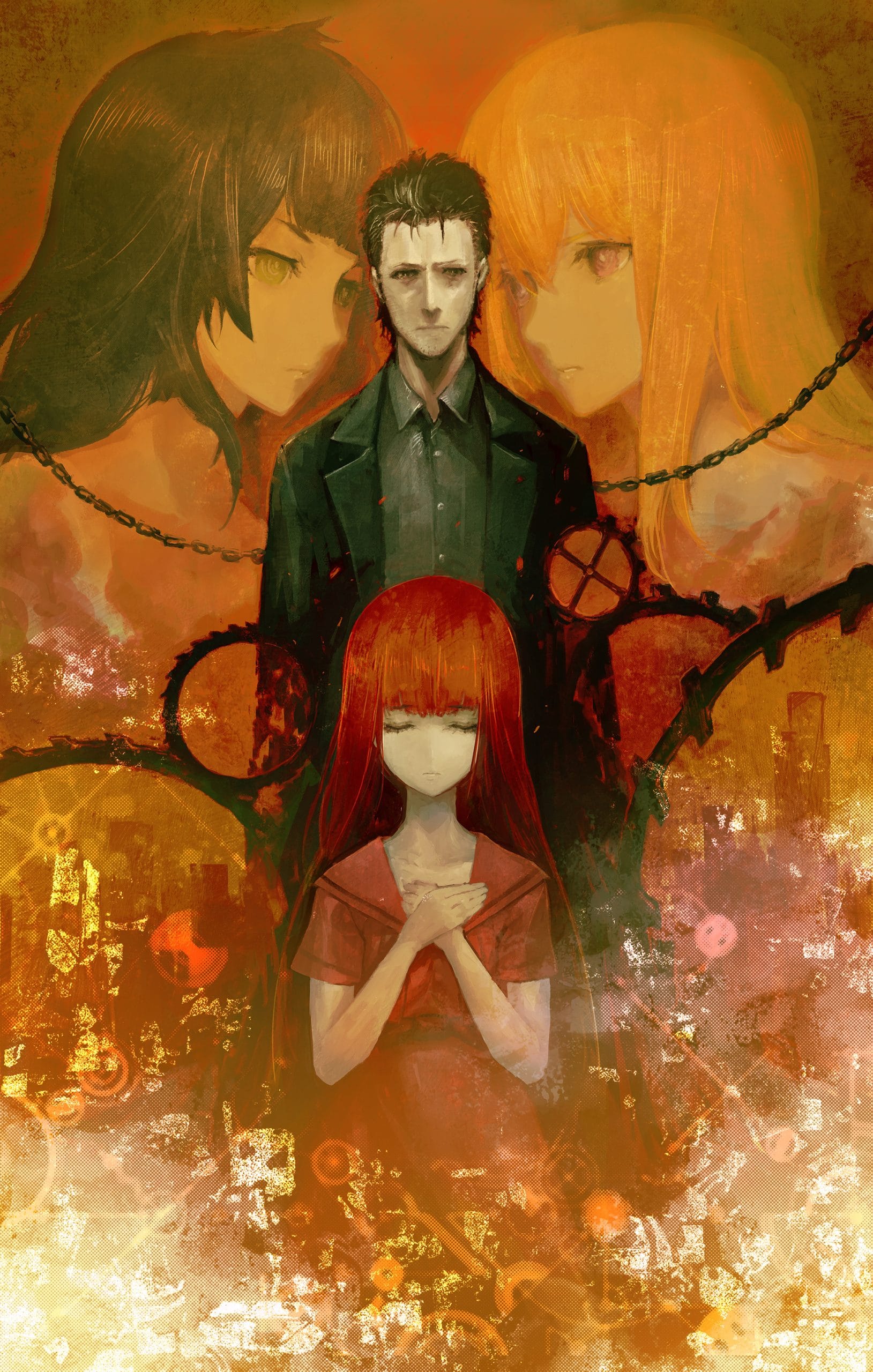
Rintaro Okabe (self-styled “Mad Scientist Hououin Kyouma”) is, at the start of Steins;Gate, an eccentric, theatrical college student performing a persona he’s constructed to cope with being different. He’s funny. He’s also fragile underneath in ways the show takes its time revealing.
Then he discovers time travel. Then people start dying because of it. Steins;Gate turns its genre premise — time loops — into a psychological study of grief and obsession. Okabe repeatedly watches Kurisu Makise die and is forced to reset the timeline, accumulating trauma with no one to share it with because the people around him don’t remember what he’s seen. The Okabe who sits in a dark room in episode 22 barely resembles the showboating lab-coat character from episode one.
What separates Steins;Gate from other time-loop narratives is that Okabe’s development isn’t about gaining power or cleverness — it’s about building the emotional capacity to act selflessly. He has to learn to grieve and keep moving anyway.
Best moment: Episode 23’s “Dear Future Gadget Lab Member” — Okabe receiving his own message from the future, delivered in his theatrical alter-ego voice, telling himself to keep going. It works because you understand exactly what it cost to record that message.
3. Vinland Saga — From Revenge to Redemption to Purpose
Vinland Saga has one of the most structurally ambitious character arcs in anime. The series is split across roughly four phases of Thorfinn’s life, and each phase demands something different from both character and audience.
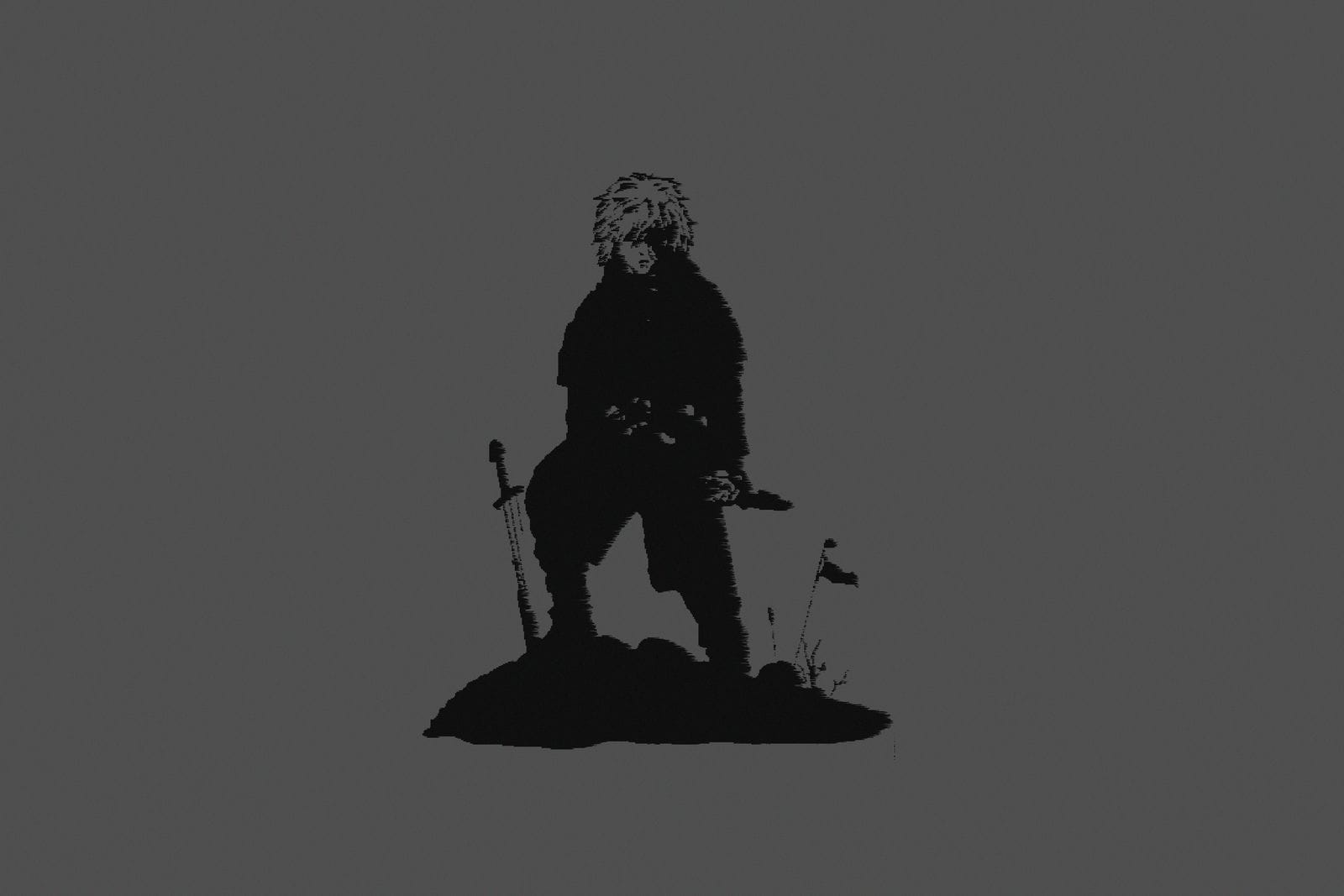
Phase one: Thorfinn is a child soldier consumed by a revenge obsession, fighting to earn the right to a duel with the man who killed his father. He’s skilled, cold, and completely hollowed out by hatred. Phase two — which loses some viewers but is essential — strips Thorfinn of his weapons, his identity, and his drive. He becomes a slave. He has to build himself from nothing.
This is where Vinland Saga earns its place among anime with the best character development. Most stories skip the rebuilding phase. This one lives in it. We watch Thorfinn learn what it means to be human again through backbreaking labor and unexpected friendship. When he eventually rediscovers his father’s dream — a land without war — it lands with force because we watched him earn the emotional right to hold it.
Best moment: Thorfinn’s confrontation with Askeladd’s ghost, where he finally breaks down and admits he has “no enemies.” One sentence. Several seasons of weight behind it.
4. Hunter x Hunter — Growing Up in a World That Doesn’t Want You To
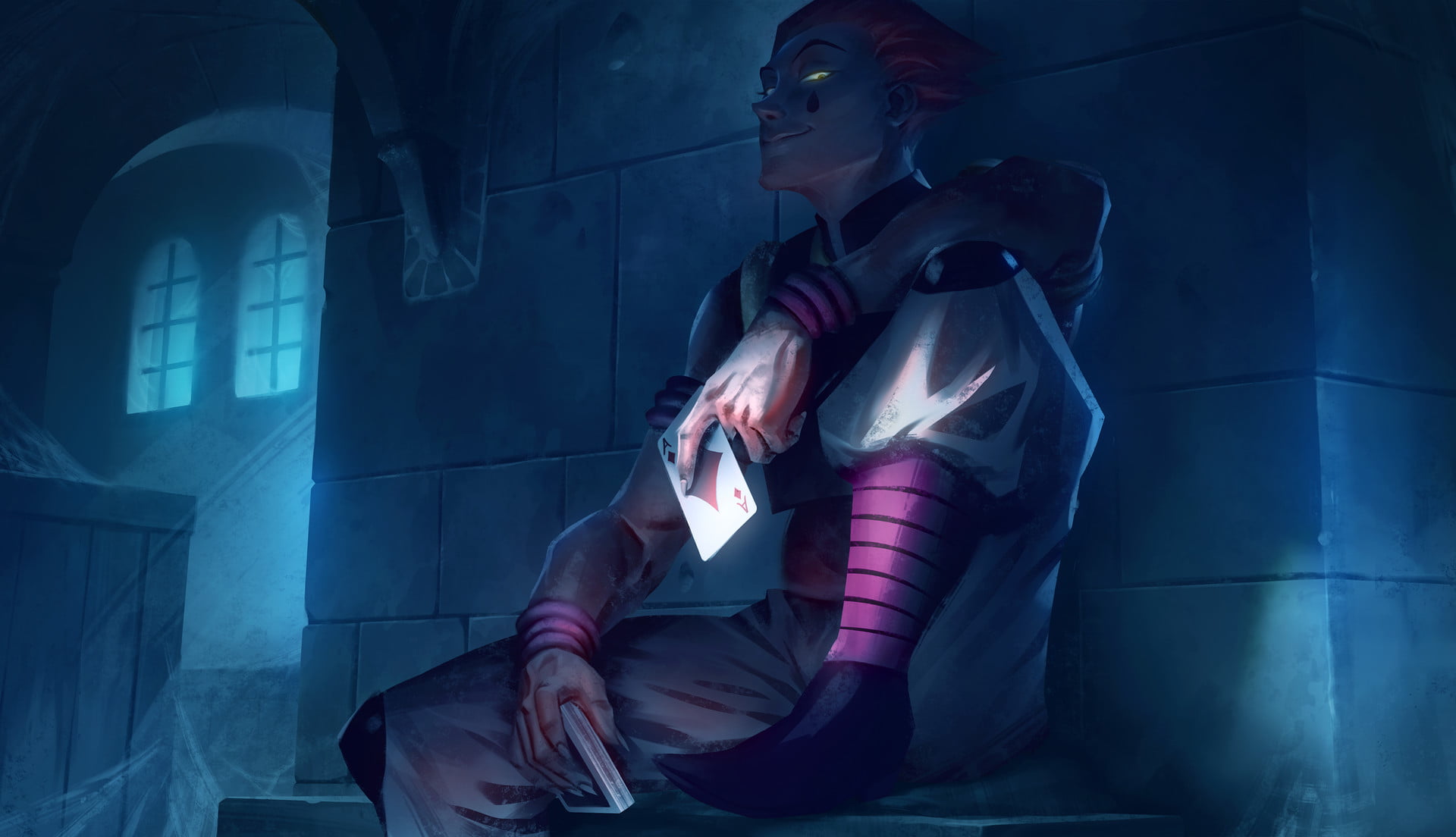
Gon Freecss presents as a sunny, energetic shonen protagonist. He’s good at making friends, bad at backing down, and convinced the world is fundamentally fair if you try hard enough. Hunter x Hunter’s genius is in spending 148 episodes systematically dismantling that belief.
The Chimera Ant arc — controversial in length, unmatched in ambition — is where Hunter x Hunter fully commits to its darker vision. Gon’s arc in that arc ends with him in a state of complete psychological collapse. He wins by destroying himself. The cost is so severe that the show can barely look at it directly: we learn what happens to Gon secondhand, through other characters.
Killua’s arc is the series’ emotional backbone. He’s an assassin raised from birth to be a weapon, and his entire journey is about whether someone shaped entirely by violence can choose to be something else. His relationship with Gon is the most honest depiction of friendship in shonen — not just warm, but complex and sometimes selfish on both sides.
Best moment: Killua removing Illumi’s needle from his head. A quiet, devastating scene about breaking a lifetime of psychological conditioning.
5. Attack on Titan — When the Hero Becomes the Villain Becomes Something Else Entirely
Eren Yeager’s arc is the most radical in mainstream anime. He begins as a standard revenge-driven protagonist — passionate, reckless, morally straightforward. By the end, he’s orchestrated the deaths of hundreds of millions of people and is still presented as someone who, in some broken way, loved the people he destroyed the world for.
Attack on Titan is polarizing precisely because of how far it commits to that transformation. The show doesn’t excuse Eren. It also doesn’t demonize him into something easy to dismiss. It asks a genuinely uncomfortable question: what does a person become when they’re raised to hate, given unlimited power, and told the only way to save the people they love is through atrocity?
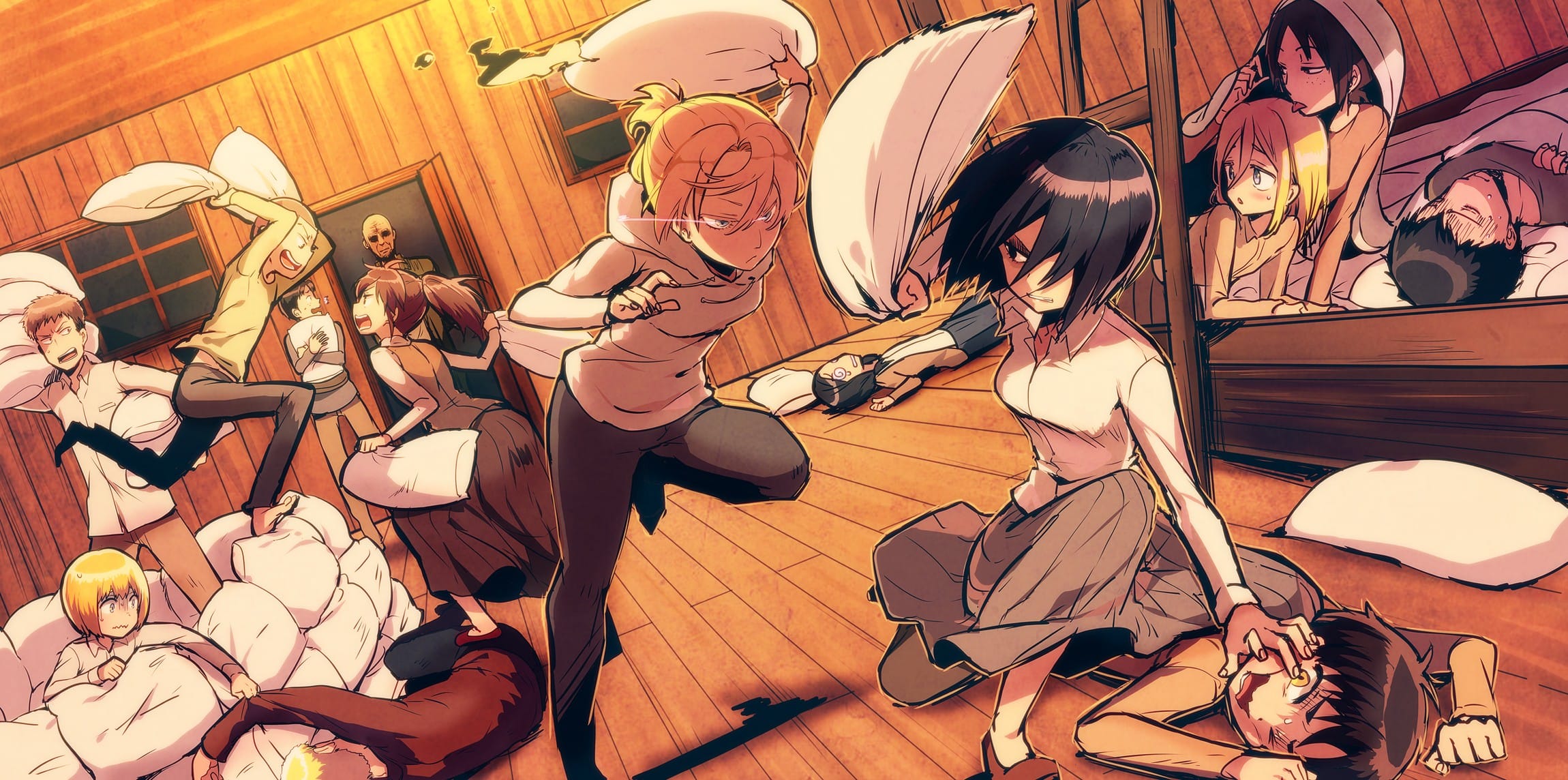
The supporting cast — Armin, Mikasa, Hange, Reiner — all undergo their own substantial arcs. Reiner’s is arguably the most psychologically sophisticated: a soldier so broken by guilt and cognitive dissonance that his mind literally splits to survive it.
Best moment: Eren and Reiner’s basement conversation in Season 3. Two enemies sitting across from each other, recognizing themselves in the other person, unable to do anything about it.
6. Mob Psycho 100 — The Quietest Superpower Story Ever Told
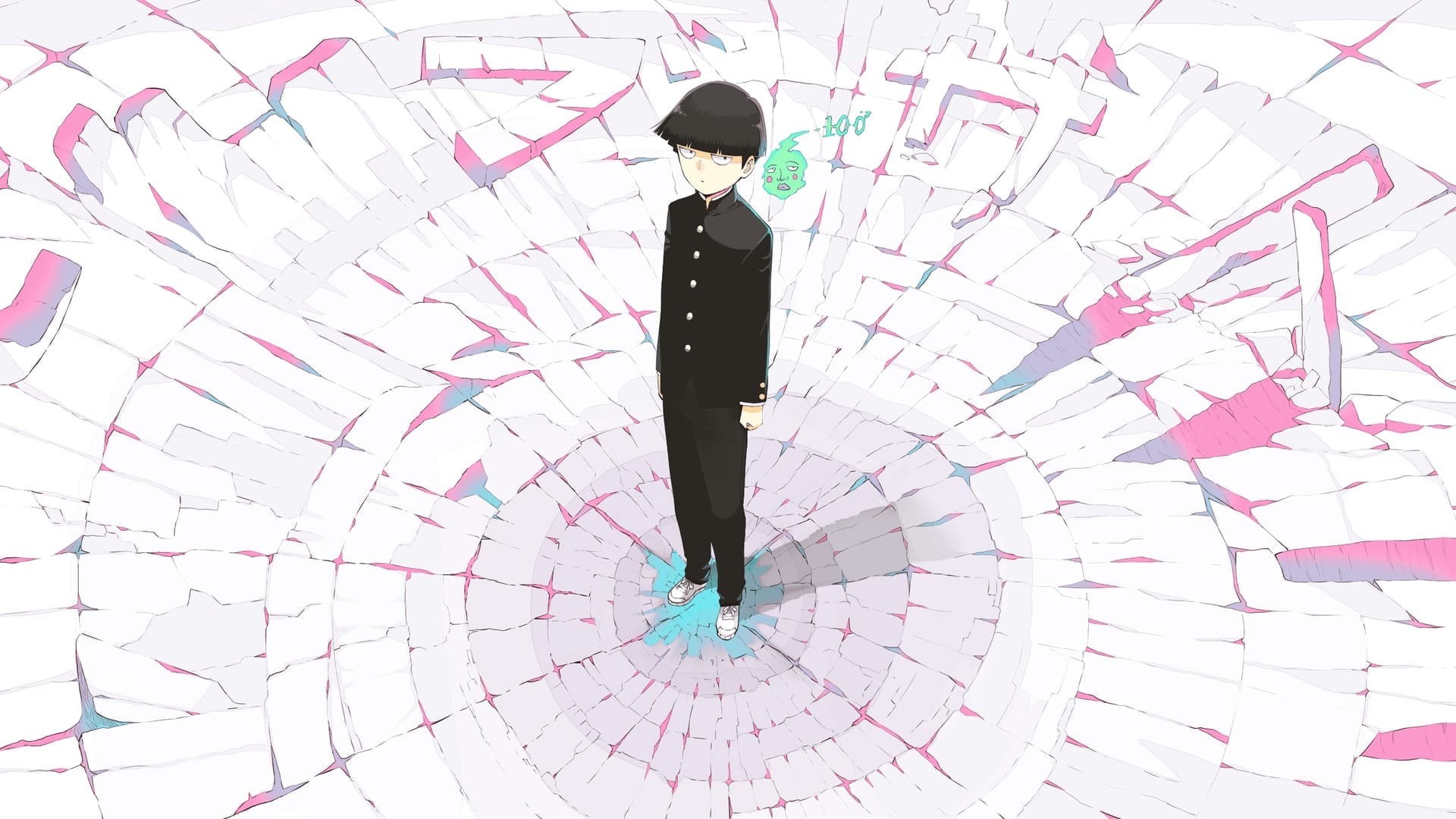
Shigeo “Mob” Kageyama has almost unlimited psychic power and almost zero interest in using it to be special. He’s the anti-shonen protagonist: introverted, emotionally constipated, obsessed with being normal. His suppressed emotions are literally a ticking meter onscreen — when they hit 100%, something breaks.
Mob Psycho 100 is about learning that power isn’t identity, and that repression isn’t peace. Mob’s arc tracks him learning to actually feel things — to let people in, to stop hiding behind “I don’t want to hurt anyone” as an excuse to avoid connection. His relationship with con-man mentor Reigen is the heart of the series: a fake psychic and a real one, both teaching each other how to be more honest.
What makes this stand out in the category of anime with best character development is that Mob’s growth is internal and almost entirely non-violent. He gets stronger, but that’s not the point. The point is that he learns to cry.
Best moment: The “Mob Strikes Back” sequence — Mob losing control, then consciously choosing to stop. Agency, not power, as the climax.
7. Re:Zero — Learning to Live With Yourself
Subaru Natsuki is not a good person at the start of Re:Zero. He’s a shut-in with a hero fantasy, dropped into a fantasy world and convinced he’s the protagonist. He’s entitled, oblivious to how he affects others, and emotionally dependent in ways that put the people around him at risk.
Re:Zero’s “Return by Death” mechanic — Subaru resets to a checkpoint every time he dies — could easily be wish fulfillment. The show instead uses it as a trauma engine. Every death carries psychological weight. Subaru accumulates experience that no one around him shares, which makes him increasingly isolated and erratic. He makes catastrophically bad decisions not because he’s stupid but because he’s in emotional crisis.
His arc is about dismantling the fantasy of the “chosen one” self-image and building something more honest underneath. The Emilia relationship works because Subaru eventually learns to support her instead of needing to save her — a meaningful distinction the show takes seriously.
Best moment: Episode 18’s rooftop breakdown — “I love Emilia. Is that not enough?” A genuinely raw scene where Subaru’s delusions finally collapse in real time.
8. Fruits Basket (2019) — Healing as a Narrative Engine
Fruits Basket’s 2019 remake finally told the complete story, and it’s one of the most thorough examinations of intergenerational trauma in anime. Every member of the Sohma family is carrying damage inflicted by Akito — some visible, some buried. Tohru Honda’s arc is about learning that love isn’t a fix for trauma; it’s a space where healing becomes possible.
Kyo’s arc is the emotional centerpiece: a young man convinced he deserves to be caged and punished, slowly learning that the verdict handed down by the people who raised him was wrong. That kind of character work — dismantling a false self-concept absorbed in childhood — is rare in anime and harder to execute than action-based arcs.
Yuki’s parallel arc, where he moves from needing to be needed to learning to have genuine wants, is equally well-crafted. The show understands that recovery isn’t linear and doesn’t force its characters to arrive at simple resolutions.
Best moment: Kyo’s confrontation with Tohru at the cliff — choosing to stay, choosing to be chosen. Earned in every sense of the word.
9. Neon Genesis Evangelion — Deconstruction as Development
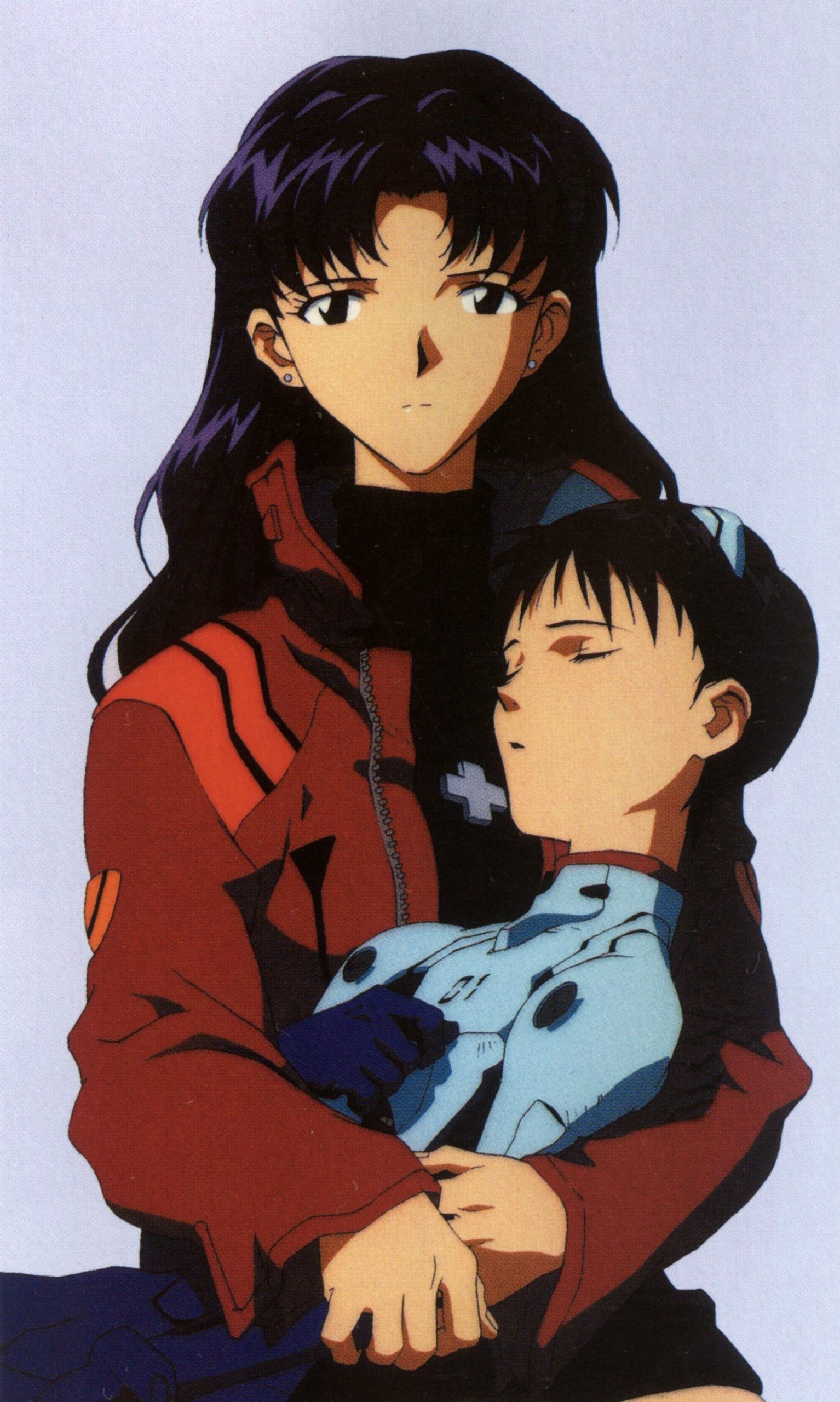
Shinji Ikari is one of the most analyzed characters in anime history, often with frustration. He whines. He refuses. He pilots the Eva and then runs from everything that comes after. That’s the point. Evangelion is a mecha show that noticed its genre had been lying about what it would take to put a child in a war machine and built a character around the honest answer.
Shinji’s arc isn’t about overcoming fear — it’s about understanding where his fear comes from and why connection feels more dangerous to him than being destroyed. His relationship with his father, with Rei (a being shaped to be perfectly compliant), and with Asuka (a person performing invulnerability as a survival strategy) all illuminate different aspects of his psychology.
End of Evangelion provides the catharsis the TV ending abstracted — and makes it hurt more, which is exactly right. Shinji choosing to live in a world with other people, knowing it means the possibility of rejection, is the smallest and most hard-won triumph in anime.
Best moment: The applause scene in Episode 26 — abstract, strange, and more emotionally honest than any action climax could be.
10. Violet Evergarden — Learning What Words Actually Mean
Violet Evergarden is a former child soldier who doesn’t understand what the word “love” means. She’s been trained to execute orders flawlessly and to suppress everything else. The series follows her working as an “Auto Memory Doll” — a letter writer — and slowly, through other people’s stories, learning to feel and then to express her own.
Each episode of Violet Evergarden is essentially a standalone arc, but they accumulate into something larger: a portrait of a person who has to learn emotion from the outside in, through craft and observation. Violet doesn’t develop by fighting or gaining power. She develops by writing — by finding the right words for other people’s experiences until she can finally find them for her own.
This makes it one of the gentlest examples of anime with best character development, and one of the most affecting. There’s no power fantasy here, no dramatic battle arc. Just a young woman slowly discovering that she is allowed to want things.
Best moment: Episode 10, “I Love You” — Violet writing a letter that spans generations. Masterclass in showing emotional growth through work rather than statement.
What Makes Character Development Actually Work in Anime
Looking across these ten series, a few patterns emerge about what separates genuine character development from cosmetic change.
Cost. Every meaningful transformation in the series above comes with a price. Edward gives up alchemy. Thorfinn gives up revenge. Okabe gives up the safety of the persona he built. Development that costs nothing reads as unearned, and audiences feel it even when they can’t articulate why.
Consistency. Great character arcs are consistent with the character’s established psychology. When Mob finally breaks down crying, it works because the show has spent episodes showing us exactly how hard he suppresses emotion. When Thorfinn chooses pacifism, it works because we watched him live in violence long enough to understand what it took from him.
Time. Most of the series on this list run long, and that’s not coincidental. Character development that happens quickly tends to feel unearned. These stories take their time, let setbacks actually set characters back, and resist the urge to rush toward resolution. Vinland Saga’s farm arc is fifty-plus episodes of rebuild. Hunter x Hunter spends forty episodes in the Chimera Ant arc. The payoffs hit because the groundwork was laid with patience.
Supporting cast as mirrors. In every series here, secondary characters illuminate the protagonist’s arc by contrast or parallel. Killua shows us what Gon might become. Reiner shows us what Eren almost became. Asuka shows us what happens when the armor never comes off. The best anime don’t just develop their main characters — they build entire ensembles designed to pressure-test and reveal them.
If you’re looking for anime with the best character development, these ten series represent the ceiling of what the medium can do when writers prioritize internal transformation over external spectacle. Start anywhere on this list. You won’t regret it.
You Might Also Enjoy
- Best Anime for Beginners: Where to Start If You’ve Never Watched Before
- The Saddest Anime Series That Will Wreck You (In the Best Way)
- Best Anime Villains with Actual Backstories Worth Understanding
- 10 Underrated Anime Series That Deserve Way More Attention
- Best Anime for Adults: Mature Storytelling Beyond the Big Names