If you’ve spent any time in anime circles lately, you’ve heard the debate: Trigun Stampede vs Original — which one actually deserves your time? The short answer is both. The honest answer is more complicated. When Studio Orange dropped Trigun Stampede in January 2023, they didn’t just remake a beloved 90s classic — they reimagined it from the ground up, sending the community into a months-long argument about CG animation, character accuracy, and whether Vash the Stampede’s pacifist soul survived the translation. This guide breaks down both versions side by side so you can make an informed call based on what you actually want from the experience.
The Original Trigun (1998): Episodic Mayhem With a Beating Heart
Madhouse’s 1998 adaptation of Yasuhiro Nightow’s manga is, by any fair measure, a product of its era — and that’s not a knock. It was produced during a golden window when studios were willing to let a single show contain both slapstick buffoonery and gut-punch tragedy in equal measure, sometimes within the same episode. Vash the Stampede enters the story as a walking disaster: a lanky, spiky-haired gunslinger in a red trench coat who somehow causes $60 billion in property damage without ever meaning to hurt a soul. He’s played entirely for laughs in the early episodes, and that contrast is the whole point.
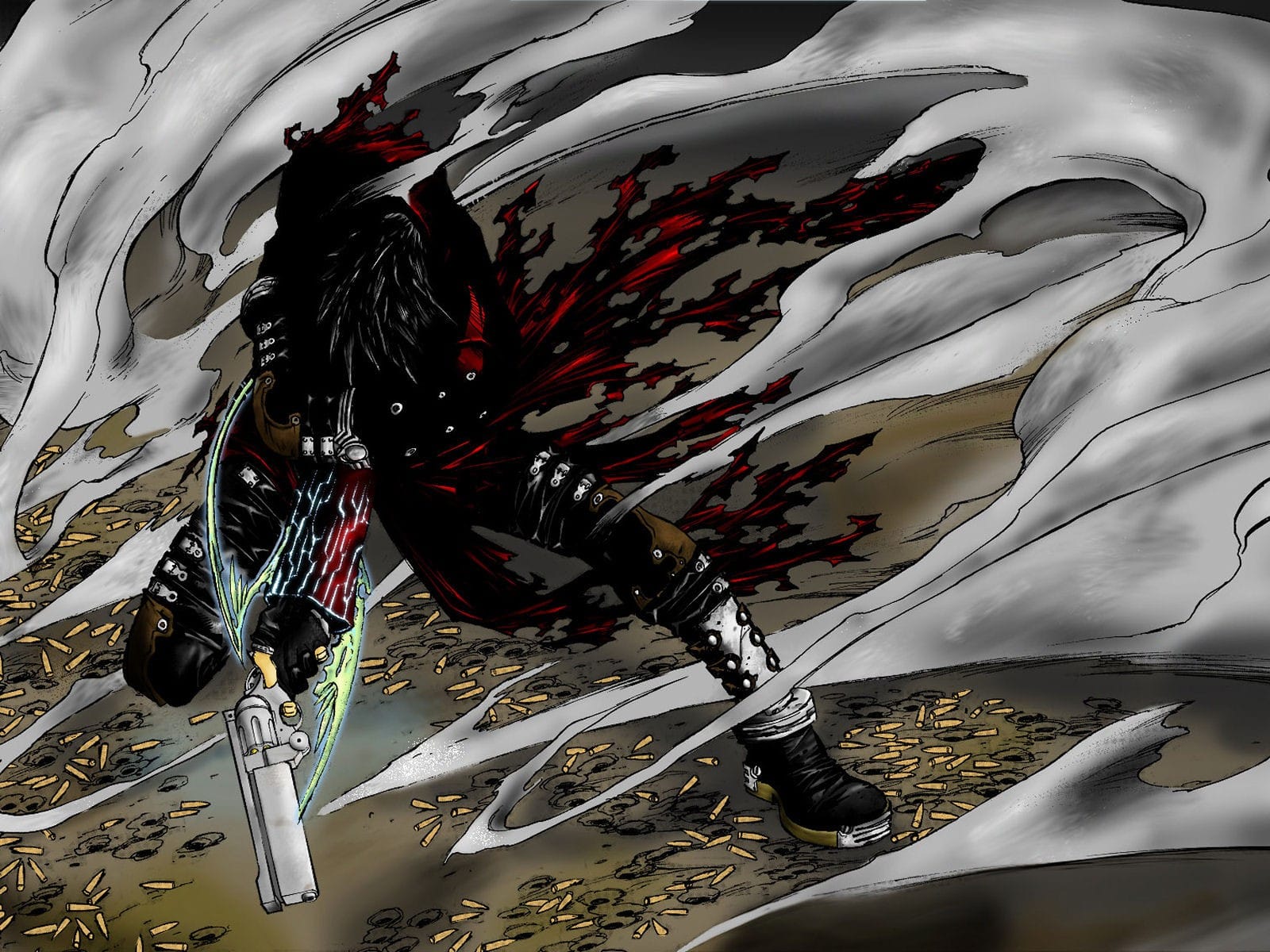
The original series runs 26 episodes and spends a significant chunk of its first half in episodic, monster-of-the-week territory. Each stop on Vash’s journey across the desert planet Gunsmoke brings a new villain, a new moral dilemma, and usually a new round of property destruction. Insurance agents Meryl Stryfe and Milly Thompson trail behind cataloguing the chaos, providing both comic relief and the emotional anchor for the audience — they’re our entry point into taking Vash seriously before the show asks us to.
The storytelling approach mirrors the manga’s serialized origins. Nightow’s source material, which began in Monthly Shonen Captain in 1995 before moving to Young King Ours as Trigun Maximum, blends western mythology with science fiction and genuine theological weight. The 1998 anime doesn’t adapt the manga faithfully — it diverges significantly in the second half — but it captures the spirit: a man committed to a moral code so absolute it borders on self-destruction. By the time the show pivots into its darker final arc, you’re invested in Vash not despite his goofiness but because of it. The levity was the setup. The tragedy is the payoff.
Composer Tsuneo Imahori’s soundtrack is a genre-blending masterpiece in its own right. Blues guitar, funk riffs, and jazz trumpet in a space western anime shouldn’t work, and yet “H.T.” remains one of the most recognizable anime opening themes of the 90s. The whole sonic identity of the original Trigun is inseparable from how it feels to watch it.
Trigun Stampede (2023): A Darker Reboot With a Different Mission
Studio Orange is not in the business of playing it safe. The studio behind Beastars and Land of the Lustrous brought their signature CG animation pipeline to Trigun Stampede and made no apologies about the aesthetic shift. The result is divisive, which is exactly what you’d expect from a studio that has never cared about divisive. Stampede is darker, faster, and structurally tighter than the original — a serialized thriller rather than an episodic adventure.
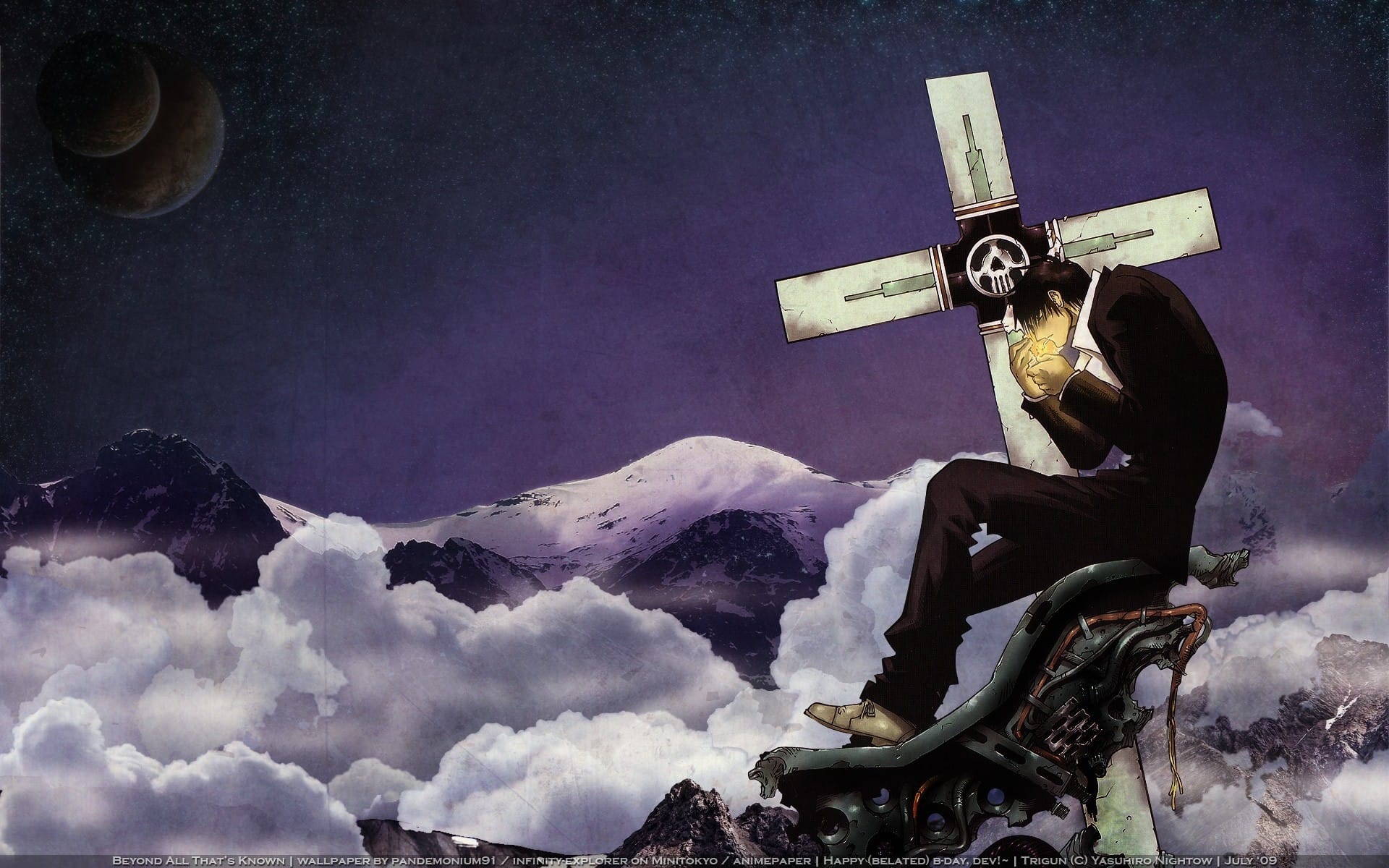
Gone is the slapstick. Vash in Stampede is still fundamentally the same person — a man who refuses to kill, who carries unfathomable power and refuses to use it at full capacity — but the show front-loads his trauma instead of earning it slowly. Within the first few episodes, Stampede makes clear that this Vash has a history, and that history is catastrophic. The tone is closer to a prestige drama than a Saturday morning adventure.
The CG animation drew immediate debate at launch. It looks nothing like traditional hand-drawn anime, and for a generation raised on the Madhouse original, that’s a jolt. But Orange’s CG has a fluidity and expressiveness that rewards patience. Action sequences in Stampede are genuinely spectacular — the weight of each gunshot, the physics of movement across sand dunes, the way fire and dust interact — it’s a technical achievement that stands apart from most anime production in any medium. The character designs are leaner and more angular than the 1998 version, trading the original’s expressive cartoon proportions for a more grounded aesthetic.
Where Stampede makes its boldest departure is in its treatment of the supporting cast. Roberto De Niro (a journalist who replaces Milly Thompson as Meryl’s partner) dies in the first half of the series — a signal that Stampede is not interested in preserving comfort. Nicholas D. Wolfwood gets significantly more screen time and a richer backstory than his 1998 counterpart, and the dynamic between him and Vash is arguably the emotional core of the reboot. The show is structured like prestige television: every episode builds on the last, and skipping even one will leave you lost.
Stampede also goes further into the science fiction scaffolding of Nightow’s world. The Plants — giant beings that power the desert planet’s civilization — are given much more narrative weight, and the apocalyptic stakes of the overarching conflict are established earlier and more explicitly. It’s a more ambitious structural bet that pays off if you’re willing to engage with it on its own terms.
Key Differences: Art Style, Pacing, and How They Handle Vash
Laying the two versions side by side reveals just how different the creative philosophies are, even when working from the same source material.
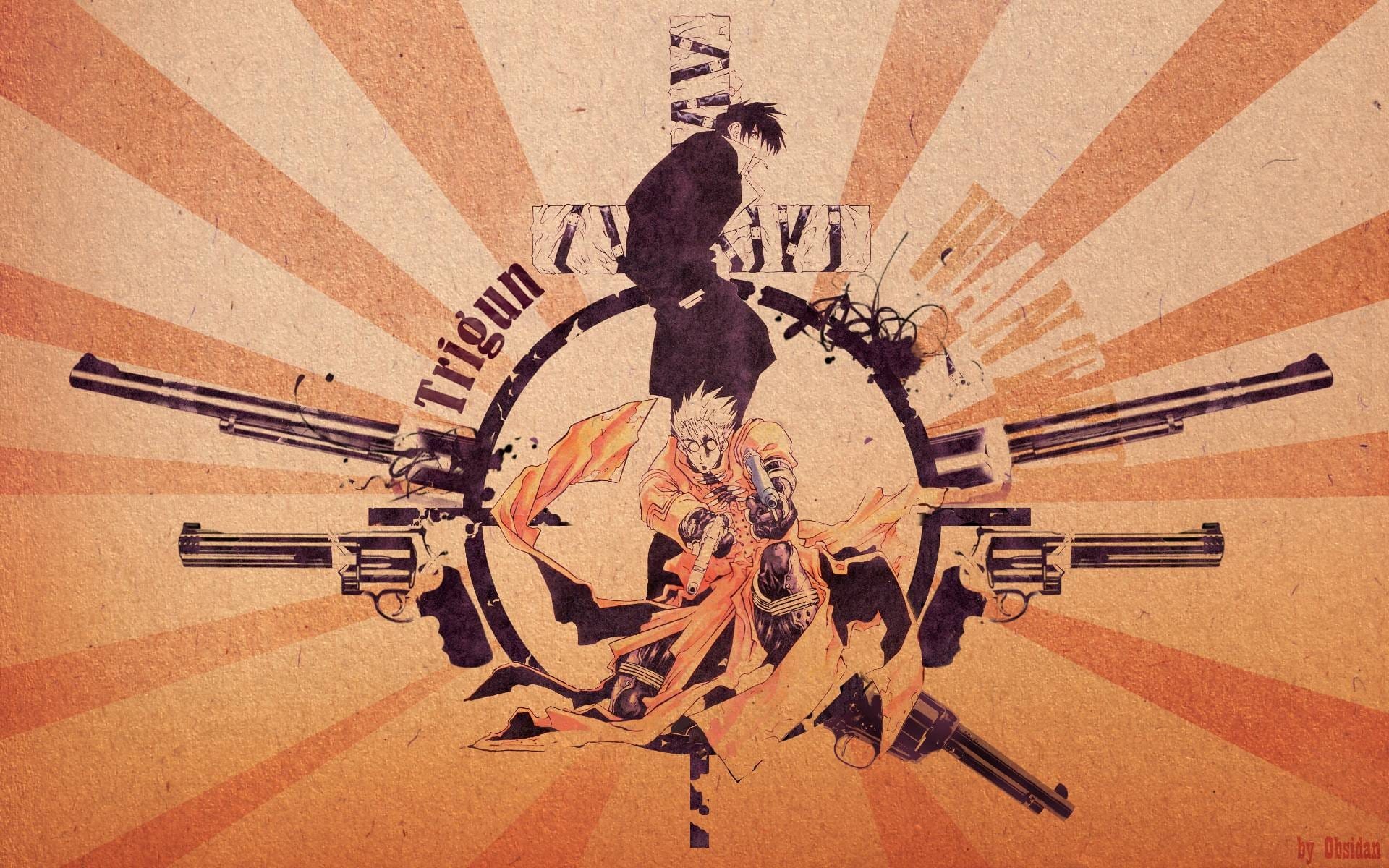
Art Style: The 1998 Madhouse animation is hand-drawn with the warm, slightly washed-out palette of late-90s anime. Expressions are exaggerated, proportions are cartoonish in the early episodes, and the visual language shifts noticeably when the tone gets serious. Stampede’s CG is cool and precise — blues and grays dominate, action is kinetic and fluid, and facial expressions are more restrained. Neither style is objectively better; they serve different stories.
Pacing: The original front-loads its fun and back-loads its pain. The first twelve or so episodes are largely self-contained adventures with recurring characters threading through them. Stampede has no such patience. It drops you into an ongoing mystery and expects you to keep up. For viewers who bounced off the original’s slow build, Stampede is a correction. For viewers who loved the original’s episodic warmth, Stampede can feel cold and rushed.
Character Treatment: The original gives its comedy room to breathe, which makes Vash’s unraveling hit harder. The comic Vash and the tragic Vash are the same person viewed from different distances. Stampede’s Vash starts closer to the wound — less clowning, more controlled anguish. Meryl is handled better in Stampede: she’s a rookie journalist rather than a seasoned insurance agent, which makes her perspective more authentically wide-eyed. Wolfwood, as mentioned, is a significant upgrade in Stampede — more complex, more morally compromised, and given more time to develop.
Faithfulness to the Manga: Both series deviate from Nightow’s manga, but in different directions. The original invented an entire second half when the manga hadn’t finished. Stampede appears to be building toward a more manga-accurate conclusion while still taking creative liberties with the structure and certain characters. Manga readers will find Stampede’s world more familiar in some respects, but neither version is a straight adaptation.
Tone: This is the clearest divide. The original is a 90s anime vs modern comparison that basically writes itself: one is genre-blending optimism wrapped around a core of grief, the other is a prestige sci-fi thriller that treats its themes more explicitly from the start. Both work. They’re just doing different things with the same raw material.
Which Should You Watch First — And Can You Skip Either?
Here’s the practical advice for anyone sitting in front of a streaming queue trying to decide where to start.
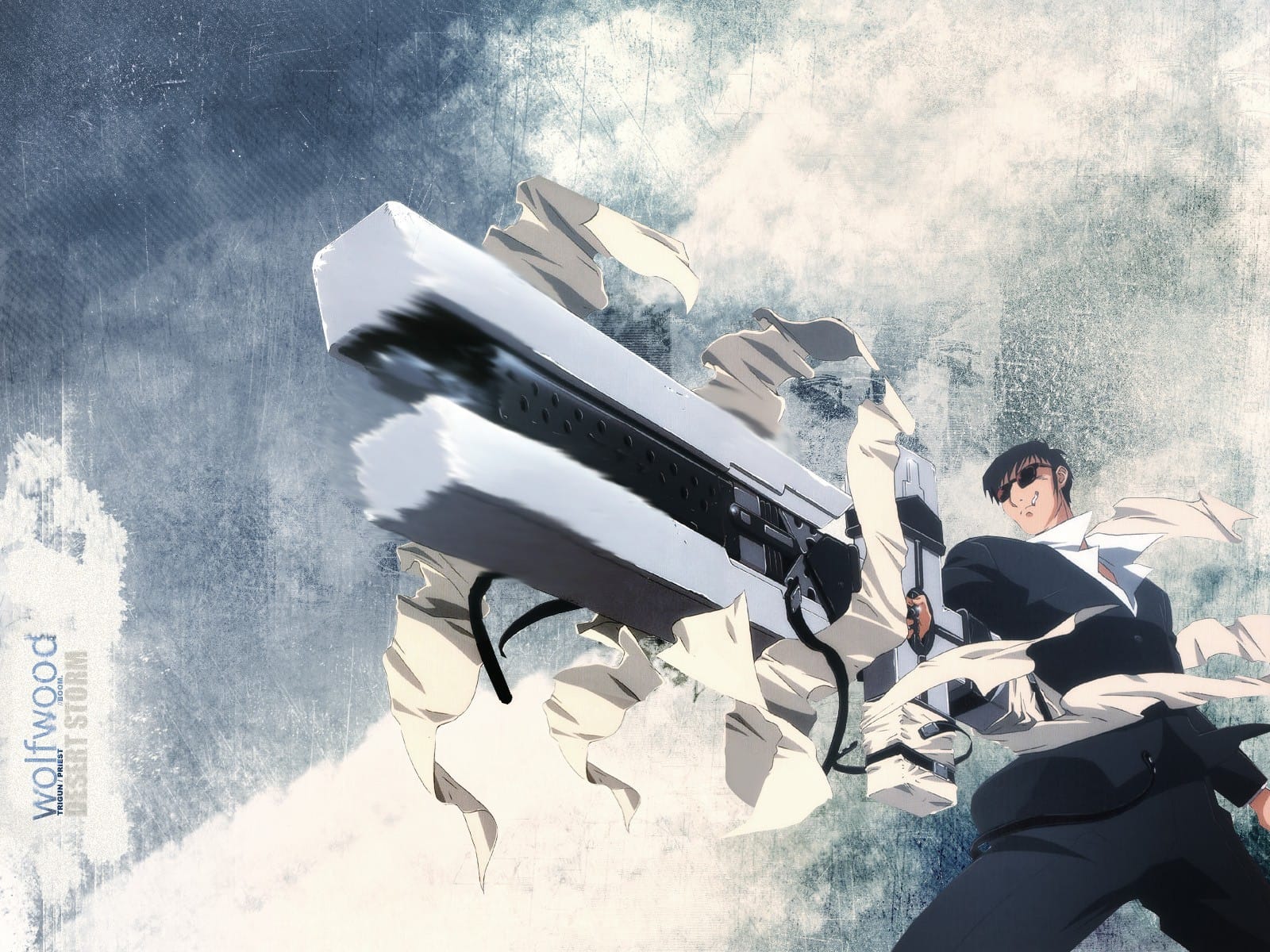
Watch the original first if: You have tolerance for episodic pacing and want the full emotional arc the way it was originally designed. The slow comedy-to-tragedy slide is a feature, not a bug. You’ll also get context for Stampede’s departures that makes them more interesting to analyze. The original is also a fantastic introduction to 90s anime vs modern production values — watching them back to back is genuinely educational about how the medium has changed.
Watch Stampede first if: You’ve tried the original and bounced off the episodic first half. Stampede’s tight serialized structure hooks you faster and may inspire you to go back and appreciate where the story comes from. Some viewers find the original’s comedy alienating before they understand who Vash really is — Stampede gives you that context upfront, which changes how the humor lands retroactively.
Can you skip the original entirely? Technically yes. Stampede is designed to stand on its own and does not require you to have watched the 1998 series. But you’d be leaving a genuinely great show on the table. The original has aged better than most 90s anime in its genre — the themes around pacifism, inherited trauma, and the cost of power don’t expire. If you only have time for one, watch Stampede. But if you care about the franchise at all, come back for the original.
Can you skip Stampede and just watch the original? Also technically yes, but Stampede adds material and character depth — particularly for Wolfwood — that the original doesn’t have. If you’re a manga reader who felt the original’s anime-original ending was unsatisfying, Stampede is explicitly correcting that course. It’s worth watching even if the 1998 series is your sentimental favorite.
Watch order recommendation: Original → Stampede. You’ll appreciate each version more having seen the other, and the contrast between their approaches to Vash the Stampede is genuinely fascinating when you watch them close together.
The Verdict: Two Valid Visions of the Same Legend
The Trigun Stampede vs Original debate doesn’t have a wrong answer, and anyone telling you one version is objectively superior is projecting their preferences onto an argument that doesn’t need a loser. Both shows are doing something specific and doing it well.
The 1998 original is a masterclass in tonal balance — a show that earns your tears by first earning your laughter. It’s the kind of anime that takes its time building a world you love before it starts breaking your heart, and the payoff is proportional to your patience. Madhouse understood that Vash’s tragedy only works because you’ve first believed in his joy. If you want the warm, bittersweet experience of 90s anime vs modern production, nothing replicates it — not even a reboot from a technically superior studio.
Trigun Stampede is a serious, ambitious reimagining by a studio that had no interest in nostalgia tourism. It takes Nightow’s world and runs it through a prestige drama lens, trading episodic freedom for serialized momentum. The CG animation is polarizing but impressive. The character work, particularly around Wolfwood and this version of Vash, is often exceptional. And for a new generation encountering the franchise for the first time, it’s a much easier entry point than asking someone to sit through 12 episodes of slapstick before the story gets going.
If pressed for a winner: watch both. Start with the original to understand what the franchise is capable of emotionally. Then watch Stampede to see what a modern studio with different tools and a different mandate can do with the same bones. The anime remake conversation is usually about which version made the better call — here, the more interesting question is what each version reveals about the era that produced it.
Vash the Stampede has always been a character built around the idea that love and suffering aren’t opposites — they’re the same force wearing different clothes depending on the day. Both versions of Trigun understand that. They just approach it from different sides of the wound.