The FMA Homunculi Ranked: Why This List Will Start Arguments
If you’ve ever sat through a Fullmetal Alchemist: Brotherhood marathon and found yourself arguing with a friend about whether King Bradley could beat Pride in a straight fight, welcome — you’re among your people. The FMA Homunculi ranked from weakest to strongest is one of the most hotly contested discussions in the anime fandom, and honestly, it should be. These aren’t your typical cartoon villains with one-note powers. Each Homunculus is a walking philosophy experiment wrapped in a terrifying ability set, and ranking them requires actually thinking about what they can do, what they’ve done, and where their limits are.
This list covers all seven Homunculi from Fullmetal Alchemist: Brotherhood — Sloth, Gluttony, Envy, Lust, Greed, Wrath, and Pride — plus a special section on Father, because leaving him off entirely would feel like a crime. We’re judging purely on combat effectiveness, power ceiling, and real moments from the show. No fan theories, no “well if Greed had more time.” Just the evidence on screen.
Fair warning: this entire piece is spoiler territory. If you haven’t finished Brotherhood, close this tab, go watch it, and come back. You’ll thank us later.
#7 — Sloth: The Strongest Body, The Weakest Threat
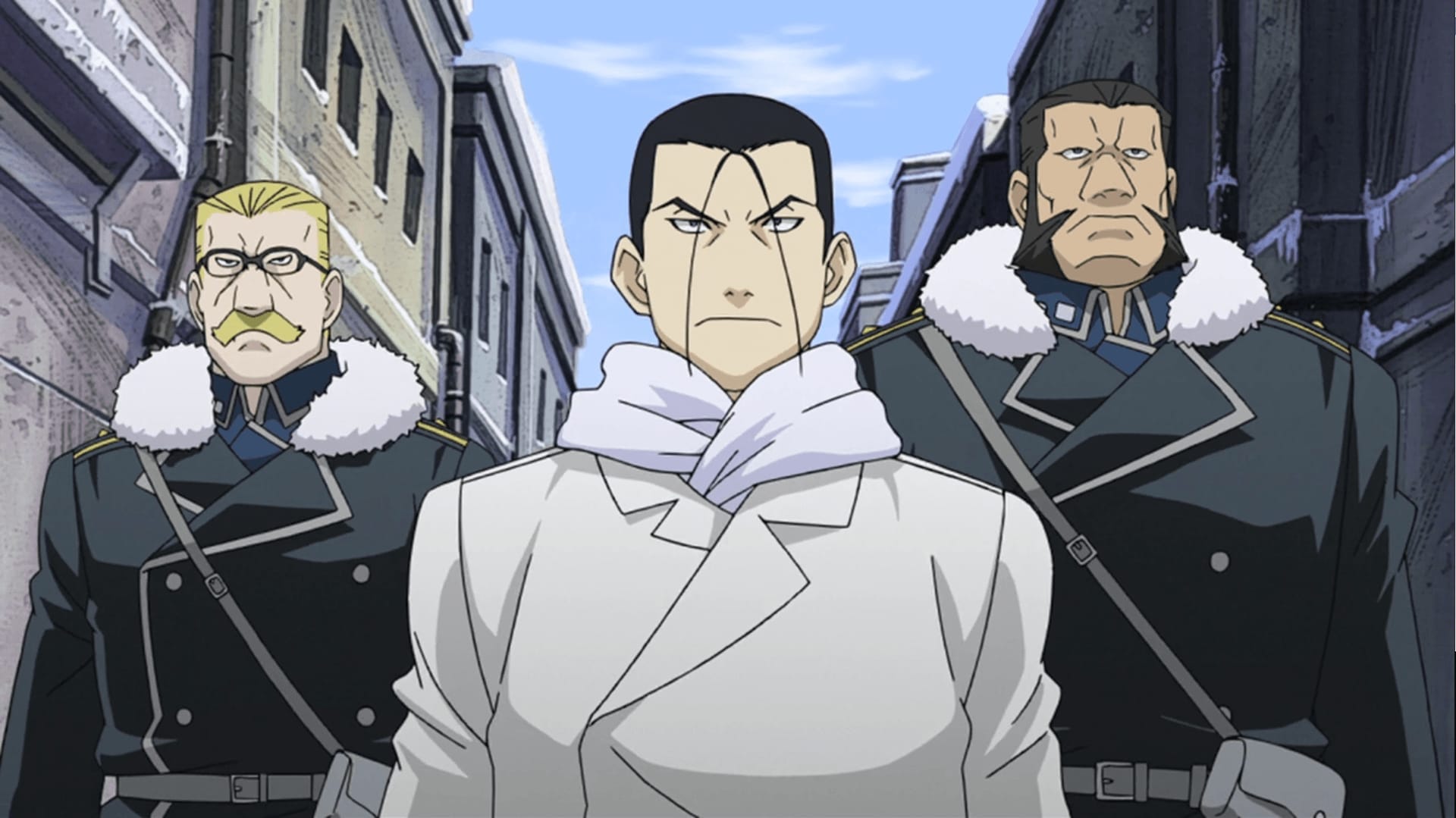
Here’s the thing about Sloth that the show itself basically admits: he’s an absolute unit physically, but he might be the least dangerous Homunculus in any real confrontation. Sloth is the largest of the bunch — a mountain of muscle that can move at genuinely terrifying speeds when he bothers to. His regeneration is standard Homunculus-grade, meaning he can take absurd punishment and keep going. On paper, that sounds formidable.
The problem is baked right into his name. Sloth doesn’t want to fight. He finds everything exhausting. His entire existence is a contradiction — he’s physically capable of being a wrecking ball, but his defining character trait is that he’d rather just not. In the rare moments he’s actually pushed into combat, like during the Northern Wall sequence, he demonstrates genuine threat. He goes from zero to blinding speed without much warning, and it takes both Armstrong siblings working together to put him down.
But those moments are exceptions. Most of Sloth’s screen time is spent digging tunnels. He’s the Homunculi’s construction project, not their enforcer. And the fact that he’s eventually defeated — not just slowed, but actually killed — by a combination of physical exhaustion in freezing temperatures and two fighters who figured out his pattern puts a hard ceiling on how high he can rank. He’s the most tragic of the seven, but tragically weak is still weak.
Key Moment: His brief but terrifying speed burst during the battle at Fort Briggs is genuinely startling — one of the show’s better “oh no” reveals. But it comes too late to change his fate or his ranking.
#6 — Gluttony: A Weapon Without an Aim
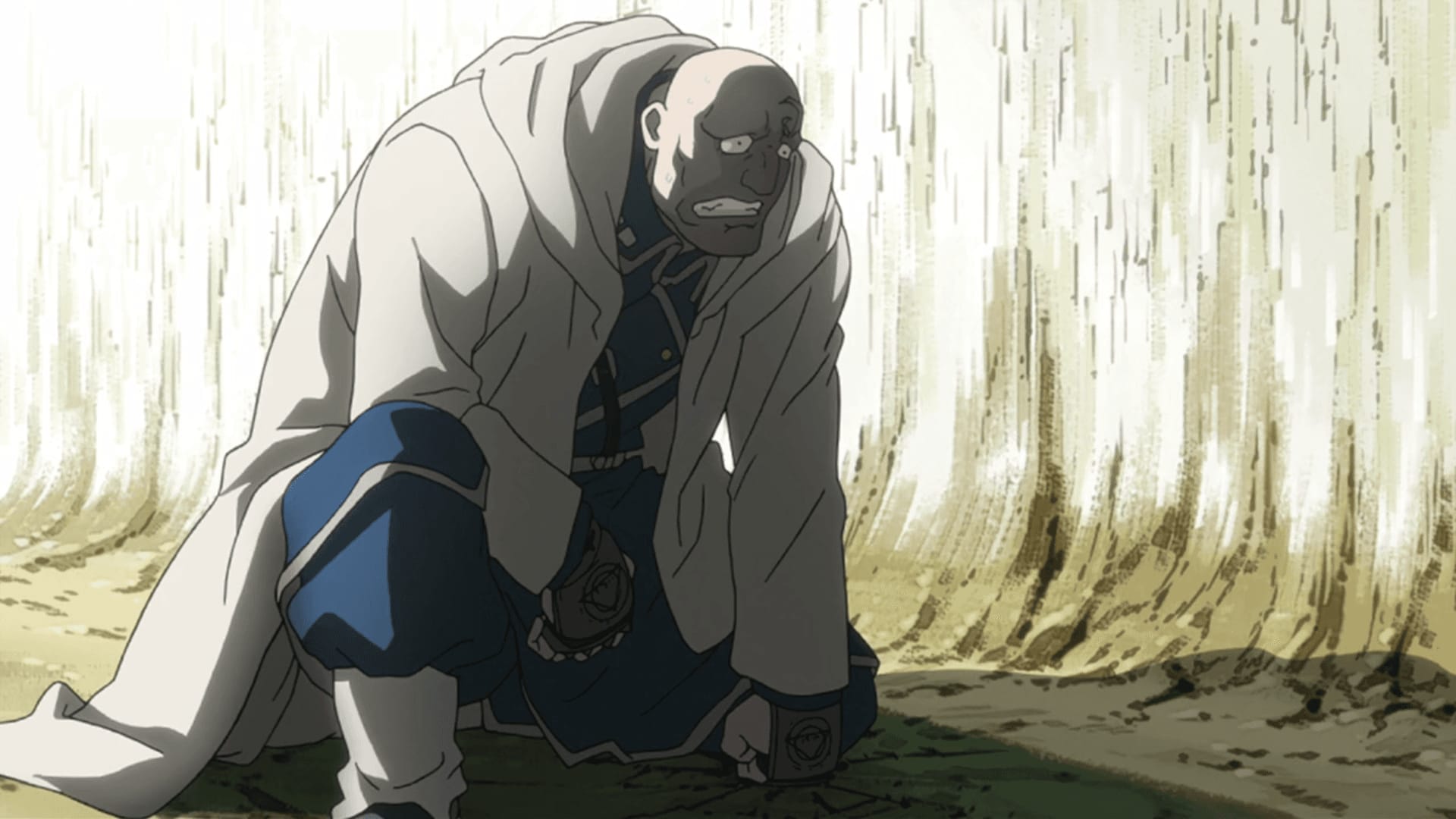
Gluttony is fascinating because he contains one of the most terrifying abilities in the entire show, buried inside a character who is essentially a large, sad child. His False Gate of Truth — that gaping void in his stomach — is a pocket dimension that consumes everything it touches. Ling, Envy, and Edward all end up trapped inside it during the midpoint of Brotherhood, and the sheer wrongness of that space is one of the show’s most unsettling sequences. Whatever goes in there doesn’t come back without serious effort.
So why is he ranked this low? Because Gluttony has almost no tactical intelligence and zero self-direction. He exists to eat things and to be loyal to Lust. When Lust is gone, he essentially becomes a guided missile waiting for someone to point him at a target. He’s devastatingly powerful in a chaotic, uncontrolled way, but he can be manipulated, misdirected, and ultimately put down by characters who are significantly less physically imposing than him.
His emotional vulnerability is also a genuine combat liability. Mention Lust around Gluttony and you’ve broken his concentration. That’s not a small weakness — in a world where most FMA villains are cold tacticians, being emotionally destabilized is a death sentence. Mustang’s eventual destruction of him is almost clinical in how it exploits exactly this.
Key Moment: Activating the False Gate and swallowing three major characters whole is peak Gluttony — powerful, terrifying, and completely uncontrolled. That’s him in a nutshell.
#5 — Envy: The Most Dangerous Mid-Tier
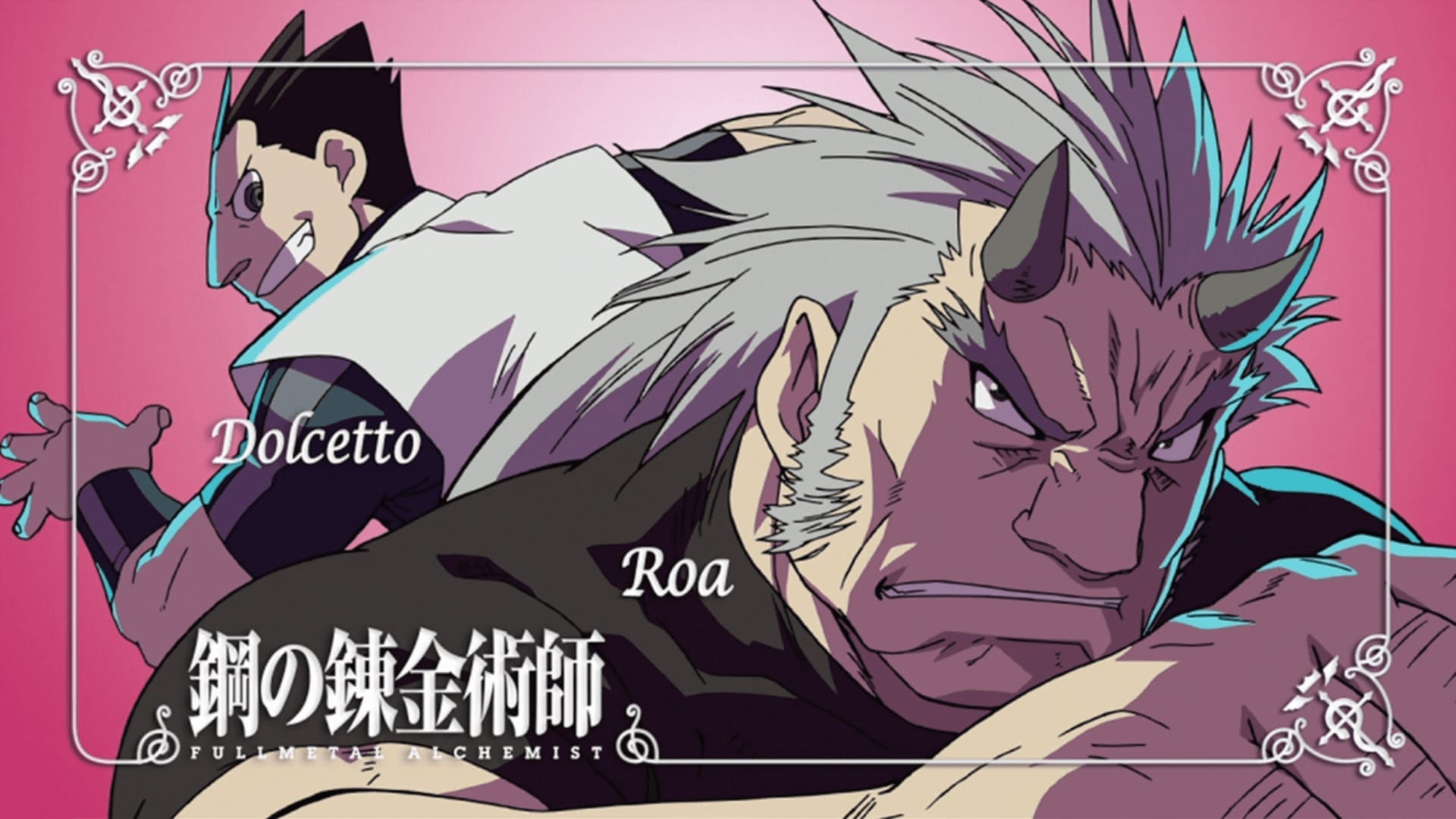
Envy is where this list gets genuinely contentious. There’s a real argument that Envy deserves to rank higher, and it rests almost entirely on one ability: shapeshifting. Envy can become anyone — any person, any face, any voice. In a world where trust matters and intelligence is power, that’s an ability that, used ruthlessly, could topple entire governments without a single physical fight. And Envy has used it exactly that way. The assassination of King Peony, disguised as another person, is how the Ishval Civil War was ignited. A civil war. From one shapeshifting trick. That’s a staggering body count from a single act of deception.
In direct combat, Envy also has a true form — a massive, monstrous body covered in the faces of the souls they’ve consumed. It’s physically overwhelming, hard to put down, and deeply unsettling. The souls embedded in that body can actually interfere with alchemy, which is a legitimately terrifying tactical advantage against most of the show’s heroes.
The ceiling drops, though, when Envy is stripped of the shapeshifting advantage and forced into a straight fight against someone who’s prepared. Mustang basically disassembles Envy in their confrontation — not because Mustang is unstoppable, but because an enraged Roy Mustang is methodical enough to remove every advantage Envy has, one by one. And then there’s Envy’s own psychology: they hate humans so deeply, so personally, that they can be baited. Edward’s insight into Envy’s core jealousy — that they actually envy humans — is what breaks Envy as a character and as a threat.
Key Moment: Triggering the Ishval War through shapeshifting. It’s offscreen backstory, but it’s the single most consequential act any individual Homunculus commits in the entire series.
#4 — Lust: The Deadliest Mid-Tier, and It’s Not Close
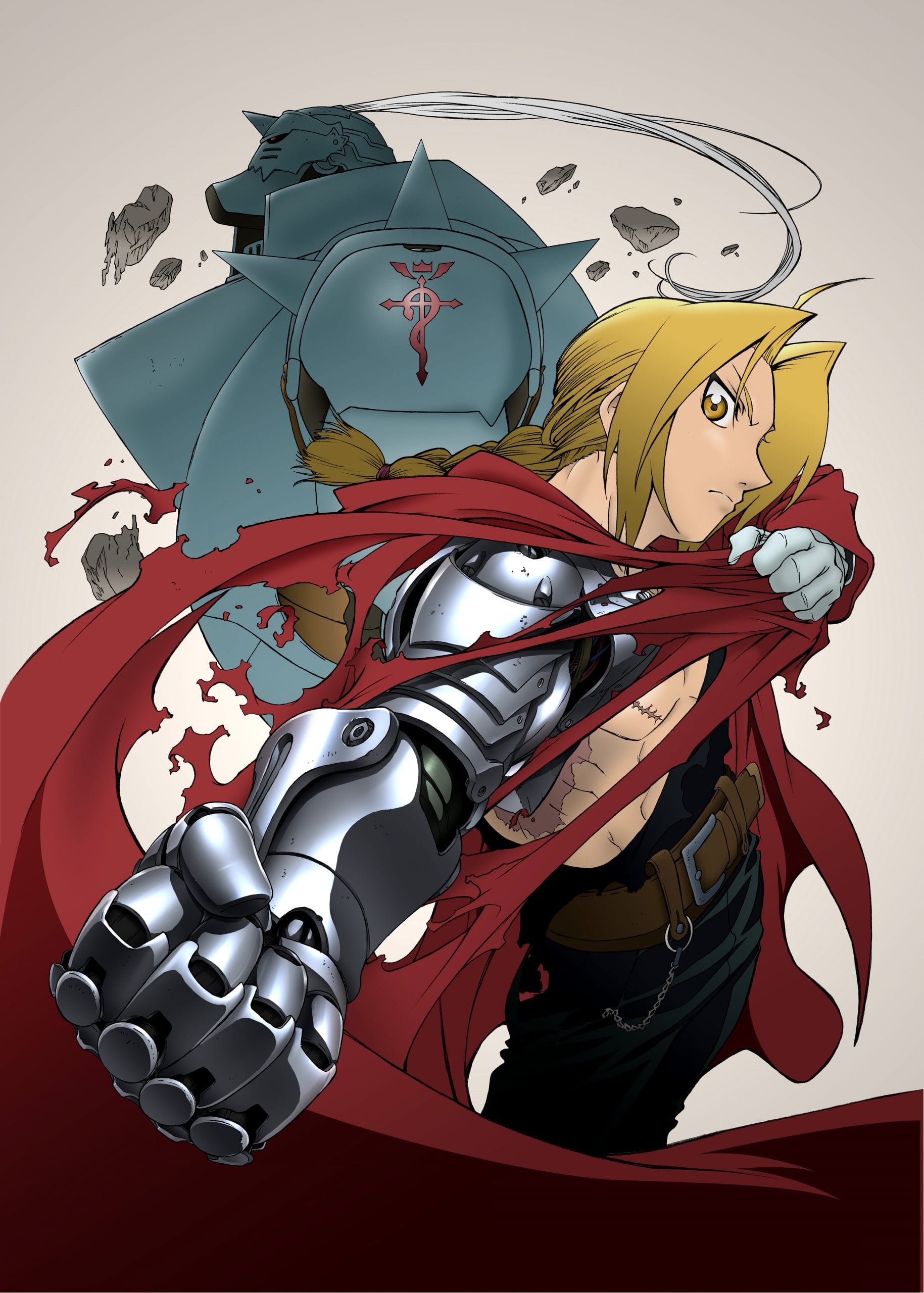
Lust doesn’t belong in the middle of this list — she belongs at the top of the mid-tier, and the gap between her and Envy is bigger than their positions might suggest. What makes Lust exceptional isn’t just her ability (the Ultimate Spear — extendable fingers that can pierce through basically anything) but how she uses it. Lust is the most tactically intelligent of the lower-ranked Homunculi. She plans. She adapts. She doesn’t let emotion compromise her effectiveness.
Her fight against Mustang and Havoc is one of Brotherhood’s early high-water marks precisely because she almost wins. She puts Havoc down hard, she incapacitates Mustang multiple times, and she forces him to do something genuinely desperate — use his own blood as a transmutation circle — just to survive. The fact that she loses that fight doesn’t diminish how close she came. It took Roy Mustang at his most frantic and creative to stop her, and even then she regenerated through a staggering number of kills before he exhausted her philosopher’s stone.
The Ultimate Spear is also just a brutally practical ability. It has reach, it has precision, and in the hands of someone as cold and calculating as Lust, it’s surgical. She’s not swinging wildly like Gluttony or depending on tricks like Envy. She fights like someone who has had centuries to figure out how to kill efficiently, because she has.
Key Moment: The basement battle against Mustang and Havoc. She owns that fight for most of its duration, and watching Mustang barely claw out a win is one of the show’s most genuinely tense sequences.
#3 — Greed: The Wildcard Who Earns His Spot
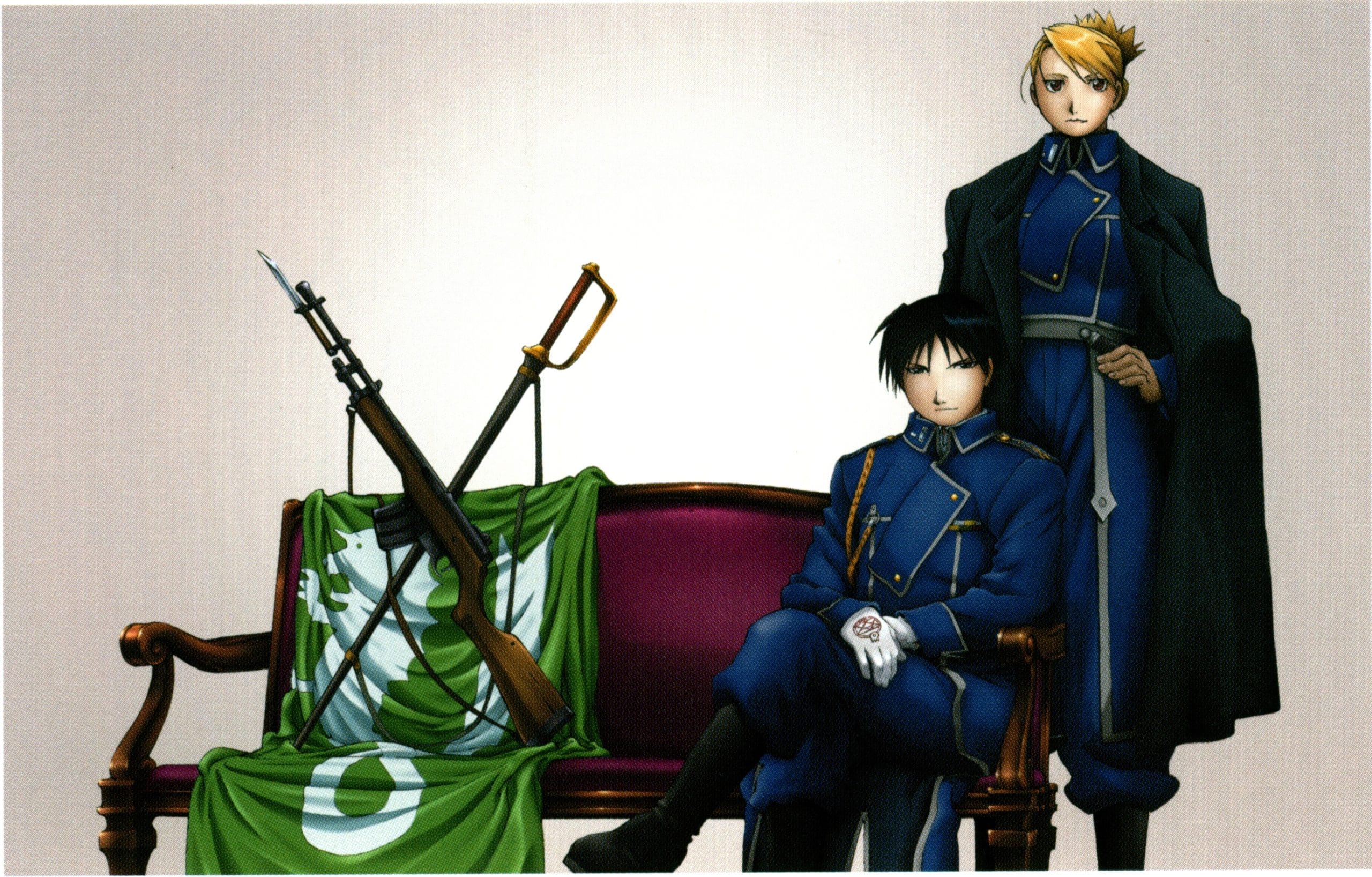
Ranking Greed requires picking which Greed we’re talking about, and honestly, both versions earn this spot. Original Greed — the one running the Devil’s Nest, the one who squares up against King Bradley and loses — has the same core ability as Greed in Ling’s body: the Ultimate Shield, a carbon-hardening technique that rearranges the carbon in his body to create a near-impenetrable armor. It’s a defensive ability that also makes him a devastating physical fighter because when your body is that hard, every punch hits like a freight train.
What pushes Greed into the top three is two things. First, his Ultimate Shield is genuinely one of the most versatile defensive powers in the show — he can harden specific body parts selectively, which means he can fight with speed and still have protected vitals, or go full armor when he needs to tank something massive. Second — and this is crucial — Greed in Ling’s body eventually figures out how to harden his targets’ carbon molecules, not just his own. That shifts him from “great defender” to “can incapacitate enemies by turning them to stone.” That’s a huge jump in offensive capability.
His loss to Bradley is instructive: Bradley finds the weakness (eyes can’t be armored easily, and Bradley’s Ultimate Eye can read the gaps) but it still takes King Bradley to beat him. That’s not a bad loss. And Greed’s final act — turning Father’s body into a fragile carbon structure that allows the heroes to shatter him — is the decisive move in the final battle. Even in death, Greed matters more than almost any other Homunculus.
Key Moment: The final battle, where Greed sacrifices himself to give the heroes a fighting chance against Father. It’s the most heroic death in a show full of heroic deaths.
#2 — Wrath (King Bradley): The Human Who Outranks Almost Everyone
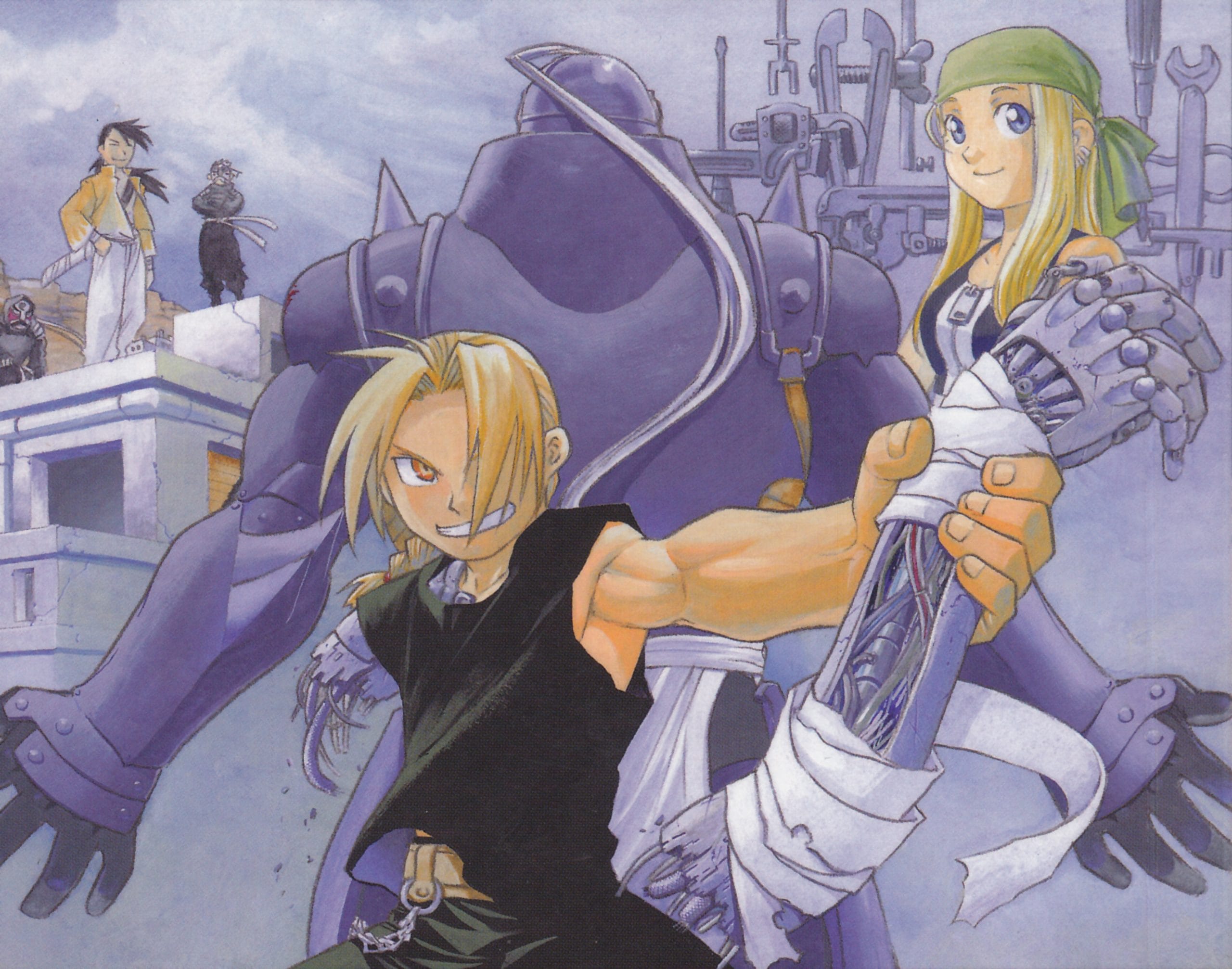
King Bradley is the most interesting entry in any FMA Homunculi ranking because he’s the only one who is — technically — human. The Wrath created for a human host doesn’t grant regeneration (Bradley ages, which no other Homunculus does) and gives only one Philosopher’s Stone, embedded in his eye. By Homunculus standards, he’s physically fragile. He can be hurt. He can bleed. He will eventually die of old age if nothing kills him first.
And yet here he is at number two, above Greed, above Lust, above everyone except Pride. Why? Because the Ultimate Eye combined with a lifetime of trained combat mastery makes Bradley arguably the most dangerous fighter in the entire series in a direct engagement. The Ultimate Eye allows him to perceive essentially everything — the trajectory of every attack, the position of every enemy, the optimal counter to every move, all processed in real time. Pair that with a body that has been trained to be a perfect soldier since childhood, and you have something that transcends normal Homunculus power scales.
The evidence is everywhere. Bradley single-handedly holds off an entire army at the battle of Central. He fights Greed, Scar, Fu, Buccaneer, and eventually a fully-powered Scar — while mortally wounded — and remains lethal throughout. He loses ultimately to Scar, but it requires Scar having modified his alchemy arm, Bradley being shot through the eye (eliminating the Ultimate Eye), and Bradley literally dying from accumulated wounds during the fight. He wins the exchange of blows with a dead man’s final strike. That’s not a defeat — that’s a last stand for the ages.
The lack of regeneration is the only real ceiling on Bradley. In a sustained fight against a Homunculus who can simply regenerate through his attacks, he’d eventually lose. That’s why Pride edges him out. But against everything else in the show? King Bradley is the scariest thing on the battlefield.
Key Moment: Tearing through an entire army and fleet of armored vehicles at the Central HQ battle. Watching one man with swords dismantle what should be an overwhelming force is one of the most jaw-dropping sequences in Brotherhood.
#1 — Pride: The First and the Worst
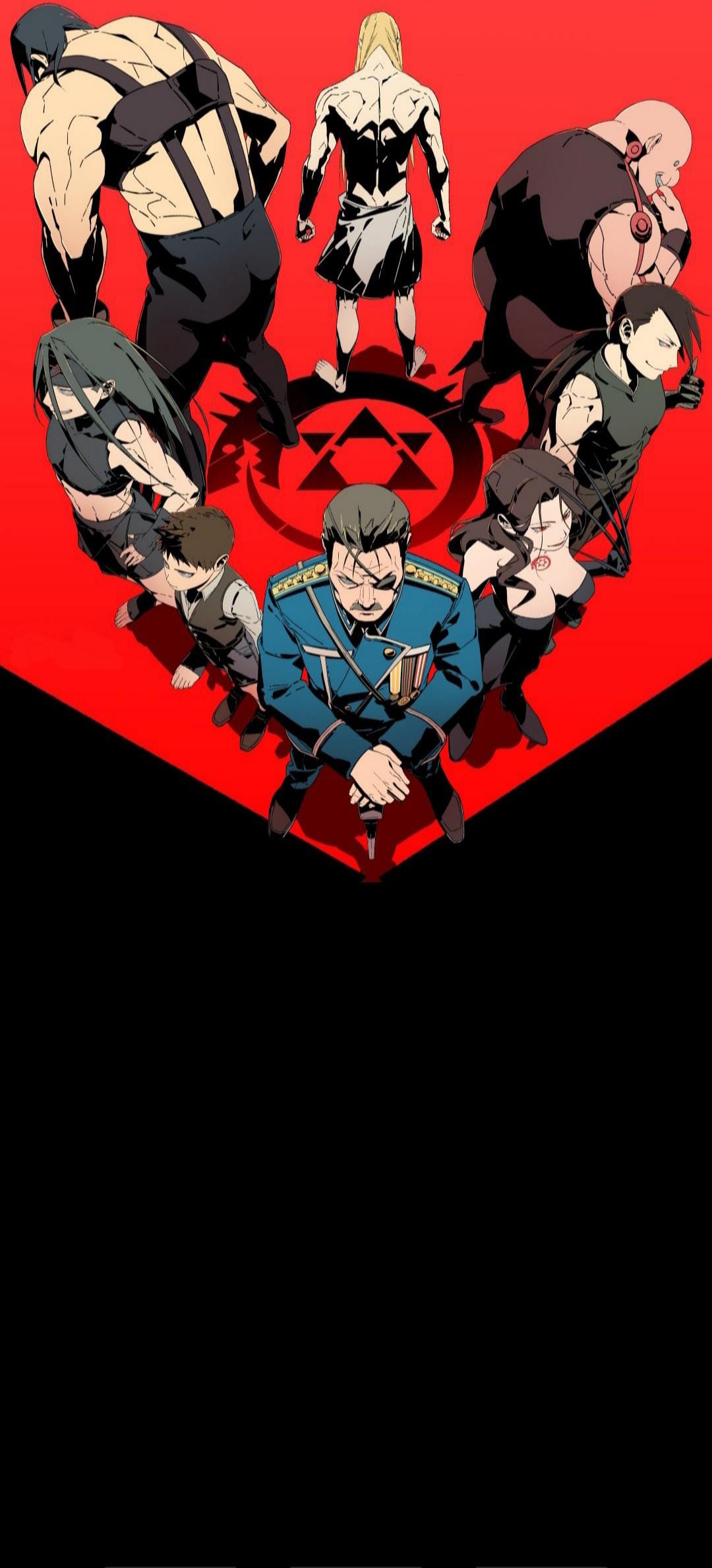
Pride wins. It’s not even particularly close once you understand the full scope of what he can do. Pride’s shadows are among the most oppressive abilities in any anime villain ranking — they require darkness to function, which is a real limitation, but within that limitation they are almost completely unstoppable. His shadow tendrils can cut through essentially anything, move at terrifying speed, perceive everything within their range, and — most horrifyingly — absorb and assimilate other beings, taking their powers and memories for Pride’s own use.
That last point is what separates Pride from everyone else on this list. Every other Homunculus has a fixed power set. Pride can grow. He absorbs Gluttony mid-series and gains Gluttony’s sense of smell and the False Gate ability. He attempts to assimilate Edward Elric during the final arc. The idea of a being who can simply eat other powerful entities and add their abilities to his own is categorically more dangerous than any fixed-power Homunculus, regardless of how impressive that fixed power is.
Pride is also the oldest Homunculus. He’s been alive longer than anyone else in the show, which means centuries of experience, centuries of patience, and centuries of watching humans and learning exactly how they work and fail. He doesn’t have Bradley’s combat training, but he doesn’t need it — his shadows give him reach, speed, and cutting power that make close-quarters technique largely irrelevant. And in his true form, without the child disguise, he’s genuinely monstrous.
His one real weakness — darkness requires an absence of light, and a sufficiently powerful or creative light source can neutralize him — is exploited by Ed and Heinkel in the Promised Day sequence. But notice what it takes to beat him: multiple characters, a carefully engineered environment, and Pride still nearly wins regardless. He’s only truly stopped when he’s forced into a state where he’s too depleted to maintain his form. Even then, he survives — the only Homunculus who ends the series alive, returned to infancy, his memories and powers stripped. That’s not a defeat through superior force. That’s an ending found around the edges of a being who couldn’t be beaten head-on.
Key Moment: Absorbing Gluttony and using his new sense of smell to hunt the heroes through the darkness. It’s Pride at his most methodical and his most terrifying — adapting in real time, weaponizing a new power almost immediately after gaining it.
What About Father? A Category of His Own
Father isn’t ranked with the Homunculi because ranking him with them would be like ranking a nuclear reactor alongside individual batteries. Father created the Homunculi. He spent centuries engineering the circumstances to absorb God — the Truth itself — into his own body. In his final form, he contains the souls of an entire nation and the power of the universe’s creator. He’s not competing in the same weight class as Pride or Bradley. He’s a different conversation entirely.
What’s worth noting about Father is that even with godlike power, he loses. He loses because he tried to contain something infinite within something finite. Every human he absorbed retained their will, and those wills pushed back. The Truth reclaims what Father tried to steal. It’s a thematic point as much as a combat one: Father represents the sin of trying to transcend your own nature, and the show’s thesis is that this always fails eventually.
In terms of raw power during his final form, Father is the most powerful being in the series — no contest. But he’s also the most flawed, philosophically and structurally. His power is borrowed and contested from the moment he gains it. He never truly possesses what he takes. That’s what makes him such a perfect final villain for a show about the cost of trying to get something for nothing.
The Final Ranking, All in One Place
For easy reference, here’s the complete FMA Homunculi ranked list from bottom to top:
7. Sloth — Physical powerhouse with zero motivation to use it. Defeated by cold weather and two fighters who figured out his rhythm. Heartbreaking, but weak.
6. Gluttony — Contains one of the most terrifying abilities in the show inside a character with no tactical instinct and a crippling emotional vulnerability.
5. Envy — The shapeshifting ability has an insane ceiling, and triggering the Ishval War is the highest-impact individual act in the series. But direct combat is a weakness, and the psychological vulnerability is real.
4. Lust — Tactically brilliant, precise, and nearly killed Roy Mustang. One of the most dangerous fighters in the lower ranks.
3. Greed — Ultimate Shield is a top-tier ability, his offensive upgrade in Ling’s body is huge, and his final move wins the war. Earned every bit of this spot.
2. Wrath (King Bradley) — The human who outperforms supernatural beings through sheer mastery. The Ultimate Eye makes him the most dangerous duelist alive.
1. Pride — Shadow powers, absorption ability, centuries of experience, and the only Homunculus who can grow. The ceiling is terrifyingly high.
Disagree with the ranking? Of course you do. That’s exactly the point. The Homunculi are built to inspire exactly this kind of argument — each one has a real case, each one has real flaws, and that’s what makes them some of the best-written villains in anime history. Whether you think Envy should be higher or that Wrath deserves the top spot, the fact that you’re thinking this hard about it is a tribute to how well Fullmetal Alchemist: Brotherhood built its villains.
You Might Also Enjoy
- Every Major Fight in FMA Brotherhood Ranked — From Good to All-Time Great
- The 20 Anime Villains With the Most Broken Abilities, Ranked
- King Bradley: Why Wrath Is the Most Human Villain in Anime
- Full Metal Alchemist Watch Order: Brotherhood vs 2003 — What to Watch First
- 15 Dark Fantasy Anime to Watch After Finishing Fullmetal Alchemist