Let’s not sugarcoat it — Hell’s Paradise Season 1 was a beautiful, brutal, occasionally baffling adaptation. MAPPA delivered some of the most stunning animation of 2023: fluid fight choreography, deeply unsettling monster designs, and a color palette that made Shinsenkyo feel like the most gorgeous place you’d never want to visit. And yet, for many manga readers sitting in the back of the theater, there was this persistent, nagging sense that the story was sprinting when it should have been walking.
The pacing issues weren’t subtle. They were the kind that make you glance at a chapter tracker mid-episode and realize you just watched MAPPA burn through 6 chapters in 22 minutes. Thirteen episodes. Sixty-plus chapters. You do the math — and when you do, the structural damage becomes pretty clear.
Now Season 2 is on the horizon, and the question hanging over every fan’s head is the same: Can Hell’s Paradise Season 2 pacing actually be fixed? Or is this franchise destined to be one of those adaptations we admire from a distance — gorgeous to look at, hollow where the heart should be?
Here’s the full breakdown. No hype, no cope — just an honest look at what went wrong, what needs to change, and what’s realistically possible.
What Actually Went Wrong With Season 1 Pacing
The math is damning. Yuji Kaku’s manga ran 127 chapters total, split across roughly two major narrative arcs before the island endgame. Season 1 adapted somewhere between 60 and 65 chapters depending on how you count the structural beats — and it did it in 13 episodes. That’s an average of nearly 5 chapters per episode, which is aggressive for any shonen, but especially punishing for a manga that runs on atmospheric dread and slow-burn character development.

For context: Jujutsu Kaisen’s first season adapted roughly 63 chapters across 24 episodes — almost double the episode count for a similar chapter range. Demon Slayer’s first season adapted 53 chapters across 26 episodes before the Mugen Train film. Hell’s Paradise essentially tried to pack a two-cour adaptation into a single cour, and it shows in exactly the places that matter most.
The casualties were mostly relational. The island of Shinsenkyo works as a story because of the partnerships forged under impossible pressure — executioner and criminal, humanity and monstrosity. Sagiri’s arc in particular needed room to breathe. Her internal conflict about what it means to be a skilled killer, her complicated respect for Gabimaru, the slow dissolution of her rigid worldview — these are the emotional pillars the whole story rests on. In the manga, they develop across dozens of chapters. In the anime, they sometimes get resolved within a single episode that also needs to establish monster lore, introduce new characters, and stage an action sequence.
The Tensen reveal — easily one of the manga’s most genuinely disturbing moments — felt rushed rather than horrifying. The Hoko and Mei storyline, which should have been a meditation on identity and belonging, got compressed to the point where casual viewers probably couldn’t tell you what they were actually about. And the tournament-style pairings that gave the island arc its structure? They blurred together under the pressure of the episode count.
None of this means Season 1 was bad. It was good television. But it was a C-tier adaptation of an A-tier manga, and fans who came in cold — without the manga background — were left with a story that felt like it was constantly explaining itself in a hurry, never trusting viewers to sit with the silence.
The Rien Arc Is Even Less Forgiving
Here’s the part that should make every Hell’s Paradise fan nervous: the material Season 2 will cover is structurally harder to adapt quickly than what came before.
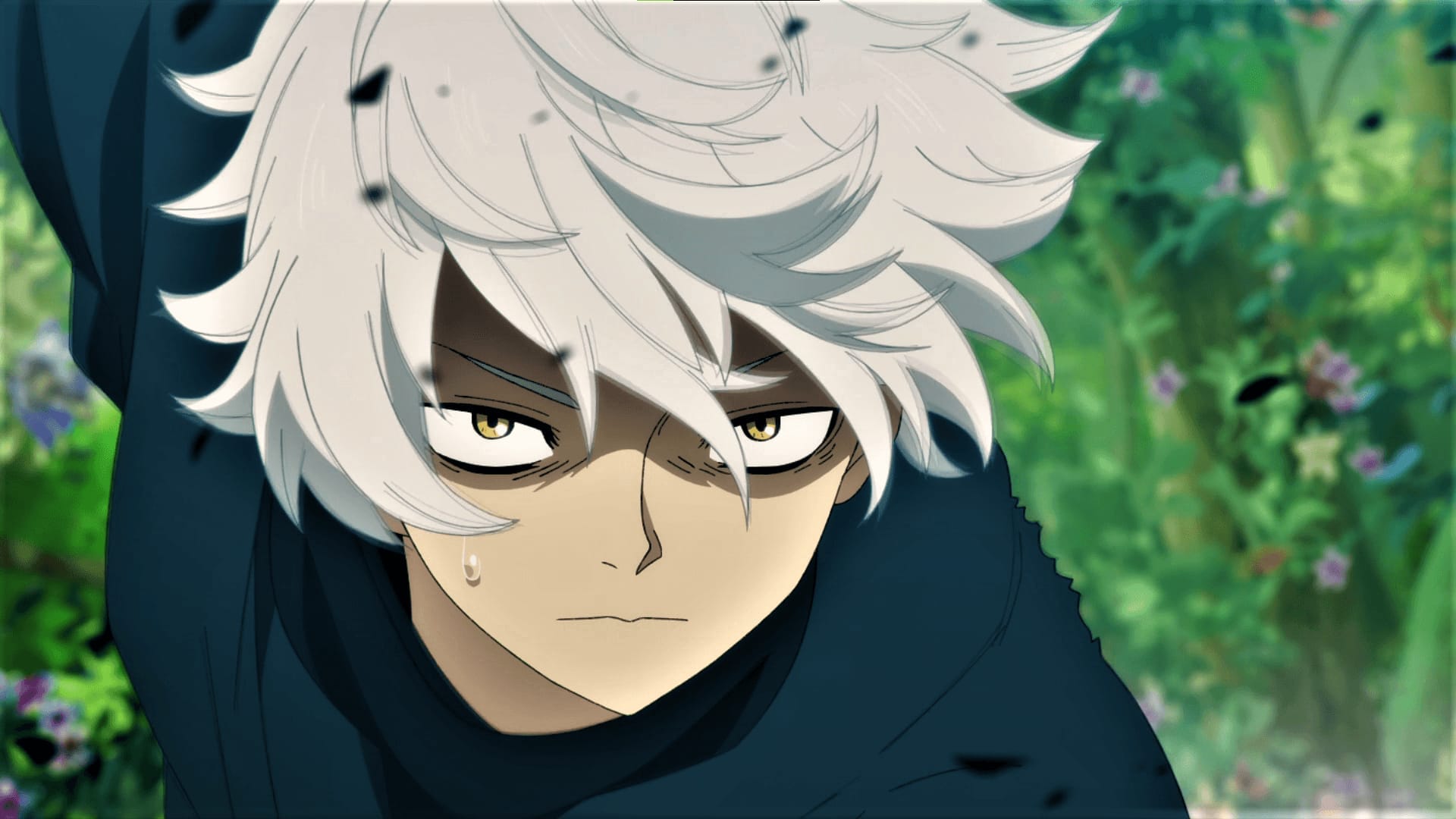
The Rien arc — the endgame of the manga — is built on delayed gratification. It’s the part of the story where Kaku starts pulling back the curtain on what Shinsenkyo actually is, what the Tensen really want, and where the human characters fit into a mythology that’s been quietly building since chapter one. The payoffs in this arc are enormous, but they’re earned through accumulation. Small revelations stack on top of each other. Character histories that seemed like flavor text become structurally critical. Motivations that looked straightforward reveal hidden depths that recontextualize everything.
You cannot rush this. The Rien arc is not built for speed. It’s built for the slow accumulation of dread — the kind of storytelling that requires viewers to carry context from episodes ago and feel the weight of it when things finally click into place. The emotional gut-punch of the arc’s climactic moments depends entirely on viewers having spent enough time with these characters to actually care.
Season 1 got away with its pacing to a degree because the island’s early chapters are relatively episodic. Each criminal-executioner pair could be treated as a somewhat self-contained unit without destroying the larger narrative. The Rien arc doesn’t have that luxury. It’s a single interlocking story, and cutting corners anywhere risks collapsing the whole structure.
There’s also the matter of Rien herself. As an antagonist, she’s not the type that works in compressed form. Her menace is philosophical as much as physical — rooted in a worldview that the story has to actually articulate and then dismantle. Rushed, she becomes a generic final boss. Given room, she’s something far more unsettling: a villain whose logic you can almost understand, which makes her so much more disturbing than one you can’t.
What the Manga-to-Anime Conversion Rate Tells Us
The numbers matter, so let’s look at them honestly.
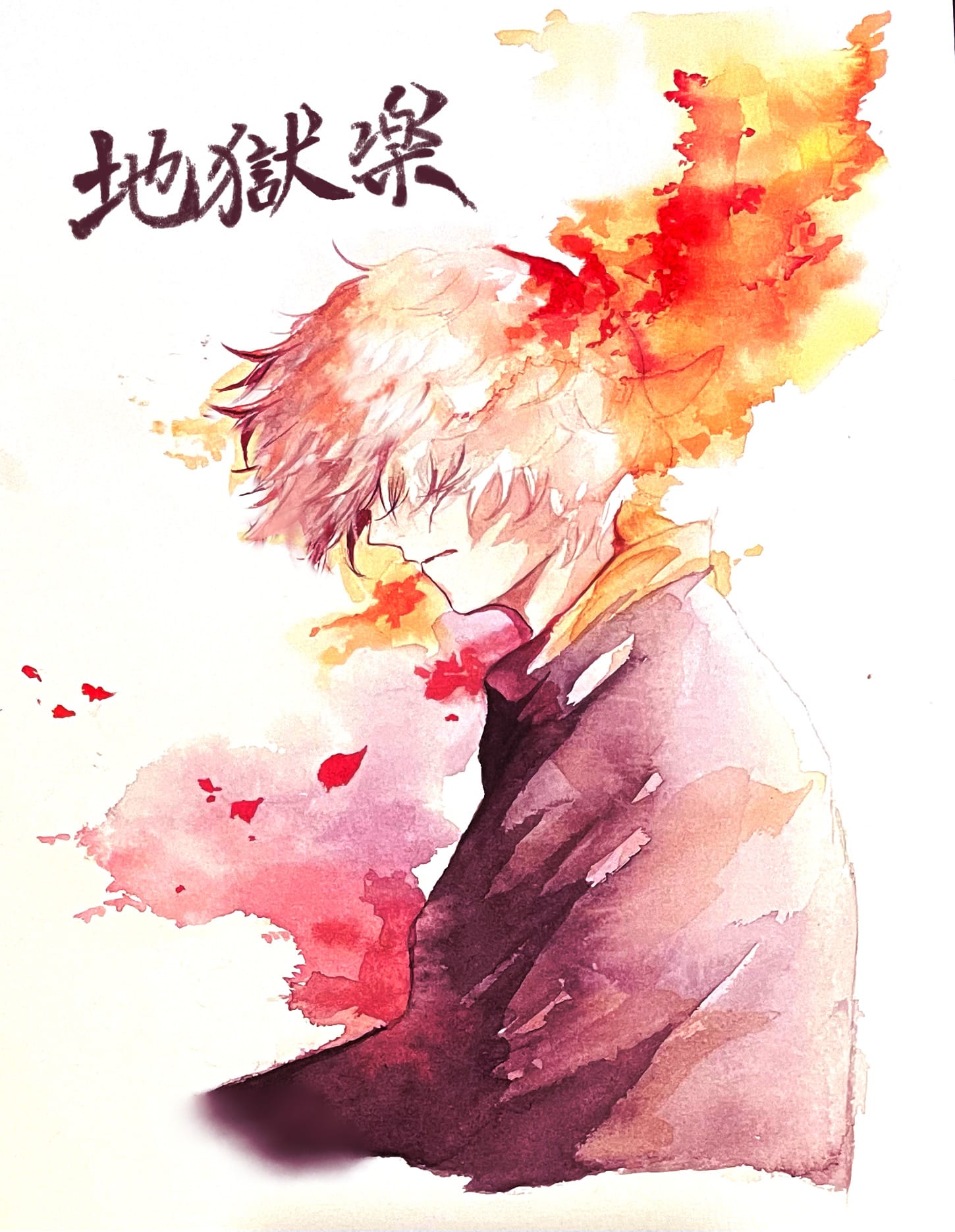
The manga finished at 127 chapters. Season 1 covered roughly chapters 1–62 (estimates vary slightly by how you split the last few pre-arc beats). That leaves approximately 65 chapters for Season 2 — almost exactly what Season 1 covered, but in a single-cour run if MAPPA sticks to 13 episodes again.
The optimistic scenario: MAPPA commits to a two-cour Season 2, giving the remaining material 24–26 episodes. At that count, you’re looking at roughly 2.5 chapters per episode — far more manageable, and close to the pacing that JJK and Demon Slayer used to preserve the emotional integrity of their source material. This is the scenario that produces a genuinely great adaptation.
The pessimistic scenario: another single cour, 13 episodes, the same ~5 chapters per episode grind. Possible to execute, especially since the endgame has some naturally high-octane chapters that translate better to animation than the slow-burn middle sections. But the Rien arc’s complexity makes it substantially riskier than Season 1’s relatively episodic structure.
The middle scenario: a split-cour approach — something like 13 episodes for the first half of the remaining manga, a break, then 13 more for the finale. This has become a common approach in anime (Attack on Titan’s final season, Demon Slayer’s Entertainment District arc). It would give the material more room without requiring MAPPA to commit to a 24-episode straight run, which has its own production challenges.
Based on what we’ve seen from MAPPA’s scheduling patterns and the manga’s remaining chapter count, a split-cour or two-cour approach feels most likely to produce something worth watching. Whether they actually go that route is a different question entirely.
What JJK and Demon Slayer Got Right
Look, MAPPA produces both JJK and Hell’s Paradise, so there’s no excuse for not learning from one while making the other. And Jujutsu Kaisen — whatever issues its later seasons developed — got the fundamentals right in its first run.
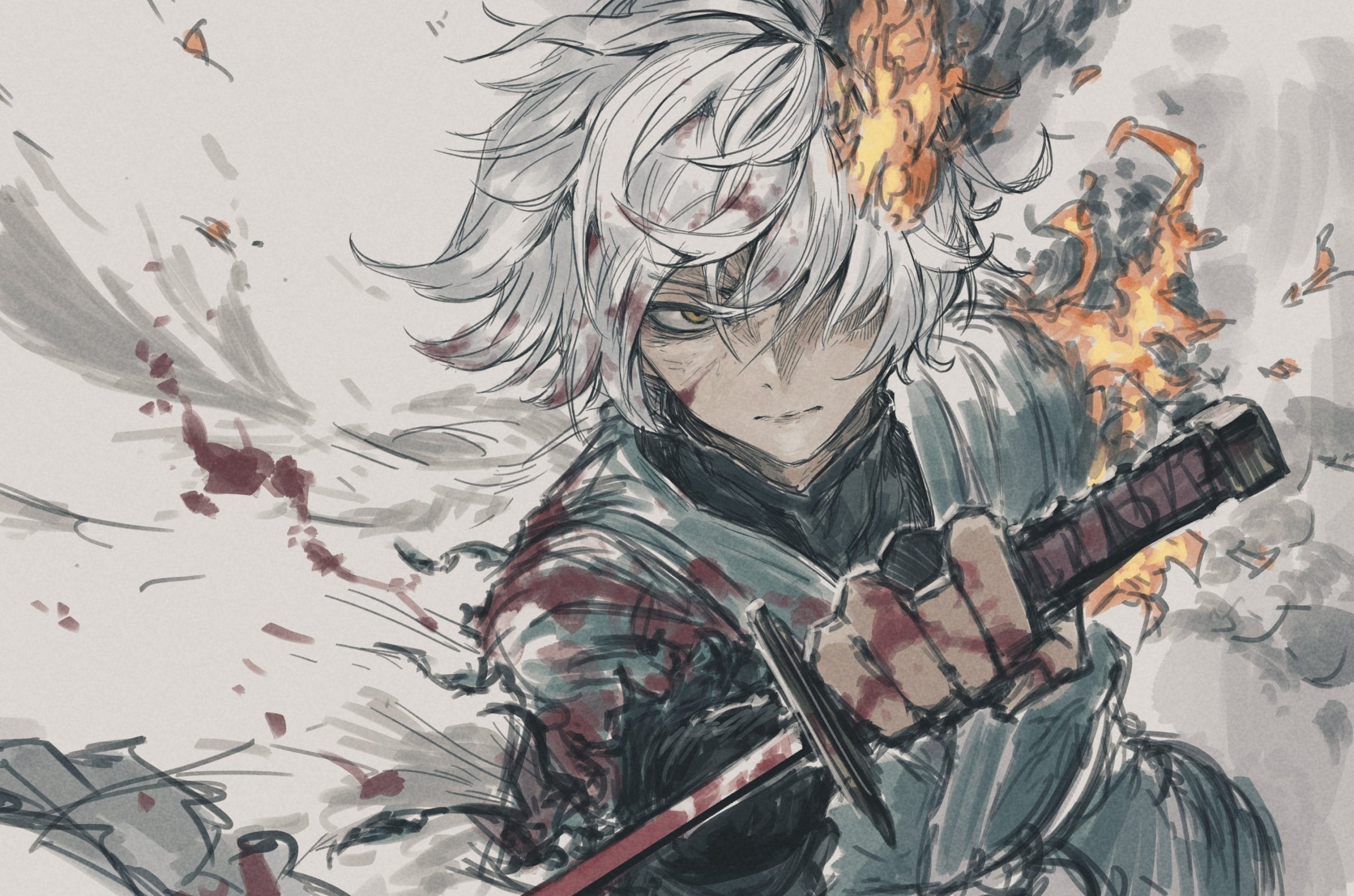
JJK Season 1 gave each major fight and emotional beat the space it needed. The Yoshino Junpei arc, which could have been condensed into two episodes without losing plot information, instead unfolds across four — and the payoff is one of the most emotionally devastating moments in recent shonen anime. That impact is entirely dependent on spending time with Junpei as a person, not just a plot function. Season 1 understood this and protected that time jealously, even when it meant slower episodes.
Demon Slayer does something slightly different but equally important: it treats action sequences as emotional climaxes rather than action set-pieces. The Rengoku fight at the end of Mugen Train isn’t just technically impressive — it lands as hard as it does because the film spent its first hour making you care about Rengoku as a human being. ufotable gave that character-building time in a story that could easily have been “cool demon fights for two hours.”
Both of these shows understand a fundamental truth about adapting manga: you can always cut plot information, but you cannot cut emotional time. If you rush the scenes where characters breathe and exist as people, no amount of technical excellence will make the action hit the way it should. The emotional resonance is the whole point. The fights are just the punctuation.
Hell’s Paradise Season 1 sometimes felt like it remembered this principle only intermittently. The MAPPA team clearly understood it when they lingered on Sagiri’s expressions, when they let a quiet conversation between Gabimaru and a dying character extend a beat past where a faster show would have cut. But these moments were exceptions, not the rhythm. Season 2 needs them to be the rhythm.
For a deeper dive into how Gabimaru’s character development holds up across both the manga and Season 1, check out our full Gabimaru character analysis — because his arc is exactly where pacing problems compound fastest.
What Season 2 Actually Needs to Fix
There’s a short list of specific things Season 2 has to get right, and they’re all interconnected:
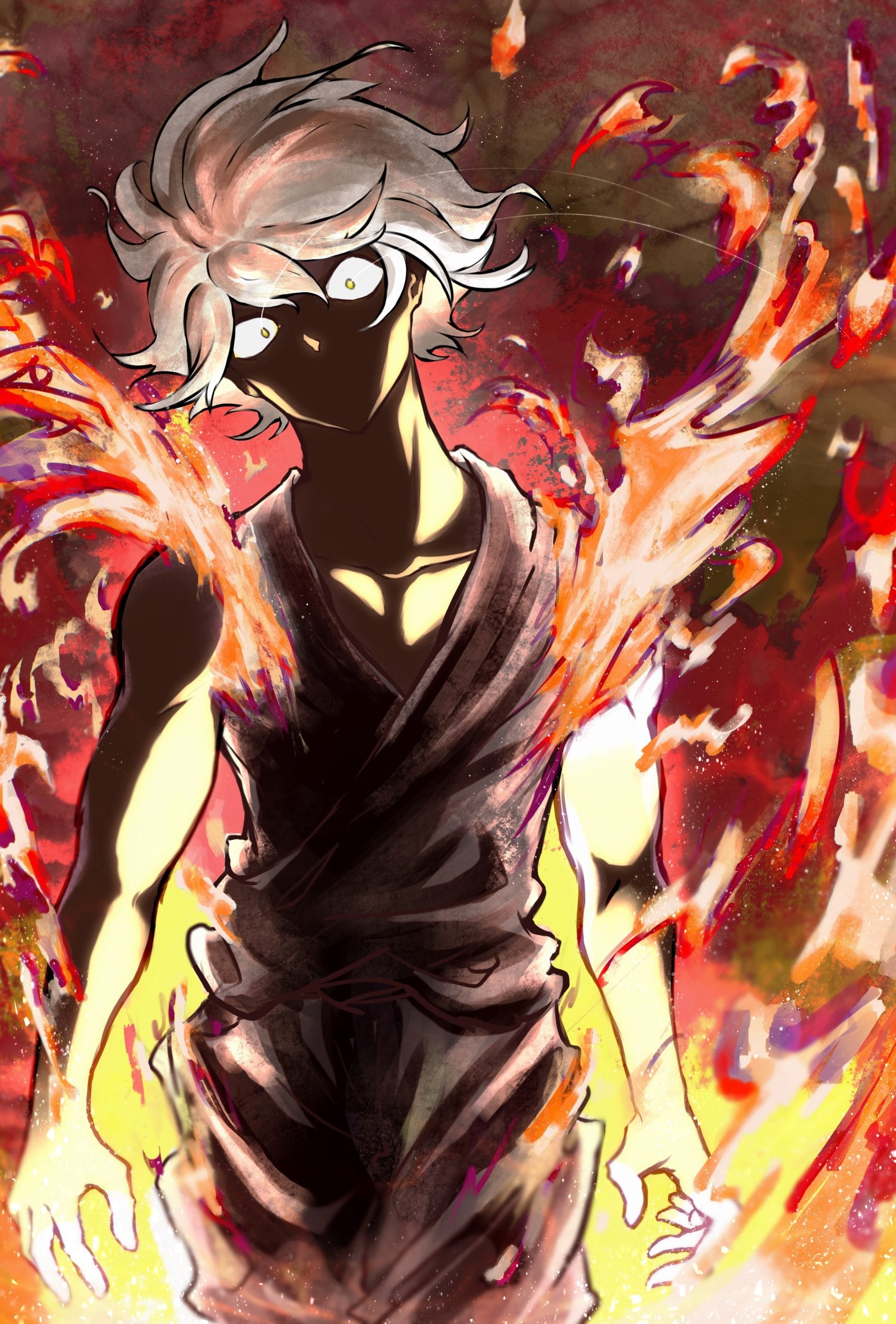
Character pairing development. The criminal-executioner pairings are the emotional engine of the whole story. Season 1 did fine with Gabimaru and Sagiri — they’re the central pair and got the most screen time. But the secondary pairs were consistently shortchanged. Season 2 cannot afford to repeat this. The relationships that survive from the island into the endgame carry enormous emotional weight, and that weight only works if viewers have actually spent time with those relationships.
Tensen mythology. The Tensen as characters — not monsters, but actual characters with internal lives and contradictions — need more room than Season 1 gave them. Their nature, their history, what they actually want and why: these elements need to feel earned rather than exposited. Season 2’s endgame leans heavily on understanding them as something more than antagonists, and that understanding has to be built gradually.
The quiet moments. Some of the manga’s most important chapters contain almost no action at all. Two characters in a room, processing what’s happened to them, trying to figure out who they still are. These chapters are hard to adapt because they don’t have obvious visual hooks — but they do the essential work of making everything else matter. Season 2 needs to resist the urge to compress or cut these scenes in favor of moving the plot forward. The plot is not the point. The people are the point.
Rien’s ideological weight. This is the big one. Rien’s antagonism has to be allowed to develop slowly, philosophically, with the kind of deliberate pace that makes a viewer uncomfortable in ways they can’t entirely articulate. If Season 2 rushes to her as a final boss, they’ll end up with a spectacular fight that doesn’t actually mean anything. The fight needs to be the physical expression of an argument the show has been making for 20-plus episodes. That requires time to build.
Realistic Expectations for Season 2
Here’s where we have to be honest with ourselves.
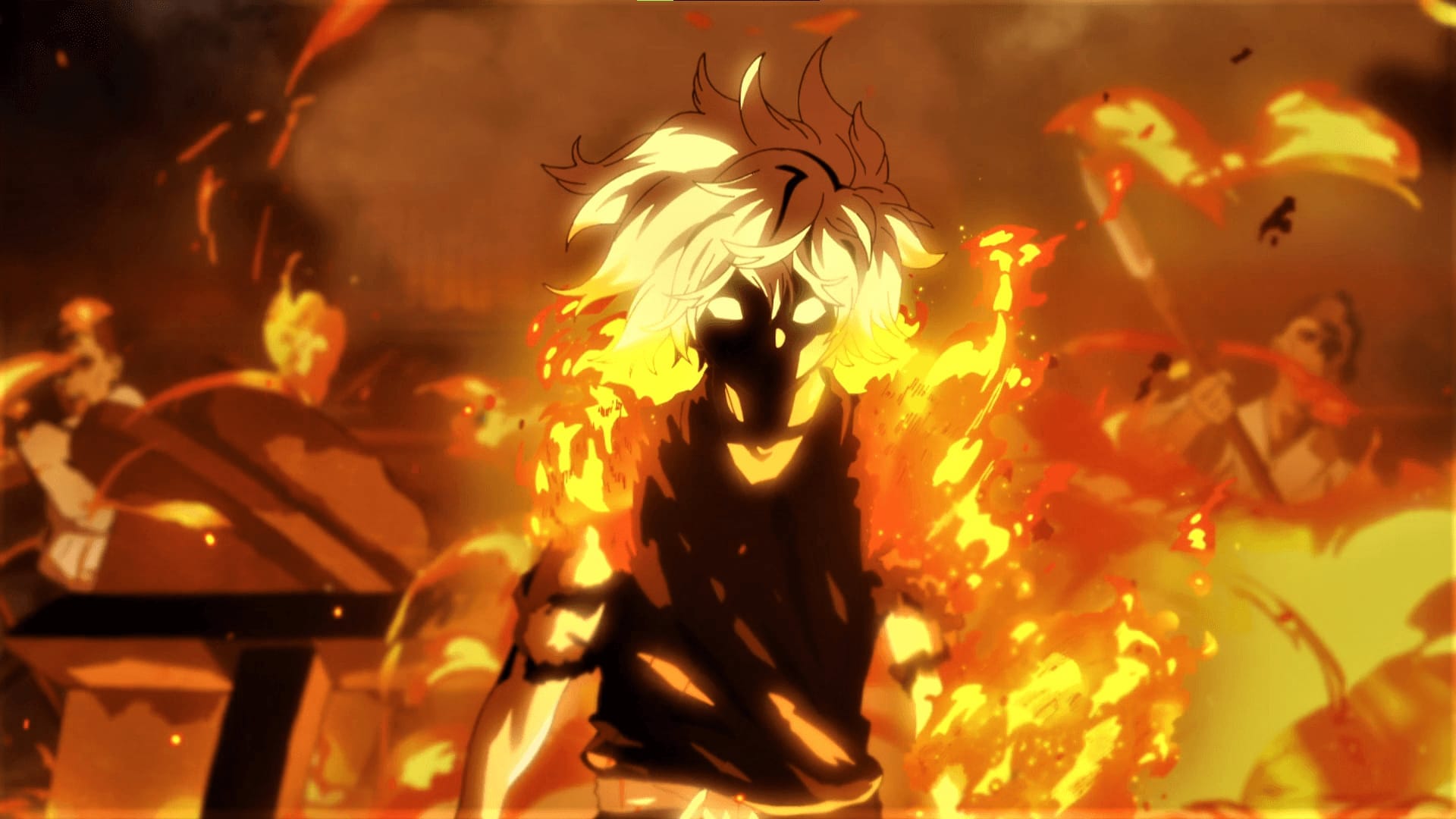
MAPPA is one of the most overextended studios in anime. Their production schedule — managing JJK, Chainsaw Man, Attack on Titan’s finale, and multiple other projects simultaneously — has been a recurring source of concern about animator welfare and production quality. The incredible work in Hell’s Paradise Season 1 came with real costs attached. The question of whether Season 2 can be paced correctly isn’t purely about creative decisions — it’s also about whether MAPPA has the runway to make slower, more deliberate episodes without crunching their team into the ground.
Fans who want a perfect adaptation should probably manage expectations accordingly. What we can realistically hope for: a significantly improved chapter-per-episode rate, more breathing room for the Rien arc’s critical character moments, and the kind of technical execution that Season 1 demonstrated MAPPA is absolutely capable of delivering. What we probably shouldn’t expect: a slow-burn prestige adaptation that treats every chapter as sacred. The realities of production in the modern anime industry make that unlikely regardless of creative intent.
The best-case scenario is an adaptation that learns from Season 1’s specific mistakes — the rushed secondary pairings, the undercooked mythology beats, the compressed quiet moments — without being so gun-shy about pacing that it loses the kinetic energy that makes Hell’s Paradise compelling in the first place. It’s a narrow path. But it’s walkable.
For everything confirmed about what’s coming, our Hell’s Paradise Season 2 complete guide has the latest release details, cast confirmations, and everything else you need to know before the season drops.
The Verdict: Cautious Optimism, Not Blind Hype
Hell’s Paradise Season 1 set a complicated precedent. It proved that MAPPA understands what makes this story work visually and emotionally. The animation direction, the sound design, the voice performances — all of it demonstrated real craft and genuine affection for the source material. That’s not nothing. Studios that don’t understand a manga rarely make even a technically competent adaptation.
But understanding what a story needs and actually executing on it under production pressure are two different things. Season 1’s pacing problems weren’t born from indifference — they were born from the brutal constraints of single-cour production for a manga that needed double the space. Season 2 has the chance to correct course, especially if MAPPA takes the split-cour or two-cour approach the material demands.
The Rien arc is, in this writer’s opinion, the best part of the manga. It’s where everything converges, where every character thread finds its resolution, where the story’s central question — what does it mean to survive, and at what cost? — gets its fullest answer. It deserves to be adapted with the same patience that Kaku used writing it.
Whether it will be is genuinely uncertain. But the hope isn’t irrational. MAPPA has shown they can adapt shonen manga with real emotional intelligence when given the room to do it. Season 2 pacing fixes aren’t just possible — they’re achievable with the right decisions at the production level.
We’ll be watching. And if Season 2 lands the way it should, it won’t just be good anime — it’ll be the adaptation this manga always deserved.
If you’re planning your anime viewing around Season 2’s release window, check out our rundown of the Spring 2026 anime season for everything else hitting the schedule alongside it.
For a deeper look at anime pacing theory and what makes adaptation pacing succeed or fail across the industry, Sakugablog remains the gold standard in production-level analysis.