The Wait Is Over: Steel Ball Run Anime Is Real and We’re Not Calm About It
There’s a certain flavor of collective JoJo fandom meltdown that only happens once in a generation, and right now we are living inside it. The Steel Ball Run anime has been officially announced, David Production is at the helm, and the community that has spent years screaming “WHEN IS PART 7” into the void is currently vibrating at a frequency only dogs can hear. If you’ve somehow missed the news, if you’ve been sleeping under a rock, or if you’re brand new to JoJo’s Bizarre Adventure and wondering what all the noise is about — you’re in the right place. This guide covers everything you need to know about the most anticipated anime adaptation of the decade.
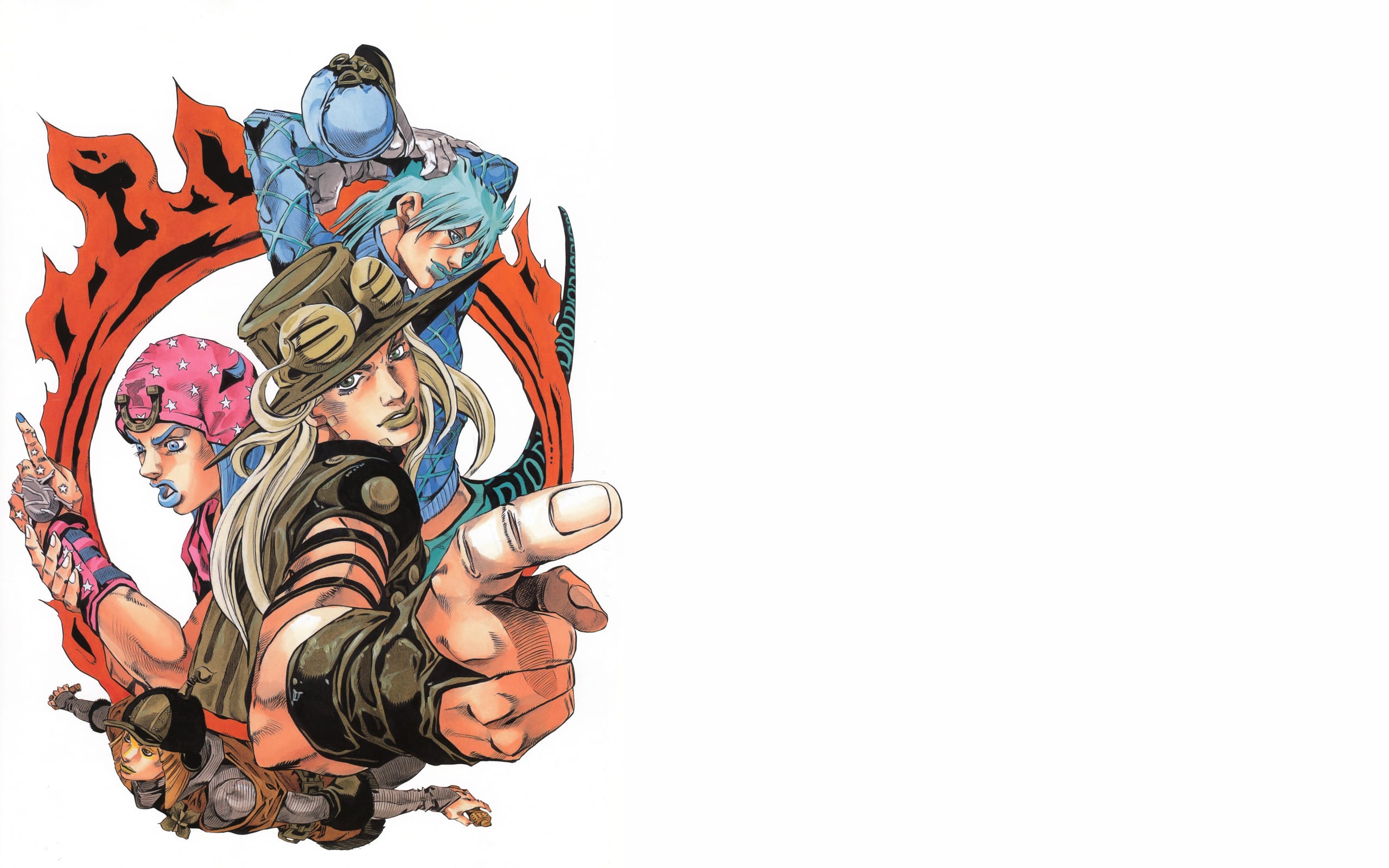
The Steel Ball Run anime isn’t just another seasonal release. It’s the culmination of a fandom legacy that stretches back to 2004, when Hirohiko Araki began publishing what would eventually be recognized — by fans, critics, and even Araki himself — as the magnum opus of his 40-year career. We’re talking about a manga that won the Tezuka Osamu Cultural Prize, a story so ambitious and layered that just reading a plot summary sounds completely unhinged and yet somehow makes you want to read it more. The Steel Ball Run anime is the event. The Big One. Let’s get into it.
What Is Steel Ball Run? A Crash Course for the Uninitiated
Steel Ball Run is the seventh part of Hirohiko Araki’s long-running manga series JoJo’s Bizarre Adventure. Published in Weekly Shonen Jump (and later Ultra Jump) between 2004 and 2011, it ran for 95 chapters compiled across 24 volumes. But here’s where Part 7 breaks the mold in ways that matter for understanding what the Steel Ball Run anime is going to deliver: it’s not just a new arc in the same universe. It’s a complete reboot.
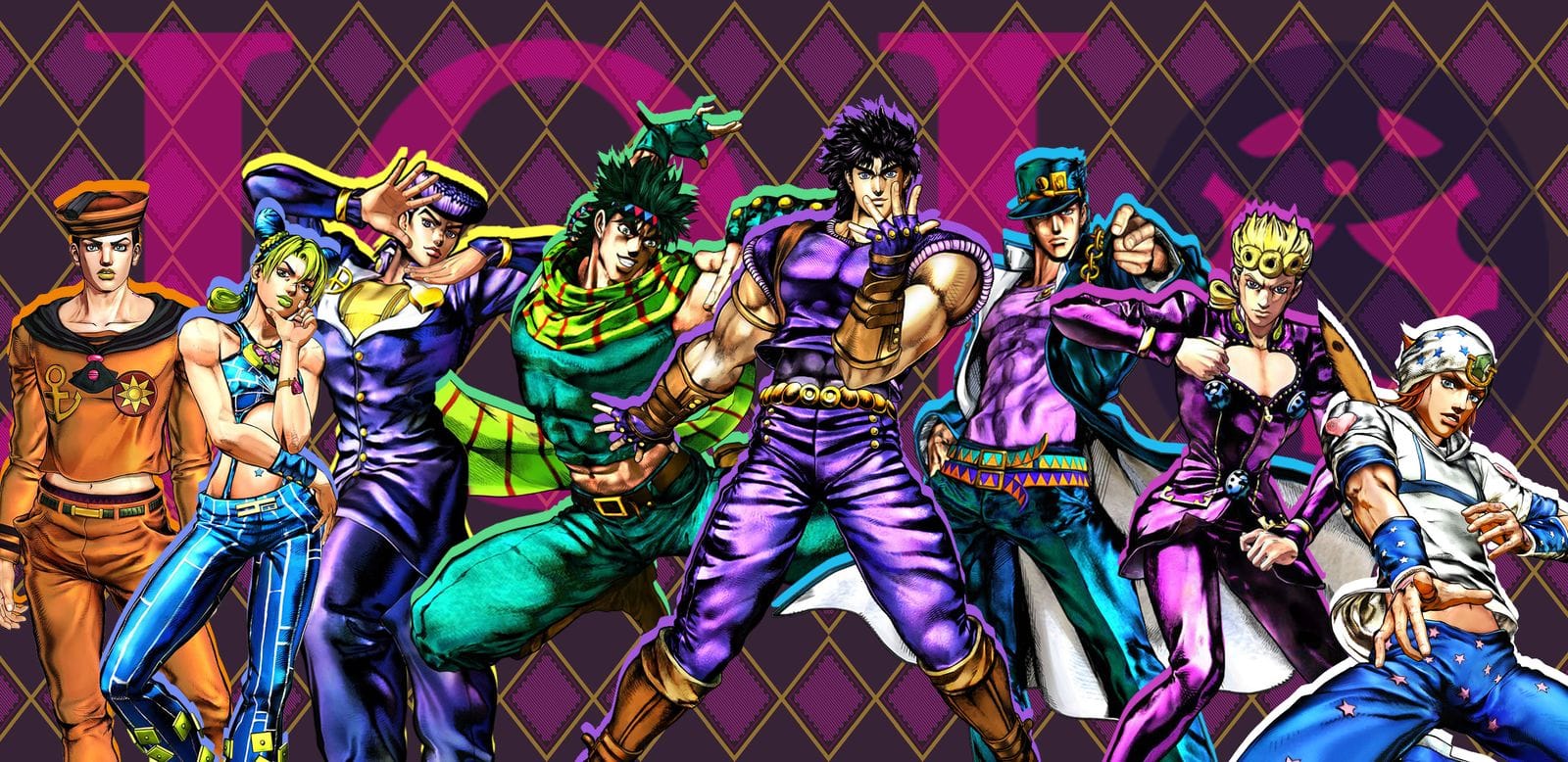
After the conclusion of Stone Ocean (Part 6), the entire JoJo universe was reset. New timeline, new rules, new versions of familiar names. The Steel Ball Run anime takes place in an alternate version of 1890s America — a Wild West setting that Araki uses to explore themes of destiny, faith, political power, and what it means to keep moving forward when your body and soul have been broken. This isn’t the neon-soaked Europe of Part 5 or the Egyptian deserts of Part 3. This is the open American frontier, and everything about that setting is going to translate into some of the most visually distinct animation David Production has ever attempted.
The central event of the story — and what gives the Steel Ball Run anime its name — is a massive transcontinental horse race. Roughly 3,000 miles from San Diego, California to New York City, across mountains and deserts and everything in between. The prize? A staggering 50 million dollars offered by the President of the United States, Steven Steel. Thousands of riders enter. Most won’t finish. A handful will discover that the race is actually a front for something much, much bigger.
Johnny Joestar: The Most Complex Protagonist in JoJo History
Every JoJo part has its “JoJo” — the Joestar protagonist who anchors the narrative. And while Josuke is beloved, Giorno is iconic, and Jolyne is a generational character, the Steel Ball Run anime protagonist Johnny Joestar might be the most psychologically complex lead the series has ever produced. That’s not a hot take. That’s a consensus.
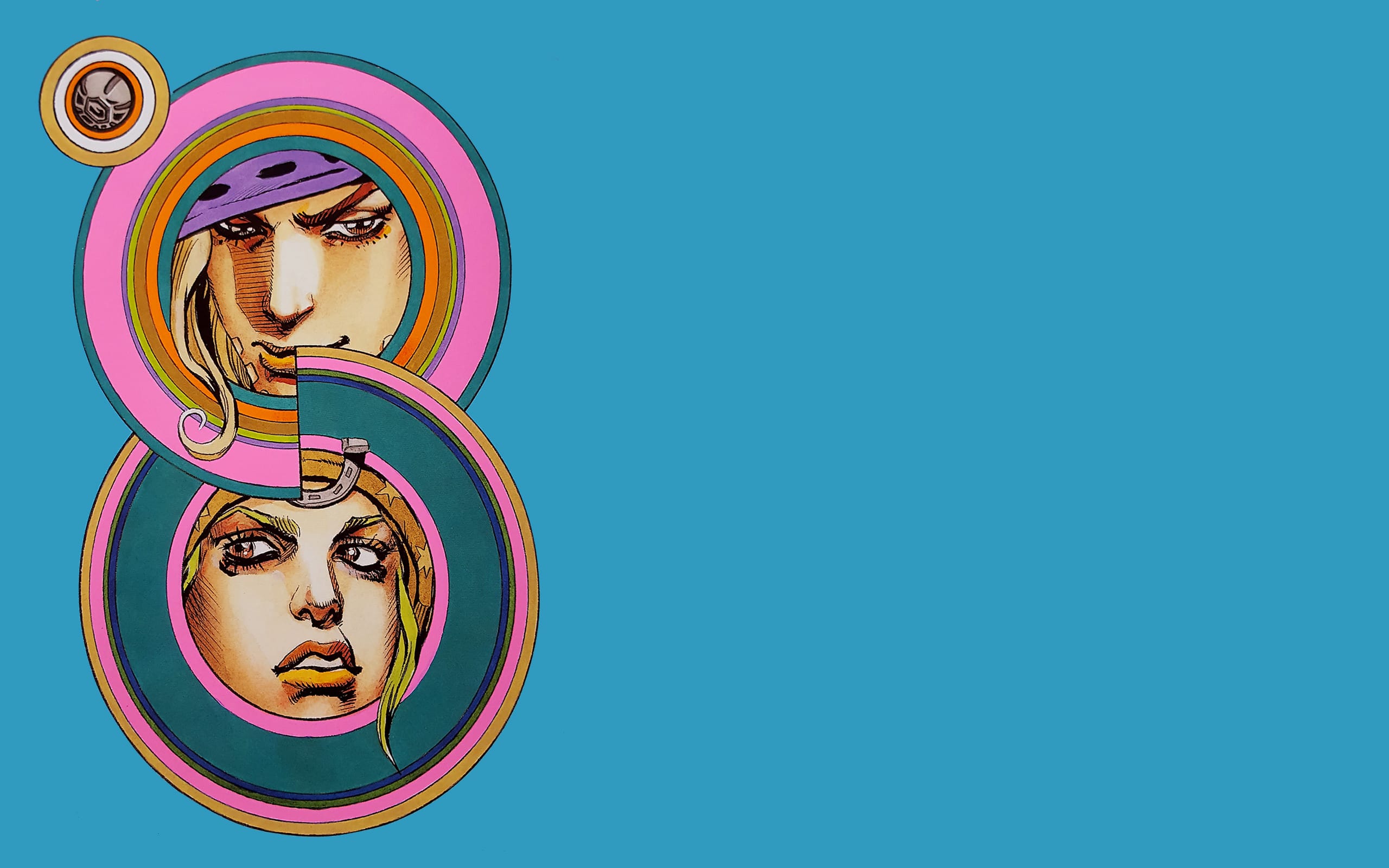
When we meet Johnny at the start of the race, he is not a hero. He’s not even particularly likable. He’s a disgraced jockey — once famous, once rich, once successful — who lost everything because of his own arrogance and ended up paralyzed from the waist down after a random act of street violence that he absolutely brought on himself. He has no money, no horse, no plan. He enters the Steel Ball Run because he witnesses something inexplicable: a steel ball thrown by a mysterious foreigner that moves in ways that defy physics, and for just a moment, Johnny’s dead legs twitch.
That twitching leg is the entire engine of Johnny’s character arc. He enters the race not for money, not for glory, not to save anyone — he enters because he wants to walk again, and he’ll do anything to figure out how the steel balls work. Across the Steel Ball Run anime‘s runtime, Johnny goes through a transformation that requires Araki to put him through levels of loss and suffering that are genuinely hard to read. He grows from a selfish, broken kid into something that the word “hero” barely covers. His Stand, Tusk, evolves through multiple acts in a progression that is honestly one of the best power escalation arcs in shonen manga history — and watching it animated is going to be something else entirely.
Gyro Zeppeli: The Greatest JoJo Sidekick Ever Written
Here is a true statement that will start exactly zero arguments in JoJo fandom: Gyro Zeppeli is the best companion character the series has ever had. The Steel Ball Run anime lives and dies on the chemistry between Johnny and Gyro, and based on what Araki put on the page, it’s going to absolutely destroy people emotionally by the end.
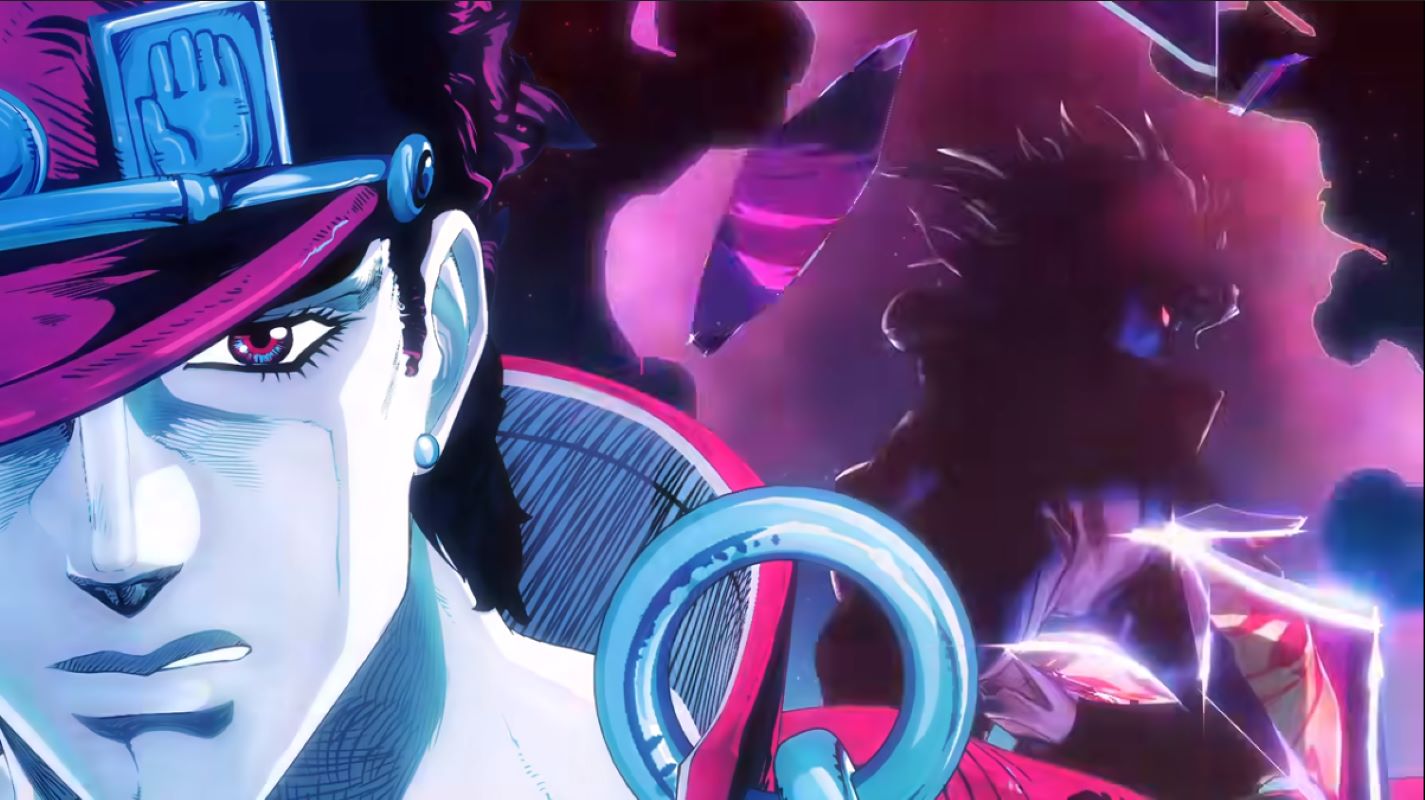
Gyro is from a noble executioner family in the fictional Kingdom of Naples — yes, this is JoJo, the geography does whatever it wants — and he’s entering the race because winning it is the only way to save a young boy named Marco who has been sentenced to death for crimes he didn’t commit. Unlike Johnny, Gyro starts the race as a fully formed, confident, capable adult. He’s funny, he’s ruthless when he needs to be, he has a weird obsession with a song called “Mozzarella Mozzarella,” and he’s been honing his family’s technique of Spin — the supernatural ability encoded in those steel balls — his entire life.
The Spin, for newcomers who will meet it properly in the Steel Ball Run anime, is a rotation-based power that interfaces with the “Golden Rectangle” — a natural phenomenon of infinite rotation found in seashells, galaxies, and biological growth patterns. It can heal wounds, redirect projectiles, and when wielded at its absolute peak, it resonates with the rotation of the Earth itself. Gyro teaches Johnny the Spin. Their relationship as mentor and student, and then as equals, and then as something that transcends both categories, is the emotional core of the entire story. Bring tissues.
The Race Across America: World-Building That Hits Different
One of the reasons the Steel Ball Run anime has such monstrous potential as a visual production is that Araki essentially gave himself and David Production a road trip across the entire American continent to work with. Each stage of the race passes through a different biome, a different cultural scene, a different set of environmental hazards — and in the world of the Steel Ball Run anime, each region also happens to be infested with Stand users who have been deployed to prevent Johnny and Gyro from winning.
The villain structure of Steel Ball Run is one of the most interesting in the entire JoJo’s Bizarre Adventure canon. There’s no single big bad sitting in a castle waiting to be fought. Instead, the threat radiates outward from the Presidency itself — specifically from President Funny Valentine, a man whose name sounds like a joke and whose ideology is one of the most chillingly coherent villain philosophies Araki has ever written. Valentine believes that the suffering of the world can be consolidated and redirected — that a nation can be great if it simply ensures that all the misfortune, all the tragedy, all the calamity, flows toward other people and away from its own citizens. He is charming, he is patriotic, he is genuinely believes he’s doing the right thing, and he is absolutely terrifying.
The MacGuffin driving the conflict is the Holy Corpse — the scattered remains of a saint (implied, heavily, to be Jesus Christ) whose body parts are distributed across America. Each part of the Holy Corpse bestows a Stand ability on whoever possesses it. Valentine wants to collect all the parts for America. Johnny and Gyro stumble into this conspiracy and can’t get out. The Steel Ball Run anime is going to have to walk a careful line adapting this religious content for a modern anime audience, and honestly? Araki’s treatment of the subject is so mythological and so divorced from literal theology that it largely works as pure story fuel.
Tusk: The Stand That Made Fans Lose Their Absolute Minds
Let’s talk about Tusk, because if you’re a manga reader, you know exactly why this section exists, and if you’re an anime-only fan waiting for the Steel Ball Run anime, nothing I say will fully prepare you for what’s coming.
Johnny’s Stand, Tusk, evolves through four Acts over the course of the story. Act 1 lets him fire his fingernails like bullets. Each Act amplifies the power and changes the nature of the ability. Acts 1 through 3 are powerful. Useful. Creative in Araki’s signature way.
Tusk Act 4 is something different.
Without spoiling the exact mechanics for anime-only fans who will experience it properly in the Steel Ball Run anime, Act 4 is the product of Johnny achieving the Golden Spin — the perfect rotation that resonates with the rotation of the Earth. The result is a Stand whose power is, in the most literal possible sense, infinite. The rotation never stops. It can’t be blocked, it can’t be removed, it passes through the laws of physics like they’re suggestions. The fight sequences that showcase Tusk Act 4 are among the most discussed, most analyzed, and most hyped chapters in JoJo’s entire history. Seeing David Production animate that power is one of the primary reasons the Steel Ball Run anime announcement broke the internet.
For context on just how much the community cares about this moment: go look up any major JoJo fan forum, any Discord server, any Reddit thread from announcement day. The majority of the conversation within hours of the Steel Ball Run anime news was “HOW are they going to animate THAT.” That’s the level of anticipation we’re dealing with.
Why Steel Ball Run Is Considered the Best JoJo Part
This is always the conversation that lights fan communities on fire, but the Steel Ball Run anime discussion has a way of cutting through the noise: Part 7 consistently tops polls, consistently dominates “best of JoJo” lists, and — perhaps most telling — is the part that even casual readers recommend to people who bounced off earlier arcs.
So what makes it hit differently?
First, the thematic depth. Every JoJo part has themes — that’s non-negotiable with Araki. But the Steel Ball Run anime‘s themes are woven into the story’s DNA in a way that earlier parts weren’t quite achieving. Destiny vs. free will, played out through the mechanics of the Golden Spin and the Holy Corpse. The nature of national identity and patriotism, interrogated through Valentine’s ideology. The cost of moving forward when you’ve lost everything, embodied in every single choice Johnny makes. These aren’t themes that get addressed in a monologue and then set aside. They’re alive in the plot mechanics, in the fight logic, in the relationship dynamics.
Second, the fight choreography. Araki’s battle design in Steel Ball Run is operating on a different level. The Spin adds a physical, almost scientific logic to the fights that makes them feel grounded even when they’re completely insane. Enemies have powers that interact with the environment in creative ways. Gyro and Johnny’s teamwork evolves across the series in ways that make re-reading earlier fights differently once you understand what they’re capable of. The Steel Ball Run anime is going to have an embarrassment of riches when it comes to memorable battle sequences — and that’s before we even get to the Diego fights, or the Funny Valentine encounters, or anything in the final stretch.
Third — and this is the one that gets people — the emotional payoff. The Steel Ball Run anime ending is one of the most discussed manga conclusions in recent memory. People fight about it, cry about it, defend it passionately, and even the ones who have issues with specific choices generally agree that it lands with the weight it’s been building toward. Getting there through animation, with a full score and voice acting and the visual language David Production has developed over years of JoJo work, is going to hit completely differently than reading it did.
David Production: The Studio That Was Born to Make This
The Steel Ball Run anime being produced by David Production is not a surprise — it’s an inevitability. They’ve been the JoJo studio since 2012, when they adapted Phantom Blood and Battle Tendency and basically invented the visual language of modern JoJo animation. Every part since has been theirs. They’ve grown with the franchise, their JoJo work has grown their technical capabilities, and by the time they get to the Steel Ball Run anime they will be walking in with years of institutional knowledge about how to translate Araki’s art into motion.
What David Production has demonstrated, particularly in later JoJo seasons and in their other high-profile productions, is an understanding of how to use limited animation expressively — to know when to go full sakuga on a key moment and when to hold back so the sakuga hits harder. The Steel Ball Run anime is going to require that skill at every level. The quieter character moments between Johnny and Gyro need to breathe. The mid-race Stand battles need kinetic energy. The Tusk Act 4 sequences need to look like nothing else the studio has ever produced.
David Production has also shown, with their adaptation work on other series, that they understand long-form storytelling pacing. Steel Ball Run as a manga has a rhythm — stages of the race, breathers between combat arcs, slow burns before explosions of action — and adapting that rhythm into cour-length seasons without either rushing or padding is the primary structural challenge of the Steel Ball Run anime. Given their track record, the community’s confidence in them is warranted.
If you want a deeper dive into what David Production brings technically, check out this breakdown of why modern anime animation looks so good — a lot of the techniques discussed there are directly applicable to what the Steel Ball Run anime is going to be working with.
The 2026 Announcement: What We Know, What We Don’t
The official announcement confirmed that the Steel Ball Run anime is in production for a 2026 release window. David Production is confirmed as the studio. Beyond that, specific details about format (cour structure, episode count, simulcast partners) remain tight. The JoJo production team has historically been careful about over-announcing — they let the work speak first.
What the JoJo community is anticipating, based on precedent, is that the Steel Ball Run anime will likely be split into multiple cours similar to how later JoJo parts were handled. Stone Ocean on Netflix was the most recent reference point — released in batches rather than traditional weekly simulcast — and the fan consensus is divided on whether that model serves the Steel Ball Run anime well. Weekly releases build community momentum in real time; batch releases allow for binge viewing and avoid the weekly cliffhanger fatigue. Given the story’s structure — the race stages creating natural pause points — either approach could work.
The casting announcements, whenever they drop, are going to be another massive event in themselves. Voice actors for Johnny and Gyro will define how a generation of anime fans hear these characters. Manga readers have their own internal voices for both; the Steel Ball Run anime casting is going to replace those voices permanently for most people, which is both exciting and slightly nerve-wracking. This is listed as one of the most anticipated anime of spring 2026 for very good reason.
How Steel Ball Run Connects to the Larger JoJo Universe
If you’re a JoJo veteran, you know the alternate universe situation. If you’re newer: after the events of Stone Ocean (Part 6), the universe essentially resets via the power of Made in Heaven. Parts 7 and 8 (JoJolion) take place in this new universe — the SBR universe — where familiar names recur but with different histories, different abilities, and different fates. The Steel Ball Run anime features a character named Dio Brando — but this isn’t the Dio. This is Diego Brando, a jockey and rival racer whose Stand, Scary Monsters, gives him terrifying dinosaur transformation abilities.
The interplay between the SBR universe’s versions of familiar names and their original-universe counterparts is one of the more intellectually interesting things the Steel Ball Run anime is going to introduce to anime-only fans. You don’t need prior JoJo knowledge to love Steel Ball Run — it’s designed as a fresh start — but if you have that knowledge, there are layers of resonance and deliberate contrast built into every character beat. Araki knew exactly what he was doing when he named the rival “Diego.”
The Holy Corpse storyline also ties into JoJo’s broader mythology in ways that reward deep reading, and the Steel Ball Run anime will be the first time anime-only fans encounter the concept of equivalent exchange between parallel universes that Araki introduces here. For fans who then go on to read JoJolion, the Steel Ball Run anime is the essential foundation. The two parts are deeply interconnected thematically, and some storylines only pay off if you know both.
The Manga Legacy: Why Part 7 Changed the Game
Steel Ball Run ran from January 2004 to April 2011. Seven years. In that time, Araki was working simultaneously on a story that is at once a Western adventure, a supernatural thriller, a character study in trauma and recovery, a political thriller about the soul of a nation, and a meditation on what human will looks like when it refuses to quit. The manga won the 2013 Tezuka Osamu Cultural Prize for Excellence — one of the most prestigious manga awards in Japan — and that recognition came with a wider cultural acknowledgment that Araki was doing something genuinely literary within the shonen framework.
Readers who come to the Steel Ball Run anime after watching earlier JoJo parts will notice immediately that the pacing is different. More measured. More willing to sit in a moment before moving through it. There are stretches of Steel Ball Run that are almost meditative — two riders crossing a scene, talking about nothing in particular — that set up emotional payoffs chapters later. The Steel Ball Run anime adaptation team’s most important job is preserving that pacing, because it’s load-bearing. The big moments hit because the quiet moments did their job.
The art evolution across the manga run is also worth noting, because the Steel Ball Run anime is going to have to make visual decisions about period accuracy versus Araki’s increasingly stylized fashion sensibility. By the mid-run of Steel Ball Run, Araki was drawing characters who wear things that would be more at home in a Milan runway show than 1890s frontier America — and it works completely, because JoJo has always existed in a heightened reality where fashion and power are the same language. How David Production translates that into animation is going to be one of the most discussed visual choices of the production.
For fans who want to see how Steel Ball Run’s battle choreography stacks up against the rest of the franchise, the best anime fights of all time list is worth bookmarking now, because several SBR sequences are going to be on updated versions of that list by 2027. Guaranteed.
What to Do Before the Steel Ball Run Anime Drops
If you’re anime-only and you want to experience the Steel Ball Run anime fresh, you have a few options. You can go in completely blind — totally valid, Steel Ball Run is self-contained enough to work as a standalone story. You can catch up on Parts 1 through 6 of JoJo’s Bizarre Adventure first — also valid, and you’ll get the full weight of the universe reset and the alternate universe parallels. Or — and this is the recommendation for impatient people who can’t wait — you can read the Steel Ball Run manga right now. All 24 volumes. It will ruin absolutely nothing about watching the Steel Ball Run anime because the animation is going to add so much that the manga cannot provide.
Ask any manga reader who watched earlier JoJo parts get adapted: reading ahead doesn’t kill the experience. It doubles it. You get to experience it once with your imagination and once with David Production’s full visual treatment. The people who’ve read Steel Ball Run are not dreading the Steel Ball Run anime — they’re the most excited people in the room.
This spring is already stacked — the Spring 2026 anime season has an absurd lineup — but the Steel Ball Run anime exists in a category by itself. It’s not competing with the season. It’s the season. Everything else is scheduled around it in fans’ viewing queues.
The Community Is Already Spiraling (In the Best Way)
The Steel Ball Run anime announcement did what only a handful of anime announcements in recent years have managed to do: it generated a genuine, across-the-board, fandom-wide reaction. Not controversy, not division, not the usual discourse about whether the manga needed an adaptation — just pure, unified, unironic excitement. Fan artists who haven’t drawn JoJo in years came back. People who dropped the series after Part 5 announced they’re returning. New fans who started from Part 7 manga are suddenly watching the anime adaptations of earlier parts to get the full picture before the Steel Ball Run anime drops.
There are communities right now doing full Steel Ball Run re-reads and group watches of previous JoJo seasons specifically to prep for the Steel Ball Run anime. There are fan casting threads thousands of comments deep. There are already discussion threads comparing the story to other great adventure anime and arguing about where the Steel Ball Run anime will land in all-time rankings once it’s complete. The discourse hasn’t been this alive in JoJo spaces since Part 5 was airing — and the consensus going in is that Part 7 has even more to offer.
This is a golden age moment for anime, and the Steel Ball Run anime is proof of exactly that. We are getting top-tier studios taking on ambitious, long-running source material with the production resources and the institutional knowledge to do it right. For JoJo fans specifically, this is the payoff for 14 years of waiting and theorizing and hoping.
Final Thoughts: The Race Is About to Begin
Here’s what it comes down to: the Steel Ball Run anime is the kind of adaptation that anime fans wait careers for. It has extraordinary source material, a studio that has proven it can handle the franchise, a cast of characters who will embed themselves permanently in the culture once animated, and a story whose ending genuinely earns every moment of pain and triumph it puts you through to get there.
Johnny Joestar’s journey from broken, self-pitying wreck to something that transcends the word hero is going to make people cry. Gyro Zeppeli’s role in that journey — and what happens to him — is going to break hearts in a way that the anime format, with its music and its voice acting and its visual language, is going to hit harder than any page could. The Spin sequences, the Stand battles, the long rides through the American wilderness with two people learning what they mean to each other — all of it is going to be something that a generation of anime fans experiences together, in real time, for the first time.
The Steel Ball Run anime announcement is the starting pistol. The race is coming. Get ready.
Keep an eye on AnimeTiger for full coverage of the Steel Ball Run anime as production updates, cast announcements, and key visual drops roll out through 2026. We’ll have episode reviews, reaction pieces, and deep-dives into the lore, the fight mechanics, and the thematic layers as the adaptation unfolds. This is going to be one for the ages — and we’ll be here for every chapter of it.