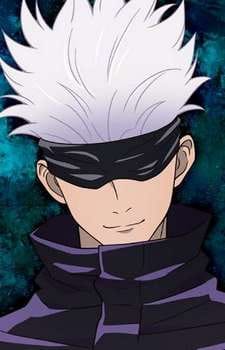
The Hidden Inventory arc transformed Jujutsu Kaisen. What began as flashback became the series’ emotional core—the tragedy of Gojo Satoru and Geto Suguru, two students whose friendship couldn’t survive the world that shaped them. This arc explains everything: why Gojo is who he is, why Geto became what he became, and why their relationship haunts the present.
The Mission
Star Plasma Vessel
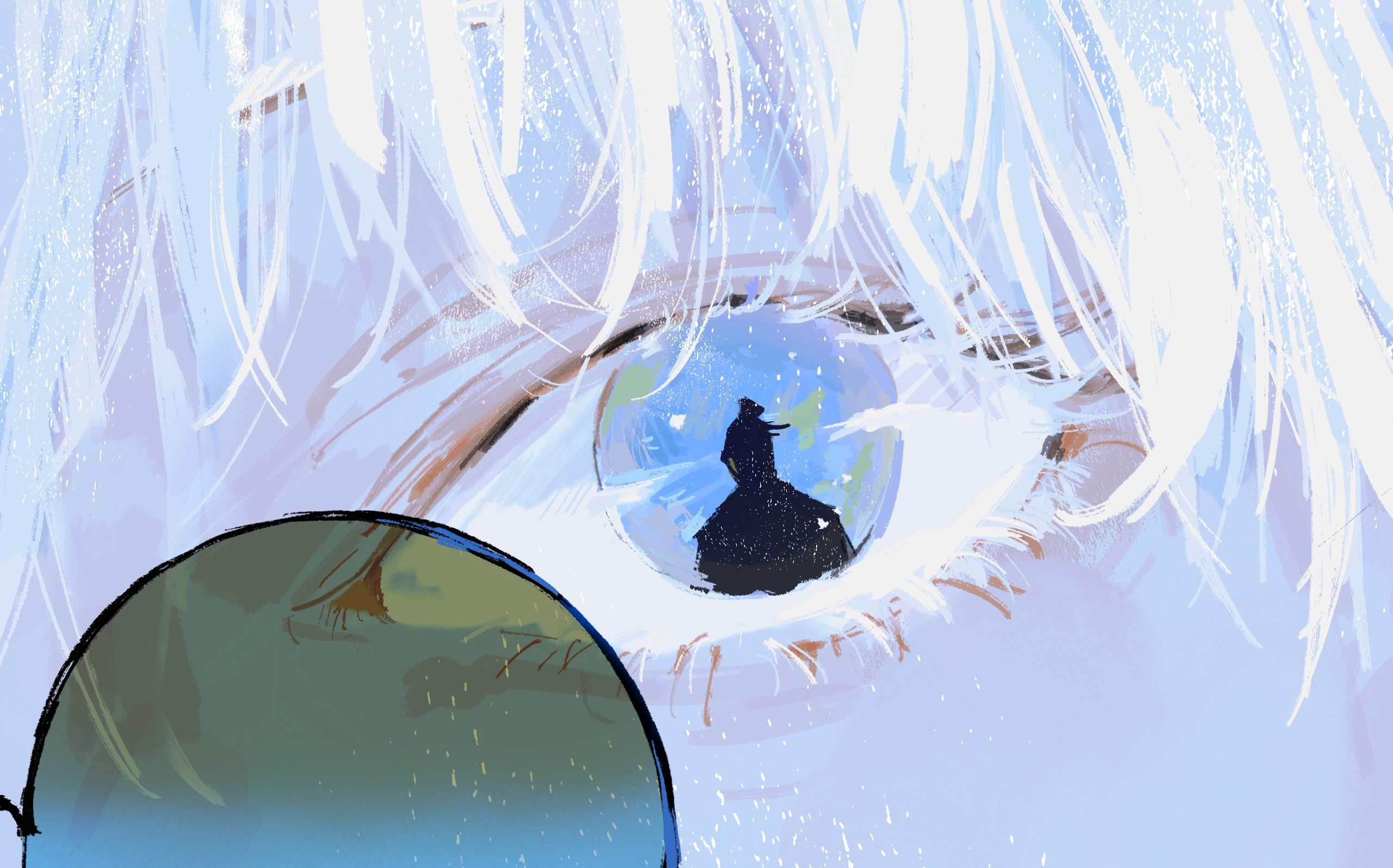
Young Gojo and Geto are assigned to escort Riko Amanai, the Star Plasma Vessel destined to merge with Master Tengen. Tengen’s immortality requires periodic merging with compatible vessels—without it, he evolves beyond humanity, with unpredictable consequences for jujutsu society.
The Opposition
Two groups oppose the mission: Time Vessel Association (religious zealots who worship “pure” Tengen) and the assassin Toji Fushiguro, hired to eliminate Riko. Toji—father of Megumi—becomes the arc’s primary antagonist.
Student Dynamic
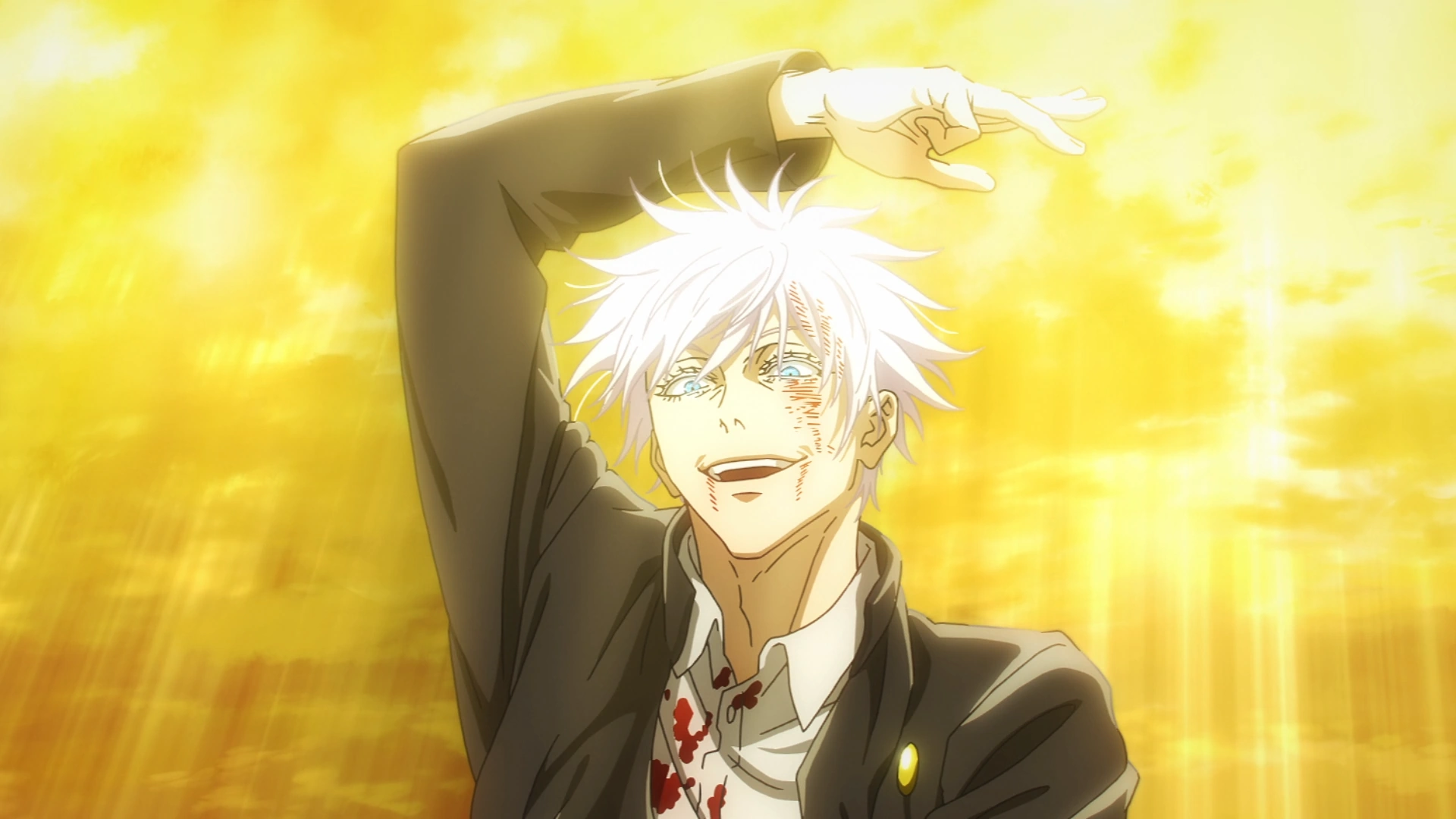
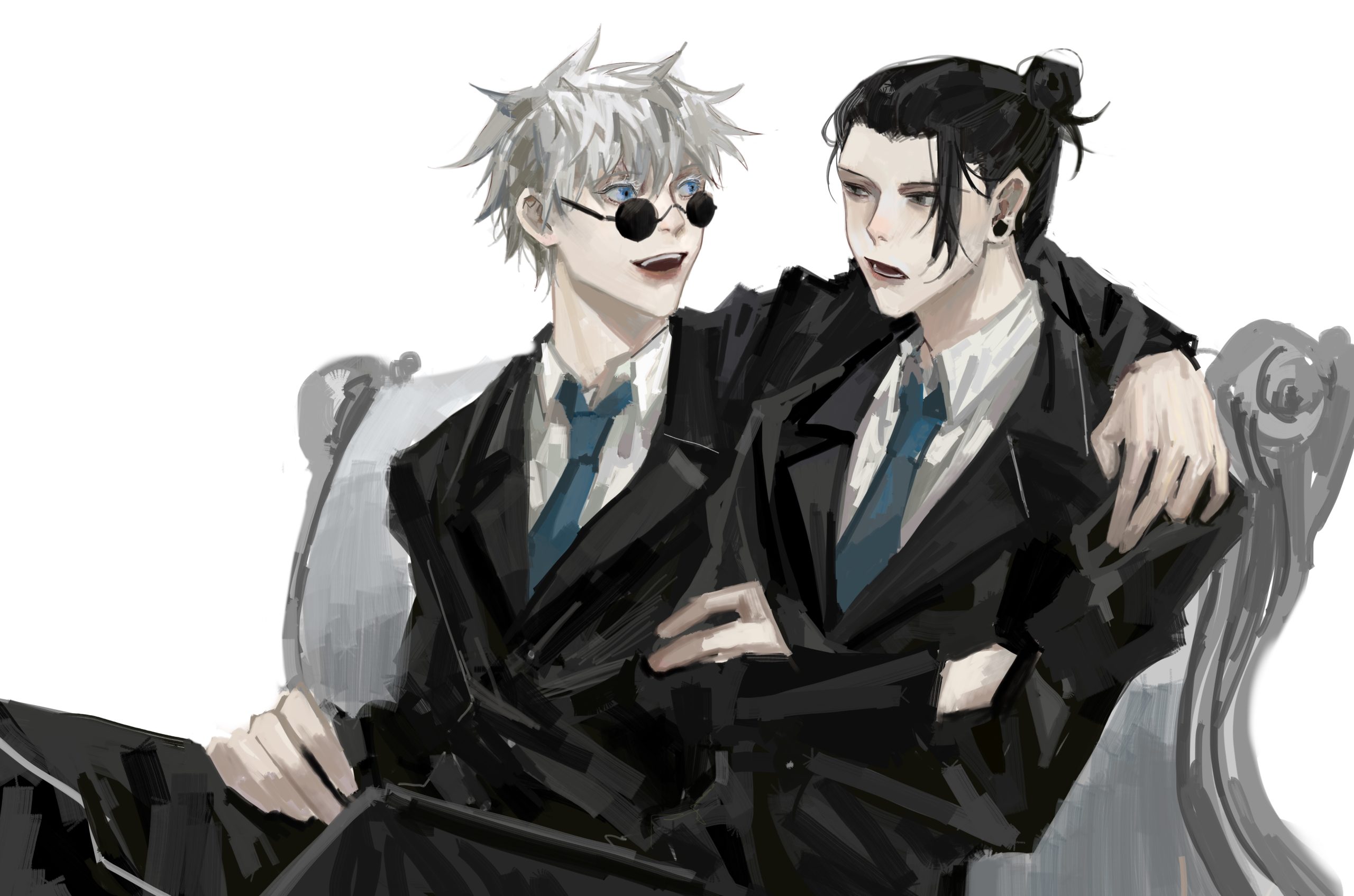
Young Gojo and Geto represent jujutsu society’s hope. Gojo is talented but arrogant, not yet the measured (if still arrogant) teacher we know. Geto is idealistic, genuinely believing in protecting the weak. Their friendship is functional, warm, real.
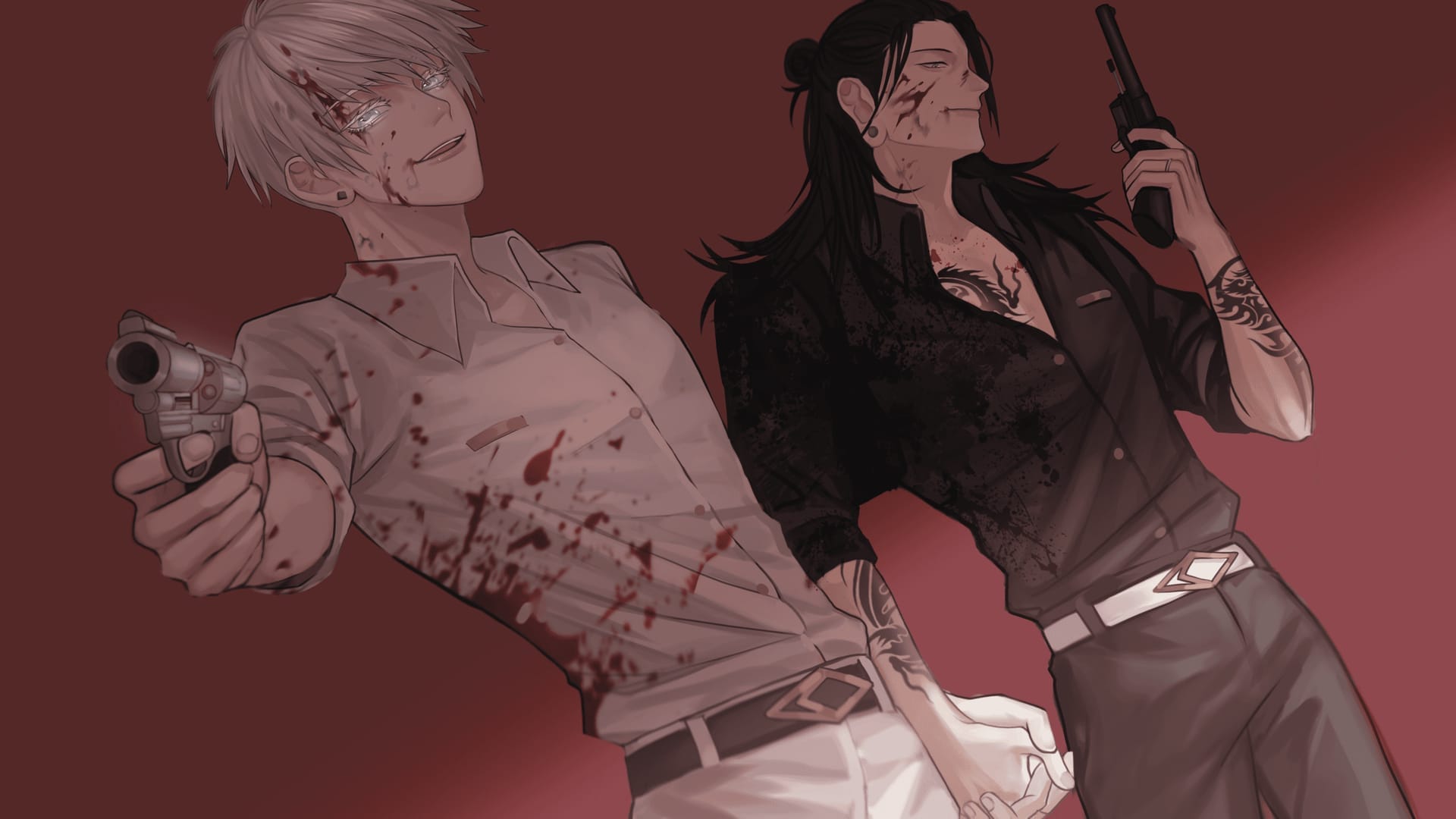
Watching these two young men—before tragedy—makes their eventual confrontation unbearably painful. The arc’s power comes from knowing what they become.
Toji Fushiguro
The Sorcerer Killer
Toji possesses zero cursed energy—an impossibility that makes him invisible to jujutsu detection. His physical abilities compensate entirely: superhuman strength, speed, and reflexes paired with cursed tools that bypass his energy deficiency.
He represents what Maki could become—Heavenly Restriction taken to extreme. His existence proves strength doesn’t require cursed energy, challenging jujutsu society’s fundamental assumptions.
Why He Matters
Toji defeats both Gojo and Geto. Let that sink in: he kills the man who becomes the strongest sorcerer alive. The reversal of Gojo’s death is the arc’s turning point—but the defeat itself shapes everything.
Gojo learns he can lose. More importantly, the failure to protect Riko shatters Geto’s worldview. Different lessons from the same defeat.
The Assassination
Riko’s Choice
Given opportunity to refuse the merger, Riko chooses life. She wants to attend school, make friends, experience the ordinary existence she’s been denied. This choice—asserting her humanity over duty—feels like victory.
Then Toji shoots her in the head.
The Audience’s Applause
The Time Vessel Association celebrates Riko’s murder. They cheer her death while Geto holds her body. This moment—ordinary humans celebrating a girl’s murder for religious reasons—breaks something in Geto.
The scene is devastating because it’s plausible. Real humans have celebrated worse for stupider reasons. Geto sees humanity clearly for the first time, and what he sees disgusts him.
The Awakening

Gojo’s Transformation
Near-death against Toji triggers Gojo’s awakening: Reverse Cursed Technique mastery, combining it with his Infinity, and eventually Hollow Purple. He returns from death stronger than anyone has ever been.
But the transformation is also psychological. Young Gojo was arrogant but naive. Post-awakening Gojo is untouchable in every sense—so far above others that genuine connection becomes difficult.
The Gap Opens
Gojo becomes singular. There’s Gojo, then everyone else. This includes Geto—his equal becomes comparatively weak. The friendship survives, but the dynamic shifts. Gojo can no longer truly understand struggle.
This isn’t Gojo’s fault, but it matters. When Geto spirals, Gojo can’t reach him. The gap in power becomes gap in experience.
Geto’s Fall
The Breaking Point
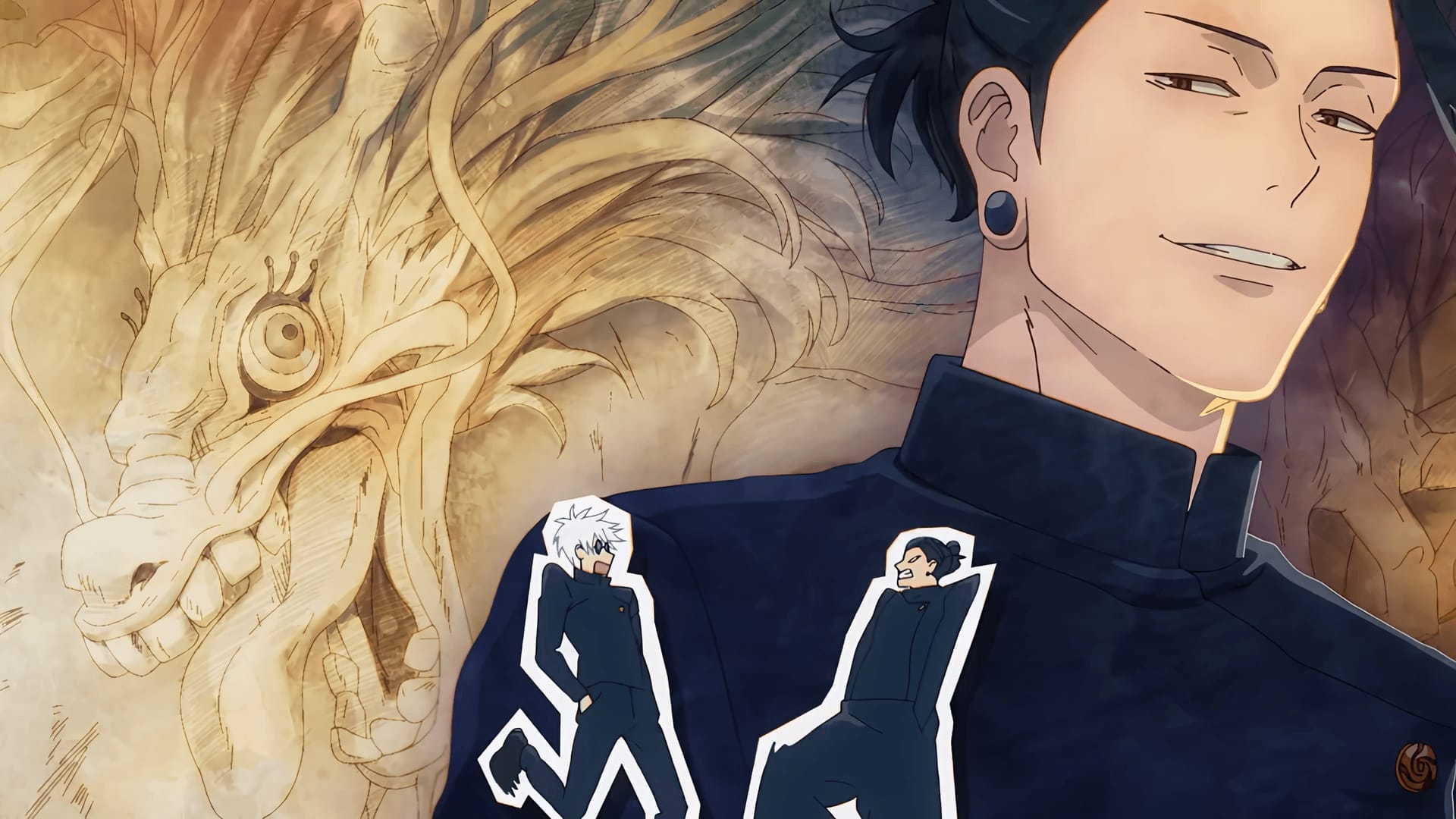
Years of consuming cursed spirits, protecting ungrateful humans, watching fellow sorcerers die—it accumulates. The village mission is final catalyst: discovering sorcerers experimented on children, then being ordered to kill those same victims.
Geto concludes: humans are the problem. His solution—eliminate non-sorcerers to create world without curses—is monstrous. But the path there is comprehensible.
The Massacre
Geto kills his entire village—112 people, including his parents. This isn’t rage. It’s calculated first step toward his new ideology. The idealistic boy who wanted to protect people becomes mass murderer.
The Final Conversation
“Are you the strongest because you’re Gojo Satoru? Or are you Gojo Satoru because you’re the strongest?”
Geto’s question strikes at Gojo’s identity. Gojo can’t answer—not really. Their final conversation as friends is philosophical debate neither can resolve.
Why This Arc Matters
It Explains Gojo
Current Gojo’s behavior—his distance, his investment in students, his determination to change jujutsu society—stems from this failure. He couldn’t save Riko. He couldn’t save Geto. He’ll save someone this time.
It Explains Geto
Present-day Geto (or rather, his body’s current occupant) carries weight of this history. Understanding who Geto was makes his fate more tragic.
It Recontextualizes Everything
Every interaction between Gojo and antagonists connected to Geto carries additional weight. The “my best friend” line in Season 1 hits differently after watching them young and hopeful.
MAPPA’s Adaptation
Animation Excellence
The Toji fight represents MAPPA’s peak Jujutsu Kaisen work. Fluid animation, creative direction, impact that translates manga panels into motion. This is the adaptation the arc deserved.
Emotional Beats
The quiet moments—Riko’s choice, the audience’s applause, Gojo and Geto’s final conversation—receive appropriate weight. The adaptation understands that spectacle serves emotion, not vice versa.
The Legacy
Hidden Inventory proved Jujutsu Kaisen could deliver emotionally devastating narrative alongside its action excellence. This arc elevated the series from “great action anime” to “genuinely affecting drama.”
Gojo and Geto’s tragedy—two friends who couldn’t save each other from the world that shaped them—resonates beyond the specific plot. It’s about how good people break, how strength isolates, and how the systems we serve can destroy us.
When you watch Gojo fight now, remember the friend he lost. That weight makes everything hit harder.
You Might Also Like
- How Did Gojo Kill Geto? JJK 0’s Heartbreaking Friendship
- Who Can Beat Gojo? 8 Characters vs JJK’s Strongest Sorcerer
- How Old was Gojo When He Took in Megumi? A JJK Mystery