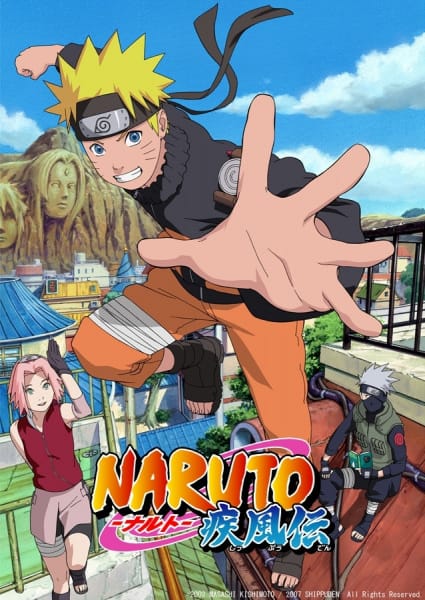
No Naruto character inspires more debate than Sakura Haruno. Dismissed as useless by detractors, defended as underutilized by fans, she sits in an uncomfortable middle ground: a character whose growth is real but whose presentation often undermined her potential. Understanding Sakura requires looking past memes to see what the series actually did—and failed to do—with her.
Part 1: The Love-Struck Genin
Original Sakura was the weakest link in Team 7. While Naruto had the Nine-Tails and Sasuke had the Sharingan, Sakura had… good chakra control. She spent most of Part 1 crushing on Sasuke, being rescued, and making minimal combat contribution.
The Problem
Kishimoto wrote Sakura into an early corner. She wasn’t a jinchuriki, didn’t have kekkei genkai, and wasn’t from a powerful clan. In a series increasingly about inherited powers, she had nothing but potential.
The Forest of Death
Sakura’s Part 1 peak came during the Chunin Exams, protecting unconscious Naruto and Sasuke from Sound ninja. She cut her hair, fought despite overwhelming odds, and showed genuine courage. This moment hinted at growth that took years to materialize.
The Timeskip Training
While Naruto trained with Jiraiya and Sasuke with Orochimaru, Sakura studied under Tsunade—the world’s greatest medical ninja and one of the Legendary Sannin.
Medical Ninjutsu
Tsunade’s tutelage gave Sakura exceptional healing abilities. Her chakra control, previously her only notable trait, made her a natural for medical techniques. She could heal wounds that would kill other shinobi.
Tsunade’s Strength
Beyond healing, Sakura inherited Tsunade’s monstrous strength. By concentrating chakra into her fists and releasing it on impact, she could shatter landscapes with punches. This combat ability finally gave her offensive options.
Shippuden: The War Hero
Part 2 Sakura contributed meaningfully to major battles. Her combat against Sasori (with Chiyo’s assistance), her medical support throughout the war, and her healing of the Shinobi Alliance proved her value.
Hundred Healings
Sakura eventually mastered Tsunade’s Hundred Healings technique—storing chakra over years to enable near-immortal regeneration during combat. This technique, combined with her strength, made her genuinely formidable.
The Final Battle
Sakura’s role in sealing Kaguya placed her directly in the final conflict. While Naruto and Sasuke did the heavy lifting, her punch at the critical moment contributed to victory. She stood with the strongest, even if not as their equal.
The Sasuke Problem
Sakura’s obsession with Sasuke undercuts her character development for many viewers. Her love persists despite his attempts to kill her, his abandonment, and his criminal activities.
Narrative Function
Sakura’s devotion serves the narrative by maintaining hope for Sasuke’s redemption. Someone had to believe in him; that role fell to Sakura. Whether this justified her characterization is debatable.
Boruto Resolution
In Boruto, Sakura and Sasuke are married with a daughter. This ending validates her years of devotion but also raises questions about rewarding persistence toward someone who showed her consistent disregard.
The “Useless” Meme
Sakura became synonymous with uselessness in anime fandom. This reputation, while exaggerated, stems from real narrative issues.
Why It Stuck
The series repeatedly set up moments where Sakura declared she’d caught up—only to show her falling behind again. These fake-outs frustrated viewers expecting payoff.
Comparison Problems
Standing between Naruto (literal reincarnation of a god) and Sasuke (wielding the Rinnegan), Sakura couldn’t compete in raw power. The power scaling left no room for her to seem impressive despite genuine strength.
What Kishimoto Got Right
Medical Specialization
Giving Sakura a non-combat specialty that proved crucial in war was smart. The shinobi alliance survived partly because of medical support she provided. Her role was genuinely important.
Gradual Power Growth
Sakura’s strength came from training, not inheritance. She worked for years to store chakra for Hundred Healings. Her power felt earned even if underutilized.
Inner Sakura
The Inner Sakura gag showed her actual personality beneath the polite exterior. This dual nature added depth, even if it wasn’t developed enough.
What He Got Wrong
Sidelining
Major battles consistently sidelined Sakura. She’d appear, make a contribution, then become background while Naruto and Sasuke decided outcomes. The pattern became frustrating.
Inconsistent Writing
Sakura’s characterization wavered between competent warrior and crying bystander depending on what scenes required. This inconsistency prevented coherent development.
The Fake Confession
Sakura’s false love confession to Naruto—attempting to stop his pursuit of Sasuke—remains one of the series’ most criticized moments. It undermined both her and Naruto’s characters.
Defending Sakura
Despite problems, Sakura’s growth is real. She went from helpless genin to Jonin-level combatant and world-class healer. She saved countless lives during the war. She achieved everything through effort rather than birthright.
Realistic Comparison
Compared to normal shinobi, Sakura is exceptional. Her problem is being measured against literal demigods. By any reasonable standard, she’s one of her generation’s strongest.
Female Character Limitations
Naruto’s handling of female characters generally reflects early 2000s shonen norms. Sakura received more development than most kunoichi—which says more about the competition than about her treatment.
Legacy
In Boruto, Sakura is a respected medical ninja running the hospital. She’s raised Sarada largely alone due to Sasuke’s missions. Her competence is established, even if action scenes remain rare.
Conclusion
Sakura Haruno is a character whose potential exceeded her execution. She had real growth, real contributions, and real strength—but narrative choices consistently prevented her from shining when it mattered most.
Whether she’s “useless” depends on what you’re measuring against. Against normal people, she’s exceptional. Against Naruto and Sasuke, she can’t compete. The series wanted her to be equal to them but never gave her the tools.
Perhaps Sakura’s true tragedy is being a realistic ninja in a series that escalated beyond realism. Her hard work and dedication would make her legendary in any reasonable world. In Naruto’s world of god powers and prophecies, she’s just… good enough.
And sometimes good enough gets dismissed as useless by comparison.
You Might Also Like
- When Does Yuji Get His Power? Our Hero’s Super Strength
- Top 15 Strongest Anime Characters in 2026 (Updated Rankings)
- Top 15 Strongest Anime Characters in 2026 (Updated Rankings)