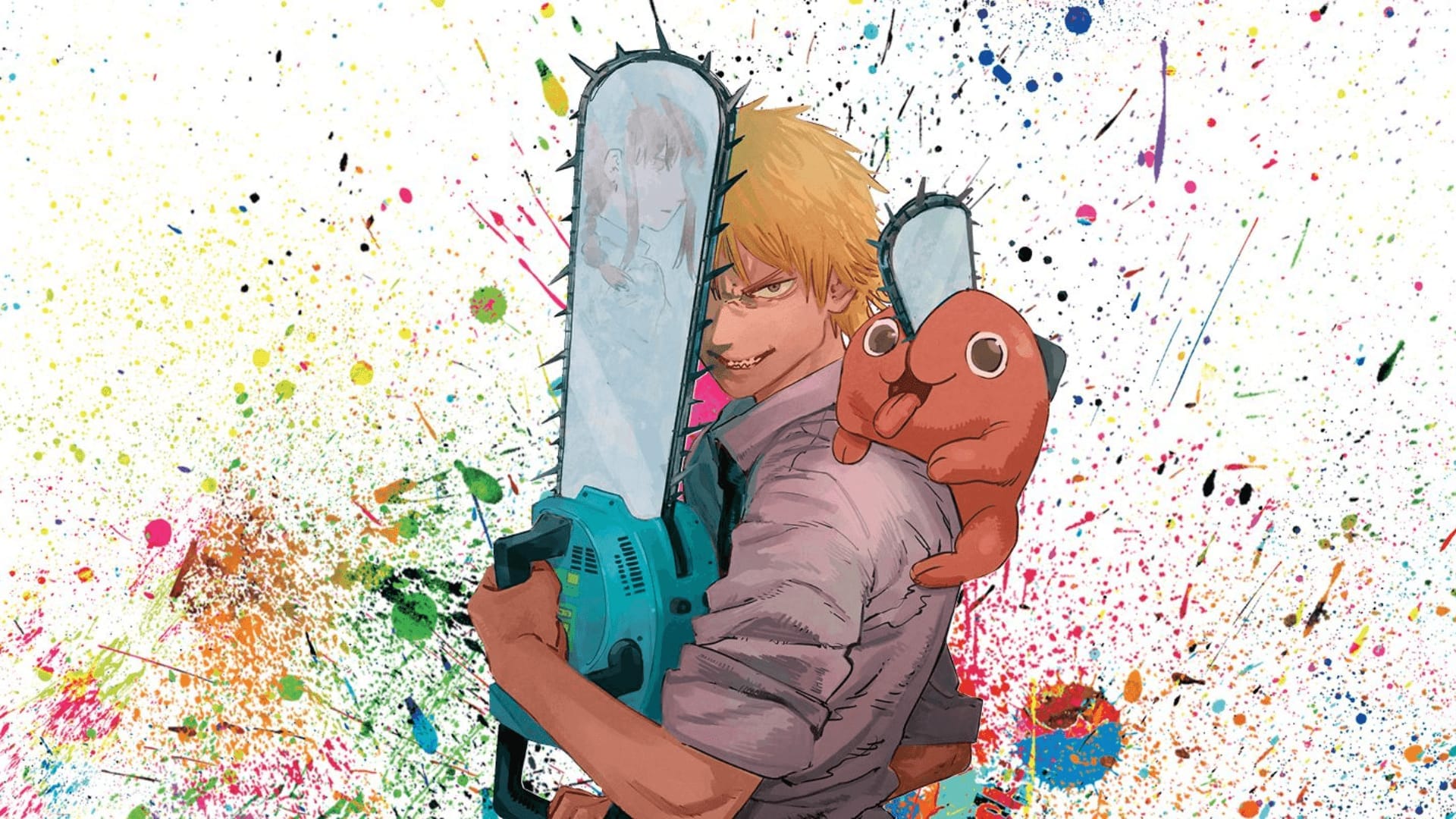
A dog with a chainsaw for a face shouldn’t be the emotional core of anything. Yet Pochita—the Chainsaw Devil inhabiting Denji’s heart—delivers Chainsaw Man’s most affecting moments. Through minimal dialogue and maximum loyalty, Pochita represents what the series is actually about beneath its gore and chaos.
What Is Pochita?
The Chainsaw Devil
Pochita is the Chainsaw Devil—one of the most feared devils in existence. In his true form, he’s a being of unimaginable destructive power, capable of erasing other devils permanently by consuming them. Devils fear the Chainsaw Devil because death by chainsaw means non-existence.
But we meet Pochita as a small, injured dog-like creature. His diminished form comes from grievous wounds suffered in battle. This weakness sets up everything that follows.
The Contract
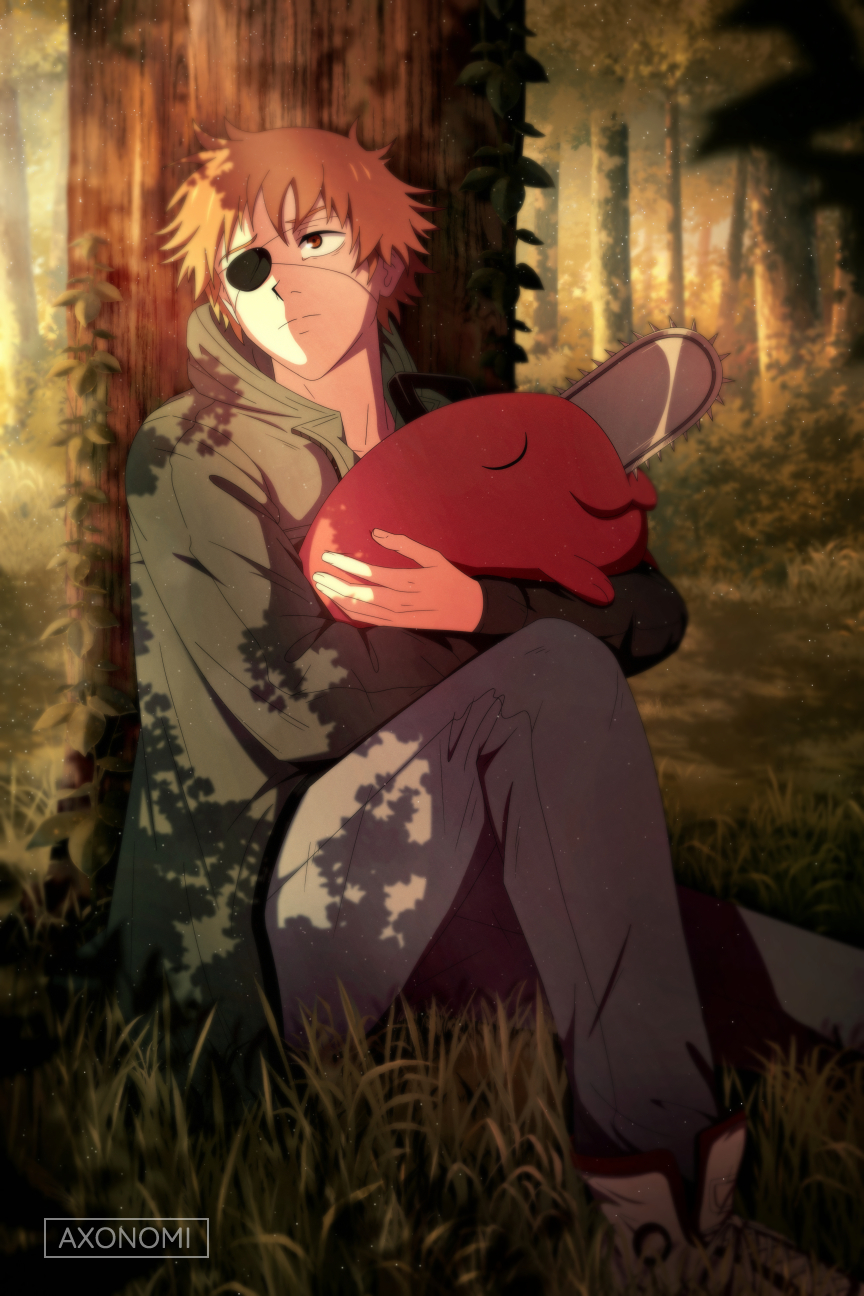
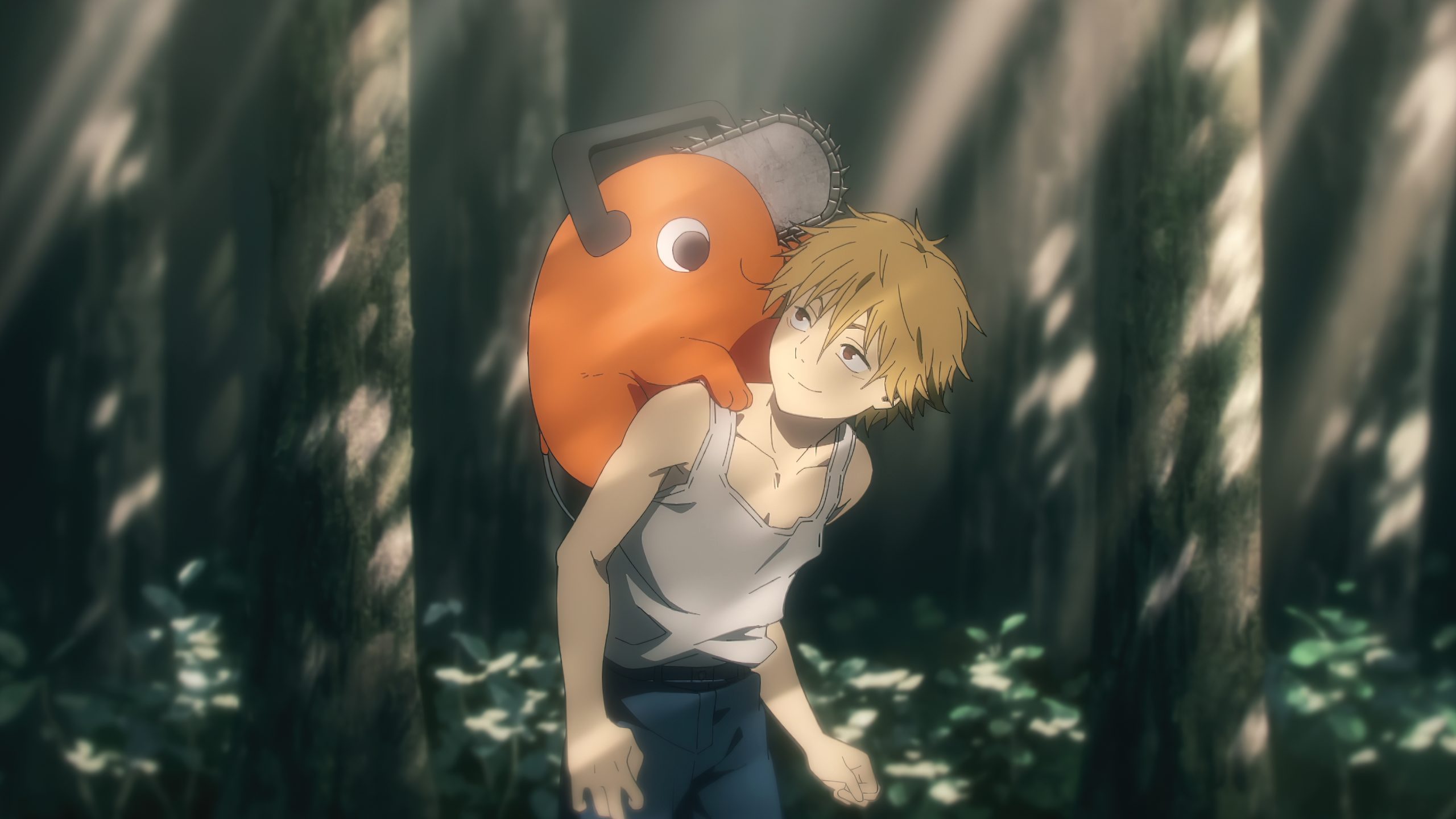
Young Denji, living in poverty, finds wounded Pochita and offers his blood to heal him. In exchange, Pochita becomes Denji’s companion and tool—his chainsaw, used for devil hunting jobs. This simple contract defines their relationship: mutual need becoming genuine bond.
The Fusion
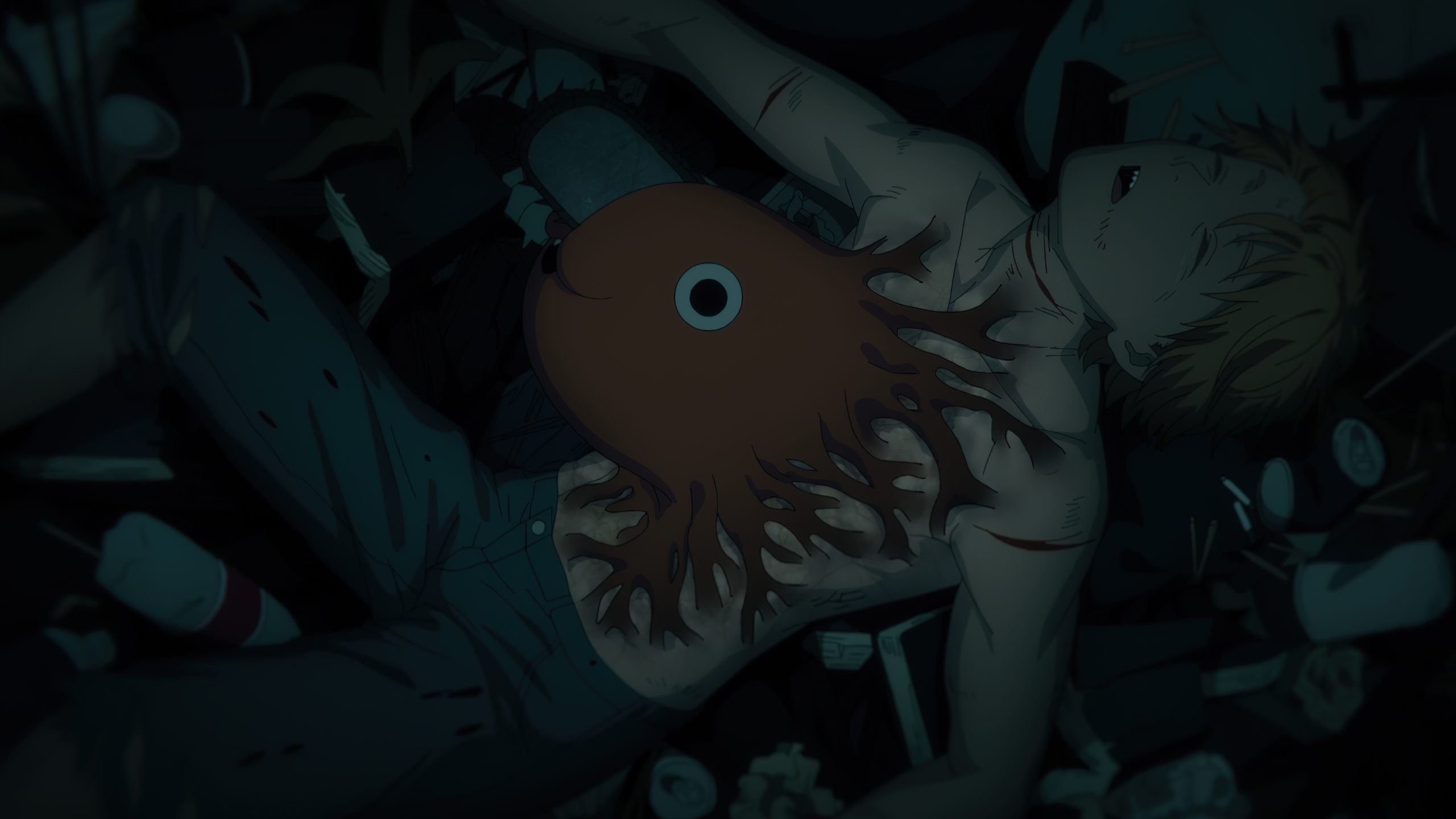
When yakuza kill Denji, Pochita offers final contract: “This is my heart. In exchange, show me your dreams.” Pochita becomes Denji’s heart, transforming him into the Chainsaw Man. Their bond becomes literal—Pochita lives through Denji, and Denji survives through Pochita.
Pochita’s Character
Loyalty Beyond Reason
Pochita’s defining trait is absolute loyalty. He asks for nothing except that Denji try to be happy. His motivations seem simple—he loves Denji and wants good things for him. This simplicity is refreshing in a series full of complex manipulations.
The Dream Speech
Before sacrificing himself, Pochita asks to see Denji’s dreams. These aren’t grand ambitions—food, warmth, connection. Pochita finds these modest dreams worth dying for. His perspective suggests that simple happiness matters more than power or purpose.
The Bark
Pochita’s single sound—a sort of “wan” bark—communicates surprising emotion. His appearances, though rare, hit hard because he represents pure affection in a world of ulterior motives.
What Pochita Represents
Unconditional Love
Denji has never experienced unconditional love. His father was abusive; the yakuza exploited him; Makima manipulates him. Only Pochita offers affection without agenda. This makes Pochita irreplaceable regardless of his power.
When Denji dreams of Pochita, it’s not about missing chainsaw powers—it’s about missing the one being who loved him purely.
Simple Desires
Pochita validates Denji’s modest dreams. In a world where devils embody concepts and characters scheme for power, Pochita represents wanting nothing more than connection and contentment. His support for Denji’s “pathetic” dreams is the series’ most radical statement.
Self-Sacrifice
Pochita gives up his existence for Denji. This sacrifice isn’t strategic—it’s love expressed through action. His willingness to become Denji’s heart rather than let him die defines selflessness.
Pochita and the Plot
The Chainsaw Devil’s Power
Devils eaten by Chainsaw Man are erased from existence—even the concept they embodied disappears. This makes Pochita possibly the most powerful being in the setting, though his diminished state hides this.
The implications are massive: what concepts has Chainsaw Man already erased? What did the world forget because of him? The mystery drives major plot points.
Why Devils Fear Him
Devils reincarnate through Hell’s cycle—death isn’t permanent for them. Except when killed by Chainsaw Man. This existential threat explains why every major devil either fears or wants to control Pochita.
Makima’s Obsession
Makima’s plan revolves around controlling the Chainsaw Devil. She wants to use his power to erase concepts she finds distasteful—creating “better” world by deleting war, hunger, death. Her obsession with Pochita drives the entire first part.
Key Pochita Moments
The Initial Meeting
Young Denji finding injured Pochita establishes their dynamic: two broken beings helping each other survive. Neither has anything else. Their bond forms from mutual desperation becoming mutual care.
The Heart Sacrifice
Pochita’s offer—”show me your dreams”—is the series’ thesis statement. Dreams matter. Simple happiness matters. Someone willing to die for your happiness matters most of all.
Door Appearances
Throughout the series, Pochita appears behind a door that must never be opened. These sequences hint at his true form and power while maintaining his role as Denji’s protector.
Part 2 Developments
The manga’s second part explores Pochita’s nature further, complicating understanding of the Chainsaw Devil while maintaining Pochita-as-Denji’s-heart emotional core.
Why Pochita Is Best Character
Emotional Anchor
Chainsaw Man’s chaos—the violence, the manipulation, the moral ambiguity—needs grounding. Pochita provides it. His pure love for Denji is the one reliable truth in a world of deception.
Thematic Clarity
Pochita embodies the series’ themes without lengthy exposition. Unconditional love, simple happiness, sacrifice for others—his presence communicates what Chainsaw Man values.
Design Brilliance
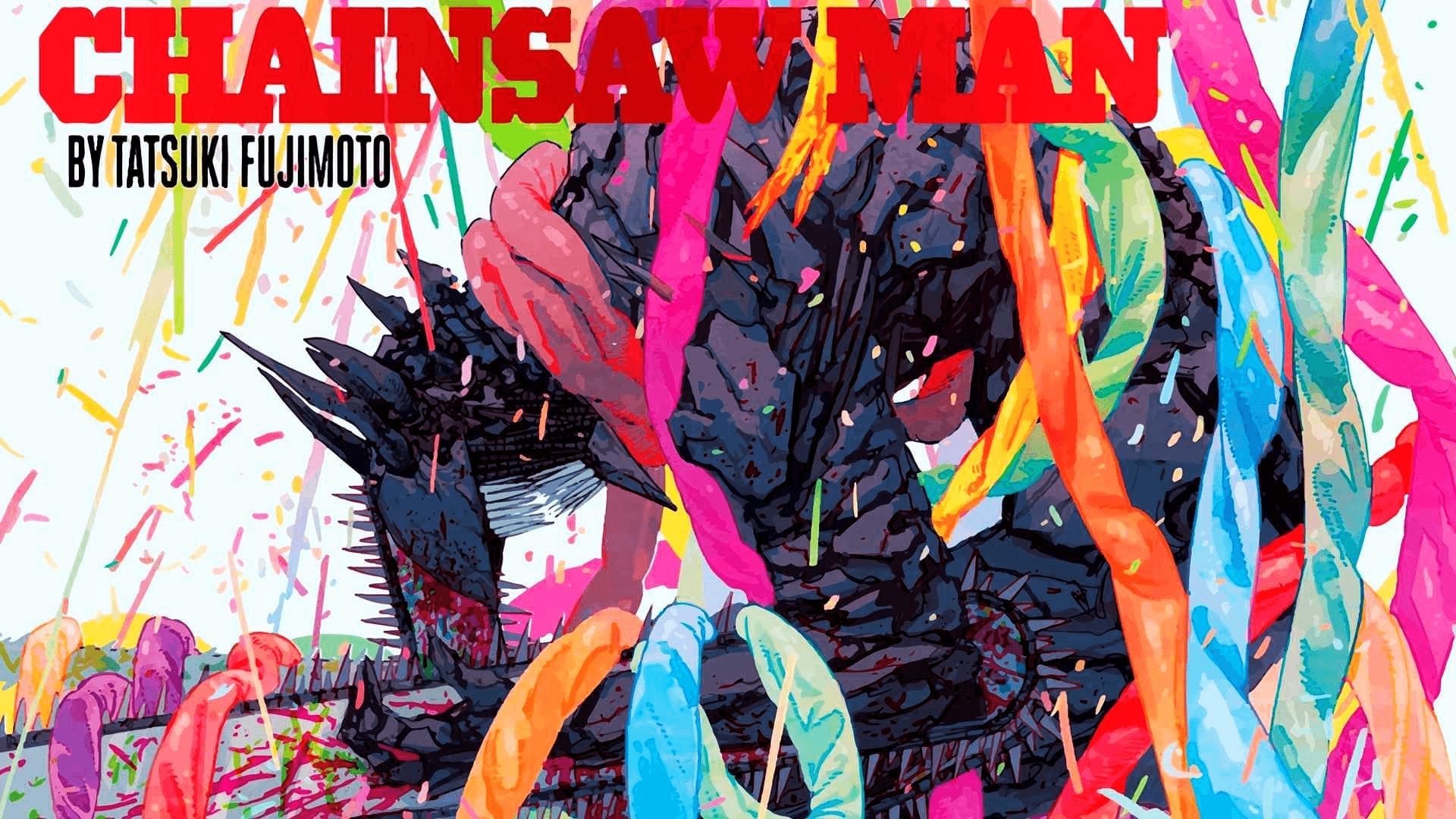
A cute dog with a chainsaw face shouldn’t work. It’s ridiculous. But that contrast—adorable appearance versus brutal power—mirrors Chainsaw Man’s tonal blend. Pochita’s design is the series in miniature.
Minimal Presence, Maximum Impact
Pochita barely appears after the first chapters. His presence is felt through Denji’s heart, through dreams, through implication. Fujimoto uses him sparingly, which makes each appearance significant.
The Verdict
In a series full of memorable characters—Power, Makima, Aki, countless others—a chainsaw-faced dog is the emotional heart. Pochita proves that character depth doesn’t require complexity. Sometimes simple love, simply expressed, resonates most deeply.
Denji fights to survive, to eat, to feel happy. Pochita died so Denji could have that chance. That’s it. That’s everything. And it’s why Pochita matters more than any cosmic devil power or elaborate plot machination.
You Might Also Like
- Chainsaw Man Devils Hierarchy Explained: From Primal Fears to Fiends
- Chainsaw Man vs Jujutsu Kaisen: Dark Shonen Comparison
- Chainsaw Man: A Different Kind of Shonen