
 Chainsaw Man form with chainsaws roaring”/>
Chainsaw Man Part 1 ended with Denji victorious but broken, having killed the woman he loved and been thrust into the public eye as a superhero. Part 2 began with the promise of something different—a school life, new relationships, a chance at normalcy. Instead, Tatsuki Fujimoto has delivered another descent into chaos, trauma, and the unique brand of absurdist horror that defines the series. As Part 2 continues, the question isn’t just “what happens next” but “what is Fujimoto actually trying to say?”
⚠️ MANGA SPOILER WARNING: Full spoilers for Part 1 and current Part 2 chapters, including all major character deaths and reveals.
Where We Are Now
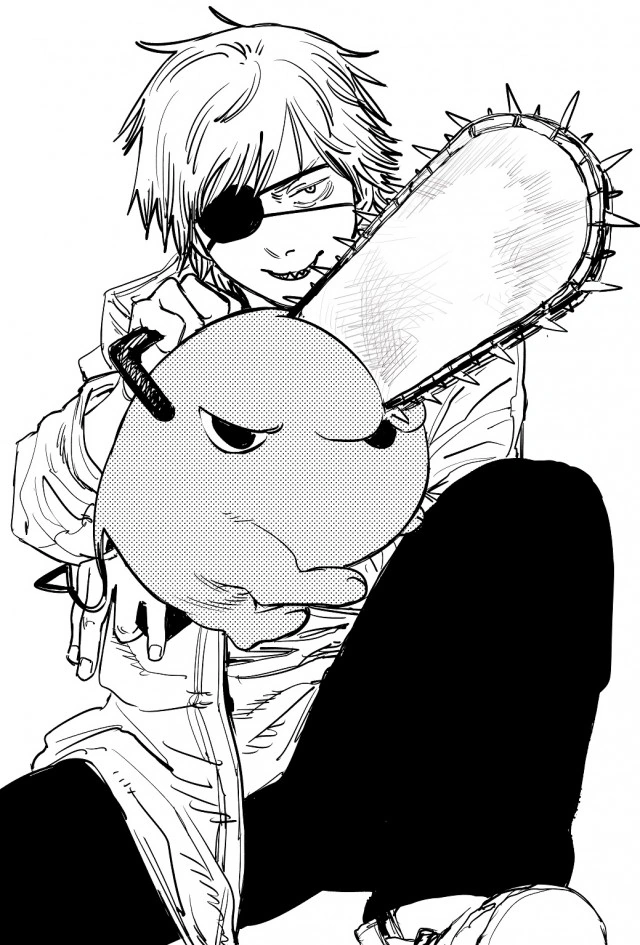
Part 2 introduced Asa Mitaka as the new protagonist—a traumatized high school girl who shares her body with Yoru, the War Devil. Unlike Denji’s simple dreams of touching boobs and eating good food, Asa is complex, anxious, and desperate for genuine human connection.
Current status:
The Church of Chainsaw Man has risen as a major force, worshipping Denji as a hero-devil. This parasocial relationship between Chainsaw Man and his “fans” has become central to Part 2’s exploration of fame, identity, and what it means to be loved for what you are versus who you are.
Key developments:
- Asa and Yoru’s uneasy partnership continues to evolve
- Denji’s identity as Chainsaw Man has become public knowledge
- New devils have emerged with terrifying abilities
- The Falling Devil, Famine Devil, and other Horsemen have appeared
- Multiple new Devil Hunters have been introduced
- The true nature of Chainsaw Man’s ability—to erase devils from existence by consuming them—remains crucial
Current arc: The story has progressed through several mini-arcs involving dates, devil attacks, and the complex relationship between Asa, Denji, and their respective devils.
The Bigger Picture
The Four Horsemen
Part 2 has confirmed that the “Four Horsemen” devils exist: Control (Makima, reincarnated as Nayuta), War (Yoru), Famine (recently appeared), and Death (not yet shown). This apocalyptic quartet represents an escalation from Part 1’s scope.
Theory: The Four Horsemen will unite against Chainsaw Man or compete for control of him. Death, as the fourth Horseman, will likely be the final antagonist of the series—representing the one thing Chainsaw Man cannot permanently eat.
Pochita’s True Power
The Chainsaw Devil’s ability to “erase” devils by eating them has profound implications. Devils eaten by Chainsaw Man are removed from existence—the concept they represent disappears from human memory and fear. This is why Makima wanted to control him: to erase war, death, hunger, and suffering from existence.
Theory: Part 2 will explore what happens when this power is used on a fundamental concept. Can Chainsaw Man eat Death itself? What would that even mean? The series may build toward an attempt to erase one of the Horsemen’s concepts entirely.
Nayuta (Reincarnated Makima)
Makima was reincarnated as a child named Nayuta, currently being raised by Denji. This creates a fascinating dynamic: Denji is raising his former enemy/love interest/abuser as his little sister.
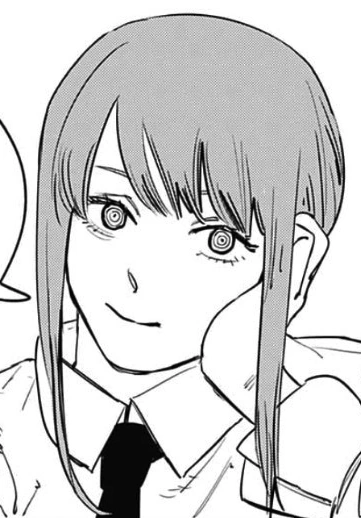
Theory: Nayuta will develop differently than Makima due to being raised with love rather than as a government weapon. However, the Control Devil’s nature may eventually resurface, creating a tragic conflict where Denji must face Makima again—this time in the body of his adopted sister.
Top Theories for Part 2’s Direction
Theory 1: The Death Devil is the Final Boss
The most straightforward theory: Part 2 (and possibly Part 3) builds toward confronting the Death Devil—the strongest of the Four Horsemen and the one concept even Chainsaw Man cannot truly erase.
Evidence:
- The Horsemen are being introduced systematically
- Death is universally feared, making the Death Devil theoretically the strongest being
- Chainsaw Man “eating” Death would be a thematic climax about mortality and meaning
- Fujimoto’s work is obsessed with death (Fire Punch, Look Back, Goodbye Eri)
How it develops: The Death Devil appears as the true antagonist—someone who has existed since humans first understood mortality. Unlike other devils, Death cannot be reduced by being “eaten” because death is the one inevitable truth. The final confrontation forces Denji to accept mortality rather than defeat it.
Theory 2: Denji Becomes the Villain
A darker theory: Denji’s path leads him to become the threat, not the hero. The deification of Chainsaw Man creates something monstrous.
Evidence:
- The Church of Chainsaw Man mirrors real-world cult dynamics
- Denji is easily manipulated (as Makima proved)
- His simple desires make him controllable
- Part 2 shows him increasingly reckless with his power
- Fujimoto loves subverting protagonist expectations
How it develops: Denji becomes addicted to the worship, the violence, or simply loses himself to Pochita’s devil nature. Asa (and possibly Nayuta) become the heroes who must stop Chainsaw Man—creating a tragedy where the audience’s beloved protagonist becomes what he once fought.
Theory 3: Asa Becomes the “True” Protagonist
Part 2 introduced Asa as a co-protagonist, but she may be the actual main character going forward.
Evidence:
- Asa has more complex character development than Denji
- Her War Devil possession parallels Denji’s situation but with more internal conflict
- Her trauma and desire for connection are more nuanced than Denji’s simple needs
- Fujimoto may be using Denji’s perspective to hide Asa’s true importance
How it develops: The story shifts to center primarily on Asa, with Denji becoming a supporting character or even antagonist. Asa’s growth—learning to connect, to love, to use War’s power for peace—becomes the emotional core while Denji represents what she must overcome or save.
Theory 4: The Devils Are Planning Something
Multiple Horsemen and powerful devils are converging on Chainsaw Man. This isn’t coincidence—there’s a plan.
Evidence:
- Makima had a clear goal for Chainsaw Man
- The other Horsemen presumably have similar ambitions
- Devils are intelligent beings with their own politics
- Part 2 has introduced many new devils with unclear motivations
How it develops: The devils are working toward a specific event—perhaps recreating the “Gun Devil” situation but bigger, or attempting to overthrow Chainsaw Man’s power structure. The Horsemen, despite being separate entities, may have a shared origin or goal that Part 2 will reveal.
Theory 5: It’s All About Love (And Its Absence)
The most thematic theory: Part 2 is about love—romantic, familial, parasocial—and how its absence creates devils.
Evidence:
- Asa’s core wound is isolation and inability to connect
- Denji’s simple desires stem from a loveless childhood
- Makima exploited love as control
- The Church of Chainsaw Man represents false love/parasocial worship
- Fujimoto’s other works (Fire Punch, Look Back) center on human connection
How it develops: The “final battle” isn’t physical—it’s emotional. Asa and Denji learning to genuinely love themselves and others defeats the Horsemen’s power. War exists because people can’t connect; Famine exists because love isn’t shared; Death is only feared because people die alone. Genuine human connection is the weapon against all devils.
What’s Most Likely
Based on Fujimoto’s patterns across all his works, Part 2 is likely building toward:
A confrontation involving all Four Horsemen, with the Death Devil as the ultimate threat. However, the “battle” won’t be straightforward—it will involve sacrifice, transformation, and thematic resolution rather than just fighting.
Asa becoming equally important to Denji, not replacing him. The story will likely have dual protagonists through the end, representing different aspects of the human experience.
Tragedy, because this is Fujimoto. Characters we love will die. Relationships will be destroyed. The ending will be bittersweet at best.
Thematic depth over plot mechanics. Fujimoto cares more about what his story MEANS than the specific events. The ending will deliver emotional and philosophical payoff even if the plot seems abrupt.
Meta-commentary on manga/fame/consumption. Part 2 is clearly critiquing parasocial relationships, fan worship, and what it means to consume media. This meta-layer will continue to escalate.
The ultimate ending likely involves Denji (or Asa) making a profound choice about the nature of existence—whether to erase something fundamental or preserve it, and at what cost.
When to Expect Resolution
Fujimoto’s pacing is unpredictable. Part 1 was 97 chapters (roughly 11 volumes). Part 2 has been running since July 2022 and shows no signs of rushing toward conclusion.
Estimated Part 2 length: Given the scope (Four Horsemen, expanded cast, deeper themes), Part 2 might run 100-150 chapters, or potentially spawn a Part 3.
Expected conclusion: If Part 2 is the final part, expect it to conclude around 2026-2027. If there’s a Part 3, the full story could extend to 2030.
Anime adaptation: Chainsaw Man’s anime is ongoing, with Season 1 having adapted early Part 1. The anime will likely reach Part 2 content by 2026-2027, depending on production schedule.
Chainsaw Man Part 2 continues to defy expectations while building something profound. Fujimoto isn’t just telling a story—he’s deconstructing stories, heroes, and the relationship between creator and audience. Whatever happens next, it will be bloody, strange, sad, and unlike anything else in manga.
You Might Also Like
- Who Trained Denji and Power? Meet the Strongest Devil Hunter
- Eren vs Light Yagami: Battle of the Anti-Heroes
- Makima’s Plan Explained: The Control Devil’s Master Scheme in Chainsaw Man