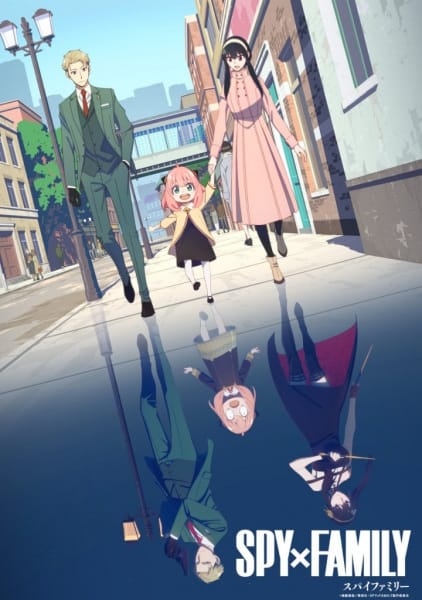
Anya Forger might be anime’s most effective scene-stealer. A six-year-old telepath pretending to be normal while secretly reading everyone’s minds, she drives Spy x Family’s comedy and heart. Her iconic expressions, meme-worthy reactions, and genuine emotional moments make her one of the most beloved characters in recent anime history.
Origin: The Lab Escapee
Anya wasn’t born with telepathy—she was created. As a research subject in a mysterious laboratory, she gained the ability to read minds through experimentation. She escaped and bounced between orphanages, hiding her powers to avoid recapture.
The Orphanage Years
Before Loid adopted her, Anya was returned by multiple families. Her telepathy made her “weird”—she knew things she shouldn’t, reacted to unspoken thoughts, and didn’t behave like normal children. This rejection history explains her desperation to keep her new family together.
Telepathy: The Secret Advantage
Anya’s mind-reading ability should theoretically solve most of Spy x Family’s conflicts. In practice, it creates as many problems as it solves.
What She Knows
Anya knows Loid is a spy and Yor is an assassin. She knows about Operation Strix. She understands the stakes of her Eden Academy enrollment. This knowledge, combined with a six-year-old’s comprehension and impulse control, creates constant near-disasters.
Why She Doesn’t Tell
Anya keeps these secrets because she wants her family. If Loid knew she knew, the “mission” dynamic would change. If she revealed herself, she might be returned again. Her silence is self-preservation wrapped in genuine attachment.
Limitations
Anya can’t control her telepathy—it’s always on. Crowds overwhelm her with mental noise. She can’t read minds through thick walls or at great distances. And most critically, she’s still six—she misunderstands complex adult thoughts and acts on partial information.
The Eden Academy Challenge
Operation Strix requires Anya to become an Imperial Scholar at Eden Academy, getting close to Donovan Desmond through his son Damian. This is absurdly difficult for one reason: Anya is terrible at academics.
The Study Problem
Despite telepathy, Anya struggles in school. Reading minds doesn’t help when no one around her knows the answers either. Her genuine academic ability hovers around “needs improvement,” creating constant tension about maintaining her enrollment.
The Stella Star Quest
Earning Stella Stars (merit awards) is Anya’s path to Imperial Scholar status. Her rare successes—saving a drowning child, showing courage during crises—come from action rather than academics. She’s failing upward through heroism rather than studying.
Relationship With Damian
Anya’s dynamic with Damian Desmond is unexpectedly sweet. After a rough start (she punched him on day one), their relationship evolves into something approaching friendship.
The Mission vs. Reality
Anya is supposed to befriend Damian for spy purposes. Instead, she genuinely likes annoying him, enjoys his flustered reactions, and seems to care about his feelings beyond mission requirements. The manipulation becomes real connection.
Damian’s Crush
Damian develops obvious feelings for Anya despite his protests. Anya can read these thoughts, which adds comedy—she knows he likes her but processes this information through a child’s understanding of romance.
The Heart of the Family
While Loid provides resources and Yor provides protection, Anya provides the emotional glue holding the Forgers together.
Why They Stay
Loid and Yor both started their family arrangement for practical reasons. Anya’s presence—her enthusiasm, her need for parents, her genuine happiness—transforms practicality into emotional investment. They stay for her, not for their original purposes.
Reading Her Parents
Anya knows her parents’ internal struggles: Loid’s doubts about the mission, Yor’s insecurity about being a good mother. She can’t articulate this knowledge, but she responds to it—being extra cute when they’re stressed, working harder when she senses disappointment.
Iconic Expressions
Anya’s facial expressions became instantly iconic. The “heh” smirk, the shocked face, the sparkly excitement—these reactions transcended the anime to become universal memes.
Why They Work
Endo’s character design gives Anya exaggerated expressions that perfectly capture childhood emotions. Combined with her telepathy adding layers of meaning (she’s often reacting to thoughts, not visible events), these faces communicate complex humor efficiently.
Cultural Impact
Anya’s expressions spread beyond anime fandom into general internet culture. People who’ve never watched Spy x Family use “shocked Anya” or “smug Anya” reaction images. This penetration shows her design’s universal appeal.
Character Depth
Beyond comedy, Anya carries genuine pathos. She’s a child who was experimented on, abandoned repeatedly, and knows her current family is built on lies. Her determination to keep everyone together despite this knowledge is genuinely moving.
Fear of Abandonment
Anya’s greatest fear is being returned to the orphanage. Every school failure, every mission complication, triggers this anxiety. Her desperation to earn Stellas isn’t ambition—it’s terror of losing the first real family she’s ever had.
Carrying Adult Burdens
Knowing her father is a spy and her mother an assassin forces Anya to process adult secrets. She handles this remarkably well, but occasional breakdowns show the strain. She’s a child carrying knowledge no child should have.
Comedy Excellence
Anya’s humor comes from the gap between what she knows and what she can express. She understands complex situations through telepathy but responds like the six-year-old she is.
The Misunderstanding Engine
Anya frequently misinterprets thoughts she reads. Adult concepts filtered through child understanding create absurd conclusions she then acts on. This misunderstanding engine drives much of Spy x Family’s comedy.
Physical Comedy
Anya’s attempts to be cool, her dramatic poses imitating spy shows, her overconfident declarations followed by failures—physical comedy accompanies her mental comedy perfectly.
Why Anya Works
Anya succeeds as a character because she balances multiple functions without feeling artificial. She’s comedic relief that also carries emotional weight. She’s a child character who doesn’t annoy. She knows everything but can do little, creating tension despite information advantage.
Most importantly, she’s genuinely likable. Her enthusiasm is infectious, her love for her family is palpable, and her struggles are sympathetic. Audiences root for her not because the story tells them to, but because she earns it.
Conclusion
Anya Forger proves that child characters can anchor entire franchises when written well. Her telepathy creates unique narrative possibilities. Her expressions create cultural moments. Her emotional needs drive the series’ heart.
But beyond mechanics, Anya works because she embodies pure joy—happiness at having a family, excitement about spy adventures, determination to protect what she loves. In a medium sometimes drowning in darkness, Anya’s brightness is irresistible.
That’s why she stole Spy x Family: not through power or complexity, but through being a perfect distillation of childhood hope wrapped in perfect comedic timing.
You Might Also Like
- Anya’s Powers Explained: Telepathy, Limitations, and Origin Theories in Spy x Family
- Anya’s Powers Explained: Telepathy, Limitations, and Origin Theories in Spy x Family
- Nico Robin: One Piece’s Most Heartbreaking Backstory