Oshi no Ko Manga Ending Explained — What Actually Happened
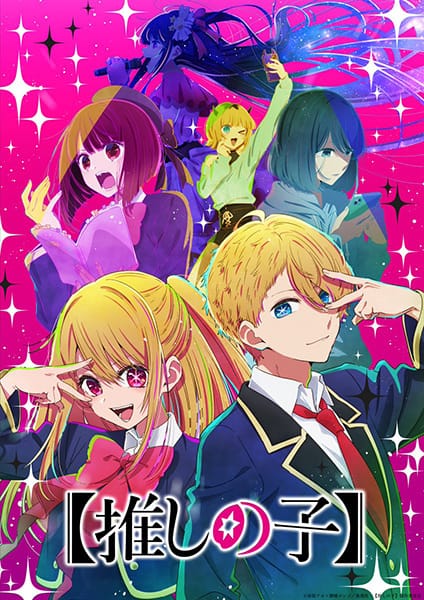
When the Oshi no Ko manga ending dropped in late 2024, it didn’t just close the book on one of the most ambitious idol manga in years — it detonated a conversation that’s still raging across every anime forum and X timeline today. Aqua Hoshino, the reincarnated doctor turned revenge-obsessed entertainer, made a choice that nobody predicted and plenty of people hated. So what actually went down in those final chapters?
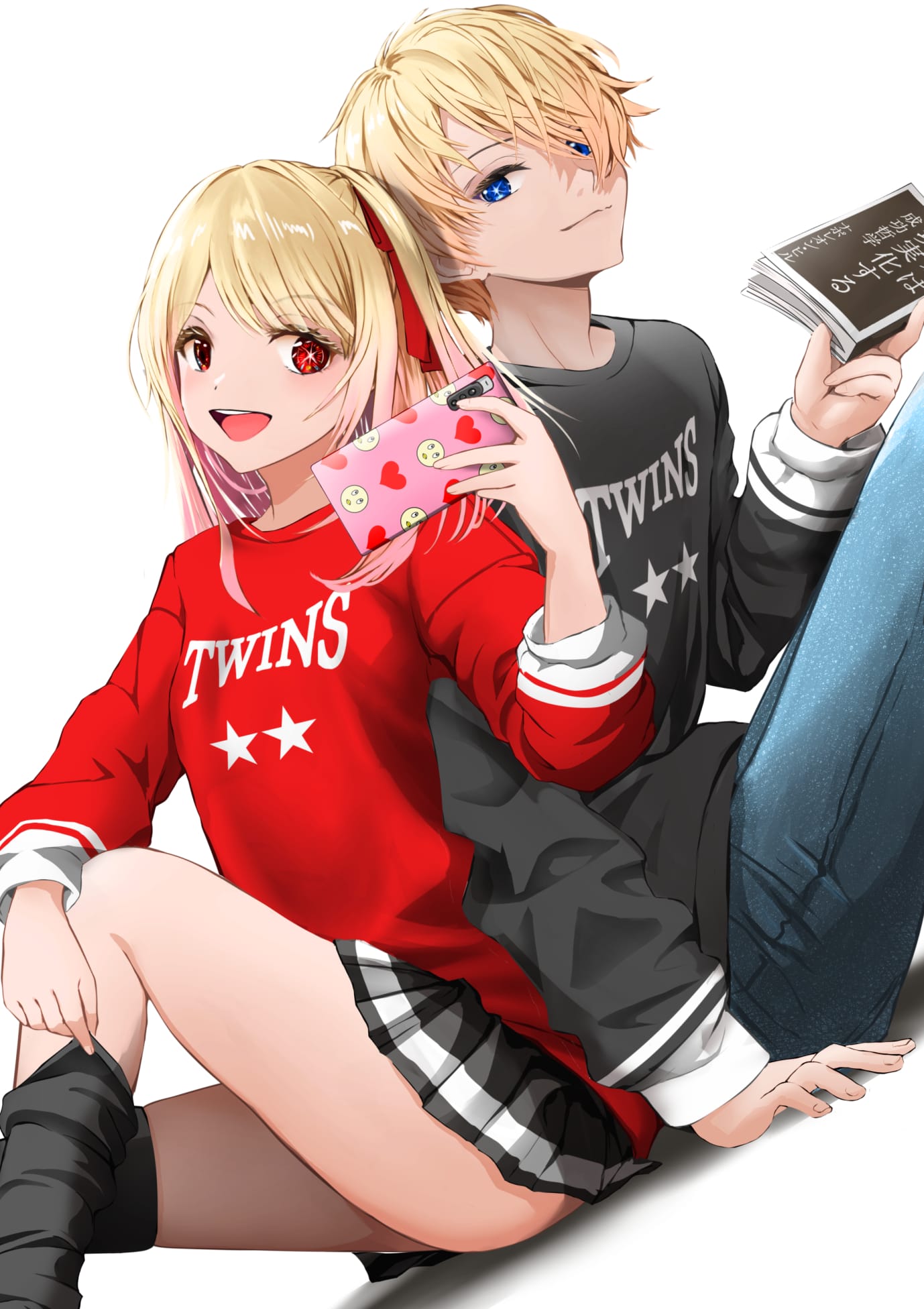
In the final arc, Aqua confronts his father, Hikaru Kamiki — the man whose shadow has loomed over the entire series from the very first chapter. Hikaru isn’t just a villain; he’s the architect of Ai Hoshino’s death, the cancer at the center of the entertainment industry that Oshi no Ko has been dissecting since day one. After chapters of manipulation, violence, and dark revelations, Aqua Hoshino makes his move. He chooses to sacrifice himself, pulling Hikaru off a cliff and into the sea below, killing them both in a single act that mirrors Ai’s own tragic end.
It’s a moment that closes the loop on a story built on cycles of pain, secrecy, and the machinery of fame in the entertainment industry. The Oshi no Ko manga ending frames this as a bittersweet resolution — the lies and violence end with Aqua’s death, but the cost is devastating and absolute.
Ruby, Aqua’s twin sister, is left to carry on alone. She becomes the idol Ai always dreamed of becoming, inheriting her mother’s starry eyes and her brother’s burden in equal measure. The Oshi no Ko manga ending positions Ruby as the ultimate survivor — the one who carries the weight of everyone who came before her while still finding a way to shine. It’s poetic, if you’re in the camp that buys what Akasaka is selling.
Kana Arima, Akane Kurokawa, and the rest of the supporting cast are shown moving forward in the aftermath. The industry keeps spinning. The show goes on. The cameras never stop rolling. And that’s exactly what makes this Oshi no Ko manga ending so polarizing — for some readers, it’s a powerful statement about the cyclical nature of exploitation. For others, it’s a betrayal of everything the story spent 160+ chapters building.
Aqua Hoshino’s Final Act — Heroism or Character Assassination?
Let’s get into the real fight, because this is where the Oshi no Ko manga ending debate gets genuinely heated. Aqua Hoshino spent the entire series operating in the shadows — manipulating people, orchestrating careers, and plotting revenge from behind a disarming smile. He was the schemer of Oshi no Ko, a character defined by calculation and control who could read a room, plant a seed, and watch it grow exactly as he intended.
And then, in the Oshi no Ko manga ending, he throws all of that away for a murder-suicide that feels more like a desperate impulse than the calculated move we’d expect from him. It’s jarring. It’s meant to be. But whether that jarring quality is brilliant or botched depends entirely on which side of the fandom divide you landed.
The argument for Aqua’s sacrifice is thematic and genuinely compelling. Aqua Hoshino was always carrying the weight of two lives — his past as Gorou Amamiya, the doctor who couldn’t save Ai, and his present as her son, the boy who grew up surrounded by the industry that killed her. His entire existence in this new world was tethered to protecting Ruby and avenging Ai. Once Hikaru was cornered, Aqua had no future left that wasn’t defined by revenge. The Oshi no Ko manga ending treats his death as the only way to break the cycle — the same way Ai’s death couldn’t break it, Aqua’s can, because he chooses it.
The argument against it is about craft and character consistency. Aqua had options. He had allies. He had a lifetime of demonstrated ability to outmaneuver opponents through intelligence and manipulation. He’d spent over a hundred chapters outsmarting everyone around him — and suddenly the best move he can make is to die? Fans who’d been following Aqua Hoshino‘s growth arc, his slow shift from pure vengeance to genuinely caring about the people in his orbit, felt like the rug was pulled out from under them.
The pacing is the real villain here, and it’s what makes the Oshi no Ko manga ending so frustrating for its critics. The final arc compressed what could have been an entire volume’s worth of development into a handful of chapters. Aqua goes from mastermind to martyr without enough runway for the emotional landing to land properly. We needed to see him wrestle with this choice over multiple chapters, not arrive at it in what feels like a narrative shortcut.
There’s also the deeper question of what Aqua’s death means for the story’s thesis. Oshi no Ko was never just about revenge — it was about the entertainment industry‘s machinery, the lies performers tell to survive, and the humanity buried underneath the spotlight. Killing off the protagonist to resolve a revenge plot feels like the story forgot its own point. The Oshi no Ko manga ending works as a statement about cycles of violence, but it falters as a statement about everything else the series built.
Why the Oshi no Ko Manga Ending Divided the Fandom
If you were on anime Twitter when the final chapters hit, you already know — the Oshi no Ko manga ending didn’t just disappoint some people. It split the fandom clean in half, and the fracture lines are still visible today as we wait for Oshi no Ko Season 3 to tackle this material.
Camp One: The Ending Was Poetry. These readers saw Aqua’s death as a tragic but beautiful full-circle moment that elevated the series beyond simple revenge fantasy. Ai died because of lies and obsession in the entertainment industry. Aqua dies ending that same cycle. Ruby inherits the star — both the literal star in her eyes and the burden of carrying the truth forward into a world that punishes honesty. For this camp, the Oshi no Ko manga ending was Akasaka making a definitive, uncompromising statement: the industry devours everyone, even those trying to fix it from inside. Anything less would have been a cop-out.
Camp Two: The Ending Was a Betrayal. These fans argue that Aqua’s death undoes his entire arc and reduces a complex character to a sacrificial plot device. He was supposed to be different from Hikaru. He was supposed to break free of the cycle, not become its final victim. The Oshi no Ko manga ending reads as nihilistic to this group — suggesting that no amount of cleverness or heart can overcome the entertainment industry’s rot, which directly contradicts the hope that Ruby and Kana represented throughout the series.
Japanese reader responses on 5ch were particularly brutal. The manga ending controversy 2026 edition of annual “worst endings” polls has Oshi no Ko ranking alongside some infamous company — right there with the endings that made readers throw their volumes across the room. Meanwhile, Western Reddit threads filled with essay-length breakdowns dissecting every panel of Aqua’s final moments, searching for clues that this was always Akasaka‘s plan and not an editorial mandate.
What makes the Oshi no Ko manga ending uniquely divisive is that both camps have genuine points. This isn’t a clearly bad ending or a clearly good one — it’s an ending that works thematically but falters in execution. The ideas are sound. The landing is rough. And that gap between concept and delivery is exactly what makes it so compelling to argue about, even months later. The Oshi no Ko ending explained isn’t a simple matter of right or wrong — it depends on what you valued most about the series.
How the Anime Can Fix What the Manga Got Wrong
Here’s the thing that keeps the conversation alive — Oshi no Ko Season 3 has a genuine golden opportunity. Manga endings that stumble in print have a long history of getting redeemed on screen, and the Oshi no Ko manga ending has all the raw material needed for a stunning anime adaptation. The bones are strong. It’s the flesh that’s missing.
The most obvious fix is pacing, and it’s the fix that matters most. The manga rushed through Aqua’s final confrontation with Hikaru in a way that made it feel unearned and abrupt. An anime can stretch that arc across multiple episodes, giving Aqua Hoshino‘s decision room to breathe. Extended flashbacks to earlier moments in the series. Silent beats where the weight of his choice actually lands on the viewer. Time spent with Ruby, Kana, and Akane before the climax so we feel what’s at stake. The Oshi no Ko manga ending needed more space to develop its emotional core, and the anime has that space.
Look at what Fullmetal Alchemist: Brotherhood accomplished. The 2003 anime diverged from the manga entirely, creating its own conclusion. When the manga finally finished, Brotherhood delivered the canonical manga finale with the pacing, emotional depth, and craft it deserved — and it’s now considered one of the greatest anime of all time. The Oshi no Ko anime could follow a similar playbook: not by changing the ending, but by finally giving it the execution the story earned.
Dorohedoro offers another instructive example. The manga’s ending felt abrupt to many readers, with character arcs that seemed to resolve too quickly for the complexity Q Hayashida had built. But the anime’s adaptation of the earlier arcs added so much character depth and world-building texture that the resolution hit harder when it came. If Oshi no Ko Season 3 invests in building the emotional infrastructure that the manga skipped in its final act, Aqua’s sacrifice could transform from frustrating to genuinely devastating in the best possible way.
There’s also real potential in expanded epilogue content. The Oshi no Ko manga ending gives us a brief look at the cast moving forward after Aqua’s death, but it’s thin — almost painfully so for readers who’d spent years with these characters. The anime could give Ruby, Kana, and Akane the send-off scenes they deserve, showing how they carry Aqua’s memory without reducing them to footnotes in his story. Kana deserves a proper grieving arc. Akane deserves resolution. The manga finale hints at these threads but never pulls on them.
The Oshi no Ko Season 3 Scandal Arc review already demonstrates that the anime is willing to strengthen what the manga only implied, adding context and emotional texture to key scenes. If they maintain that energy for the finale, we might finally get the version of the Oshi no Ko manga ending that the story always deserved — one that matches the ambition of its premise with the execution of its conclusion.
The Bigger Picture — What Oshi no Ko’s Ending Says About Modern Manga
The Oshi no Ko manga ending doesn’t exist in a vacuum. It’s part of a deeply troubling pattern that’s become impossible to ignore in the modern manga terrain — mega-popular series ending fast, fans feeling shortchanged, and the real question of whether editorial and commercial pressure is systematically crushing artistic vision in the entertainment industry of manga publishing.
Jujutsu Kaisen ended in 2024 with a rushed finale that left massive plot threads dangling and character arcs that felt more like footnotes than conclusions. My Hero Academia wrapped up its run with an epilogue that many readers found more obligatory than earned, checking boxes rather than delivering the emotional payoff that years of investment demanded. And now the Oshi no Ko manga ending fits right into this wave — stories that built enormous, passionate followings over years, only to compress their conclusions into a fraction of the space they actually needed.
The common thread running through all of these? Editorial pressure. Weekly manga serialization is a brutal, unforgiving grind, and when a series becomes a mega-hit, there’s enormous commercial incentive to end it while sales are still peaking rather than letting it run its natural creative course. Akasaka reportedly had the Oshi no Ko manga ending planned from early in the series’ run, but the execution tells a different story — one that suggests time constraints or editorial mandates forced his hand on pacing. Weekly Young Jump‘s weekly serialization demands leave little room for extended finales, a structural problem that’s shaped more endings than just this one.
The parallels to the Aqua Hoshino death in the story and the real-world pressures on creators outside it are hard to ignore. Jujutsu Kaisen’s ending explained covers remarkably similar territory — a massively popular series whose finale left fans wanting more, not because the ideas were bad but because the pacing collapsed under the weight of deadline pressure and commercial demands. The manga ending controversy 2026 isn’t about one specific manga; it’s about a systemic problem in the industry.
The idol anime and manga space is especially vulnerable to this kind of pressure. Oshi no Ko was never just a revenge story or a showbiz drama — it was Akasaka‘s sharp, unflinching critique of an industry that destroys people for profit and entertainment. That the manga itself may have been consumed by the same commercial forces it was criticizing is either deeply ironic or tragically fitting, depending on your tolerance for meta-narrative.
What the Oshi no Ko manga ending reveals, intentionally or not, is that even the sharpest creators can get caught in the machinery they’re trying to expose. The ending we got has the shape of something great — but shape isn’t enough. You need substance, and substance takes time that modern manga publishing increasingly refuses to give. My Hero Academia Final Season analysis traces a nearly identical arc for superhero anime — initial love, growing fan backlash, and the painful question of whether the creators or the system are ultimately to blame.
This isn’t just about Oshi no Ko. It’s about what happens to art when commerce dictates the timeline. The Oshi no Ko manga ending is a symptom of a larger disease — one that’s affecting the biggest names in the industry and leaving fans to pick through the wreckage of what could have been.
Is the Oshi no Ko Manga Ending Actually Good? A Final Verdict
Alright. Cards on the table. After all the hot takes, the Reddit essays, the Japanese poll rankings, and the endless back-and-forth — is the Oshi no Ko manga ending actually good?
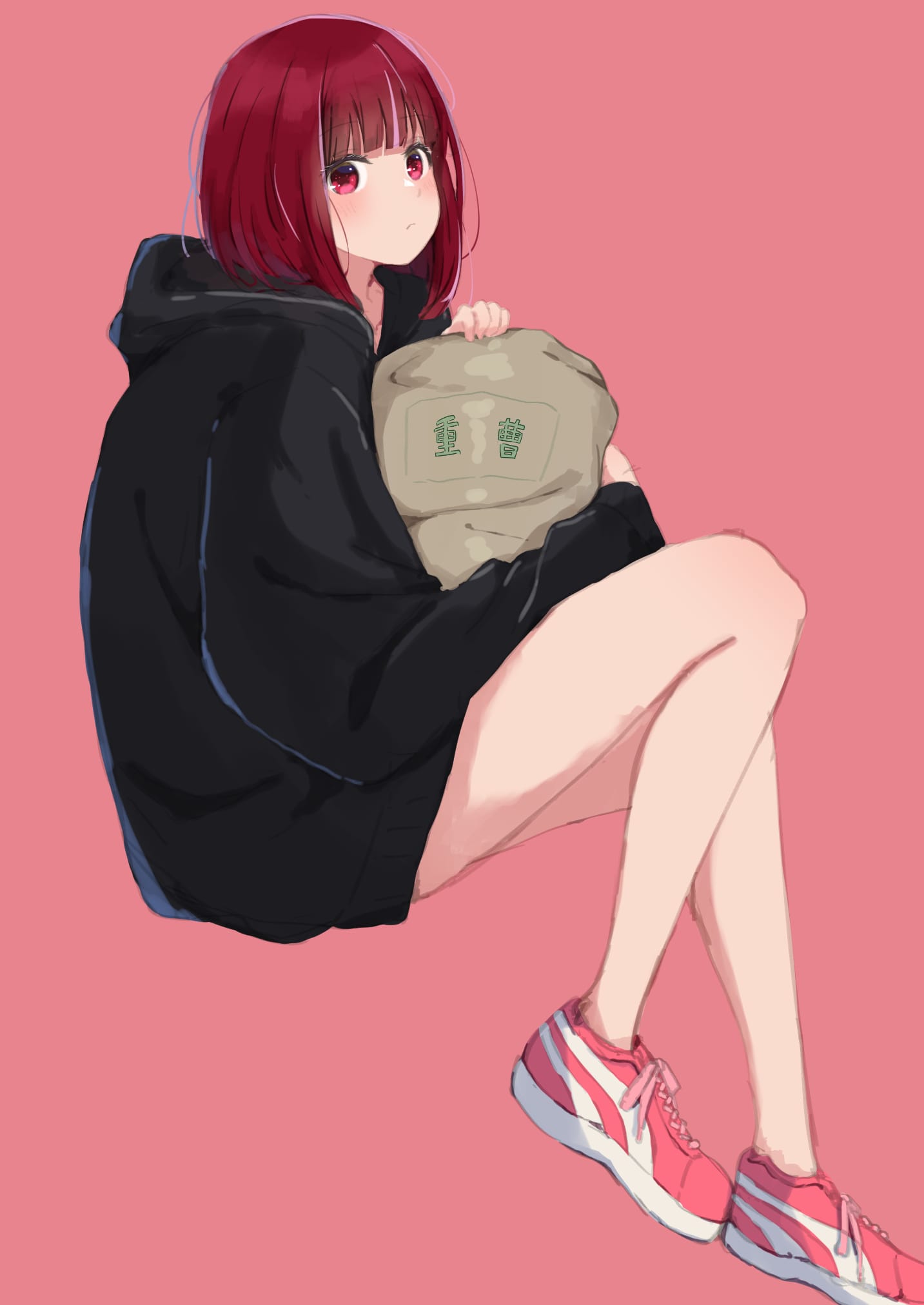
What works: The thematic closure is genuinely powerful and not something you see often in manga. Aqua’s death mirroring Ai’s creates a structural symmetry that Akasaka clearly designed from the very beginning of the series — this wasn’t a last-minute pivot. The Oshi no Ko manga ending sends an uncompromising message about the entertainment industry: it doesn’t offer easy redemption, it doesn’t reward good intentions with survival, and it consumes even those who try to change it from within. That honesty is refreshing in a medium that loves tidy, satisfying resolutions.
Ruby’s arc landing the way it does is the emotional anchor of the entire manga finale. She carries the star forward — both literally and figuratively — and the image of her performing with those starry eyes, knowing what they cost, is genuinely haunting. It’s the kind of ending image that sticks with you long after you’ve closed the volume.
What doesn’t work: The execution, full stop. The pacing in the final arc is breakneck, and it robs Aqua Hoshino‘s sacrifice of the weight and gravity it needed to land properly. The decision to compress weeks of emotional development into a handful of chapters is the Oshi no Ko manga ending‘s greatest failure. We needed more time with Aqua as he wrestled with this choice — not a rushed montage, but the same patient, deliberate storytelling that made the early arcs so compelling.
Kana and Akane deserve significantly better epilogue treatment than they receive. These are characters who carried entire arcs of the story, and the Oshi no Ko manga ending reduces them to footnotes in Aqua’s final chapter. The ending introduces ideas in its final pages that could have sustained an entire volume — the cost of truth, the weight of legacy, what it means to keep performing when the person you performed for is gone — and then doesn’t explore any of them with the depth they deserve.
The verdict: The Oshi no Ko manga ending is a 7/10 concept delivered as a 5/10 execution. It’s not the disaster that the loudest voices in the fandom claim, but it’s also not the masterpiece its defenders insist on. It’s a good ending trapped inside a rushed one, and that gap between potential and reality is exactly what makes it so frustrating — and so fascinating to discuss months later.
For anime-only viewers waiting for Oshi no Ko Season 3: don’t let the controversy scare you off. The Oshi no Ko manga ending has real emotional power, even if it stumbles on the dismount. And if the anime adaptation delivers on its promise — giving these final beats the time and craft they need — you might experience the version of this story that Oshi no Ko always deserved. The most iconic anime villains of all time debates will always have room for Hikaru Kamiki, and that’s a proof to the story’s strength even when its ending falters.
The Oshi no Ko manga ending isn’t the finale most of us wanted. But it’s the one we got — and understanding why it divided us tells us as much about what we expect from stories as it does about the story itself. Sometimes the most interesting endings aren’t the ones that satisfy. They’re the ones that make you argue for months, that keep you thinking long after the last page, that refuse to give you the easy answer you wanted. And on that count, Akasaka delivered exactly what he promised: a story about the entertainment industry that refuses to let you look away.
The Oshi no Ko controversial ending will be debated for years to come. Whether you loved it or hated it, whether you think Aqua Hoshino‘s death was poetic justice or character assassination, one thing is certain — this manga finale left a mark. And for more on where anime and manga are heading, check out our piece on why isekai anime is declining and what it signals for the next wave of stories fighting for our attention.