The Bell Curve: How My Hero Academia Final Season Went from Beloved to Hated to Anime of the Year
When My Hero Academia Final Season took home Anime of the Year at the 2026 Crunchyroll Anime Awards on May 23 in Tokyo, the anime community had a collective moment of recognition. Not just because it won — because of how it won. The arc of My Hero Academia itself mirrors the bell curve that every great shonen protagonist walks: rise, fall, and redemption. And now, with the My Hero Academia Final Season cementing its legacy, we can finally talk about why this win feels so incredibly earned.

Look, I’m not going to pretend the internet wasn’t divided on MHA for a while there. The discourse around the manga’s ending, the pacing complaints during the Endeavor arc, the “MHA fell off” narratives — they were real. But that’s exactly what makes this Anime of the Year victory so satisfying. My Hero Academia Final Season didn’t just win a trophy. It completed one of the most remarkable comeback stories in anime history.
The bell curve isn’t just a meme or a hot take. It’s the genuine emotional trajectory of this franchise, and understanding it is key to understanding why Horikoshi’s creation now sits atop the anime world in 2026.
What the Bell Curve Actually Means for MHA
Let’s break down the bell curve because people keep referencing it but not everyone’s on the same page. The concept is simple: MHA started hot, dipped hard in the middle, and came back swinging with the My Hero Academia Final Season. But reducing it to a graph undersells what actually happened.
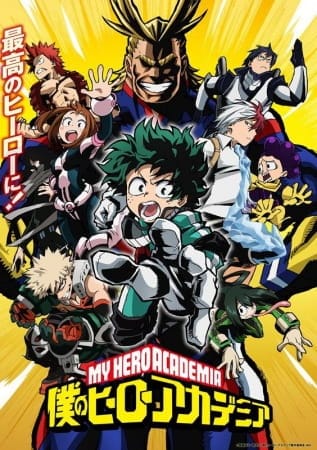
Phase One: The Golden Era (Seasons 1-3). MHA was the shonen anime. Every seasonal poll, every “anime of the decade” list, every cosplayer at every con — Deku and friends were everywhere. The Sports Festival, All Might vs. All For One, the licensed hero exams — these were cultural moments that transcended the anime community. MHA’s character development was being held up as the gold standard for how shonen should build its cast.
Phase Two: The Dip (Seasons 4-6, partial). This is where things got messy. The Endeavor family arc was polarizing — some called it brave storytelling, others called it fumbled redemption. The pacing between arcs felt disjointed. Season 5’s joint training arc got labeled “filler-adjacent” by critics who wanted the plot to move faster. And then the manga ending started leaking, and oh boy, the discourse went nuclear. “MHA ruined its ending” became a whole genre of YouTube video. People were genuinely writing obituaries for the franchise.
Phase Three: The Comeback (My Hero Academia Final Season). This is where Horikoshi and the anime team pulled off something that almost never happens in shonen: they stuck the landing. The My Hero Academia Final Season didn’t just wrap up storylines — it retroactively made the controversial middle sections matter. Every complaint about slow pacing or character detours suddenly had a payoff. That’s not luck. That’s vision.
What Made the Final Season So Damn Good
Okay, let’s get specific. Because the My Hero Academia Final Season didn’t win Anime of the Year on nostalgia alone — it won because it was genuinely, objectively, the best anime of 2025-2026. Here’s why.
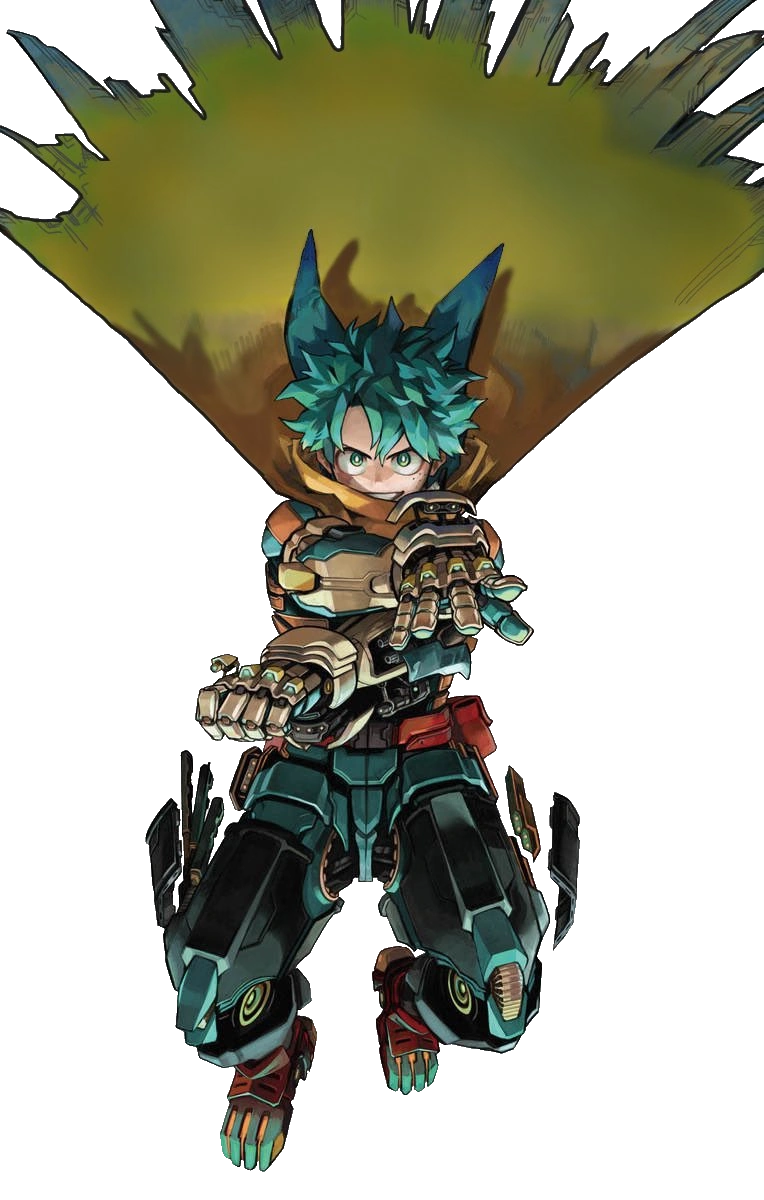
The animation went absolutely feral. Studio Bones pulled out every stop. The Final Season’s action sequences — particularly the final confrontation sequences — feature some of the best sakuga in modern anime. We’re talking about cuts that rival anything from Mob Psycho or Jujutsu Kaisen at their peaks. The fluidity of Deku’s final gear shifts, the weight behind every Smash, the way the camera moves during the emotional beats — this is Bones operating at the absolute ceiling of their capability.
And it’s not just the fights. The quiet moments, the still frames, the way light hits characters during their final conversations — My Hero Academia Final Season treats every frame like it matters because, well, it’s the last chance to get it right. That pressure could have crushed the production. Instead, it forged something extraordinary.
Character payoffs that actually pay off. Here’s the thing that separates My Hero Academia Final Season from every other shonen ending attempt in recent memory: it actually delivers on its promises. Bakugo’s arc alone — from explosive rival to genuine hero — gets the resolution it always deserved. Todoroki’s confrontation with his family legacy reaches a conclusion that makes the entire Endeavor arc retroactively work. Ochaco gets her moment. Tenya gets his moment. Shigaraki gets his moment.
The manga set up these payoffs, but the anime executed them with a level of care that elevated the source material. Director Kenji Nagasaki, who had the vision of creating a series that would last 10 years, clearly understood that My Hero Academia Final Season wasn’t just closing a story — it was cementing a legacy.
Wrapping up without rushing. This is where most shonen endings fail. They either drag (looking at you, late-stage Naruto) or they sprint to the finish line leaving plot threads dangling (we all know who). The My Hero Academia Final Season manages something rare: it paces its conclusion with intention. Every episode earns its runtime. Every scene serves the whole. It doesn’t feel like a checklist — it feels like a story reaching its natural endpoint.
The Competition: Why MHA Beat Them All
Let’s be real about the field. The 2026 Crunchyroll Anime Awards Anime of the Year category was stacked. My Hero Academia Final Season went up against some serious heavyweights, and understanding why it won means understanding what it beat.
Dandadan Season 2 was probably the closest competitor. Science SARU’s adaptation continued to be visually stunning and wildly entertaining. But here’s the thing — Dandadan S2, while incredible, is still building its story. It’s not a conclusion. It’s a middle chapter. A damn good one, but the My Hero Academia Final Season had the weight of a complete narrative arc behind it. Voters recognized the difference.
The Apothecary Diaries Season 2 is arguably the smartest anime of the year. Maomao’s continued adventures are beautifully crafted, and the show deserves every accolade it gets. But AOTY often rewards shows that capture the cultural moment, and My Hero Academia Final Season was the cultural moment of the year. An ending this satisfying only comes around once in a generation.
Gachiakuta earned its nomination through raw energy and style. It’s the kind of show that makes you sit up and pay attention. But it’s still early in its run, and the anime community tends to reward completed stories in major categories. The My Hero Academia Final Season had the advantage of finality — a full story, told well, from beginning to end.
The Summer Hikaru Died was the dark horse pick. A horror-adjacent psychological thriller that captivated everyone who watched it. But its audience, while passionate, was smaller. AOTY requires broad support, and My Hero Academia Final Season simply had more people in its corner — not just fans, but former critics who came back for the ending.
That last part is crucial. The bell curve narrative means that people who had written off MHA came back for the My Hero Academia Final Season. They gave it another chance. And it delivered. You can’t overstate how powerful that is in a vote — when your show converts skeptics into believers, that’s a different kind of mandate entirely.
Why This Matters for Shonen Endings as a Genre
Here’s the uncomfortable truth that every anime fan knows: shonen endings are mostly bad. Not “eh, could be better” bad. “Wait, that’s it?” bad. “They really fumbled the bag” bad. The list of shonen series that botch the landing reads like a hall of fame — series we loved for years that left us staring at the screen thinking, “That’s how it ends?”
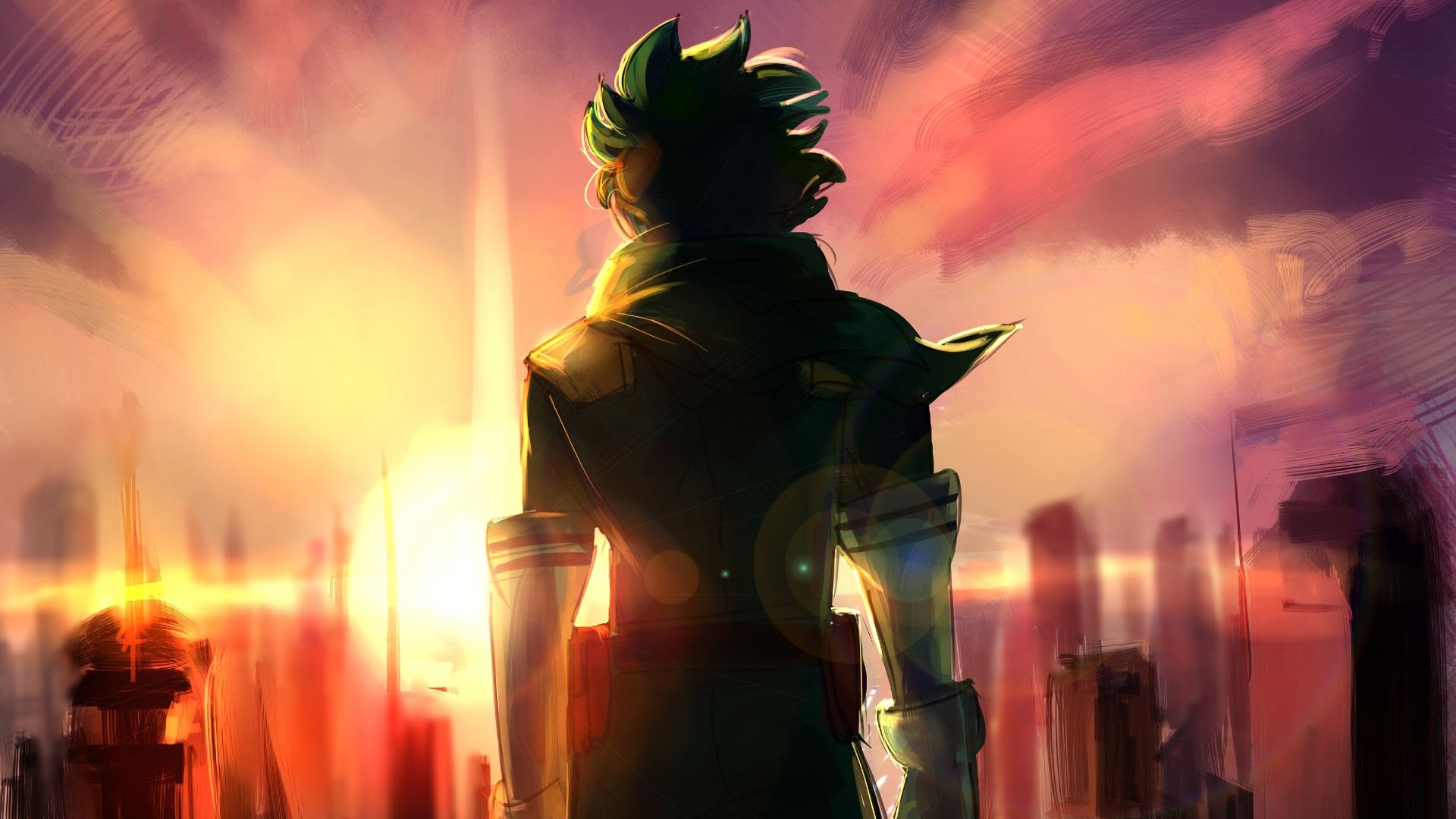
The My Hero Academia Final Season breaks that pattern, and it matters more than just for this one show. It proves that a long-running shonen can stick the landing if the creator has a vision and the production team respects that vision. Horikoshi didn’t wing it. He didn’t get pressured into a different ending by editors. He told the story he wanted to tell, and Bones adapted it with the care it deserved.
The “ending problem” in shonen is structural. Most long-running shonen face the same set of traps. Power creep makes the stakes meaningless. The cast grows too large to service everyone. The author runs out of gas or gets pushed to continue past their planned endpoint. The move toward shorter, more focused seasons is partly a response to this — if you’re not committed to 500 episodes, you can actually tell a complete story.
But My Hero Academia Final Season proves there’s another path. You can run for years, build a massive cast, escalate the stakes to cosmic levels, and still land the plane. It requires planning. It requires restraint. It requires trusting your audience to appreciate resolution over escalation. Horikoshi understood that the final act of a shonen isn’t about making things bigger — it’s about making them matter.
Consider the alternatives. Attack on Titan’s ending divided the fanbase for years before the anime version smoothed some edges — but the damage was done. Naruto’s final arc is notoriously bloated. Bleach’s Thousand-Year Blood War anime is still fixing the manga’s rushed conclusion. Even Demon Slayer, which ended cleanly, did so by keeping its run short. My Hero Academia Final Season is the rare example of a long-running shonen that reaches its conclusion and makes you feel satisfied, not just relieved it’s over.
That distinction — satisfied versus relieved — is everything. And it’s why this AOTY win feels different. It’s not just rewarding a good season of anime. It’s rewarding a blueprint for how shonen endings should work.
The Four Awards: MHA’s Full Dominance at the 2026 Crunchyroll Awards
While Anime of the Year is the big one, the My Hero Academia Final Season took home four awards total at the 2026 ceremony, and each one tells you something about why this season connected so hard.
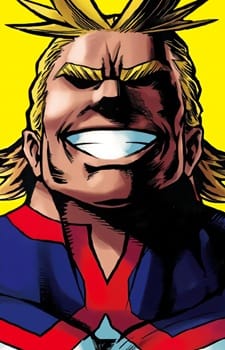
Anime of the Year. The crown jewel. Presented by The Weeknd, of all people — and honestly, seeing The Weeknd hand the AOTY award to the My Hero Academia Final Season team was one of the most surreal and delightful moments of the night. The crossover appeal of this franchise has always been its secret weapon.
Best Ending Sequence. This one hit different. The Final Season’s ending isn’t just a credits scroll — it’s an emotional capstone that changes meaning depending on where you are in the season. The production team clearly understood that the ending sequence for a final season carries weight that no other season’s does. They treated it like the last page of a book, not just a formality. Winning Best Ending Sequence for your actual ending feels poetically appropriate.
Best Supporting Character. Without spoiling too much, the character work in the My Hero Academia Final Season elevated supporting characters into some of the most memorable moments of the year. This award recognizes that Horikoshi’s strength has always been his ensemble cast — and that the Final Season gave every character their due, not just Deku.
Best Voice Artist Performance (French). International recognition matters. Anime isn’t just a Japanese phenomenon anymore, and the My Hero Academia Final Season winning across multiple languages and regions underscores its global impact. The French dub team brought the same intensity and care as the original, and this award celebrates that.
Four awards across four completely different categories — that’s not a fluke. That’s a show that excelled in every dimension. Our full breakdown of the 2026 Crunchyroll Anime Awards winners goes deeper into the numbers, but the headline is clear: My Hero Academia Final Season didn’t just win — it dominated.
The Deku Parallel: Why the Bell Curve Is the Point
Here’s what I keep coming back to, and what makes the bell curve narrative so powerful: the journey of My Hero Academia as a franchise mirrors Deku’s journey as a character. And that’s not an accident — it’s the whole point.
Deku starts with nothing. No quirk, no prospects, just a dream that everyone tells him is impossible. That’s MHA Season 1 — an underdog story that nobody expected to become the biggest anime in the world. Then Deku gets One For All and the rise begins. Seasons 2 and 3 are peak “believe in the power of determination” shonen, and the audience is right there with him.
But then comes the struggle. Deku’s body breaks down. He pushes too hard. The weight of One For All — of legacy, of expectation, of being the chosen one — nearly destroys him. That’s the Endeavor arc, the pacing complaints, the “MHA fell off” era. The show was going through exactly what its protagonist was going through: the painful middle chapter where you have to earn your way back.
And then the My Hero Academia Final Season happens. Deku finds his footing. He stops trying to carry everything alone and starts leading. The weight doesn’t disappear — he just learns to distribute it. And he becomes the hero he always wanted to be, not by being the strongest, but by being the most determined to protect what matters.
The franchise did the same thing. The middle was rough. The discourse was toxic. People wrote MHA off. And then My Hero Academia Final Season came along and reminded everyone why they fell in love with this story in the first place. The bell curve isn’t a bug — it’s the most Deku thing imaginable.
Kohei Horikoshi has always said that My Hero Academia is about what it means to be a hero in a world that doesn’t always make heroism easy. The My Hero Academia Final Season proved that by living it. The show stumbled, faced criticism, kept going, and delivered a conclusion worthy of its premise. If that’s not heroic, I don’t know what is.
Horikoshi’s Vision Validated
Let’s talk about the person whose vision made all of this possible. Kohei Horikoshi took a massive risk with how My Hero Academia Final Season concludes. He could have played it safe — given fans the big fight ending they expected, kept everyone alive, tied every thread with a neat bow. Instead, he chose the ending that was true to the story, even when it was controversial.
Director Kenji Nagasaki once spoke about his vision of creating a series that would last 10 years. That’s not just ambition — that’s commitment to the long game. And the My Hero Academia Final Season is the payoff for everyone who trusted that the journey was worth staying on. When Nagasaki and Horikoshi started this, they weren’t making a seasonal hit. They were building something designed to endure.
The Crunchyroll Anime Awards results page shows the full list of winners, but the story behind MHA’s four wins is what matters. This isn’t just a popularity contest — it’s a validation of creative vision. Horikoshi had an ending in mind from early in the manga’s run, and he stuck with it even when the internet was screaming for something different.
The manga ending discourse was rough. There were think pieces, hot takes, and a whole lot of people confidently declaring that Horikoshi had lost the plot. But the My Hero Academia Final Season proved what manga readers already suspected: the ending works better in motion. The pacing, the voice acting, the animation — all of it elevated Horikoshi’s conclusion into something that felt inevitable rather than forced.
That’s the key difference between a good ending and a great one. A good ending wraps things up. A great ending makes you realize that this was the only way it could have ended. My Hero Academia Final Season achieves the latter, and AOTY is the industry’s way of acknowledging that achievement.
The Legacy: What MHA’s AOTY Win Means Going Forward
So where does this leave us? The My Hero Academia Final Season has its Anime of the Year trophy. The bell curve is complete. What does this mean for anime, for shonen, and for the future?
For shonen creators, it’s a proof of concept. You can run a series for nearly a decade, face genuine criticism and controversy, and still come out on top if you respect your story and your audience. The My Hero Academia Final Season isn’t just a win for MHA — it’s a signal to every mangaka working on a long-running series that endings matter, and that sticking to your vision is worth the risk.
For the anime industry, it’s a reminder about production quality. Bones didn’t phone in the final season. They could have — the show was already successful, the audience was already there, and the manga had already ended. Instead, they went harder than ever, treating the My Hero Academia Final Season with the same intensity they brought to episode one. The sakuga, the sound design, the direction — everything got elevated. And the awards reflect that investment.
For the community, it’s a lesson in patience. How many times have we written off a show mid-run, only to come crawling back when it proves us wrong? The bell curve isn’t just about MHA — it’s about how we consume and judge media in real time. Maybe, just maybe, we should let stories finish before we declare them failures.
And for My Hero Academia itself, the AOTY win cements its place in anime history. Not as a show that was popular once and faded, but as a franchise that endured, evolved, and earned its ending. Even the spin-offs like Vigilantes are thriving, proving that the MHA universe has legs beyond the main story. The My Hero Academia Final Season didn’t just close a chapter — it opened the door for the entire franchise to be remembered as one of the all-time greats.
The bell curve is complete. MHA went from underdog to champion, from beloved to controversial and back again. And in the end, the My Hero Academia Final Season proved what Deku himself learned: the fall is just part of the rise. You don’t become the Symbol of Peace by never stumbling — you become it by getting back up every single time.
Anime of the Year. Four awards. A completed story told with care and conviction. The My Hero Academia Final Season didn’t just win an award — it earned a legacy. And honestly? After everything this franchise has been through, that feels exactly right.
You Might Also Enjoy
Want more takes on the 2026 anime scene? Check out these deep dives:
- Crunchyroll Anime Awards 2026 Winners: Full Breakdown and Analysis
- Dandadan Season 2 at the Crunchyroll Anime Awards 2026: Snub Analysis
- MHA Vigilantes Season 2 Review: Better Than My Hero Academia?
- Best Anime Character Development: How MHA Redefined the Shonen Cast
- The Shonen Anime Revolution: Why Shorter Seasons Are the Future