The Demon Slayer Infinity Castle Arc Is Everything We’ve Been Building Toward
Four seasons. Countless battles. Tears, hype, more tears. And now we’re finally here — the Demon Slayer Infinity Castle arc, the climactic final act of Kimetsu no Yaiba that fans have been hyping since they first turned the manga pages. If you’ve been following Tanjiro’s journey from a coal-selling kid in the mountains all the way to the doorstep of Muzan Kibutsuji himself, this is the payoff. Everything — every breath of training, every fallen comrade, every scar — it all converges in the Infinity Castle.
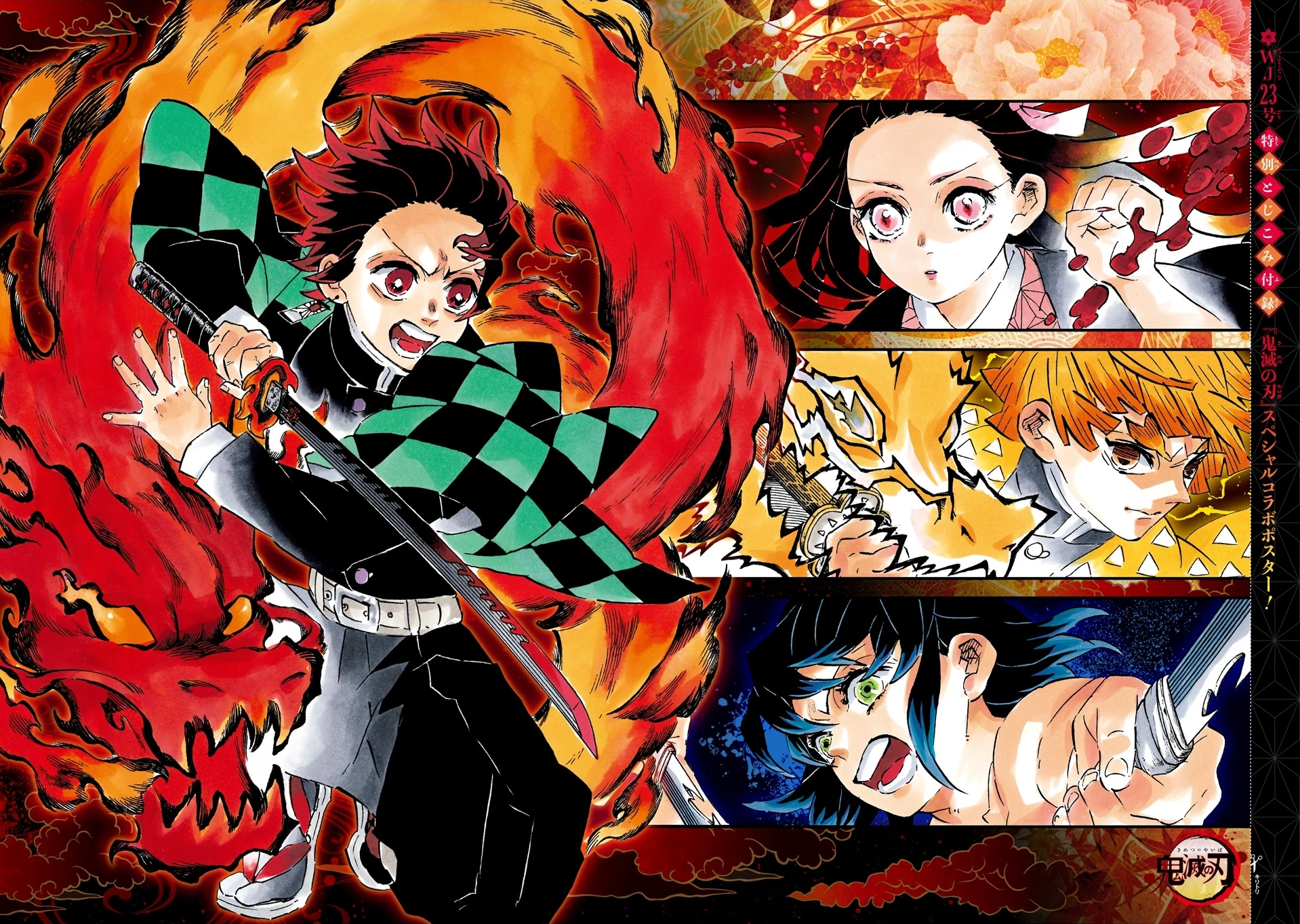
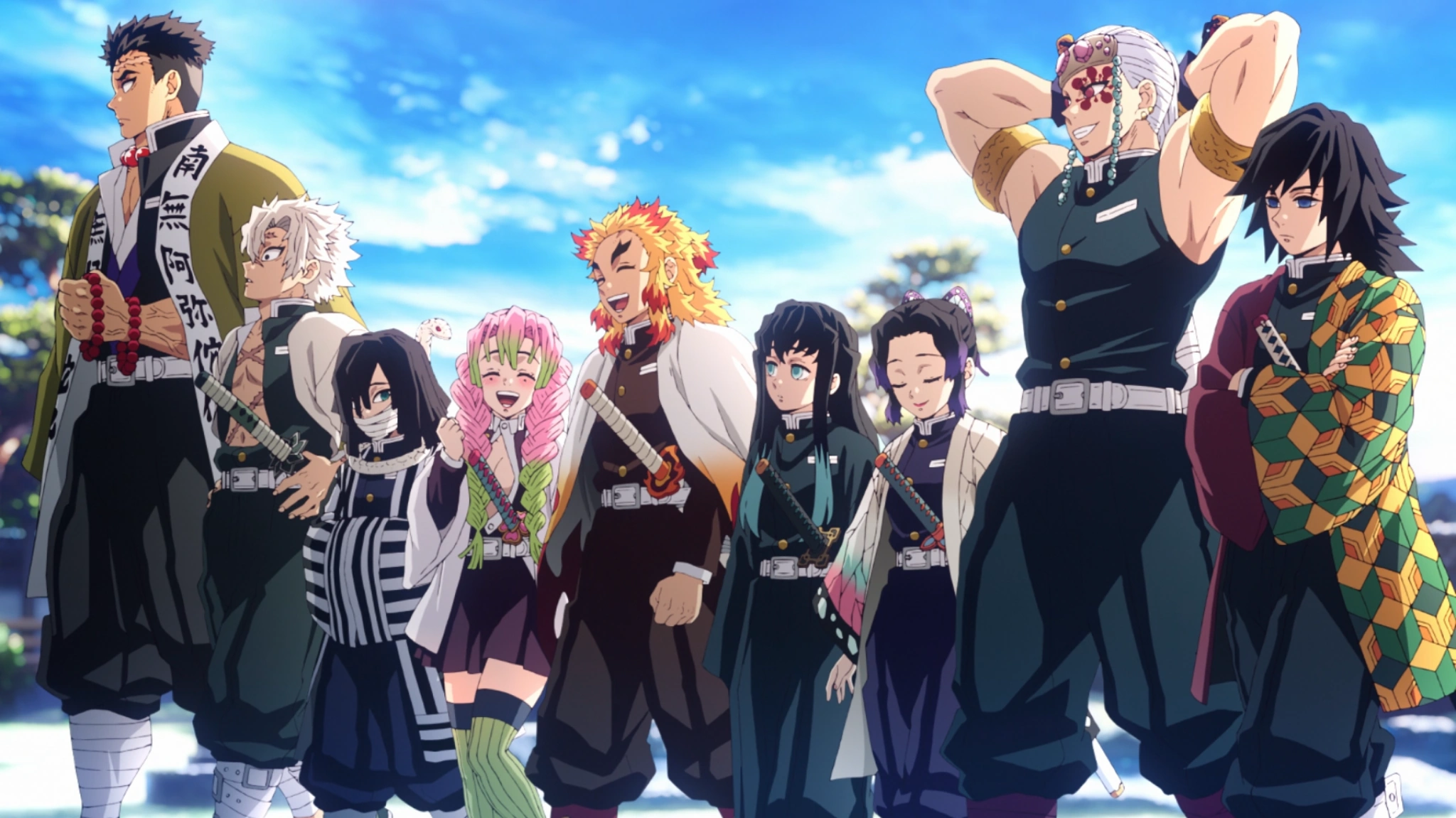
This isn’t just a fight arc. The Infinity Castle arc is a full reckoning. The Hashira — humanity’s most powerful swordsmen — get scattered across an impossible demon dimension and forced to fight the deadliest Upper Rank demons simultaneously, alone or in small groups, with no backup and no escape. Multiple Hashira die. Tanjiro nearly loses his humanity. The sun itself becomes a weapon. If you want the full breakdown — every battle, every death, what the upcoming movie trilogy is actually doing with this material, and why this arc hits so differently than anything else in modern shonen — you’re in the right place. Let’s get into it.
What Is the Infinity Castle? Nakime’s Blood Demon Art, Explained
Before we can talk about the fights, we need to talk about the location — because the Infinity Castle isn’t just a cool backdrop. It’s a weapon. The Infinity Castle arc takes its name from Muzan Kibutsuji’s hidden stronghold, a demon dimension maintained entirely by Nakime, the biwa-playing Upper Rank Four demon whose Blood Demon Art literally constructs and reshapes reality.
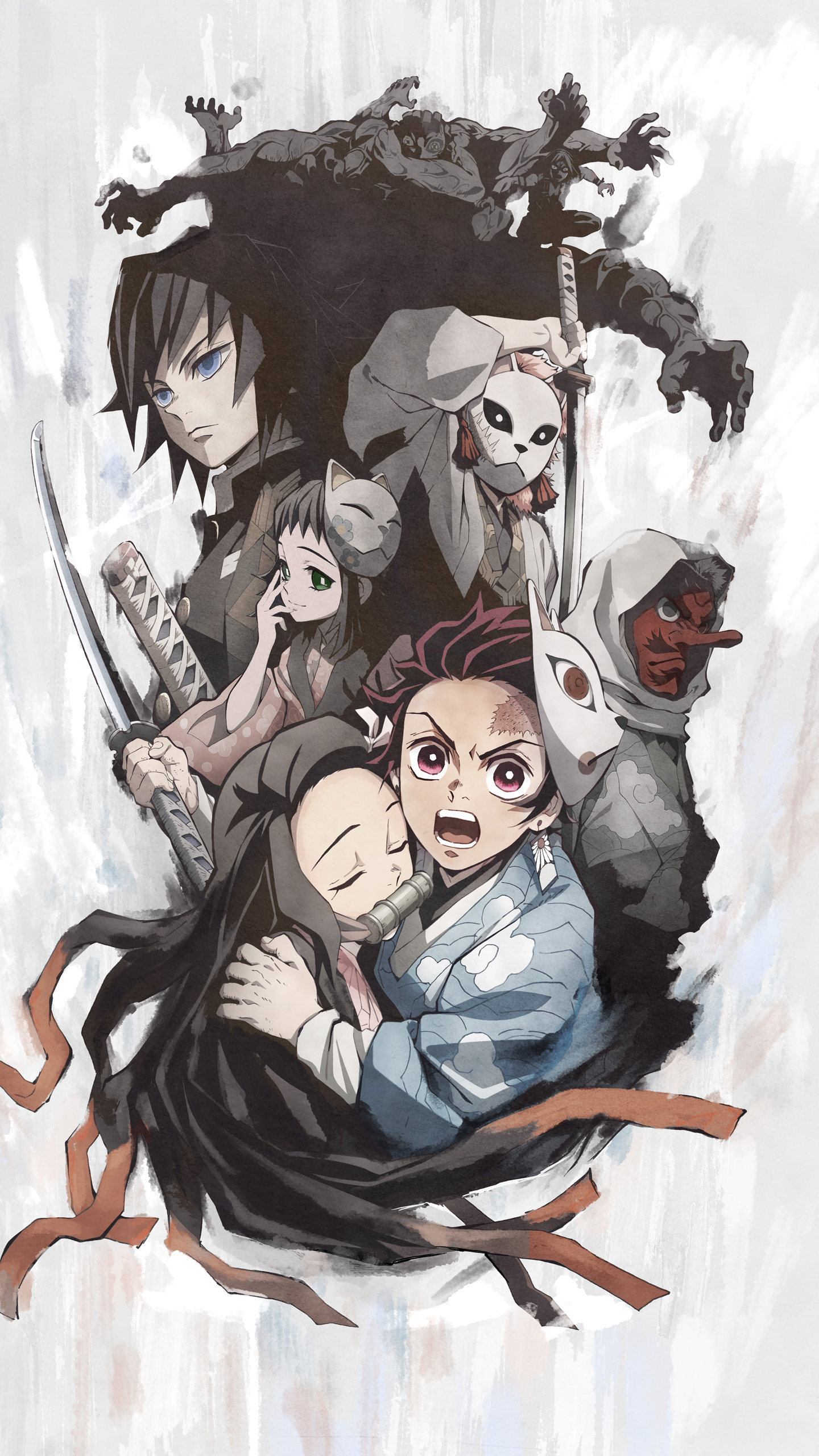
Nakime’s ability works like this: she plays her biwa, and rooms, corridors, floors, and walls materialize, disappear, and rearrange at will. The Infinity Castle is essentially infinite interior space folded on itself — staircases that lead nowhere, rooms that invert, corridors that spiral without end. There’s no map. There’s no exit unless Nakime allows one. The moment the Demon Slayer Corps is teleported inside during the raid, every member of the Hashira is separated from their allies and dropped into isolated pockets of the castle, completely cut off from coordination.
This is Muzan’s strategic masterstroke. Even at peak strength, the Hashira power rankings represent humanity’s best — but they’re far more dangerous together. Split them up, send the Upper Ranks to finish them individually, and the Demon Slayer Corps crumbles before they ever reach Muzan. It nearly works. The Infinity Castle arc is essentially a gauntlet run by people who have no business surviving it — and some of them don’t.
Every Major Battle in the Demon Slayer Infinity Castle Arc
The Infinity Castle arc stacks battles on top of battles in a way that’s almost overwhelming — in the best possible way. Multiple fights unfold simultaneously across the castle, each one raising the stakes higher than the last. Here’s the breakdown of every major confrontation and what makes each one matter.
Tanjiro and Giyu vs Akaza — Upper Rank Three
Tanjiro and the Water Hashira Giyu Tomioka run into Akaza, Upper Rank Three, early in the Infinity Castle arc — and this fight immediately sets the tone for how brutal this arc is going to be. Akaza is no joke. He’s one of the strongest Upper Ranks, a pure melee fighter whose Destructive Death techniques hit like a natural disaster. His Blood Demon Art isn’t projectile-based — it’s pure close-range brutality, and his regenerative power is nearly unlimited.
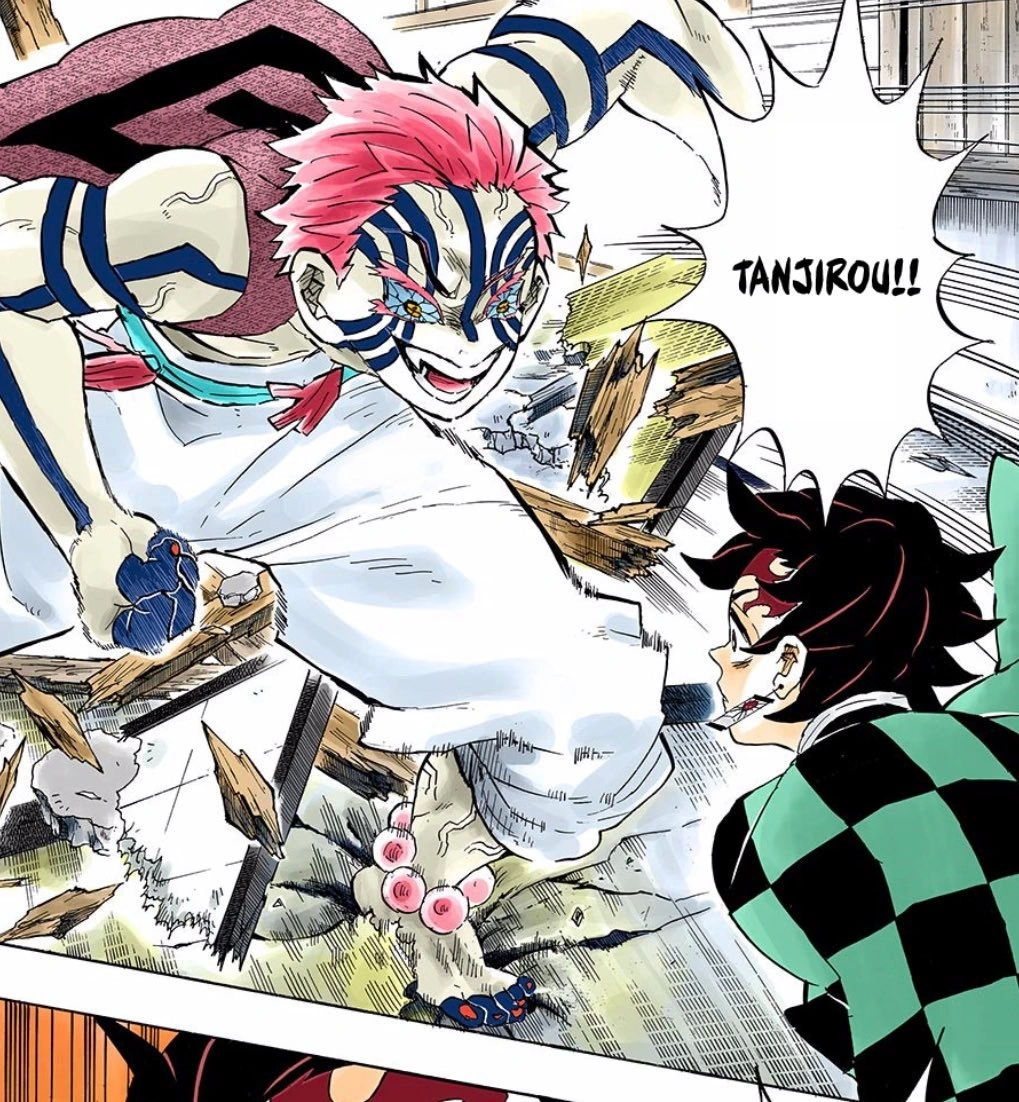
What makes this fight incredible isn’t just the action — it’s the psychological warfare. Akaza offers Tanjiro the chance to become a demon. He’s done it before. He doesn’t understand why humans cling to mortality when power is right there. Tanjiro refuses. Of course he does. But this exchange plants a seed that pays off horrifyingly later in the arc.
The fight demands everything from both Tanjiro and Giyu. Tanjiro pushes the Hinokami Kagura — the Sun Breathing techniques passed down through his family — to new extremes. He begins to grasp Transparent World, the heightened perception state that allows him to see the flow of blood and muscle in his opponents. Giyu, for his part, finally reveals the Eleventh Form of Water Breathing — a technique he developed himself, a secret he’d carried since long before the events of the series. The two ultimately break through Akaza’s will to survive by forcing him to confront his own buried human memories. Akaza destroys himself from within rather than continue. It’s one of the most emotionally complex villain deaths in the entire series.
Shinobu vs Doma — The Poison Gambit That Changed Everything
Shinobu Kocho, the Insect Hashira, has wanted Doma dead since before the Infinity Castle arc even began. Upper Rank Two killed her older sister Kanae. Shinobu has spent years preparing for this exact moment — and what she does with that preparation is one of the most cold-blooded strategic plays in all of Kimetsu no Yaiba.
Here’s the thing about Shinobu: she knows she can’t decapitate a demon. She’s the only Hashira who physically lacks the strength to do it. So instead of training for a strength she’ll never have, she builds the most elaborate poison trap in demon-slaying history. Shinobu has spent her entire time as a Hashira consuming wisteria poison in small doses, methodically increasing the concentration in her own body until she herself is toxic. By the time she faces Doma in the Infinity Castle arc, she carries 35 times the lethal dose of wisteria poison inside her.

And then she lets him absorb her. Completely. Doma devours Shinobu whole — and takes in every milligram of that poison. It doesn’t kill him outright because Upper Rank Two is simply too powerful, but it severely weakens him, slowing his regeneration to a crawl. Shinobu doesn’t survive this fight. She knew she wouldn’t. She planned it that way. If you want to understand why the Demon Slayer Infinity Castle arc hits so differently from typical shonen battles, start here — the protagonist doesn’t survive, and it was always the point.
Kanao and Inosuke vs Doma — Avenging the Insect Hashira
With Doma poisoned from within by Shinobu, Kanao Tsuyuri and Inosuke Hashibira arrive to finish the job. This fight carries enormous emotional weight because Kanao was Shinobu’s adopted sister, and Inosuke — reckless, feral, apparently allergic to introspection — reveals here that Kanae Kocho once showed him an act of unexpected kindness that he never forgot.
Doma is still terrifyingly strong even poisoned, but the poison is working. His flesh can’t regenerate at its normal pace. What follows is one of the most cathartic battles in the entire Infinity Castle arc — not because it’s the most technically impressive, but because of what it means. These two young fighters, neither of them a Hashira, take down a demon that ranked second in power only to Kokushibo among Muzan’s twelve. They do it for Shinobu. They do it for Kanae. The victory doesn’t erase the grief, and the arc is honest about that.
Muichiro, Genya, Gyomei, and Sanemi vs Kokushibo — The Most Brutal Fight in the Arc
If one battle defines the sheer physical and emotional devastation of the Demon Slayer Infinity Castle arc, it’s the four-on-one fight against Kokushibo, Upper Rank One. This is not an exaggeration: Kokushibo is the second most powerful demon in existence, surpassed only by Muzan himself. He was once Yoriichi Tsugikuni’s twin brother — a Demon Slayer from 400 years ago who chose demonhood over death because he couldn’t accept that his brother would outlive his legacy.
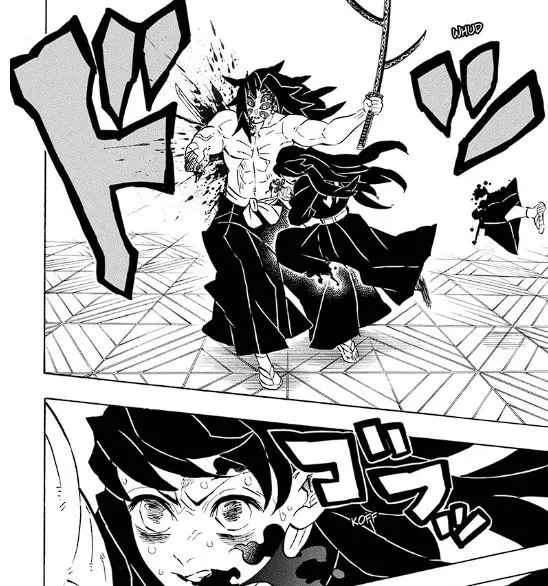
The four fighters going up against him — the Stone Hashira Gyomei Himejima, the Wind Hashira Sanemi Shinazugawa, the Mist Hashira Muichiro Tokito, and Genya Shinazugawa (Sanemi’s younger brother, who uses a gun and demonic powers from consuming demon flesh) — are the strongest available. It still nearly isn’t enough.
Kokushibo fights using Moon Breathing — a derivative of Sun Breathing that he developed over his centuries as a demon. His techniques are relentless, each strike creating crescent blades of demon slayer mark energy that tear through everything. The fight demands that every single fighter push past their absolute limits. Muichiro — who had already activated his Demon Slayer Mark — gets bisected. Genya gets bisected. These characters do not have the regeneration of demons. Their survival is not guaranteed.
What ultimately breaks Kokushibo isn’t just power — it’s the moment he looks at Muichiro, who carries his bloodline, and realizes that despite everything, despite 400 years of demon power and ambition, his legacy is being used to kill him. He begins to lose his sense of self. His body rebels. For all the incredible best anime fight choreography that ufotable will bring to this in film form, the emotional core is a demon destroyed by regret.
Not everyone survives this fight. We’ll get to that.
Mitsuri and Obanai vs Nakime — Cutting the Castle’s Heart Out
While the other fights rage across the Infinity Castle arc, Mitsuri Kanroji (the Love Hashira) and Obanai Iguro (the Serpent Hashira) take on Nakime herself. The logic is sound: if you can kill or disable Nakime, the castle stops shifting. The Demon Slayer Corps can regroup. The battlefield stops working against them.
This fight has a wrinkle. Before Mitsuri and Obanai can finish Nakime, Muzan takes direct control of her — puppeteering her body to continue fighting while removing her autonomy entirely. When Muzan decides Nakime is no longer useful, he destroys her himself rather than risk her falling. The castle begins to collapse. The fight transitions into the final phase of the Infinity Castle arc — the battle against Muzan under an open, pre-dawn sky.
Every Hashira Death in the Demon Slayer Infinity Castle Arc
This is the part that broke the fandom. The Infinity Castle arc does not protect its most beloved characters. It never promised to. The Hashira — these extraordinary, larger-than-life figures who’ve been built up across four seasons — are mortal. Several of them prove it here.

Shinobu Kocho goes first, as discussed — consumed by Doma by design. She died as she lived: precise, strategic, and utterly committed to her mission. Her death hits differently because it was chosen. She walked into it with her eyes open.
Muichiro Tokito, the youngest Hashira and one of the most devastatingly talented fighters in the Corps, dies in the fight against Kokushibo. He was fourteen years old. He’d only recently recovered his memories, only recently reconnected with who he was before tragedy stripped that from him. The waste of it — the sheer unnecessary waste — is part of what makes his death so gutting. You spend the Kokushibo fight willing him to survive, and the manga (and soon the films) doesn’t flinch.
Genya Shinazugawa dies in the same fight. Genya is a fascinating character in the broader story of the Infinity Castle arc because he was never a Hashira — he used demon flesh and a gun instead of breathing techniques, a workaround born from his inability to use breathing forms. He spent most of the series trying to earn back his brother Sanemi’s forgiveness after a catastrophic misunderstanding years ago. He gets that reconciliation, finally, in his final moments. Sanemi — brutal, screaming, impossible to reach — breaks apart completely. It’s one of the most devastating emotional beats in the arc.
Gyomei Himejima, the Stone Hashira, the physically strongest Hashira alive, also does not survive. Gyomei was a blind monk before joining the Corps. He’s spent the entire series as a near-mythic figure of power and quiet faith. He dies having given everything. In the Stone Hashira’s final moments, Gyomei sees visions of the children he once protected. Even at the end, his thoughts are for others. It’s the kind of death that makes you sit in silence for a while.
And then there are the deaths that come in the final battle against Muzan — but we’ll get to those in the next section, because they belong to that chapter of the Infinity Castle arc.
The Final Battle — Defeating Muzan at Dawn
When the Infinity Castle collapses and Muzan Kibutsuji emerges, the Infinity Castle arc enters its final phase. This is no longer a dungeon gauntlet. This is an open-air battle against the progenitor of all demons, the being who has survived for over a thousand years, who killed Tanjiro’s entire family, who represents every evil the series has been building toward.
Muzan in his final form is almost incomprehensibly powerful. He regenerates instantly. He attacks from every angle. He fights the surviving members of the Demon Slayer Corps — battered, exhausted, some missing limbs — through the final hours of the night. The goal is simple and agonizing: keep Muzan alive until sunrise. Sunlight will kill him. All they have to do is not die before the sun comes up.
This is where Tanjiro’s story reaches its most extreme point. During the battle, Muzan — in a last-ditch effort to survive through someone else — injects Tanjiro with his blood. Tanjiro dies. And then he begins to come back. As a demon.
The sequence where Tanjiro is briefly, genuinely a demon is one of the most chilling moments in the entire series. He attacks his friends. He recognizes them and can’t stop. The Sun Breathing techniques that his ancestors developed — which were meant to kill demons — now burn him. If you’ve been following Nezuko’s arc across the whole series, you understand the full horror of what’s happening: Tanjiro is becoming what he swore to fight, echoing his sister’s own transformation in reverse.

What pulls him back is Nezuko. And Kanao. And the collected will of everyone who loved him. The drug Tamayo spent her life developing — the one designed to turn demons back into humans — works on Tanjiro as it worked on Nezuko. He comes back. He comes back to a world where the sun is rising and Muzan is finally, permanently dead.
But the cost. Mitsuri Kanroji and Obanai Iguro both die in the final battle against Muzan. These two had a quiet, yearning love story that ran in the background of the entire series — Obanai, who never felt worthy of Mitsuri, spending his last conscious moments expressing what he’d held back for so long. They die together, essentially. It’s not played for tragedy so much as completion. They got to say what needed saying.
The sunrise kills Muzan. Every demon he created — through direct or indirect lineage — is freed from his curse upon his death. The Demon Slayer Corps has won. The price was extraordinary.
The Movie Trilogy — How ufotable Is Adapting the Infinity Castle Arc
Here’s the part that’s sending the anime community into orbit: ufotable isn’t putting the Infinity Castle arc into a TV season. They’re doing it as a theatrical trilogy. Three films. Cinema screens. The same studio that made the Mugen Train film one of the highest-grossing anime films in history is bringing all of the above to IMAX.
Based on available announcements (you can check MyAnimeList for updates as they drop), the trilogy is structured to cover the full arc across three installments of substantial length. The first film is expected to cover the early infiltration of the Infinity Castle and the initial battles — setting up the Akaza fight and the Shinobu vs Doma confrontation. The second film goes deeper into the Kokushibo fight and the Hashira deaths. The third film covers the collapse of the castle and the final battle against Muzan at dawn.
What does this mean for animation quality? If Mugen Train is the benchmark, the Infinity Castle films are going to be something else entirely. ufotable has only gotten better. Their fluid cut animation, their particle effects, their use of CG that actually integrates with 2D instead of clashing with it — all of that is going to be pushed to its absolute limit by this material. The Kokushibo fight alone, with its Moon Breathing crescent slashes and four-way combat chaos, is going to require the kind of careful sequential animation that a weekly TV episode budget simply cannot support.
The theatrical format also gives ufotable room to breathe emotionally. The Infinity Castle arc’s power isn’t just the action — it’s the pauses. The moments between fights. Shinobu’s certainty before facing Doma. Genya reaching for his brother. Gyomei’s quiet prayers. These moments need space, and cinema gives them that space. For everyone who wants to understand what makes the Demon Slayer Infinity Castle arc so different from a typical shonen climax, the films are going to make that argument better than any summary can.
For those who need a refresher before the films drop, check our complete Demon Slayer watch order so you’re fully caught up on everything that leads into the castle.
Why the Demon Slayer Infinity Castle Arc Hits Differently
Let’s be real: there are a lot of big shonen finales. Some are great. Some drag. Some give you a final boss fight that lasts 40 episodes. The Demon Slayer Infinity Castle arc is different, and it’s worth being specific about why.
First: the pacing is relentless but not exhausting. Because the Infinity Castle arc unfolds simultaneously across multiple battlefields, there’s no artificial padding. You move from Tanjiro vs Akaza to Shinobu vs Doma to the Kokushibo war room without manufactured delays. Every chapter, every scene, advances something. The architecture of the arc — parallel battles converging on a single final enemy — is tighter than most multi-arc finales manage.
Second: the Infinity Castle arc is honest about what winning costs. The Demon Slayer Corps wins. Muzan dies. But the roster of survivors is small and scarred. There’s no resurrection, no magical fix. Characters who die stay dead. The epilogue — set generations later — shows a world where the demons are gone, where the descendants of the surviving characters live peaceful lives, where the sacrifices mattered. It’s bittersweet in the exact right proportion.
Third: this arc pays off every thread the series ever planted. The breathing styles developed over centuries — each one tied to a lineage, a tradition, a human story — become weapons against demons who have existed just as long. Sun Breathing, the original form, comes home in Tanjiro. Kokushibo’s Moon Breathing, a corrupted mirror of Yoriichi’s techniques, gets defeated by the direct descendants of that same tradition. Even the smallest character choices from earlier seasons echo in the Infinity Castle arc. The writing is genuinely disciplined in a way that’s easy to take for granted.
And then there’s the emotional scale of it. Fans who’ve followed Kimetsu no Yaiba since its earliest chapters have spent years loving these characters. The Infinity Castle arc takes that investment seriously. It doesn’t kill characters randomly or for shock value — each death serves the story’s larger argument about mortality, sacrifice, and what it means to fight for something beyond yourself. That’s why the deaths hit as hard as they do. You feel the weight because the series earned it.
The debate will always exist — check out our piece on Demon Slayer vs Jujutsu Kaisen for that ongoing conversation — but the Infinity Castle arc makes the strongest possible case for Demon Slayer as one of the defining shonen of its generation. Not because it’s flashiest (though it is incredibly flashy), but because it sticks the landing emotionally in ways that are genuinely difficult to pull off.
When the films finally hit screens and the entire world watches Shinobu walk into Doma’s arms knowing exactly what she’s doing, or watches Gyomei lift his hands one last time, or watches Tanjiro come back from the edge of demonhood because the people who love him refused to let him go — that’s going to be something. The Infinity Castle arc earned every tear it’s going to get.
Final Thoughts
The Demon Slayer Infinity Castle arc is the rare shonen finale that delivers on four seasons of buildup without compromise. It’s brutal, it’s emotional, it’s visually spectacular in ways that ufotable’s theatrical treatment is only going to amplify. It kills characters you love and doesn’t apologize for it. It answers questions the series has been asking since chapter one. And it ends with something that most action series can’t manage: genuine hope, hard-won and honest.
Whether you’re here because you’ve read the manga and want to process it all over again, or you’re an anime-only fan getting ready for the films, the Infinity Castle arc is worth knowing inside and out. When those cinema lights go down and ufotable’s animation starts rolling, you’re going to want to have all of this in your head — every sacrifice, every strategy, every heartbreaking last word. This is what Kimetsu no Yaiba has been building to. It was worth the wait.
You Might Also Enjoy
- Demon Slayer Breathing Styles Explained — every form broken down
- Hashira Power Rankings — where every Hashira stacks up
- Demon Slayer Watch Order 2026 — get fully caught up before the films
- Tanjiro’s Journey: From Coal Seller to Demon Slayer — the full hero arc
- Best Anime Fight Choreography — where Demon Slayer ranks among the greats