Who Is Natsu Dragneel? Fairy Tail’s Pink-Haired Problem Child
If you’ve spent any time in the shonen anime world, you already know the type: loud, reckless, always hungry, and somehow the most powerful person in any room despite having the emotional depth of a goldfish. But here’s the thing — the Natsu Dragneel character analysis that most people skip past is the one that actually makes him interesting. Because underneath all the screaming, the fire punches, and the legendary motion sickness, Natsu Dragneel is one of the most emotionally honest protagonists in guild anime history. He’s not pretending to be simple. He just genuinely is that guy, and that sincerity is exactly what makes him work.
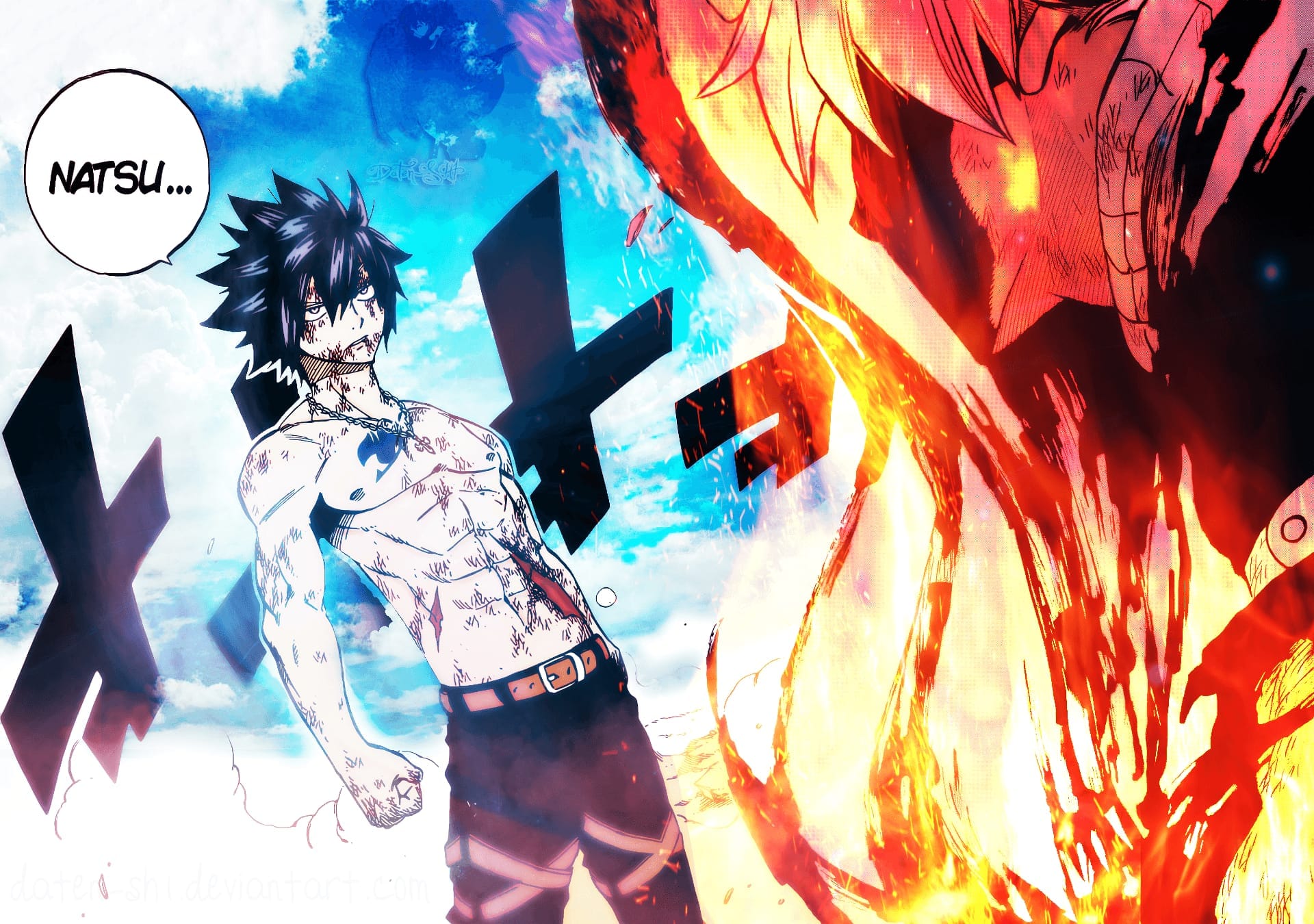
Natsu first appears in Fairy Tail as a Dragon Slayer raised by the fire dragon Igneel, traveling with his flying blue cat Happy in search of his adopted father. He’s a full member of the Fairy Tail guild in Magnolia, and he recruits the celestial wizard Lucy Heartfilia into the guild within the first episode. From there, the story of Fairy Tail is really the story of Natsu dragging his friends into catastrophically dangerous situations — and then punching his way out of them with enough fire to level a city block.
He’s the Fairy Tail protagonist in the most literal sense: the series lives and dies by his energy. When Natsu is fired up, the show crackles. His character isn’t built around mystery or moral ambiguity or a tragic backstory that he broods about — it’s built around presence. Natsu shows up, Natsu cares, Natsu fights. That’s the whole model. And Hiro Mashima, the series’ creator, commits to it completely.
What separates Natsu from a dozen forgettable shonen leads is that his simplicity is a feature, not a bug. He doesn’t strategize. He doesn’t scheme. He doesn’t carry hidden resentments. When Natsu says he’ll protect you, he means it in the most bone-deep, no-asterisks way possible. In a genre that loves to complicate its heroes, Natsu’s uncomplicated loyalty hits like a freight train every single time.
Dragon Slayer Magic: The Science Behind Setting Everything on Fire
Let’s talk about the powers, because the Dragon Slayer magic system in Fairy Tail is genuinely one of the more creative magic frameworks in shonen anime. Dragon Slayers are wizards who were taught their magic directly by dragons — or, in some cases, had it implanted via Dragon Lacrima crystals. The magic essentially turns a human into a pseudo-dragon: they gain the elemental affinity of their dragon parent, can consume their own element to restore strength, and their body physically hardens against that element.

Natsu uses Fire Dragon Slayer Magic, taught by Igneel himself. His attacks have some of the best names in the business. Fire Dragon’s Roar is his signature breath attack — he breathes a massive torrent of fire directly at his enemies, which sounds straightforward until you realize he can lace it with lightning for the Lightning Flame Dragon mode, turning it into something that even other Dragon Slayers can’t casually absorb. Fire Dragon’s Iron Fist is exactly what it sounds like: a fist on fire, delivered at speeds and forces that regularly crater the ground. His Crimson Lotus techniques are the escalation plays, usually reserved for when a fight needs to end immediately and dramatically.
The Dragon Force transformation is where Natsu’s power ceiling starts to look genuinely absurd. In Dragon Force, Natsu’s body becomes covered in small dragon-like scales, his physical capabilities multiply, and his fire magic becomes so dense it starts taking on a darker, almost black coloration. He first achieved this transformation in the Daphne Arc and has accessed it multiple times since — always at moments when the stakes have reached their absolute peak.
What makes the Dragon Slayer magic interesting from a character standpoint is how it ties Natsu physically and emotionally to Igneel. Every time Natsu uses his magic, he’s using a piece of what his father taught him. The fire isn’t just a power source — it’s the inheritance. When Igneel’s fate is revealed later in the series, that connection becomes heartbreaking in retrospect. The fire Natsu throws around with such careless joy was always carrying a weight he didn’t fully understand.
One more detail worth noting: Natsu, like most Dragon Slayers in the series, gets catastrophically motion sick on vehicles. It’s played for laughs constantly, and it works, but it also serves a subtle worldbuilding function — Dragon Slayers exist slightly outside the normal human frame. Their senses are too sharp, their bodies tuned to dragon-scale perception. The motion sickness is the price tag on the upgrade.
The Power of Friendship, Played Completely Straight
Yes, we’re going there. The power of friendship is the thing that shonen anime detractors love to mock, and Fairy Tail is the series that leaned into it hardest. Natsu’s core power-up mechanic is, without irony or subversion, that he gets stronger when his friends are in danger or have been hurt. This is not hidden. Mashima doesn’t dress it up. The show announces it plainly, repeatedly, and with full emotional commitment.
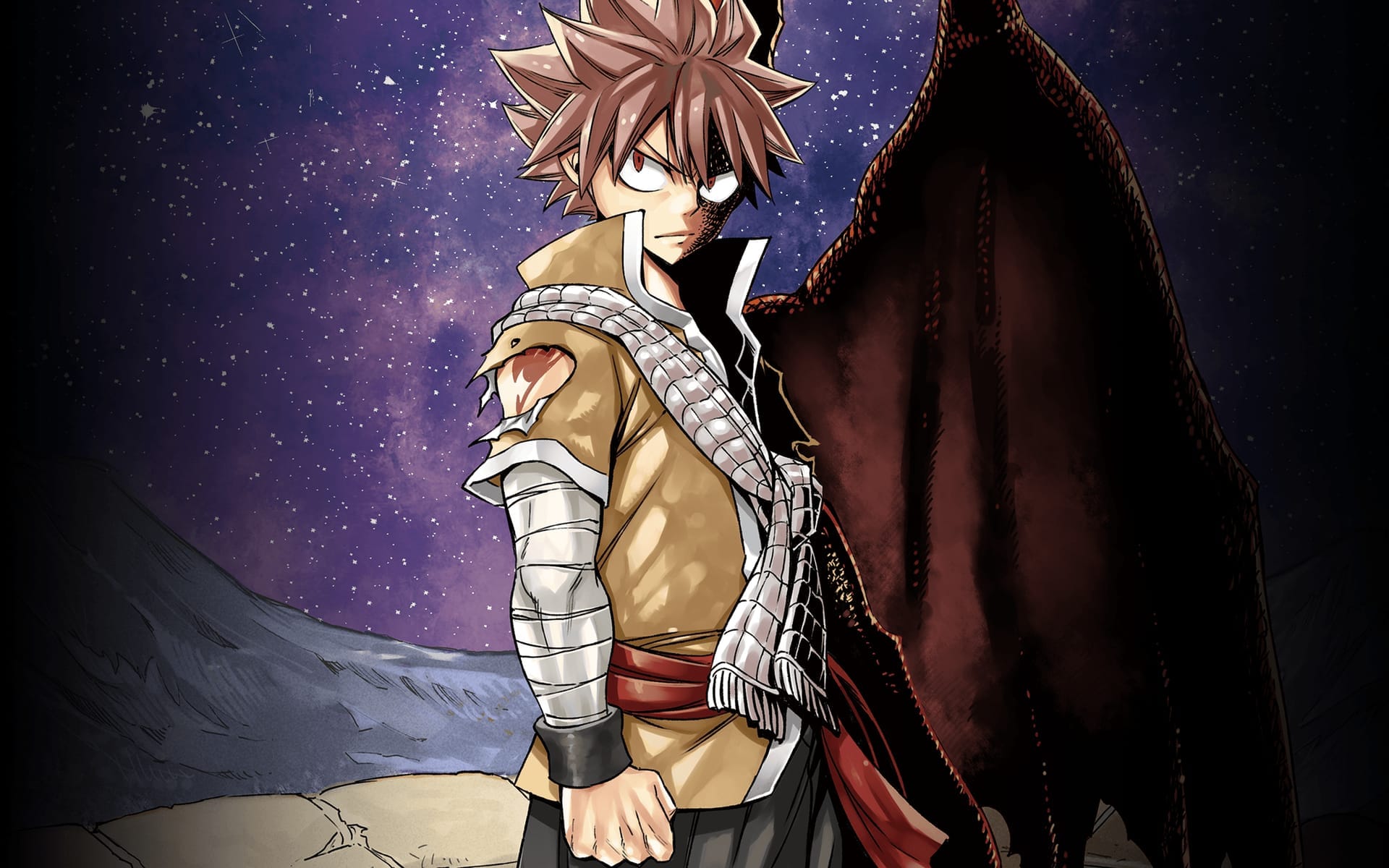
Here’s why it works anyway: because Natsu actually earns it. He doesn’t just receive strength from friendship as a passive resource. He builds those friendships actively, constantly, through actions rather than speeches. Natsu is the guy who remembers the small things. He’s the one who shows up when people are at their lowest. He fought Gajeel before they were allies and gave him a genuine rivalry based on mutual respect. He pushed Sting and Rogue — the next generation of Dragon Slayers — to grow beyond their worship of him. He treated Jellal with something approaching understanding even after everything Jellal had done.
The friendship theme in Fairy Tail is so sincere that it loops back around to being genuinely moving. The Tenrou Island arc, where the guild is wiped from existence and Natsu and friends spend seven years frozen in time, works emotionally because we’ve watched Natsu build those bonds over hundreds of episodes. When he wakes up and realizes what happened — that Lucy’s father died while she waited for him to come back, that the guild nearly fell apart — his rage isn’t powered by plot mechanics. It’s powered by the actual weight of those relationships.
The guild anime format gives Fairy Tail something that solo-protagonist shonen stories can’t quite achieve: a genuine ensemble where everyone matters. And Natsu is the center of gravity for all of it. His loyalty radiates outward and pulls people into his orbit. That’s not a simple character trait. That’s a gravitational field.
Natsu’s Best Fights: A Study in Emotional Stakes Over Tactical Brilliance
Natsu doesn’t win fights because he’s smart. He wins fights because he refuses to lose them. That distinction matters enormously when ranking his best battles, because the ones that hit hardest aren’t the ones with the flashiest animation — they’re the ones where the emotional weight is highest.
Natsu vs. Jellal (Tower of Heaven Arc) — This fight establishes the template. Natsu is completely outclassed. Jellal is faster, more precise, more powerful in every measurable way. Natsu gets back up anyway. He eats Etherion — a magical nuke — mid-fight to refuel, and then he hits Jellal hard enough to send him through the tower. The win is ridiculous. It’s also completely earned, because the entire arc built toward it.
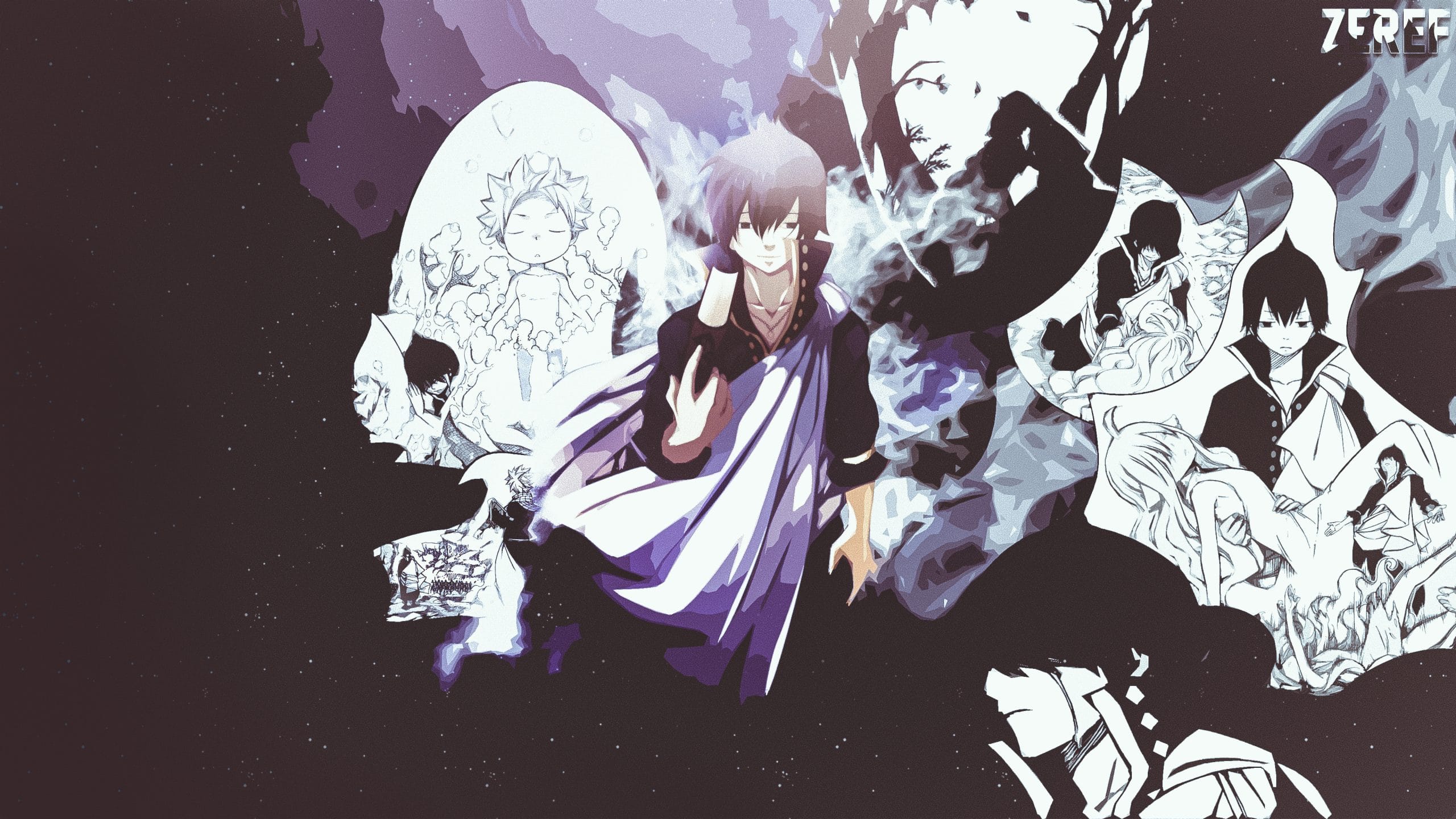
Natsu vs. Zero (Nirvana Arc) — Brain’s true form, Zero, is a genuine monster, and Natsu fights him after being completely drained. The Crimson Lotus: Exploding Flame Blade used to finish this fight remains one of the more visually satisfying moments in the series. It’s straightforward and loud, which is exactly right for that moment.
Natsu vs. Sting and Rogue (Grand Magic Games) — Two Dragon Slayers, simultaneously, and Natsu beats them while the entire Fairy Tail guild watches. This fight matters less as a technical showcase and more as a statement about what Natsu represents to his guild and to the Dragon Slayer legacy. He doesn’t just beat them — he reminds them what it means to fight for something real.
Natsu vs. Zeref (Alvarez Empire Arc) — The full weight of the E.N.D. reveal lands here. Natsu fights his own brother, who is also the most powerful dark wizard in history, who is also immortal, who is also the person Natsu has been indirectly shaped by his entire life. The emotional complexity of this fight is the most Natsu has ever had to carry, and it’s a testament to how much the character has grown that it doesn’t feel out of place.
Natsu vs. Acnologia (Final Arc) — All Dragon Slayers, together, against the original Dragon King. Natsu’s role in this fight is to be the emotional anchor — the one who refuses to let anyone give up, the one whose fire burns as a signal to everyone else. It’s not a subtle use of the character. But it is a perfect one.
The E.N.D. Reveal: When Natsu Got Complicated
For most of Fairy Tail’s run, Natsu is exactly as uncomplicated as he appears. Then the Alvarez Empire Arc drops the E.N.D. reveal, and suddenly everything about the character has a second layer that was always there, waiting.
E.N.D. stands for Etherious Natsu Dragneel. Natsu is not just a human who was raised by a dragon — he is a demon from the Book of Zeref, the most powerful of the Etherious demons, created by the dark wizard Zeref himself. Zeref is also Natsu’s older brother. Natsu died as a child, and Zeref — consumed by grief and already cursed with immortality — resurrected him as a demon, then entrusted him to Igneel to be raised as a Dragon Slayer.

The revelation recontextualizes essentially everything. The fire that Igneel taught Natsu wasn’t just inheritance — it was literally the tool that could kill the demon Natsu might become. Igneel stayed sealed inside Natsu for years, monitoring the E.N.D. personality to ensure it didn’t emerge. Every friendship Natsu built, every moment of joy and connection, was happening on top of this ticking clock.
What makes this work as a character beat rather than a cheap twist is that Natsu’s response to learning the truth is entirely in character. He doesn’t spiral. He doesn’t become brooding or self-destructive. He gets briefly shaken — which is one of the only times in the series you see genuine fear on his face — and then he decides it doesn’t change anything. He’s still Natsu. He’s still going to protect his guild. The demon inside him doesn’t define him because he already knows who he is.
That confidence isn’t arrogance. It’s the result of years of living exactly as he is, building exactly those bonds. By the time the reveal lands, Natsu has earned the right to shrug off an existential crisis. His identity isn’t fragile because he never built it on a lie.
Why Fans Love Natsu Despite — or Because of — His Simplicity
The criticism of Natsu Dragneel is easy to make and not entirely wrong. He’s not complex. He doesn’t grow in the traditional sense — he doesn’t start the series with a flaw that he systematically overcomes through learned wisdom. He’s loud, he breaks things, and his power-ups can feel convenient. If you’re looking for the kind of protagonist who changes meaningfully over 300+ episodes, Natsu might frustrate you.
But that framing misunderstands what Natsu is for. He’s not a protagonist designed to demonstrate change — he’s designed to demonstrate constancy. In a shonen genre where “getting stronger” is the primary character metric, Natsu is a protagonist whose core argument is that who you are matters more than how powerful you become. His values don’t shift based on the arc. His commitment to his guild doesn’t fluctuate based on circumstances. His willingness to go all-in for people he loves doesn’t have terms and conditions.
That consistency is actually rare. And in a long-running guild anime where the world changes dramatically and the stakes escalate to reality-threatening levels, having that fixed point is comforting in a way that’s easy to undervalue. Natsu is the guarantee that certain things won’t change. That the guild will be there. That someone will show up swinging.
There’s also something to be said for how Mashima deploys Natsu’s emotional moments. Because Natsu is so reliably upbeat and loud, the moments when he goes quiet carry enormous weight. When he cries, it matters. When he’s scared, it registers. The character’s usual energy makes the exceptions hit much harder than they would for a protagonist who wears their feelings on their sleeve constantly.
Fans don’t love Natsu despite his simplicity. They love him because his simplicity is a form of integrity.
Natsu vs. Other Shonen MCs: Where Does He Actually Rank?
The big four comparisons are unavoidable. Naruto Uzumaki, Monkey D. Luffy, Ichigo Kurosaki, Goku — every shonen protagonist gets measured against these standards eventually. Where does Natsu fit?
The closest comparison is Luffy. Both are cheerful, physically powerful, intensely loyal, and not particularly strategic. Both lead large ensembles and inspire loyalty through action rather than inspiration speeches. The difference is in the emotional register: Luffy has a freedom theme that gives his actions philosophical weight, while Natsu’s theme is family and belonging, which roots him more tightly to the guild. Luffy wants to be free. Natsu wants to go home.
Against Naruto, the contrast is sharpest. Naruto is defined by his growth — the entire series is a bildungsroman about a lonely child finding his place in the world. Natsu never felt that particular loneliness. He had Igneel, then he had the guild, and his security in those relationships is total. Where Naruto earns recognition through perseverance and pain, Natsu earns it through presence and loyalty. Different engine, different destination.
Against Ichigo, Natsu looks almost uncomplicated by comparison. Ichigo spends most of Bleach in an identity crisis of one form or another — human, Soul Reaper, Hollow, Quincy, whatever comes next. Natsu’s E.N.D. reveal could have sent him down that same path and deliberately doesn’t. Mashima makes the explicit narrative choice to have Natsu refuse the identity crisis because his sense of self is already settled.
What Natsu offers that distinguishes him from most shonen MCs is the combination of emotional transparency and emotional weight. He’s not hiding anything — not from himself, not from his friends, not from the audience. And in a genre that often uses mystery and complexity as its primary tools for protagonist depth, that openness is genuinely distinctive. You always know exactly where Natsu stands. That’s harder to write well than it looks.
At the end of a Natsu Dragneel character analysis, what you’re left with is a protagonist who functions as a kind of promise. That fire doesn’t go out. That the guild endures. That showing up and caring, without calculation or reservation, is enough. In the world of shonen anime — and honestly, in general — that’s a promise worth keeping.
You Might Also Enjoy
- Gray Fullbuster Character Analysis: The Ice Devil Slayer Who Grew Up the Hard Way
- Erza Scarlet: Why Fairy Tail’s Titania Is the Best-Written Character in the Guild
- Dragon Slayer Magic Explained: Every Type, Every User, Ranked
- Fairy Tail vs. One Piece: Which Guild Anime Actually Handles Friendship Better?
- Top 10 Shonen Protagonists Who Don’t Need a Tragic Backstory to Be Compelling