The Arc Fans Have Been Screaming About Since 2000
Twenty years. That’s how long the One Piece community has been waiting for the One Piece Elbaf Arc. Twenty years of fan theories, of re-reading the Little Garden arc hoping for crumbs, of rewatching Dorry and Brogy argue about who won their duel and quietly tearing up about it. The One Piece Elbaf Arc isn’t just another story beat — it’s a promise that Eiichiro Oda made back when most of us were still in grade school, and he’s finally cashing it in.
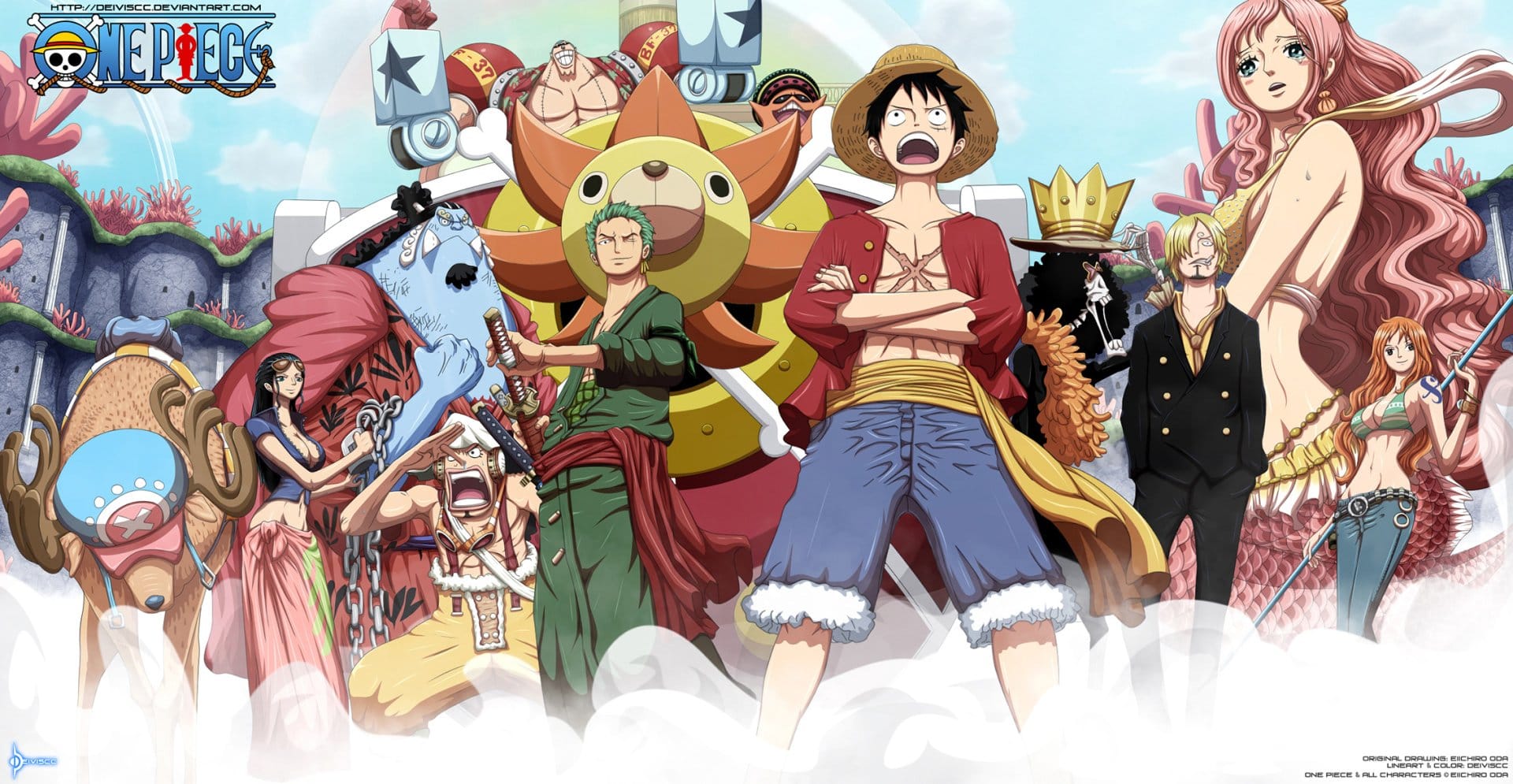
If you’ve been watching One Piece for any meaningful stretch of time, you already feel the weight of this. Elbaf is the homeland of the Giants — a warrior nation built on honor, strength, and Viking tradition. It’s where Dorry and Brogy are from. It’s where Usopp’s entire character arc has been building toward since he first told those ridiculous lies on Syrup Village. It’s connected to Shanks, to the Red Hair Pirates, to the endgame mythology Oda has been quietly constructing for over two decades. The One Piece Elbaf Arc isn’t just a new island — it’s the culmination of threads that have been woven through this story since the very early chapters.
This guide breaks down everything you need to know before and during the One Piece Elbaf Arc — the lore, the characters, the manga trajectory, what Toei Animation is doing with the anime adaptation, where to watch, and why this arc hits different from everything that came before it. Buckle up.
What Is Elbaf? The Lore Behind the Island
Elbaf is the kingdom of the Giants — a legendary island nation in the New World that functions as the spiritual and cultural homeland of every giant-race character we’ve met in One Piece. Think of it as Asgard filtered through a Norse Viking lens. The giants of Elbaf are warriors above all else. They live by a code of honor so rigid that two of their greatest warriors, Dorry and Brogy, spent over a hundred years fighting each other on Little Garden because they couldn’t agree on whose barrel of fish soup spilled first. That’s not a joke. That’s Elbaf culture.
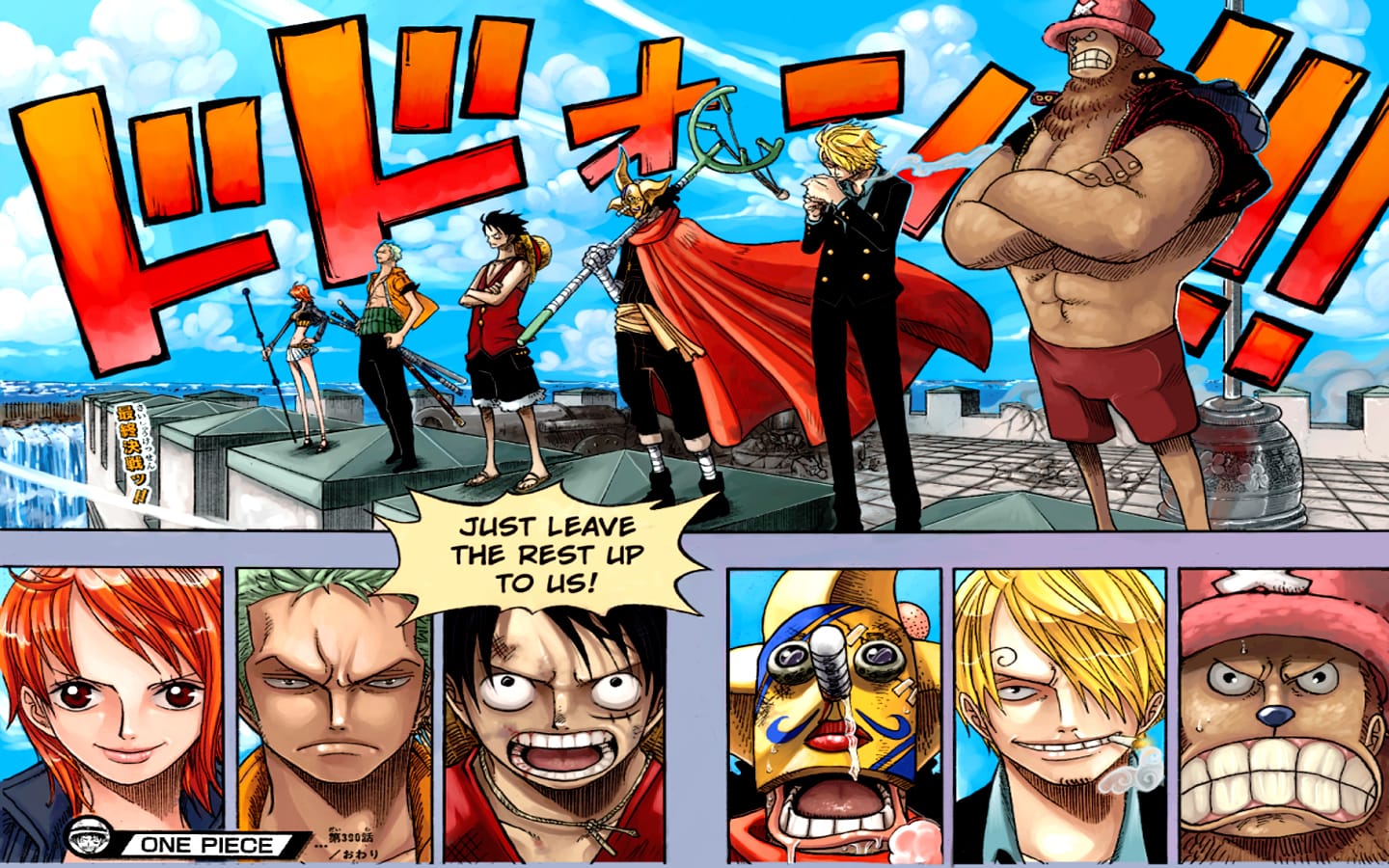
The One Piece Elbaf Arc finally takes the Straw Hat Pirates to this island, and the implications for the overall story are massive. Elbaf has been name-dropped constantly throughout One Piece. The giants at Enies Lobby — Oimo and Kashii — were searching for Dorry and Brogy, who they believed had been captured by the World Government. Captain John’s bar in Impel Down was modeled on Elbaf aesthetics. The giant warrior Hajrudin, who became part of the Straw Hat Grand Fleet after Dressrosa, explicitly said his goal was to become king of Elbaf. Every trail of breadcrumbs leads here.
What makes the One Piece Elbaf Arc so loaded is that Oda didn’t just build it up through random foreshadowing. He built it through emotional investment. When you watch Dorry and Brogy break down crying after Luffy defeats Crocodile in Alabasta — an enemy who had trapped them in a 100-year lie — you feel why Elbaf matters. These aren’t background characters. They’re the soul of what the Giants represent in this world.
Elbaf’s Viking warrior culture draws heavily from actual Norse mythology. Giant longships, Valkyrie-style warriors, a connection to gods and mythological figures — the One Piece Elbaf Arc is Oda’s opportunity to go full Norse epic with his most ambitious world-building to date. The island is massive in literal scale (imagine a city designed for people who are 60-100 feet tall) and massive in narrative significance. This isn’t Thriller Bark or Punk Hazard. Elbaf has been built up as a flagship destination since chapter 116.
Usopp’s Destiny: The Warrior of the Sea
If you want to understand why the One Piece Elbaf Arc hits the fanbase so hard emotionally, look no further than Usopp. The sniper of the Straw Hat Pirates has had one of the most deliberate character arcs in all of shonen manga, and it’s been pointing at Elbaf like a compass needle from day one. As far back as the Little Garden arc, Usopp made a promise to Dorry and Brogy — he’d come to Elbaf someday. For a crew where most promises are made and fulfilled within a few arcs, Usopp’s Elbaf promise has been sitting unfulfilled for the entire run of the series.
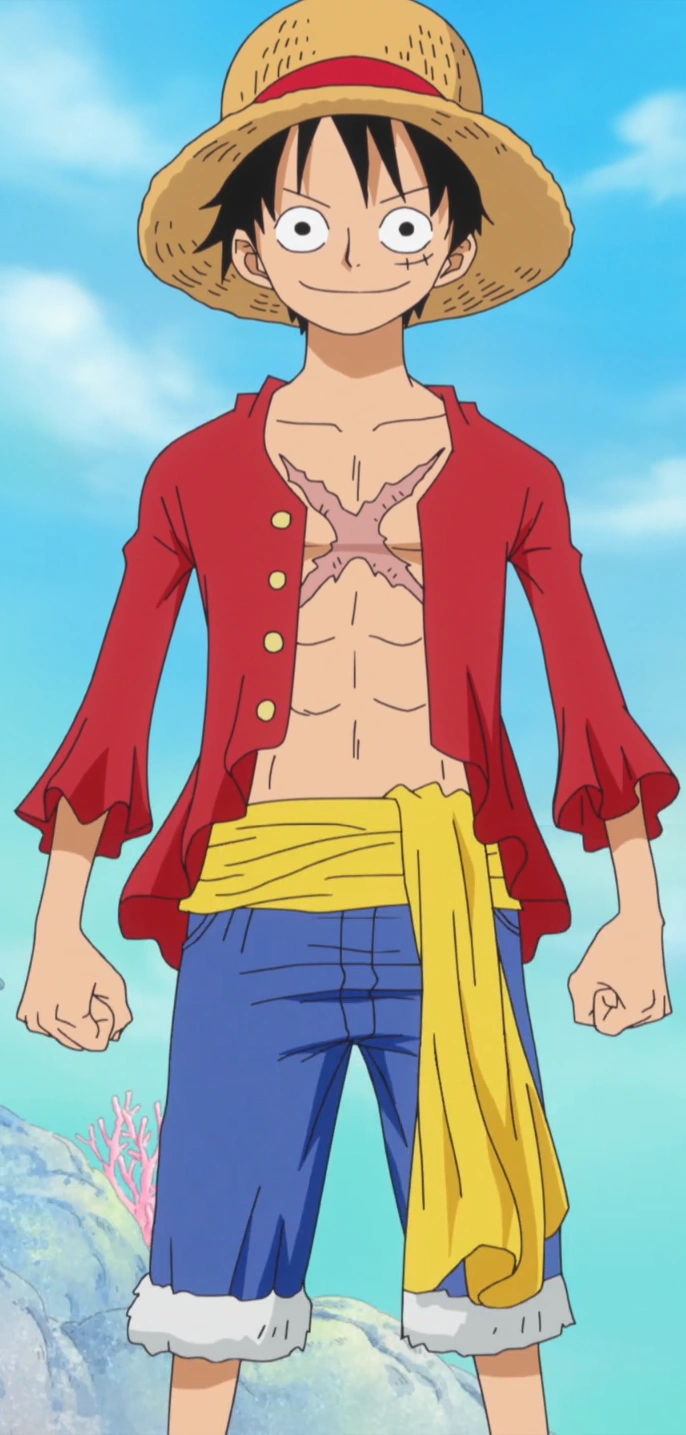
Usopp’s whole deal is the gap between who he is and who he claims to be. He lies about being a great warrior. He pretends to be brave when he’s terrified. He invents a hero alter-ego (Sogeking) because he can’t own his own greatness yet. But here’s what Oda has been doing for two decades: every arc, Usopp takes a step toward actually becoming the figure he used to lie about being. By Dressrosa, he’s God Usopp to an entire island of dwarves. His Observation Haki activates at exactly the right moment to save Luffy. He IS the hero — he just doesn’t know it yet.
The One Piece Elbaf Arc is where that story closes the loop. The Giants of Elbaf respect strength and courage above everything. For Usopp — the physically weakest member of the Straw Hats by raw power — to earn the respect of Elbaf’s warrior culture would be the most complete character arc in the entire series. Fans have theorized for years that Usopp will become something like the “King of the Snipers” at Elbaf, a title held by legendary marksmen in the giant nation. Whether that happens or not, the One Piece Elbaf Arc is absolutely Usopp’s moment. Oda didn’t build this character for 25 years to give him a footnote.
There’s also the matter of Usopp’s father, Yasopp — the sniper of the Red Hair Pirates and arguably the greatest marksman alive in the One Piece world. If Shanks and the Red Hair Pirates play a significant role in the One Piece Elbaf Arc (more on that shortly), a Yasopp-Usopp reunion is practically confirmed at this point. That meeting alone would be one of the most emotional scenes in the entire series. Father and son, both legendary snipers, reuniting at the island of warriors. Oda has been building to this for 25 years. The One Piece Elbaf Arc is where it pays off.
Luffy Post-Gear 5: A Different Kind of Captain
The One Piece Elbaf Arc is the first major arc where we see Monkey D. Luffy fully operating in the post-Gear 5, post-Yonko paradigm. After the events of Wano, Luffy isn’t just powerful — he’s a different entity. The reveal of Nika, the Sun God, and the true nature of the Gomu Gomu no Mi didn’t just power up Luffy. It recontextualized everything about him. His rubber body isn’t a Devil Fruit quirk. It’s an expression of will — the will of a freedom-loving deity who brings laughter and liberation to the oppressed.
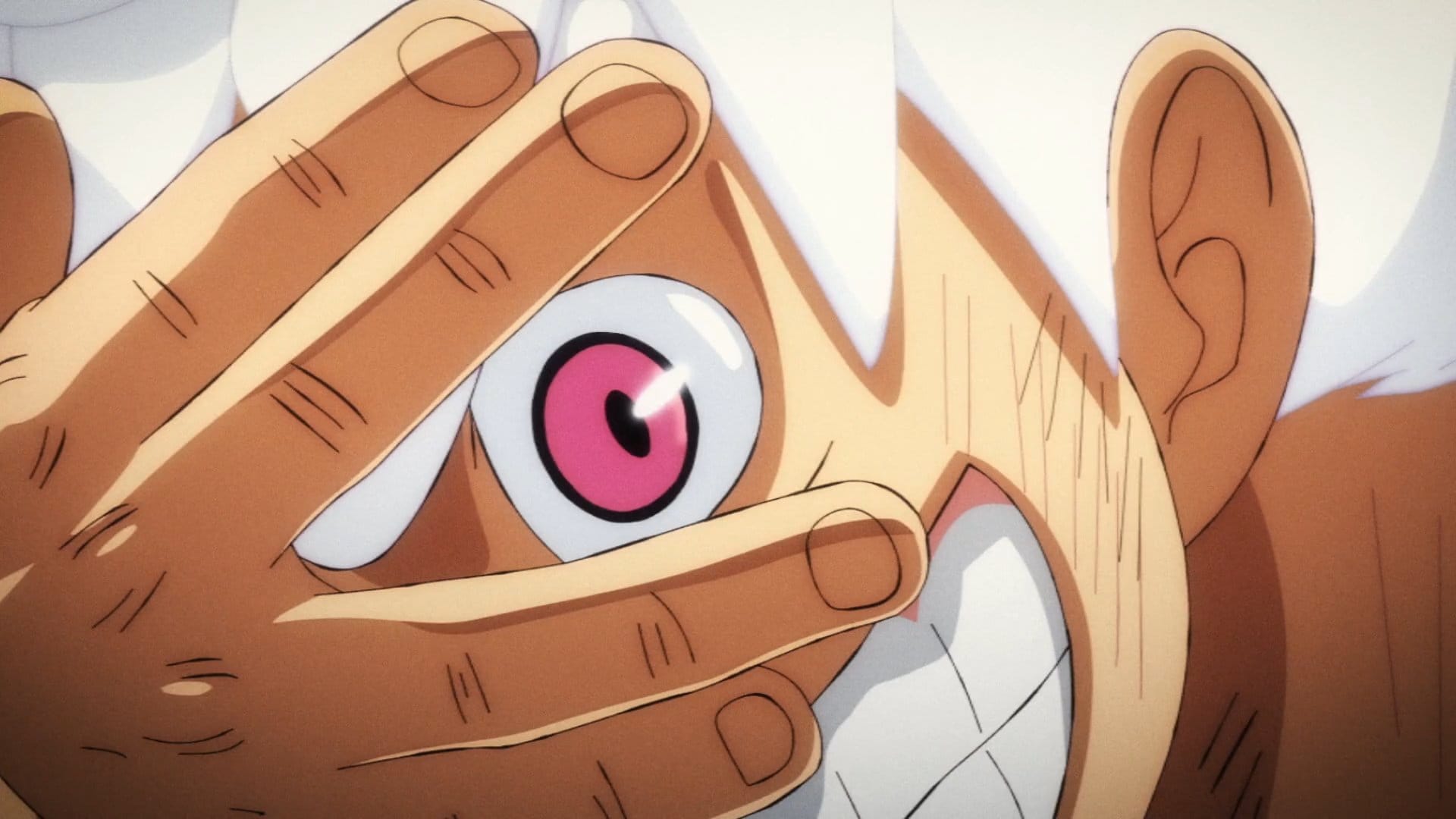
What does that mean for the One Piece Elbaf Arc specifically? It means Luffy is walking into a warrior nation of giants as a figure whose mythology arguably rivals theirs. The Giants of Elbaf believe in legendary heroes. They respect power but they also respect spirit and freedom — the same things Nika embodies. There’s a version of the One Piece Elbaf Arc where the Giants immediately recognize something ancient and mythological in Luffy, the way Dorry and Brogy immediately respected the Straw Hats’ spirit back on Little Garden.
Gear 5 in combat at Elbaf is also going to be something else entirely. The Elbaf arc in the manga features some of the most visually ambitious fight sequences Oda has drawn in years, and the prospect of Toei Animation rendering Gear 5’s cartoon-logic physics against opponents at Elbaf’s scale is genuinely exciting. The animation team already showed what they could do with Gear 5 in the Luffy vs. Kaidou fight, and that set a new bar for the entire industry. The One Piece Elbaf Arc gives them another chance to blow that bar into the stratosphere.
Post-Wano Luffy also carries a different emotional weight. He knows Joy Boy’s legacy now. He knows what he is and what he’s supposed to mean to the world. The levity is still there — it’ll always be there, that’s who Luffy is — but there’s a foundation of mythological destiny underneath it now that makes every victory feel like it echoes through history. The One Piece Elbaf Arc is the first arc where that fully-realized Luffy is the protagonist, and it’s going to be something to watch.
Shanks and the Red Hair Pirates: The Elephant in the Room
You can’t talk about the One Piece Elbaf Arc without talking about Shanks. This is the moment many fans believe we’ll finally get a proper reckoning with the most mysterious of the Four Emperors — the man who handed Luffy his straw hat and set him on his journey 25 years ago in story time, and who has remained deliberately in the background of the narrative while everyone else’s backstory got explored.
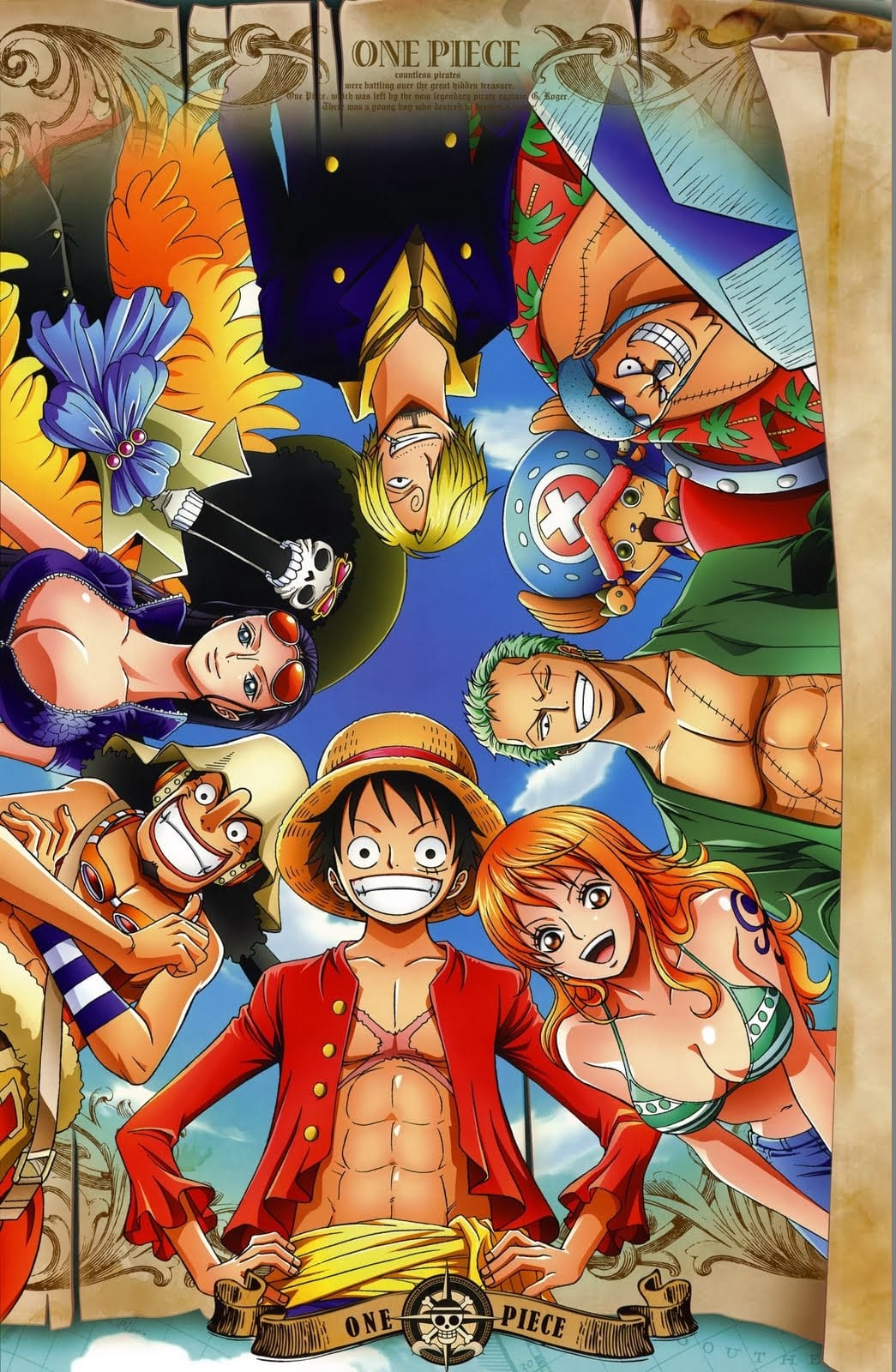
The Shanks-Elbaf connection goes deep in One Piece lore. The Red Hair Pirates have shown up in the vicinity of Elbaf before. More importantly, Oda has been extremely deliberate about keeping Shanks shrouded in mystery — his role in the Celestial Dragon system, his conversation with the Gorosei, his decision to end the Marineford War. None of these have been fully explained. The One Piece Elbaf Arc is widely expected to provide major Shanks backstory and potentially reveal his true allegiances and motivations.
There’s also the Rocks Pirates connection. Shanks was a child on the God Valley island when the Rocks Pirates were destroyed by Roger and Garp — but who was he a child with? Who raised him? These answers are expected to emerge during the One Piece Elbaf Arc, and the implications for the endgame of the series are enormous. If Shanks has ties to Elbaf going back to his origin story, that reframes everything we thought we knew about him.
And then there’s Kid. Eustass Kid and Killer took an absolute beating from Shanks in the manga, and Kid’s ship was seemingly destroyed in the waters near Elbaf. The One Piece Elbaf Arc’s opening in the manga involves the aftermath of that encounter and its ripple effects. The Red Hair Pirates aren’t just hovering at the edges of this arc — they’re central to it in ways that the anime is going to make absolutely explosive.
For a community that’s been asking “when do we learn the truth about Shanks?” for literally two decades, the One Piece Elbaf Arc is the answer. If you have a Marineford arc appreciation for how Shanks operates in the story — appearing at exactly the right moment to change history — the One Piece Elbaf Arc is going to reward that investment in a big way.
The Giants: A Deeper Look at Elbaf’s Warrior Culture
One of the biggest payoffs of the One Piece Elbaf Arc is getting to spend real time with the Giant warrior culture rather than meeting individual giants in isolation. Every giant we’ve met throughout the series — Dorry, Brogy, Oimo, Kashii, Hajrudin, Machvise, the giant Marines — has hinted at a society with incredibly specific values and traditions. The One Piece Elbaf Arc finally lets Oda show us what that society actually looks like from the inside.
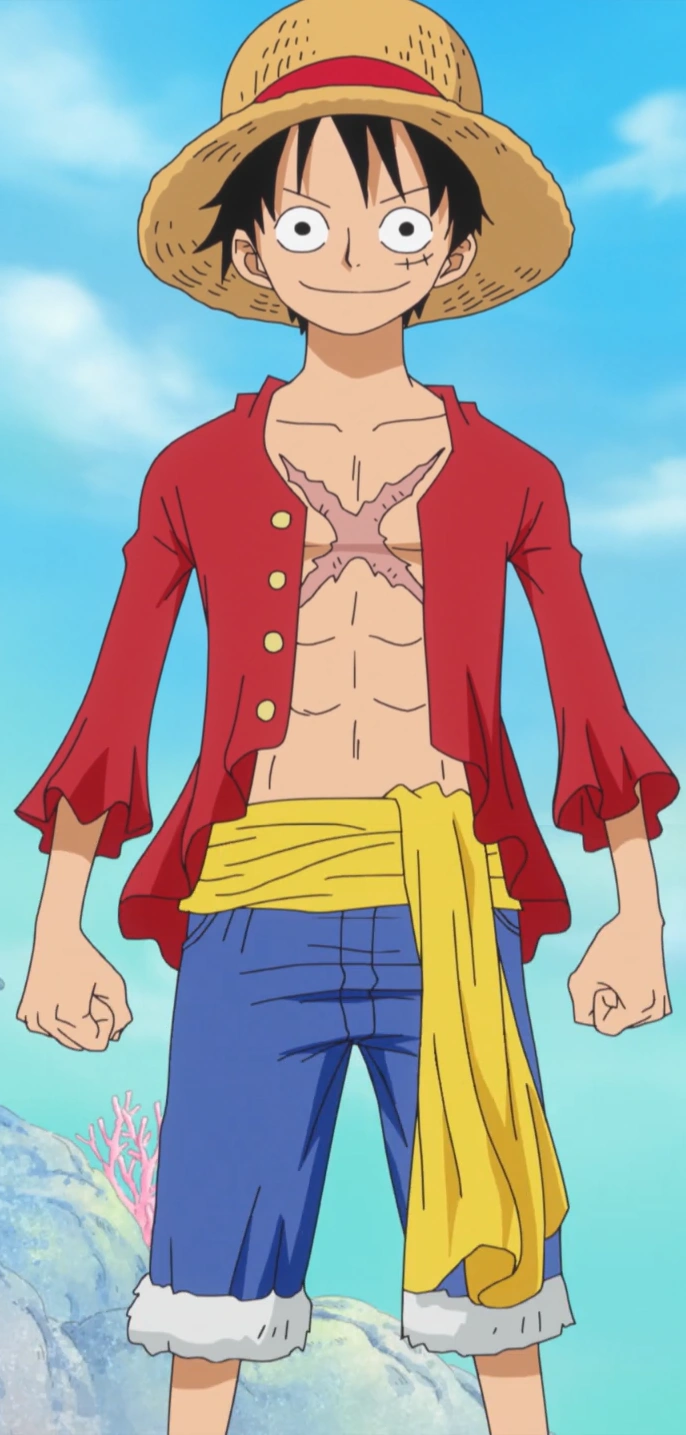
Viking warrior culture in real history was built around concepts of honor in battle, communal feasting, loyalty to one’s chief, and the belief that dying in combat was the most honorable death possible. Oda has clearly done his research and built on these foundations. The Giants of Elbaf have a code of honor so rigid that breaking it — even accidentally — results in consequences that span centuries. That’s not a quirk. That’s a deeply built civilization with its own philosophy.
The One Piece Elbaf Arc introduces us to Elbaf’s leadership structure, its legendary warriors, and its religious or mythological traditions in ways that make the island feel like a real nation rather than just a backdrop for fights. Given how Oda handled Wano’s feudal Japanese culture and Whole Cake Island’s fairy-tale monarchy, the expectation is that Elbaf will be his most fully-realized world-building since Water Seven. The One Piece Elbaf Arc gives the Giant characters the dignity of a home and a history, and that alone makes it worth celebrating.
If you loved the Wano Country arc for how it immersed you in feudal Japanese aesthetics and culture, Elbaf is poised to do the same thing with Norse mythology. The visual design choices, the storytelling traditions, the warrior ethos — the One Piece Elbaf Arc is Oda at his world-building peak.
Manga vs. Anime: Where Is the Story Right Now?
Here’s where things get a little more technical for fans trying to figure out their viewing strategy. As of early 2026, the One Piece Elbaf Arc is well underway in the manga, having begun in the chapters following the conclusion of the Egghead Island arc. The manga version of the One Piece Elbaf Arc has already delivered some jaw-dropping moments — major revelations about Shanks, significant developments for Usopp, and fight sequences that have the community absolutely losing its mind.
The anime, meanwhile, is currently adapting Egghead Island — one of the most lore-dense arcs in the entire series, featuring Dr. Vegapunk, the Seraphim, and revelations about the Void Century that have completely reshuffled the endgame. Toei Animation has been doing exceptional work with Egghead, maintaining strong animation quality and a more controlled pacing than the infamous Dressrosa era. Based on current pacing estimates, most fans expect the One Piece Elbaf Arc to begin in the anime somewhere in mid-to-late 2026, though this is subject to Toei’s scheduling decisions.
This creates a classic dilemma for the community: do you read ahead in the manga and risk spoiling the One Piece Elbaf Arc for yourself before the anime adaptation? Or do you stay anime-only and wait, knowing that the manga readers are going absolutely ballistic every week? There’s no wrong answer. The manga version of the One Piece Elbaf Arc is extraordinary on its own terms. The anime adaptation, when it arrives, will add the dimension of Toei’s production quality — orchestral scoring, voice performances from the legendary cast that has been doing these characters for decades, and the visual spectacle that Gear 5 and large-scale Giant warfare deserve.
For context on how to think about the gap: the Spring 2026 anime season has plenty of incredible shows to fill your queue while you wait for the One Piece Elbaf Arc to arrive in animated form. But if you’ve been avoiding manga spoilers for this long, you already know how to be patient.
Toei Animation and the Production Reality
The question of how Toei Animation will handle the One Piece Elbaf Arc is one that occupies a significant chunk of community discussion, and for good reason. The production quality of One Piece anime has fluctuated wildly over the years. The early 2000s had that charm-over-polish quality. The mid-series had some genuinely rough periods where filler and pacing issues strained the fanbase. But post-Wano, post-Gear 5? Toei has been operating at a different level.
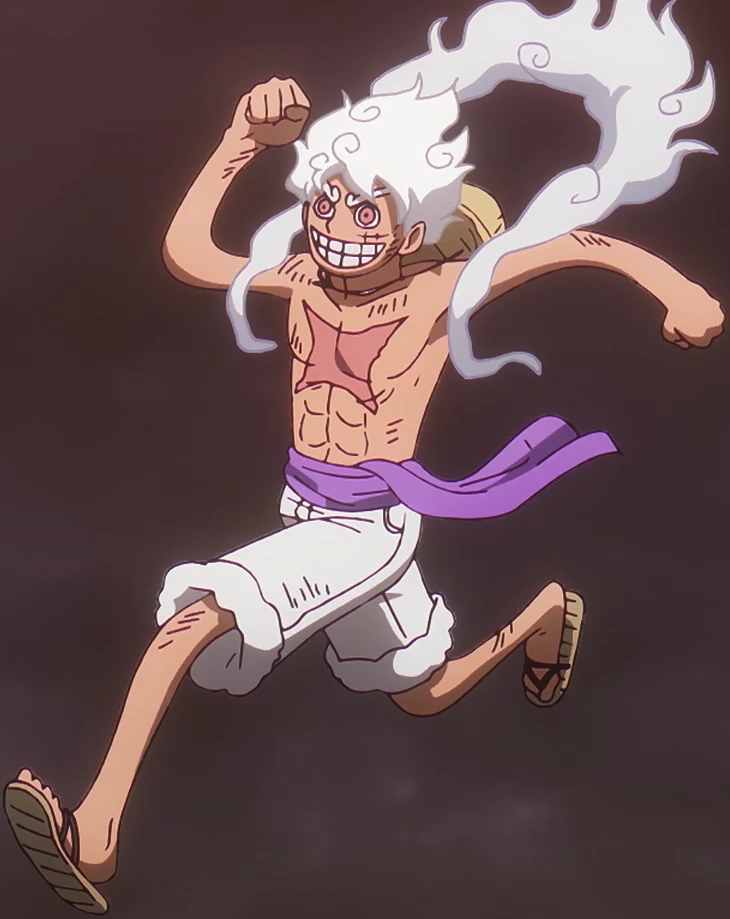
The Wano Country arc’s climactic episodes demonstrated that Toei, when given the budget and the creative latitude, can produce animation that competes with — and in some sequences surpasses — the best theatrical anime releases. Episode 1015’s “Joyboy” sequence and the Gear 5 debut episodes set the internet on fire in a way that pure manga pages never could. Those moments became cultural events. The One Piece Elbaf Arc, with its massive scale, its legendary characters, and its mythological weight, is exactly the kind of material that gives Toei’s animation team room to create more moments like those.
The scale challenge for the One Piece Elbaf Arc is unique: fights between characters who are 60+ feet tall, battles that span geographic features, crowd scenes with hundreds of Giant warriors. This is ambitious even by One Piece standards. But Toei has been building toward exactly this kind of challenge. The studio’s investment in digital tools and their demonstrated ability to handle large-scale battles during Marineford and Wano gives fans reason to be optimistic.
Voice cast performances are also going to be a major factor. Mayumi Tanaka has been voicing Luffy for over 25 years. Kappei Yamaguchi’s Usopp, Kazuya Nakai’s Zoro, Akemi Okamura’s Nami — these are iconic voice performances that have shaped what these characters feel like to multiple generations of fans. The emotional beats of the One Piece Elbaf Arc — particularly anything involving Usopp and the Giants, or Luffy’s interactions with mythologically significant characters — are going to land differently with those voices attached. It’s one of the best arguments for waiting for the anime rather than going manga-only.
The Endgame Connection: Why Elbaf Matters to the Final Saga
Let’s zoom out from the immediate drama of the One Piece Elbaf Arc and talk about what it represents in the context of the Final Saga. Oda confirmed that the story is in its final phase. Every arc from here on out is either resolving major long-running threads or setting up the last confrontation with the World Government and Im-sama. The One Piece Elbaf Arc sits at the intersection of both functions.
The Giant warriors of Elbaf are potential allies for the final war. Giants of their caliber — think Dorry and Brogy, who are considered among the most powerful fighters in their race — would be game-changers in any large-scale conflict. If the One Piece Elbaf Arc ends with Hajrudin as King of Elbaf (as he aspired to be) and the Giants pledging support to Luffy’s cause, that’s a massive addition to the coalition that’s forming against the World Government. The Straw Hat Grand Fleet is already enormous, but adding Elbaf’s warrior nation to that alliance changes the equation entirely.
The One Piece Elbaf Arc also ties directly into the Void Century mythology that has been building steam since Robin first learned to read the Poneglyphs. The Ancient Giants — the beings from before the current age of the world — are connected to Elbaf’s history in ways that Oda has only begun to hint at. If Elbaf holds a Road Poneglyph (which multiple theories suggest is likely), then the One Piece Elbaf Arc is also directly advancing the quest for the One Piece itself. Every time Luffy gets closer to the final destination, the tension ratchets up. The One Piece Elbaf Arc is another step in that direction.
And then there’s the question of what the One Piece actually is. The theories involving Elbaf, the Giants, and Joyboy’s legacy are some of the most compelling in the fandom right now. We’re not going to spoil them here for anime-only fans, but the One Piece Elbaf Arc contains revelations that make the endgame feel genuinely within reach for the first time. This isn’t the middle of the story anymore. This is the beginning of the end.
Where to Watch the One Piece Elbaf Arc
For fans planning to watch the One Piece Elbaf Arc as the anime adaptation rolls out, your main legal streaming options are Crunchyroll and Funimation (which is increasingly integrated with Crunchyroll’s library). Both platforms carry One Piece in simulcast format, meaning new episodes drop within hours of their Japanese broadcast. Crunchyroll has the broader reach globally and typically the most up-to-date subbed episodes.
Netflix carries select One Piece arcs in some regions, but it’s generally not the go-to platform for keeping up with current episodes. The Netflix One Piece library tends to be behind by multiple arcs, which means by the time the One Piece Elbaf Arc reaches Netflix in your region (if it does), you might be waiting a very long time.
For manga readers who want to follow the One Piece Elbaf Arc in its current form right now, the official source is Manga Plus by Shueisha, which offers the three most recent chapters of One Piece for free and carries the full archive for a subscription. Chapters drop on Sundays (Japan time), making it a weekly ritual for dedicated fans.
If you’re new to One Piece entirely and considering jumping in specifically for the One Piece Elbaf Arc — welcome, but you’ve got some homework to do. The arc won’t hit nearly as hard without the context of Little Garden, Enies Lobby, Dressrosa, and Wano. The payoff of the One Piece Elbaf Arc is directly proportional to how much of the journey you’ve taken. That said, starting the series now still gets you to the One Piece Elbaf Arc eventually, and the journey itself is the whole point.
How Does the One Piece Elbaf Arc Compare to the Greatest Arcs in the Series?
This is the question the community has been debating intensely since the One Piece Elbaf Arc started dropping chapters. How does it stack up against Marineford? Against Wano? Against Enies Lobby — still the emotional peak for many longtime fans? The discourse is fierce and that’s exactly what you want from a fandom this size and this invested.
What can be said definitively is that the One Piece Elbaf Arc operates at the same level of narrative ambition as the best arcs in the series. It doesn’t have Marineford’s war-epic scale in terms of pure combatant count, but it has something Marineford didn’t — resolution. Years of setup get paid off in the One Piece Elbaf Arc in ways that feel earned rather than forced. When certain characters finally get their moment, you feel the weight of every chapter that built to it.
The One Piece Elbaf Arc also features some of the best writing Oda has done for his side characters in years. It’s easy to focus on Luffy, Zoro, and the big-ticket power characters, but the One Piece Elbaf Arc rewards the fans who cared about everyone — about the minor characters, the supporting figures, the callbacks to arcs from a decade or more ago. Oda is writing like a man who knows he’s in the final chapters and wants to honor every thread he ever started.
For a benchmark on what “all-time great arc” looks like in this series, our deep-dives on the Marineford War and the Wano Country arc lay out the framework. The One Piece Elbaf Arc is a worthy successor to both — and in some respects, for Usopp fans especially, it surpasses them.
The fight sequences, meanwhile, are some of the most creative Oda has designed in the post-Timeskip era. Power scaling has gotten complicated in One Piece’s endgame, but the One Piece Elbaf Arc finds ways to make fights feel genuinely dangerous and emotionally resonant rather than just a parade of new techniques. If you want to see how great action storytelling in manga looks, the fights of Elbaf are going to be cited for years.
The 20-Year Wait Is Worth It
Here’s the bottom line on the One Piece Elbaf Arc: Oda delivers. He has always delivered when the payoff was this long in the making. Enies Lobby. Marineford. Dressrosa’s Usopp moment. Whole Cake Island’s Sanji arc — and if you want a reminder of how Oda handles emotionally loaded arcs for non-combat characters, our Whole Cake Island breakdown covers exactly why Sanji’s arc hit so hard. The One Piece Elbaf Arc follows that playbook.
The One Piece Elbaf Arc is built for the fans who have been there since the beginning. The ones who cried when Dorry and Brogy finally got to go home. The ones who believed in Usopp when he was still lying about his ten thousand men. The ones who always suspected there was something ancient and mythological about Shanks. The One Piece Elbaf Arc is for you, specifically. It was built with that level of care.
Will it be the greatest arc in One Piece history when the anime fully adapts it? That’s a conversation we’ll be having on this site for years. But what’s already clear from the manga is that the One Piece Elbaf Arc is exceptional — emotionally rich, thematically complete, visually ambitious, and impossible to experience without feeling the full weight of two decades of setup paying off all at once.
Keep your eyes on Toei Animation’s production announcements. Watch the Egghead arc with the knowledge that Elbaf is coming. Re-read Little Garden if you haven’t recently. And prepare yourself, because when the One Piece Elbaf Arc finally hits your screen in animated form, you’re going to need a moment afterward.
This is what we’ve been waiting for.