
Zenitsu Agatsuma should be unwatchable—a coward who screams constantly, chases women inappropriately, and seems incapable of basic courage. Yet he’s become Demon Slayer’s breakout character, beloved specifically for the qualities that should make him annoying. Here’s how the unlikely hero works and why his design is secretly brilliant.
The Coward’s Truth

Zenitsu isn’t pretending to be afraid—he’s genuinely terrified of everything. His screaming reflects real panic attacks rather than performed comedy. His desire to flee represents authentic self-preservation instinct that most people would share facing demons. He’s the realistic response to supernatural horror that shonen protagonists typically suppress.
This realism creates relatability. Tanjiro’s courage is admirable but alien—most people wouldn’t face demons with determination. Inosuke’s aggression is entertaining but unrelatable—most people wouldn’t challenge death for fun. Zenitsu’s fear is recognizable; viewers see themselves in his panic before seeing themselves in anyone else.
His cowardice also highlights genuine courage when it appears. Zenitsu protecting Nezuko’s box despite terror, Zenitsu standing against upper moons while wanting to run—these moments hit harder because we know his fear is real. Courage isn’t absence of fear but action despite it; Zenitsu demonstrates this principle perfectly.
Thunder Breathing: One Perfect Technique
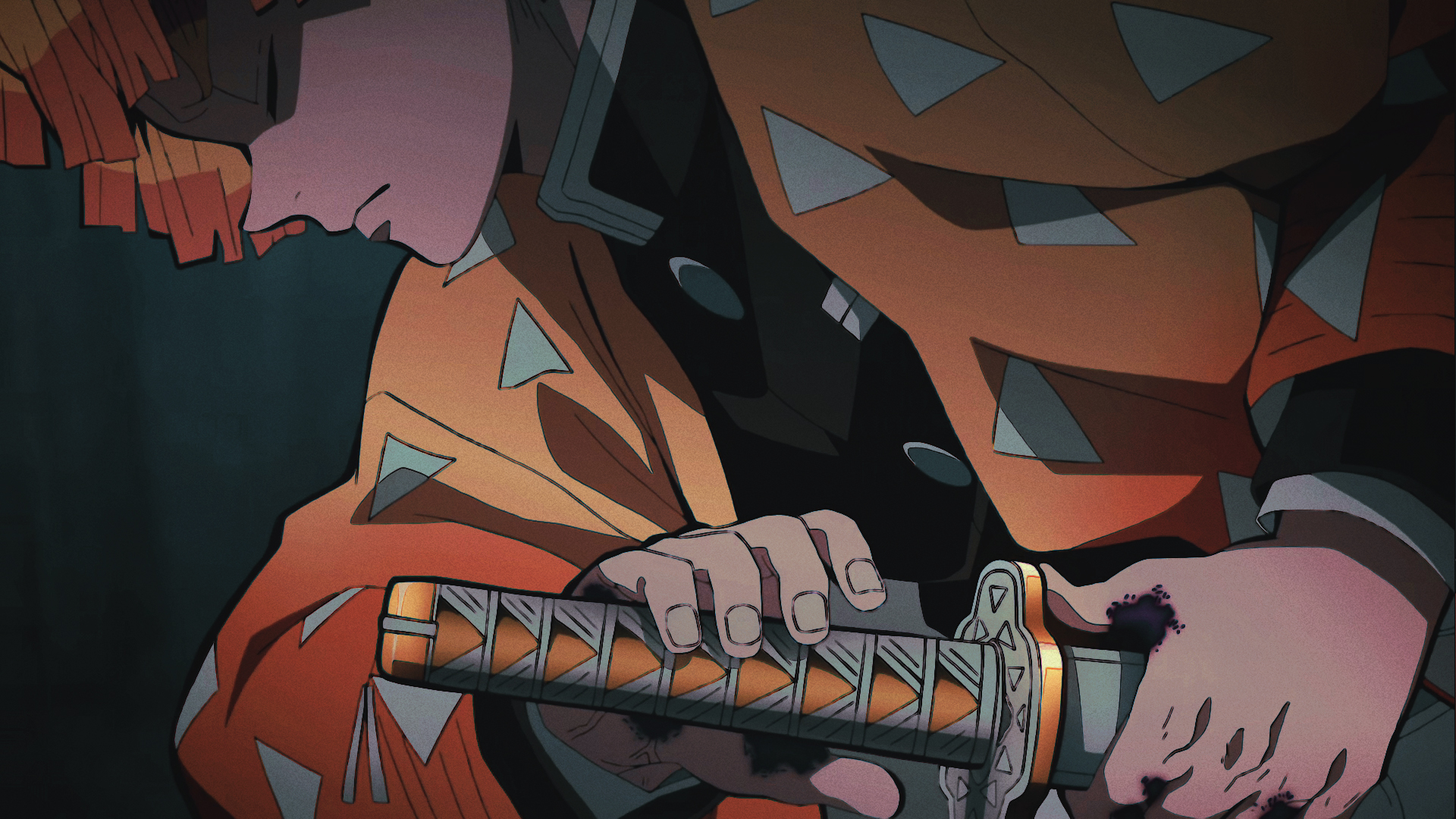
Zenitsu knows only one technique: Thunderclap and Flash, the first form of Thunder Breathing. His master expelled him after years of training produced only this single ability. But Zenitsu has refined this one technique to perfection, achieving speeds that match or exceed higher-form practitioners.
This limitation becomes strength through specialization. Rather than mediocre competence across multiple forms, Zenitsu possesses complete mastery of one. His Thunderclap and Flash variations—Sixfold, Eightfold, Godspeed—demonstrate how deeply he understands the fundamental technique even if he can’t replicate others.
The philosophy resonates: excellence in one thing matters more than adequacy in many. Zenitsu’s limitation forced focus that created exceptional capability. His shame about knowing only one form contrasts with demonstrated power—the gap between self-perception and reality adds character depth.
The Sleeping State: Authentic Self
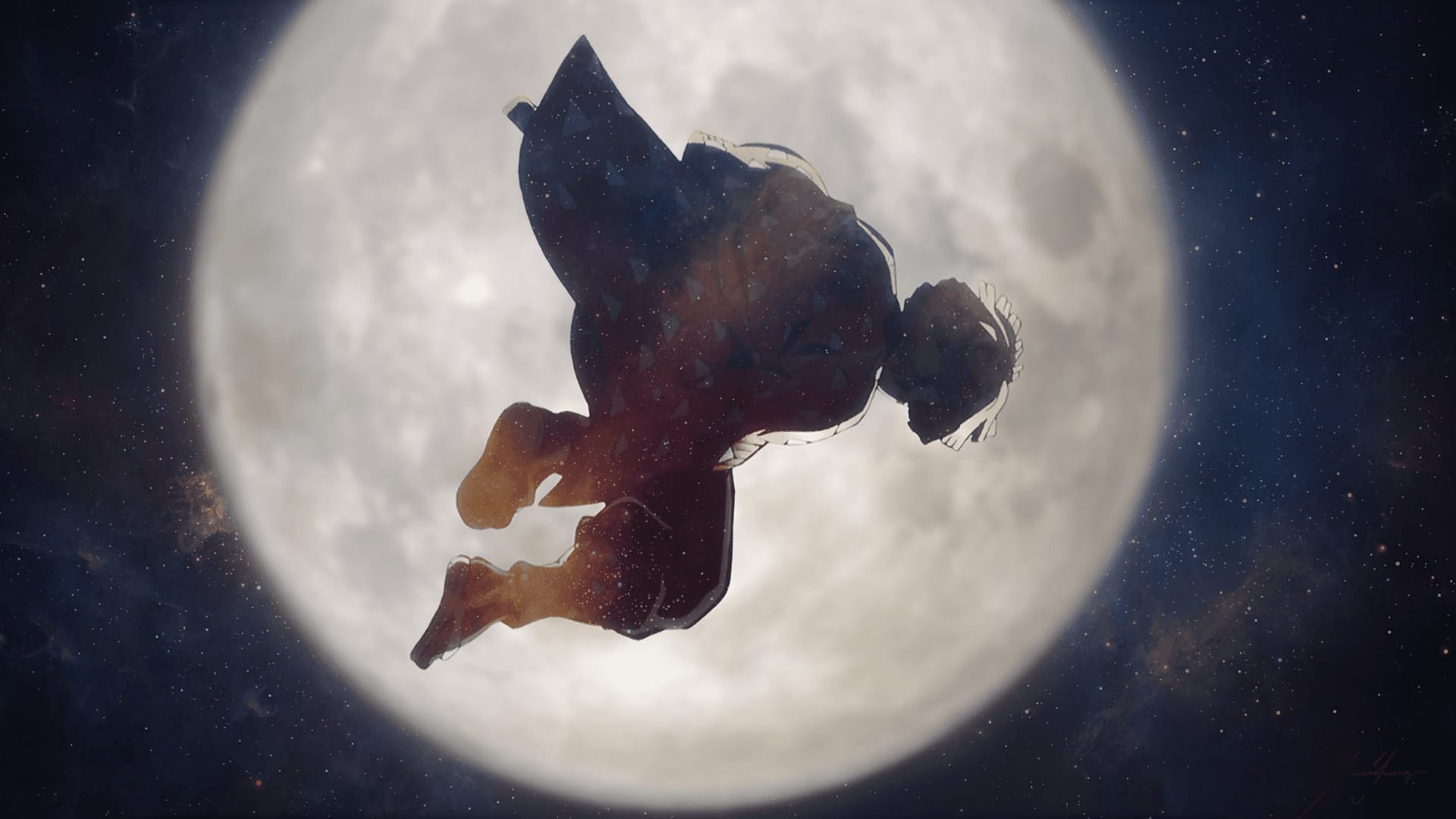
Zenitsu’s combat ability manifests when unconscious—whether through sleep or panic-induced blackout. Awake, he cowers and cries. Asleep, he becomes a silent, efficient killer who dispatches demons without hesitation. This duality raises questions about identity: which Zenitsu is real?
The answer: both. Awake Zenitsu’s fear reflects legitimate trauma and learned helplessness from childhood. Sleeping Zenitsu accesses capabilities that trauma suppresses. The “authentic self” isn’t one or the other but both simultaneously—a person can be afraid and capable, can be crying and deadly, without contradiction.
The Entertainment District arc shows conscious-Zenitsu fighting seriously for the first time—demonstrating that the sleeping ability was never separate from himself. Growth means integrating both states, accessing combat excellence without requiring unconsciousness. His evolution across the series tracks this integration.
The Gramps Connection

Jigoro Kuwajima, Zenitsu’s master, represents his only consistent source of validation. The former Thunder Hashira saw potential in the abandoned child that no one else did, trained him despite slow progress, and maintained faith even when Zenitsu learned only one technique.
Jigoro’s suicide, caused by his other student Kaigaku becoming a demon, devastates Zenitsu’s already fragile psychology. The one person who believed in him died because of circumstances Zenitsu associates with his own failure (Kaigaku was stronger, learned more techniques, but chose evil). The grief motivates his most serious combat: facing Kaigaku as upper moon.
The master-student relationship grounds Zenitsu’s character. His self-doubt doesn’t emerge from nowhere—it reflects childhood abandonment before Jigoro, and perceived inadequacy compared to Kaigaku during training. His eventual triumph validates Jigoro’s faith while proving that technique count matters less than technique execution.
Nezuko: The Simping That Matters
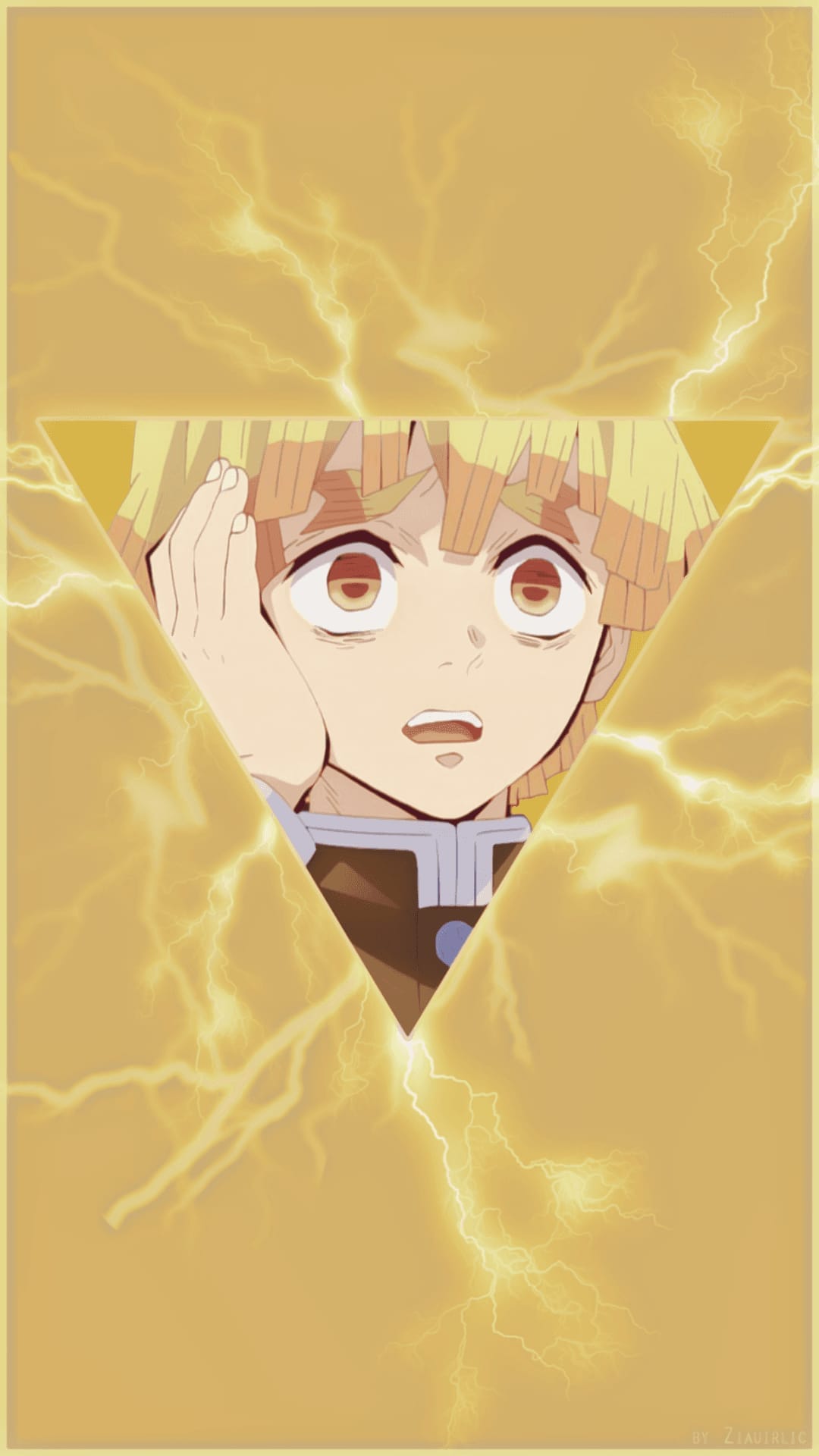
Zenitsu’s immediate infatuation with Nezuko—a demon in a box who can’t speak—seems like pure comedy. But it develops into something more genuine: protection of someone vulnerable regardless of circumstances or reward.
He defends Nezuko without expecting relationship (she’s a demon who doesn’t talk). He fights despite terror because running means abandoning her. His “love” manifests as protective action rather than possessive desire. The comedic framing obscures surprisingly healthy attachment.
Compare him to anime characters whose female interest drives harmful behavior. Zenitsu’s feelings motivate him toward heroism rather than stalking or entitlement. His commitment never demands reciprocation; he simply cares and acts on caring. The comedy of “simping” conceals character that actually respects its object.
Comedy and Drama Balance
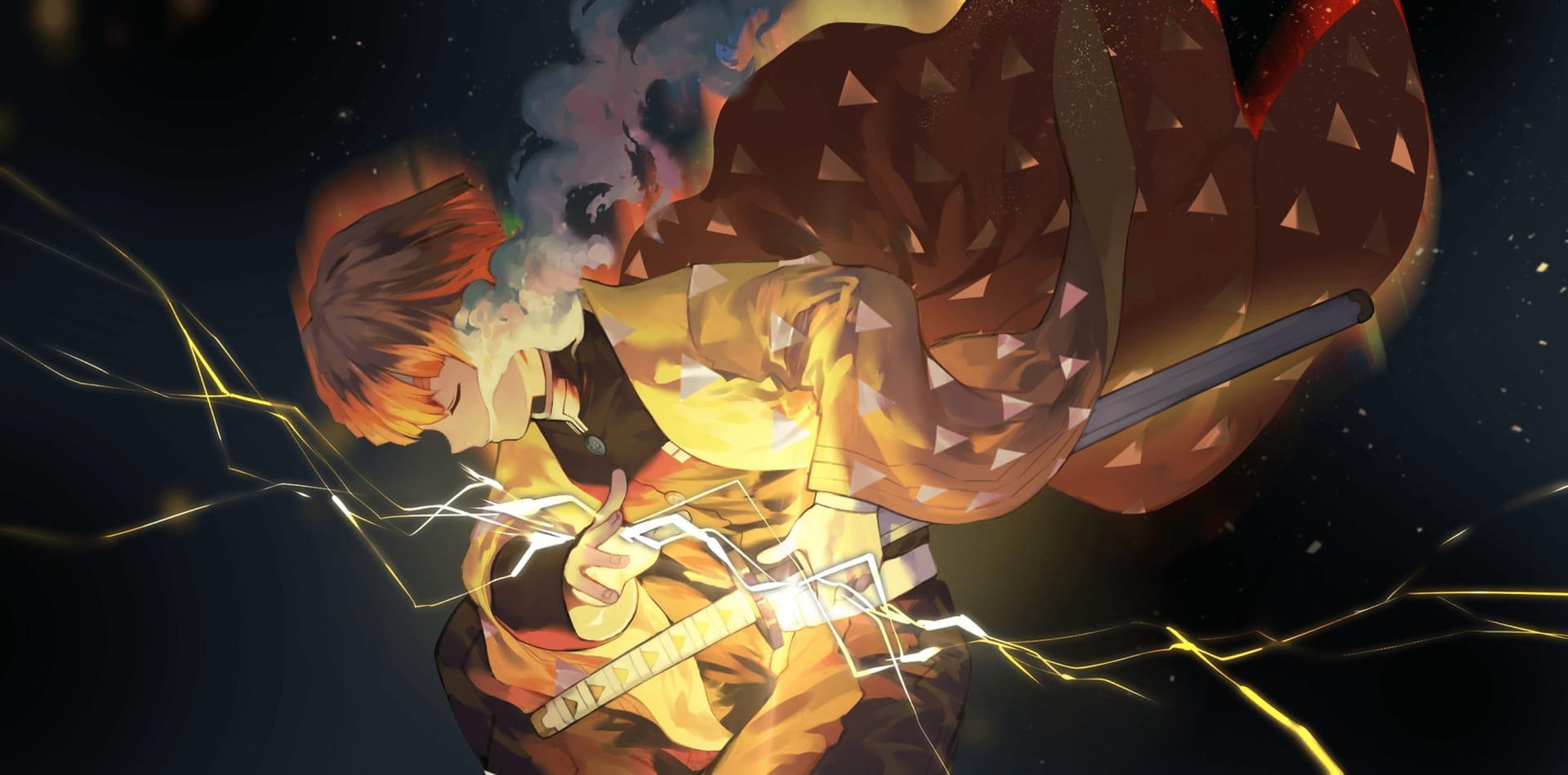
Zenitsu’s screaming, crying, and antics provide essential levity in Demon Slayer’s dark world. Without him, the tone would be relentlessly grim—demons eating families, tragic backstories, constant death. His comedy creates breathing room that makes darker moments hit harder by contrast.
But the comedy never undermines serious moments. When tone requires gravity, Zenitsu responds appropriately—still afraid, but functional. His comic moments don’t interrupt dramatic sequences; they separate them. This balance requires careful writing that Demon Slayer executes consistently.
The sleeping combat state enables tonal control. Comedic Zenitsu screams and flees; dramatic Zenitsu fights silently and efficiently. The visual contrast—bright yellow hair, peaceful sleeping face—against demon slaughter creates memorable imagery that defines his character aesthetically.
The Sound Design Factor
Hiro Shimono’s voice performance elevates Zenitsu beyond written potential. The screaming that should grate instead entertains through committed delivery. His quiet moments—protective declarations, sincere moments—land because the screaming establishes contrast. The performance makes tolerable what could have been insufferable.
Thunderclap and Flash’s sound design—the distinctive crack of electrical speed—creates audio signature recognizable instantly. When viewers hear that sound, they know impressive action follows. The technique’s auditory identity matches its visual impact, creating complete sensory experience.
Why the Unlikely Hero Works
Zenitsu succeeds because Demon Slayer commits to his characterization without apology. He’s not secretly brave beneath the fear—he’s genuinely afraid, and acts anyway. He’s not hiding capability—his capability requires specific circumstances to emerge. The character doesn’t cheat; he operates under established rules consistently.
His role in the trio provides essential balance. Tanjiro’s kindness, Inosuke’s aggression, and Zenitsu’s fear create three responses to the same challenges. Their dynamics feel realistic because they argue, annoy each other, and maintain friendship despite differences—like actual people forced into circumstances together.
The unlikely hero resonates because unlikely heroes feel achievable. Most people aren’t naturally brave like Tanjiro or aggressive like Inosuke. They’re afraid like Zenitsu—and seeing someone afraid still matter, still contribute, still be heroic provides hope that courage isn’t prerequisite for value.
Demon Slayer’s success owes significant debt to Zenitsu Agatsuma—the character who shouldn’t work but absolutely does. The coward who becomes the audience’s favorite. The screamer who delivers the coolest fights. The unlikely hero who proves heroism isn’t about being fearless but about being afraid and fighting anyway.