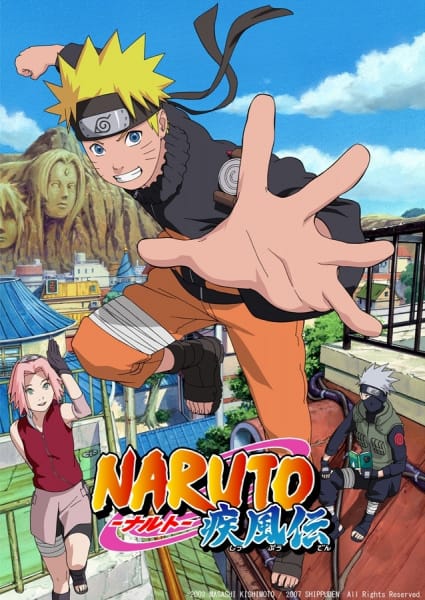
Few characters in anime have undergone a reputation transformation as complete as Itachi Uchiha. Introduced as a cold-blooded clan murderer, revealed as a tortured patriot, and eventually understood as a deeply flawed brother trying to save the person he loved most—Itachi’s layers continue to generate debate years after Naruto’s conclusion.
The Massacre That Defined Everything
For most of Naruto’s first half, Itachi Uchiha was defined by one act: slaughtering his entire clan, including his parents, and leaving only his younger brother Sasuke alive. It was an atrocity that haunted Sasuke and drove the early plot.
The Original Villain
When Itachi appeared, he radiated menace. His calm demeanor while discussing his crimes, his overwhelming power against Kakashi and Sasuke, and his apparent lack of remorse made him seem like pure evil.
This Itachi worked perfectly as a villain. He represented Sasuke’s trauma, an apparently unreachable goal that justified years of training and revenge.
The Truth Revealed
The revelation changed everything. The Uchiha clan was planning a coup against Konoha. Civil war would have killed thousands and left the village vulnerable to external threats. Konoha’s leadership gave Itachi an impossible choice: let the coup happen and watch everyone die, or eliminate his clan and save the village.
The Third Option
But Itachi didn’t just accept massacre. He negotiated for Sasuke’s survival, then manipulated events so his brother would eventually kill him and be hailed as a hero. He joined Akatsuki to spy for Konoha. He used his “villain” status to protect the village from within enemy ranks.
Every action, from the massacre onward, was calculated to protect Konoha and, especially, Sasuke. The cold killer was actually a martyr who sacrificed everything—including his reputation—for people who would never know.
Powers and Abilities
Itachi was prodigy among prodigies. He graduated the Academy at 7, activated Sharingan at 8, became Chunin at 10, and was an ANBU captain by 13. His intelligence and skill made him arguably the most dangerous shinobi of his generation.
Mangekyo Sharingan
Itachi’s Mangekyo abilities were among the most powerful in the series:
Tsukuyomi: A genjutsu that traps victims in an illusory world where Itachi controls everything, including their perception of time. Three seconds in reality can be 72 hours of torture.
Amaterasu: Black flames that burn anything Itachi looks at until the target is completely destroyed. These flames cannot be extinguished by normal means.
Susanoo: A massive ethereal warrior that protects and attacks. Itachi’s Susanoo wielded the Totsuka Blade (which seals anything it cuts) and Yata Mirror (which reflects all attacks).
Illness as Limiter
Itachi suffered from a terminal illness throughout Naruto’s story. Without it, he might have been virtually unbeatable. Instead, he had to carefully manage his strength, knowing he was dying regardless of battle outcomes.
Sasuke: The Only Thing That Mattered
Itachi’s entire post-massacre existence centered on Sasuke. Every decision asked one question: “Will this help my brother?”
Manufacturing Hatred
Itachi deliberately made Sasuke hate him, believing hatred would make his brother strong enough to survive. He played the villain so Sasuke would have clear purpose. He even planned his death to grant Sasuke his Mangekyo Sharingan.
This plan had terrible flaws—Sasuke’s hatred spiraled into self-destruction rather than heroism—but Itachi’s intentions were pure love twisted by impossible circumstances.
The Final Battle
Itachi’s battle with Sasuke was never about winning. Itachi had already decided to die. He was fighting to draw out Orochimaru’s curse mark, transfer protective abilities to Sasuke, and give his brother the satisfaction of “revenge.”
His final gesture—poking Sasuke’s forehead one last time before collapsing—revealed the loving brother behind the villain mask. It was a gesture from their childhood, preserved through years of pretending not to care.
Reanimation and Redemption
When Itachi was reanimated during the Fourth Great Ninja War, he finally got to be honest with Sasuke. He admitted his mistakes, apologized for deciding Sasuke’s path without consent, and acknowledged that his manipulation had caused as much harm as good.
Breaking Free
Itachi’s ability to break free from reanimation control demonstrated his will power. Even in death, forced to serve an enemy, he found ways to resist and help his village.
His destruction of Kabuto’s Reanimation technique showed his continued tactical brilliance—turning the war’s biggest threat against itself.
Moral Complexity
Itachi is not a simple hero despite the recontextualization. He murdered his own parents. He traumatized his brother so severely it nearly destroyed him. He made unilateral decisions about who should live and die.
The Problem of Sacrifice
Itachi’s story asks uncomfortable questions: Was the massacre actually justified? Did protecting most of the village justify killing an entire clan? Who has the right to make such decisions?
The series presents Itachi sympathetically but doesn’t fully excuse him. Sasuke calls out that Itachi’s “protection” was also control—deciding without asking. Even love can become tyranny when it removes others’ agency.
A Flawed Model
Itachi himself admitted he was wrong. Telling Sasuke he should have trusted him with the truth, asking for help instead of shouldering everything alone—these were genuine regrets, not false modesty.
Legacy in the Story
Itachi’s influence extends throughout Naruto. His example shapes Sasuke’s eventual redemption. His sacrifice made possible the village’s survival. His Akatsuki intelligence helped Naruto’s generation prepare for threats.
More broadly, Itachi represents the shinobi system’s broken values—a system that demanded a 13-year-old commit massacre “for the village.” His tragedy indicts the world that created him.
Why Itachi Endures
Itachi remains one of the most beloved Naruto characters because he’s genuinely tragic. Unlike villains who enjoy evil or heroes who never struggle, Itachi did horrific things for loving reasons and suffered every moment.
His “I will love you always” to Sasuke, despite everything, captures why he resonates. In a world of shinobi violence and political manipulation, Itachi’s core was simple: brotherly love strong enough to damn himself for.
Conclusion
Itachi Uchiha is anime’s greatest tragic hero because his heroism required becoming a villain. He saved thousands of lives by taking dozens, protected his brother by traumatizing him, and maintained his love through years of pretending to hate.
His complexity lies in being simultaneously right and wrong. The massacre was horrific, but the alternative was worse. His methods were cruel, but his intentions were pure. He’s a cautionary tale about sacrificial love pushed to extremes—and a reminder that even the worst actions can come from the best motivations.
That’s why Itachi endures: not because he was a perfect hero, but because he was a devastatingly human one.
You Might Also Like
- Frieren Power System Explained: Magic, Demons, and Mana
- Frieren Power System Explained: Magic, Demons, and Mana
- Gojo vs Ichigo: Who Would Win? Battle of Superhuman Powers