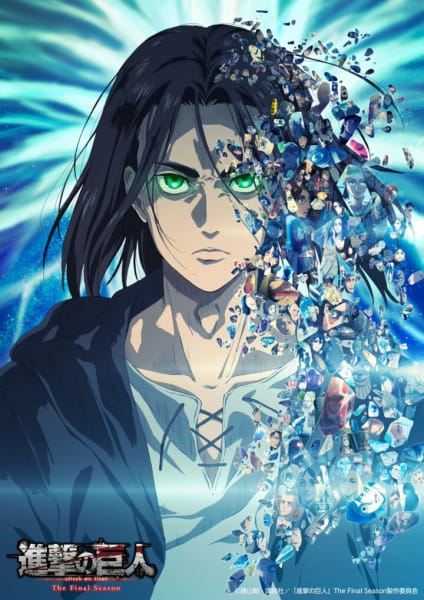
No anime protagonist in recent memory has divided audiences as thoroughly as Eren Yeager. From the boy who screamed about killing all Titans to the man who initiated the Rumbling, Eren’s evolution challenges everything we expect from a shonen hero. He’s been called a tragic figure, a villain, a victim, and a monster—sometimes all in the same conversation.
In this analysis, we’ll trace Eren’s complete arc from idealistic freedom fighter to one of anime’s most complex and controversial protagonists.
Season 1-3: The Traditional Hero Phase
Early Eren fit the shonen mold perfectly. After watching his mother get eaten by a Titan, he declared his intention to kill every Titan—a relatable revenge motivation that drove his character through the series’ first act.
Determination Over Talent
Unlike his naturally gifted peers, Eren wasn’t a prodigy. Mikasa excelled at everything. Annie had superior combat skills. Even Reiner and Bertholdt surpassed him in most areas. What Eren had was an unbreakable will—the ability to get up every time he was knocked down.
This made his moments of triumph feel earned. When Eren transformed into a Titan for the first time and saved Armin, it wasn’t just a power-up. It was the universe finally rewarding his determination.
The Attack Titan
Inheriting the Attack Titan from his father Grisha gave Eren power beyond his dreams. But the Attack Titan is unique among the Nine Titans—it has always “sought freedom” and never submitted to any authority. This detail, which seems like flavor text initially, becomes crucial to understanding Eren’s later actions.
The Attack Titan’s special ability is also significant: it can see the memories of future inheritors. This power, Eren would later discover, meant he’d seen glimpses of his own future since the moment he received the Titan.
The Basement Revelation: Everything Changes
When Eren finally reached his father’s basement, the truth he found shattered his worldview. Titans weren’t mysterious monsters—they were transformed Eldians, his own people. The outside world didn’t just exist; it hated Eldians as devils deserving extermination.
The Enemy Becomes Human
Suddenly, every Titan Eren had killed was potentially someone’s family member. The “evil” Marleyans were people like himself, born into their beliefs. The black-and-white morality of “kill all Titans” became impossibly gray.
This revelation marks the pivot point for Eren’s character. The boy who wanted simple revenge had to confront that revenge was meaningless when everyone was simultaneously victim and perpetrator of centuries of violence.
Season 4: The Transformation
Post-timeskip Eren is almost unrecognizable. The passionate boy has become cold and calculating. He speaks in flat tones, keeps secrets from his closest friends, and manipulates everyone around him to advance his plans.
The Marley Infiltration
Eren’s attack on Marley wasn’t impulsive—it was meticulously planned. He spent months undercover, understanding his “enemies” as people before deciding to kill them anyway. This is crucial to understanding his mindset: Eren chose violence with full knowledge of what it meant.
The basement conversation with Reiner is one of the series’ most powerful scenes. Eren admits he’s “the same” as Reiner—both did terrible things because they believed they had no choice. This isn’t absolution; it’s acknowledgment that understanding doesn’t prevent conflict.
The Founding Titan’s Power
Through contact with Zeke, Eren accessed the Founding Titan’s full power. In the Paths—a metaphysical space connecting all Eldians—Eren saw the truth: his future memories had shown him exactly what was coming. The Rumbling wasn’t a desperate choice; it was something he’d seen himself do years ago.
The Rumbling: Becoming the Monster
When Eren activated the Rumbling, releasing millions of Colossal Titans to trample the entire world outside Paradis, he crossed a line that can’t be uncrossed. He chose genocide on an unprecedented scale.
Understanding His Logic
Eren’s reasoning, while monstrous in outcome, follows a tragic logic:
The world genuinely planned to exterminate Paradis Island. Marley was developing conventional weapons that would soon make Titan powers obsolete, after which nothing would protect the Eldians. Peaceful solutions had failed or were blocked by entrenched hatred on both sides.
Eren saw no path where his people survived without destroying the outside world’s ability to threaten them. And the Attack Titan’s memories showed him that he would go through with it—making the choice feel predestined.
Free Will vs. Determinism
The question of whether Eren had a choice is central to interpreting his character. Did he glimpse a fixed future and simply play his part? Or did his knowledge of that future actually cause him to make it happen?
The series suggests both interpretations have merit. Eren claims he wanted to be stopped but also pushed forward because he’d already seen the outcome. He’s simultaneously the most free character (pursuing his vision no matter the cost) and the least free (trapped by future memories he can’t escape).
Relationships and Tragedy
Mikasa: The Key
Eren’s relationship with Mikasa is the emotional heart of his arc. He genuinely loved her but pushed her away, believing his death was necessary for the plan. The “I’ve always hated you” speech was a cruel manipulation designed to sever their bond before the end.
His true feelings, revealed in their final moments, reframe his coldness as painful sacrifice rather than villainy. Eren wanted to live with Mikasa but chose mass murder instead because he saw no other way to save his people.
Armin: The Dream
Armin represented everything Eren used to want—exploration, discovery, seeing the outside world. Their childhood friendship and shared dreams make Eren’s transformation more tragic. He became the very type of monster Armin would have to stop.
Reiner: The Mirror
Reiner is Eren’s narrative double. Both carried the weight of terrible choices, both were victims of cycles they didn’t create, and both struggled with the gap between their idealized selves and their actions. Eren’s understanding of Reiner showed he knew exactly what he was becoming.
The Final Choice
In the end, Eren was stopped by his friends, which appears to have been his plan all along. He reduced the outside world’s population by 80%, making it too weak to threaten Paradis for generations while giving Armin’s peace faction a chance to negotiate from strength.
Hero or Villain?
Isayama refuses to let audiences settle on an easy answer. Eren committed the largest genocide in fictional history. He also saved his home island from certain extermination. He manipulated everyone he loved. He also set them up as heroes who stopped the monster.
Was he a monster who should have been stopped earlier? Was he a tragic figure forced into impossible choices? The series suggests he was both—a person who might have been good under different circumstances but became something else when circumstances offered no good options.
Themes and Legacy
The Cycle of Violence
Eren’s arc is ultimately about cyclical violence. The hatred between Marleyans and Eldians spawned Titan powers and counter-violence across generations. Every act of revenge created new grievances. Eren’s “final solution” was horrifying precisely because it was the logical endpoint of that cycle.
Freedom’s Cost
Eren’s obsession with freedom became twisted as he pursued it. To free Paradis, he enslaved the Titans. To free himself from predetermined fate, he followed it exactly. The boy who dreamed of the outside world destroyed most of it. Freedom, in Eren’s hands, became tyranny.
Conclusion
Eren Yeager’s arc challenges us to sit with discomfort. He’s a protagonist we rooted for who became a villain we couldn’t support. He’s a monster who wanted to be stopped and a victim who became a perpetrator.
Whether you see Eren as tragic, evil, or something between, his journey represents Attack on Titan’s ultimate thesis: in a world of endless cycles and entrenched hatreds, even good people can become monsters. And understanding how they got there doesn’t make what they did okay—it makes it human.
That uncomfortable truth is what makes Eren Yeager not just a great character, but one of the most important protagonists in modern anime. He showed us the logical end of revenge narratives, and we couldn’t look away.
You Might Also Like
- Attack on Titan Complete Watch Order 2026: From Walls to Freedom
- Attack on Titan Complete Watch Order 2026: From Walls to Freedom
- Attack on Titan: Every Titan Shifter’s Powers Explained