In 2019, Demon Slayer: Kimetsu no Yaiba became the biggest anime in the world. By 2020, its movie broke Japanese box office records. By 2021, the manga outsold everything. How did a relatively simple story about a boy hunting demons become the decade’s defining anime phenomenon?
The Perfect Storm
Demon Slayer’s success came from perfect timing, perfect execution, and a market hungry for something accessible but spectacular. It wasn’t revolutionary in premise—but it was revolutionary in presentation.
Ufotable’s Magic
Animation studio Ufotable transformed good source material into visual masterpieces. Their CGI-assisted animation, particularly in fight scenes, set new standards for TV anime. The Hinokami Kagura sequence in Episode 19 became one of the most-watched anime moments ever.
COVID Timing
The Mugen Train movie released during COVID when audiences were desperate for theatrical experiences. It became both cultural event and safe escapism. The pandemic paradoxically helped attendance as people sought rare outings.
Story Accessibility
Demon Slayer’s narrative is straightforward: Tanjiro wants to save his sister and defeat demons. This simplicity is strength—anyone can follow, anyone can invest. No complex power systems to learn, no political intrigue to track.
Emotional Core
Sibling love anchors everything. Tanjiro’s devotion to Nezuko is immediately understandable and universally appealing. The emotional stakes don’t require world-building to establish—family is enough.
Villains with Depth
Demons receive sympathetic backstories explaining their transformations. This adds weight to their defeats without compromising conflict. You feel sorry for them while still wanting Tanjiro to win.
Visual Identity
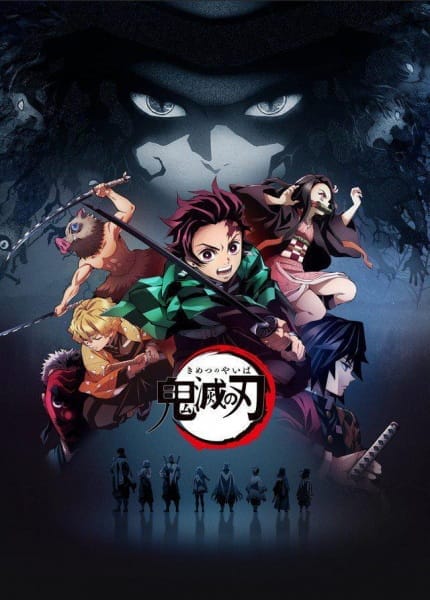
Demon Slayer is instantly recognizable. The character designs—distinctive haori patterns, earrings, hair colors—photograph well, cosplay well, and merchandise well. Every visual choice seems designed for maximum iconic impact.
The Breathing Effects
Water effects flowing during Water Breathing, flames during Hinokami Kagura—these visual flourishes shouldn’t work but do. They’re both beautiful and functional, showing technique while creating spectacle.
Color Palette
Bright colors against dark backgrounds create contrast that pops on screens and merchandise. The visual language is legible even to non-fans—you know which side characters are on by their color schemes.
Musical Excellence
LiSA’s “Gurenge” became cultural phenomenon, reaching audiences who’d never watched anime. The soundtrack enhances every emotional moment—”Kamado Tanjiro no Uta” during Episode 19 contributed as much to impact as animation.
Sound Design
Combat sounds feel impactful without being overwhelming. Blade strikes, breathing sounds, and ambient effects create immersive atmosphere. The audio experience matches visual quality.
Character Appeal
Tanjiro
A genuinely kind protagonist without being annoying. Tanjiro’s compassion extends to demons without undermining his determination. He’s aspirational without being unrelatable—a rare balance.
Nezuko
The protective sister trope with actual agency. Nezuko’s refusal to eat humans despite demon nature made her instantly beloved. Her sleep-based power limitations also kept her from overshadowing Tanjiro.
Zenitsu and Inosuke
Comic relief that actually relieves. Their comedy balances serious moments without undermining them. Both have genuine growth arcs beneath their comedic roles.
The Hashira
Nine distinctive elite fighters, each with unique visual design, personality, and technique. They’re walking merchandise opportunities that also serve narrative purposes. Fan favorites emerged from even minimal screentime.
Merchandising Success
Demon Slayer’s designs translated perfectly to merchandise. The haori patterns became fashion items. Character goods flooded convenience stores. Collaborations with everything from ramen to train lines spread brand awareness.
The Mugen Train Integration
The movie’s Japanese setting—on trains—enabled real-world train collaborations. Passengers could ride Mugen Train-themed railways. This physical integration made the property inescapable in Japan.
Critical Analysis
The Manga Issue
Demon Slayer’s manga is good but not exceptional. Pacing rushes toward the end, character development gets compressed, and the art—while stylish—isn’t Ufotable-level. The anime elevates source material significantly.
Story Limitations
The narrative is simple to a fault. Power-ups feel convenient, villains sometimes lack development, and the ending wraps too quickly. Demon Slayer works despite these issues because execution covers flaws.
Comparison to Peers
Is Demon Slayer better than Jujutsu Kaisen or Chainsaw Man? Probably not in writing depth. But it’s more accessible, more visually consistent, and more family-friendly. It succeeded by being entry-level anime for mass audiences.
Legacy
Demon Slayer proved anime could reach mainstream audiences without compromising style. It showed that simple stories told beautifully outsell complex stories told adequately. Studios took note—production values across the industry increased.
The New Standard
Post-Demon Slayer, audiences expect TV anime to look like theatrical releases. This pressure is positive (raising quality) and negative (straining studios). The Ufotable standard became the industry standard.
Verdict
Demon Slayer earned its success through excellence in execution rather than innovation in concept. It took familiar elements—demons, swords, siblings—and polished them until they gleamed. The result is something that works for everyone from children to adults, casual viewers to hardcore fans.
Whether it’s the “best” anime is irrelevant; it’s the most successful anime of its era. And in a medium often gatekept by complexity, Demon Slayer proved that beauty and heart can conquer all.
You Might Also Like
- Demon Slayer Corps Power Ranking 2026: Every Hashira and Slayer Ranked
- Demon Slayer Corps Power Ranking 2026: Every Hashira and Slayer Ranked
- Manga vs Anime: When to Read vs Watch