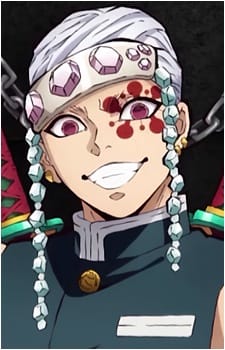
The Entertainment District Arc represents Demon Slayer at its most visually ambitious—eleven episodes that pushed Ufotable’s already legendary animation to unprecedented heights. Beyond the spectacle, the arc delivers character development for Tengen Uzui, emotional stakes for Tanjiro’s growth, and one of anime’s most stunning boss fights. Here’s the complete breakdown of why this arc matters.
Tengen Uzui: The Flamboyant Hashira
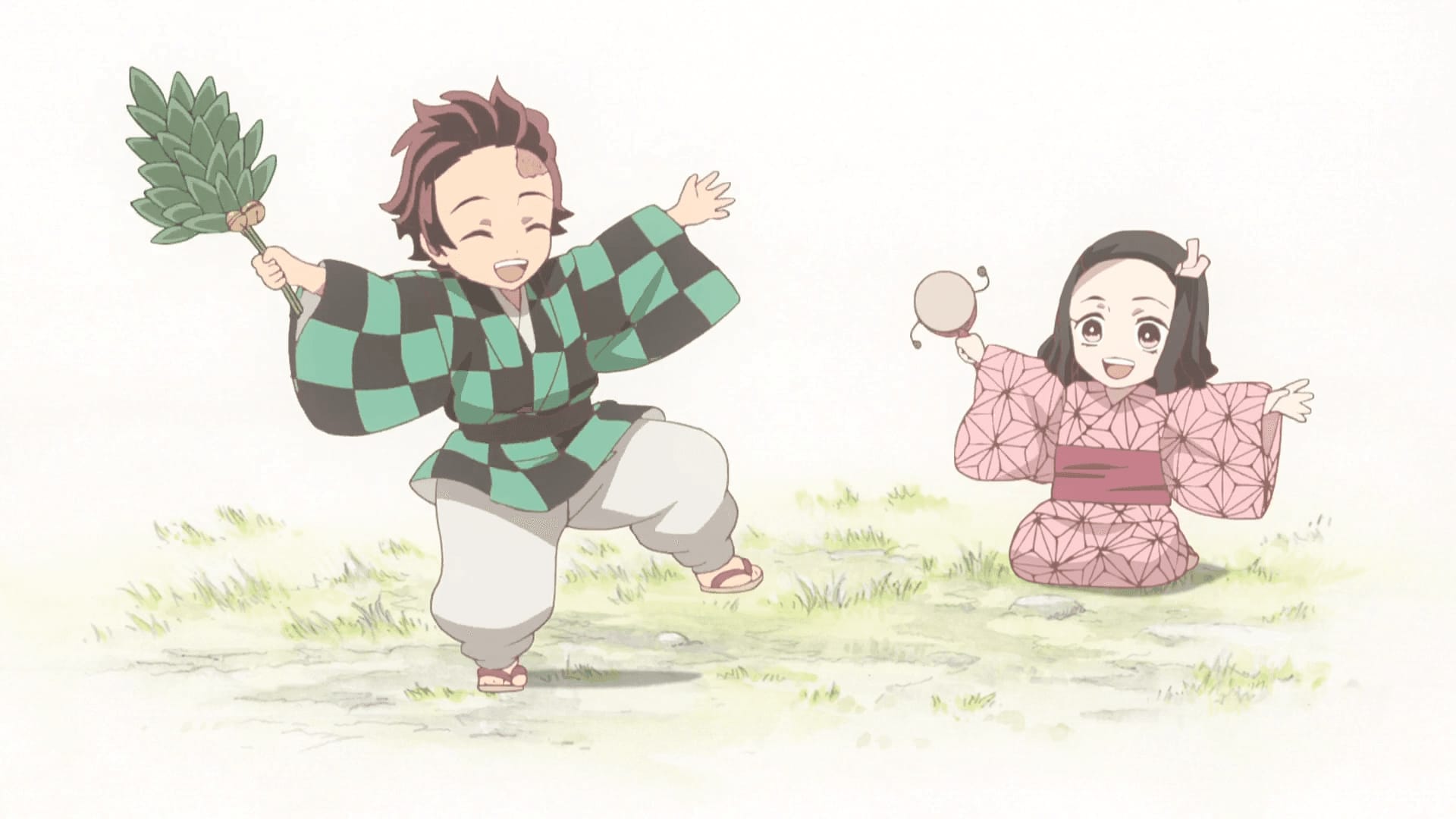
Where the Mugen Train arc centered on Rengoku, Entertainment District belongs to Tengen Uzui—the Sound Hashira whose “flamboyant” catchphrase initially suggests shallow characterization. The arc methodically dismantles this impression, revealing a former shinobi whose flashy exterior protects deep emotional wounds.
Tengen’s backstory, shown through combat flashbacks, reveals childhood as one of nine shinobi siblings forced to kill each other through their father’s training. Only Tengen and one brother survived—a brother who became a sociopathic killer Tengen now actively opposes. His choice to become a Demon Slayer, to protect rather than assassinate, represents deliberate rejection of his upbringing.
His three wives—Makio, Suma, and Hinatsuru—challenge anime polygamy tropes through genuine mutual devotion. Tengen explicitly prioritizes their lives over the mission, ordering them to retreat when endangered. Their relationship demonstrates healthy polyamory: communication, shared purpose, and equal investment from all parties. It’s surprisingly progressive for shonen anime.
The Upper Moon Reveal: Daki and Gyutaro

The arc’s villains represent Demon Slayer’s most sympathetic antagonists. Daki, the oiran demon controlling the entertainment district, initially appears as straightforward vanity—obsessed with beauty, cruel to humans, confident in her power. Her brother Gyutaro, hidden within her body, reveals the truth: Daki was burned alive as a child while Gyutaro watched helplessly.
Their backstory, shown in the arc’s emotional climax, contextualizes everything. Born in poverty, disfigured and abandoned, the siblings had only each other. Gyutaro’s murder of the samurai who burned Daki damned them both to demonic existence—a choice made from desperate love rather than malice.
When defeated, they don’t rage against the Demon Slayers. They argue with each other about whose fault their situation was, each sibling trying to take blame to spare the other. Their final moment—Gyutaro carrying child-Daki toward the afterlife despite knowing it leads to hell—devastates because it proves their love remained pure despite their monstrous actions.
Animation Benchmark: What Ufotable Achieved
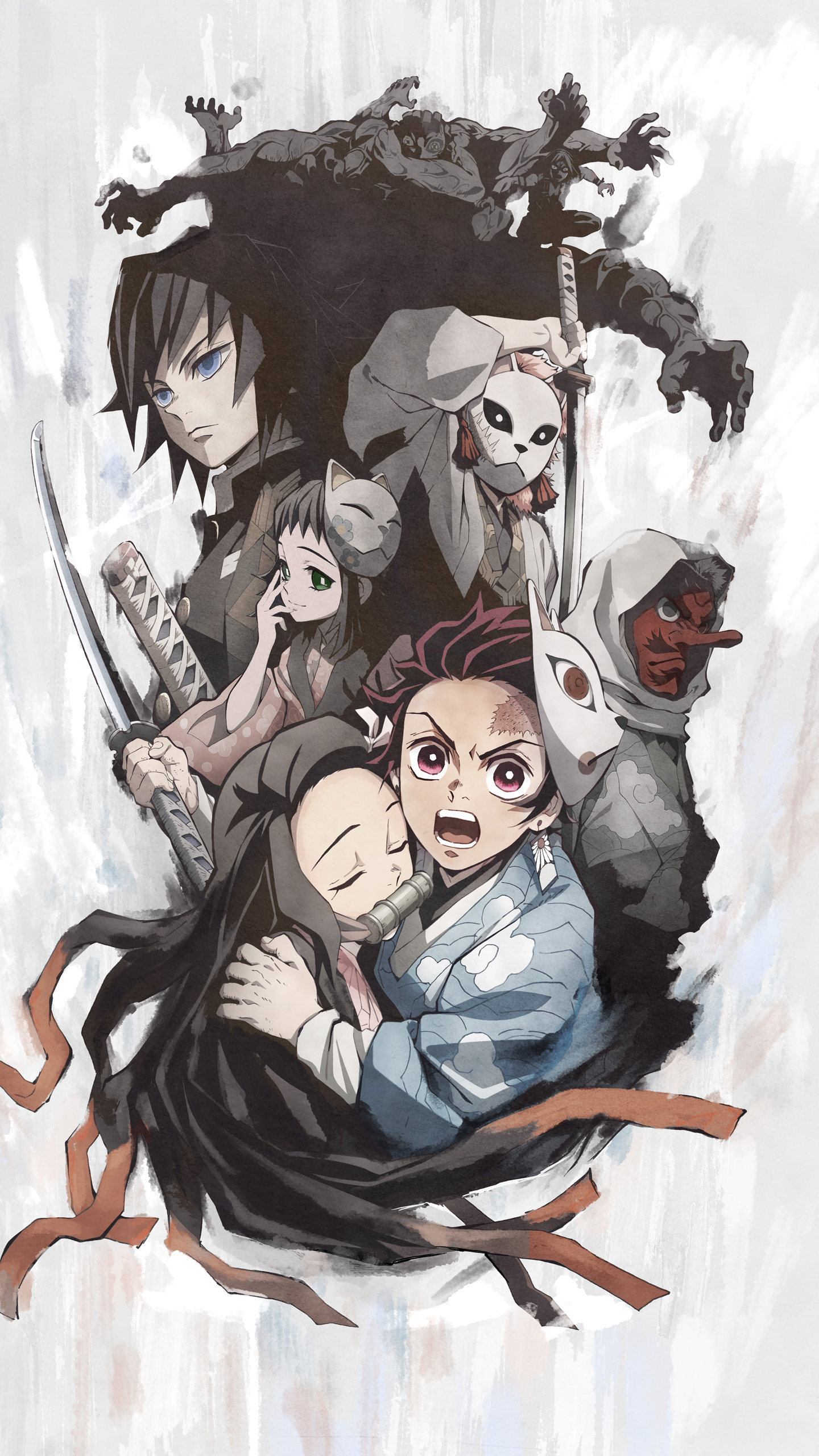
Episode 10, “Never Give Up,” contains what many consider anime’s greatest animated sequence. The combined assault on Gyutaro and Daki—Tanjiro, Zenitsu, Inosuke, and Tengen fighting simultaneously—unfolds across minutes of continuous, fluid combat that defies production limitations.
Ufotable’s technique combines traditional animation with CGI enhancement, creating hybrid sequences where hand-drawn characters move through digitally-rendered environments. The camera follows impossibly complex choreography, tracking blade swings, demon regeneration, and environmental destruction without cutting away.
The “Sun Breathing” sequence specifically set new standards. Tanjiro’s Hinokami Kagura against Gyutaro features rotoscoped fire effects, dynamic camera movement, and character animation that expresses exhaustion, determination, and desperation simultaneously. Technical achievement serves emotional storytelling—the spectacle enhances rather than replaces narrative weight.
Tanjiro’s Growth: Beyond Natural Talent
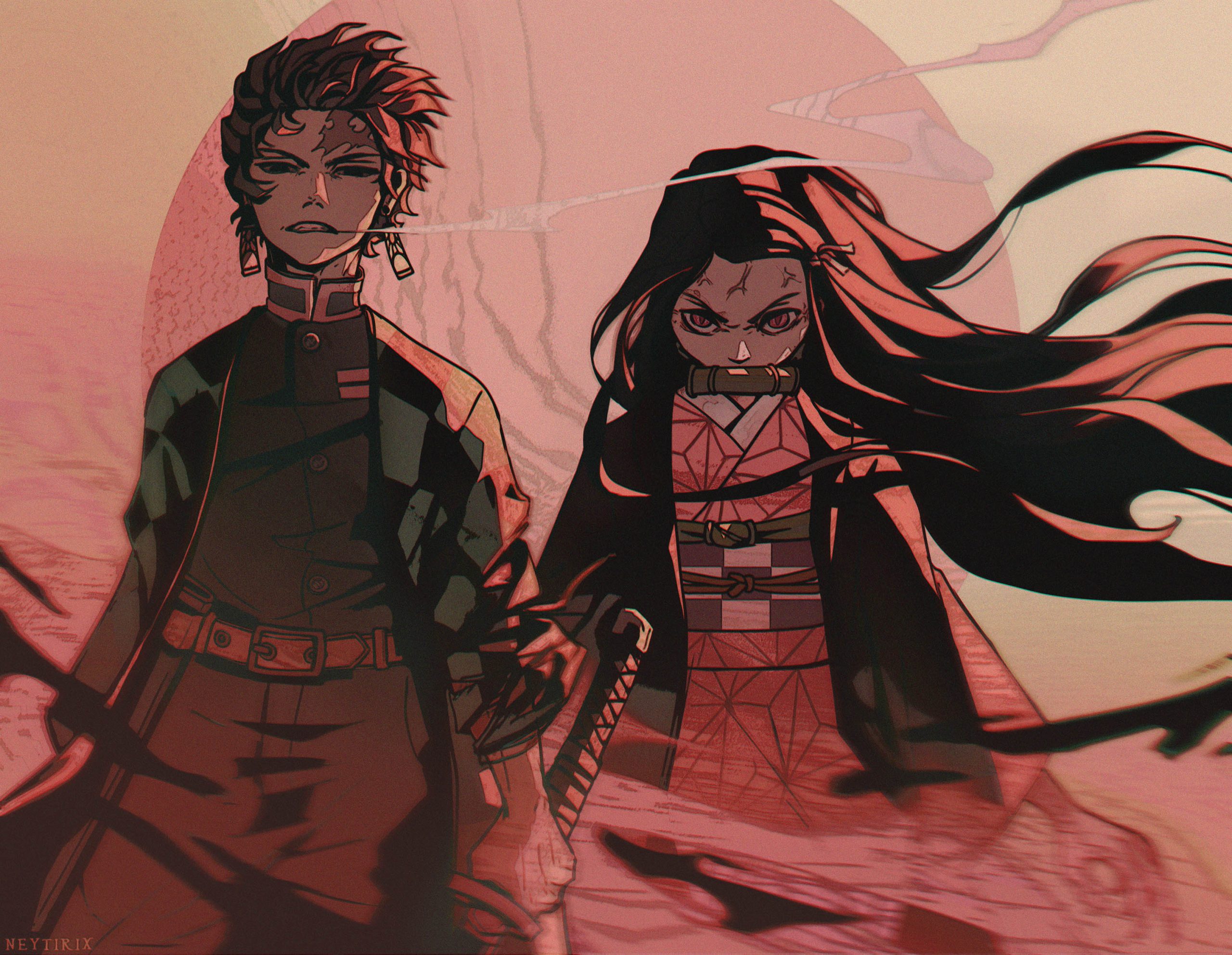
Entertainment District forces Tanjiro to confront his limitations directly. Despite Mugen Train’s growth, he’s still outmatched by Upper Moon demons. His survival depends on teamwork, luck, and pushing his body beyond safe limits—not protagonist power-ups.
The poison sequence demonstrates this brutally. Tanjiro’s heart stops from Gyutaro’s toxin; only desperate self-resuscitation through breathing techniques saves him. His victory comes not from superior strength but superior will to survive—and even that barely suffices.
His connection with Nezuko deepens here too. Her Blood Demon Art awakening, burning Gyutaro’s poison from Tengen and others, shows her growing power while maintaining humanity. The siblings’ coordination in battle reflects their emotional bond—Nezuko fights not for hunger but to protect her brother.
Zenitsu and Inosuke: Support Becomes Essential

Previous arcs kept Zenitsu and Inosuke as comic relief with occasional combat contribution. Entertainment District elevates them to essential participants whose absence would guarantee failure.
Zenitsu’s solo confrontation with Daki showcases his potential when awake. His Thunderclap and Flash: Godspeed demonstrates speed that matches Hashira-level demons, a capability his sleeping-state fights only hinted at. The fight establishes Zenitsu as genuinely powerful rather than accidentally effective.
Inosuke’s Beast Breathing flexibility provides tactical advantages rigid swordstyles can’t match. His ability to dislocate joints to fit through spaces and sense vibrations through his blades creates solutions to problems other characters couldn’t solve. The arc treats his wild approach as complementary strength rather than comedy.
The Hashira Power Scale
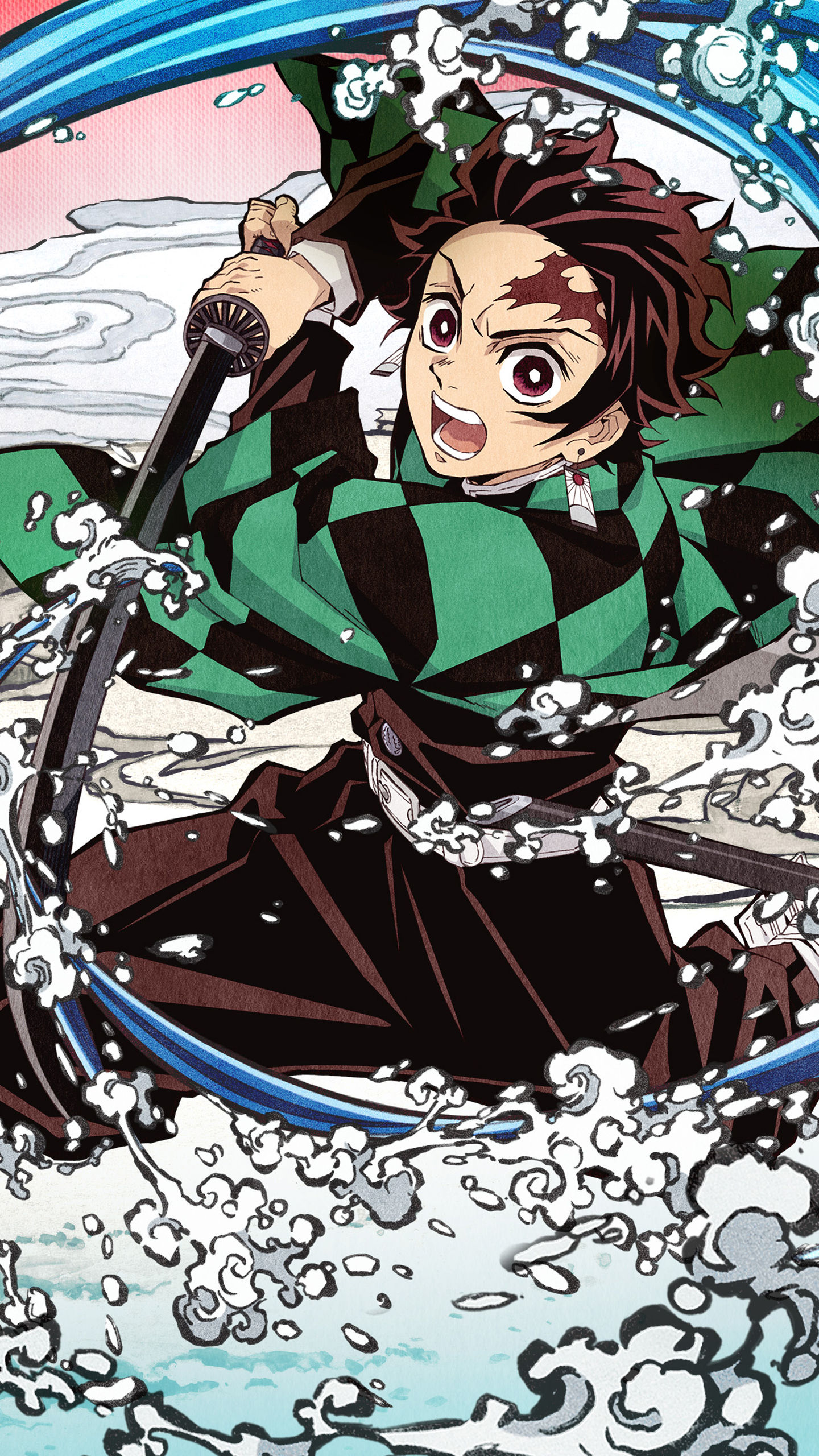
Entertainment District contextualizes Hashira power levels concretely. Tengen, despite being a Hashira, barely survives the Upper Moon fight—and loses his hand in the process. His retirement after the arc (due to injuries and poison damage) demonstrates that even Hashira face permanent consequences.
The arc also references Hashira hierarchy. Tengen explicitly states he’s not the strongest, putting himself below Rengoku, Sanemi, and Gyomei. This admission serves worldbuilding: the Hashira aren’t interchangeable powerhouses but individuals with varying capabilities. Tengen’s specialization (sound-based techniques, shinobi skills, poison resistance) differs from Rengoku’s pure combat power.
Pacing and Structure
Eleven episodes might seem short for a full arc, but the pacing justifies the length. The structure breaks into clear phases:
Episodes 1-3: Setup, investigation, and character establishment in the entertainment district.
Episodes 4-6: Initial conflict escalation as Daki’s threat materializes.
Episodes 7-9: Multi-front battle against both demon siblings with rotating focus.
Episodes 10-11: Climax and emotional resolution including the siblings’ backstory.
This structure allows breathing room for character moments while maintaining momentum toward combat climax. The arc never drags despite the setup episodes, building tension effectively toward spectacular payoff.
Music and Sound Design
Yuki Kajiura and Go Shiina’s score reaches new heights in Entertainment District. The battle themes blend traditional Japanese instrumentation with modern electronic elements, creating soundscapes that match Ufotable’s visual fusion of historical setting and supernatural spectacle.
Sound design during combat sequences deserves specific praise. Every blade impact, demon regeneration, and breathing technique has distinctive audio signatures. Gyutaro’s sickles sound different from Daki’s obi attacks, which differ from Tengen’s explosive swords. This audio differentiation helps viewers track chaotic multi-combatant sequences.
Why It Matters for Demon Slayer
Entertainment District proved Demon Slayer could sustain interest beyond Mugen Train’s cultural phenomenon. The movie’s success raised expectations that a TV arc might not meet; instead, Ufotable delivered their best work yet.
The arc also demonstrates the series’ potential for varied antagonists. Daki and Gyutaro’s sympathetic backstory, contrasting with Muzan’s pure evil or Rui’s possessive cruelty, suggests future Upper Moons might offer similar complexity. Demon Slayer’s villains aren’t interchangeable obstacles—they’re tragic figures whose monstrosity has explicable origins.
For fans continuing to Swordsmith Village and beyond, Entertainment District establishes standards subsequent arcs must match. It’s the benchmark against which all future Demon Slayer content gets measured—and that benchmark is extraordinarily high.
Flamboyant excellence, indeed.
You Might Also Like
- Demon Slayer Corps Power Ranking 2026: Every Hashira and Slayer Ranked
- Demon Slayer Corps Power Ranking 2026: Every Hashira and Slayer Ranked
- Frieren Power System Explained: Magic, Demons, and Mana