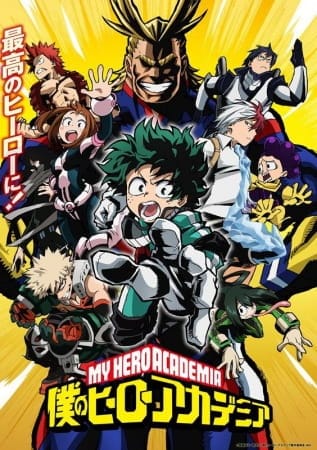
Izuku Midoriya started as the kid who couldn’t be a hero—born without a Quirk in a world where powers defined worth. His journey to becoming the Symbol of Peace’s successor is My Hero Academia’s emotional core, tracking how determination can overcome natural disadvantage (with some supernatural help).
The Quirkless Dream
In a world where 80% of people have powers, Deku was diagnosed Quirkless at age four. His dream of becoming a hero like All Might seemed impossible from the start. Teachers dismissed him. Classmates bullied him. Even his childhood friend Bakugo told him to give up—or worse.
Why He Didn’t Quit
What makes Deku compelling isn’t supernatural determination but understandable stubbornness. All Might made heroism look possible even for the powerless. Deku couldn’t stop believing because admitting impossibility meant abandoning the only identity he had.
His hero analysis notebooks, filled with detailed breakdowns of every hero’s abilities, showed obsessive dedication. He couldn’t be a hero, but he could understand heroism completely. This obsession prepared him for inheriting One For All.
Inheriting One For All
When Deku ran toward danger to save Bakugo from a sludge villain—despite having no powers, no plan, just instinct—All Might recognized something special. Not strength or potential, but heroic spirit: the inability to watch suffering without acting.
The Transfer
One For All passes through DNA exchange (typically hair consumption, less weird than it sounds). Deku received the quirk All Might had built over decades—but his body wasn’t prepared for the power.
The Cost of Power
Early One For All usage destroyed Deku’s body. Every punch broke bones. Using power meant accepting injury. This limitation forced Deku to think strategically rather than relying on overwhelming force—establishing his analytical fighting style.
Power Evolution
One For All stores and passes down power through generations. As the ninth user, Deku inherited stockpiled strength from eight predecessors—and eventually their quirks too.
Full Cowl
Deku’s breakthrough came from distributing power throughout his body rather than concentrating it in single attacks. Full Cowl let him use lower percentages safely, trading explosive power for consistent enhancement.
Percentage Increases
Starting at 5%, eventually reaching 100% without destruction, Deku’s percentage increases mark his growth clearly. Each new limit represents physical development that took All Might years compressed into months.
The Predecessor Quirks
One For All evolved beyond strength stockpiling. Deku can access previous users’ original quirks: Blackwhip (energy tendrils), Float (levitation), Fa Jin (kinetic energy storage), Smokescreen, and Danger Sense. These abilities transform him from a physical powerhouse into a versatile combatant.
Character Growth
Beyond power, Deku grows as a person throughout MHA. His journey addresses confidence, independence, and the meaning of heroism.
From Fanboy to Professional
Early Deku was awkward, socially anxious, and prone to overthinking. Hero education forced him to act decisively, communicate under pressure, and lead when necessary. The stuttering fanboy becomes a capable crisis responder.
Learning to Accept Help
Deku’s biggest character flaw is self-destructive independence. He takes on burdens alone, sacrifices his body carelessly, and believes he should handle everything personally. His class eventually forces him to accept that heroes need support too.
The Dark Deku Phase
During the Final War arc, Deku isolates himself hunting villains alone, becoming gaunt and obsessive. His friends’ intervention—literally chasing him down to help—represents his arc’s climax: learning that sharing burdens isn’t weakness.
Key Relationships
All Might
The mentor-successor relationship drives MHA’s emotional throughline. All Might sees Deku as his legacy; Deku worships All Might while gradually seeing the human beneath the symbol. When All Might’s power fades, Deku must become his own symbol rather than a copy.
Bakugo
The Deku-Bakugo relationship is MHA’s most complex dynamic. Childhood bullying, rivalry, grudging respect, eventual partnership—their growth parallels and influences each other. Bakugo learning to respect “useless Deku” reflects his own maturation; Deku standing as Bakugo’s equal validates his journey.
Class 1-A
Unlike solo protagonists, Deku develops within a team. Each classmate contributes to his growth: Uraraka’s support, Iida’s discipline, Todoroki’s friendship. The class becomes family, making their defense of him during Dark Deku emotionally resonant.
Fighting Style
Deku’s analytical nature shapes his combat approach. He studies opponents, identifies weaknesses, and creates strategies mid-fight.
Shoot Style
When arm damage became too severe, Deku switched emphasis to kicks. This adaptation shows his flexibility—changing entire fighting styles to preserve combat ability.
Quirk Combinations
With multiple quirks available, Deku creates combinations: Blackwhip for mobility, Float for positioning, Fa Jin for power spikes. His analytical mind makes him potentially the most versatile One For All user ever.
Thematic Role
Deku embodies MHA’s core themes: heroism is choice rather than destiny, power means nothing without heart, and anyone can be a hero.
The Quirkless Hero
Despite having One For All, Deku’s spirit was heroic before receiving powers. This validates the series’ thesis: the decision to help matters more than the ability to help. He was always a hero—One For All just gave him the means.
Inheriting Meaning
As One For All’s last user (the power will end with him due to quirk singularity), Deku carries every predecessor’s dreams. His success means their sacrifices mattered. His failure would waste generations of accumulated hope.
Criticisms and Defenses
The Cry Baby Critique
Deku cries frequently, which some viewers find annoying. In context, his emotional expressiveness reflects genuine stakes—he cries because things matter to him, not from weakness.
Overpowered Concerns
Multiple quirks raises power creep issues. However, Deku faces proportionally escalating threats, and his body still struggles with full power. The additional quirks create tactical options rather than instant wins.
Conclusion
Izuku Midoriya’s journey from powerless dreamer to potential Symbol of Peace resonates because it’s aspirational without being unrealistic. He received power through luck and choice—but developed it through work, sacrifice, and growth.
His character arc addresses what heroism actually means: not born greatness, but the decision to help regardless of capability. Deku couldn’t be a hero initially, but he never stopped trying. That persistence attracted the power he needed.
Whether MHA’s ending satisfies fans or not, Deku’s growth from Quirkless nobody to One For All’s final inheritor represents the series’ heart: the belief that anyone can be a hero, if they choose to be.
You Might Also Like
- When Does Yuji Get His Power? Our Hero’s Super Strength
- My Hero Academia Ending Explained: What Happened to Deku?
- My Hero Academia Ending Explained: What Happened to Deku?