Twenty-Two Years in the Making: Bleach Finally Gets Its True Ending
Let’s be real for a second — if you told me back in 2004 that we’d be sitting here in 2026 waiting for Bleach Thousand-Year Blood War Part 4 to drop, I would’ve laughed in your face. The original anime didn’t even finish the manga. It just… stopped. Faded out with a filler arc and a whimper, leaving one of the most explosive final story arcs in shonen history completely unadapted. For years, Bleach fans existed in this weird limbo — the manga had ended, the anime had quit, and the Thousand-Year Blood War arc sat there like a locked door nobody had the key to.
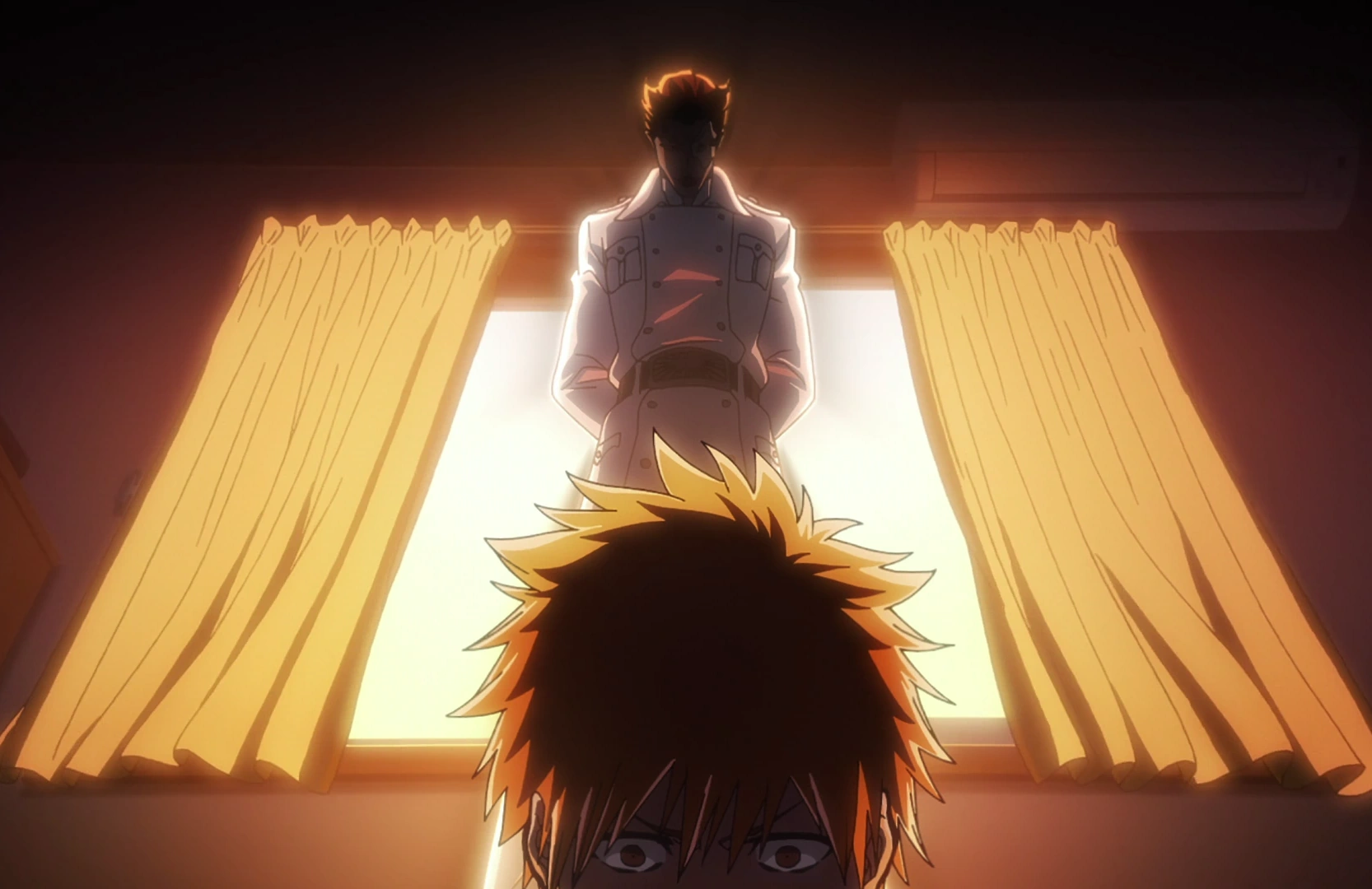
Then Pierrot pulled off the impossible. In 2022, Bleach: Thousand-Year Blood War returned and immediately made every other shonen revival look like a warm-up act. Part 1 (“The Blood Warfare”) was brutal. Part 2 (“The Separation”) raised the stakes. Part 3 (“The Conflict”) shattered everything we thought we knew. And now, Bleach TYBW Part 4 — The Calamity (Kashin-tan, 禍進譚) is coming in July 2026, and it’s not just another cour. It’s the cour. The one that finishes the story. The one that gives Bleach the ending it always deserved.
This isn’t hyperbole — Bleach Calamity is the crown jewel of the Summer 2026 anime season, and honestly, it might be the single most anticipated anime finale since Attack on Titan wrapped up. The difference? Bleach’s ending was always in the manga. We’ve known how it goes. But seeing it animated — with Pierrot’s movie-level production and Shiro Sagisu’s score shaking your bones — that’s a completely different beast.
What We Know About The Calamity So Far
The official title is Bleach: Thousand-Year Blood War – The Calamity (禍進譚, Kashin-tan), and it premieres July 2026 on Hulu in the US and Disney+ internationally, with broadcast on TV Tokyo in Japan. Pierrot is keeping the same dream team that’s been delivering bangers since Part 1: Tomohisa Taguchi returns as chief director, Hikaru Murata as series director, Masashi Kudo on character design, and Shiro Sagisu back on music duties. If you’ve been watching, you know that combination has been producing some of the best-looking episodes in anime history.
But here’s what’s got everyone losing their minds — Fathom Entertainment is doing a theatrical advance screening in the US from June 25-29, 2026, showing the first three episodes on the big screen plus an exclusive interview with Tite Kubo himself. Fandango has an exclusive ticket bundle at $29.99 that comes with mystery production artwork. If that’s not a sign that the studio knows they’ve got something special, I don’t know what is.
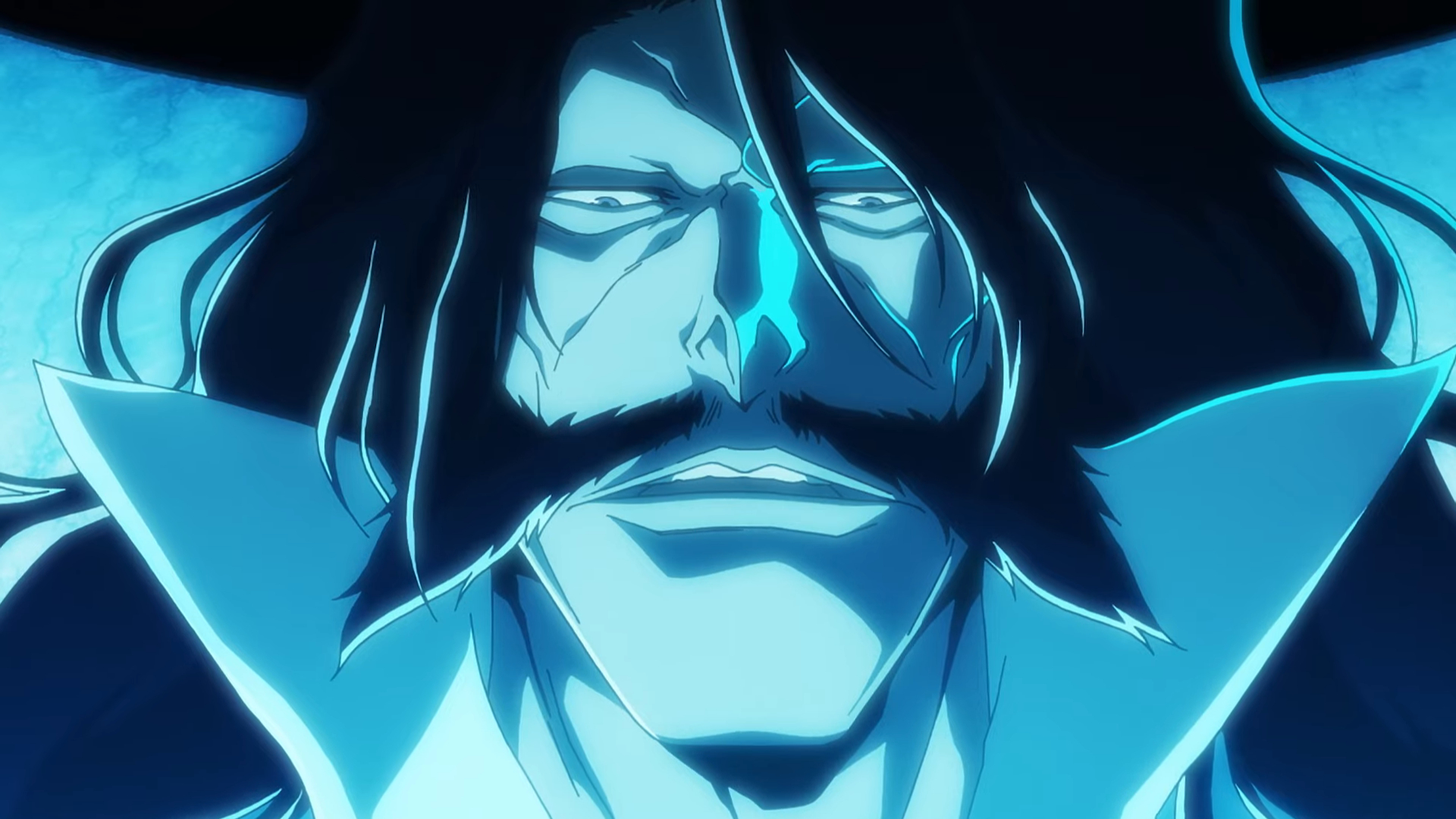
And then there’s the trailer. The May 2026 trailer dropped like a bomb, giving us our first real look at the Ichigo vs Yhwach confrontation — and I’m not going to lie, I watched it about fifteen times. The visual of Ichigo standing against Yhwach in what looks like the Wahr Welt isn’t just hype fodder. It’s a declaration. This is the final battle, and Pierrot knows exactly what they’re doing with it.
Where Part 3 Left Us: The World Is Literally Falling Apart
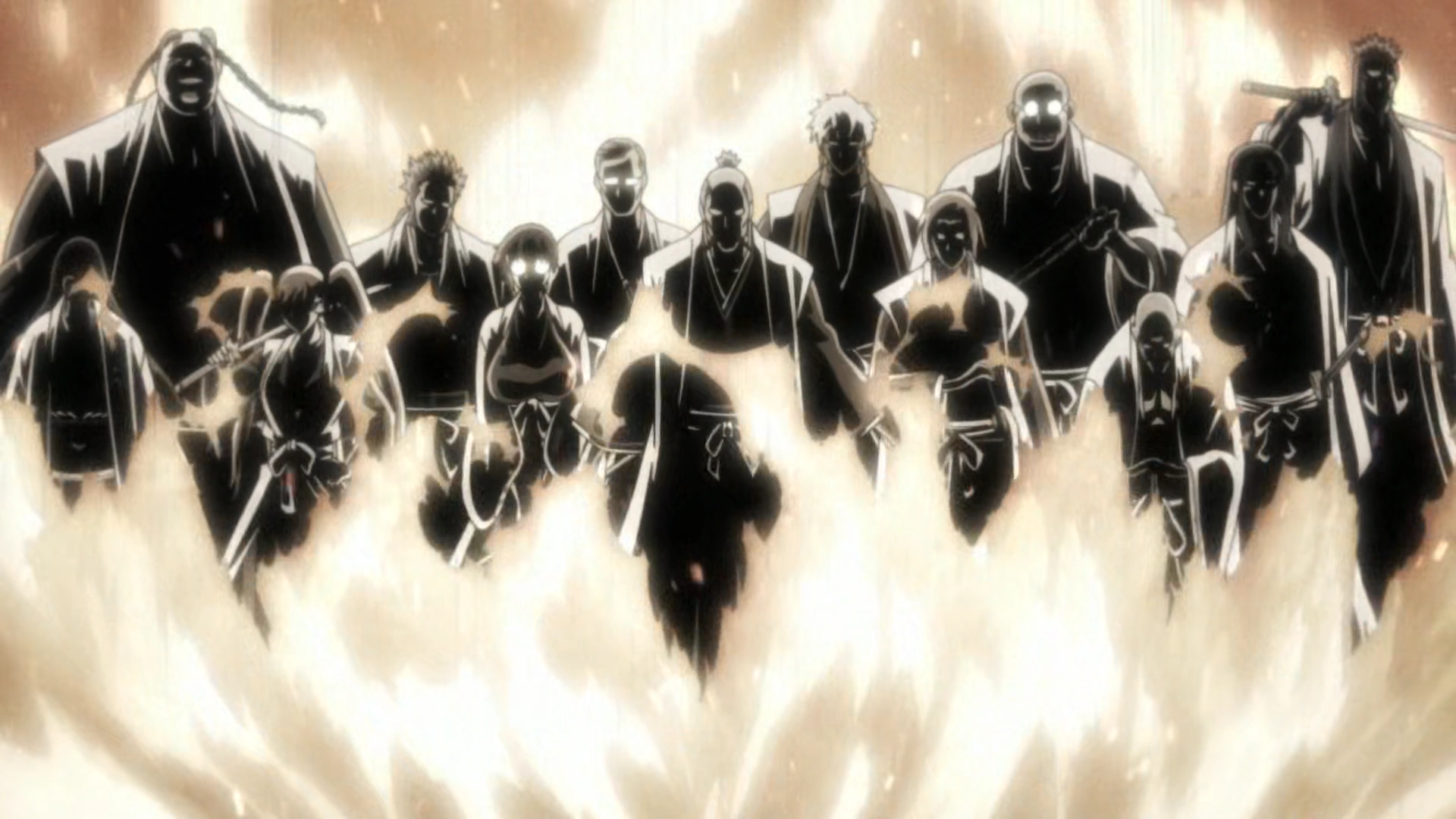
If you need a refresher on where The Conflict left off — and honestly, who could forget — Bleach Thousand-Year Blood War Part 4 picks up from one of the most devastating cliffhangers in the franchise’s history. Squad Zero, the supposed ultimate protectors of the Soul King, confronted Yhwach in the Royal Palace. The Quincy Royal Guard — the Schutzstaffel — absolutely dismantled them. We’re talking about the most powerful Shinigami in existence, and Yhwach’s elite force shattered their Bankai like it was nothing.
Then came the moment that broke every Bleach fan’s brain. Yhwach manipulated Ichigo into cutting down the Soul King. Not defeated. Not outmaneuvered. Tricked. The protagonist of the entire series — the guy who’s been protecting souls since episode one — was forced to become the instrument of reality’s destruction. That’s not just a plot twist. That’s Tite Kubo grabbing the entire foundation of the story and pulling it out from under you.
The Soul King’s death triggered the collapse of the Three Worlds — Soul Society, the World of the Living, and Hueco Mundo all started merging and crumbling. The stakes went from “save the Soul Society” to “save existence itself” in the span of a single episode. And in the chaos, something nobody expected happened: the Thirteen Court Guard Squads allied with surviving Quincies. Former enemies, standing side by side, because the alternative is literal annihilation.
And through it all, the Wahr Welt — the Royal Palace transformed into a massive Wandenreich fortress — looms as the final battleground. This isn’t just a new location. It’s the ultimate expression of Yhwach’s ambition: the Soul King’s own domain, perverted into a Quincy stronghold. The symbolism is brutal, and it sets the stage for everything Bleach Calamity is about to deliver.
The Wahr Welt: Bleach’s Most Ambitious Setting
Let’s talk about the Wahr Welt for a second, because this setting is doing heavy lifting that most fans don’t fully appreciate. The Royal Palace — the most sacred space in the entire Bleach cosmology, the place where the Soul King held reality together — has been warped into Yhwach’s fortress. It’s not just a cool backdrop. It’s a statement about what this war has always been about: the complete replacement of one order with another.
Every floor of the Wahr Welt is a different battlefield, and The Calamity is going to have to navigate all of them. We’re looking at multiple simultaneous fights across a vertical warzone, and if Pierrot handles it the way they’ve been handling everything since Part 1, it’s going to be visually staggering. The shorter season format that’s been revolutionizing shonen anime means each episode can be dense, focused, and movie-quality without the filler bloat that plagued the original series.
The Wahr Welt also represents something narratively crucial: the death of the old world and the birth of a new one. Yhwach doesn’t just want to defeat the Shinigami. He wants to erase the entire system the Soul Society represents. Every pillar, every staircase, every transformed structure in that fortress is Kubo’s way of showing us that the world Ichigo has been fighting to protect is already gone. The question isn’t whether things go back to normal. They can’t. The question is what comes next.
This is what makes Bleach Thousand-Year Blood War Part 4 so compelling — it’s not just a series of fights. It’s a story about whether anything worth protecting even exists anymore by the time the dust settles. And that’s the kind of thematic weight that separates great anime from the all-time greats.
Aizen’s Return: The Wild Card That Changes Everything
Okay, let’s address the elephant in the room. Or rather, the chair in the chair. Sosuke Aizen.
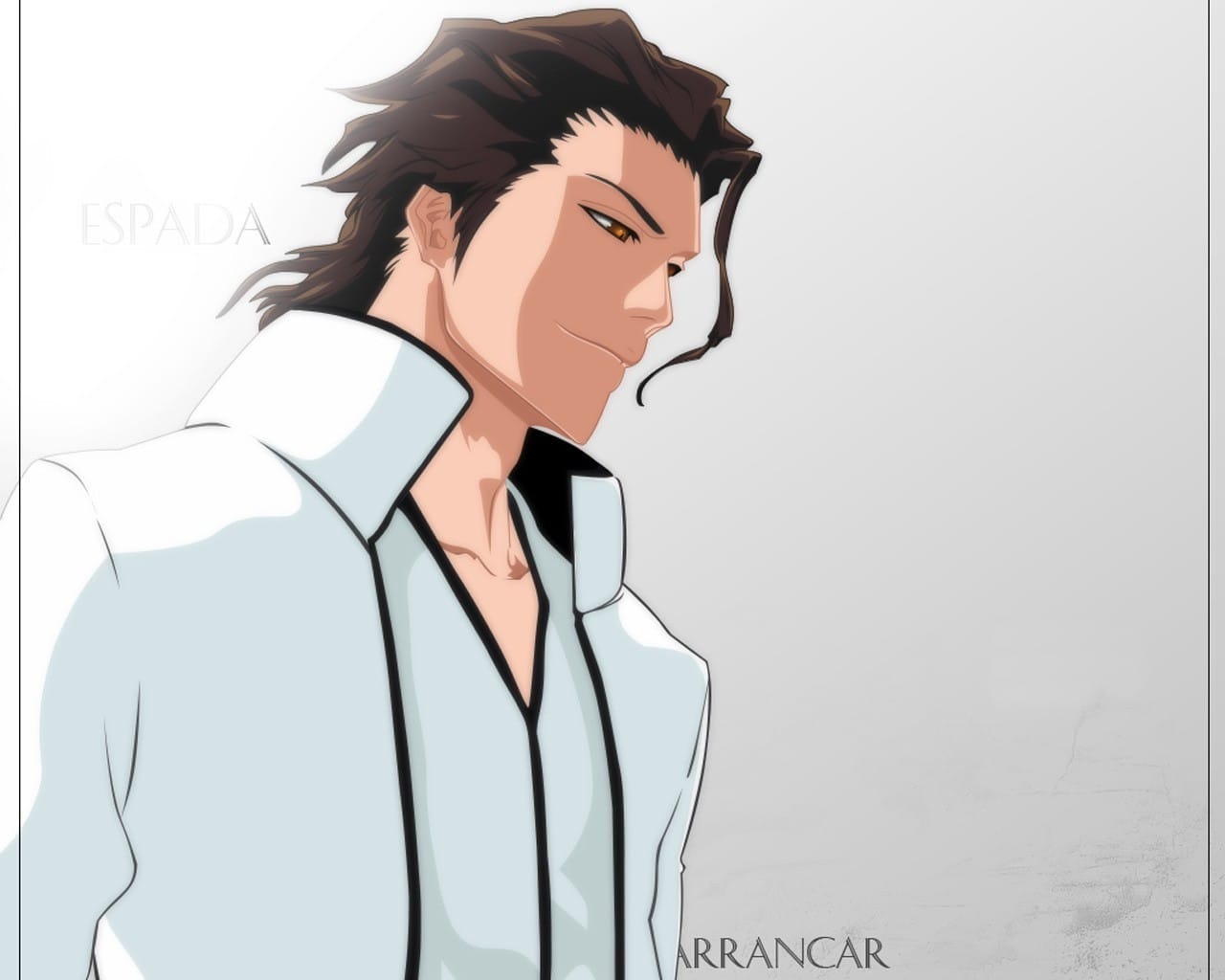
If you’ve read the manga, you know. If you haven’t, I’m not going to spoil the specifics, but let’s just say that Bleach Calamity wouldn’t be a proper finale without the series’ greatest villain making his presence felt. Aizen has been sealed away since the end of the Fake Karakura Town arc, and his return in the context of the Thousand-Year Blood War is one of those moments that makes you realize just how far ahead Kubo was planning.
Think about it: the man who wanted to overthrow the Soul King is now being unleashed into a world where the Soul King is already dead. Everything Aizen wanted has essentially happened — just not by his hand. Yhwach beat him to it. So what does Aizen do in a world where his greatest ambition has already been achieved by someone else? That’s the kind of question that makes Bleach TYBW Part 4 infinitely more interesting than a simple “good guys vs bad guys” finale.
Aizen’s potential role in The Calamity also creates one of the most fascinating dynamics in anime history: the possibility of a temporary alliance between Ichigo and the man who traumatized the Soul Society for over a century. It’s the kind of “enemy of my enemy” scenario that makes villains compelling beyond their power level. Aizen isn’t just strong. He’s interesting. And every second he’s on screen in Bleach Thousand-Year Blood War Part 4 is going to have fans analyzing frame by frame.
The original anime never gave us this. It ended before Aizen’s return, before the Wahr Welt, before any of this. We’re in truly uncharted animated territory, and that’s what makes July 2026 feel like a once-in-a-generation moment for anime fans.
Yhwach vs Ichigo: The Clash That Defines a Generation
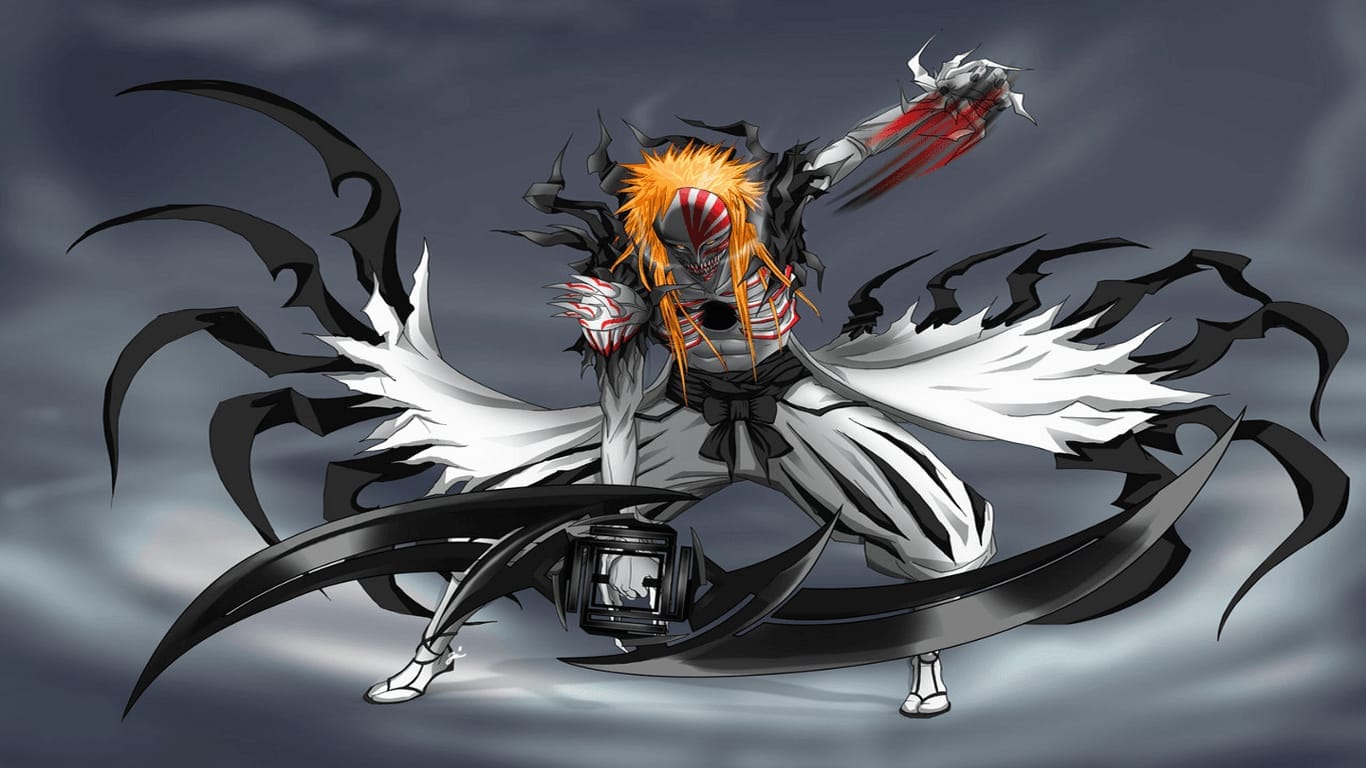
At the center of Bleach Thousand-Year Blood War Part 4 is the confrontation that’s been building since the very first chapter of the manga: Yhwach vs Ichigo. This isn’t just another fight. This is the culmination of a story about a kid who gained the power of every faction in the Bleach universe — Shinigami, Hollow, Quincy, Fullbring — being forced to face the progenitor of one of those very lineages.

Yhwach is, without exaggeration, one of the most terrifying antagonists in shonen history. The Almighty — his ability to see and alter every possible future — makes him essentially unbeatable in conventional terms. He doesn’t just outpower his opponents. He out-possibility them. Every path you take, every strategy you devise, Yhwach has already seen it and rewritten it. Fighting him isn’t about being stronger. It’s about finding a way to exist outside the concept of “future” entirely.
And then there’s Ichigo, who embodies the very diversity of powers that Yhwach seeks to eliminate. Bleach Part 4 July 2026 isn’t just about who wins the fight. It’s about whether Ichigo’s hybrid nature — the very thing that made him an outcast, a misfit who never fully belonged to any single world — is actually the key to saving all of them. That’s not just good writing. That’s the kind of thematic resolution that sticks with you for years.
The May 2026 trailer gave us just a glimpse of their confrontation, and even that fraction of a second was enough to send the community into overdrive. Pierrot has been escalating the animation quality with each cour, and if the pattern holds, Bleach Calamity is going to deliver fight scenes that make everything before it look like a warm-up. We’re talking opening-tier animation sustained across entire episodes.
What makes this matchup even more compelling is the father-son dimension. Yhwach is the father of all Quincy, and Ichigo carries Quincy blood through his own father. This isn’t just a hero fighting a villain. It’s a son fighting the twisted patriarch of a lineage he never asked to be part of. The emotional layers here are dense, and The Calamity has the runtime to actually explore them.
Why The Calamity Could Be the Greatest Shonen Finale Ever Animated
Let’s zoom out for a second and look at where Bleach TYBW Calamity sits in the broader shonen world. Naruto Shippuden had its finale, and while the Kaguya fight was visually impressive, it left a lot of fans cold narratively. Demon Slayer is approaching its endgame, but it’s a much younger series with less accumulated weight. Jujutsu Kaisen’s manga finished, and the anime is still catching up. Bleach? Bleach has been waiting for this moment for over a decade.
The advantage Bleach Thousand-Year Blood War Part 4 has over every other finale is simple: it was always meant to be here. Kubo planned this arc. The manga executed this arc. And now, with Pierrot giving it the adaptation it deserves — no filler, no padding, just pure story at movie-level production — we’re getting something rare in long-running shonen: a finale that feels earned.
Consider the production pedigree. Studio Pierrot has been treating this revival like their magnum opus. Tomohisa Taguchi’s direction has been sharp and cinematic. Masashi Kudo’s character designs maintain Kubo’s iconic style while adding the kind of fluid animation that makes every Bankai reveal feel like an event. And Shiro Sagisu’s score — the man who scored Evangelion — has been weaving new themes into the Bleach soundscape that are as emotionally devastating as the fights they accompany. This isn’t a cash grab. This is a love letter to the fans who kept believing.
There’s also something to be said for the format. The cour-based release structure — with breaks between parts — has given Pierrot time to actually produce quality animation instead of the weekly grind that killed the original anime’s pacing. Bleach Thousand-Year Blood War Part 4 benefits from every lesson learned across Parts 1-3, and the theatrical screening alone tells you they’re confident this is going to hit different on the big screen.
And let’s not underestimate the emotional weight of closure. For twenty-two years, Bleach fans have carried the unfinished story like an open wound. The original anime ending wasn’t just incomplete — it felt like abandonment. The Calamity isn’t just concluding a war arc. It’s closing a chapter that started in 2004, when a orange-haired teenager grabbed a sword and changed anime forever. That kind of payoff doesn’t come around often, and when it lands right, it becomes legendary.
The Supporting Cast That Makes This More Than a One-Man Show
While all eyes are on Yhwach vs Ichigo, one of the things that makes Bleach Calamity so exciting is the depth of its supporting cast. The Thirteen Court Guard Squads are getting their moment to shine, and after three cours of devastating losses, their fight back in the Wahr Welt is going to hit different.

Byakuya Kuchiki’s arc alone has been one of the highlights of the entire Bleach TYBW adaptation. From his near-death experience in Part 1 to his re-emergence with a rebuilt Bankai, Byakuya has gone from the stiff aristocrat we met in the Soul Society arc to a captain who’s been through hell and come out the other side with something to protect. His confrontation with the Quincy who nearly killed him isn’t just a rematch — it’s a statement about how far he’s willing to go.
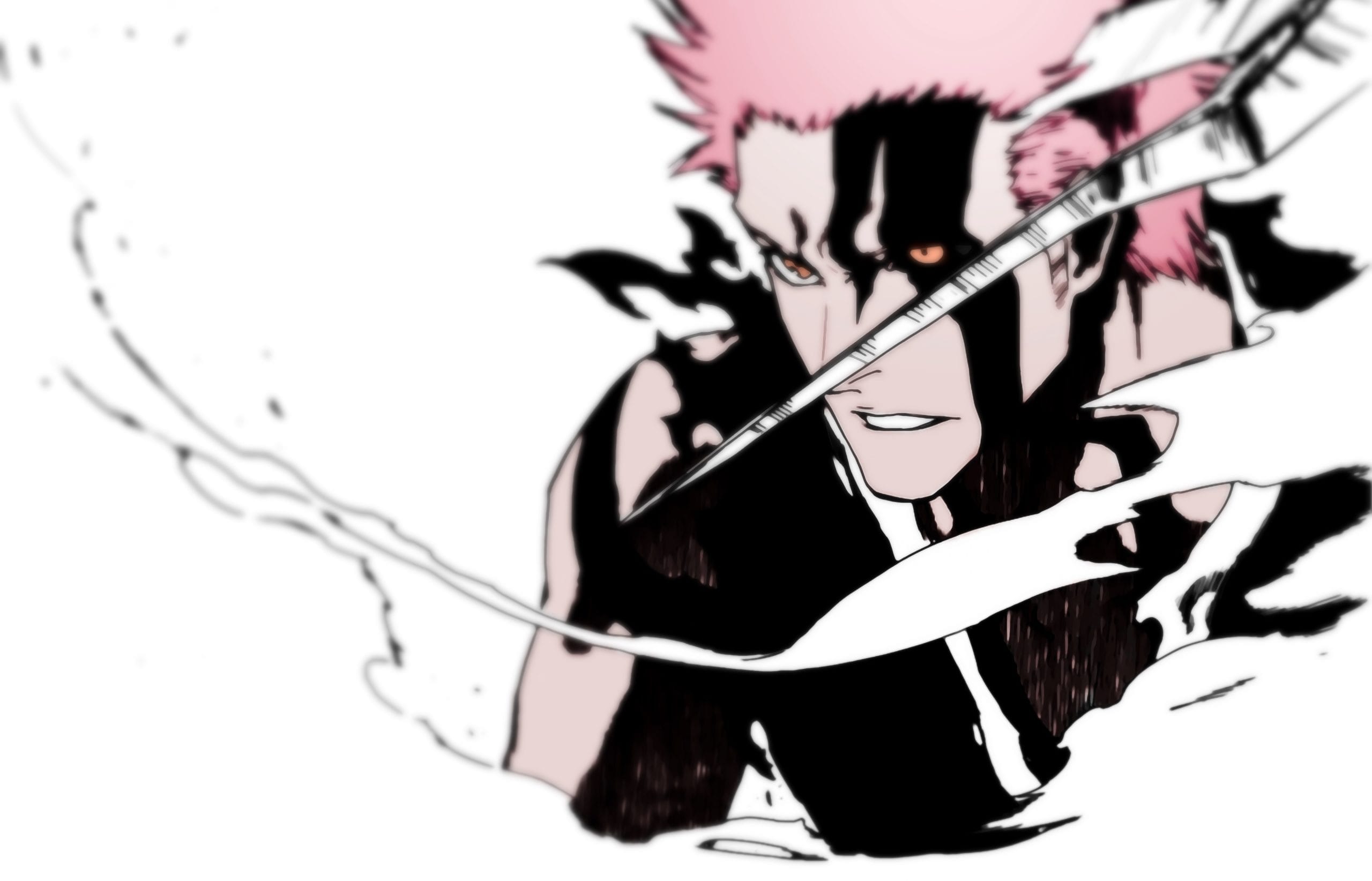
Then there’s Kenpachi Zaraki, who has been on an absolute tear since his Bankai reveal in Part 3. The strongest Shinigami in raw combat, finally unleashed and ready to tear through the Wahr Welt like a one-man army. Every Kenpachi fight in Bleach Thousand-Year Blood War Part 4 is going to be pure adrenaline, and Kubo knows exactly how to use him to break tension in the best way possible.
And we can’t forget the Urahara factor. Kisuke Urahara has been the chess master of this entire war, and The Calamity is where his final gambits play out. The man who’s been five steps ahead of everyone since the beginning — including Aizen — has one last trick up his sleeve, and seeing it unfold in animation is going to be one of those moments that gets replayed for years.
The Bigger Picture: Why This Finale Matters Beyond Bleach
Here’s the thing about Bleach Thousand-Year Blood War Part 4 that goes beyond just being a great anime finale: it represents something important about how the industry has changed. When the original Bleach anime ended in 2012, it was a victim of the endless weekly grind — a model that burned through source material, padded with filler, and ultimately collapsed under its own weight. The fact that Bleach is coming back in this refined, cour-based format isn’t just good for fans. It’s a proof of concept for how long-running shonen should be handled.
Look at the alternatives. One Piece is still running after 25+ years, and while the remake is promising, the original anime is bogged down by pacing that makes the Soul Society arc look brisk. Boruto exists in a weird space where nobody’s quite sure who it’s for. But Bleach Calamity? It’s a focused, high-production finale that knows exactly what it wants to be and doesn’t waste a single episode getting there.
The theatrical screening strategy is also worth noting. Fathom Entertainment bringing the first three episodes to US theaters — complete with an exclusive Tite Kubo interview — signals that anime has fully arrived as mainstream entertainment in the West. This isn’t a niche screening at an anime convention. This is a nationwide theatrical event with a $29.99 Fandango bundle that includes mystery production artwork. The industry is treating Bleach Part 4 July 2026 like a major cultural event, and honestly? It deserves that treatment.
For fans who grew up with Bleach, for fans who discovered it through the TYBW revival, and for fans who just appreciate when anime goes all-out on a finale — Bleach Thousand-Year Blood War Part 4 is shaping up to be the kind of experience that defines a year. Not just a season, not just a genre — an entire year. July 2026 isn’t just anime season. It’s Bleach season.
What I’m Most Excited For (And Why You Should Be Too)
Alright, I’ll put my cards on the table. Here’s what I’m personally most hyped for in Bleach TYBW Calamity, and why I think this cour is going to exceed even the loftiest expectations:
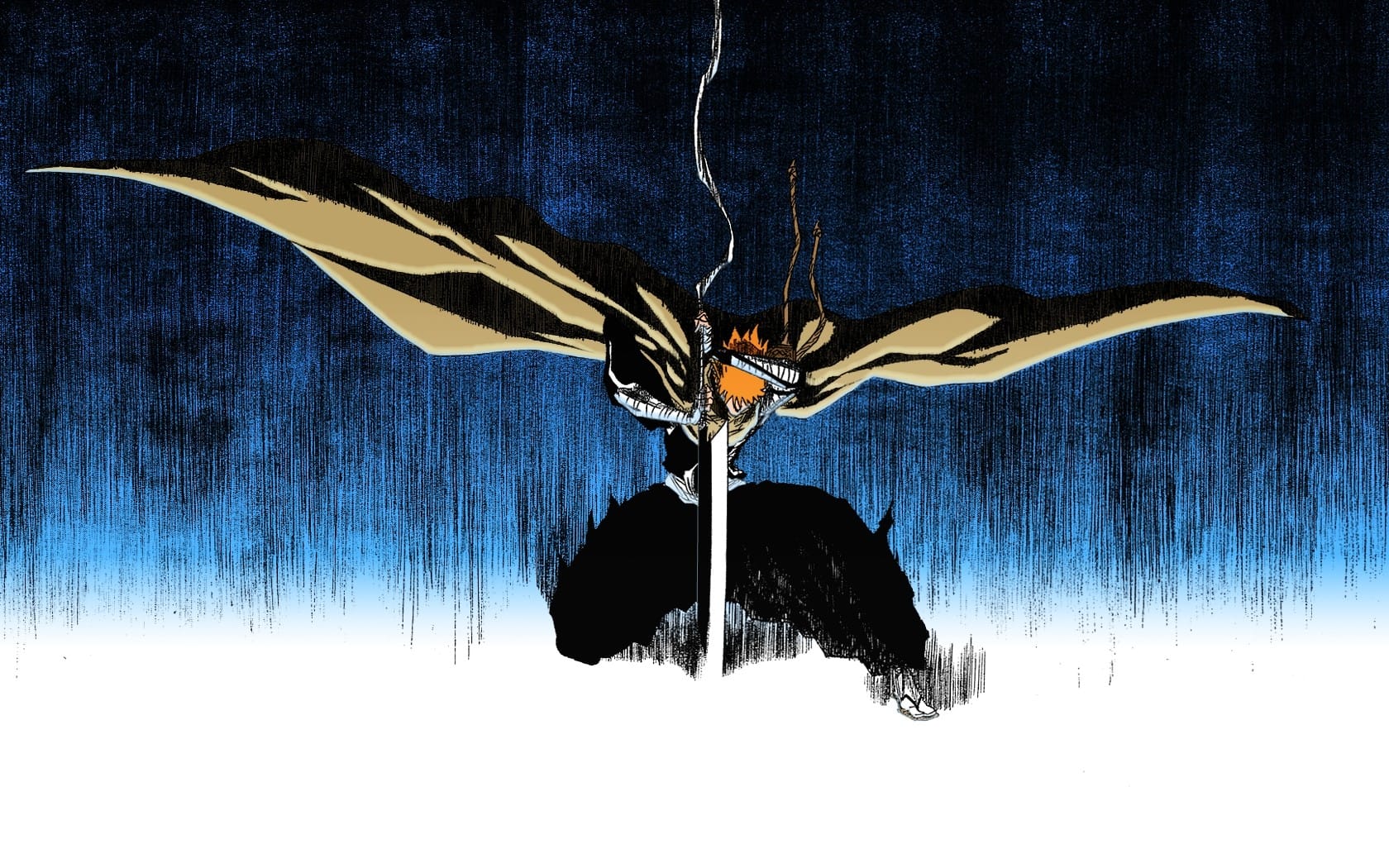
1. The Bankai reveals we haven’t seen yet. Kubo held back some of the most devastating Bankai for the final act, and seeing them animated for the first time is going to break the internet. Every new Bankai in this arc has been an event. The ones in The Calamity will be even bigger.
2. The emotional resolution of Ichigo’s identity. Since day one, Ichigo has been a kid caught between worlds — Shinigami, Hollow, Quincy, human. Bleach Thousand-Year Blood War Part 4 is where that tension finally resolves. Not by choosing one identity, but by embracing all of them. That’s the kind of character work that sticks.
3. The fights in the Wahr Welt. Every floor is a different arena, every battle has different stakes, and Pierrot has been saving their best animation for this. The Quincy vs Shinigami battles in Yhwach’s fortress are going to be the kind of spectacle that makes you forget to breathe.
4. Aizen. I said it before and I’ll say it again. Every frame this man is in during Bleach Calamity is going to be analyzed like the Zapruder film. The chair. The smirk. The possibility that he might be the most unreliable ally in anime history. I’m here for all of it.
5. The ending. Not just the plot resolution, but the ending ending. The credits. The final frames. The moment where twenty-two years of story comes to a close and you sit there thinking, “They actually did it. They actually finished it properly.” That’s going to hit hard.
Final Thoughts: The Calamity Is Going to Be Legendary
Bleach Thousand-Year Blood War Part 4 — The Calamity isn’t just the final cour of a revived anime. It’s the resolution of a story that’s been waiting over a decade to be told properly. It’s the proof that long-running shonen can have endings that feel earned, productions that feel intentional, and emotional payoffs that feel worth the wait.
From the devastation of Part 3’s cliffhanger — the Soul King cut down, the Three Worlds collapsing, the Shinigami and Quincies forced into an impossible alliance — to the promise of the Wahr Welt’s final battles, Bleach Calamity is carrying more weight than almost any anime finale in recent memory. And every piece of information we have — the returning staff, the theatrical release, the May trailer showing Ichigo vs Yhwach — suggests that Pierrot is treating this with the gravity it deserves.
Whether you’ve been reading the manga since 2001, watching the anime since 2004, or picked up Bleach for the first time when the TYBW revival dropped in 2022, Bleach TYBW Part 4 is for you. It’s for everyone who waited. For everyone who believed the story would get its proper ending. For everyone who ever held a ruler like a sword and whispered “Bankai” under their breath.
July 2026. The Calamity is coming. And it’s going to be unforgettable.
You Might Also Enjoy
If you’re counting down the days until Bleach Thousand-Year Blood War Part 4 drops, here are some reads to keep you occupied:
- Summer 2026 Anime Preview: The Ultimate Watchlist — Plan your entire summer viewing schedule around The Calamity and everything else coming our way.
- The Shonen Revolution: How Shorter Seasons Are Changing Anime — Understand why the cour-based format is making finales like Bleach’s better than ever.
- Chrollo Lucilfer: Hunter x Hunter’s Perfect Villain — If you love complex villains like Yhwach and Aizen, Chrollo is in the same conversation.
- The Best Anime of the 2010s: A Definitive Top 20 — See where the original Bleach lands and why the revival is rewriting its legacy.
- The Best Anime Openings of All Time — Fuel your hype with the greatest OPs ever, including Bleach’s iconic entries.