The Show Nobody’s Talking About (But Everyone Should Be)
Spring 2026 is absolutely loaded. Wistoria S2 came out swinging. Witch Hat Atelier has the entire community in a chokehold over Bug Films’ jaw-dropping animation. Re:Zero S4 is breaking hearts weekly. And yet, quietly sitting at #7 in the Anime Corner weekly rankings — right in the middle of that stacked field — is Agents of the Four Seasons, a show that deserves way more buzz than it’s getting.
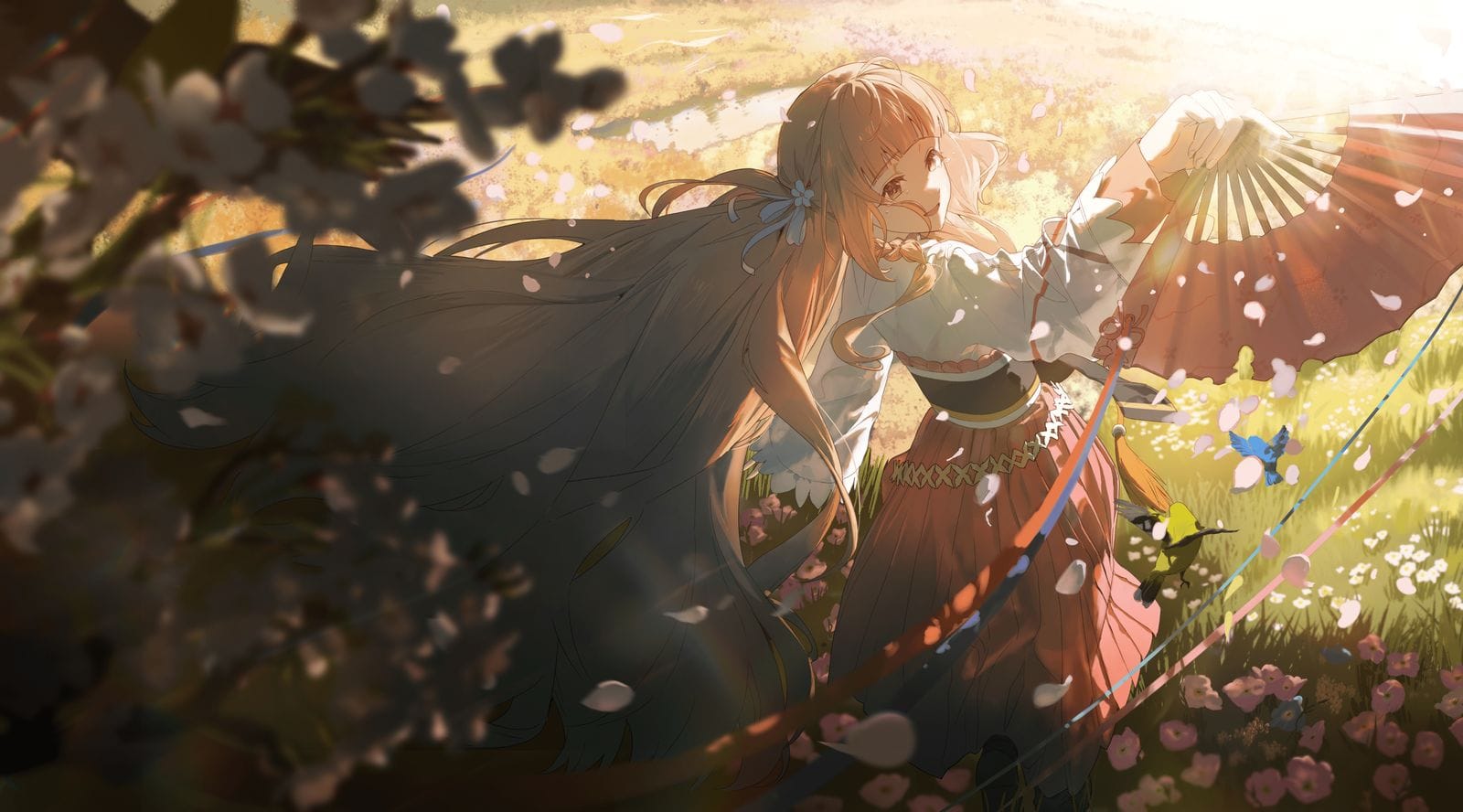
I’m not exaggerating when I say this is the most under-discussed anime of the season. Nine episodes in, and Agents of the Four Seasons has delivered some of the most emotionally devastating television of 2026. Episode 9 alone had me staring at my screen in silence for a solid two minutes after the credits rolled. And somehow, my timeline is still 80% Re:Zero memes.
Look, I love Re:Zero as much as anyone. But Agents of the Four Seasons is doing something genuinely special — something that only becomes obvious when you realize who wrote it and who is animating it. Let me make the case for why this show needs to be on your watchlist, like, yesterday.
From Violet Evergarden to Agents — Kana Akatsuki’s Next Masterpiece
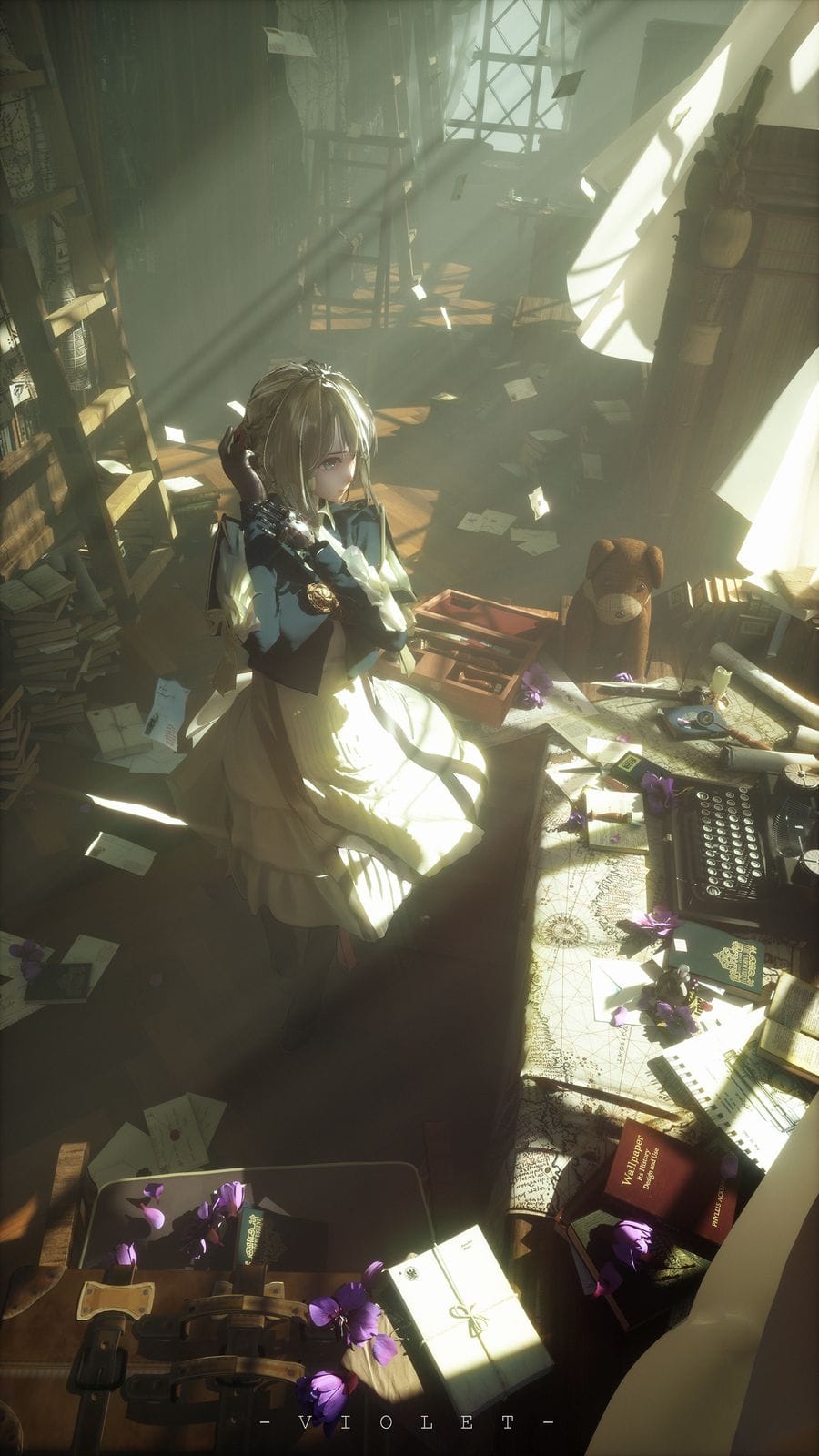
Here’s the thing that should have every anime fan paying attention: Agents of the Four Seasons is written by Kana Akatsuki — the same author behind Violet Evergarden. Yes, that Violet Evergarden. The light novel series that made an entire generation of anime fans ugly-cry over a girl learning what “I love you” means. The Violet Evergarden author is back, and she’s writing about lonely gods who perform rituals to keep the world turning.
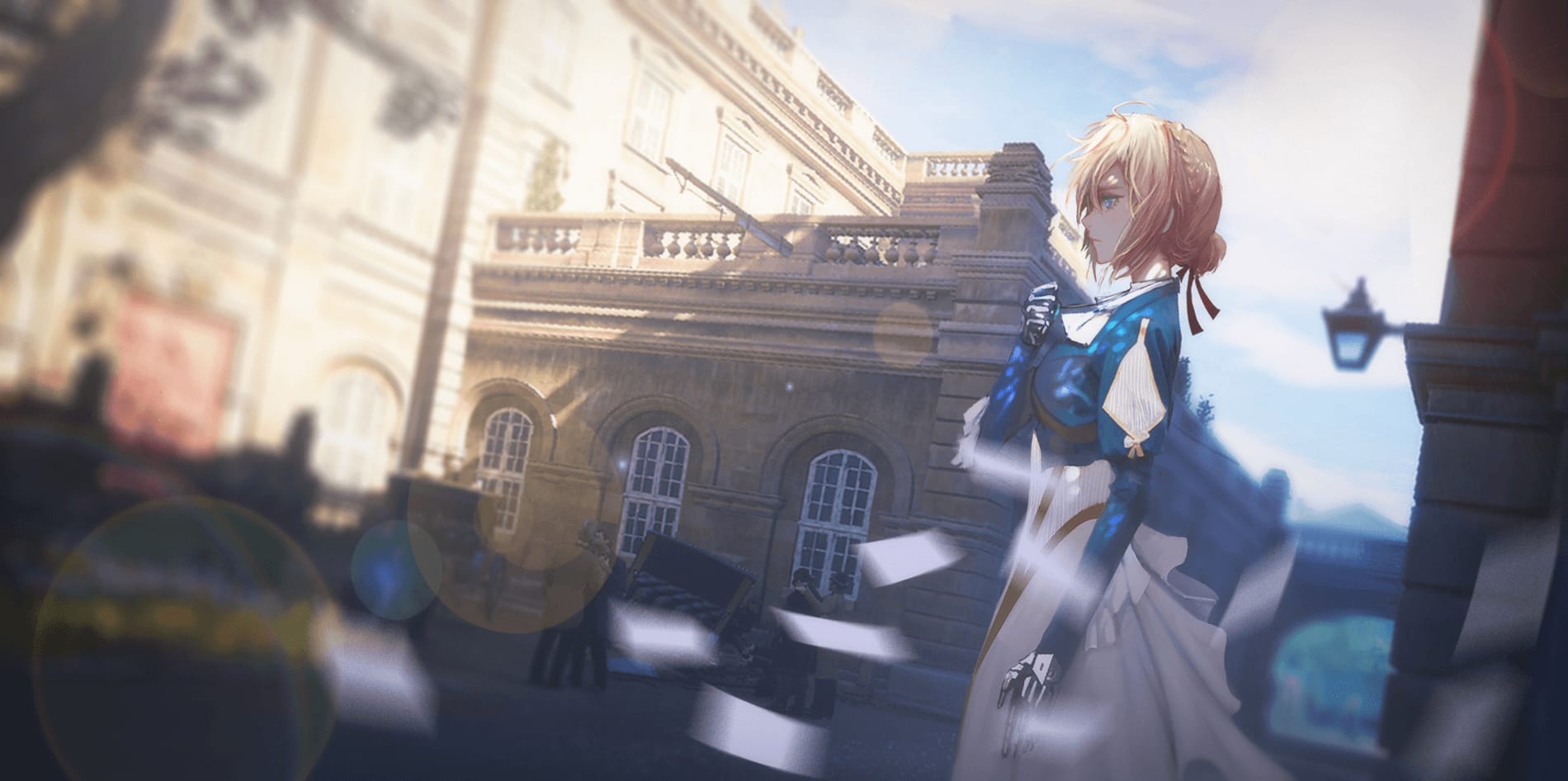
If you’ve read Akatsuki’s work, you already know her signature. She writes characters who are emotionally isolated — cut off from the warmth of human connection by duty, trauma, or circumstance — and then slowly, painstakingly, she draws them toward each other. Violet Evergarden was about a weapon learning to feel. Agents of the Four Seasons is about divine beings who already feel, but are forbidden from acting on those feelings because the world literally depends on their emotional suppression.
The Shunkashūtō Daikōsha (that’s the Japanese title, and yes, it’s a mouthful) novels have been winning awards in Japan since 2021. They won the Grand Prize at the 28th Dengeki Novel Awards, which is the same contest that launched Sword Art Online and KonoSuba. That’s not a coincidence. Akatsuki’s prose has a lyrical quality that translates beautifully to screen — every line of dialogue carries weight, every silence between characters says something.
What makes Kana Akatsuki’s writing so effective in Agents of the Four Seasons is her restraint. She doesn’t dump exposition. She doesn’t over-explain the magic system. Instead, she lets the emotional stakes speak for themselves. When Hinagiku performs the Dance of Spring, you feel the loneliness radiating off her — not because anyone spells it out, but because Akatsuki has already shown you what it costs to be the Agent of Spring.
The World of Shunkashūtō Daikōsha — Premise and Lore
Alright, let’s get into the premise, because the world of Agents of the Four Seasons is genuinely unlike anything else airing right now. In this universe, the four seasons don’t just happen — they’re managed by divine Agents who perform sacred rituals of song and dance to usher in each seasonal transition. Spring doesn’t arrive on its own. The Agent of Spring has to call it into being through a ceremonial performance.
That premise alone grabbed me. There’s something deeply Japanese about the idea that nature requires human — or in this case, divine — participation to function. The seasons aren’t automatic. They need someone to believe in them, perform for them, sacrifice for them. It’s Shinto animism dialed up to eleven, and it creates a world where every weather change carries emotional and spiritual weight.
The Shunkashūtō Daikōsha system works like this: each Agent is bound to their season. The Agent of Spring (Hinagiku), Summer, Autumn, and Winter (Rousei) each have their own territory, their own rituals, and their own isolation. They’re powerful, yes. They’re revered, sure. But they’re also profoundly alone. The rituals require them to perform these elaborate ceremonies at specific moments, and between those moments, they exist in a sort of divine limbo — powerful enough to command the seasons, lonely enough to ache.
What I love about the world-building in Agents of the Four Seasons is that it never feels like a fantasy setting for its own sake. Every rule exists to serve the emotional core. The Agents can’t just quit their duties — the world would literally stop having seasons. They can’t just visit each other freely — the boundaries between seasonal domains are strict. Every restriction on their freedom exists to make their connections feel more earned when they happen. It’s a world that operates on emotional logic, and that’s what makes Agents of the Four Seasons feel so different from every other fantasy anime airing this season.
And then there’s the lore underneath the lore. Hints of a previous age. Whispers of Agents who defied the system. The suggestion that the Shunkashūtō Daikōsha arrangement wasn’t always this rigid. Akatsuki plants seeds that make you hungry for answers, and episode 9 starts paying some of those off in devastating fashion. When Hinagiku and Rousei stand together against the threat to the Autumn Agent, the lore doesn’t just inform the action — it becomes the emotional framework that makes every choice feel weighted with centuries of consequence.
Why WIT Studio Was the Perfect Choice
When I saw WIT Studio attached to Agents of the Four Seasons, I knew we were in good hands. This is the studio that gave us Attack on Titan Seasons 1-3, Spy x Family, Ranking of Kings, and Seraph of the End. WIT has a track record of taking emotionally complex source material and elevating it with animation that makes you forget you’re watching drawings on a screen.
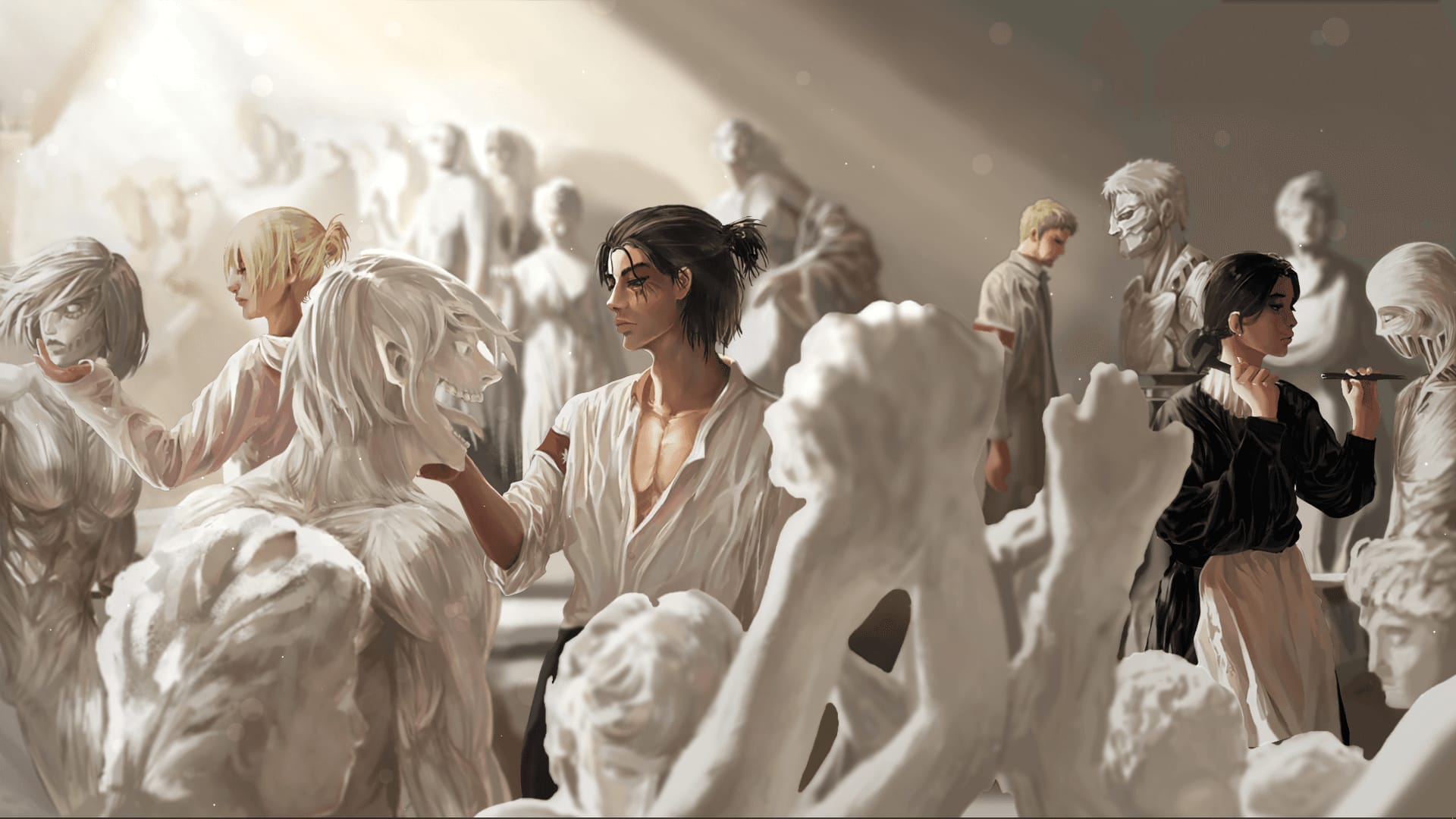
And they’re doing it again here. The ritual performances in Agents of the Four Seasons are where WIT flexes hardest. When Hinagiku dances to bring spring, the animation doesn’t just show movement — it shows feeling. The way her sleeves trail through the air, the way cherry blossoms erupt from nothing, the way the color palette shifts from winter’s muted grays to spring’s warm pinks — it’s all communicating emotion through motion. WIT Studio treats every frame of these ritual sequences like a painting.
But here’s what really sets WIT’s work apart on this show: the restraint. They’re not sakuga-for-sakuga’s-sake. The quiet scenes — and there are many — are animated with the same care as the spectacular ones. A slight shift in Rousei’s expression. The way Hinagiku’s hands tremble before she begins the dance. The stillness between two people who want to reach for each other but can’t. WIT understands that sometimes the most powerful animation is barely perceptible movement, and they deploy that understanding constantly in Agents of the Four Seasons.
Then there’s the music. Kensuke Ushio is composing the score, and if that name doesn’t immediately grab you, let me remind you: this is the person who scored A Silent Voice, Chainsaw Man, Ranking of Kings, and Boys Run the Riot. Ushio’s range is absurd, and his work on Agents of the Four Seasons might be his best yet. The ritual performances get these haunting vocal arrangements that feel ancient and alive at the same time. The emotional scenes are scored with piano motifs so spare they leave room for silence — and Ushio knows that silence is its own instrument.
The direction, helmed by Tomohisa Taguchi (Kino’s Journey 2017, Akudama Drive), ties it all together. Taguchi clearly understands Akatsuki’s writing on a deep level. He doesn’t rush the quiet moments. He doesn’t over-explain the lore. He lets the images and the music and the silences carry the story the way Akatsuki intended. This is one of those rare adaptations where you can feel the original author’s voice surviving the transition from page to screen intact.
Hinagiku and Rousei — A Relationship Born From Loneliness
Okay, this is where Agents of the Four Seasons truly separates itself from the pack. The central relationship between Hinagiku (Agent of Spring) and Rousei (Agent of Winter) is the emotional engine of this show, and it’s one of the best-developed character dynamics I’ve seen in years.
Hinagiku carries spring — the season of renewal, growth, warmth, and connection. She’s the Agent who should, by all logic, be the most connected to life and love. And yet, she’s isolated by her duty. The Dance of Spring requires her to pour everything into the performance, leaving nothing for herself. She gives the world its blossoms, but she never gets to sit under them with someone who sees her.
Rousei, as the Agent of Winter, is the flip side. His season is about endurance, stillness, and survival. He’s spent so long in the cold that he’s built walls that even he can’t see through anymore. When Hinagiku and Rousei first interact in Agents of the Four Seasons, there’s this electric tension — not because they’re enemies, but because they’re mirrors. Two people who’ve been told their entire existence is about serving others, slowly realizing they see each other in ways nobody else can.
What Kana Akatsuki does so well here — and what the anime captures perfectly — is the cost of their connection. Every time Hinagiku and Rousei get closer, the world reminds them of the stakes. Their duties pull them apart. The boundaries between seasons are literal. The consequences of two Agents abandoning their posts are astronomical. And yet, they keep choosing each other in small, devastating ways. A glance that lasts a beat too long. A hand that almost reaches. Words that say one thing but mean another entirely.
Episode 9 ramps this up to another level. When the Autumn Agent is threatened, Hinagiku and Rousei form a united front to rescue them — and the way their combined power works is tied directly to how much they trust each other. It’s not just a thematic metaphor. It’s the literal mechanic of the world. The stronger their bond, the more effective they are together. But the closer they get, the more it hurts when duty inevitably separates them again.
This is Kana Akatsuki doing what she does best: showing that love and duty don’t have to be in opposition, but acknowledging that when they are in opposition, the pain is real and not easily resolved. If Violet Evergarden was about someone learning to feel for the first time, Agents of the Four Seasons is about people who feel too much and are told they can’t act on any of it. It’s a different kind of lonely, and it hits just as hard. The emotional architecture of Agents of the Four Seasons is built on the same foundation as Violet Evergarden — isolation, longing, and the quiet courage it takes to reach for someone when the entire world is telling you not to.
Spring 2026 Is Stacked — Here’s Why Agents Still Matters
Let’s be real about the competition. Spring 2026 might be the most competitive anime season in recent memory, and Agents of the Four Seasons is fighting for attention against some heavy hitters.
Re:Zero Season 4 continues to dominate the conversation, and honestly, fair enough — Subaru’s latest arc is some of the best content the series has produced. Wistoria: Wand and Sword Season 2 came back with improved production values and a story that’s finally delivering on Season 1’s promise. Witch Hat Atelier has people declaring it the animated series of the decade, and honestly, the animation quality backs up that claim.
Then there’s the Jujutsu Kaisen: Execution movie still dominating box office numbers. The Crunchyroll Anime Awards 2026 recently reminded everyone which shows the algorithm loves. The noise is deafening.
But here’s why Agents of the Four Seasons still matters — and why it might actually age better than some of these bigger shows: it’s doing something nobody else is doing. Re:Zero is pushing the isekai envelope. Wistoria is perfecting battle shonen. Witch Hat Atelier is redefining what TV anime can look like. All worthy. But Agents of the Four Seasons is the only show this season that’s treating emotional fantasy as a primary genre — not as a subplot, not as a bonus, but as the entire point.
In a season full of spectacle, Agents of the Four Seasons is the show that trusts you to sit with feelings. It trusts you to care about two people who might never be able to be together. It trusts you to find meaning in a ritual dance even when there’s no explosion at the end. And in an anime ecosystem that increasingly rewards the loudest, flashiest, most algorithm-optimized content, that kind of trust is rare and valuable.
The #7 ranking in Anime Corner’s weekly poll actually tells you everything. It’s not #1, because it doesn’t have the built-in audience of a Re:Zero or the viral sakuga moments of Witch Hat Atelier. But it’s on the board, climbing, and the people who are watching it are passionate about it. That’s how you build a show that becomes a classic — not through opening week hype, but through word-of-mouth from people who genuinely believe in what they’ve found.
Should You Watch Agents of the Four Seasons?
Yes. That’s the short answer. But since you deserve more than that, let me give you the full breakdown.
Watch Agents of the Four Seasons if: You loved Violet Evergarden and want more of that emotional devastation from the same author. You appreciate anime that trusts you to feel things without hitting you over the head. You think the best fantasy worlds are the ones that use their magic systems as metaphors for human experience. You want something different from the battle shonen and isekai that dominate every season.
Skip it if: You need constant action to stay engaged. You dislike slow-burn storytelling where the payoff comes in emotional beats rather than fight scenes. You’re looking for comedy — this show takes itself seriously and earns every serious moment. You can’t handle shows that make you feel sad in a way that lingers. And honestly, that last one might be the most important qualifier, because Agents of the Four Seasons doesn’t do sadness as a temporary plot beat — it does sadness as a living, breathing thing that sits beside hope and refuses to leave.
Here’s what I can tell you with certainty: Agents of the Four Seasons is the kind of show that grows in your estimation after you finish it. The first few episodes are good — atmospheric, well-animated, intriguing. But they’re setting up emotional investments that pay off massively in the back half. Episode 9 is where it all clicks into place, and I have no doubt the remaining episodes will only intensify what’s already working.
The Shunkashūtō Daikōsha novels have been winning over Japanese readers for years. Kana Akatsuki’s track record speaks for itself. WIT Studio is operating at the top of their game. Kensuke Ushio is composing music that will live in your head rent-free. And the central relationship between Hinagiku and Rousei has the kind of emotional specificity that stays with you long after the episode ends.
This is Spring 2026’s hidden gem. Not because it’s obscure for the sake of being obscure, but because it’s quietly, confidently doing work that most shows don’t even attempt. Agents of the Four Seasons doesn’t need to shout to be heard. It just needs you to watch.
And if you’re already caught up and looking ahead, our Summer 2026 anime preview has your next season covered while you wait for new episodes.
You can check out the full series details and community ratings on MyAnimeList.
You Might Also Enjoy
If Agents of the Four Seasons has you hooked on emotionally rich fantasy anime, here are a few more deep cuts worth your time:
- Wistoria: Wand and Sword Season 2 — Spring 2026’s Biggest Comeback — Another show fighting for attention in this stacked season, and winning.
- Witch Hat Atelier — Why Bug Films Has Spring 2026’s Best Animation — If WIT Studio’s work on Agents impressed you, Bug Films is doing something equally extraordinary.
- Why the Jujutsu Kaisen: Execution Movie Changes Everything — The biggest theatrical anime of 2026 and why it matters for the medium.
- Crunchyroll Anime Awards 2026 — Winners Breakdown and Analysis — See which shows the industry is celebrating this year.
- Summer 2026 Anime Preview — Best Shows and Your Watchlist — Plan ahead for what’s coming next.