The Wait Is Almost Over — Steel Ball Run 2nd Stage Is Coming
When the Steel Ball Run 1st STAGE dropped on Netflix back in March 2026, it didn’t just give us a taste of JoJo’s Bizarre Adventure Part 7 — it ignited a full-blown obsession. That 47-minute premiere episode was a statement piece, and now the 2nd Stage is locked in for Fall 2026. If you’ve been counting the days since Johnny Joestar first locked eyes with Gyro Zeppeli, the wait is finally nearing its end.
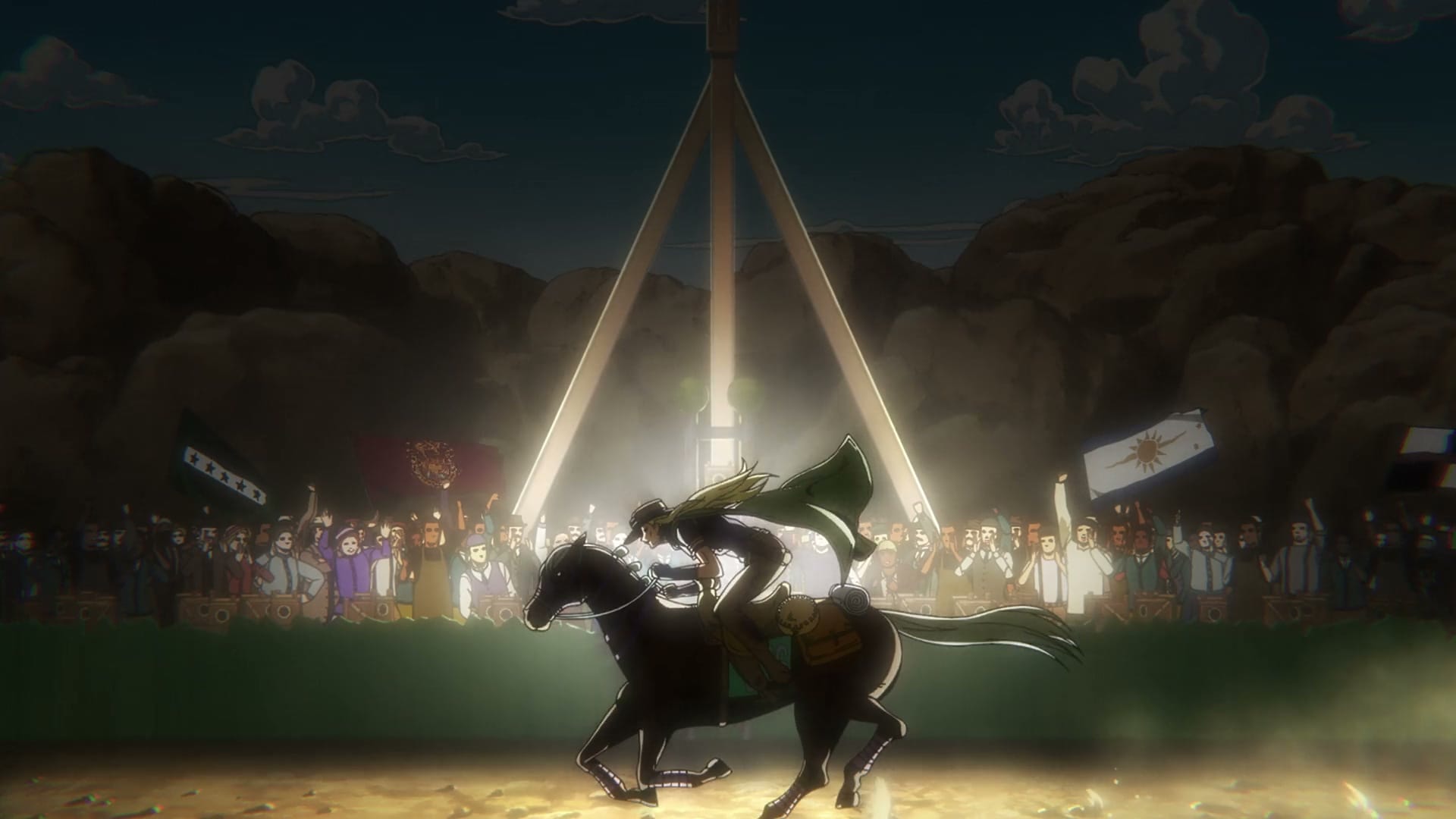
This isn’t just another batch of episodes. This is where Hirohiko Araki’s magnum opus truly starts to flex — where the horse race becomes a pressure cooker, where the Stand battles get deranged, and where Johnny’s journey to walk again becomes something far bigger than personal redemption. Let’s break down everything we know about the 2nd Stage and why Fall 2026 is about to rewrite what anime can do.
What We Know About the Steel Ball Run 2nd Stage Release
The confirmation came straight from Netflix: Part 7 returns in Fall 2026 with a weekly release schedule. After the 1st STAGE’s feature-length premiere on March 19, 2026, fans speculated whether we’d get another marathon episode or a traditional cour. The answer is a split-cour release across the entire Steel Ball Run anime run, which means we’re getting sustained, weekly doses of glory.
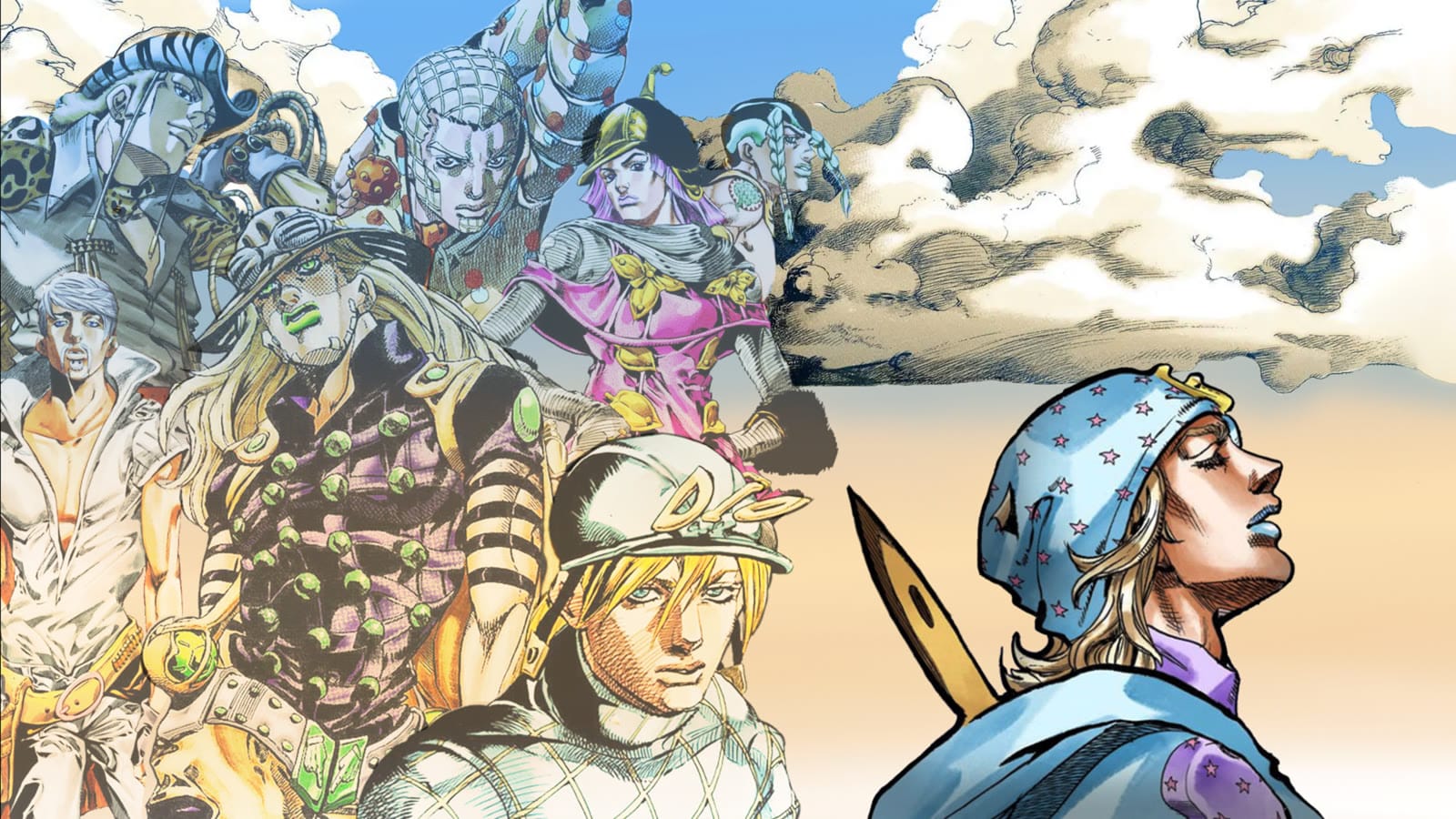
Directors Yasuhiro Kimura and Hideya Takahashi are returning — the same duo who steered previous JoJo seasons with the kind of reverence this franchise demands. Their track record with Golden Wind and Stone Ocean proves they understand how to translate Araki’s wild panels into motion without losing the soul. For these new episodes, that experience matters more than ever, because this arc pushes the boundaries of what a battle manga even is.
The English dub cast is locked and loaded too. Daman Mills voices Johnny Joestar, bringing the right mix of bitterness and fragile hope. Kaiji Tang steps into Gyro Zeppeli’s shoes — a role that demands comedic timing, gravitas, and the ability to sell a terrible joke at the worst possible moment. Damien Haas voices Diego Brando, Frankie Kevich plays Lucy Steel, Jamieson Price voices Steven Steel, Alejandro Antonio Ruiz takes on Sandman, and Cedric Williams rounds it out as Pocoloco. This cast understands the assignment.
Netflix continues as the exclusive streaming home, following the pattern set by Stone Ocean and the entire JoJo anime catalogue. If you’ve been keeping up with JoJo on Netflix, you already know the drill — and you already know this is the one that changes everything.
Devil’s Palm — The Arc That Redefines JoJo
The 2nd Stage covers the Devil’s Palm, and if you’ve read the manga, you already know this is where things get certified insane. The Devil’s Palm isn’t just a location — it’s a 750-mile stretch of desert that functions as a pressure cooker for Stand users. It’s feared, it’s lawless, and it’s absolutely crawling with some of the most terrifying Stand abilities Araki ever designed.
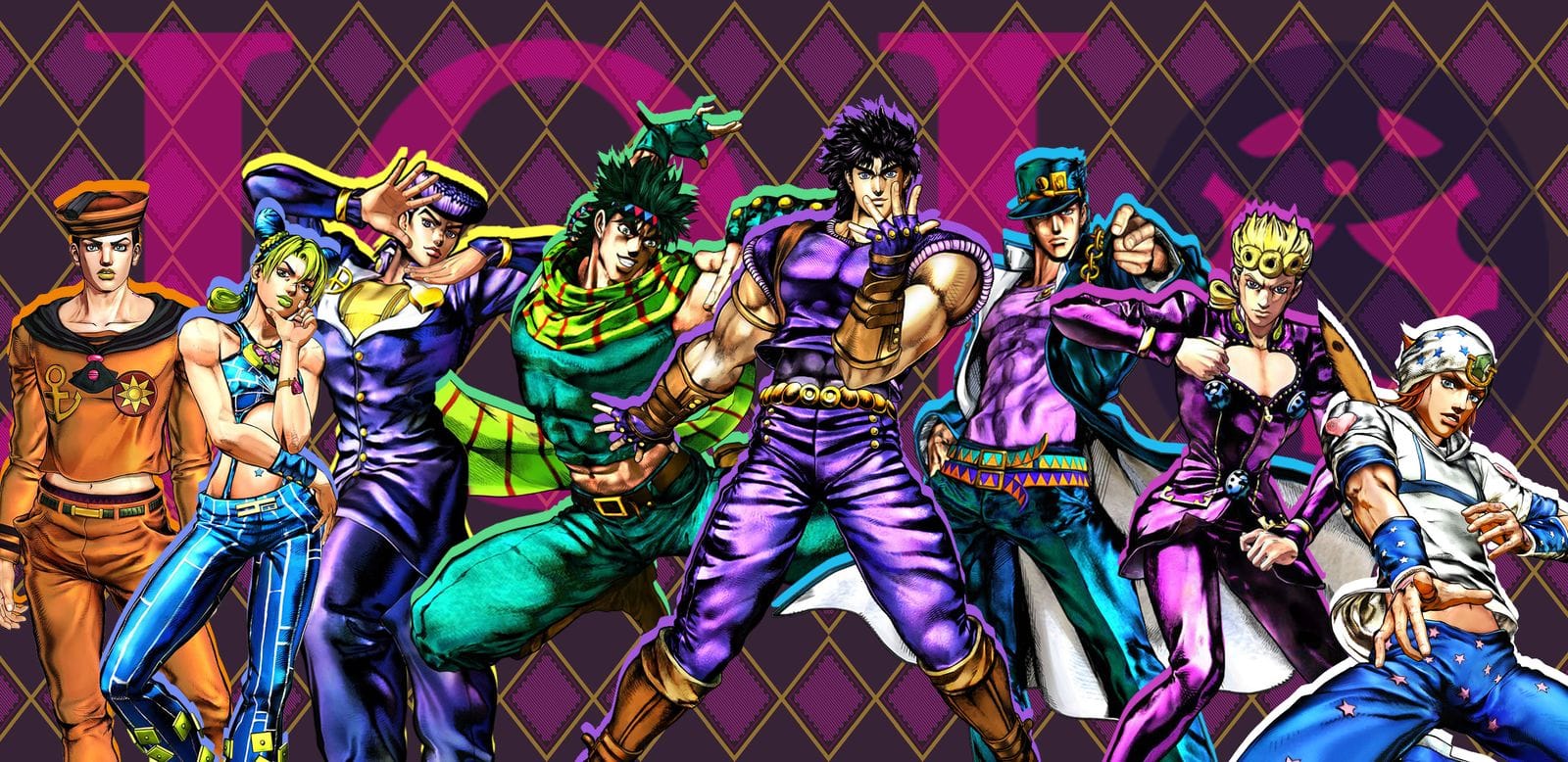
In JoJo Part 7’s lore, the Devil’s Palm is where Stand users are drawn together — a supernatural gravity that forces confrontation after confrontation. That means the episodic structure of the race gives way to something denser and more dangerous. Johnny and Gyro aren’t just racing anymore. They’re surviving a gauntlet where every mile could bring a new Stand user hungry for the $50 million prize.
The shift in tone is deliberate. The 1st STAGE established the world — 1890s America, the race, the stakes. The Steel Ball Run 2nd Stage tears that comfort away. The desert becomes a character. The isolation becomes a weapon. And Araki’s Stand designs in this arc? Some of his most unsettling work. We’re talking abilities that manipulate anatomy, that twist probability, that weaponize the very concept of misfortune. Steel Ball Run 2nd Stage is where JoJo stops feeling familiar and starts feeling dangerous.
For anime-only viewers, the Devil’s Palm arc is going to be a revelation. It’s where JoJo’s Bizarre Adventure stops being a shonen battle series and becomes something closer to a supernatural Western — lonely, brutal, and oddly philosophical. Why Steel Ball Run Is the Greatest JoJo Part Ever Written isn’t a hot take — it’s practically consensus at this point, and the Devil’s Palm is a huge reason why.
Johnny Joestar and Gyro Zeppeli — The Heart of Steel Ball Run
Every JoJo part lives or dies by its protagonist dynamic, and these episodes have one of the best duos in anime history. Johnny Joestar isn’t your typical shonen hero — he’s a former jockey paralyzed from the waist down, drowning in self-loathing, searching for a reason to keep moving. His arc through the Devil’s Palm isn’t just about survival. It’s about whether someone who’s given up on himself can find the will to stand up, literally and figuratively.
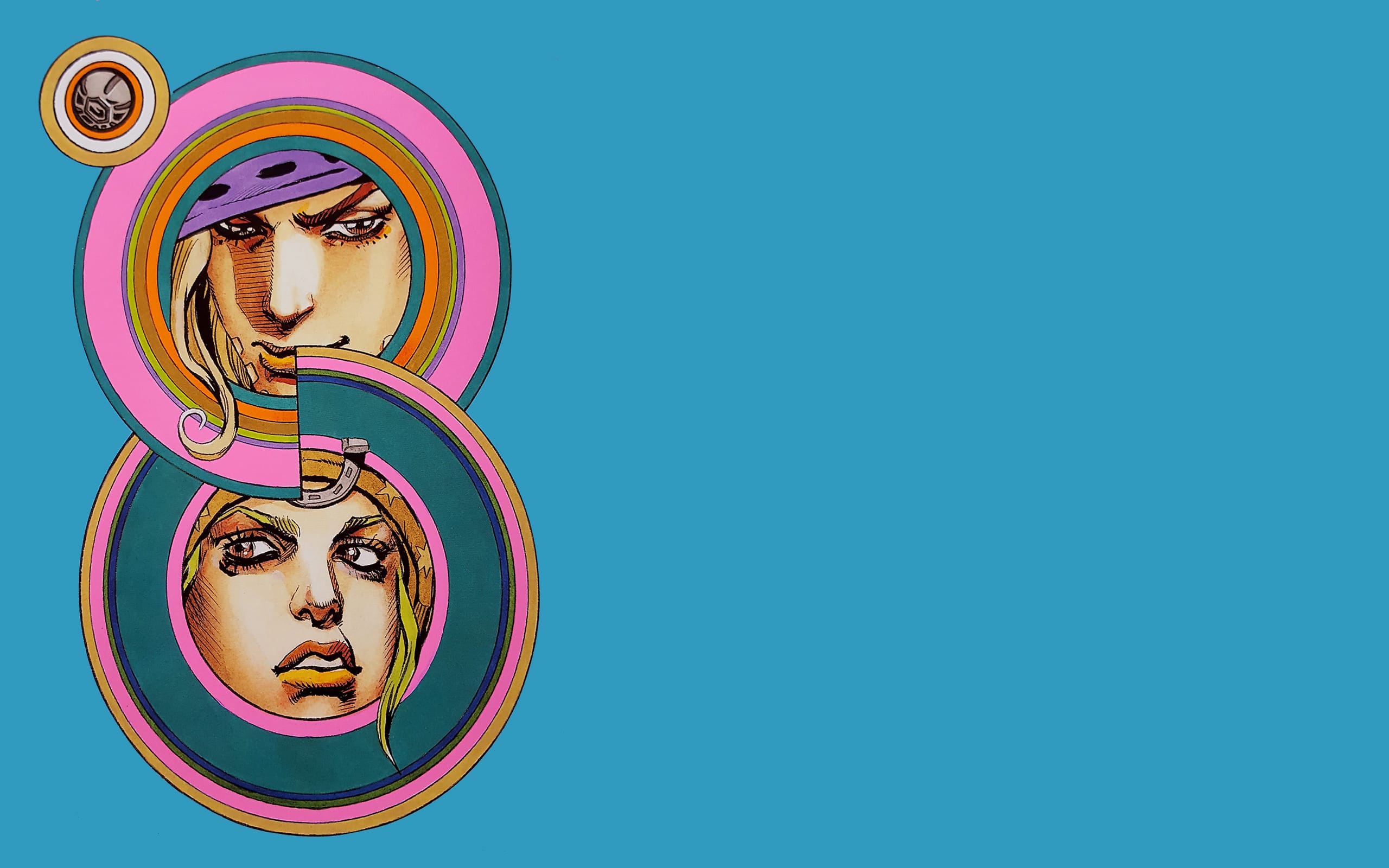
Gyro Zeppeli is the perfect counterweight. Mysterious, cocky, and secretly carrying more weight than his grin lets on. He’s a master of the Steel Ball Spin technique — the power system that ranks among the best anime power systems ever conceived. But Gyro isn’t a mentor in the traditional sense. He’s barely holding himself together, and watching Johnny and Gyro prop each other up through the Devil’s Palm is some of the most emotionally rich storytelling Araki has ever produced.
The Spin itself deserves its own conversation. Unlike Hamon or Stand punches, the Steel Ball Spin is about rotation, momentum, and the golden ratio — concepts that Araki weaves into the fights with genuine mathematical depth. When Johnny first grasps Tusk Act 1 here, it’s not just a power-up moment. It’s the first time a character in JoJo history earns their ability through genuine understanding rather than innate destiny.
This character-first approach is exactly why this stretch hits different. The fights aren’t spectacles for their own sake — they’re expressions of who these people are and what they’re willing to sacrifice. Every Stand clash in the Devil’s Palm forces Johnny and Gyro to confront something true about themselves. It’s the kind of fight choreography that elevates anime beyond mere entertainment and into genuine art.
Why Fall 2026 Is a Turning Point for JoJo’s Bizarre Adventure
Here’s the thing casual fans might miss: this isn’t just the next season of an ongoing anime. This is the single biggest tonal and structural shift in JoJo’s Bizarre Adventure history. We left the original universe behind. We’re in a new reality now — one where America’s frontier mythos becomes the stage for Araki’s most ambitious story.
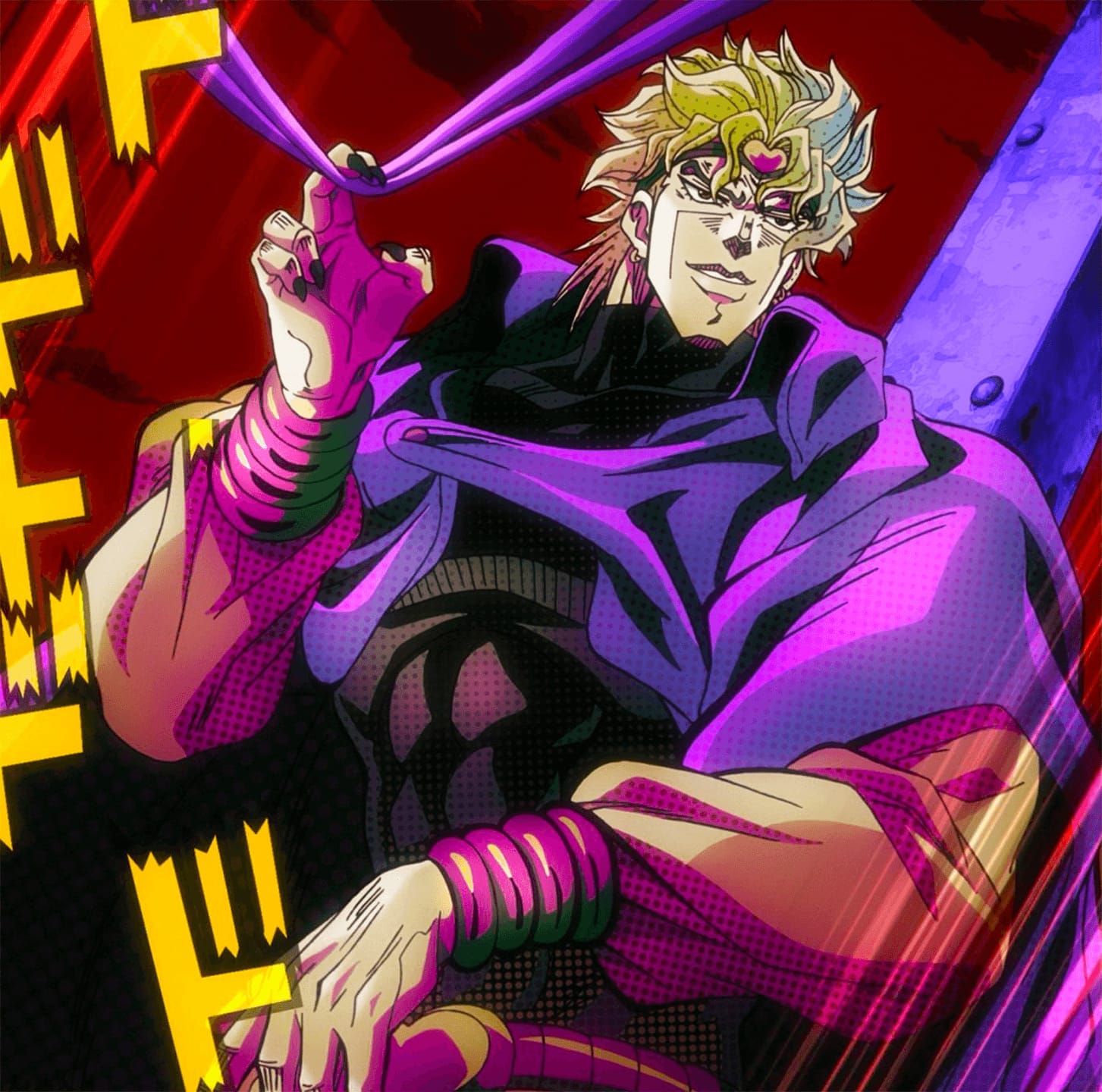
The horse race format alone changes everything. Instead of a linear journey from point A to point B, the Steel Ball Run gives us a competition where every contestant has their own agenda, their own Stand, and their own reason to be desperate. The $50 million prize attracts racers, but the Devil’s Palm is what forces them into conflict. Once the story kicks into the desert, the race becomes a pressure cooker.
This is also where the split-cour release strategy makes perfect sense. The shonen anime revolution toward shorter, denser seasons fits Steel Ball Run like a glove. Araki’s pacing in the Devil’s Palm is tight — fights bleed into each other, reveals stack on reveals, and there’s barely room to breathe. Steel Ball Run 2nd Stage benefits from that weekly rhythm more than almost any major anime coming this year.
Consider the competition too. Fall 2026 is stacked across the board, but this return has something no other anime this season can claim: decades of manga legacy meeting a fresh adaptation. Readers have been championing Part 7 as the peak of JoJo since the manga ended in 2011. Now anime-only fans get to experience why — and they’re not ready.
Netflix’s commitment to the full Steel Ball Run anime also signals something bigger. This isn’t a twelve-episode curiosity. This is a multi-year adaptation of what many consider the greatest battle manga ever written. That commitment proves David Production and Netflix are in this for the long haul, and that should excite everyone who’s been waiting for JoJo to get the adaptation it deserves.
The Cast, The Crew, and The Stakes
Let’s talk about the people bringing this return to life, because the talent behind this adaptation is stacked. Directors Kimura and Takahashi have been with the JoJo anime since the beginning — they understand Araki’s visual language, his paneling instincts, and the specific rhythm of a JoJo fight. The 1st STAGE proved they can handle the shift from urban brawls to open-range desperation. Steel Ball Run 2nd Stage demands even more.
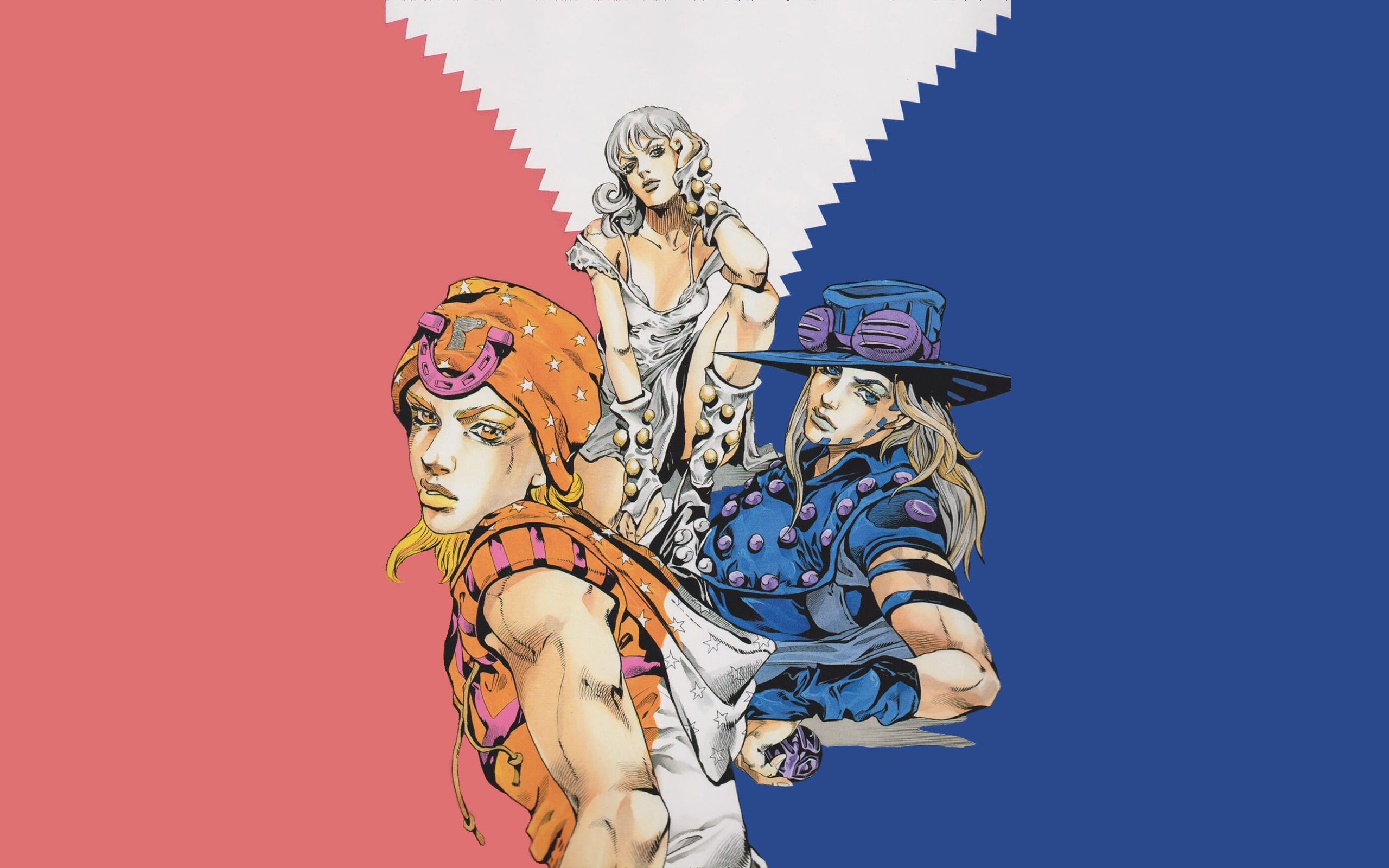
Daman Mills as Johnny Joestar is an inspired choice. His vocal range captures the frustration, the vulnerability, and the slow-burning determination that defines Johnny’s arc through the Devil’s Palm. Kaiji Tang’s Gyro has to carry both the comedic relief and the emotional gut-punches — and based on his track record, he’ll nail every scene. The chemistry between these two leads will make or break this run, and the casting suggests they know exactly what they’re doing.
Then there’s Damien Haas as Diego Brando — a character who becomes absolutely essential in the Devil’s Palm arc and beyond. Diego isn’t a simple antagonist. He’s a mirror held up to Johnny’s ambition, and his presence raises the stakes beyond the race itself. When you add in the supporting cast — Frankie Kevich’s Lucy Steel, Jamieson Price’s larger-than-life Steven Steel, and the rest — this ensemble has the depth to carry the emotional weight of JoJo Part 7’s most demanding stretch.
The animation quality in the 1st STAGE was already a step up from Stone Ocean, and the new run needs to sustain that across more episodes. The Devil’s Palm fights require fluid, dynamic choreography — spins, rotations, and Stand abilities that break physics in ways Hamon never imagined. If David Production maintains the bar they set in March, we’re looking at some of the best-animated fights in the franchise.
What the Manga Tells Us About the 2nd Stage’s Biggest Moments
Mild spoilers ahead for the Steel Ball Run 2nd Stage — nothing ruinous, but if you want to go in completely blind, skip to the next section.
The Devil’s Palm arc in the manga is where Steel Ball Run stops being “JoJo but in the West” and becomes its own thing entirely. The Stand encounters here are among the most creative Araki has ever designed — and that’s saying something for a man who gave us Crazy Diamond, King Crimson, and Gold Experience Requiem. Each fight in this stretch forces Johnny and Gyro to evolve, not just in combat ability but in understanding what the Spin truly means.
One of the defining features of the Devil’s Palm is how it compresses the narrative. Out in the open desert, there’s nowhere to hide and no side quests to distract. Every encounter matters. Every Stand user Johnny faces is there because the race — and something deeper — drew them in. That relentless momentum is exactly why the weekly release format works so well. Each episode leaves you desperate for the next.
The manga’s English release is keeping pace too — VIZ Media is dropping SBR Volume 7 on May 26, 2026, which means readers can follow along with the Steel Ball Run 2nd Stage in parallel. That timing gives Steel Ball Run 2nd Stage an extra boost with English-speaking fans who want to compare the adaptation and the source week by week. If you’ve never read the source material, this is the perfect time to start. The manga and anime complement each other in ways that previous JoJo adaptations haven’t always achieved. You can check out more details on the JoJo Wiki’s Steel Ball Run page for chapter-by-chapter breakdowns.
What makes these Devil’s Palm fights special is how personal they become. In earlier JoJo parts, battles were often about outsmarting the opponent’s Stand ability. Here, the fights are about outlasting, out-enduring, and out-believing. Johnny isn’t fighting because he’s a hero on a mission. He’s fighting because he refuses to stay on the ground anymore. That emotional core turns good fights into unforgettable ones.
The Steel Ball Run Anime Legacy — And Why This Stage Matters Most
Let’s zoom out for a second. The JoJo anime has been running since 2012 — Phantom Blood, Battle Tendency, Stardust Crusaders, Diamond is Unbreakable, Golden Wind, Stone Ocean. Each part has its defenders and its critics. But the Steel Ball Run anime adaptation carries a weight that none of those did: it’s adapting what is widely considered the single best arc in the entire franchise.
That’s not hyperbole. The manga community has been nearly unanimous about Part 7’s quality for over a decade. It won awards. It topped best-manga-of-all-time lists. It’s the one that gets recommended to people who don’t even read manga. And now the Steel Ball Run 2nd Stage is where the anime starts earning that reputation. If the production team nails the Devil’s Palm material, Steel Ball Run 2nd Stage could become the part that pulls a whole new audience into JoJo.
The 1st STAGE was an appetizer — a gorgeously produced proof of concept that said “yes, we can do this justice.” This is the main course. This is where Johnny’s character arc deepens from sympathetic to extraordinary. This is where Gyro’s secrets start cracking open. This is where the race becomes something that matters beyond money or glory — something about the soul, about human connection, about what we’re willing to endure for the people we love.
Netflix’s Steel Ball Run strategy also positions this adaptation for the broadest possible audience. Previous JoJo seasons built a dedicated fanbase, but Part 7 has mainstream crossover appeal. The Western setting, the horse race hook, the underdog story — these are universally resonant narrative elements that the Steel Ball Run 2nd Stage will amplify. This could be the season that turns JoJo from “that weird anime your friend keeps recommending” into “the show everyone’s talking about.”
Fall 2026 — Mark Your Calendar
The 2nd Stage is more than just the next batch of JoJo episodes. It’s the moment where one of the greatest manga ever written finally gets the animated treatment its fans have dreamed about for over a decade. The Devil’s Palm arc is where Araki’s ambition meets Araki’s execution — where the wild concepts become grounded, emotional storytelling that punches you in the chest.
If you watched the 1st STAGE and thought “okay, this is good,” just wait. This is where it becomes great. Johnny Joestar’s journey through the Devil’s Palm isn’t just anime — it’s the kind of story that stays with you long after the credits roll. Fall 2026 can’t come fast enough.
Catch up on the 1st STAGE on Netflix now, and keep your eyes locked on AnimeTiger for episode-by-episode coverage when the 2nd Stage premieres. This race is just getting started — and the best stretches are always the ones through the desert.
You Might Also Enjoy
• Steel Ball Run anime guide — Everything you need to know about the adaptation, from cast to release schedule
• Why Steel Ball Run Is the Greatest JoJo Part Ever Written — A deep dive into what makes Part 7 the peak of the franchise
• Best anime power systems — Where does the Spin rank among anime’s greatest power systems?
• Shonen anime revolution — How shorter seasons are changing the game for long-running franchises
• Best anime fight choreography — The art of the anime fight and why JoJo keeps raising the bar