The Straw Hats Have Finally Arrived — And Anime Will Never Be the Same
After 27 years of nonstop weekly episodes, One Piece just did something nobody expected: it hit pause. The One Piece Elbaph Arc premiered on April 5, 2026, and it didn’t just bring us to the Land of Giants — it fundamentally changed how the anime operates. This isn’t a filler break or a brief hiatus. This is One Piece reinventing its entire production model, and the ripple effects are going to be felt across the entire anime industry.
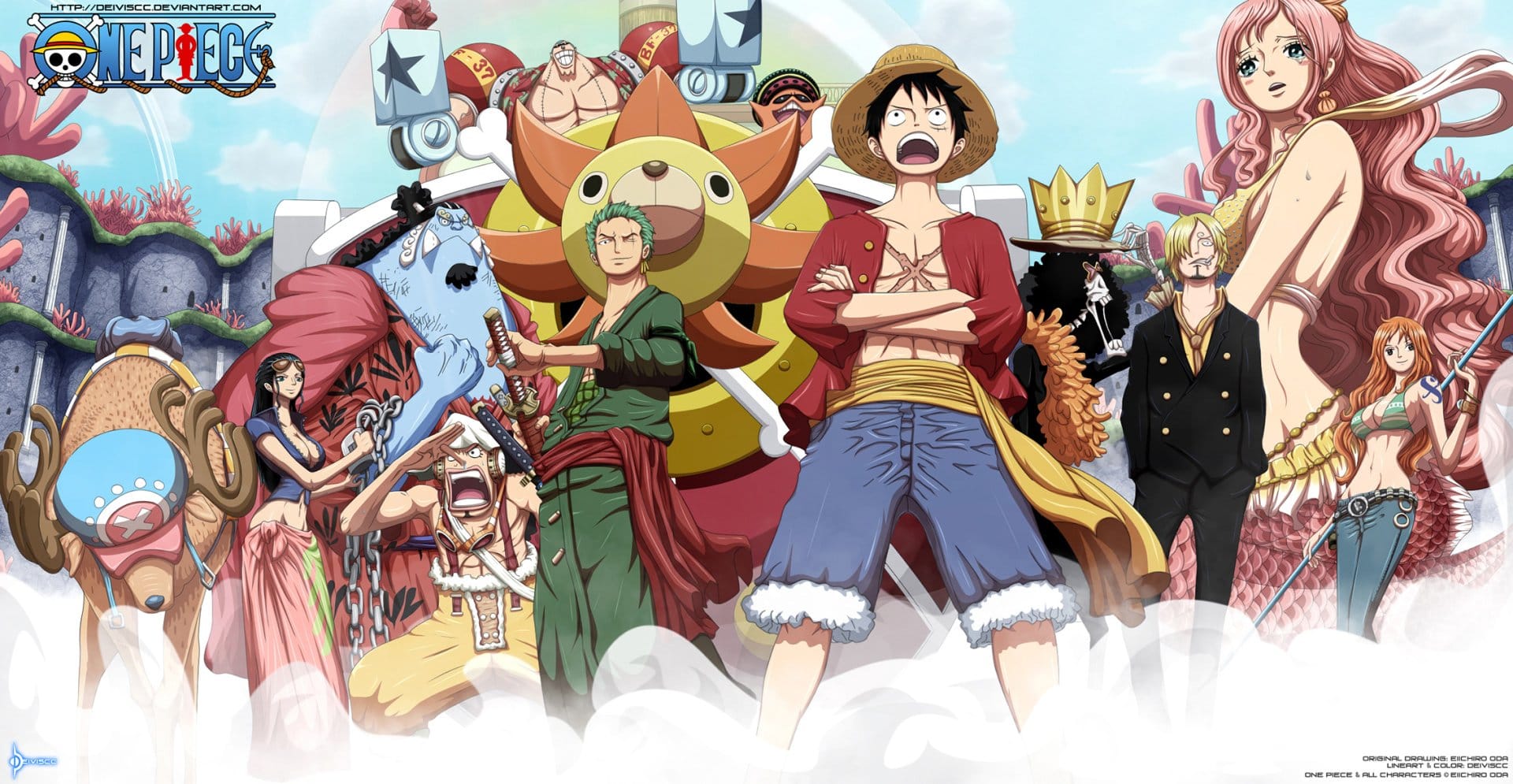
The One Piece Elbaph Arc isn’t just another saga — it’s a turning point. For the first time since the anime debuted in 1999, Toei Animation is running the show on a seasonal schedule instead of grinding out episodes 52 weeks a year. That decision alone would be massive news, but the arc itself is also delivering some of the most visually striking content the franchise has ever produced, including a Gear 5 transformation that literally gives Luffy viking horns. Yeah, you read that right. Let’s break it all down.
Why One Piece Went Seasonal After 27 Years
The biggest story around the One Piece Elbaph Arc isn’t even about the story — it’s about the format. For over two and a half decades, One Piece aired weekly, 52 weeks a year, rain or shine. That grind produced over 1,100 episodes, but it also produced something else: inconsistency. Fans have complained for years about stretched-out pacing, recycled animation, and episodes where literally nothing happens. The seasonal format is Toei’s answer to all of that.
The Problem With Weekly Anime
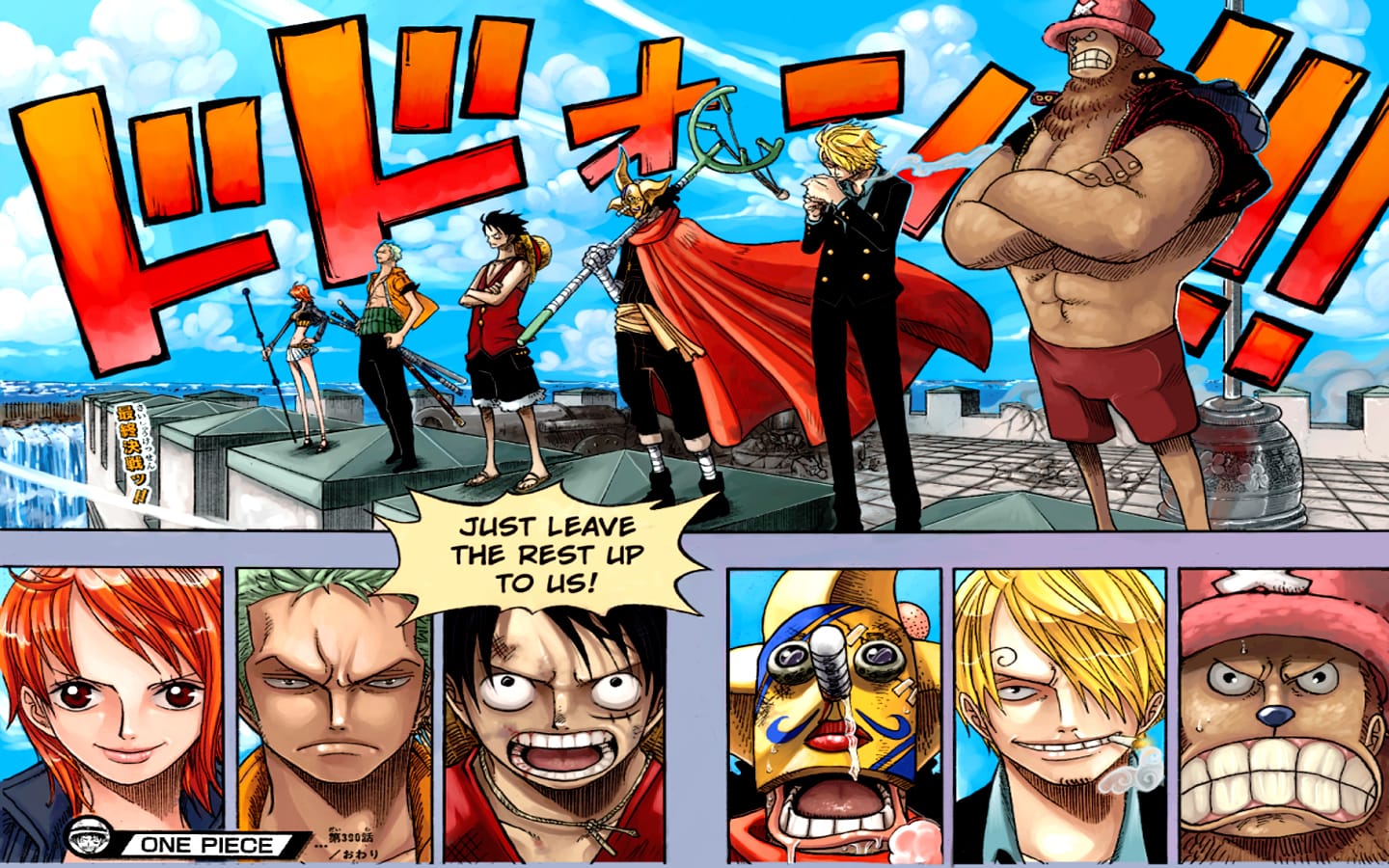
Here’s the thing about weekly anime production: it’s brutal. Studios working on year-round shows are constantly racing against the clock. There’s no buffer, no recovery time, no room for ambition. One Piece’s weekly schedule meant Toei had to stretch single manga chapters across multiple episodes, invent anime-original scenes, and sometimes deliver animation that looked like it was drawn during a lunch break. The manga adaptation pacing became infamous — Dragon Ball fans will tell you they know the pain, but One Piece fans have been living it for decades.
During the Wano and early Egghead arcs, the cracks were showing. Padded dialogue, reaction shots that lasted 30 seconds, and episodes where the runtime barely covered two pages of manga. The pacing was so notoriously slow that entire YouTube channels built their content around complaining about it. When an anime-original reaction shot lasts longer than the actual fight it’s reacting to, something is fundamentally broken. The One Piece Elbaph Arc represents a hard reset on all of that. By moving to seasonal, Toei is finally giving its animators the breathing room they need to produce the kind of quality this franchise deserves — especially now that we’re in the endgame.
What the Seasonal Format Actually Means
So what does the new schedule actually look like? Starting with the One Piece Elbaph Arc, the anime runs 26 episodes per year, split into two cours of 13 episodes each. The first cour kicked off April 5, 2026 and runs through June 28, 2026 (Episodes 1156-1168). Between cours, we’re getting the One Piece: Heroines spin-off anime starting July 5, 2026 — a smart move that keeps the franchise on air while giving the main team production time.
The real shift, though, is the 1:1 manga-to-anime chapter ratio. One episode, one chapter. No stretching, no filler, no 10-minute stare-downs. This is how the One Piece Elbaph Arc is adapting the source material — faithfully, efficiently, and with actual animation budget behind every frame. Compare this to the Dressrosa arc, where a single manga chapter could get stretched across three entire episodes. The difference is night and day. It’s the kind of adaptation that fans have been dreaming about since the Enies Lobby days, and it’s finally here. Every scene lands with impact because there’s no padding to dilute it.
One Piece Elbaph Arc Story — What We Know So Far
Story-wise, the One Piece Elbaph Arc picks up right where the Egghead Arc left off, and it’s packing some serious narrative weight. This is the arc where Oda starts paying off setups that have been sitting in the manga since the late 2000s. If you thought Egghead was dense, buckle up.
Picking Up After Egghead
The Egghead Arc ended with the Straw Hat Pirates escaping alongside the Giant Warrior Pirates after one of the most consequential battles in the entire series. Dr. Vegapunk’s death, the world government’s true nature being revealed, and the collapse of the Egghead research facility — all of it set the stage for what’s coming next. The One Piece Elbaph Arc doesn’t waste time. The Straw Hats are on the run, the world is in chaos, and the giants of Elbaph are about to become central players in the endgame.
This transition from Egghead to Elbaph is one of the most important in the entire series. For years, fans speculated about when we’d finally visit the Land of Giants, a place that’s been referenced since the Little Garden arc way back in 2001. Now that we’re here, Oda isn’t holding back — and neither is Toei. The animation quality in these early episodes of the One Piece Elbaph Arc is genuinely stunning, with the seasonal format clearly giving the team room to flex.
The Land of Giants
Elbaph is exactly what you’d hope for from a viking-inspired island of giants. Massive trees that stretch into the clouds, architecture that looks like it was carved from Norse mythology, and a culture built around honor, combat, and ancient traditions. The world design alone makes the One Piece Elbaph Arc worth watching — every frame feels like Oda finally got the budget to bring his most ambitious locations to life.
But Elbaph isn’t just a cool setting. It’s narratively loaded. The island holds secrets about the Void Century, the Ancient Weapons, and the true history of the One Piece world. The giants aren’t just big strong people — they’re keepers of knowledge that the World Government has been trying to suppress for 800 years. Oda has been planting seeds about Elbaph since Dorry and Brogy first appeared in the story, and the One Piece Elbaph Arc is where a lot of those threads start converging. The Saul connection alone — a former Marine scholar who defected and ended up living among giants — ties directly into the Ohara incident and everything Robin has been searching for since she was eight years old. The stakes have never felt higher.
Loki and the New Cast
The One Piece Elbaph Arc introduces a stacked new voice cast and some instantly compelling characters. Ayane Sakura (known for roles in My Hero Academia and Your Lie in April) voices Gerd, a giant warrior who’s already becoming a fan favorite. Ryōta Takeuchi brings Road to life with the kind of gravitas that fits Elbaph’s viking aesthetic perfectly. And then there’s Loki, voiced by Yūichi Nakamura — yeah, the same Nakamura who voices Hawks in MHA and Gray in Fairy Tail. That casting alone tells you Loki is going to be important.
Loki is the kind of character Oda excels at: morally ambiguous, deeply tied to the world’s history, and almost certainly hiding something massive. The name alone carries weight — Loki, the trickster god of Norse mythology, isn’t a reference Oda throws around casually. The One Piece Elbaph Arc positions him as a central figure in Elbaph’s political structure, and early episodes suggest his story is going to intertwine with the broader mythology in ways we can’t fully predict yet. His relationship with the ruling structure of Elbaph, his knowledge of the island’s ancient secrets, and his potential connection to the larger Void Century mystery all make him one of the most compelling new characters in years. That’s the beauty of late-stage One Piece — every new character feels like they could tip the entire story in a new direction.
Gear 5 Gets a Viking Makeover
Alright, let’s talk about the detail that broke the fandom: Gear 5 Luffy now has viking horns. Not permanently, not as a separate form — but as part of his visual design during the One Piece Elbaph Arc, Luffy’s Gear 5 transformation incorporates elements of his Elbaph outfit, including what appears to be devil horns and an axe-like motif in his hair and silhouette. It’s a small detail that means absolutely everything.

During the Egghead Arc, Gear 5’s visual design remained identical to how it looked in Wano — same white hair, same cartoonish proportions, same rubber hose animation style. That made sense; the outfit didn’t change, so neither did the form. But the One Piece Elbaph Arc does something new. For the first time, Gear 5’s appearance changes based on what Luffy is wearing. The viking horns and axe details reflect his Elbaph gear, and the result is Gear 5 looking more like a norse god than ever before.
The Devil Horns Detail
Let’s be specific about what’s happening here. When Luffy activates Gear 5 in the One Piece Elbaph Arc, his transformation doesn’t just give him the usual Sun God Nika visual — it layers in elements that mirror his current outfit and environment. The horns rising from his silhouette echo the viking helmets worn by Elbaph’s warriors. The flowing hair takes on a more aggressive, battle-ready shape. There’s even a subtle axe motif woven into the design of his attacks, as if the Land of Giants itself is influencing how Nika’s power manifests.
This is Toei and Oda operating at peak collaboration. It would have been easy to just slap the same Gear 5 on screen and call it a day. Instead, they’re using the form to reinforce the setting, to make Elbaph feel like it matters — not just narratively, but visually. The One Piece Elbaph Arc is making the argument that Gear 5 isn’t a static design; it’s a living, breathing visual language that adapts to wherever Luffy is and whatever he’s fighting for. That’s genuinely exciting for what it means going forward.
Why This Matters for Future Forms
If Gear 5 can change based on Luffy’s outfit and environment, what happens when we eventually see Gear 6? Or when Luffy fights in different kingdoms with different cultural aesthetics? The One Piece Elbaph Arc might be setting a precedent that every future Gear transformation will carry visual DNA from its context — and that’s a massive upgrade for a series that’s often been criticized for its repetitive visual design.
This also ties directly into the thematic core of the Nika fruit. Joy Boy’s power has always been about freedom, imagination, and the idea that the warrior of liberation takes on the form that the moment requires. The One Piece Elbaph Arc leaning into that flexibility — making Gear 5 a reflection of the culture Luffy is fighting within — is one of the smartest visual choices the anime has made. It makes every arc feel distinct, every transformation feel earned, and every fight scene feel like it belongs to that specific place and time.
Release Schedule and Where to Watch
If you’re trying to keep up with the One Piece Elbaph Arc, here’s the breakdown. New episodes air on Crunchyroll every Sunday at 7:15am PT / 10:15am ET, same-day with the Japanese broadcast. Netflix gets each episode the following Saturday if you prefer that platform. The first cour runs from April 5 to June 28, 2026, covering Episodes 1156 through 1168.

After the first cour wraps, the One Piece: Heroines spin-off anime takes over on July 5, 2026, keeping the One Piece brand on air while Toei’s main team prepares the second cour. This is smart scheduling — fans get continuous content, the production team gets time to maintain quality, and the One Piece Elbaph Arc doesn’t have to rush through its story. Check out our full streaming guide for more details on where to watch, or see what else is airing this season in our Spring 2026 anime guide.
The opening theme is “Luminous” by Aina The End and the ending is “Sono Mirai” by 36km/h. Both fit the Elbaph aesthetic perfectly — “Luminous” has this sweeping, epic quality that matches the viking world-building, while “Sono Mirai” is a more contemplative closer that feels right for an arc about history, legacy, and the weight of ancient secrets. You can stream both on Crunchyroll’s official One Piece page.
And if you’re the type who keeps up with multiple shows at once, the One Piece Elbaph Arc pairs surprisingly well with Dandadan Season 2 — different vibes entirely, but both are bringing serious heat this season.
What the Elbaph Arc Means for One Piece’s Future
Here’s the big picture. The One Piece Elbaph Arc isn’t just the next story beat — it’s the template for how the rest of the anime will operate until the series ends. The Elbaph arc is currently 50+ manga chapters and growing, with expectations that it’ll hit 60-70 chapters before wrapping. At a 1:1 adaptation ratio, that means 60-70 episodes across multiple years of seasonal cours. This is the new normal.

For Toei Animation, this format is a lifeline. The weekly grind was unsustainable — not just for quality reasons, but for the health of the animators themselves. The anime industry’s labor problems are well-documented, and One Piece’s perpetual schedule was one of the worst offenders. Animators working on the show have spoken anonymously about brutal crunch conditions, last-minute key animation deliveries, and episodes being finished hours before broadcast. By switching to seasonal for the One Piece Elbaph Arc and beyond, Toei is creating a model where artists can actually plan, iterate, and deliver their best work. The early episodes prove it — the animation quality is a noticeable step up from the later Egghead episodes. The action sequences are more fluid, the character acting is more expressive, and the environmental art is richer in detail. This isn’t a coincidence. This is what happens when you give talented people enough time to be talented.
For fans, the trade-off is obvious. Fewer episodes per year means longer waits between cours. But those episodes are going to hit harder, look better, and respect the source material in ways the weekly format never could. Think about it this way: would you rather get 52 mediocre episodes a year, or 26 great ones? Jujutsu Kaisen, Demon Slayer, and Attack on Titan all proved that seasonal anime can dominate the conversation and deliver landmark animation. The One Piece Elbaph Arc is the proof of concept that the same model works for a long-running shonen, and so far, it’s making a very convincing case. This is the kind of anime that reminds you why you fell in love with the medium — ambitious, visually stunning, and built on a production model that actually supports its creators.
And for Zoro fans specifically — yeah, he’s getting his moments too. The Elbaph setting is tailor-made for swordsmen who respect the old ways, and the One Piece Elbaph Arc isn’t sleeping on that potential.
The bottom line: the One Piece Elbaph Arc is a milestone. It’s the moment where the anime decided to stop coasting on legacy and start earning it again. Seasonal pacing, Gear 5 viking mode, a Land of Giants that actually feels massive, and a production team finally given the time to do their best work. This is what One Piece looks like when it’s firing on all cylinders, and we’re just getting started.
You Might Also Enjoy
If the One Piece Elbaph Arc has you hyped, here are a few more deep dives worth checking out:
Gear 5 Luffy: The Sun God Awakening Explained — Everything you need to know about the Nika fruit, Joy Boy’s legacy, and why Gear 5 changes One Piece forever.
Roronoa Zoro: A Complete Character Analysis — The swordsman’s journey from bounty hunter to potential World’s Greatest, and why Elbaph could be his defining arc.
Best Anime Streaming Services in 2026 — Where to watch One Piece, Dandadan, and everything else this season.
Best Anime Fight Choreography of All Time — From Luffy vs. Kaido to Mob vs. Suzuki, the fights that define the medium.
Spring 2026 Anime Streaming Guide — Your complete guide to every show airing this season, including the One Piece Elbaph Arc.