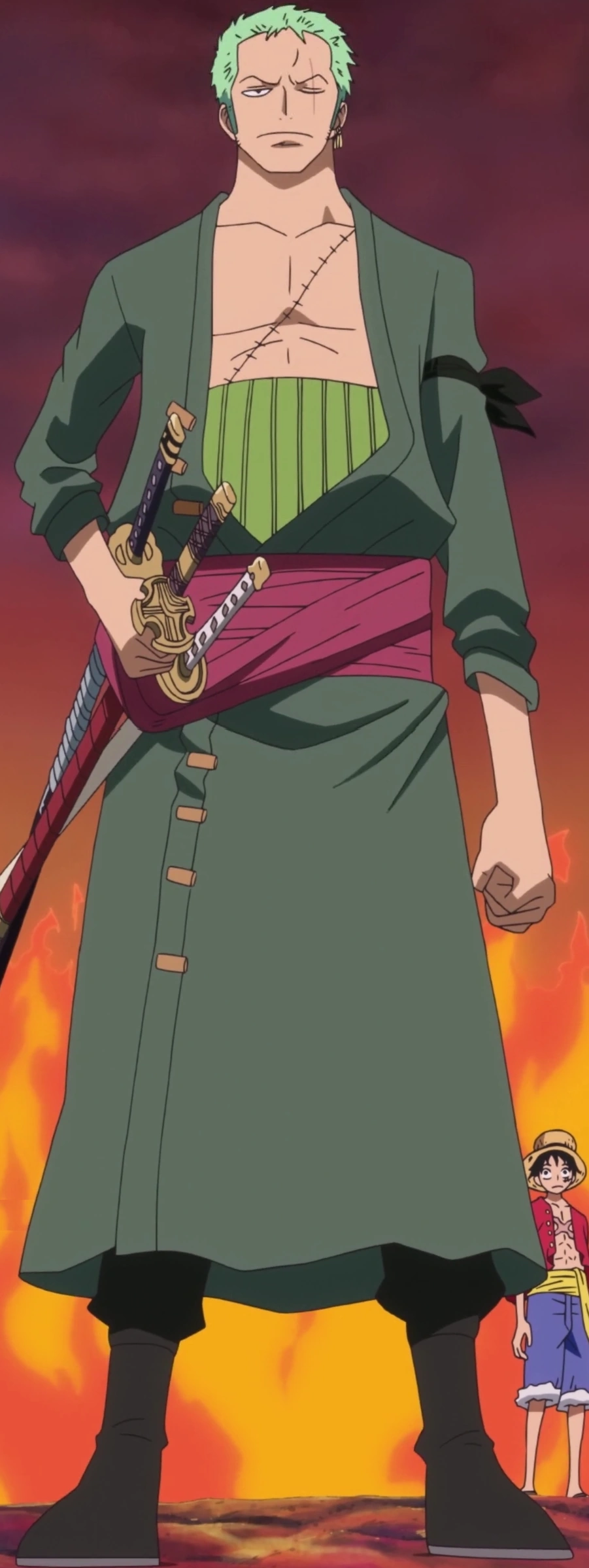
The Man Who Made a Promise He Will Never Break
There’s a moment in the Wano Country Arc that stopped the entire One Piece fandom dead in its tracks. Roronoa Zoro — battered, bleeding, pushing through what should be an unsurvivable fight against King, one of the strongest warriors alive — reveals something that even he hadn’t fully grasped yet. His blades wrap in a crackling, black-lightning aura. Not just advanced Armament Haki. Conqueror’s Haki. Infused directly into steel. In that single instant, Zoro joined a tier of fighters so elite that the short list includes Whitebeard, Shanks, Roger, and Monkey D. Luffy himself. The community collectively lost its mind — and every single person who did was completely justified.
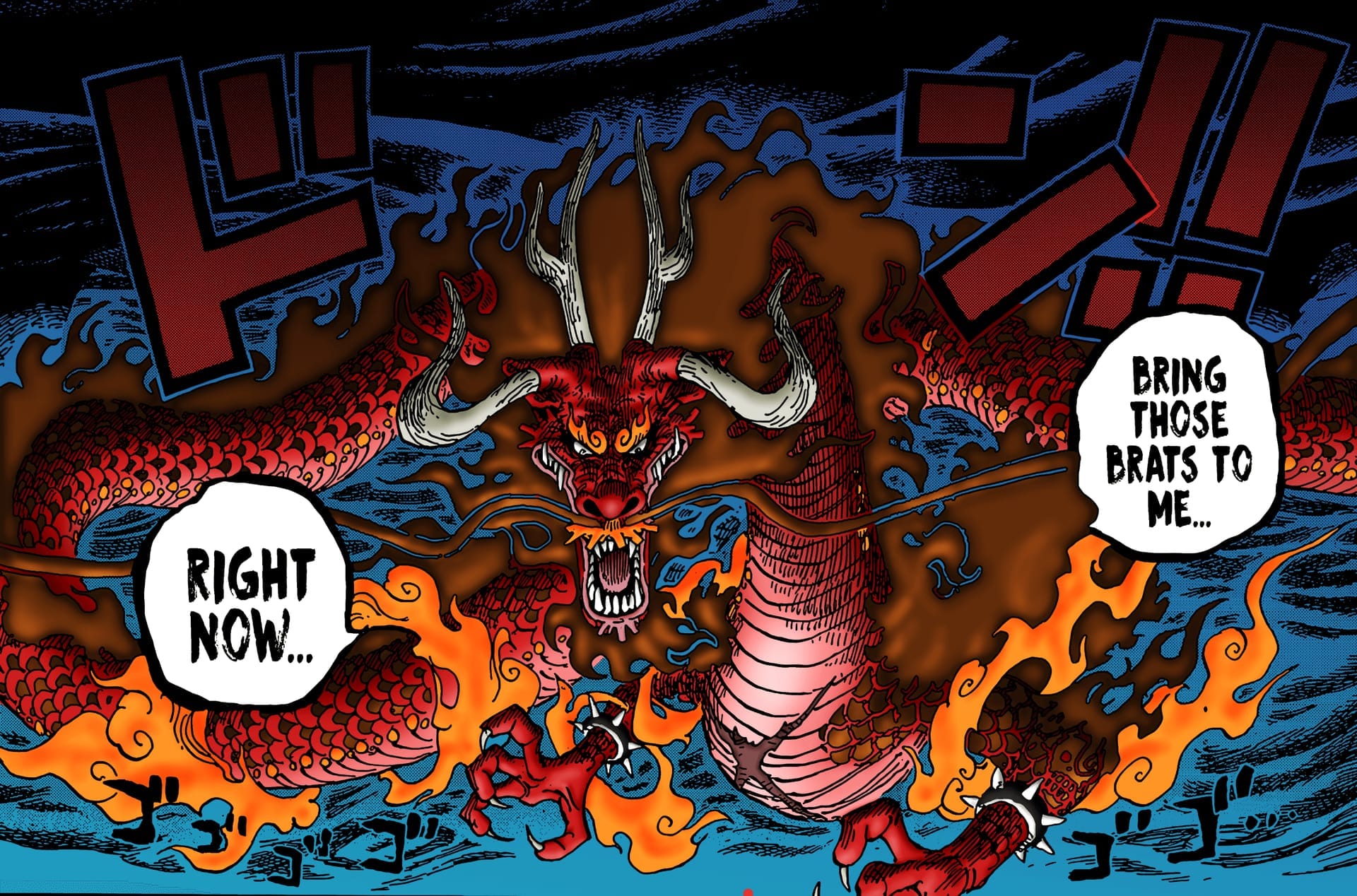
But Zoro’s story has never been purely about power levels, no matter how much the fandom (lovingly) obsesses over his place in the tier list debates. It’s about a childhood promise made over a grave, a single-minded obsession that has been carried through years of blood and agony and near-death, and an unshakeable loyalty to a captain who can’t even read a map. Roronoa Zoro is One Piece’s most consistently compelling character — a man defined entirely by his will, not by devil fruit powers, not by royal bloodlines, not by lucky circumstances.
Whether you just finished the East Blue saga for the first time or you’re a veteran who’s read the manga three times over, this complete breakdown covers everything: Zoro’s origins, his fighting style evolution, his Haki development, the battles that defined him, his bond with Luffy, his role in the Final Saga, and why his story is essential to everything Oda is building toward. This is the full picture of the man who will be the world’s greatest swordsman.
Origin and Backstory: A Promise Carved in Grief
Roronoa Zoro grew up training at Isshin Dojo in Shimotsuki Village in the East Blue — a small kid with an oversized ambition and a work ethic that bordered on obsessive. He picked up the sword young, trained relentlessly, and quickly became the best student at the dojo. But “best student at a small dojo” was never close to the ceiling he set for himself. Even then, Zoro had his eyes on the absolute summit of the swordsmanship world. The real defining relationship of his early life, though, wasn’t with a sensei or a rival from another school. It was with Kuina.
Kuina was the dojo master’s daughter, and she was simply better than everyone. Roronoa Zoro challenged her two thousand and one times. He won exactly once — the very first time, and only because he cheated his way to a technical victory by using two swords. After that, she shut him out every single time. She was faster, more technically refined, and reading the fight two steps ahead while Zoro was still reacting to the last exchange. He couldn’t touch her.
But Kuina wasn’t without her own pain. She carried a deep-seated fear that the world would never let her become the greatest swordsman — that regardless of her skill, society and her own body would eventually conspire against her as she got older and men grew physically stronger. It’s a genuinely heartbreaking piece of writing from Oda, one that adds real emotional weight to what could have been a simple “dead mentor” trope. Kuina wasn’t just a stepping stone for Zoro’s development. She was a fully realized character with her own dreams and her own fears, and the way her story intersects with Zoro’s is the foundation of everything he is.
The two made a promise: one of them would become the world’s greatest swordsman. That night, Kuina died in a fall down the stairs. Roronoa Zoro, wrecked with grief and the particular devastation of losing someone you were supposed to catch up to, asked for her sword — Wado Ichimonji. He vowed on the blade to carry both of their dreams to the top. When Zoro says he will become the world’s greatest swordsman, he is not just chasing a title for ego’s sake. He is honoring a dead girl who never got her shot. He is living for two people simultaneously. That changes the entire weight of his ambition.
This backstory does enormous narrative work throughout the series. It explains why Zoro trains even when everyone else is sleeping, why he takes losses personally in a way that goes beyond pride, and why he fundamentally cannot allow himself to give up — because giving up means abandoning Kuina a second time. It also positions him as one of the few Straw Hats whose dream operates completely independently of Luffy. He chose to follow the crew. That deliberate, voluntary choice gives his loyalty an entirely different texture than characters who joined because they had nowhere else to go.
Fighting Style and Haki Development: Three Swords and a Will That Bends Reality
Roronoa Zoro’s fighting style is Santoryu — three-sword style — a technique he invented himself because no one told him it was unreasonable. One blade in each hand, one clenched between his teeth. It shouldn’t work anatomically or practically, and yet it has produced some of the most visually spectacular and tactically interesting swordsmanship in manga history. Oda has spent hundreds of chapters layering new techniques, new forms, and new Haki applications onto the foundation Zoro built from scratch as a kid, and the result is a fighting style that feels genuinely unique in the medium.
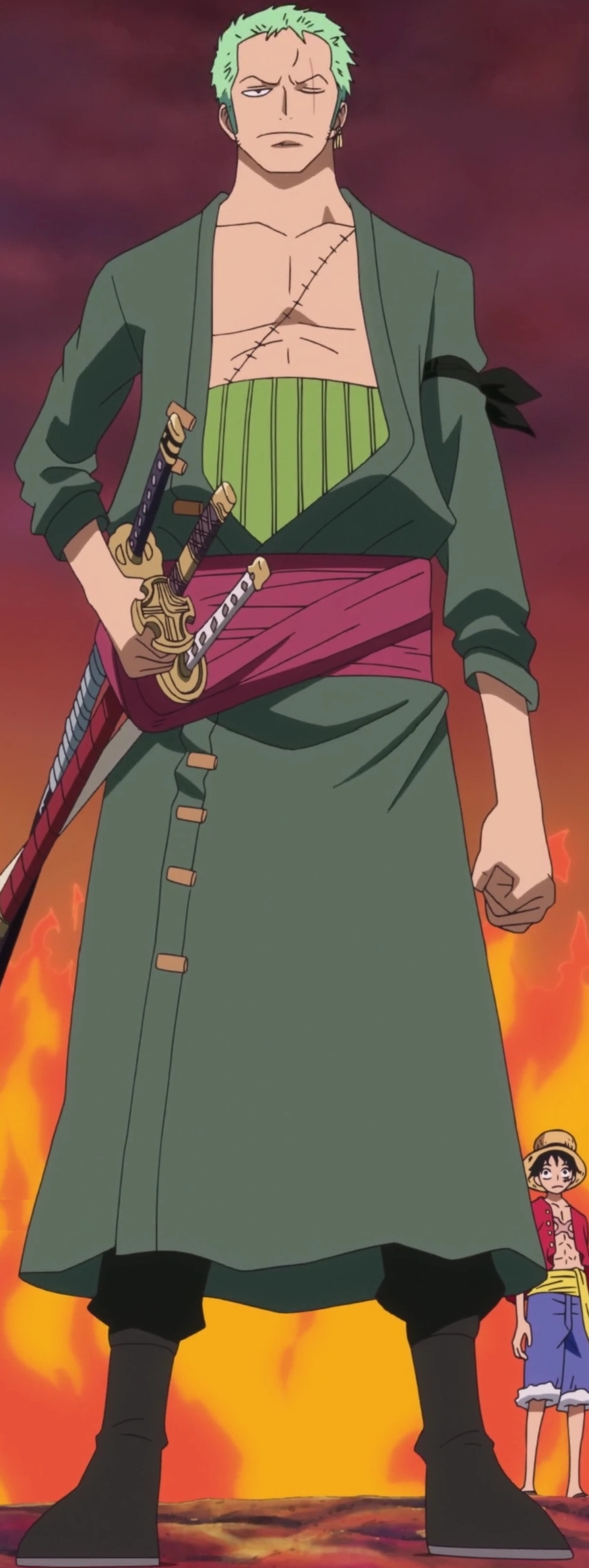
His three signature swords have their own stories worth noting. Wado Ichimonji is Kuina’s blade — white, elegant, and the most personal object Zoro owns. It’s the one he’ll never trade or lose, the physical anchor of his promise. Sandai Kitetsu is a Grade cursed sword that Zoro claimed back in Loguetown by throwing it in the air and daring the curse to take his arm. It didn’t. That scene, brief as it is, established something crucial about Roronoa Zoro: his willpower is strong enough to override fate. The third sword has evolved over the series — most dramatically when Zoro traded Shusui, the legendary black blade of Ryuma, for Enma in Wano.
Enma is Kozuki Oden’s sword — the only blade that ever wounded Kaido. It is also one of the most dangerous swords to wield because it actively drains its wielder’s Haki, pulling far more out of a swordsman than they intend to give. Most fighters who touch Enma end up drained to the point of physical collapse. Zoro not only survived wielding it, he tamed it, mastered it, and — in a development that signaled exactly where Oda is taking him — turned Enma into a black blade, the highest achievement in One Piece swordsmanship. Permanently coating a blade in Haki until it blackens is something only the very greatest swordsmen can achieve. Zoro, without anyone teaching him exactly how to do it, pulled it off during the most intense fight of his life.
On the Haki side of things: Zoro’s Armament Haki development reached a showcase moment in Dressrosa when he split Pica’s enormous stone body — essentially a moving mountain — with a single technique. His Observation Haki is functional but not his primary edge; that’s more Sanji’s domain. What the Wano Country Arc delivered, though, was the revelation that changed the entire scope of where Roronoa Zoro sits in the One Piece power structure.
Conqueror’s Haki cannot be trained into existence. You either have the capacity for it or you don’t — it’s tied to the will and ambition of the individual at the deepest level. The list of confirmed Conqueror’s Haki users in One Piece reads like a hall of fame of the most consequential figures in the story’s history: Roger, Whitebeard, Shanks, Big Mom, Kaido, Luffy. When Zoro unleashed it against King — coating his blades in that black lightning and cutting through a Lunarian whose own biology makes him nearly untouchable — it was Oda doing something bold and deliberate. This wasn’t a power-up for the sake of the moment. It was a statement about where Zoro belongs in the final order of things. The best fight choreography in anime has rarely had a moment land this hard.
Greatest Battles: The Fights That Built a Legend
Roronoa Zoro’s growth as a swordsman can be mapped almost perfectly through his fights. Each major clash is a checkpoint — a test of his current limits, a revelation of some new depth in his fighting philosophy, and a statement about where the series is at that point. Here are the battles that matter most.
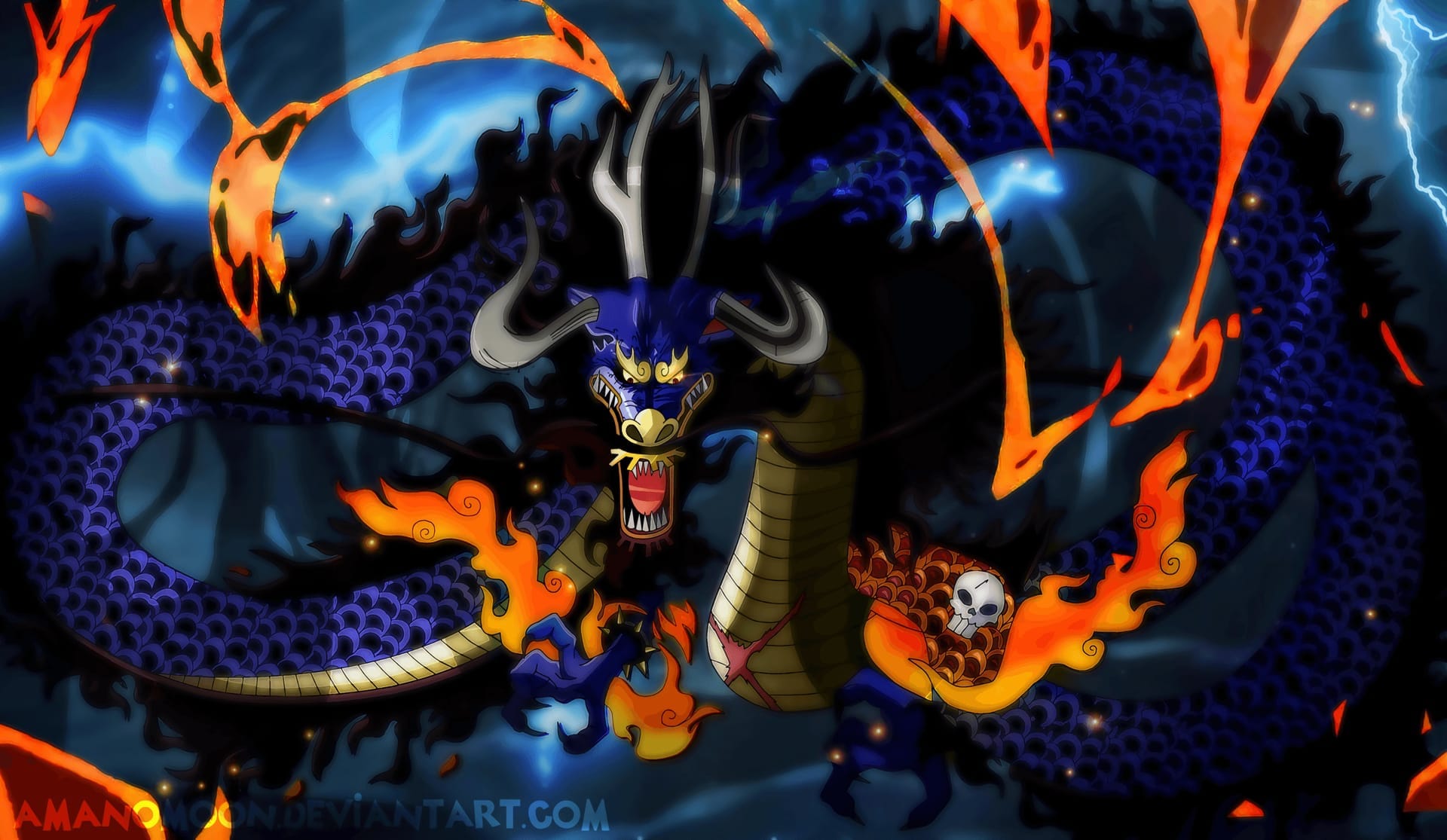
Dracule Mihawk — Baratie Arc. This is the fight that made Roronoa Zoro. It wasn’t even close — Mihawk dissected him with a tiny knife smaller than a letter opener, demonstrating in the most humiliating terms possible that there is a vast ocean between Zoro and the title he’s chasing. But the way Zoro loses matters enormously. Pierced through the chest, he refuses to fall backward. A swordsman does not show wounds on his back because a swordsman never retreats. He makes Mihawk acknowledge his spirit. He swears, in front of his captain, that he will never lose again until he has surpassed the man standing over him. It’s the scene that turned a cool supporting character into one of anime’s all-time great figures, and it happened in defeat.
Mr. 1 (Daz Bonez) — Alabasta Arc. Mr. 1 is made of blades. His devil fruit transforms his body into living steel, which should make him literally uncuttable by a swordsman. Zoro spends most of this fight getting carved up, pushed further and further into the redline of what he can endure. The breakthrough — hearing the “breath” of things that don’t breathe, learning to cut what should be uncuttable — is one of the great mid-fight power revelations in the series. It showed that Zoro doesn’t just get stronger between arcs. He evolves in the heat of a battle he’s losing.
Ryuma — Thriller Bark Arc. Zoro facing the legendary zombie swordsman Ryuma and winning is significant on multiple levels. First, it confirms that Roronoa Zoro can defeat historical legends, not just contemporary fighters. Second, Ryuma’s response to losing — giving Zoro Shusui and acknowledging his worthiness — is one of the more moving moments of the arc. Even in defeat, Ryuma recognized something in Zoro that most people don’t see until it’s too late.
Kaku — Enies Lobby Arc. Kaku is one of CP9’s most powerful agents and a legitimate swordsman in his own right (the giraffe fruit notwithstanding). The fight is technically sharp, creatively choreographed, and features Zoro’s Asura form debuting in spectacular fashion. Enies Lobby as a whole is home to some of the best anime fights of all time, and Zoro versus Kaku is a big reason why.
King — Wano Country Arc. Everything comes together here. King as a Lunarian is virtually invulnerable when his back flame is lit, and blindingly fast when it’s extinguished — a rhythm Zoro has to decode while absorbing tremendous punishment. The process of figuring out King’s pattern, then unleashing Conqueror’s Haki-infused techniques in the finish, is Zoro at his absolute peak to date. The animation studio brought everything they had to this sequence, and it shows. Roronoa Zoro walking away from that fight — barely standing, but walking — cemented his status as one of the most powerful beings in the current One Piece world.
Character Development: What It Means to Be Someone’s Right Hand
The popular read on Roronoa Zoro is “stoic badass who likes drinking and sleeping.” That’s not wrong, but it’s only the surface. Underneath the gruffness and the directional incompetence is a character with one of the richest emotional architectures in the series — one built around the concept of chosen loyalty and the weight of responsibility that comes with it.
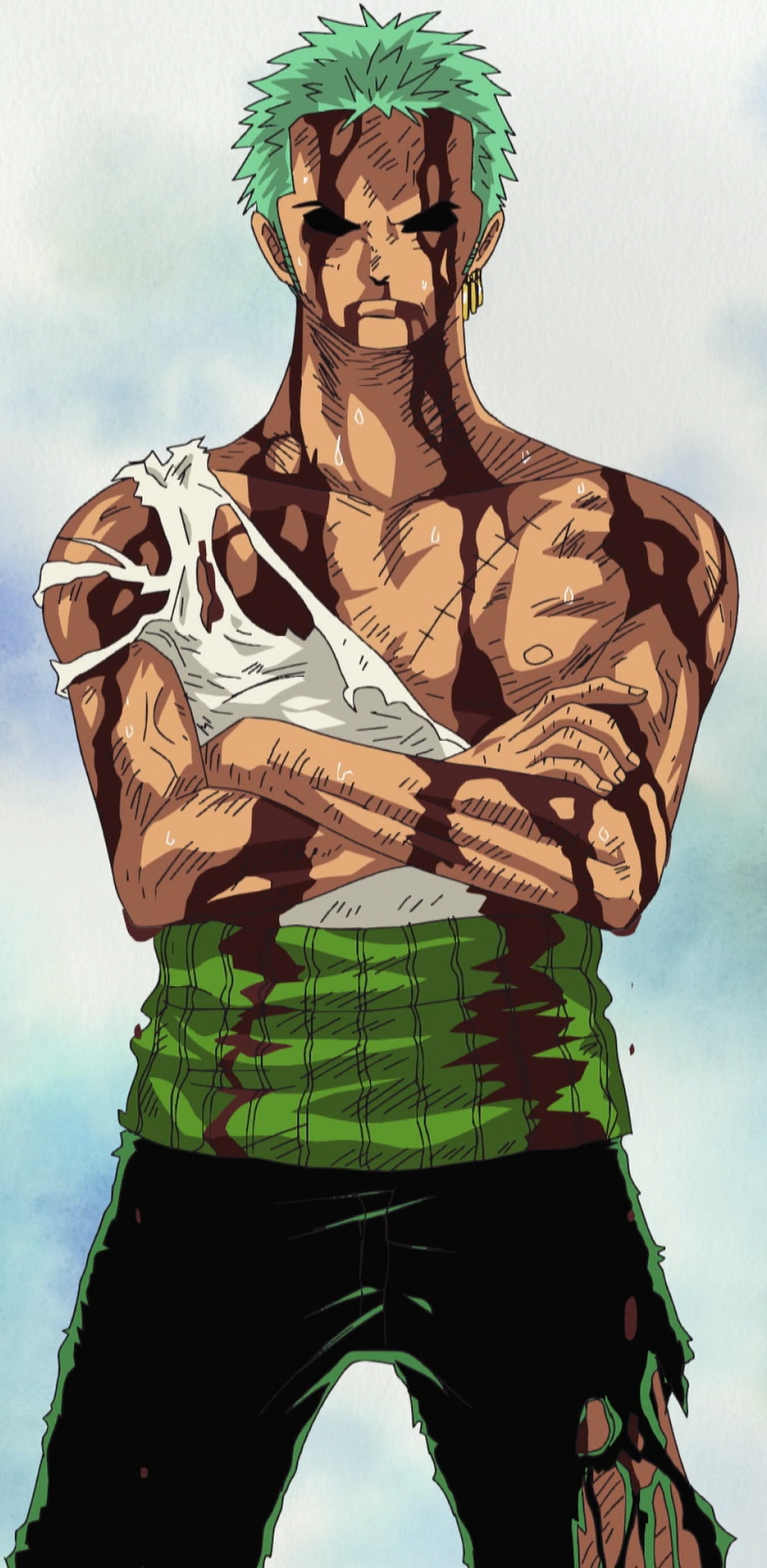
The moment that defines Zoro’s relationship with Luffy — the one that fans bring up in every character ranking discussion and every “why is Zoro your favorite” thread — is the Thriller Bark sacrifice. After an exhausting battle against Oars and Gecko Moria’s forces, Bartholomew Kuma appears. He offers a deal: surrender Roronoa Zoro, and the rest of the crew lives. Zoro doesn’t hesitate. He volunteers immediately, before anyone else can process what’s happening.
What happens next is one of the most physically brutal moments in the series. Kuma transfers all of the accumulated pain and fatigue from Luffy’s body — the full cost of fighting across the entirety of the Thriller Bark arc and beyond — directly into Zoro. The quantity of suffering is described as enough to kill an ordinary person several times over. Zoro takes it. He stands there, bleeding from every pore, barely conscious, and when Sanji rushes over and asks what happened, Zoro looks at him and says:
“Nothing happened.”
Three words. That’s Roronoa Zoro’s whole emotional world compressed into three words. He took his captain’s suffering so Luffy could keep sailing toward his dream. He doesn’t want recognition, doesn’t want sympathy, doesn’t want anyone to know. Just a swordsman making a quiet, total sacrifice and walking it off. The contrast between the magnitude of what he did and the casualness of his response is what makes the scene so devastatingly effective. It’s been years since Thriller Bark and that moment still hits like it’s the first time.
What’s important to understand about Zoro and Luffy’s dynamic, though, is that it’s not a simple subordinate-captain relationship. Zoro pushes back. He argues. He’s the one crew member who will tell Luffy he’s wrong to his face and mean it. When he defers to Luffy’s decisions, it’s a conscious, deliberate choice made from respect — not habit, not blind obedience. He was a solo pirate hunter with his own growing legend before Luffy ever showed up. He chose this. That voluntary choosing is the thing that gives his loyalty its particular emotional force.
The Wano arc also added new dimension through the revelation of Zoro’s heritage. His connection to the Shimotsuki clan and Wano’s samurai lineage recontextualized his relationship with Enma and with the country itself — it wasn’t just a sword he borrowed. There were roots there. And while Luffy’s Gear 5 awakening was redefining the ceiling for the Straw Hats’ captain during Wano, Roronoa Zoro was quietly redefining his own ceiling in parallel. The two of them emerged from that arc in a completely different weight class than they entered it.
Zoro in the Final Saga and the Elbaf Arc: The Summit Is in Sight
The Final Saga of One Piece is underway, and everything is accelerating toward conclusions. For Roronoa Zoro, the endgame of his personal story is no longer a distant abstraction — it’s a fight that’s getting closer with every arc. One name, one destination: Dracule Mihawk.
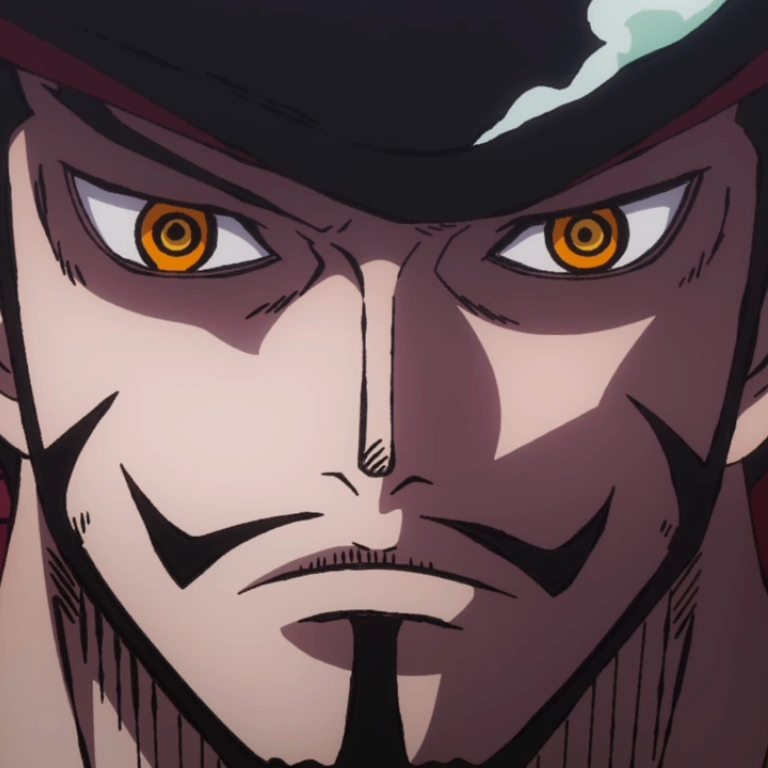
Mihawk is no longer a Warlord. The Cross Guild arc stripped that status from him and slapped a massive bounty on his head, which means the former world’s greatest swordsman is operating in a completely different geopolitical context than when he and Zoro last stood across from each other. More significantly, Mihawk spent the two-year time skip training Zoro — and a master who invests that kind of time in a student either believes in them or is preparing the most interesting opponent they’ll ever face. With Mihawk, it might be both.
When Zoro and Mihawk finally clash for real, it will be the culmination of the longest-running personal arc in One Piece. Every fight Zoro has had since Baratie, every power-up, every breakthrough, every sacrifice — it all feeds into that single confrontation. And Zoro won’t just be fighting for himself. He’ll be fighting for Kuina, for the dream she couldn’t chase, for every person who ever told him three swords was too many and the title was too far away.
Before that final reckoning, though, there’s the Elbaf Arc — and it’s already shaping up to be one of the most anticipated arcs in the entire series. The island of giants, with its deep connections to Norse mythology and ancient warrior culture, feels purpose-built for a swordsman whose entire fighting philosophy is about pushing beyond human limits through sheer force of will. Elbaf’s warrior traditions, its gods-and-giants cosmology, and its history as one of the most powerful nations in the world all suggest that the battles fought there will operate on a scale the series hasn’t shown yet.
Fan speculation has centered on the idea that Elbaf may be where Zoro achieves his next breakthrough — potentially the full mastery of Conqueror’s Haki coating that even his Wano performance only hinted at, or a sword technique that operates at a level above anything he’s shown so far. Whether or not those specific predictions pan out, Oda has consistently used major arcs to push Roronoa Zoro to a new ceiling, and there’s no reason to think Elbaf will be any different.
In the broader Egghead Island arc and its aftermath, Zoro has continued to be positioned at the front of the crew’s most dangerous encounters. His command over his Conqueror’s Haki is deepening, his mastery of Enma appears to be continuing to develop, and the way Oda frames him in the Final Saga consistently emphasizes that his story is running on a track parallel to the main plot — not subordinate to it. Roronoa Zoro’s personal arc IS one of the central arcs of One Piece’s endgame. The world’s greatest swordsman doesn’t just get decided off-panel somewhere. It gets decided in the most dramatic, earned way possible. Zoro has been training for that moment since he was a kid losing to Kuina for the 47th time.
The Wano Country Arc proved that Zoro can fight on the level of Yonko commanders. The Elbaf arc, by all indications, will prove something even larger than that. Every step he’s taken since East Blue has been pointed at one destination, and the series is finally close enough that you can see it on the horizon.
Why Roronoa Zoro Matters to One Piece
Strip away the power rankings and the hype and ask the fundamental question: what does Roronoa Zoro actually mean to One Piece as a story? What does he represent in the thematic architecture Oda has been building for nearly thirty years?
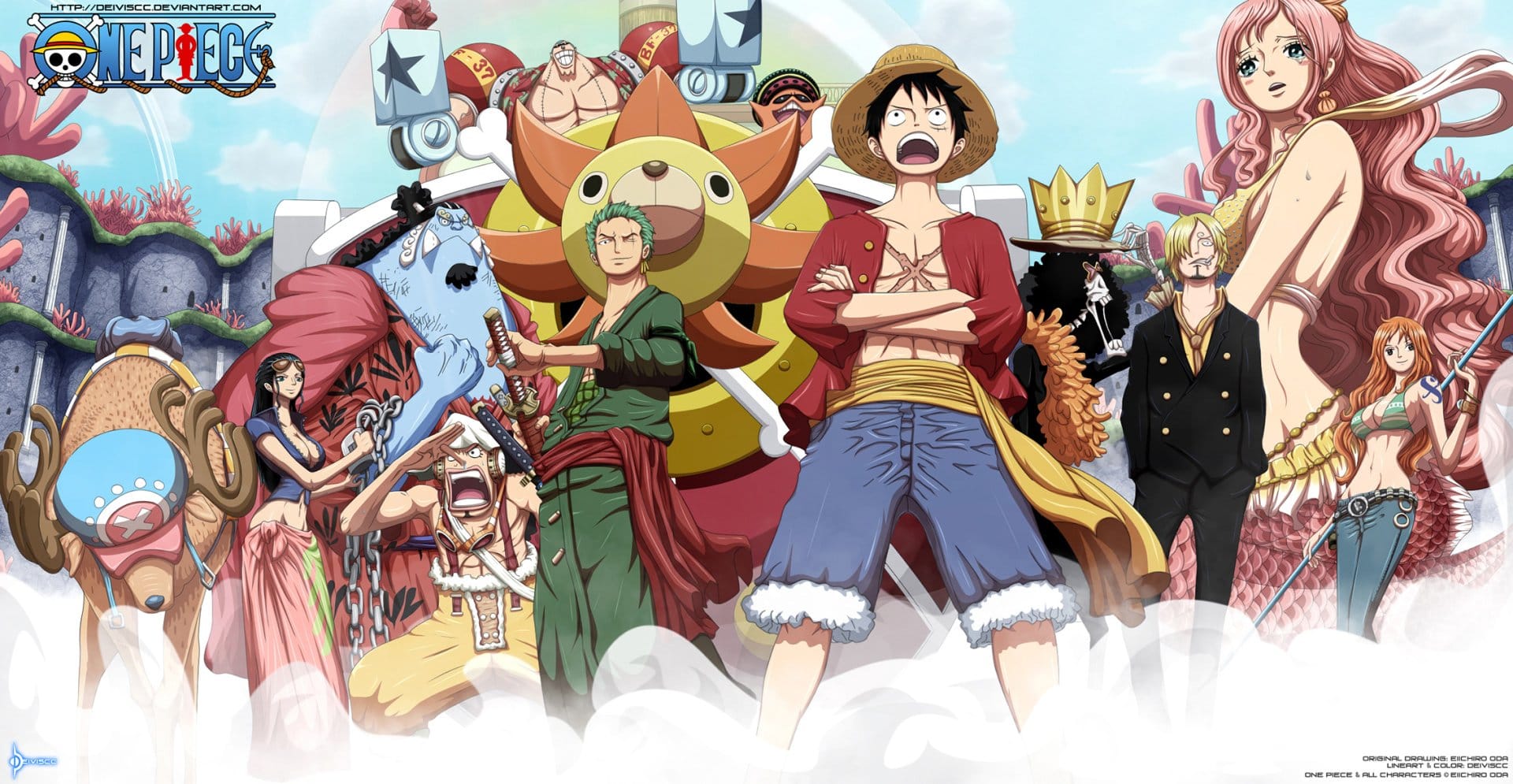
He means that greatness built on will and sacrifice is more durable than greatness built on talent or power. Zoro has no devil fruit. He wasn’t born into a legendary bloodline — or if he was, he didn’t know it for most of the story. He didn’t train under the world’s best swordsman from childhood. Everything he has, he fought for from scratch, including the attention of the man who is now the world’s greatest swordsman. The path he’s walking is harder than any devil fruit shortcut, and he chose it deliberately, every step of the way.
He also represents what earned loyalty actually looks like in practice. The Straw Hats are a found family, and Oda writes found-family dynamics better than almost anyone working in manga. But Zoro’s place in that family hits differently because he was the one who had the least reason to stay. He had his own dream, his own legend, his own freedom. He gave up solo pirate hunting — a path that was already building him a serious reputation in the East Blue — to follow a rubber boy who can’t navigate a straight hallway. That choice, made freely, means everything. And the “nothing happened” scene is the purest possible expression of what that choice costs and what it means to him.
Roronoa Zoro also raises the ceiling for everyone around him. In a crew that includes a Sun God awakening rubber man, the best chef in the world, the world’s greatest navigator, and a cyborg with enough firepower to level a city block, Zoro still manages to be the character who makes the stakes feel real. When he’s hurt, you feel it. When he pushes past his limit, it makes every other crew member’s victories feel more possible. He’s the standard-bearer of what it means to give everything.
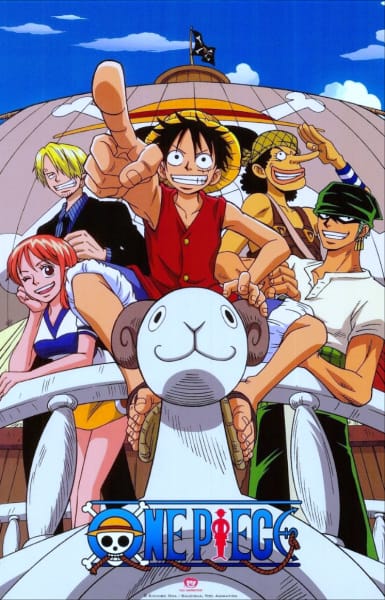
From the very first episode of One Piece on Crunchyroll, it’s clear that Zoro is not an afterthought or a supporting act. He’s the first crew member Luffy recruits. That’s not arbitrary. Oda knew from the beginning that this man’s story would run alongside the main narrative all the way to the end — that you cannot tell the story of the King of the Pirates without telling the story of the man at his right hand who fights for a dead girl’s dream with three swords and no retreat.
Roronoa Zoro is going to become the world’s greatest swordsman. Not because the story requires a satisfying ending for a popular character. Because he made a promise at a grave, and he has never — not once, across decades of the most brutal adventures in manga history — allowed himself to forget it. In One Piece, will is everything. And no one in the series carries more of it in their hands than the man with three swords and one destination.
The blade is already halfway home. Watch the finish.