The Anime vs Manga Debate: Why It Actually Matters
If you’ve ever finished an anime and heard someone say “the manga is way better,” or picked up a volume of manga only to wonder why you’re not just watching the show, you’re not alone. The anime vs manga question comes up constantly in fan communities, and honestly, both sides have a point. The answer isn’t one-size-fits-all — it depends on the series, your schedule, and what kind of experience you’re looking for.
This guide breaks down the real strengths of each format, walks through specific examples where one clearly wins over the other, and gives you a practical framework for making the call on any series you’re considering. Whether you’re a longtime fan or someone trying to figure out where to start, this should help you stop second-guessing and just enjoy the story.
The Case for Watching the Anime
There’s a reason anime has a global fanbase numbering in the hundreds of millions. As a format, it does things that static panels simply can’t replicate, and for many series, that extra dimension is exactly what makes the story hit harder.
Animation brings fights and movement to life. Manga panels freeze a moment in time. A great artist can imply motion, but when a studio like ufotable or MAPPA gets hold of the same material, you’re watching fluid choreography with camera work, particle effects, and timing that builds genuine tension. A sword clash that takes up two panels in the manga can become a three-minute sequence that leaves you breathless. For action-heavy series, this alone is often worth choosing the anime.
Voice acting adds emotional depth. Reading manga, you interpret tone yourself. That’s part of the fun — but it also means you might underread a scene. A skilled voice actor brings a character to life in ways that are hard to anticipate from text. Think of how Noriaki Sugiyama’s Sasuke or Yuki Kaji’s Eren became inseparable from those characters for millions of fans. The right performance can make you feel a scene much more intensely than the source material alone.
Music and sound design elevate the experience. This is the most underrated advantage in any anime vs manga comparison. A well-timed soundtrack can make a quiet moment devastating or an action sequence legendary. Attack on Titan’s “YouSeeBIGGIRL,” Demon Slayer’s Hinokami Kagura sequence, Fullmetal Alchemist Brotherhood’s use of “Bratja” — these are emotional gut-punches that only exist because of the anime format. Manga gives you silence. Anime gives you a full sensory experience.
Accessibility is real. For newcomers to anime, streaming an episode is a lower barrier than sourcing and reading manga volumes. You can watch with subtitles at your own pace, and episode-by-episode structure creates natural stopping points. For series with enormous page counts — think One Piece with over 1,100 chapters — the anime is often the more manageable entry point.
The Case for Reading the Manga
Manga purists aren’t being snobs when they push you toward the source material. There are genuine, structural reasons why the manga experience is often superior — and for certain series, it’s the only way to get the full story.
It’s the original vision. A manga author draws every panel, controls every beat, and decides exactly how the story flows. When a series moves to anime, that vision passes through a production committee, a director, multiple episode writers, and an animation team working under time and budget constraints. Usually the result is good. Sometimes it’s great. But it’s never exactly what the original artist intended. Reading manga is the closest you’ll get to the story as its creator imagined it.
Pacing is almost always tighter. Anime episodes run 20–24 minutes and need to fill that time. Manga chapters run what they need to run. The result is that anime regularly adds padding: extended reaction shots, repeated flashbacks, filler conversations, and recap episodes that exist purely to stretch runtime. In manga, you read 20 pages, the plot moves forward, and you flip to the next chapter. For story-dense series, this difference in pacing is massive.
No filler arcs to sit through. Any fan who watched the original Naruto or Bleach anime knows the pain of a filler arc. You’re invested in the main story, and suddenly you’re watching characters deal with a completely unrelated plot for 20+ episodes. Filler exists because anime production catches up to ongoing manga and needs to stall. Reading manga means you never hit a filler arc. Every chapter is canon, every chapter matters.
The story is complete — or at least ahead. If a manga is finished and the anime wasn’t renewed, the manga is the only way to see how things end. Berserk is the most painful example: the anime (both versions) covers only a fraction of the full story. If you want to know what happens after the Golden Age arc, you have to read. The same logic applies to any ongoing series where the manga is 200 chapters ahead of the anime. When you want the full story without waiting years, the manga recommendation is almost always the right call.
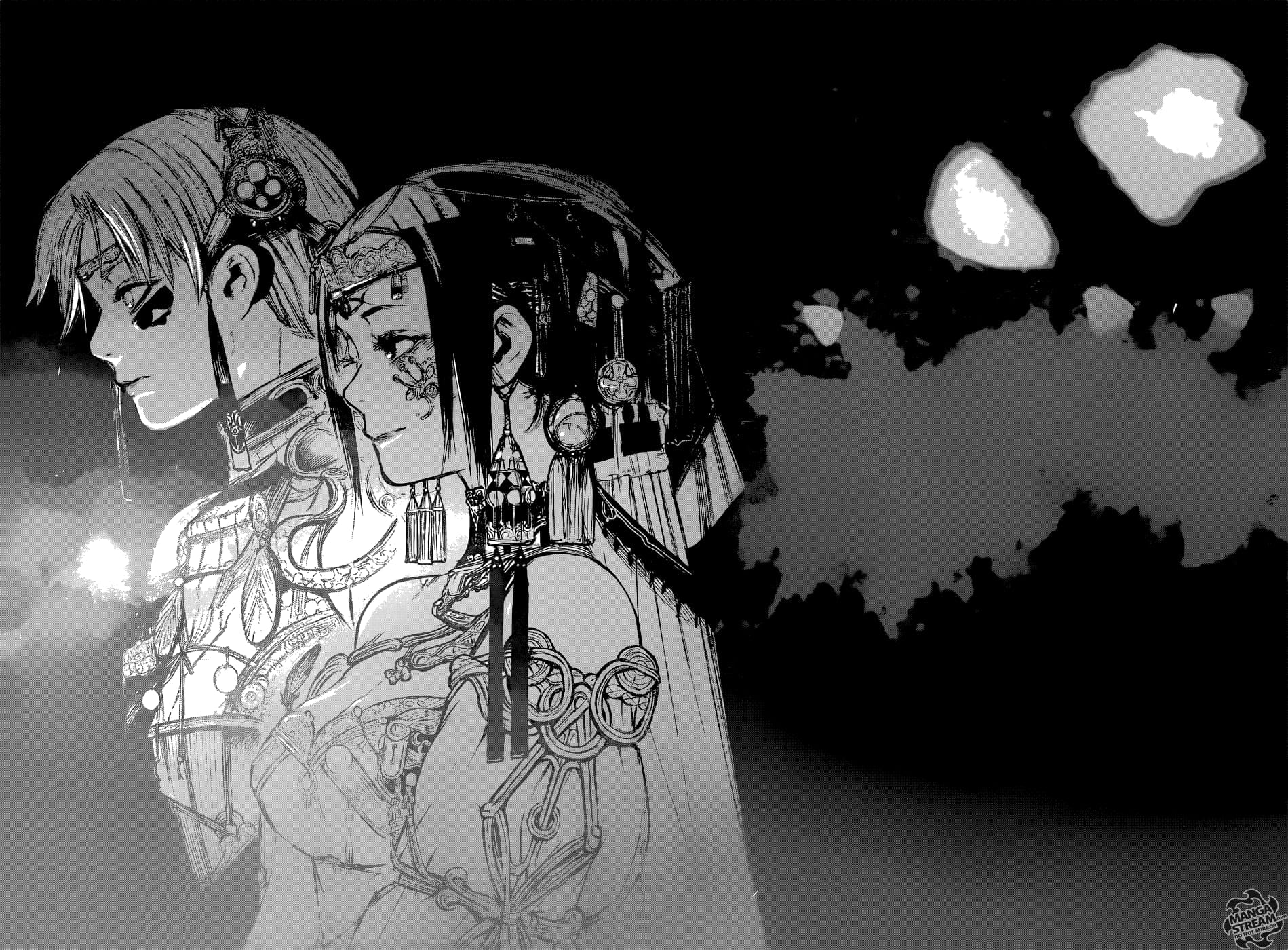
Art direction and artist expression. Black-and-white manga art is its own aesthetic, and for many fans, it’s more evocative than color animation. An artist like Kentaro Miura (Berserk) or Sui Ishida (Tokyo Ghoul) creates visual language through panel composition, hatching, and negative space that is genuinely difficult to translate into animation. The art in these series isn’t a compromise — it’s the medium working at its full potential.
When the Anime Is Clearly Better
Some series were practically built for the screen. Here’s where the anime format earns its reputation in the anime vs manga matchup.
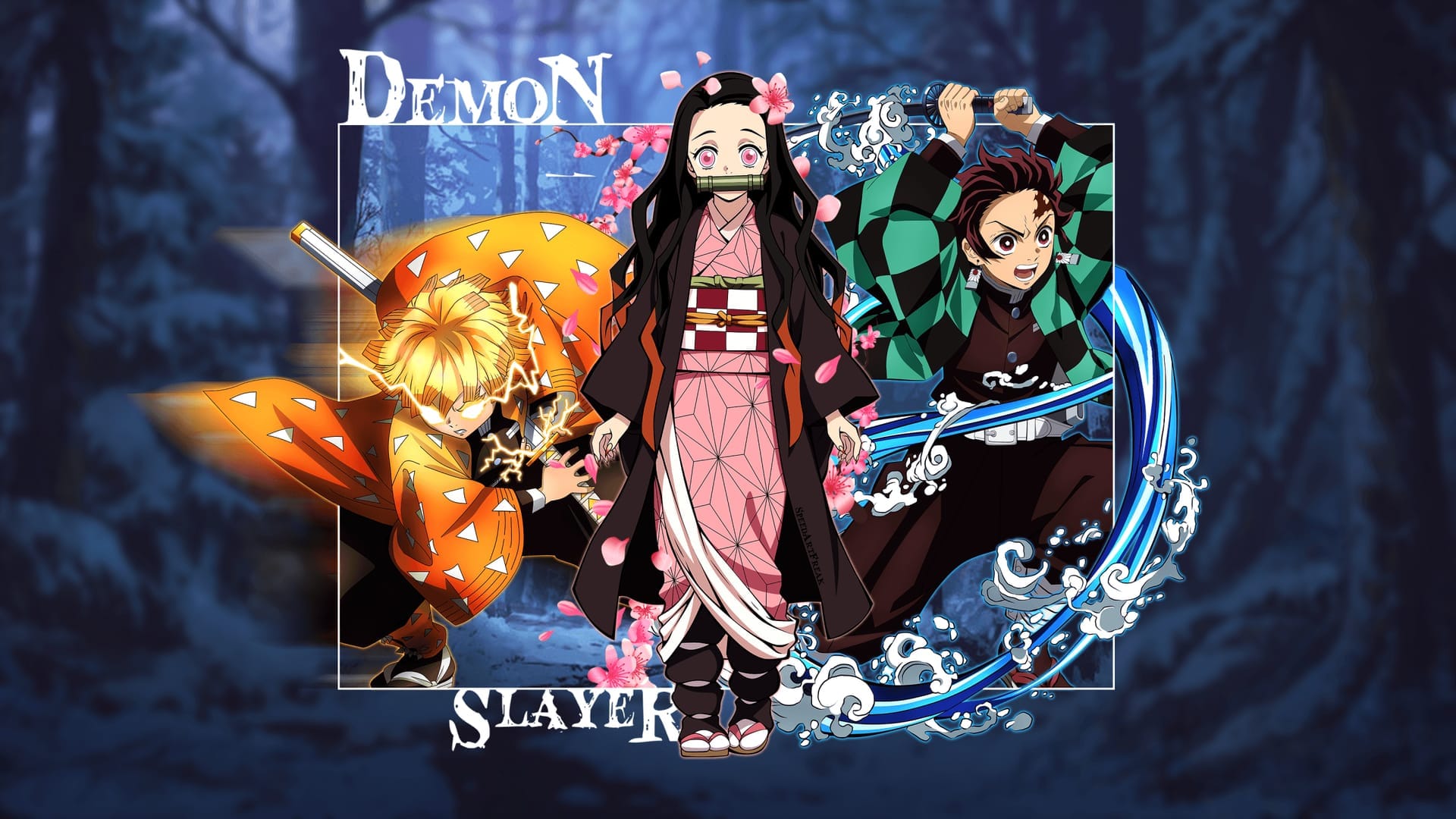
Demon Slayer (Kimetsu no Yaiba). The manga is good. The anime, produced by ufotable, is a visual phenomenon. The breathing technique sequences — Water Breathing, Flame Breathing, Sound Breathing — are animated with a fluidity and artistry that makes reading those same sequences in the manga feel almost like a rough draft. The Mugen Train arc won an Academy Award for a reason. If there’s one series where the anime isn’t just “as good” but objectively better as an experience, this is it. The music by Yuki Kajiura and Go Shiina adds an entire emotional layer that manga readers simply don’t get.
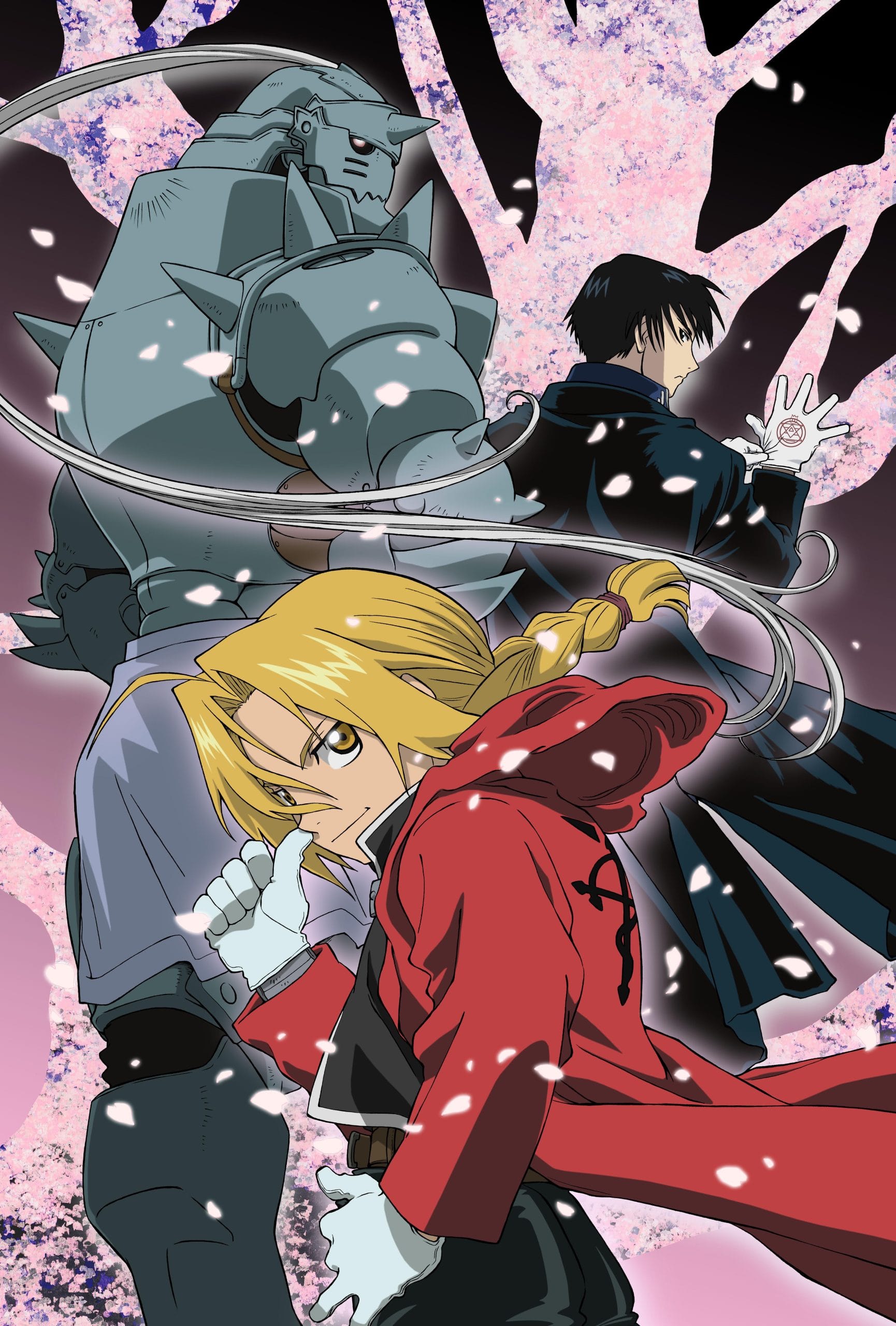
Fullmetal Alchemist: Brotherhood. FMA Brotherhood is frequently cited as one of the best anime adaptations ever made, and it’s hard to argue with that. The pacing is tight, the soundtrack is excellent, and the voice cast — both sub and dub — delivers consistently strong performances across 64 episodes. The manga is great and Brotherhood follows it closely, but the anime’s polish, production quality, and emotional execution make it the recommended entry point for almost everyone. For newcomers asking should I watch or read FMA, the answer is: watch Brotherhood first.
Hunter x Hunter (2011). Yoshihiro Togashi’s manga is legendary, but it’s also notorious for long hiatuses, inconsistent art quality in later arcs, and rushed penciling due to health issues. The 2011 anime adaptation by Madhouse cleaned all of that up. The Chimera Ant arc in particular is better executed in the anime, with music and pacing that elevates it into one of the best story arcs in the medium. The manga is worth reading for context and the ongoing story post-anime, but for the main run, the anime wins this anime vs manga comparison.
Cowboy Bebop, Samurai Champloo, Trigun. These are anime-first properties. The manga adaptations exist, but the anime is the source of record. Bebop without Yoko Kanno’s jazz soundtrack isn’t Bebop. Always watch these.
When the Manga Is Clearly Better
For every Demon Slayer, there’s a series where the anime did the source material a disservice. These are the ones where picking up the manga is the right call.
Berserk. Kentaro Miura’s Berserk is one of the greatest manga ever created, full stop. The artwork is extraordinarily detailed, the world-building is layered, and the story goes to places anime has never fully followed. The 1997 anime is respected and covers the Golden Age arc with real craft, but it ends at a brutal cliffhanger without resolution. The 2016–2017 CGI anime was widely criticized for its animation quality. If you want the real Berserk experience — the Millennium Falcon arc, the Fantasia arc, the true scope of Griffith’s story — there is no substitute for the manga. This is the single most recommended series to read rather than watch in any honest anime vs manga guide.
Tokyo Ghoul. Sui Ishida’s manga is a tightly constructed psychological horror story about identity, humanity, and what it costs to survive on the margins of society. The first season of the anime is solid. Then Root A (season 2) diverged significantly from the manga and lost many of the story’s most important threads. By the time :re was adapted, the anime was rushing through hundreds of manga chapters per cour, leaving out character development and key emotional beats. Read the manga — all of it, Tokyo Ghoul through :re — and you’ll understand why this series has such a passionate fanbase. The anime will confuse you; the manga will wreck you in the best way.
Bleach (Soul Society and beyond). The original Bleach anime has a specific problem: filler. Hundreds of episodes of it, scattered throughout the run in ways that killed momentum. The Thousand-Year Blood War arc was never adapted during the original run (it’s being adapted now), and for years, the only way to experience Bleach’s final arc was the manga. Even the early arcs read faster and cleaner on the page. If you’re new to Bleach, starting with the manga gives you the story without the pacing tax.
Vinland Saga (seasons 1–2 are great, but the manga goes further). The anime by Wit Studio is excellent for the first two seasons. But the manga is significantly ahead and covers story arcs that are years away from adaptation. For anyone who finished season 2 and needs to know what happens next, the manga recommendation here is urgent. Don’t wait — the post-Baltic arc material is some of the best the series has to offer.
Oyasumi Punpun. There is no anime. There will likely never be an anime. Inio Asano’s surrealist coming-of-age story exists only on the page, and honestly, it’s hard to imagine the medium translation working. Some manga are exactly what they need to be.
The Hybrid Approach: Watch and Read
For a lot of fans, the anime vs manga debate is a false choice. The hybrid approach — starting with one and moving to the other — is often the best of both worlds.
A common pattern: watch the anime to fall in love with a series, then read the manga for everything the anime cut, skipped, or hasn’t gotten to yet. This works particularly well for ongoing series. You get the full sensory experience of the anime for the adapted arcs, then carry that emotional investment into the manga for the continuing story.
The reverse also works. Read the manga first, build your own internal picture of characters and settings, then watch the anime as a “what did they do with this?” experience. Some fans find this more satisfying because you’re watching an adaptation rather than receiving the story blind — you notice what the studio got right, what they changed, and what got lost.
For series like One Piece, which has both a beloved long-running anime and a massive, ongoing manga, many fans do a split: watch the anime through a certain arc, then switch to manga chapters when the anime’s pacing gets too slow, then come back to the anime for a high-budget arc. There’s no rule that says you have to pick one and stick with it.
Series-by-Series Recommendations: Should I Watch or Read?
Here’s a quick-reference breakdown for common series. This is the kind of manga recommendation or anime recommendation you’d get from a fan who’s done both:
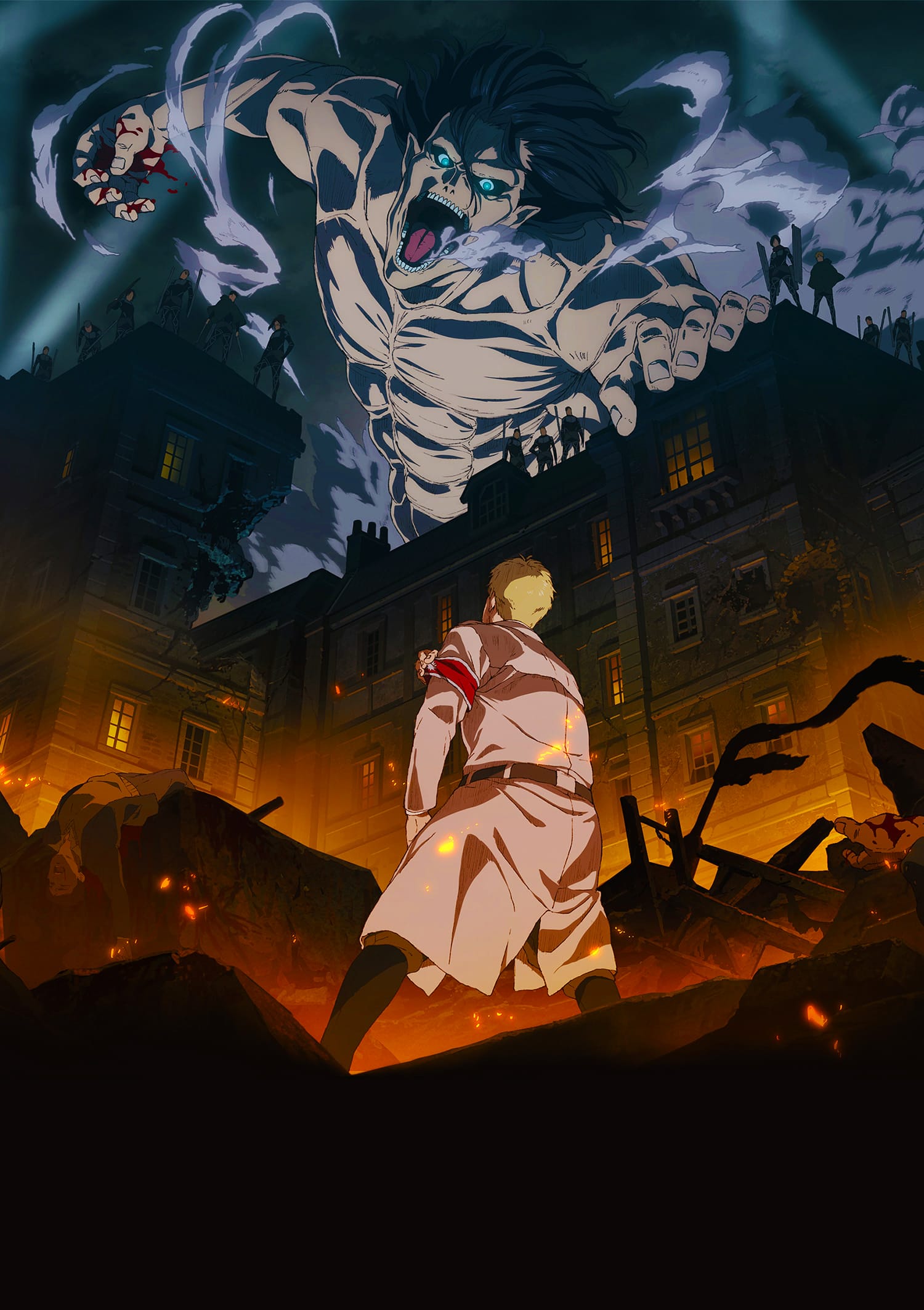
Attack on Titan — Watch. The anime is superbly produced through all four seasons, and the music and animation make key moments hit harder than the manga. That said, read the manga if you want the full ending experience (the final chapter was controversial and benefits from rereading in context).
Naruto / Naruto Shippuden — Read the manga, or watch a filler-skipped version of the anime. The anime has over 200 filler episodes. The manga cuts straight to the story. For someone new to the series, a filler guide + anime is fine; for someone who wants the cleanest experience, manga wins.
One Piece — Both, depending on your pace. The anime is culturally significant and the recent post-timeskip arcs have improved production quality. But the manga is substantially ahead and reads much faster. New fans: try the anime for East Blue, then switch to manga around Dressrosa when the anime pacing starts to drag.
Chainsaw Man — Watch Part 1 (the MAPPA anime is excellent), then read Part 2 (not yet adapted). The anime adds sound design and cinematography that make the first arc special. Part 2 in manga form is equally worth your time.
Jujutsu Kaisen — Both work. The anime is beautifully produced and the fight sequences are outstanding. The manga is significantly ahead in story. Watch the anime first, then read from the Culling Game arc onward.
Vagabond — Read only. No anime exists. Takehiko Inoue’s artwork is painterly and extraordinary. This is manga as an art form at its peak.
Spy x Family — Watch. The anime is charming, well-paced, and the voice cast is perfect. This is a series where the animated format adds warmth that makes the comedy land better.
The bigger principle across all of these: if the anime is well-produced and the series is action/music/emotion-heavy, watch. If the anime cut content, has filler, was canceled before completing the story, or the manga is far ahead, read. When in doubt, watch an episode or two, read a chapter or two, and trust your gut. The anime vs manga decision doesn’t have to be permanent — the story will be there either way.
You Might Also Enjoy: