Most people writing off anime as “cartoons for kids” haven’t seen the right shows. The best anime for adults operates on a completely different level — psychologically demanding, morally unresolved, often brutal, and occasionally haunting long after the credits roll. This isn’t adult animation in the cheap shock-value sense. These are stories built for people who want their fiction to challenge them.
Whether you’re brand new to mature anime or a longtime fan hunting for your next obsession, this list covers 15 series (and one essential film) that earn their adult rating through substance, not just surface. Expect philosophical weight, violence with consequences, and endings that don’t wrap up clean.
Dark Fantasy and Brutal Action
Some of the best anime for adults earns that label through sheer unflinching darkness. These aren’t stories where the hero powers up and wins. They’re stories about survival, sacrifice, and what violence actually costs — physically, morally, spiritually.
1. Berserk (1997 / Manga)
Berserk follows Guts, a lone mercenary with a sword the size of a small car, as he cuts through a medieval world rotting with corruption and supernatural horror. The 1997 anime covers the Golden Age arc — which is, arguably, the greatest tragedy ever told in the medium. You watch Guts and Griffith build something real together, and then you watch it get destroyed in the most devastating way imaginable.
Why it’s for adults: The story treats violence as traumatic, not thrilling. Guts has a backstory involving childhood abuse and sexual violence that the series doesn’t sensationalize but doesn’t sanitize either. Themes of free will, fate, betrayal, and the cost of ambition run through every episode.
Themes: Fate vs. free will, trauma, ambition, friendship and betrayal
Content warnings: Extreme graphic violence, sexual violence (backstory), body horror, torture
2. Vinland Saga
Set in early 11th-century Europe, Vinland Saga follows Thorfinn, the son of a legendary warrior, on a long path from vengeance-obsessed boy to a man questioning everything violence ever gave him. Season one is a war story. Season two is something closer to a meditation on what it means to stop fighting altogether.
Why it’s for adults: The show explicitly argues against heroic violence. Its protagonist’s arc is about unlearning the idea that strength and revenge have any real value. That’s not a message for children — it’s barely a message most action fans want to hear.
Themes: Pacifism, cycles of violence, slavery, identity after trauma
Content warnings: War violence, slavery depicted at length, character death
3. Devilman Crybaby
Masaaki Yuasa’s 2018 Netflix adaptation of Go Nagai’s classic manga is one of the most visually chaotic and emotionally devastating things on the platform. Akira Fudo merges with a demon to gain power while retaining his human heart — and then watches that heart get ripped out by a world that isn’t worth saving.
Why it’s for adults: The ending is nihilistic in a way that feels earned. The show asks whether love and goodness can survive in a world built on fear and tribalism, and it answers honestly rather than hopefully. There’s also genuinely explicit sexual content throughout.
Themes: Identity, mob mentality, love vs. survival, the futility of hope in certain systems
Content warnings: Explicit sex scenes, extreme graphic violence, gore, suicide
4. Wolf’s Rain
In a dying world, wolves disguised as humans search for Paradise — a mythical place that may or may not exist. Wolf’s Rain is slow, cold, and achingly sad in a way that sneaks up on you. The world is already ending when the story starts, and the characters know it.
Why it’s for adults: It asks whether the destination matters when the journey itself is the only meaning available. The show is comfortable with silence, ambiguity, and loss — three things most children’s animation avoids entirely.
Themes: Extinction, hope vs. reality, the meaning of searching, death and rebirth
Content warnings: Character death, depictions of a dying civilization, violence
Psychological Thrillers and Crime
Seinen anime — manga and anime aimed at adult male audiences — has produced some of the most gripping psychological work in any medium. The best anime for adults in this category doesn’t just tell you who the villain is. It makes you understand them, which is far more uncomfortable.
5. Monster
Dr. Kenzo Tenma saves a boy’s life and, in doing so, sets a monster loose on the world. That monster — Johan Liebert — is one of the most chilling antagonists ever written. Monster is a slow-burn thriller that spans years and dozens of characters as Tenma hunts Johan across Europe, questioning his own morality the entire way.
Why it’s for adults: The show is genuinely interested in what creates evil — trauma, ideology, the systems that fail children. Johan isn’t a supernatural villain. He’s a product of specific horrors, which makes him worse. The series rewards patience and punishes the expectation of easy resolution.
Themes: The nature of evil, medical ethics, identity formation, guilt
Content warnings: Murder, child abuse (historical), suicide, depictions of Nazi experimentation
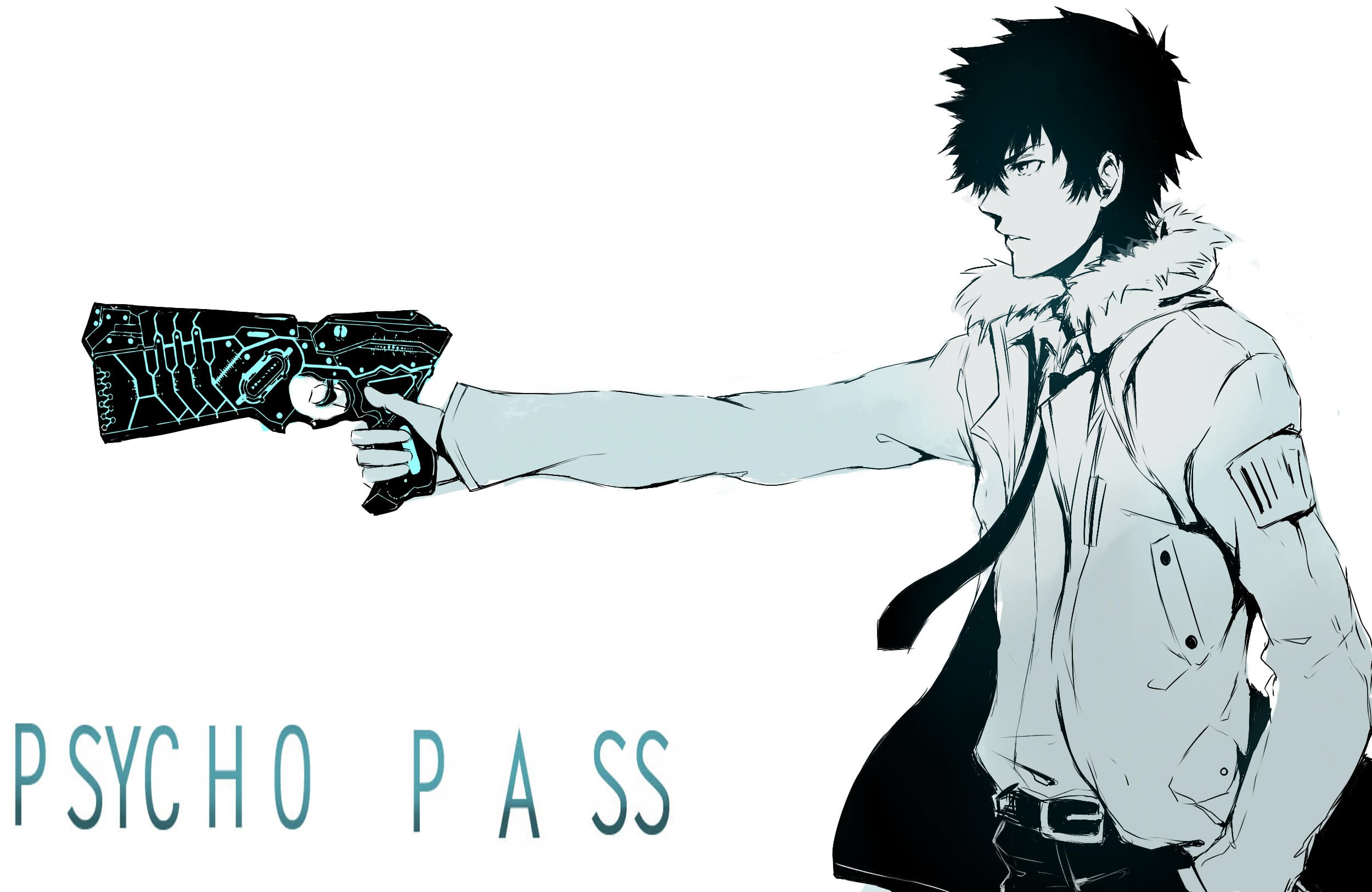
6. Psycho-Pass
In a future Japan, a system called the Sibyl System measures citizens’ psychological state and predicts criminal intent before any crime occurs. Inspector Akane Tsunemori starts as a true believer and slowly confronts what it actually costs to outsource moral judgment to an algorithm.
Why it’s for adults: Psycho-Pass is directly in conversation with Foucault, Bentham’s panopticon, and Philip K. Dick. It asks whether a society can be just if it’s built on surveillance and preemptive punishment — and it doesn’t reassure you that your society is different.
Themes: Surveillance, free will, justice vs. order, institutional corruption
Content warnings: Graphic violence, murder, body horror (season 1 especially)
7. Parasyte: The Maxim
Alien parasites arrive on Earth and begin taking over human hosts. Shinichi Izumi’s parasite only gets as far as his right hand — meaning he and the parasite, Migi, have to coexist. What follows is part horror, part philosophical argument about what makes humans human, and whether that distinction even matters.
Why it’s for adults: The show uses body horror as a tool to examine the predator-prey relationship humans have with every other species on the planet. It asks who gets to decide which lives have value, and Shinichi’s emotional numbing over the course of the series is handled with real psychological honesty.
Themes: Environmentalism, what defines humanity, empathy, identity under pressure
Content warnings: Graphic body horror, violence, gore
8. Steins;Gate
Self-described “mad scientist” Okabe Rintarou accidentally discovers time travel via a microwave and a phone. The first half plays like an eccentric comedy. The second half dismantles everything it built and asks how much you’d sacrifice to undo a mistake you can’t live with.
Why it’s for adults: The emotional gut-punch of Steins;Gate requires investment that younger audiences rarely have the patience for. The show earns its tragedy slowly and meticulously. Its treatment of grief, especially grief over something that hasn’t happened yet, is genuinely sophisticated.
Themes: Causality, grief, obsession, the cost of knowledge
Content warnings: Death of major characters, depictions of PTSD, violence
Science Fiction and Philosophy
The best anime for adults in the sci-fi space tends to use the future as a mirror. These titles aren’t really about spaceships or cyborgs — they’re about consciousness, purpose, and what we do when the systems we built start to feel like cages.
9. Ghost in the Shell (1995 Film)
Major Motoko Kusanagi is a cyborg counter-terrorism agent who has started asking uncomfortable questions about whether she actually exists as a person or is simply a very sophisticated program with memories installed. Mamoru Oshii’s film is one of the foundational texts of science fiction, full stop — not just anime.
Why it’s for adults: The film operates primarily as philosophy. It has action sequences, but they exist to punctuate ideas about identity, consciousness, and the definition of the self in an age of technological body modification. It influenced The Matrix, but it’s more interested in questions than answers.
Themes: Identity, consciousness, transhumanism, the nature of the soul
Content warnings: Violence, brief nudity (non-sexual, body horror context)
10. Cowboy Bebop
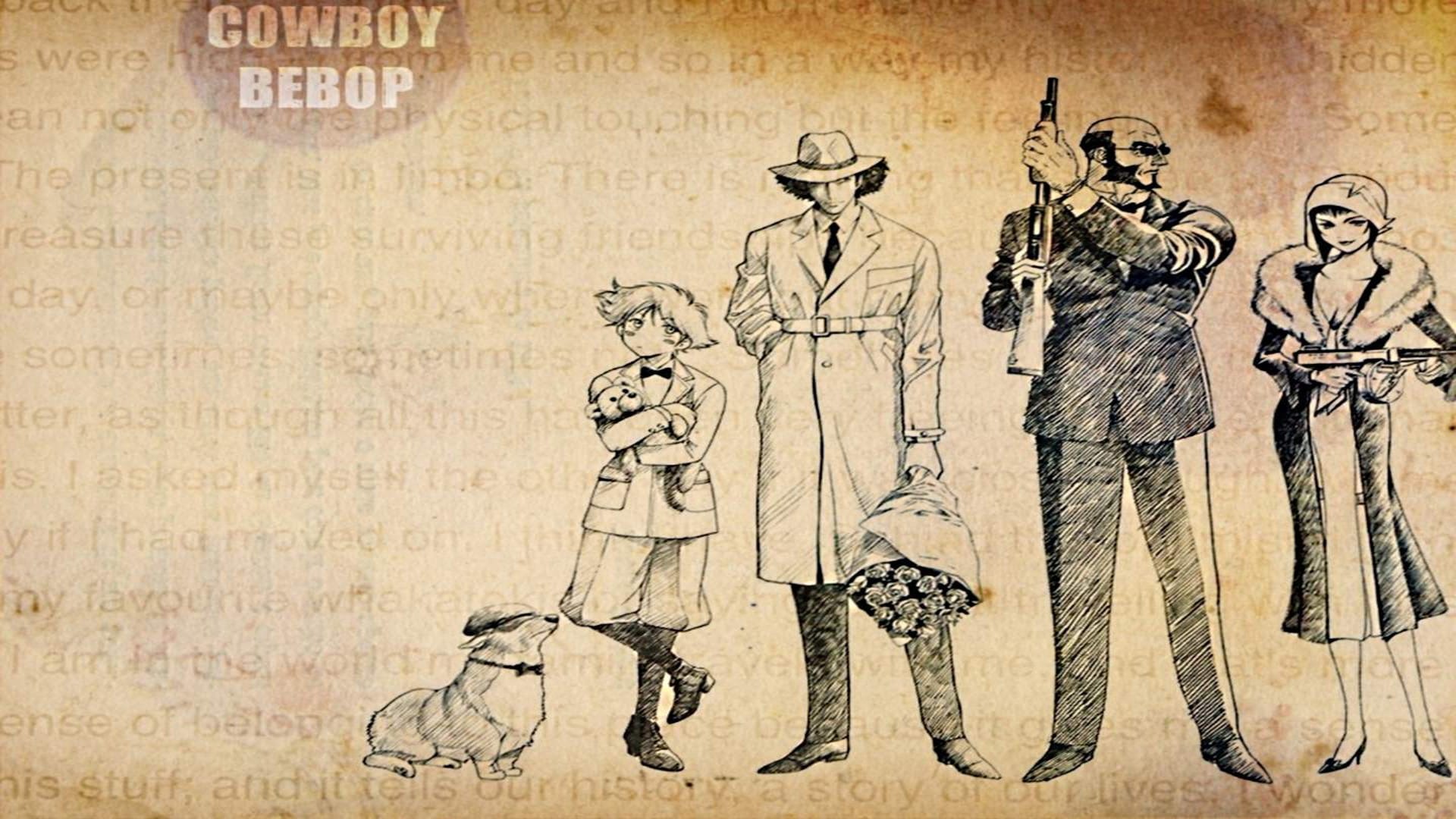
Spike Spiegel and a ragtag crew of bounty hunters drift through a spacefaring solar system chasing small paydays and avoiding their pasts. Cowboy Bebop is jazz and blues translated into animation — melancholy, cool, and built around people who have given up on having futures and are just trying to survive their histories.
Why it’s for adults: The show is fundamentally about people who are already broken and have decided not to fix themselves. That’s not nihilism — it’s something more honest. The final three episodes hit with the full weight of everything the series spent 23 episodes building toward.
Themes: Living in the past, loneliness, chosen family and its limits, mortality
Content warnings: Violence, drug use depicted, character death
11. Neon Genesis Evangelion
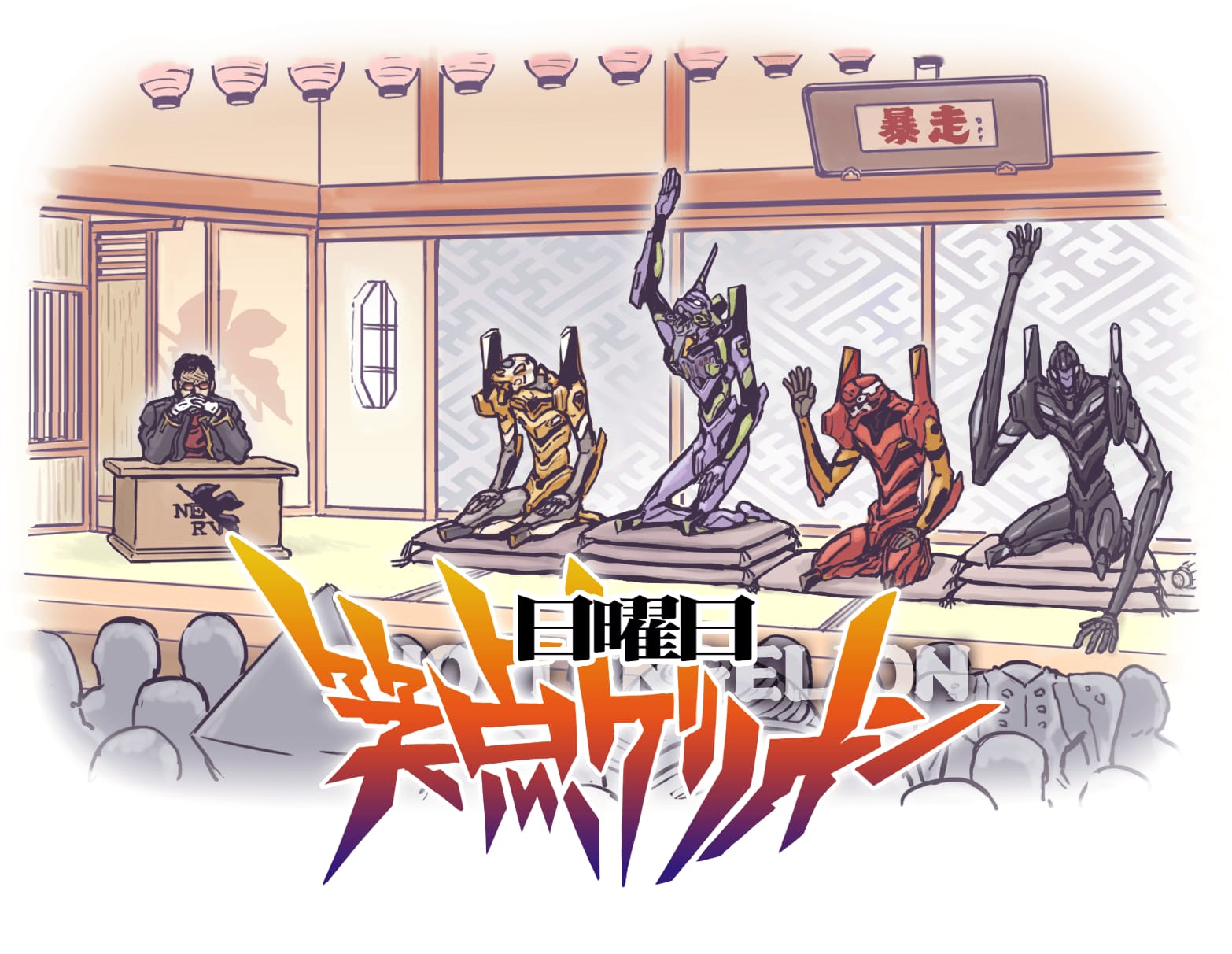
On the surface: giant mechs fighting angels to save humanity. One layer down: a 14-year-old boy’s complete psychological breakdown, rendered in painful detail across 26 episodes and a film. Evangelion is creator Hideaki Anno’s most personal work and one of the most analyzed anime ever made.
Why it’s for adults: The show deconstructs the mech genre while simultaneously being a clinical portrait of depression, anxiety, and the desperate need for connection. The final two episodes abandon conventional narrative entirely for something closer to a therapy session. It is not for people who want resolution.
Themes: Depression, self-worth, parent-child trauma, human connection
Content warnings: Mental illness, body horror, suicide ideation, existential breakdown
12. Planetes
In 2075, the biggest environmental problem in orbit isn’t a villain — it’s garbage. Planetes follows the crew of a debris-collection vessel, unglamorous workers in a future where space travel is real but mostly just another industry with a union and a pension plan. It’s one of the most quietly ambitious series in this list.
Why it’s for adults: Planetes asks what dreams cost in a world that’s still fundamentally about economics, class, and compromise. Its protagonist wants to fly to Jupiter. His path there involves facing terrorism, corporate greed, and the question of whether chasing a dream is nobility or selfishness when people who love you pay the price.
Themes: Ambition vs. responsibility, class and labor, environmentalism, idealism vs. reality
Content warnings: Death, depictions of terrorism, some violence
Slow Burn, Horror, and Literary Anime
These three titles don’t fit neatly into action or thriller categories. They require patience and reward it. As mature anime, they operate more like literary fiction — building atmosphere, withholding explanation, and trusting the viewer to sit with discomfort.
13. Made in Abyss
A young girl descends into a massive pit of unknown depth alongside a robot boy, searching for her missing mother. Made in Abyss has one of the sharpest bait-and-switches in the medium: it looks like a charming adventure story and reveals itself as one of the darkest examinations of what adults do to children in the name of discovery.
Why it’s for adults: The Abyss has rules that make descent easy and ascent catastrophically painful — a structural metaphor the show uses to full effect. The further down the story goes, the more it confronts exploitation, sacrifice, and the specific cruelty of people who believe the knowledge they seek justifies any cost.
Themes: Exploitation, obsession, the cost of discovery, child endangerment
Content warnings: Extreme graphic violence and gore, child torture, body horror — this is not a children’s show despite its art style
14. Mushishi
Ginko travels a pre-industrial Japan treating people afflicted by “mushi” — primal life forms invisible to most humans that interact with people in strange, often tragic ways. Mushishi has no overarching plot. Each episode is a self-contained story, most of them quiet, melancholy, and beautiful in the way folk tales are beautiful.
Why it’s for adults: The show has no villains and no victories. Ginko helps when he can and watches helplessly when he can’t. Its emotional register is acceptance rather than resolution — an adult emotion that animation rarely touches. It asks you to sit with impermanence and find it meaningful rather than tragic.
Themes: Impermanence, nature and humanity, illness, the limits of help
Content warnings: Death, illness, some body horror (mild by this list’s standards)
15. Shinsekai Yori (From the New World)
Set a thousand years in the future, children in a seemingly peaceful village slowly discover the truth about their society — how it was built, what it does to maintain itself, and what happened to the human beings who didn’t fit. Shinsekai Yori is one of the most disturbing and underappreciated series in adult animation.
Why it’s for adults: The show is a slow-burn horror story about institutional control, eugenics, and the lies societies tell themselves to maintain order. It handles sexuality (including same-sex relationships among teenagers) as part of its worldbuilding rather than for shock value. The full picture only snaps into focus across three time skips, demanding patience from the viewer.
Themes: Totalitarianism, eugenics, memory and control, queer identity, survival
Content warnings: Sexual content (teen characters, non-graphic), psychological horror, violence, disturbing concepts involving children
You Might Also Enjoy
If this list of the best anime for adults hit the right notes, here are five more reads to keep going:
- Best Psychological Anime That Will Mess With Your Head
- The Best Seinen Anime of All Time, Ranked
- Best Anime Villains Who Are Actually Right
- Anime Like Berserk: Dark Fantasy Picks for Hardcore Fans
- Best Anime Films Beyond Studio Ghibli
The best anime for adults isn’t always easy to watch. Some of these series will stay with you in an uncomfortable way — not because they’re gratuitous, but because they’re honest. That’s what good mature anime, and good fiction in general, is supposed to do. Start with Monster if you want something methodical. Start with Cowboy Bebop if you want something immediately compelling. Start with Berserk if you’re ready to have your expectations permanently rearranged.