If you’ve spent any real time in the anime world, you’ve had this argument. Lelouch vs Light is the debate that splits fandoms, derails Discord servers, and turns casual watch parties into philosophy seminars. Lelouch vi Britannia from Code Geass and Light Yagami from Death Note are the twin pillars of the strategic anime genre — two geniuses who decided the world was broken and took it upon themselves to fix it. Both succeeded far beyond what anyone thought possible. Both left a trail of bodies in their wake. And both ended exactly as Greek tragedy demands: at the peak of their own design.
But who was actually better? Not just smarter, not just more powerful — but better as a character, as a strategist, as a human being stretched to his absolute limit? That’s what we’re here to settle. Grab a seat. This is going to take a while.
The Power They Wielded: Geass vs the Death Note
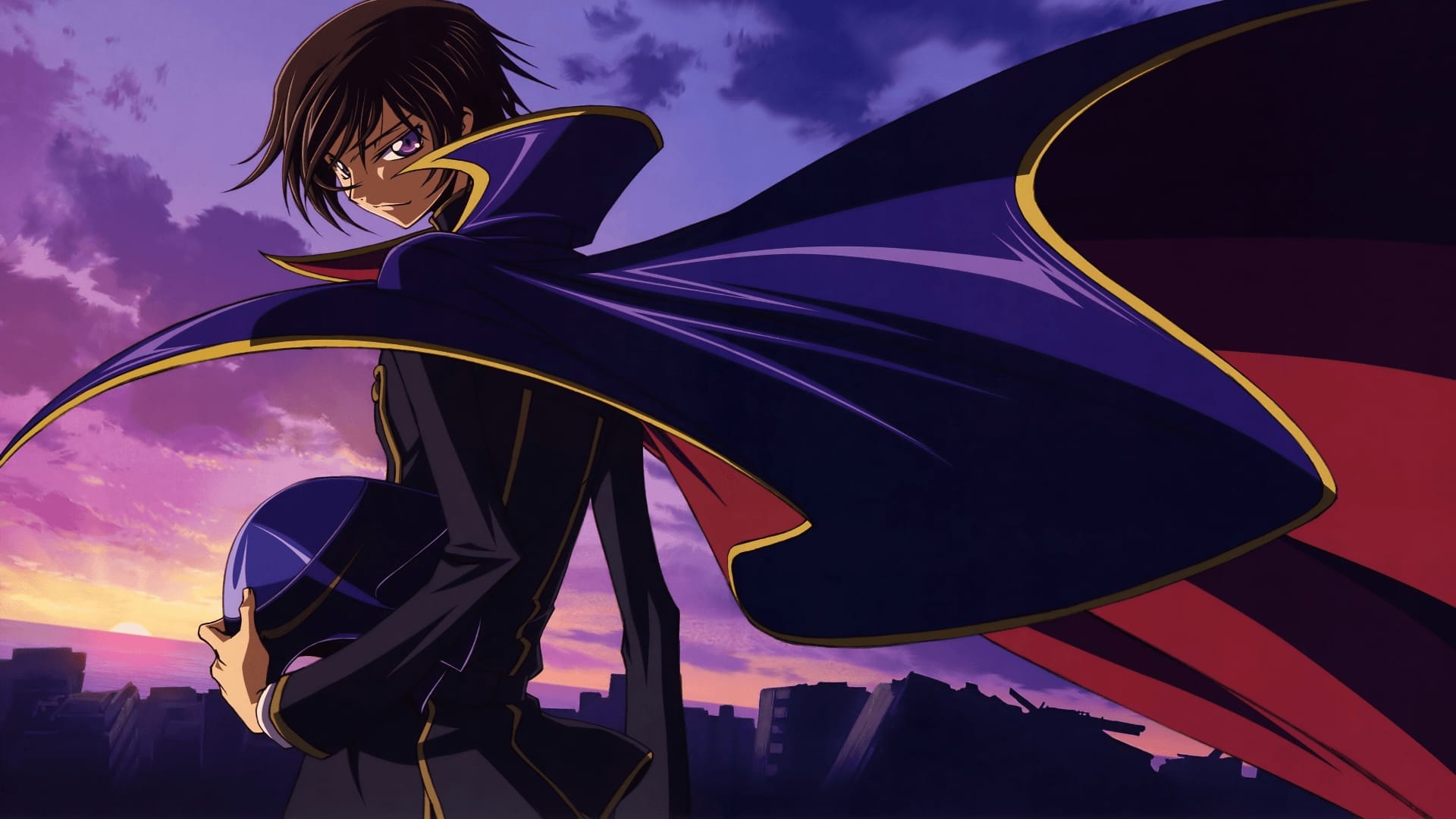
Every great anime mastermind needs a weapon. For Lelouch, it’s the Geass — a supernatural ability gifted by the mysterious C.C. that lets him issue an absolute command to anyone who makes direct eye contact with him. One look, one order, and the target obeys without question. They’ll walk into traffic. Pull a trigger on themselves. Reveal classified information. The command cannot be refused, cannot be resisted, and — crucially — can only be used once per person. That limitation matters enormously. It forces Lelouch to think before he acts, to position himself correctly, to make his one shot count.
The Geass evolves throughout Code Geass, eventually becoming uncontrollable — activating on anyone Lelouch looks at, stripping away the surgical precision that made it powerful and turning it into a loaded gun with a hair trigger. That loss of control is one of the most devastating turning points in the series. The weapon that made Lelouch dangerous becomes the weapon that breaks him.
Light’s tool is the Death Note itself — a notebook dropped into the human world by the shinigami Ryuk. Write a person’s name while picturing their face, and they die. Default cause of death: heart attack. Optional: specify the circumstances and manner of death within 40 seconds of writing the name, with up to six minutes and forty seconds to write the details. The Death Note is both more and less flexible than Geass. It can kill anyone, anywhere, as long as Light knows their name and face — but it cannot make anyone do anything. It’s purely destructive. Geass can build. The Death Note can only end.
What makes both powers fascinating is how they reflect their users. Lelouch uses Geass to command — he was born into royalty, schooled in leadership, and the power fits him like a glove. Light uses the Death Note to judge — he already believed himself superior to everyone around him before the notebook ever fell from the sky. The power didn’t corrupt either of them. It just gave them the means to act on what was already inside.
Advantage here goes to Lelouch. Geass is the harder tool to master and the more versatile one. The Death Note has raw lethality, but it’s a one-note instrument. Lelouch’s power demands — and rewards — genuine creativity.
What They Were Actually Fighting For: Rebellion vs “Justice”
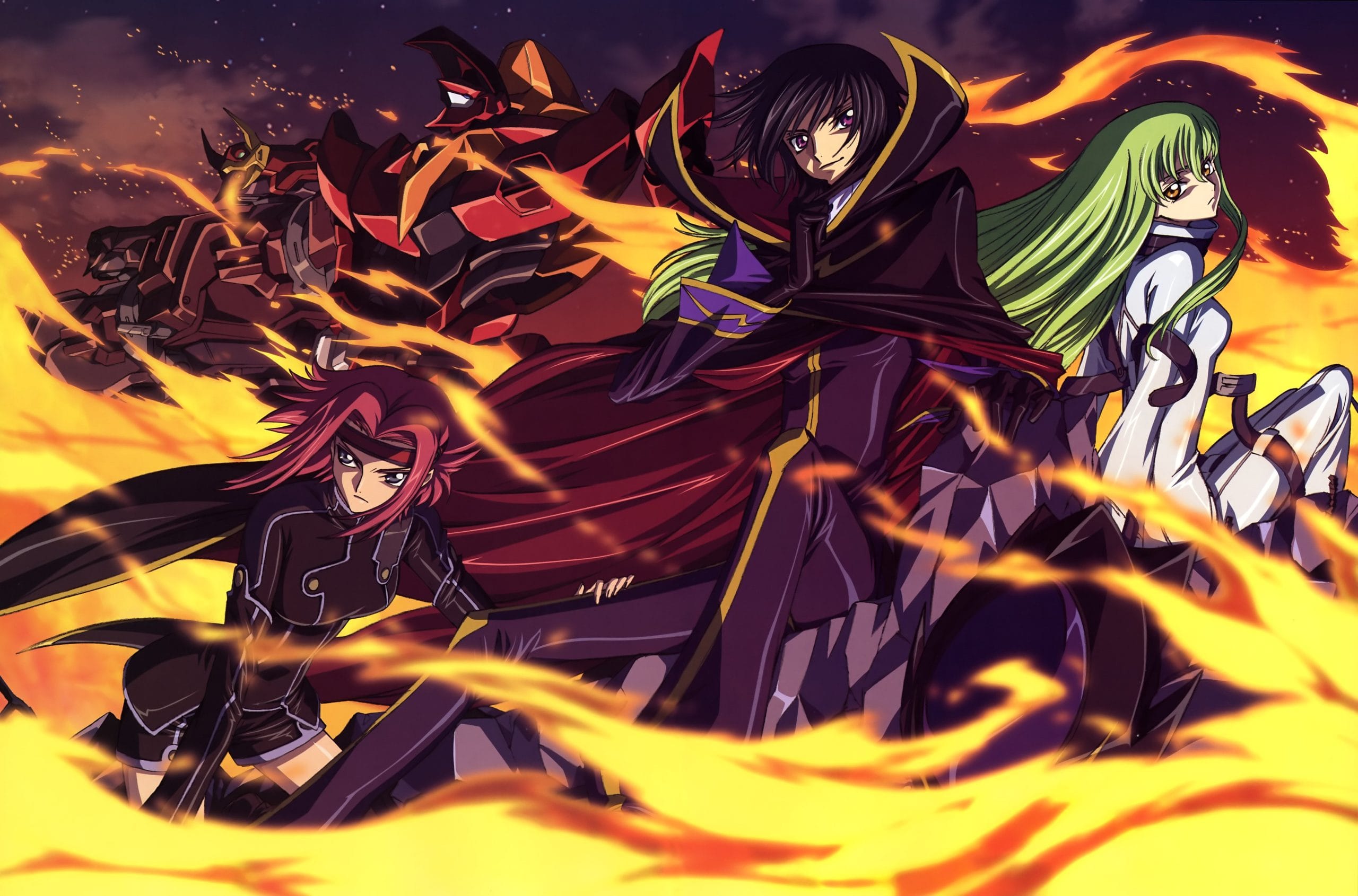
Strip away the supernatural elements and you have two very different manifestations of the same core impulse: a brilliant young man who looked at the world and decided it needed to change, and that he was the one to change it.
Lelouch’s motivation is deeply personal before it’s political. His mother, Marianne vi Britannia, was assassinated. His sister Nunnally was blinded and paralyzed in the same attack. When he demanded answers from his father, Emperor Charles zi Britannia, he was effectively exiled to Japan as a political hostage. Everything that follows flows from that betrayal. He wants to destroy the Britannian Empire not just because it’s an oppressive colonizing force — though it is — but because his father built it and used it as a weapon against his own children.
The rebellion he builds under the mask of Zero is genuinely liberatory. The Black Knights fight for the rights of Elevens — the occupied Japanese people stripped of their national identity. Lelouch’s stated goal of creating “a world where Nunnally can live happily” is almost heartbreakingly specific. He’s not trying to become God. He’s trying to fix something that was done to his family. That grounded, human motivation is what separates him from Light at a fundamental level.
Light Yagami’s goal is grandiose from day one. He doesn’t want to fix a specific injustice — he wants to remake the entire moral architecture of human civilization. As Kira, he positions himself as the god of a new world, culling criminals to create a society ruled by fear of divine punishment. He talks about justice, but what he actually wants is worship. The criminals he kills early on aren’t chosen based on careful moral reasoning — he goes through Ryuk’s notebook like a bored teenager with too much power and not enough supervision.
As the series progresses, Light’s definition of “justice” expands to include anyone who gets in his way: investigators, innocent bystanders, even his own allies. The corruption arc isn’t subtle in Death Note — it’s the point. Tsugumi Ohba wrote Light as a cautionary tale about absolute power meeting absolute ego. What starts as a teenager’s vigilante fantasy ends with Light killing people for the sole reason that they threatened his position.
Lelouch’s goals, by contrast, remain coherent. The Zero Requiem — his final plan — is a genuine act of self-sacrifice. He becomes the world’s villain so that Suzaku can kill him and unite humanity against a common enemy. It’s manipulative, it’s brutal, and it works. The world Lelouch dies to create is genuinely better than the one he was born into. Can Light say the same? Not even close.
Intelligence and Strategy: How They Actually Think
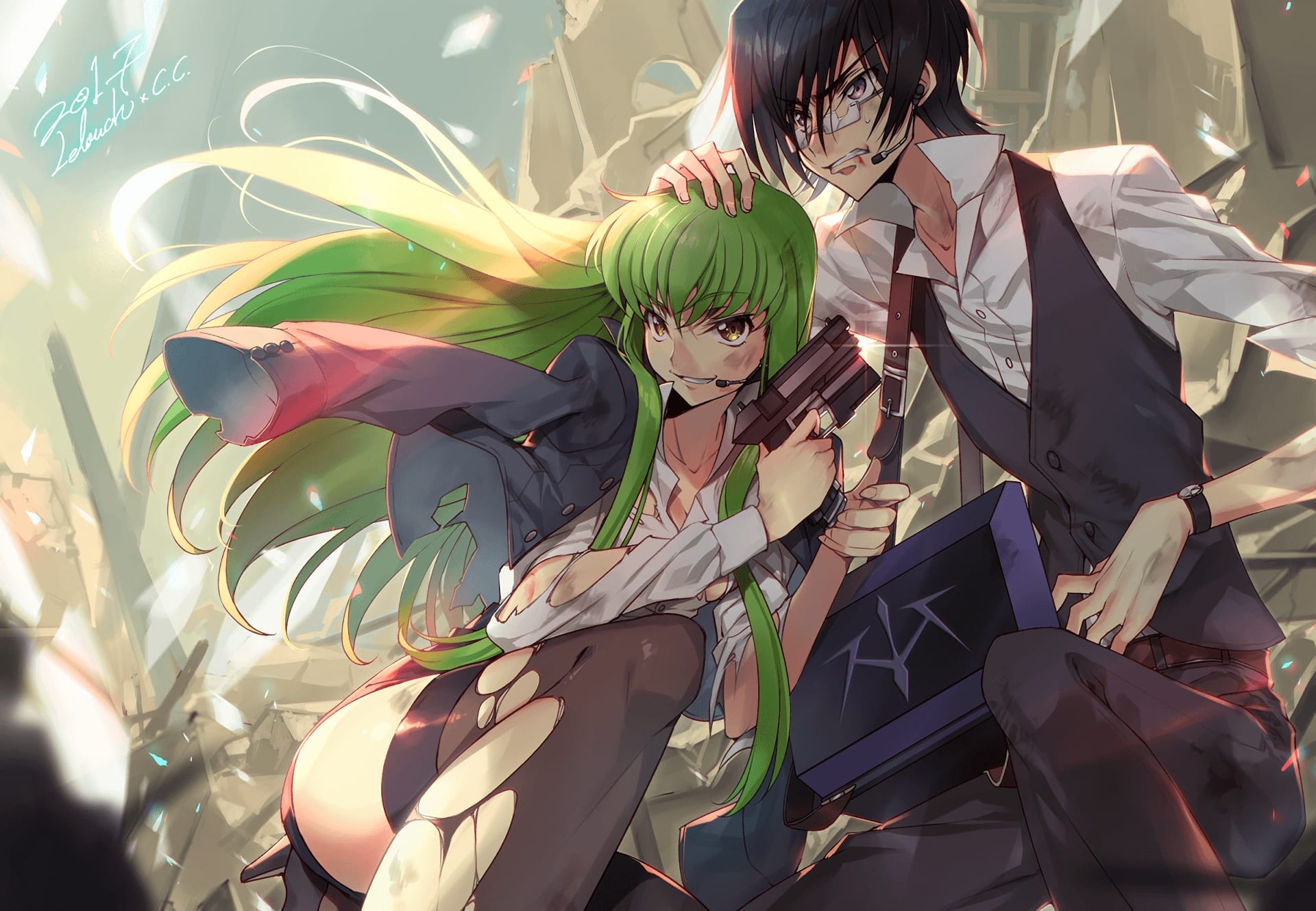
This is where the debate gets genuinely interesting, because both characters are operating at a level that most anime protagonists can’t touch. They’re not fighters — they’re architects. Every move is calculated three steps ahead, and both of them have the kind of minds that can run simultaneous scenarios in real time.
Lelouch is a chess grandmaster — literally. The show uses chess as shorthand for his tactical genius, and it earns that shorthand. His operational planning is extraordinary: he took a ragtag group of Elevens and turned them into a military force capable of challenging the most powerful empire on the planet. He does this through misdirection, resource allocation, understanding of enemy psychology, and a willingness to improvise when plans go sideways. Because they always go sideways. The best Lelouch moments aren’t the ones where his plan works perfectly — they’re the moments where something explodes in his face and he adapts on the fly without missing a beat.
His greatest weakness as a strategist is emotional. He makes catastrophic errors when his feelings are involved — particularly with Nunnally and Euphemia. The massacre at the Lake Kawaguchi Convention Center is triggered by an accidental Geass command during an emotionally destabilized moment. A purely cold strategist would not have made that mistake. Lelouch is brilliant, but he’s not a machine.
Light operates differently. His genius is less about large-scale operational planning and more about psychological combat — reading his opponents, finding their pressure points, and engineering situations where they defeat themselves. His cat-and-mouse game with L is the finest sustained display of dueling intellects in anime history. Both men know the other is their target. Both are operating under constraints that prevent direct action. They have to outthink each other at every turn while maintaining plausible deniability, and watching them do it is genuinely thrilling.
Light’s planning is meticulous and paranoid in equal measure. His countermeasures against L — burying the Death Note, using Misa as a proxy, the elaborate memory-erasure gambit — show a mind that can hold enormous complexity without cracking. But Light’s fatal flaw is arrogance. He underestimates Near. He lets himself get baited into the final confrontation at the Yellow Box warehouse. He writes Mikami’s name in the notebook before confirming Mikami can be trusted to act correctly. These are not the mistakes of a careful strategist. They’re the mistakes of a man who started believing his own mythology.
On pure tactical flexibility, Lelouch edges ahead. On psychological manipulation and sustained planning under pressure, Light is extraordinary. Call it a draw — but a draw that favors Lelouch because his plans have a larger scope and his failures are more understandable.
Moral Compass: Two Killers, Two Very Different Consciences
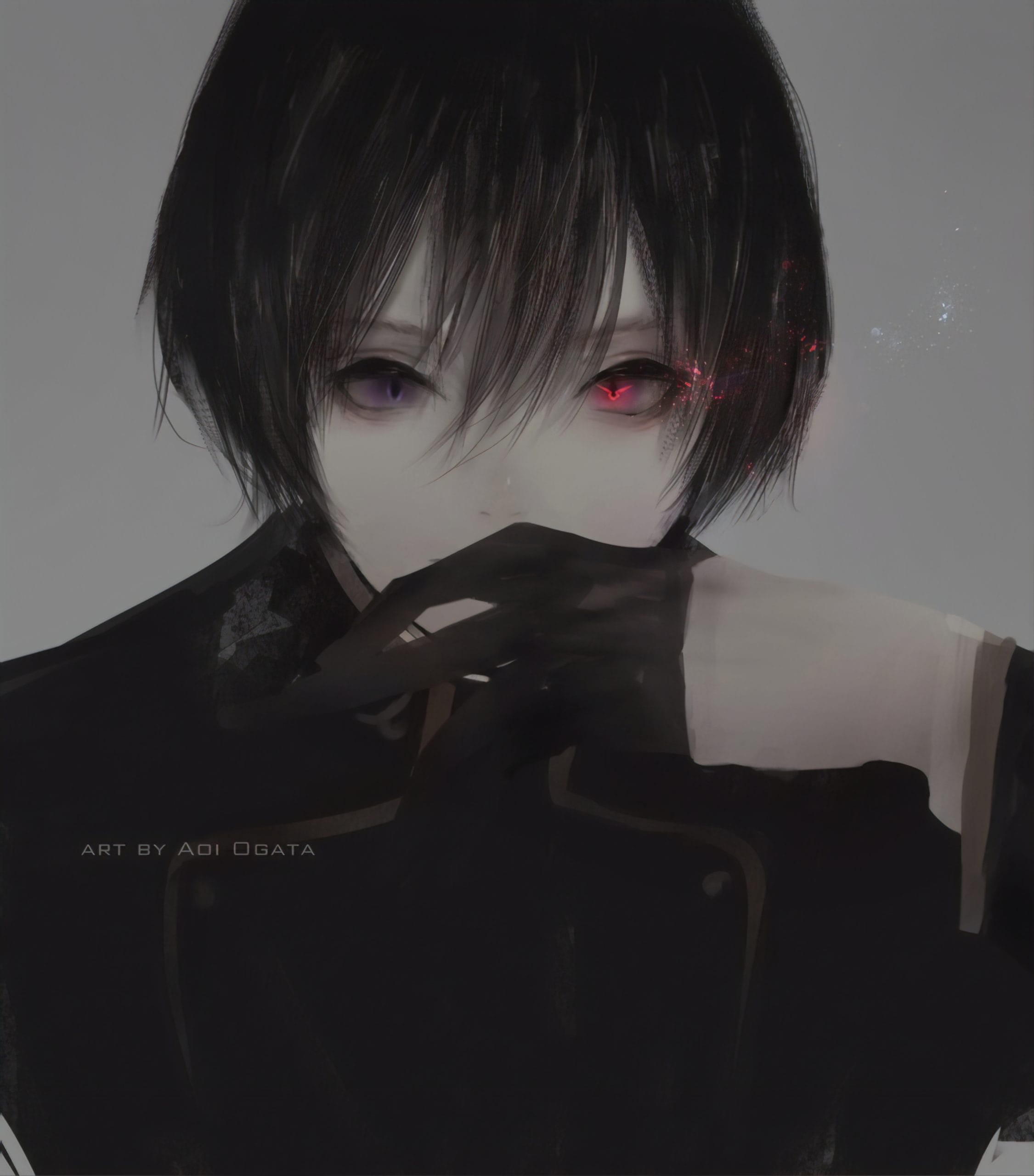
Neither of these characters is a good person in any straightforward sense. Both of them kill. Both of them use people instrumentally. Both of them make decisions that most of us would find monstrous. But the question isn’t whether they’re good — it’s what kind of moral architecture they’re operating under, and what that architecture costs them.
Lelouch feels his kills. Not all of them, not always in the moment — he can order a battlefield strike with chilling efficiency. But the weight accumulates. Shirley’s death destroys him emotionally. The Euphemia incident is a trauma he carries for the rest of the series. He never fully becomes comfortable with the person the war is making him, and that discomfort is the engine of the Zero Requiem. The plan to make himself a monster and then die for it isn’t just political calculation — it’s penance. He is, in a deeply Catholic sense, a sinner who designs his own punishment.
Light feels nothing that isn’t in service to his ego. There are moments — early moments — where you can see a flicker of something like genuine moral distress. When he first picks up the Death Note, he hesitates. He tests it on a small-time criminal before he’ll use it on anyone else. But that hesitation dissolves remarkably fast, and once it’s gone, it’s gone completely. Light watching Lind L. Tailor die on television and then laughing is the moment the show tips its hand. This isn’t a confused kid trying to make the world better. This is someone who found the toy he’s been waiting his whole life for.
The difference between them is empathy. Lelouch has it and fights it because it’s a liability in war. Light lacks it and never misses it. That gap is enormous. It’s the difference between a man who becomes something monstrous in service of something real, and a man who was always going to become this — the Death Note just handed him the means.
From a purely narrative standpoint, Lelouch is the more complex moral figure. He forces the audience to sit with genuine ambiguity. Light is more of a controlled experiment: what happens when pure intelligence operates without empathy? The answer Death Note gives is brilliant, but it’s not really a mystery. We know where Light is going from the moment he laughs at that television.
Who Would Win in a Direct Confrontation?
Alright — the fun part. If Lelouch and Light were somehow dropped into the same universe and pointed at each other, who walks away?
Light’s opening move would be obvious: get Lelouch’s real name and face, write it in the Death Note, done. The problem is that Lelouch knows how to operate under a secret identity. As Zero, he is obsessively careful about exposure. Getting his real name is not simple — and if Light tried to get close enough to learn it, he’d be walking into range of the Geass.
Lelouch’s opening move would be to identify Light as his enemy and engineer a direct meeting — because the moment Light makes eye contact, it’s over. One Geass command: “Tell me your name, then destroy the Death Note.” The game ends there.
The question is whether Light could avoid direct eye contact long enough to get the information he needs. Probably not — Lelouch is extraordinarily good at forcing confrontations on his terms. Light is good at avoiding them, but he’s never faced an opponent who can compel obedience with a glance. All his countermeasures assume opponents who play by human rules. Geass isn’t a human rule.
There’s a scenario where Light wins: if he gets Lelouch’s identity before any direct contact, perhaps through surveillance or informants, and uses the Death Note at range. But Lelouch’s intelligence network — C.C., the Black Knights, his Britannian resources — would make this very difficult, and Light would be burning time he doesn’t have.
Verdict: Lelouch wins, probably. The Geass is simply too decisive in a head-to-head meeting, and Lelouch is the better at forcing those meetings. Light wins in the specific scenario where he gets a clean name and face before any contact — but Lelouch is hard to pin down, and the Death Note is purely offensive where Geass is both offensive and defensive.
Who Is the Better Character?
This is the real question, and it’s a different question from who would win or who is smarter or whose power is cooler.
Light Yagami is one of anime’s great antagonists. Yes, he’s framed as a protagonist — the camera follows him, we hear his internal monologue — but Death Note is structured as a tragedy with a villain at its center. Light is compelling precisely because he is so completely, so thoroughly wrong, and the show never lets him be right. His defeat is the story’s thesis statement. He is a masterpiece of character writing as cautionary tale.
Lelouch vi Britannia is something rarer: a protagonist who is genuinely morally compromised and who the narrative loves anyway. Code Geass doesn’t excuse what Lelouch does. It doesn’t pretend he’s secretly a good person who made some bad calls. It takes him seriously as someone who chose to become a weapon because he believed the cause justified it — and then asks whether the cause really did. The Zero Requiem is the show’s answer: he earned his death, and he knew it, and he walked into it anyway. That’s tragedy in the real sense.
Lelouch makes you feel things that Light doesn’t. Not because Light is worse written — he’s not — but because Lelouch’s humanity is always present, even when he’s trying to bury it. You watch him and you believe, against all evidence, that things could have been different for him. With Light, you know by the end that this was always who he was going to be.
Both characters belong in the conversation about the greatest anime has ever produced. But if you’re asking which one left a deeper mark — which one lives in your head after the credits roll and makes you question what you would do with that kind of power — it’s Lelouch. It’s always been Lelouch.
Both Code Geass and Death Note are essential viewing for any serious anime fan. They defined what strategic anime could be. They proved that a show could put a genius at its center and actually make the genius feel like a genius. They both deserve every argument they’ve ever sparked — including this one.
Now go watch both of them again. You’ll have new thoughts by the time you’re done.